 Sunrise
Industrial Whitepaper: The Strategic Landscape of Acid Dyes in Kuwait
A macroeconomic analysis of technical applications, environmental safety certifications, and the China-to-Kuwait supply chain integration.
1. The Industrial Shift & Dyestuff Demand in Kuwait
As Kuwait rapidly pursues its national economic diversification strategies (Kuwait Vision 2035), non-oil sectors are expanding. Heavy investments in downstream refining, specialized manufacturing, polymer synthesis, and modern textile production have increased the regional demand for high-grade colorants. Industries located in key zones like the Sabhan Industrial Area, Amghara, and Shuaiba Industrial Zone are scaling up.
Acid dyes are crucial in this landscape. These anionic water-soluble colorants are chemically engineered for application on nitrogenous fibers—primarily wool, silk, and polyamide (nylon) fabrics. The local Kuwaiti industrial fabric sector utilizes acid dyes to produce high-specification technical textiles, protective workwear for petrochemical sectors, luxury carpet yarn, and high-durability automotive interiors that can withstand the extreme climatic conditions of the Middle East.
2. Specialized Local Application Scenarios in Kuwait
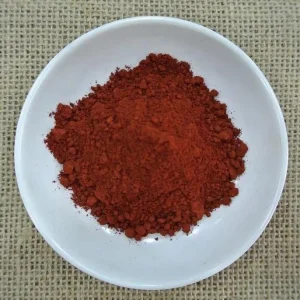
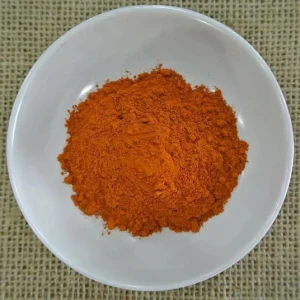
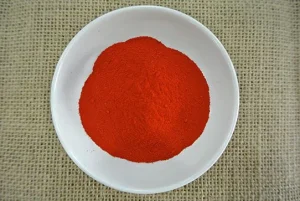
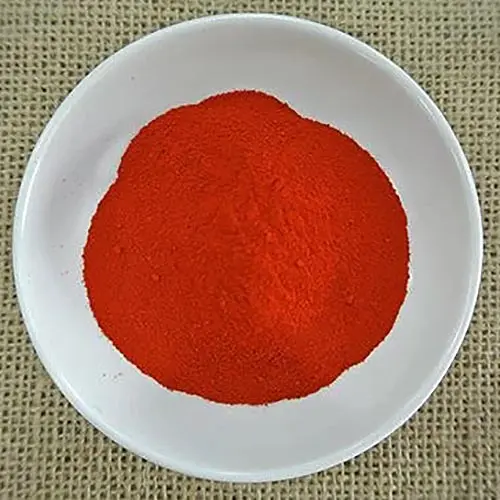
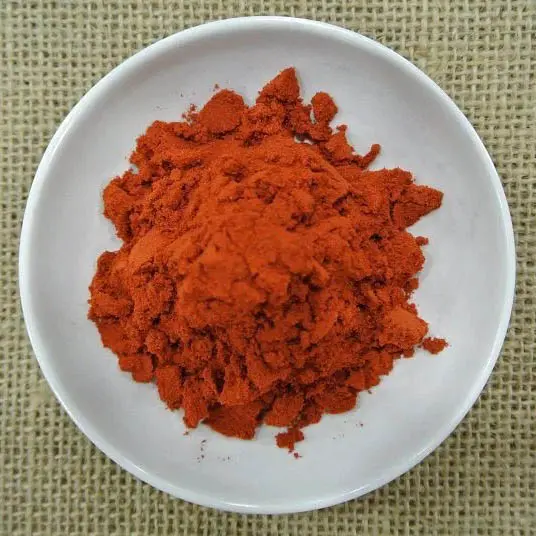
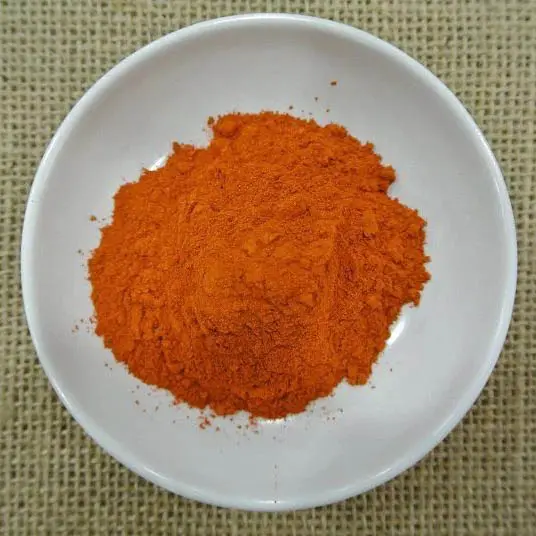
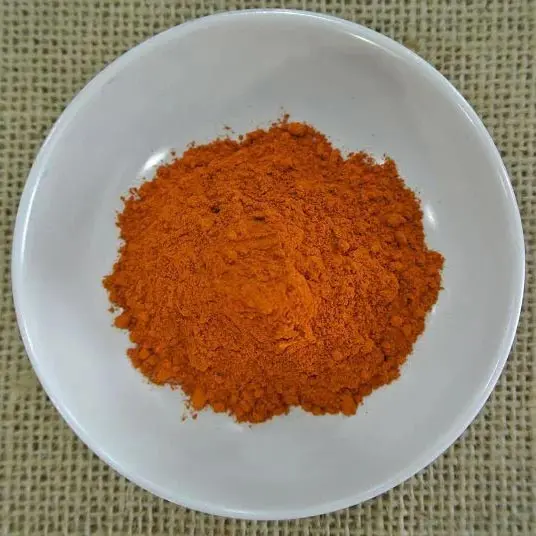
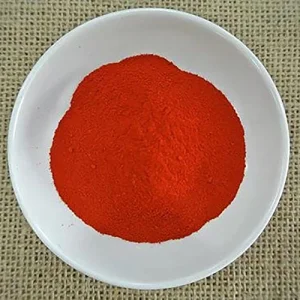
Synthetic and Wool Carpet Manufacturing: Traditional carpet weaving holds cultural importance in Kuwait, but modern facilities in Sulaibiya also manufacture contract carpeting. Polyamide (nylon) fibers require acid dyes (such as Acid Orange 7 and Acid Yellow 36) to achieve clean, bright tones that resist heavy wear and cleaning agents.
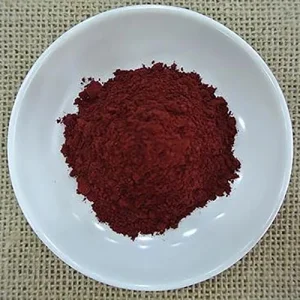
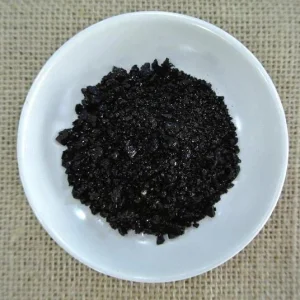
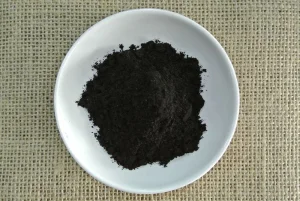
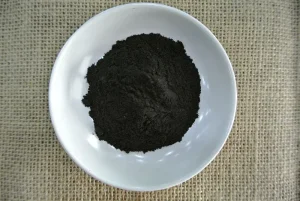
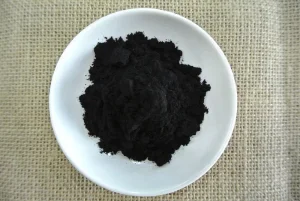
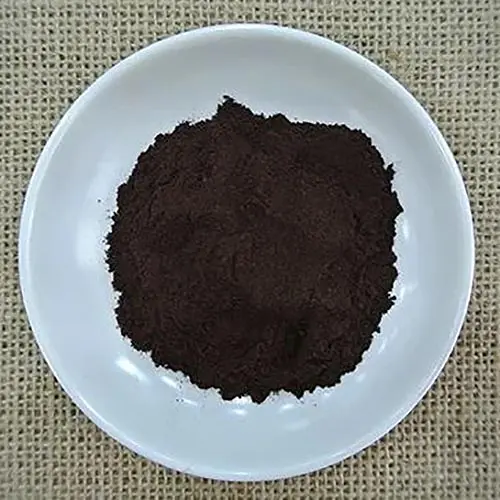
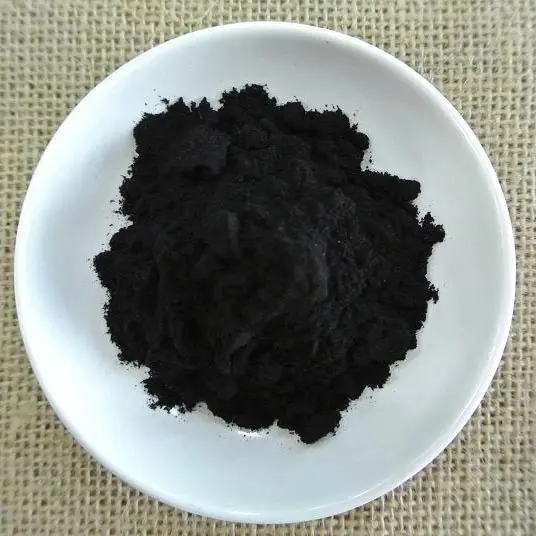
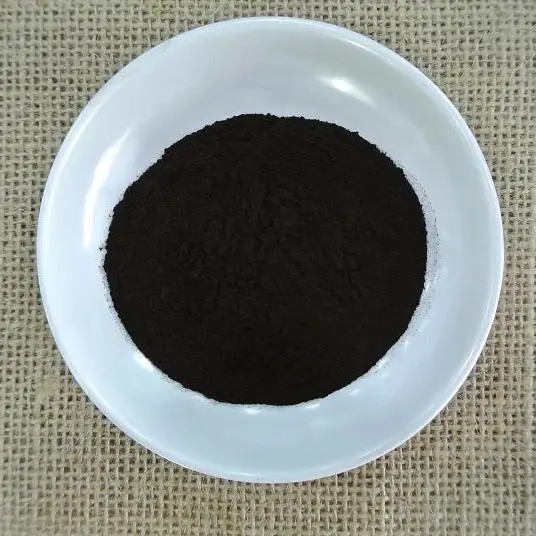
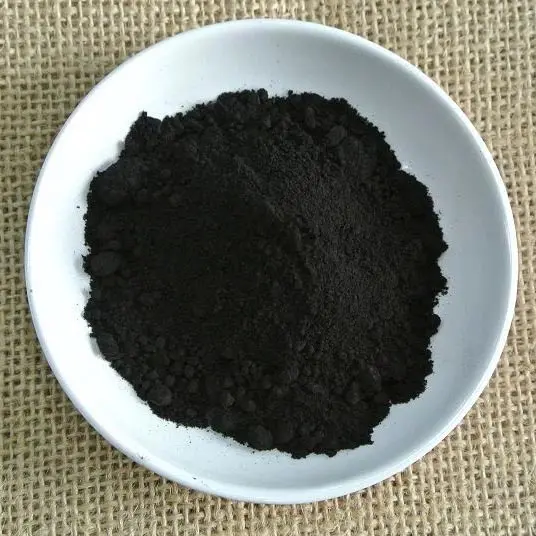
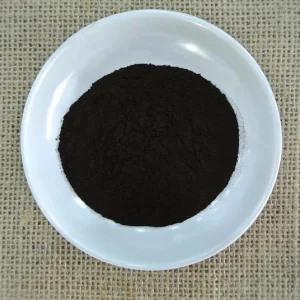
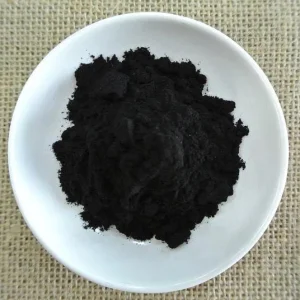
Forensic Investigation and Law Enforcement: Forensic science departments within Kuwait's Ministry of Interior rely on high-purity chemical dyes. Acid Black 1 (Amido Black) is the global standard for staining proteins in bloodstains and latent fingerprints on porous or non-porous surfaces. Providing highly pure, contamination-free Acid Black 1 powder is essential for ensuring accurate forensic results.
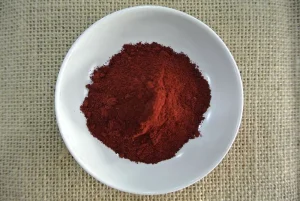
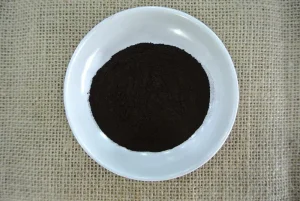
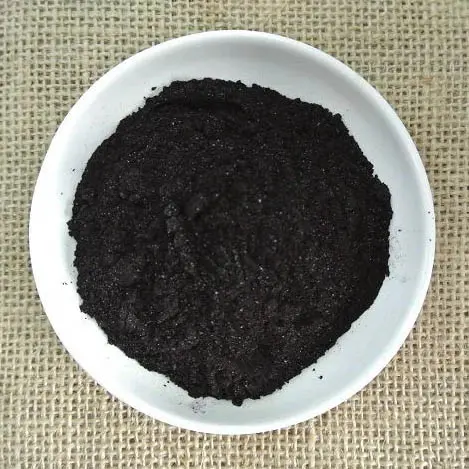
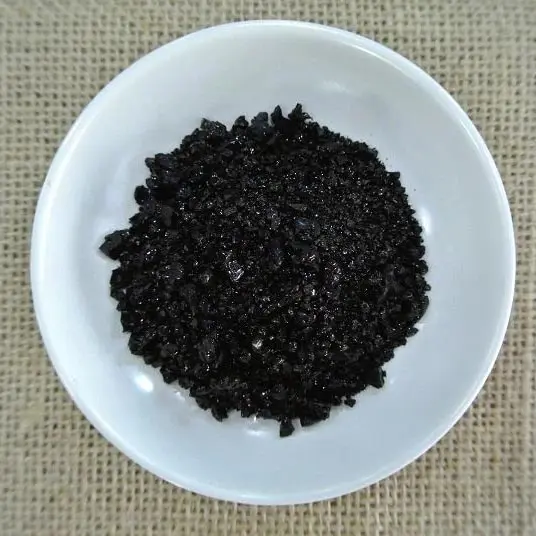
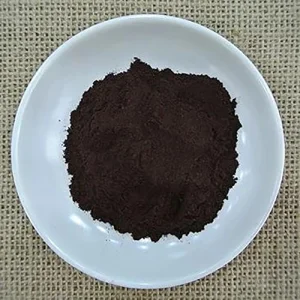
Commercial Tannery and Leather Goods: Although Kuwait’s tanning industry is specialized, the demand for premium leather processing remains high. Utilizing dyes like Acid Red 14 and Acid Black ATT ensures complete dye penetration into deep-grain leather, resulting in a rich finish for high-end upholstery, luxury leather goods, and premium footwear.
3. Strategic Advantages of Partnering with Chinese Factories
Procuring from an established Chinese manufacturer like Tianjin Sunrise Chem Group offers significant advantages for Kuwaiti chemical importers:
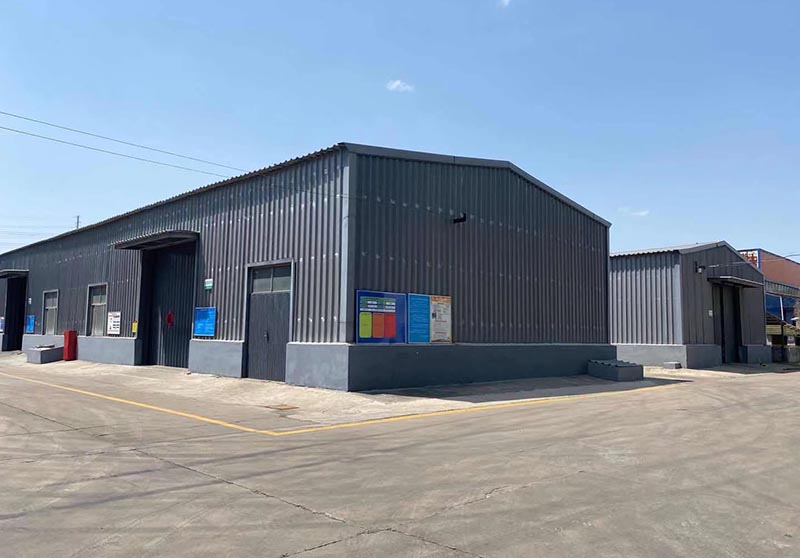
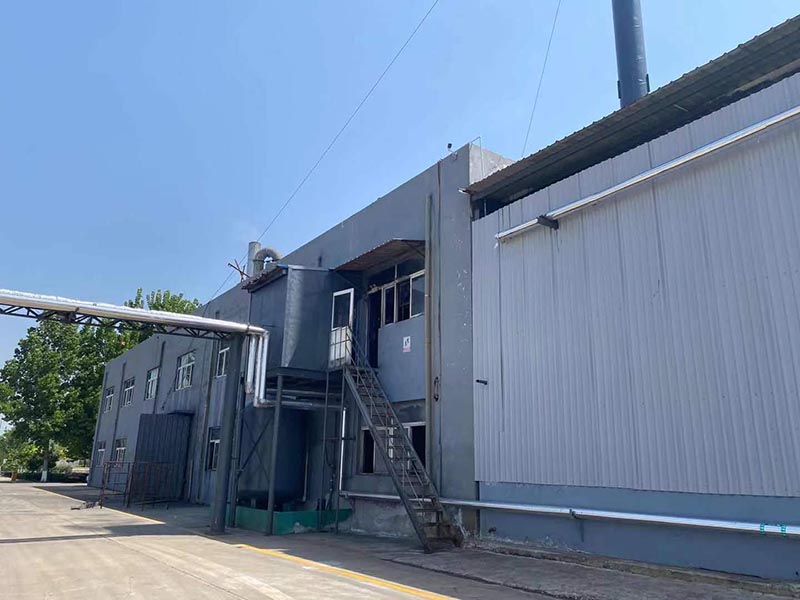
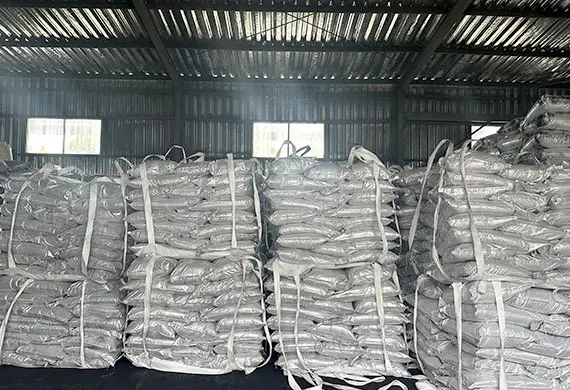
Advanced Manufacturing Scale & Cost Efficiency: Chinese production facilities leverage advanced process automation, significantly lowering production costs while maintaining strict batch-to-batch consistency. Our large-scale production ensures that Kuwaiti buyers receive competitive wholesale pricing, avoiding the high markups of regional distributors.
Rigorous Quality Control & Lab Testing: Every shipment undergoes rigorous testing before leaving the factory. Modern spectrophotometers verify color strength, tone accuracy, and solubility limits. This minimizes production downtime for end-users, ensuring that the dyestuffs behave predictably in industrial dye baths.
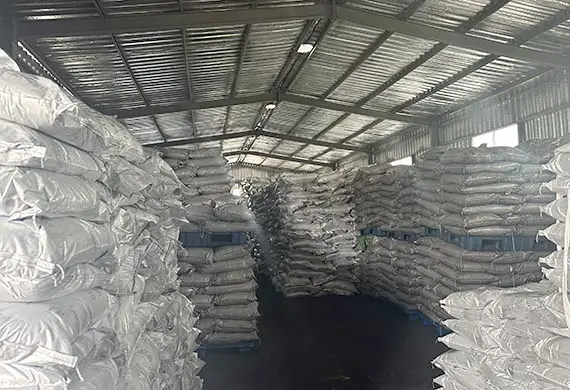
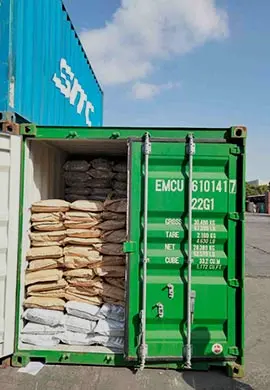
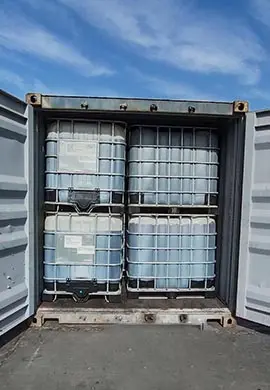
Streamlined Logistics to Gulf Ports: Utilizing direct shipping lanes from major Chinese ports (such as Tianjin Port) to Kuwait's Shuwaikh Port and Shuaiba Port ensures reliable transit times. We manage export documentation, hazardous material packaging compliance, and customs clearance support to ensure smooth, on-time delivery.
4. Global Standards, Sustainability & ZDHC Level 3 Certifications
Environmental regulations in the GCC region, overseen by organizations like the Kuwait Environment Public Authority (EPA), have grown increasingly stringent. Industrial operations must ensure that their supply chains utilize chemical components free of restricted hazardous substances.
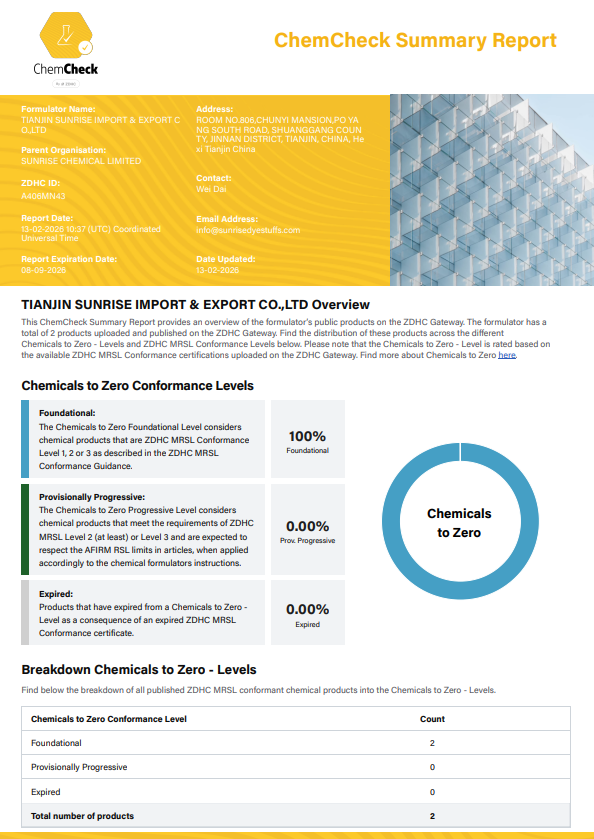
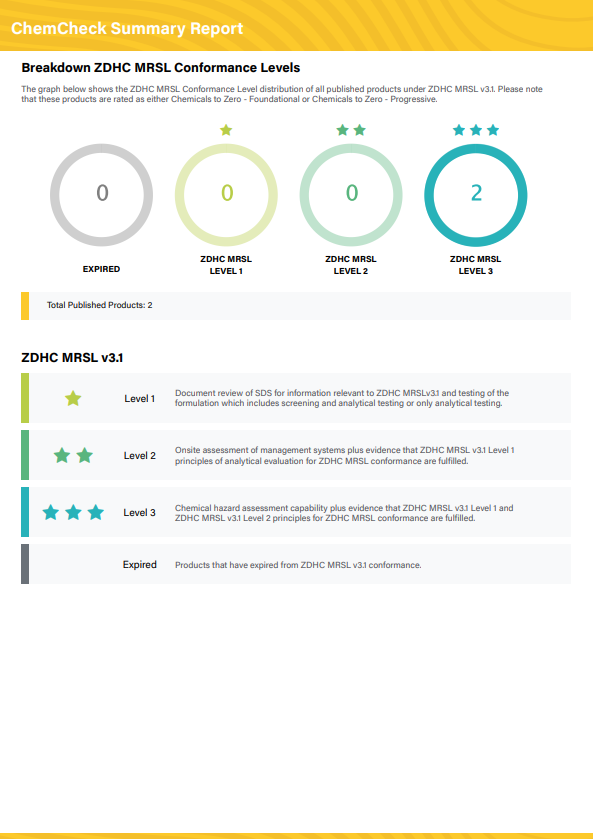
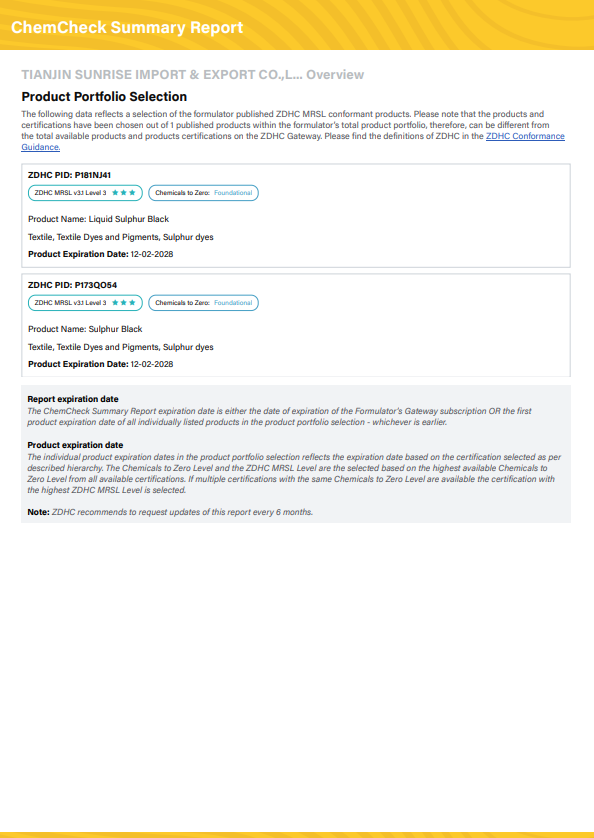
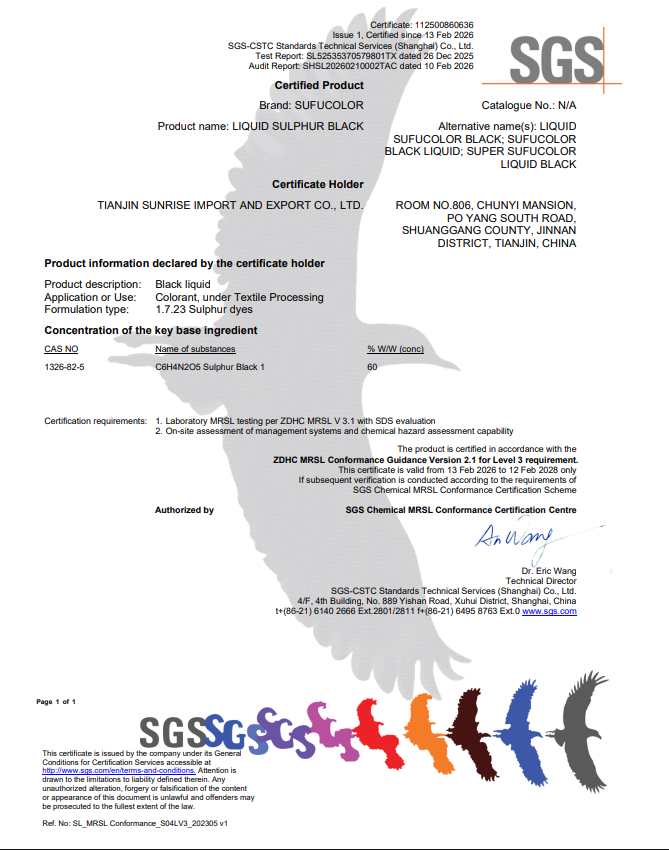
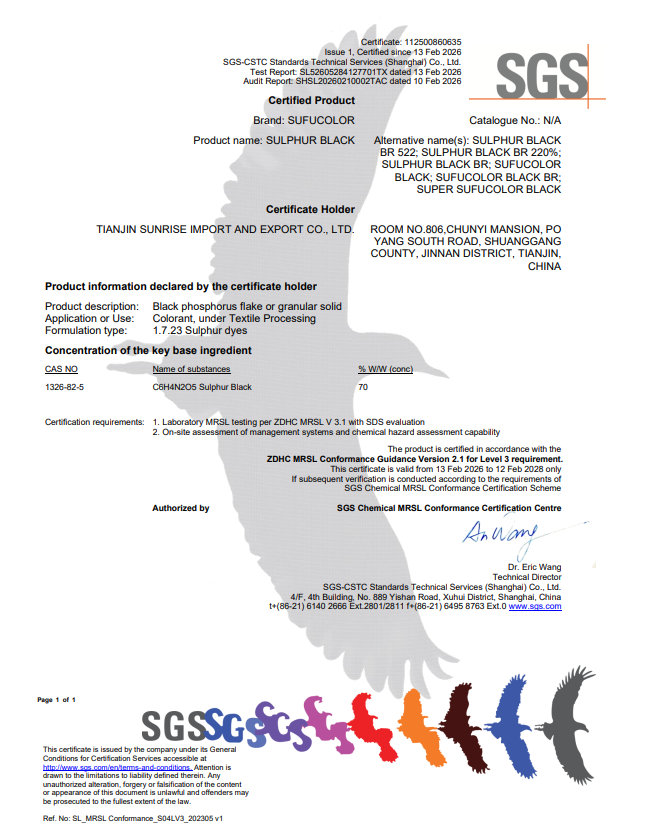
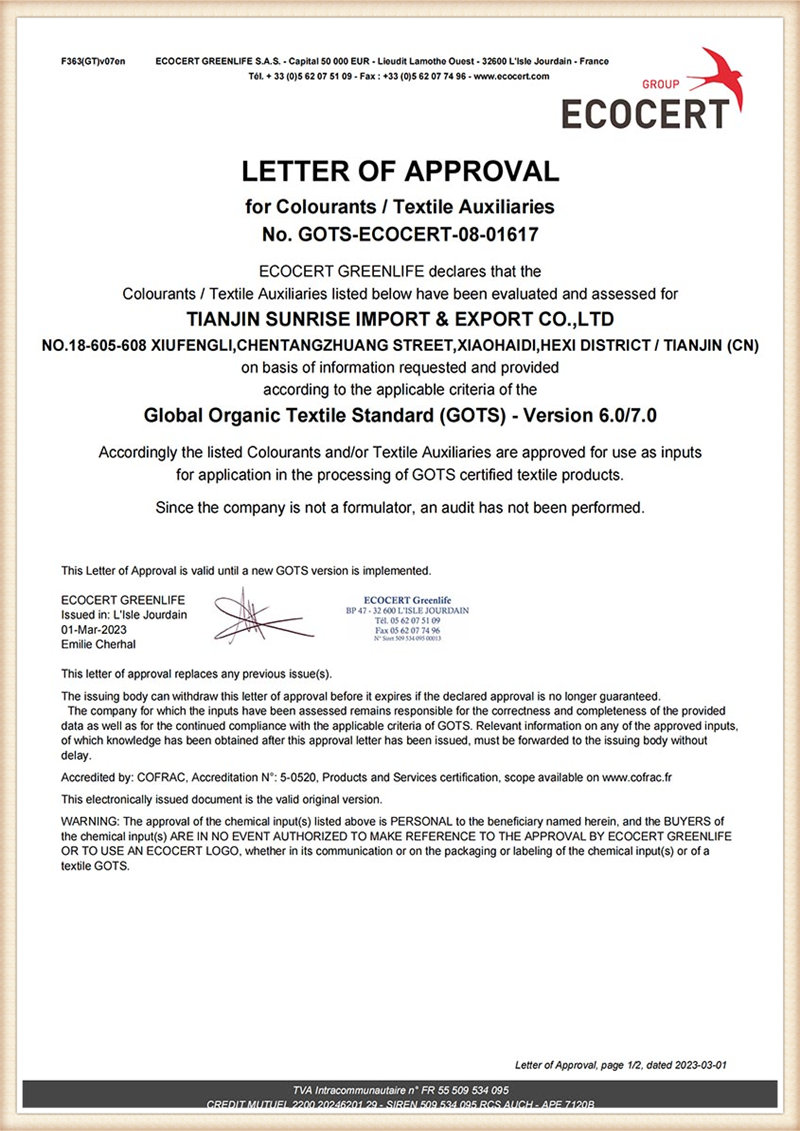
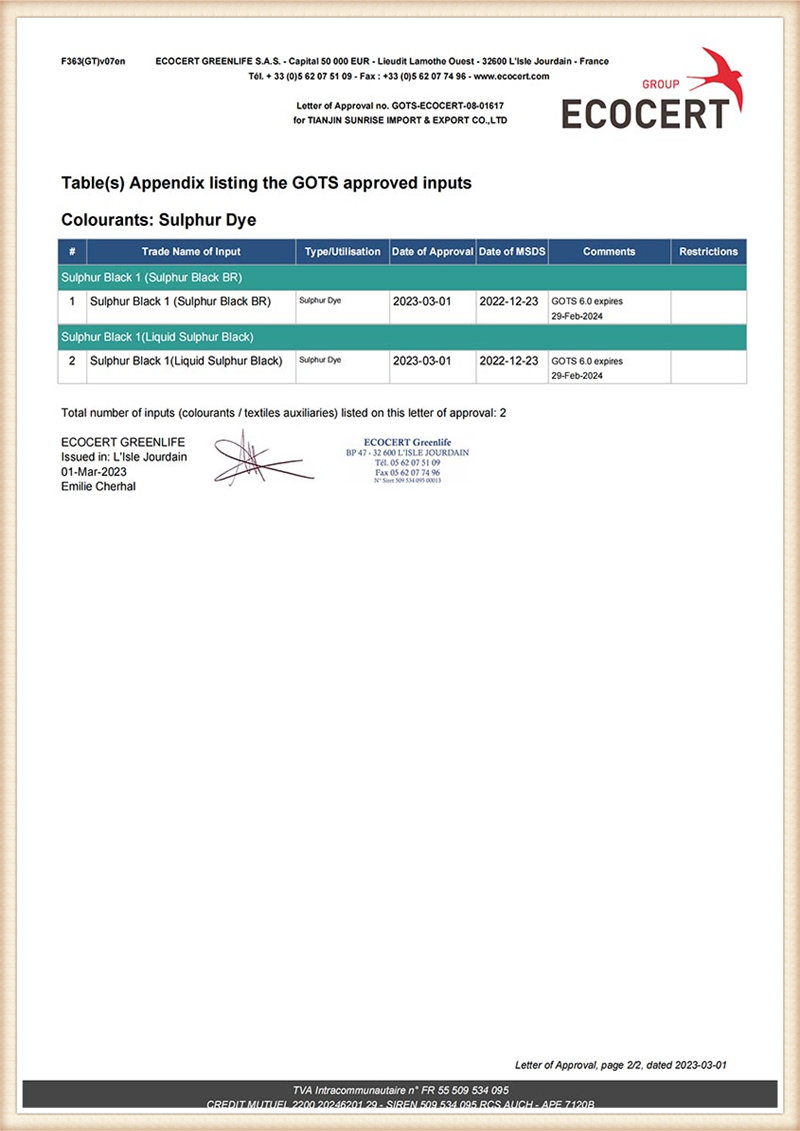
Our dyes hold ZDHC Level 3 and GOTS (Global Organic Textile Standard) certifications. These credentials verify that our manufacturing processes do not introduce restricted arylamines, heavy metals, or alkylphenol ethoxylates (APEOs) into the environment. By purchasing certified eco-friendly dyes, Kuwaiti textile and paper mills can ensure compliance with international sustainability audits, facilitating export access to European and North American markets.
Certified Compliance Standards: