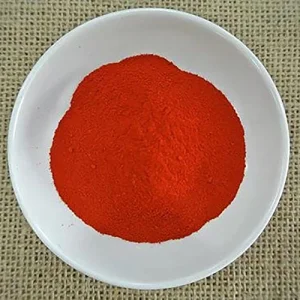
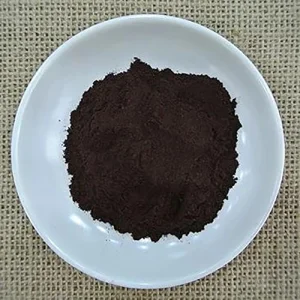
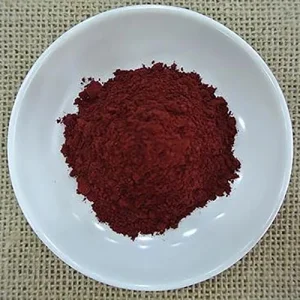
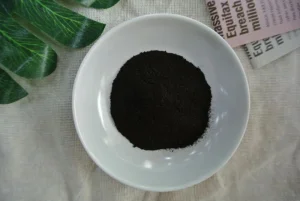
Our primary acid and direct dye solutions optimized for regional distribution in the Greater Toronto Area (GTA), engineered to comply with high environmental and application standards.
The Greater Toronto Area (GTA), encompassing Mississauga, Brampton, Vaughan, and Hamilton, serves as Canada’s dominant commercial engine for high-value chemical distribution and manufacturing. Although traditional large-scale textile mills have shifted, the demand for specialized, high-performance acid dyes has evolved rapidly. Today, Ontario's colorant market focuses heavily on advanced applications, including technical nylon fabrics, specialized safety gear, high-grade leather apparel, and academic or forensic research.
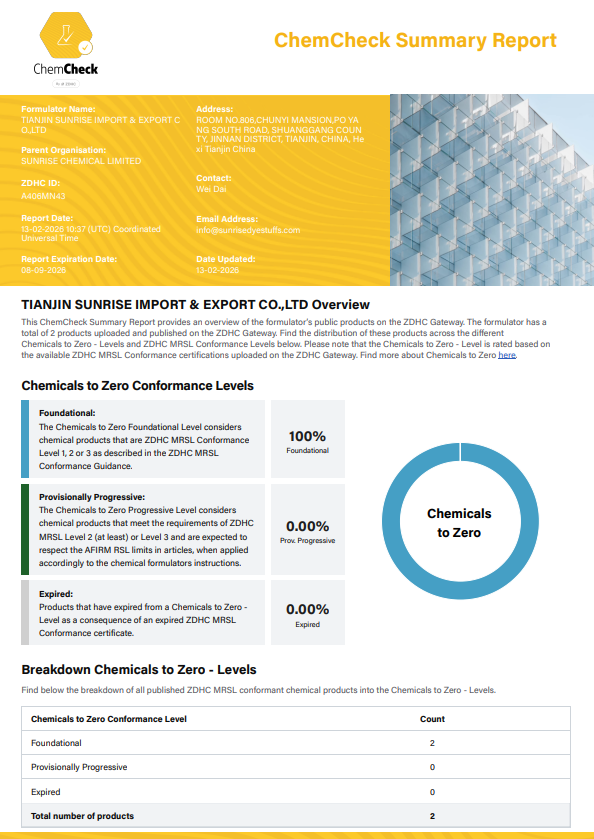
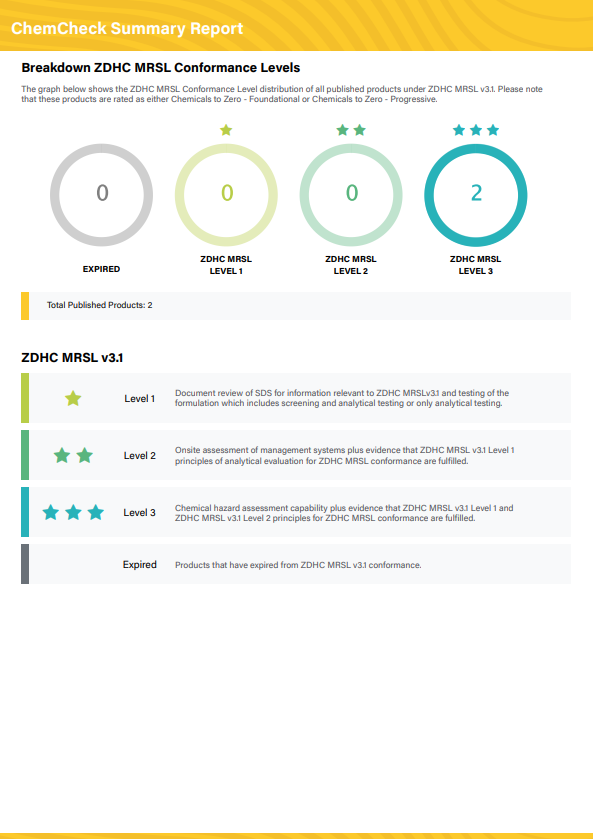
Environmental compliance is a primary driver in Toronto's industrial landscape. Local businesses must navigate strict municipal wastewater bylaws—specifically the City of Toronto Sewer By-law (Chapter 681)—which strictly regulates chemical discharge limits. Consequently, manufacturers in Ontario are actively seeking chemical suppliers who provide ZDHC (Zero Discharge of Hazardous Chemicals) Level 3 and GOTS (Global Organic Textile Standard) certified dyestuffs to reduce wastewater treatment overheads and assure regulatory safety.
"The Shift to High-Performance Chemistry:" Modern industrial users in Toronto no longer evaluate colorants purely on per-kilogram costs. Instead, the focus has shifted to environmental efficiency, high fixation rates, and compliance with the Canadian Environmental Protection Act (CEPA). Providing high-performance dyes with ZDHC Level 3 certifications gives local enterprises a critical regulatory advantage.
The global dyestuff market is transitioning from commodity chemical supply to performance-driven, ecologically certified systems. Acid dyes—typically anionic compounds containing sulfonic acid or other acidic groups—are the primary choice for coloring nitrogenous fibers such as wool, silk, polyamide (nylon), and modified acrylics. Internationally, the market is consolidated among manufacturers capable of maintaining strict raw material purity while minimizing toxic by-products like arylamines.
Integration of key intermediates (such as H-Acid, Gamma Acid, and various aniline derivatives) determines supply consistency. Factories that possess direct vertical integration are insulated from global feedstock volatility, ensuring stable production outputs for North American clients.
Major brands globally demand compliance with the OEKO-TEX Standard 100, REACH regulations in Europe, and EPA/CEPA mandates in North America. Eliminating restricted heavy metals (such as hexavalent chromium and cobalt) from metal-complex dyes remains a key technological focus.
Modern dyehouses require formulations with excellent solubility, high exhaustion rates, and outstanding migration properties. High-solubility powder and liquid forms minimize dust generation in automatic dispensing systems, promoting workplace safety.
Different industries within Toronto and its surrounding regions require highly specialized dye formulations. Below is a map of how our technical products meet localized industrial demands.
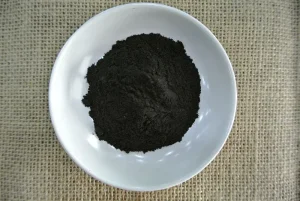
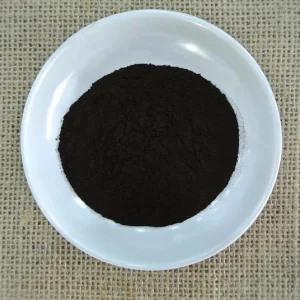
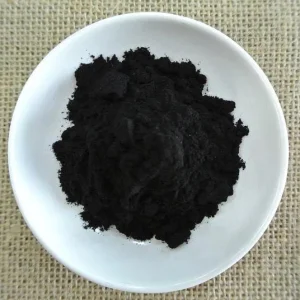
Toronto’s leading forensic labs, university research facilities, and provincial police services utilize Acid Black 1 (often formulated as Amido Black) for latent print development. This chemical dye binds selectively to protein residues left in blood or body fluid marks on porous and semi-porous surfaces. Purity, particle size, and exact pH control are critical to achieving high-contrast imaging without destroying underlying DNA evidence.
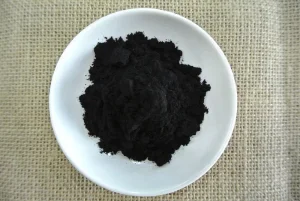
View Forensic SpecificationsThe automotive parts manufacturing belt in Southern Ontario requires premium leather dyeing solutions. Utilizing Acid Black ATT and Acid Red 14, local tanneries produce leather upholstery with excellent light fastness and rub fastness. These dyes must penetrate deeply into the collagen matrix of the hide to ensure consistent color depth, preventing fading under high UV exposure inside vehicles.
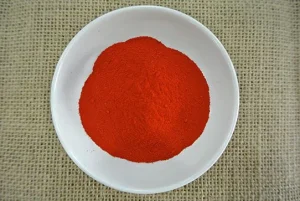
Explore Leather ColorantsToronto’s active apparel design sector, centered around the Fashion District, relies on high-quality wool and nylon dyes for prototype runs and premium lines. Dyes such as Acid Orange 7 and Acid Red 73 provide the vibrant color palettes and high wash-fastness required for modern sportswear and outerwear, ensuring compliance with commercial retail brand restricted substance lists (RSLs).
See Apparel ApplicationsWith the massive growth of e-commerce logistics centers in Brampton and Mississauga, sustainable packaging production has surged. Paper mills in the GTA utilize direct and acid dyes (such as Direct Yellow 12 and Direct Black EX) to dye pulp for high-strength, visually uniform containerboards, ensuring the colorants used do not interfere with paper recycling loops.
Browse Paper DyesTo achieve exceptional color fastness, a deep understanding of the ionic interaction between dyestuff and substrate is essential. Acid dyes are typically water-soluble anionic dyes applied to fibers from acidic dye baths.
The chemical structures of fibers like wool and silk contain numerous basic amino groups ($-NH_2$). In an acidic dye bath (typically controlled via acetic or formic acid to a pH range of 4.0 to 5.5), these amino groups become protonated, converting into cationic sites ($-NH_3^+$). The sulfonate groups ($-SO_3^-$) present on the acid dye molecules undergo an electrostatic/ionic bonding process with the protonated fibers:
Fiber-NH₃⁺ + Dye-SO₃⁻ ➔ Fiber-NH₃···O₃S-Dye
In addition to ionic bonds, secondary forces—specifically hydrogen bonding and Van der Waals forces—stabilize the dye within the fiber matrix, preventing migration during washing. In polyamide (nylon) dyeing, control of the temperature ramp is critical to prevent uneven dyeing, as nylon has a lower moisture-regain rate and fewer dyeing sites compared to natural proteins.
Tianjin Sunrise Chem Group offers more than raw chemical products; we provide complete macro-level supply solutions tailored to the logistical and environmental reality of Canadian businesses.
By integrating ocean freight routes to the Port of Montreal with rapid rail transfers directly to our intermodal hubs in the Greater Toronto Area, we ensure minimal lead times and avoid seasonal supply chain disruptions.
Our laboratory matches color samples provided by local mills and adjusts dye concentrations to run efficiently on specific local machinery, reducing initial testing time and minimizing raw chemical waste.
We provide full technical documentation for local municipal authorities, helping engineers optimize wastewater treatment processes to remove colorants and ionic residues effectively before discharge.
Tianjin Sunrise Chem Group specializes in manufacturing high-quality dyestuffs, including Direct dyes, Acid dyes, Basic dyes, Sulphur dyes, Solvent dyes, Liquid dyes, and Fluorescent dyes.
Backed by decades of industry and export experience, we have built a reputation for reliability and excellence, serving clients from diverse sectors including denim, textile, leather, paper, and plastic. We always focus heavily on chemical quality and stability. Every batch is tested prior to dispatch to the port, with ZDHC Level 3 and GOTS certificates ensuring your quality and compliance standards are fully guaranteed.
We pride ourselves on offering customized solutions. Our team of experts works closely with clients to understand their unique needs, delivering tailored products and services. We actively seek strategic partnerships to expand our global reach. Collaborate with us to explore mutual growth opportunities.
Environmental protection is the cornerstone of our innovation. We dedicate ourselves to providing clients with eco-friendly, high-quality colorants that balance productivity with environmental harmony, driving the industry towards a sustainable development path. We contribute to a greener textile industry and a sustainable future.
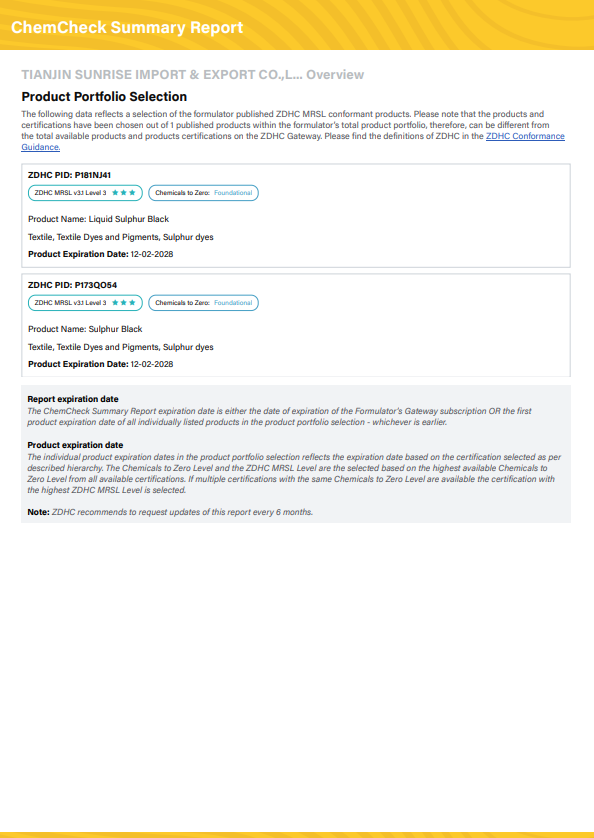
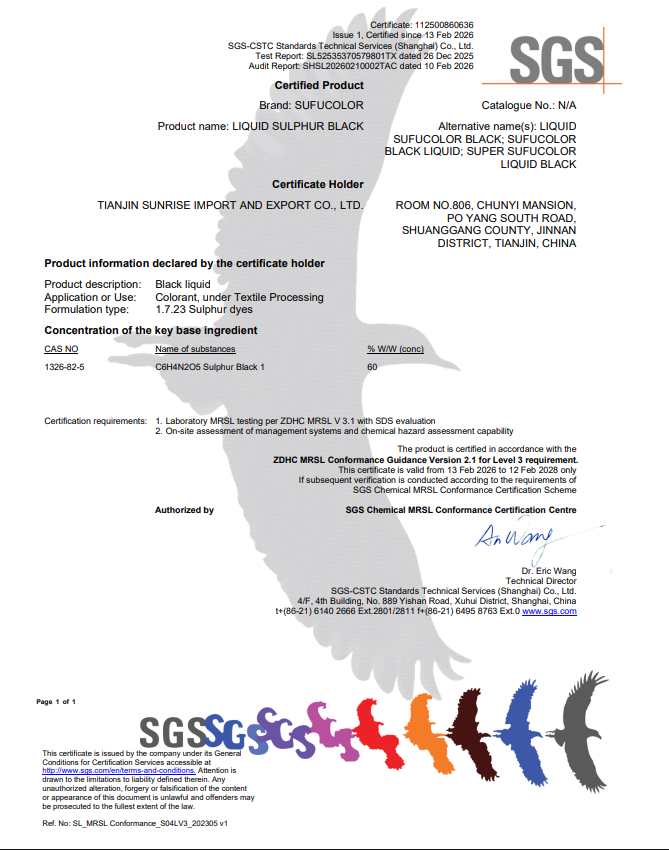
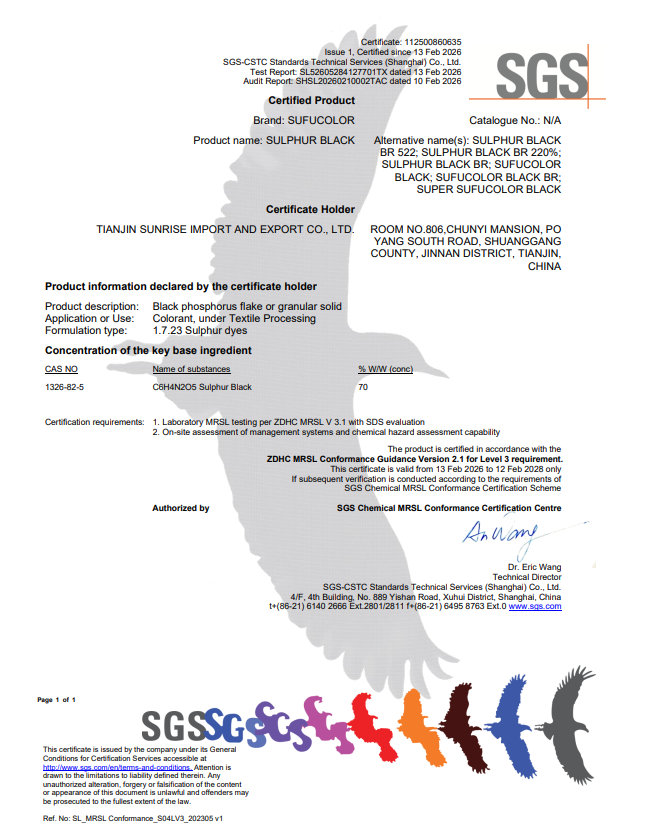
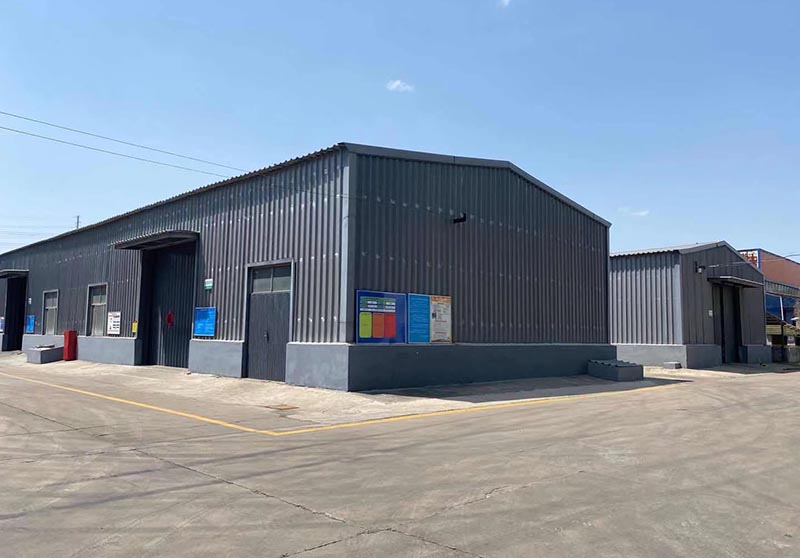
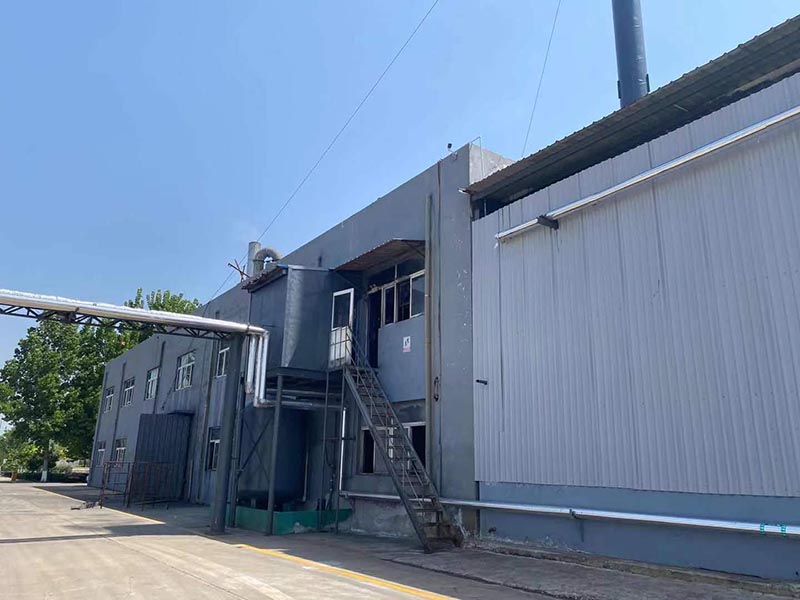
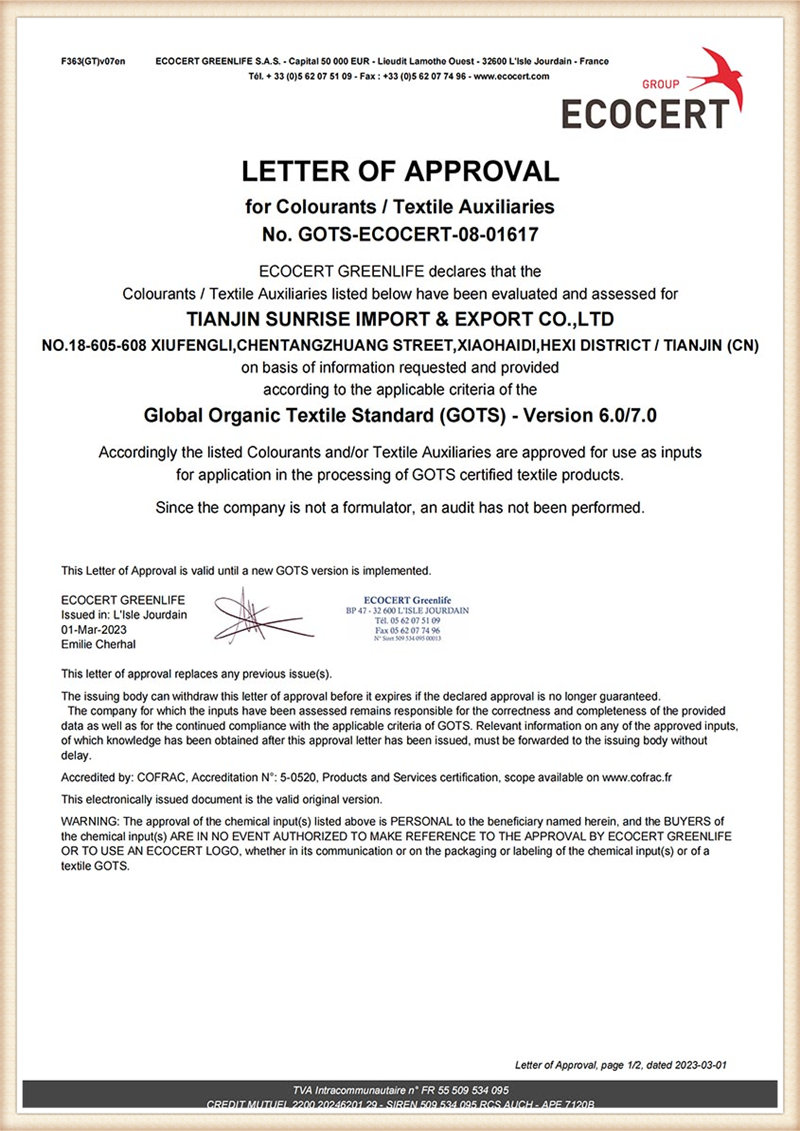
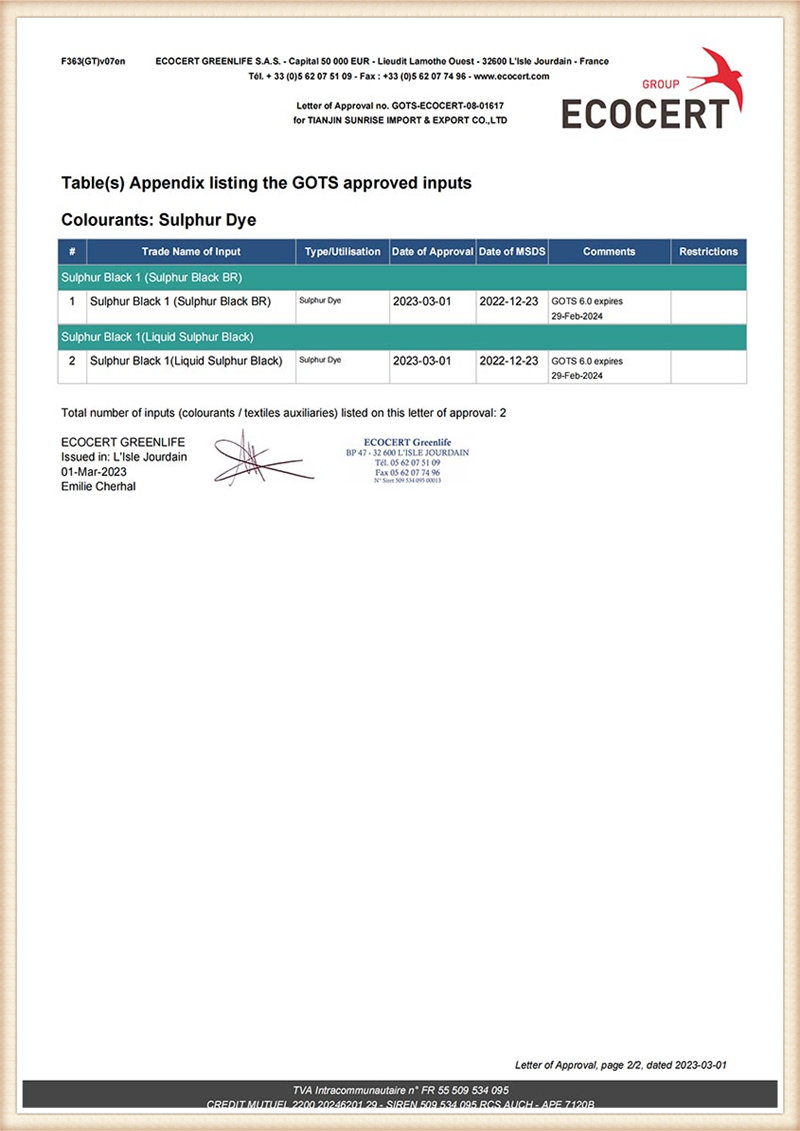
Cooperating with textile and paper mills for many years shows that the factory has established a strong and reliable business relationship. This kind of long-term collaboration can bring numerous benefits, such as consistent orders, shared resources, and mutual support. It also indicates that the factory has a good track record of delivering quality products and meeting the needs of its partners.
Our mission is to drive business growth by providing reliable and customized products. Our goal is to make a significant contribution to our customers' success by consistently delivering first-class products and exceptional customer service. By building lasting partnerships, we strive to be a catalyst for our clients' success.
With years of experience, we have successfully established strong partnerships in many countries. Our dedication to meeting global demands and exceeding customer expectations has earned us a reputation as a reliable supplier worldwide. If you are looking for reliable, high-quality Dyes, we invite you to choose us as your trusted partner.
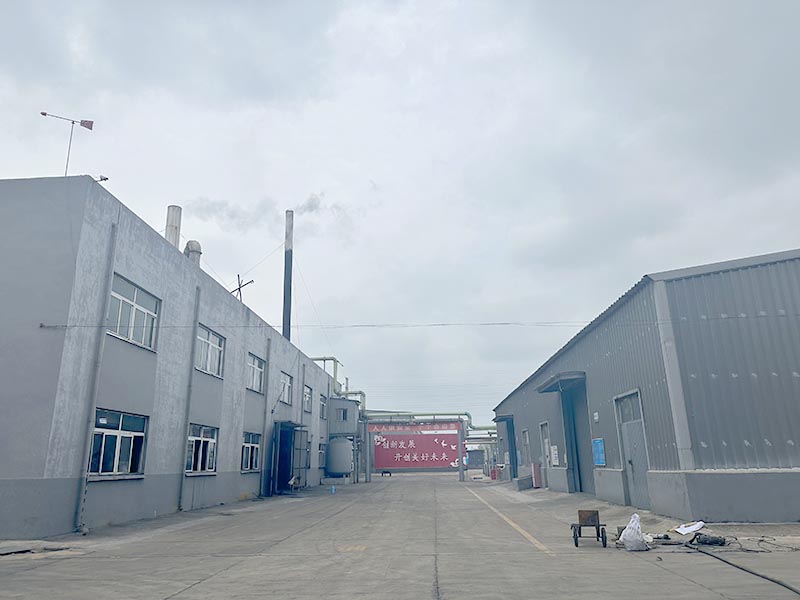
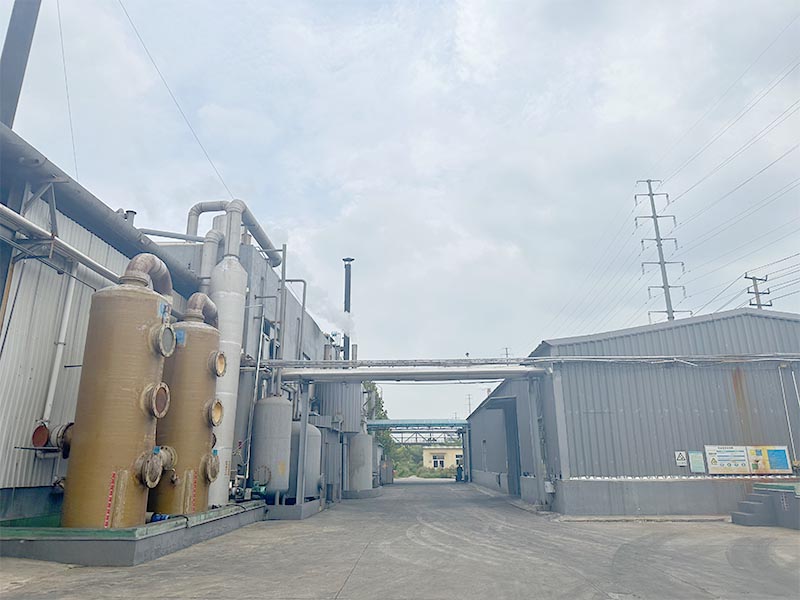
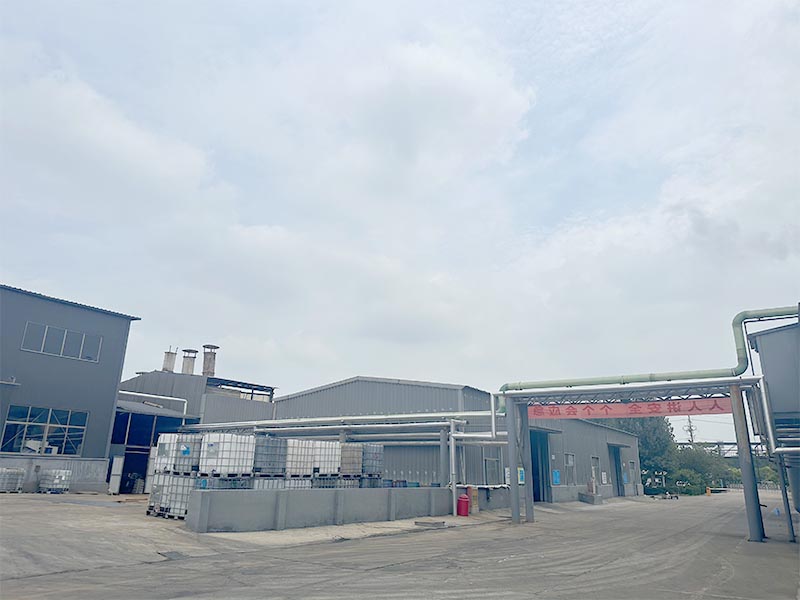
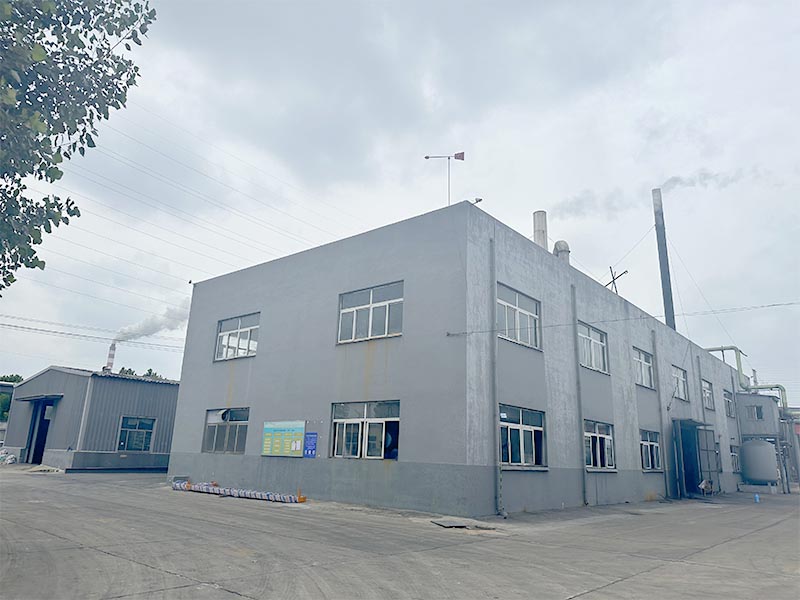
Explore our primary chemical dyes engineered for consistent fastness, solubility, and structural integrity. All product titles have been adapted to highlight applications relevant to Toronto area enterprises.
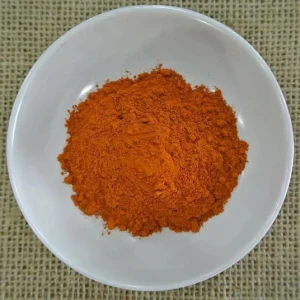
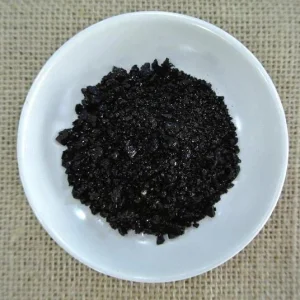
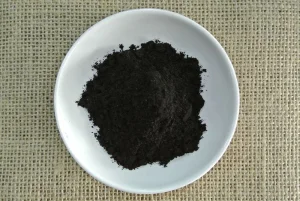
Our additional product offerings, ensuring a complete and uninterrupted dye line for multi-substrate processes in the GTA area.
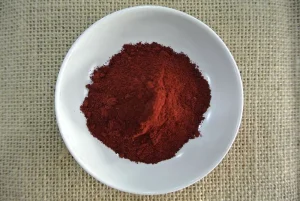
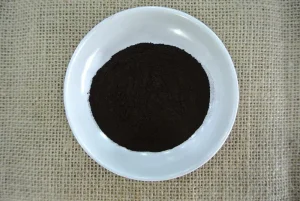
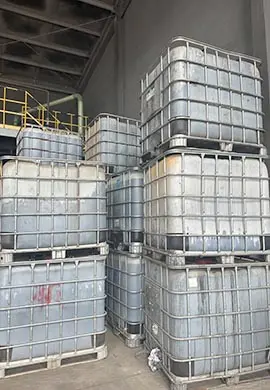
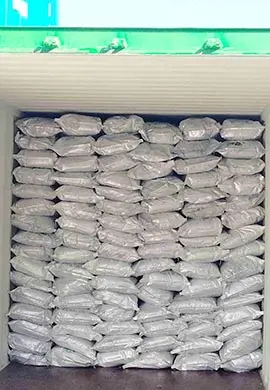
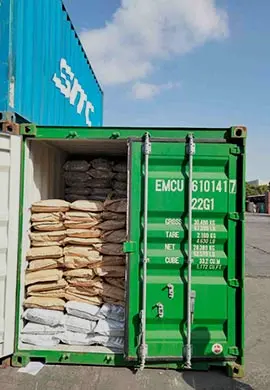
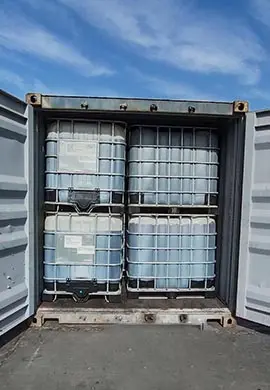
We not only produce and export dyes and pigments but also prioritize long-term cooperation with our customers, providing them with quality services that exceed their expectations. Our modern logistics setups support continuous chemical transport to industrial centers worldwide.
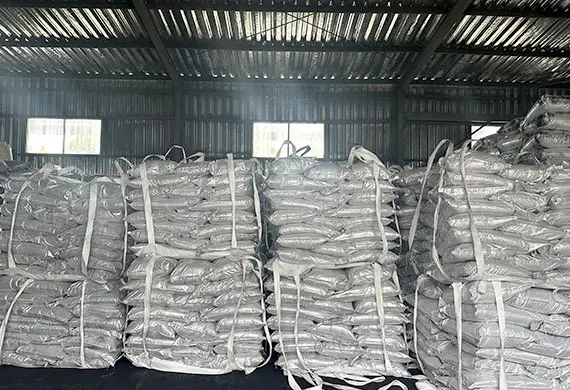
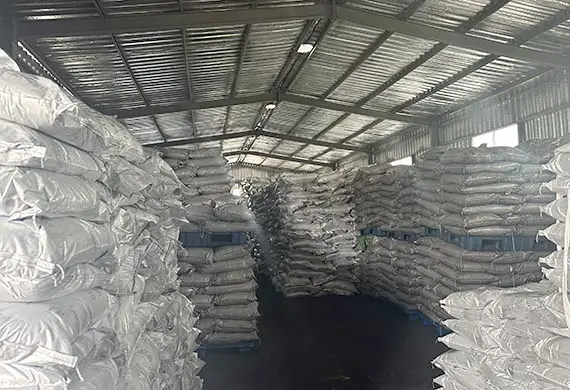
Stable Supply Chain Operations: One of the main reasons why customers choose us is the stable supply of dyes we provide. We have developed efficient manufacturing processes to ensure a continuous supply of our products. Our factories feature state-of-the-art equipment and a knowledgeable workforce, which enables us to fulfill the most demanding orders. With us, you can begin your manufacturing journey with confidence knowing that dye availability will never be an issue.
The future of the dye industry is closely tied to reducing the consumption of water and energy, while eliminating hazardous effluents. As regulatory frameworks become stricter in North America and Europe, the research and development pipeline centers on the following key areas:
Conventional dyeing of nylon and wool requires sustained boiling temperatures, consuming significant energy. Future developments focus on molecular auxiliaries that open up the fiber polymer structure at lower temperatures (approx. 75-80°C), allowing rapid color diffusion without damaging structural proteins or consuming excess heat.
To reduce water treatment overhead, manufacturers are moving towards stable aqueous solutions of acid dyes. Liquid formats eliminate dust hazards during weighing and mixing, dissolve immediately without risk of spotting, and exhibit higher exhaustion rates, meaning less dye residue is carried into wastewater streams.
Detailed technical answers to help procurement managers and chemical process engineers evaluate and optimize dye applications.
Contact our chemical engineering team today to request specific material safety data sheets, color matching services, or to arrange bulk deliveries to your production facilities.
Send Inquiry Now Sunrise