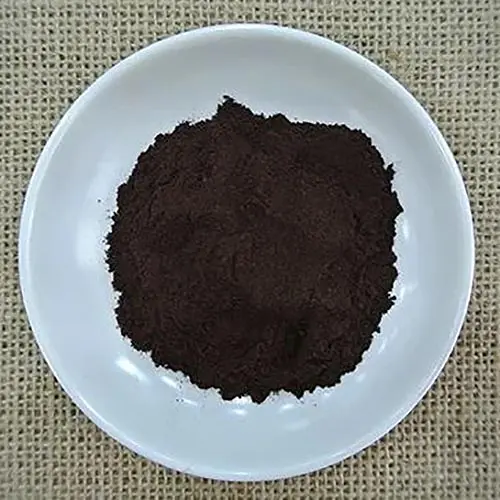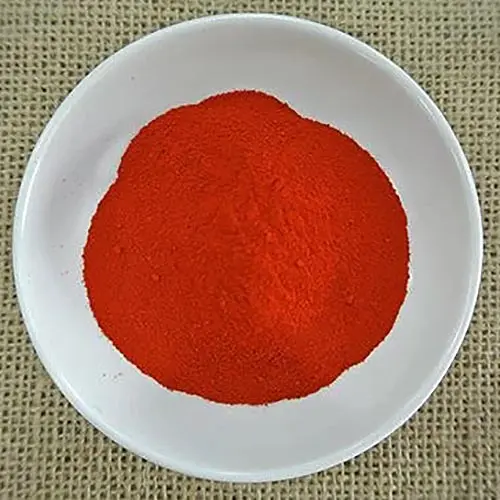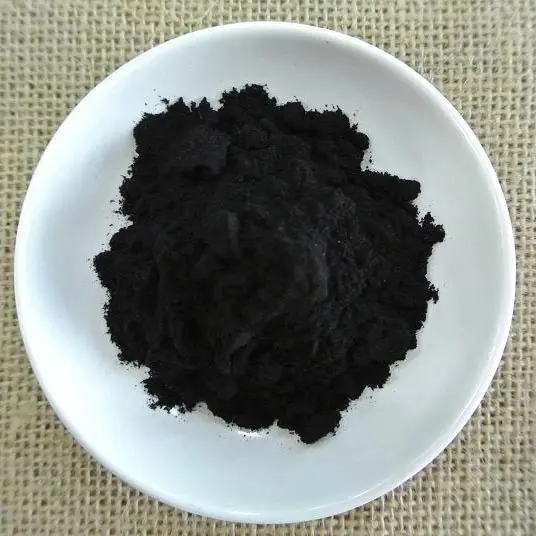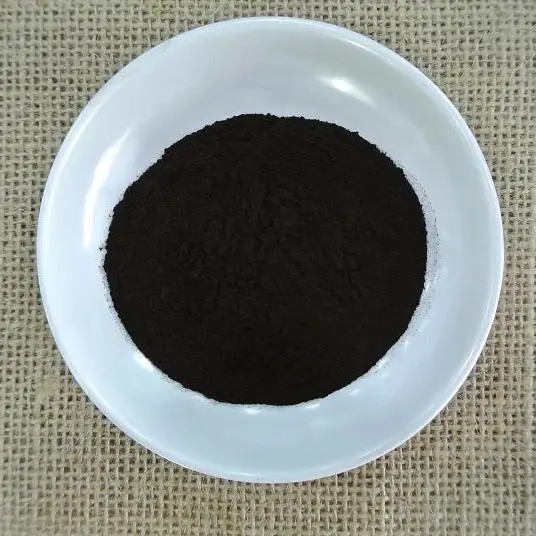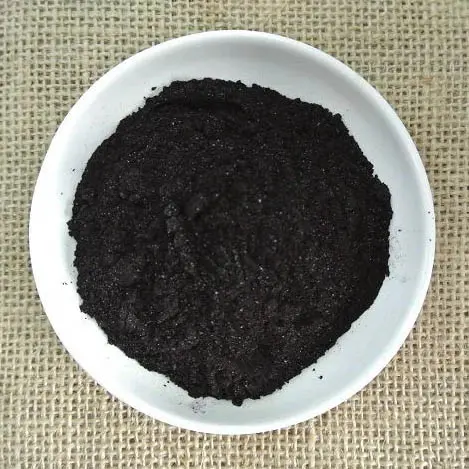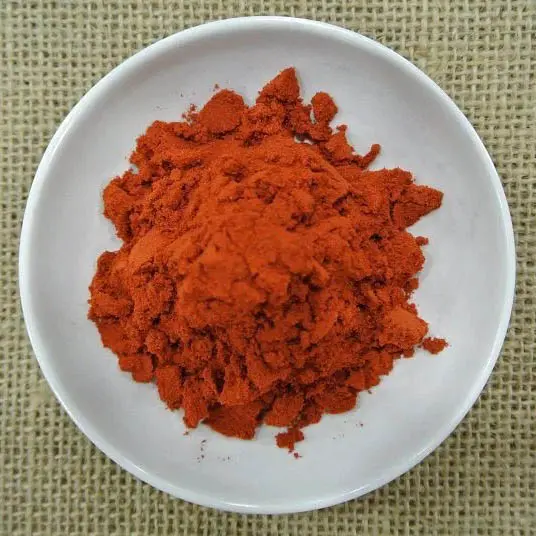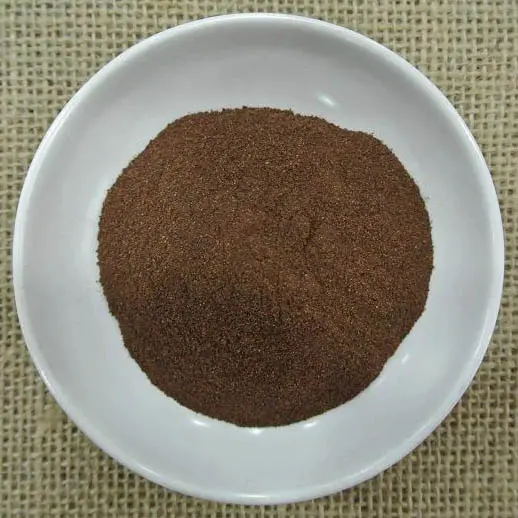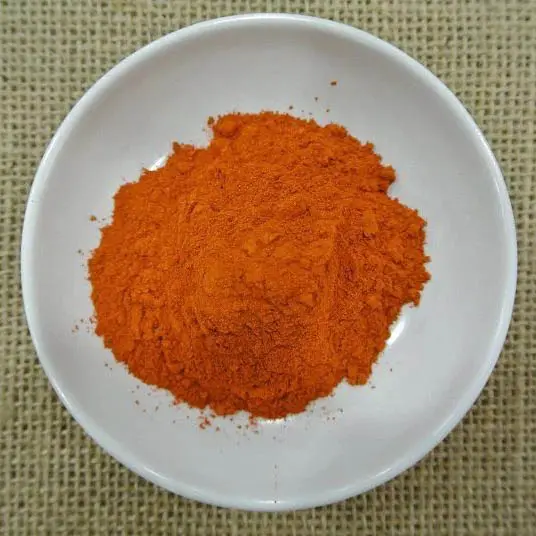
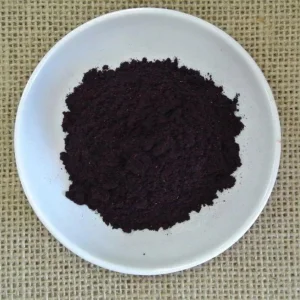
Exploring the molecular structure, properties, and core chemical pathways of Sulphur Red dyestuffs in advanced cotton, cellulose, and textile applications.
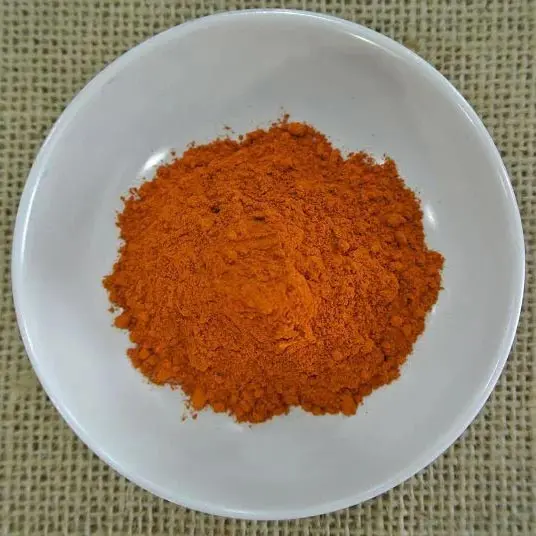
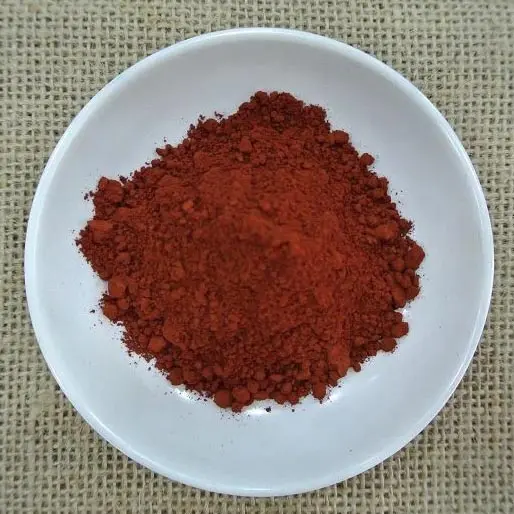
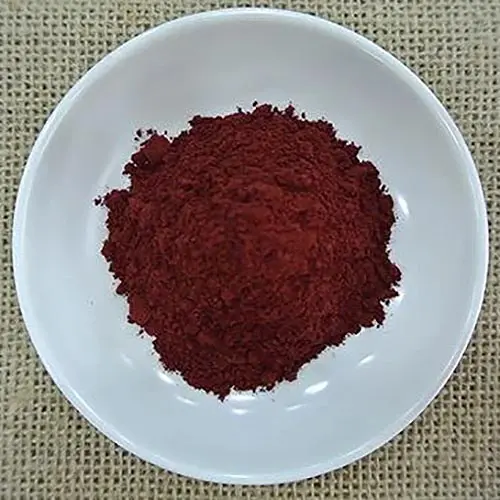
Sulphur dyes represent one of the most cost-effective and highly valued categories of colorants for cellulosic fibers, universally celebrated for their outstanding washing fastness and light resistance. Within this category, Sulphur Red (typically characterized by Sulphur Red 14 and derivative organo-sulfur compositions) provides the international dyeing sector with deep, complex, and highly durable reddish-brown, maroon, and dark-red hues. Unlike reactive or direct dye chemistry, the synthesis of Sulphur Red relies on the complex thionation of aromatic organic intermediates with elemental sulfur or sodium polysulfide.
This process results in macromolecular cross-linked structures connected by disulfide bonds (-S-S-). This unique structure forms the basis of the dye's performance. When applied under optimal chemical conditions, these molecules deeply penetrate the porous amorphous regions of cellulose fibers. Upon oxidation, they undergo intermolecular dimerization, reverting to a highly insoluble polymeric state that physically locks within the fiber matrix, providing outstanding wet-fastness ratings.
A comparative overview of chemistry profiles, fastness characteristics, and comparative performance indicators.
| Performance / Spec Metric | Sulphur Red 14 (Standard Grade) | Low-Sulfide Liquid Red | Equivalent Reactive Dyes | Direct Red Dyes |
|---|---|---|---|---|
| Application Focus | Heavy Denim, Corduroy, Canvas | High-End Knits, Yarn Dyeing | Fashion Apparel, Cotton Blends | Paper, Low-cost Textiles |
| Light Fastness (ISO 105-B02) | 6 - 7 | 6 - 7 | 5 - 6 | 3 - 4 |
| Wash Fastness (ISO 105-C06) | 4 - 5 | 4 - 5 | 4 - 5 | 2 - 3 |
| Environmental footprint | Moderate (requires sulfide management) | Eco-Friendly (ZDHC Level 3) | High Salt & Water usage | High salt, wastewater challenges |
| Color yield | Outstanding | Excellent | Good | Moderate |
| Fixation Mechanism | Leuco Oxidation & Precipitation | Leuco Oxidation & Precipitation | Covalent Bond Formation | Hydrogen bonding & Van der Waals |
Because parent Sulphur Red is completely insoluble in water, it must be chemically converted to its soluble sodium salt form (the leuco compound) prior to application. This critical transformation involves reducing the disulfide links (-S-S-) to thiol groups (-SH) in an alkaline medium. The traditional method utilizes sodium sulfide (Na2S) as the reducing agent, but modern eco-conscious facilities increasingly adopt cleaner alternatives like sodium hydrosulfite or alkaline glucose solutions.
Once dissolved in this reduced leuco state, the dye molecules display high affinity for cellulosic substrates. Following exhaustion onto the fiber, the fabric is subjected to oxidation (using hydrogen peroxide or sodium bromate), which reverts the soluble leuco form back to the insoluble polymeric sulfur dye, creating a highly stable color network locked inside the fiber capillaries.
Why sourcing directors and supply chain managers in key regions prioritize high-stability Sulphur Red solutions.
For modern textile brands exporting to Europe and North America, regulatory compliance is non-negotiable. Sourcing directors look for manufacturers offering ZDHC Level 3 and GOTS-certified dyestuffs. This ensures the raw materials contain no banned arylamines, heavy metals, or restricted hazardous substances, minimizing chemical risk in the supply chain.
In massive continuous dyeing runs (such as denim processing plants), even slight deviations in dye strength or shade variation can ruin miles of fabric. Procurement teams select manufacturers like Sunrise Chem Group that conduct rigorous spectrophotometric testing on every single shipment to ensure consistent color values.
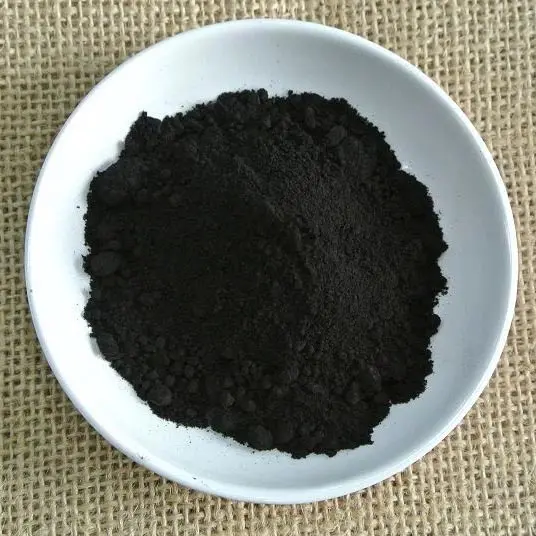
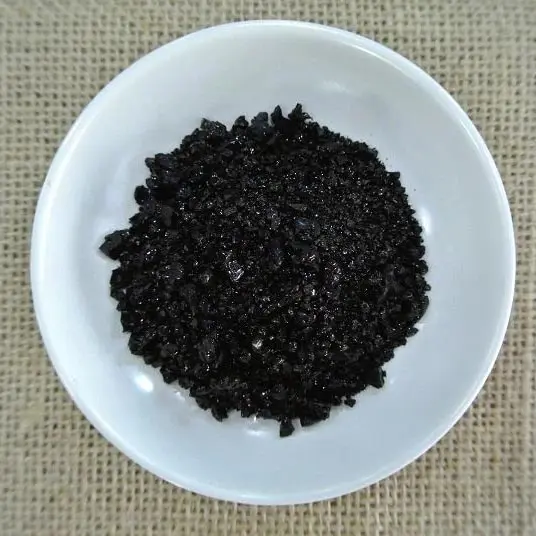
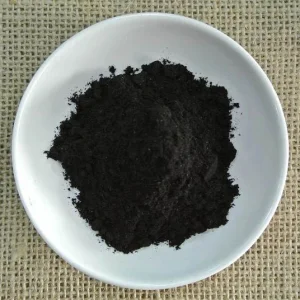
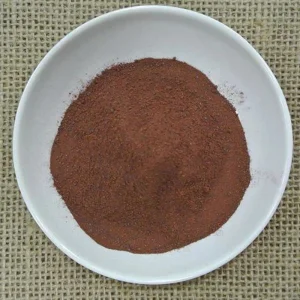
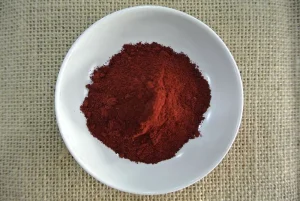
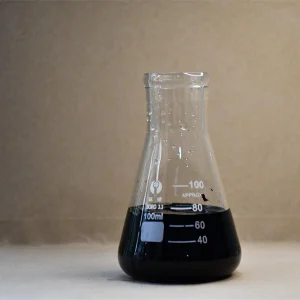
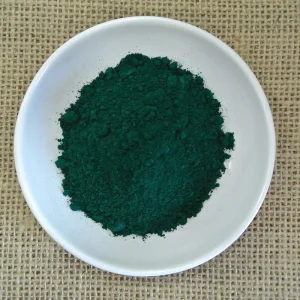
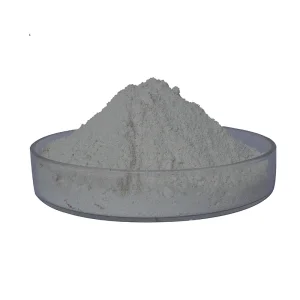
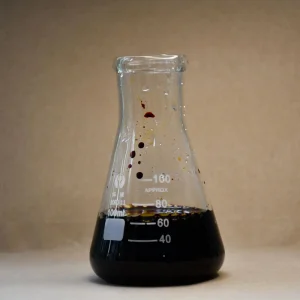
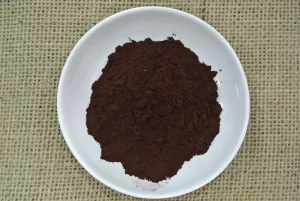
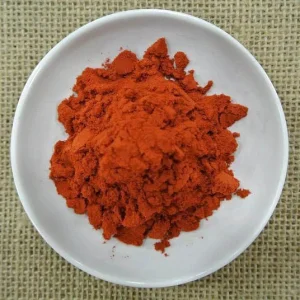
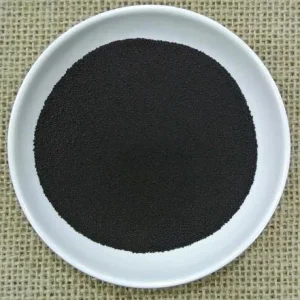
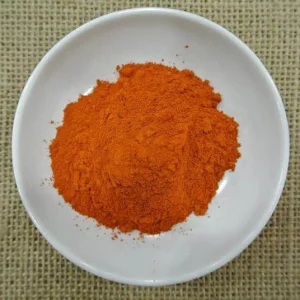
Depending on the factory's automated dispensing equipment, buyers may require different physical forms of Sulphur Red. We supply dry powders, low-dusting grains, and stabilized liquid variants to suit varying production setups, helping to reduce dust contamination and optimize worker safety.
Decades of reliability, innovative custom formulations, and structural leadership in the global dyestuff market.
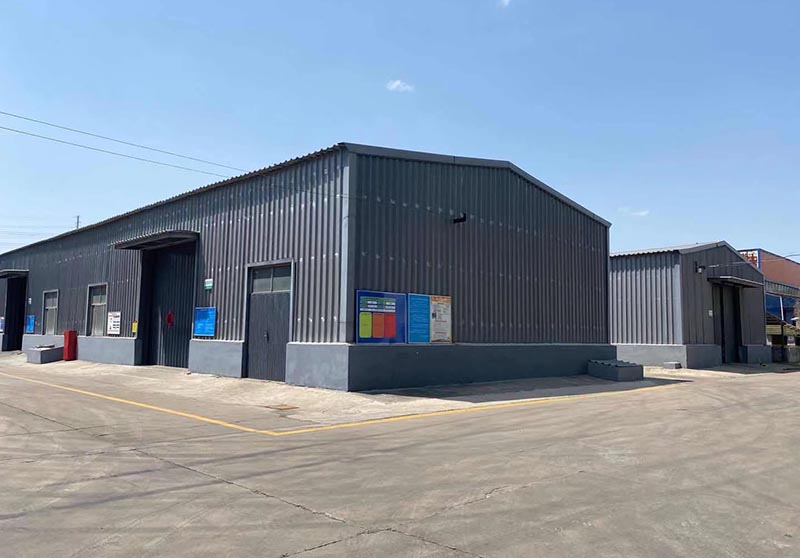
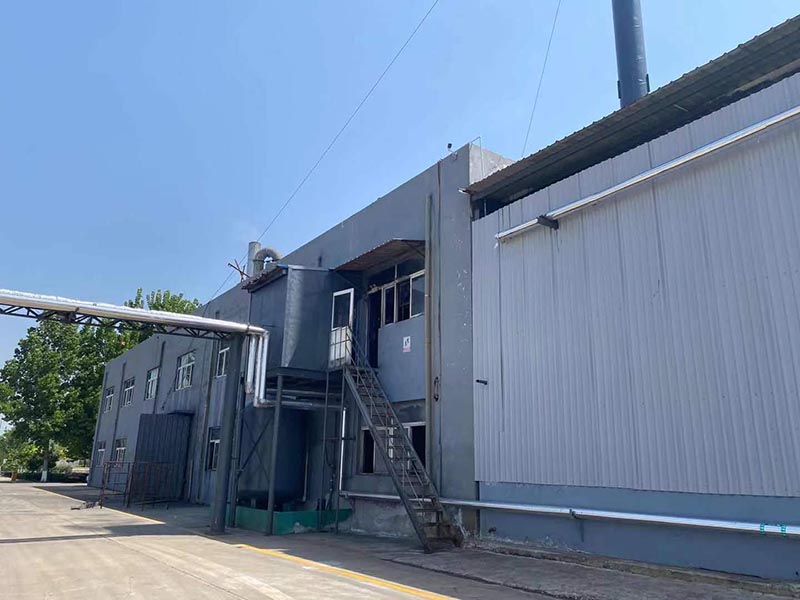
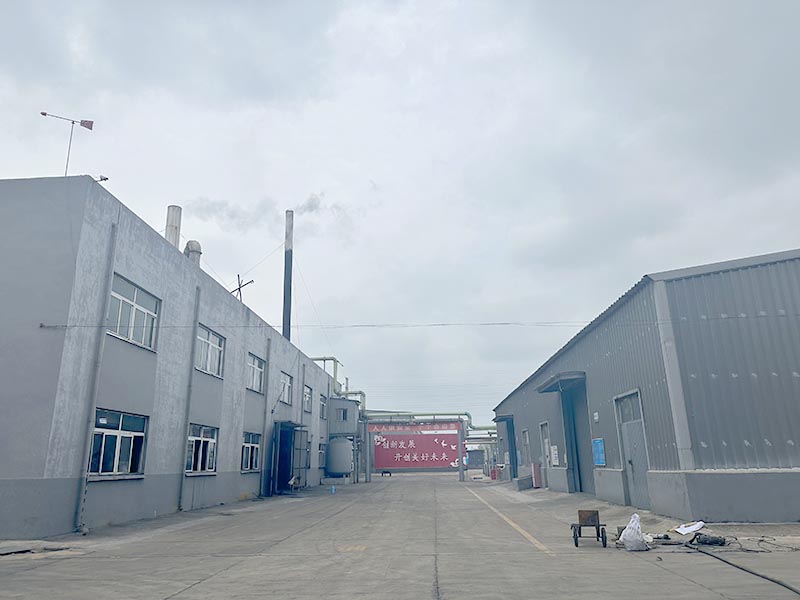
Tianjin Sunrise Chem Group, specializes in manufacturing high-quality dyestuffs. Our extensive product portfolio includes Direct dyes, Acid dyes, Basic dyes, Sulphur dyes, Solvent dyes, Liquid dyes and Fluorescent dyes. Backed by decades of industry and export experience, we have built a solid reputation for reliability and excellence, serving clients from diverse sectors including denim, textile, leather, paper and plastic.
We always highly focus on goods quality and stability. Each shipment has been tested before sending to the port. Our ZDHC level 3 and GOTS certificate makes your quality guaranteed. We pride ourselves on offering customized solutions. Our team of experts works closely with clients to understand their unique needs and delivers tailored products and services. We actively seek strategic partnerships to expand our reach and enhance our offerings. Collaborate with us to explore mutual growth opportunities.
Cooperating with textile and paper mills for many years shows that the factory has established a strong and reliable business relationship. This kind of long-term collaboration can bring numerous benefits, such as consistent orders, shared resources, and mutual support. It also indicates that the factory has a good track record of delivering quality products and meeting the needs of its partners. Our mission is to drive business growth by providing reliable and customized products. Our goal is to make a significant contribution to our customers' success by consistently delivering first-class products and exceptional customer service. By building lasting partnerships, we strive to be a catalyst for our clients' success.
With years of experience, we have successfully established strong partnerships in many countries. Our dedication to meeting global demands and exceeding customer expectations has earned us a reputation as a reliable supplier worldwide. If you are looking for reliable, high-quality Dyes, we invite you to choose us as your trusted partner.
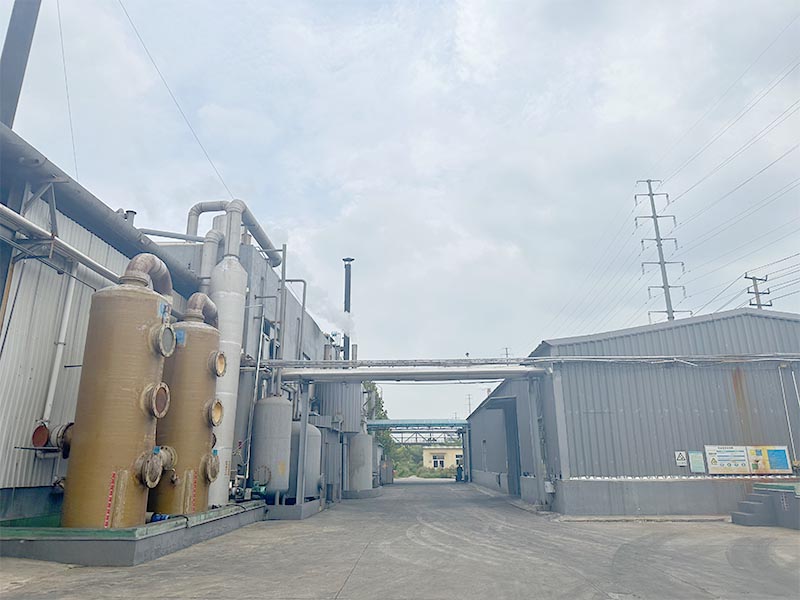
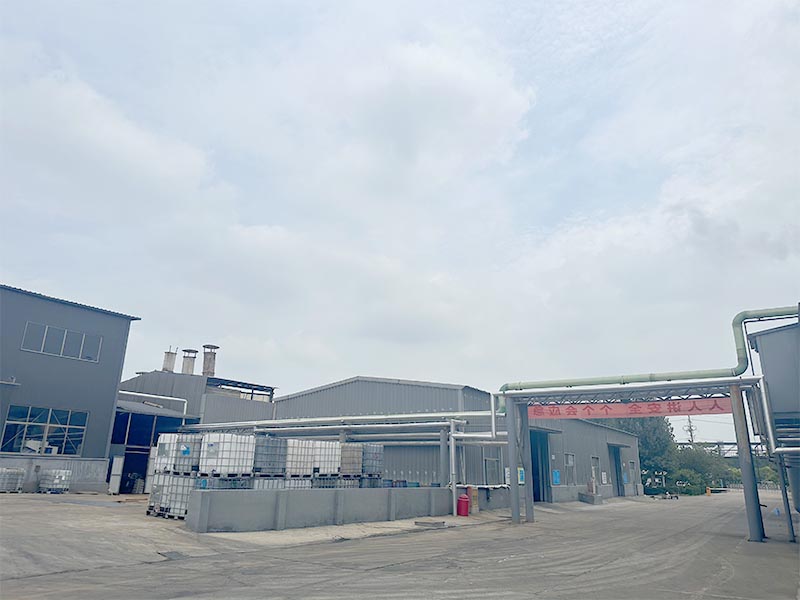
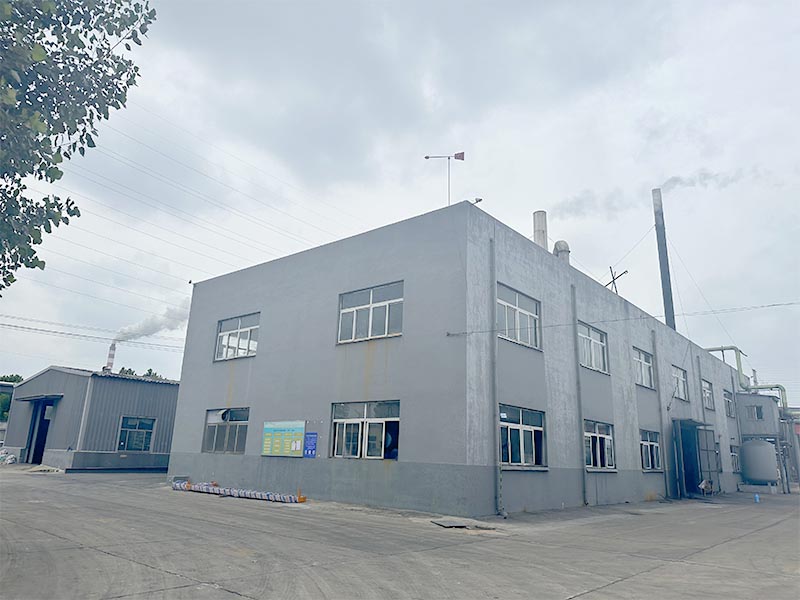
High-efficiency application methods for Sulphur Red in commercial textile production lines.
The standard process for large-scale denim and cotton canvas production. The fabric passes through a pad box containing the reduced Sulphur Red leuco solution, followed by roller squeezing to control wet pickup, air passage steaming, and sequential washing. Our low-affinity formulations prevent tailing, ensuring consistent side-to-side color uniformity.
Commonly applied to cotton knits, yarns, and corduroy fabrics in jet or package dyeing machinery. This process requires precise control of temperature (usually 80°C to 95°C) and salt concentration. The addition of customized electrolytes ensures high exhaustion rates, leaving minimal residual dyestuff in the wastewater.
To reduce hydrogen sulfide odors and sulfate content in wastewater, we recommend using a bio-derived reducing system. Using organic sugar-based reducing agents alongside standard alkaline setups yields similar color depth and fastness ratings while simplifying wastewater treatment.
A look into our logistics facilities, loading operations, and chemical management standards.
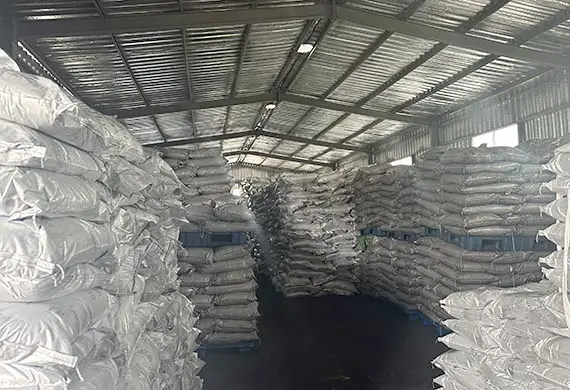
Highly organized, humidity-controlled raw material and finished goods warehousing facility.
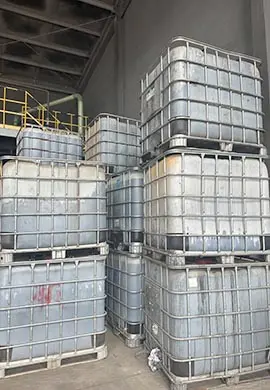
Automated filling lines for modern low-dusting liquid formulations.
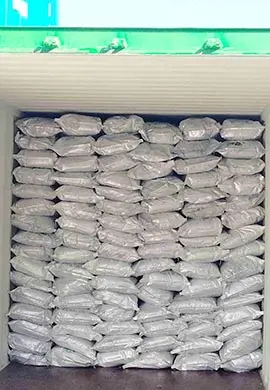
Secure loading and international maritime packaging compliance verification.

Export dispatch process managing safe chemical logistics across regional hubs.
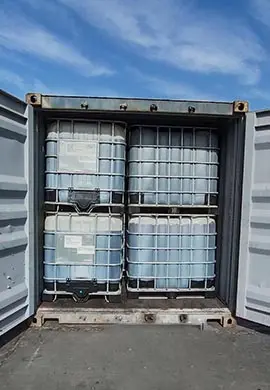
Heavy-load shipping handling using reinforced pallets and containment systems.
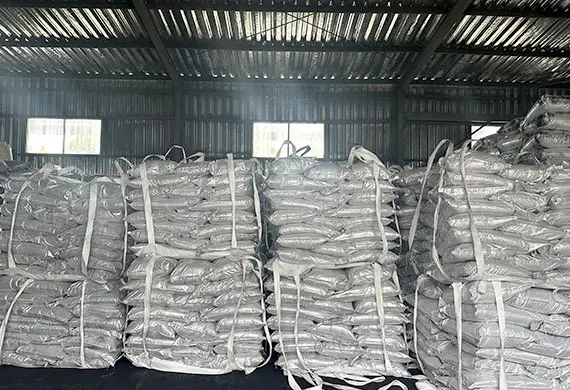
Why Sunrise Chem Group aligns manufacturing processes with ZDHC Level 3 and GOTS requirements.
Environmental protection is the cornerstone of our innovation. We dedicate ourselves to providing clients with eco-friendly, high-quality colorants that balance productivity with environmental harmony, driving the industry towards a more sustainable development path while delivering high-performance products—for a greener textile industry and a sustainable future.
The ZDHC program is a collaborative effort by leading brands, retailers, and suppliers in the textile and footwear industry to reduce the use of hazardous chemicals. The focus of this certification is on eliminating the release of hazardous chemicals into the environment throughout the entire supply chain. Achieving ZDHC certification indicates that our company has implemented robust chemical management procedures and has met the stringent requirements for chemical handling, wastewater treatment, and pollution prevention.
The Global Organic Textile Standard (GOTS) is a certification that ensures the organic status of textiles from the harvesting of raw materials to environmentally and socially responsible manufacturing. The GOTS certification guarantees that the textiles are made from organic fibers, that chemical inputs are minimized, and that strict environmental and labor standards are met throughout the production process. GOTS certified products are considered to be sustainable, safe, and ethical. Both certifications are important in the context of sustainable and responsible textile production. ZDHC focuses on the elimination of hazardous chemicals, while GOTS certification guarantees the organic and ethical aspects of the textile production.
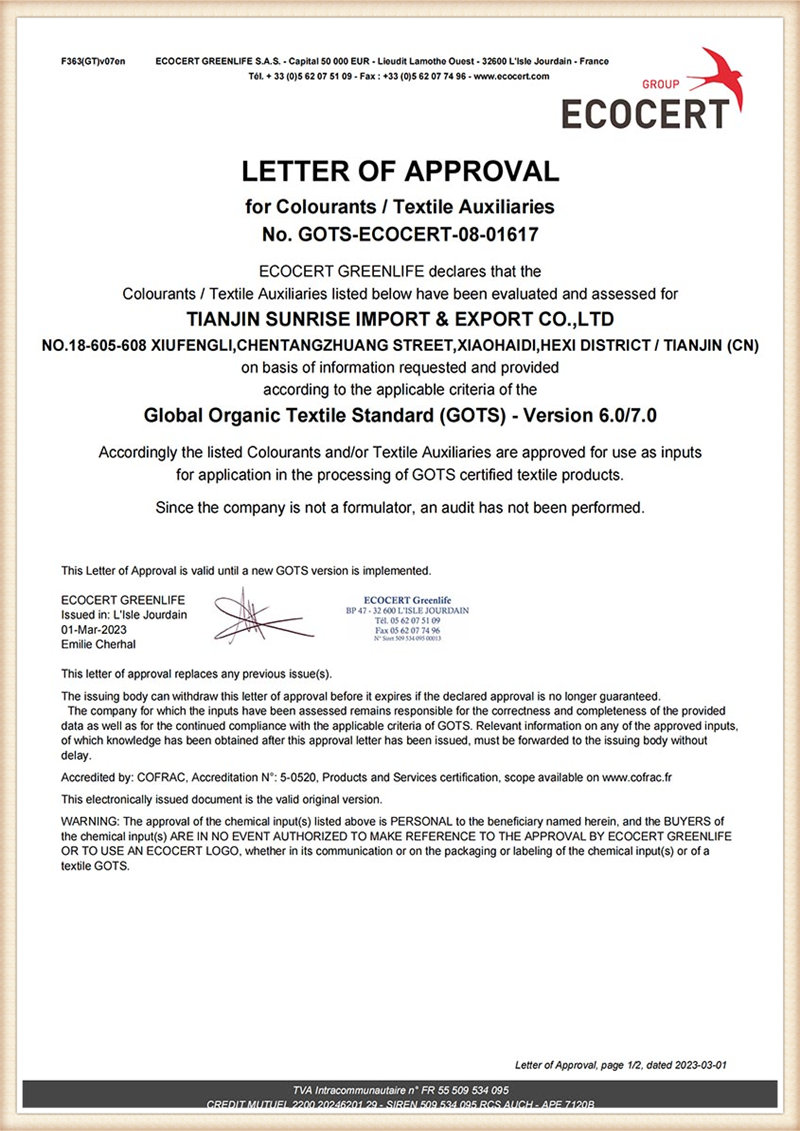

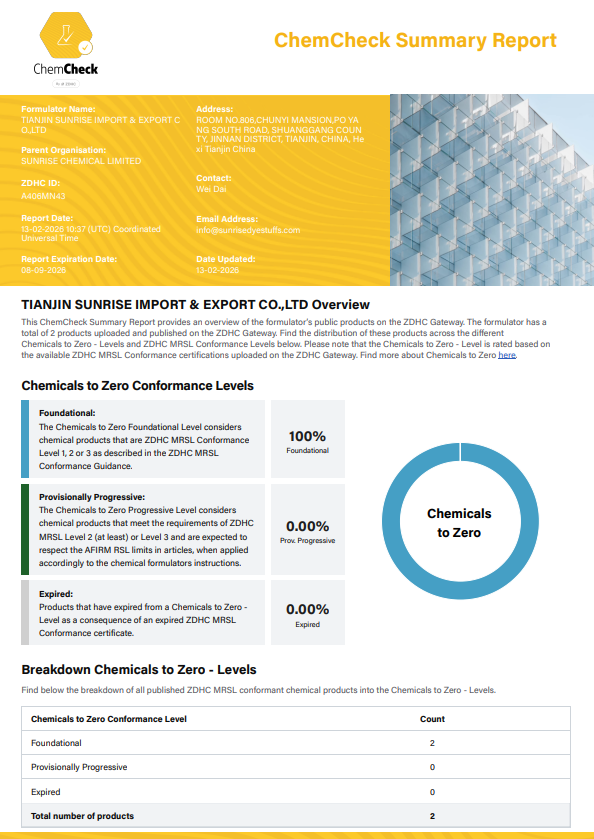
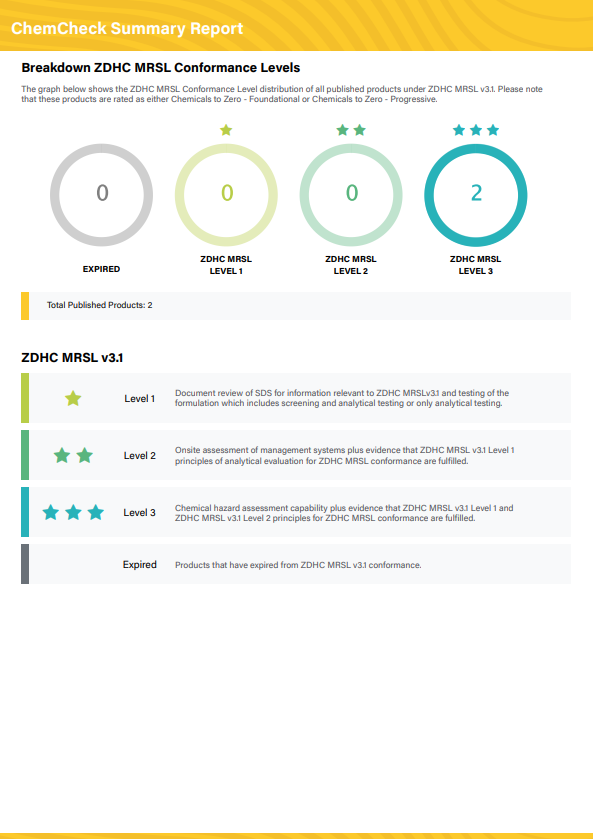
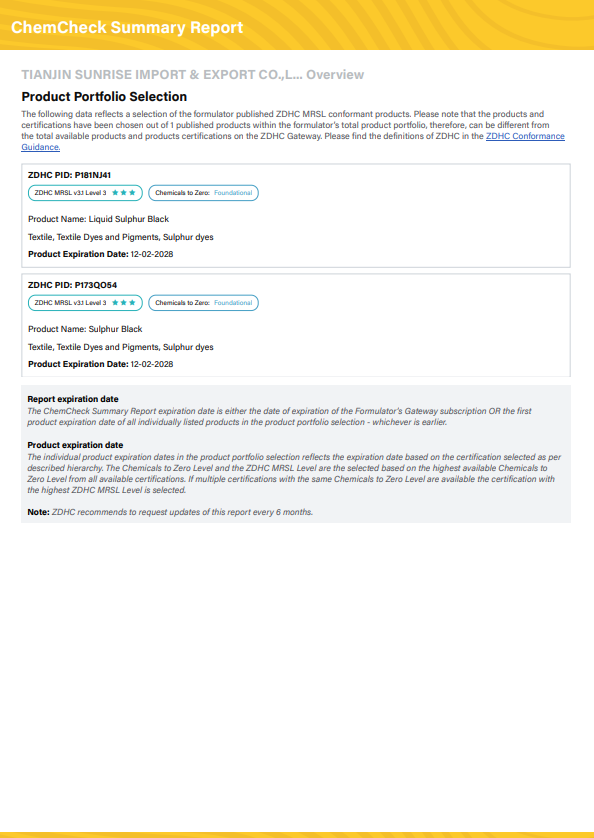
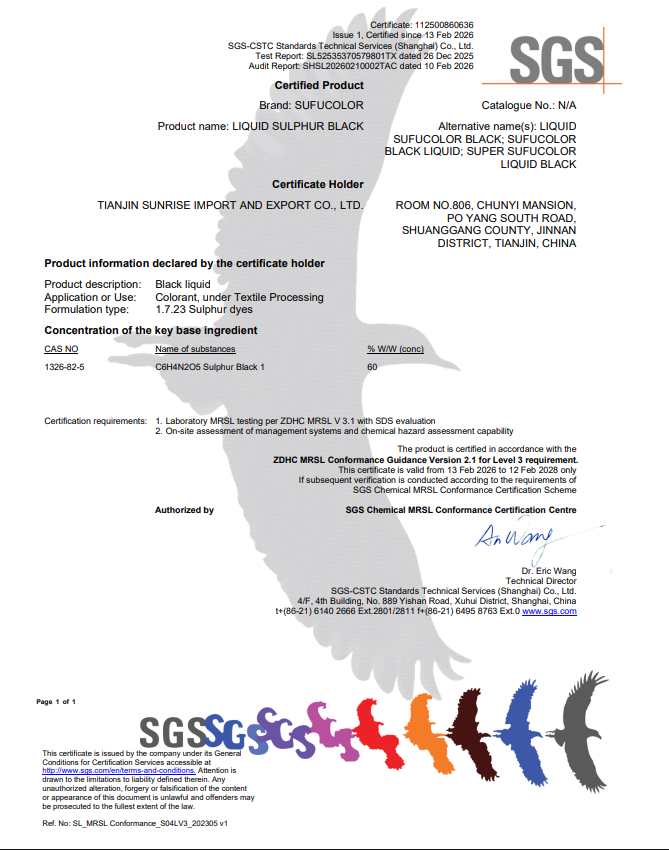
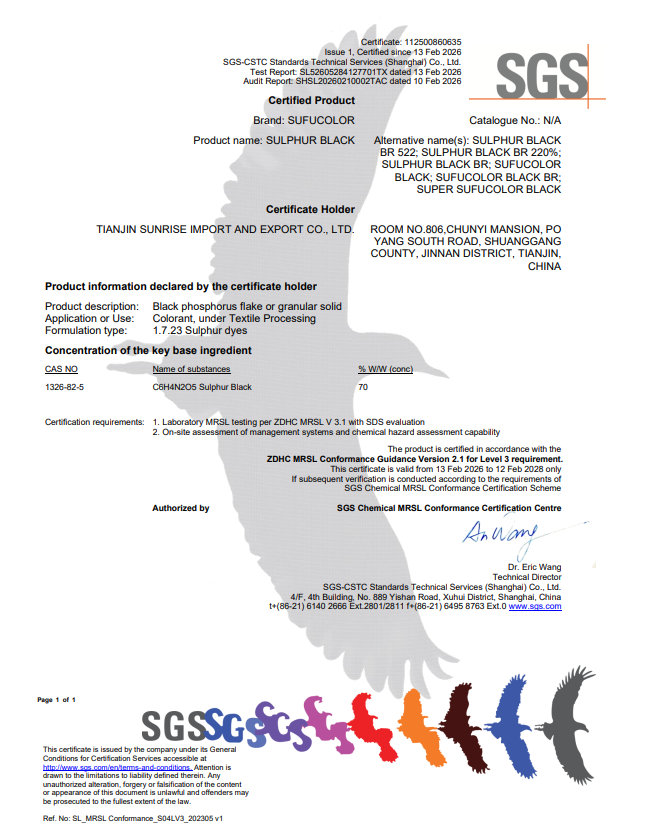
Explore our diverse dye systems designed to meet various substrate requirements.
Decarbonization, sulfur recovery technologies, and next-generation coloration paradigms.
The global dyestuff sector faces growing regulatory pressure concerning chemical emissions and water consumption. In response, our R&D efforts focus on two major areas: sulfide minimization and pre-reduced liquid dye formulations.
Our research into synthesis processes has significantly reduced the free sulfide content in raw dye powders. This makes it easier for dyehouse wastewater treatment facilities to neutralize remaining sulfites, helping them meet local regulatory limits.
Furthermore, our pre-reduced liquid formulations allow mills to eliminate the handling of dry chemical powders. This setup minimizes particulate emissions, improves workplace safety, and allows for precise automated dosing in continuous dye ranges.
Expert technical answers to common questions about sourcing and applying Sulphur Red dyestuffs.
 Sunrise