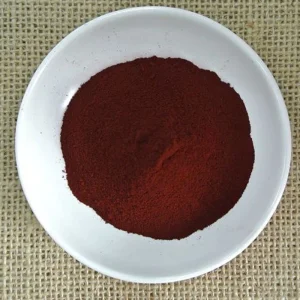
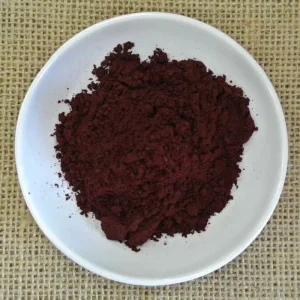
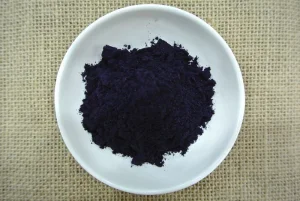
Optical Brightening Agents (OBAs), also known as Fluorescent Whitening Agents (FWAs), are chemical formulations engineered to absorb invisible ultraviolet electromagnetic radiation (typically between 340-380 nm) and emit visible blue light (usually between 400-440 nm). This fluorescence counterbalances the natural yellowing tendancies of cellulose fibers like cotton, pushing the perceived Whiteness Index (WI) to exceptional standards. In the modern textile economy, "Oba Cotton" is not just a raw material; it represents a specialized market category where optical enhancement and material sustainability intersect.
The global demand for high-quality Oba Cotton has surged due to the growing consumer preference for premium textiles, clinical-grade medical gauzes, and paper products. To achieve these aesthetics without compromising the tensile strength of the cotton fibers, global procurement agencies rely on sophisticated manufacturers capable of supplying pure, stable, and eco-compliant brightening agents. Sunrise Chem, a leader in dye manufacturing, addresses these specific industrial parameters with a portfolio optimized for modern continuous dyeing, pad-steam processing, and exhaustion methods.
The market for OBA cotton continues to expand at a CAGR of 5.8%, driven by demand in the EMEA and APAC apparel sectors, as well as the high-purity medical supply chains.
Optimized for cotton blends, recycled cellulose fibers, and technical paper pulps where high brilliance is required alongside fastness and light resistance.
Transitioning from traditional chemicals to biodegradable molecules, minimizing the ecological load during wet processing and effluent treatment stages.
The application of OBAs onto cotton fibers requires an understanding of chemical affinity. Cotton, a natural polymer of glucose, contains abundant hydroxyl (-OH) groups. An effective OBA must exhibit directness or substantivity to cotton, similar to direct dyes. The molecular structure of modern cotton brighteners consists of planar, conjugated aromatic systems, typically based on stilbene derivatives, specifically di-, tetra-, or hexa-sulfonated derivatives of bistriazinylaminostilbene.
Here is how the chemistry adapts to different application modes:
Exhibit moderate water solubility and high affinity for cotton in exhaustion processes. Ideal for application in exhaust dyeing machines at elevated temperatures with electrolyte addition.
The workhorse of the textile industry, featuring excellent water solubility and balanced affinity. Extremely effective for continuous pad-dye processes and compatibility with finishing agents.
Highly soluble molecules with low cotton affinity but exceptional stability in high-electrolyte or resin-finishing baths. Predominantly utilized in surface coating and sizing operations.
By balancing the sulfonic acid groups with functional organic carriers, Sunrise manages the affinity to prevent uneven absorption, ensuring a level and streak-free finish.
The comparative advantage of Chinese chemical manufacturing facilities, particularly Tianjin Sunrise Chem Group, lies in the convergence of upstream raw material integration, automated production pipelines, and centralized transport logistics. Unlike smaller regional manufacturers, China-based factories benefit from scaled raw material procurement (including stilbene intermediates and specialty amines), which insulates customers from volatile price spikes.
Furthermore, Sunrise utilizes automated synthesis loops and digital color-matching systems. By maintaining advanced labs and automated quality checks before packaging, every batch of Direct, Acid, Basic, and Sulphur dyes meets strict international requirements. This digital integration guarantees a batch-to-batch variation of Delta E < 0.5, a critical metric for premium textile manufacturers where shade replication is non-negotiable.
Tianjin Sunrise Chem Group specializes in manufacturing high-quality dyestuffs. Our product portfolio includes Direct dyes, Acid dyes, Basic dyes, Sulphur dyes, Solvent dyes, Liquid dyes, and Fluorescent dyes. Backed by decades of industry and export experience, we have built a reputation for reliability and excellence, serving clients from diverse sectors including denim, textile, leather, paper, and plastic.
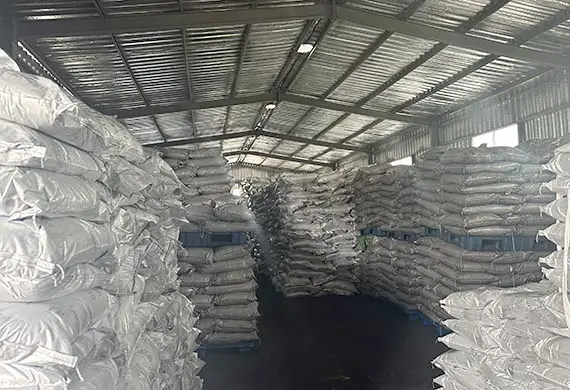
We maintain a strong focus on chemical quality and stability. Every single batch is tested and confirmed before dispatching to the port, guaranteeing consistent performance at your mills. We actively seek strategic partnerships with global distributors, mills, and chemical traders to explore mutual growth opportunities.
Environmental protection is the cornerstone of our innovation. We dedicate ourselves to providing eco-friendly, high-performance colorants that balance productivity with environmental harmony, driving the industry towards a more sustainable development path for a greener textile industry.
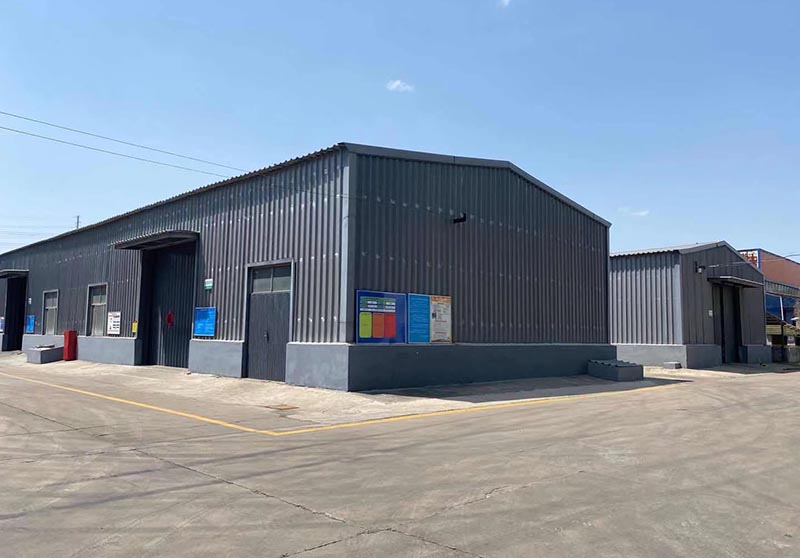
Cooperating with textile and paper mills for many years shows that the factory has established a strong and reliable business relationship. This kind of long-term collaboration can bring numerous benefits, such as consistent orders, shared resources, and mutual support. It also indicates that the factory has a good track record of delivering quality products and meeting the needs of its partners.
Our mission is to drive business growth by providing reliable and customized products. Our goal is to make a significant contribution to our customers' success by consistently delivering first-class products and exceptional customer service. By building lasting partnerships, we strive to be a catalyst for our clients' success.
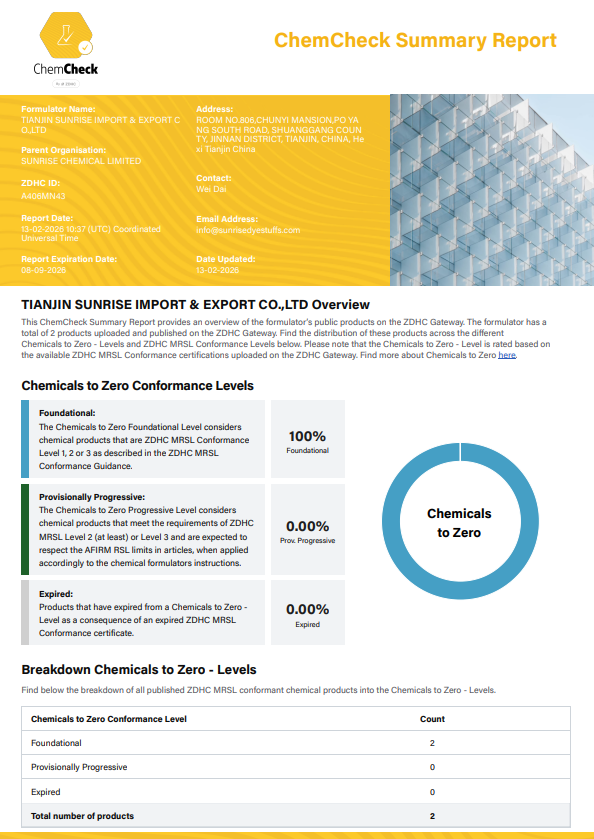
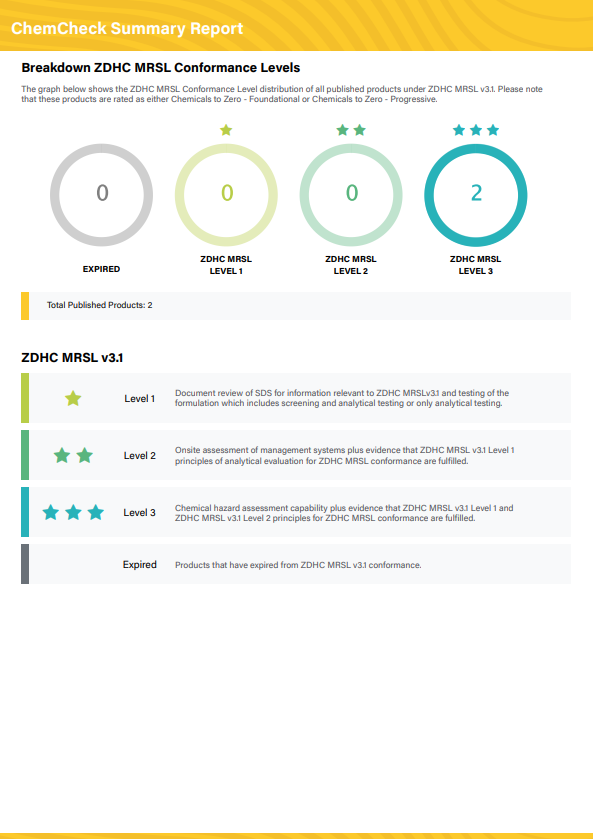
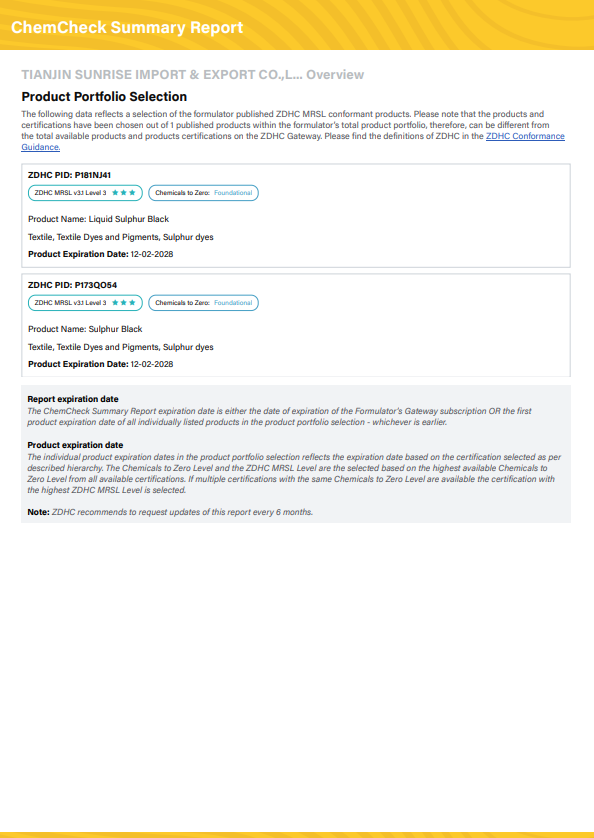
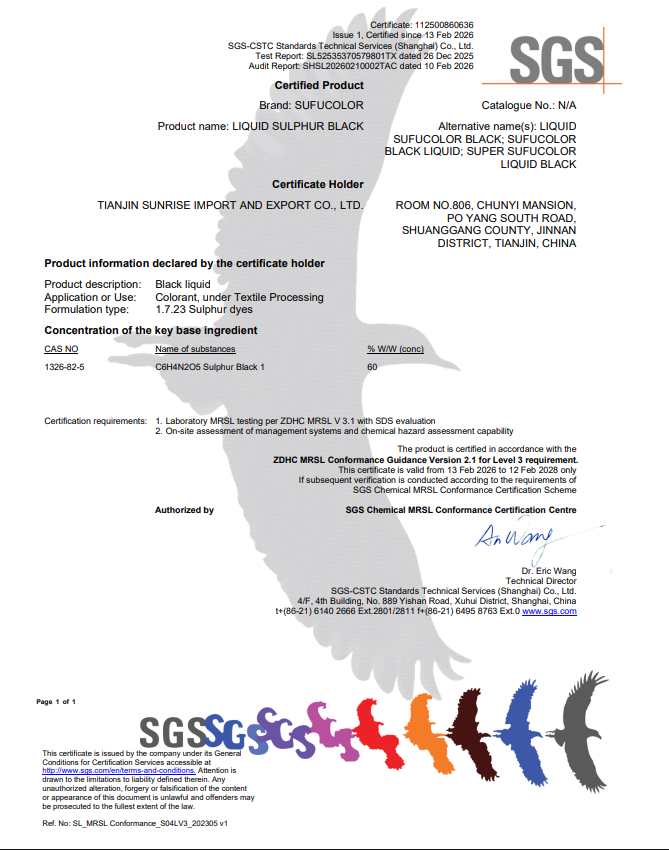
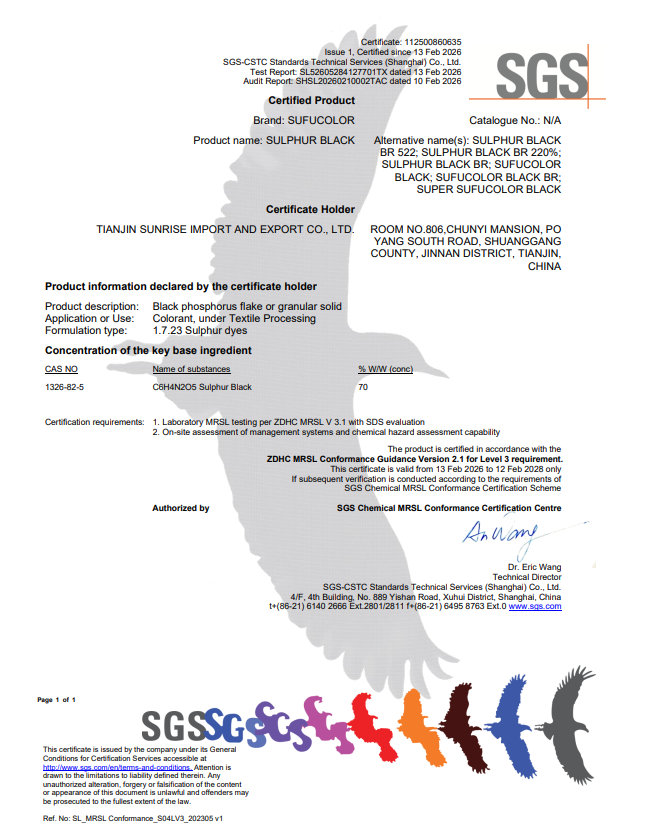
The Zero Discharge of Hazardous Chemicals (ZDHC) program is a collaborative effort by leading brands, retailers, and suppliers in the textile and footwear industry to reduce the use of hazardous chemicals. Achieving ZDHC Level 3 certification indicates that our company has implemented robust chemical management procedures and meets the stringent requirements for chemical handling, wastewater treatment, and pollution prevention.
Similarly, the Global Organic Textile Standard (GOTS) certification ensures the organic status of textiles from the harvesting of raw materials to environmentally and socially responsible manufacturing. The GOTS certification guarantees that the textiles are made from organic fibers, that chemical inputs are minimized, and that strict environmental and labor standards are met throughout the production process.
We not only produce and export dyes and pigments but also prioritize long-term cooperation with our customers, providing them with quality services that exceed their expectations. With years of experience, we have successfully established strong partnerships in many countries. Our dedication to meeting global demands and exceeding customer expectations has earned us a reputation as a reliable supplier worldwide.
One of the main reasons why customers choose us is the stable supply of dyes we provide. We have developed efficient manufacturing processes to ensure a continuous supply of our products. Our factories feature state-of-the-art equipment and a knowledgeable workforce, which enables us to fulfill the most demanding orders. With us, you can begin your manufacturing journey with confidence knowing that dye availability will never be an issue.
For cotton, which is composed of natural cellulose, stilbene derivatives are predominantly used. These are classified based on the number of sulfonic acid groups in their structure: disulfonated (moderate solubility, high cotton affinity, perfect for exhaust processes), tetrasulfonated (highly versatile, excellent solubility, optimal for continuous pad dyeing), and hexasulfonated (very high solubility, low affinity, ideal for specialized finishes and paper coatings).
Every single batch is analyzed using high-precision spectrophotometers and chromatography instruments before dispatch. We maintain reference samples for up to 3 years to ensure trackability. This rigorous control limits the Delta E color deviation to less than 0.5, allowing textile and paper mills to replicate recipes without re-calibration.
ZDHC Level 3 represents the highest level of chemical compliance, certifying that our products do not contain hazardous impurities above strict limits, preventing environmental release. GOTS (Global Organic Textile Standard) ensures that the colorants are suitable for use on certified organic cotton, assuring global brands of regulatory compliance and green market entry.
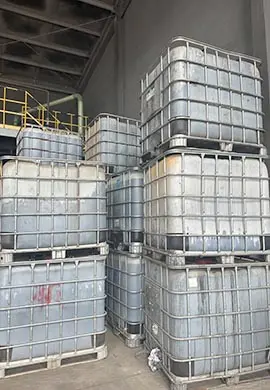
Liquid dyes eliminate airborne powder contamination inside manufacturing plants, reducing worker exposure and enhancing workplace safety. Additionally, liquid formulations disperse more quickly in aqueous solutions, leading to shorter cycle times, cleaner wastewater, and more consistent dyeing compared to dry powders.
Paper applications generally favor tetrasulfonated and hexasulfonated brighteners due to their stability in high-salt environments and compatibility with starch or PVA coatings. They can be applied in the wet-end pulp phase or on the size press for surface coating.
Our technical department works closely with client engineers to analyze local water hardness, substrate variations, and machinery. We customize the formulation—whether adjusting concentration, solubility, or dye fixation profile—to match client parameters, saving energy and maximizing yield.
Liquid dyes should be stored in cool, well-ventilated warehouses, away from direct sunlight and extreme temperatures (ideally between 5°C and 30°C). Under these conditions, our formulations remain stable without sedimentation for at least 12 months.
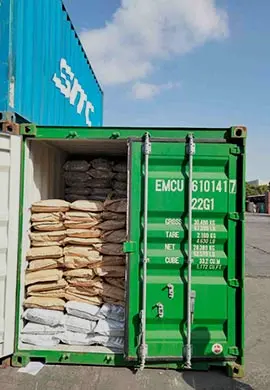
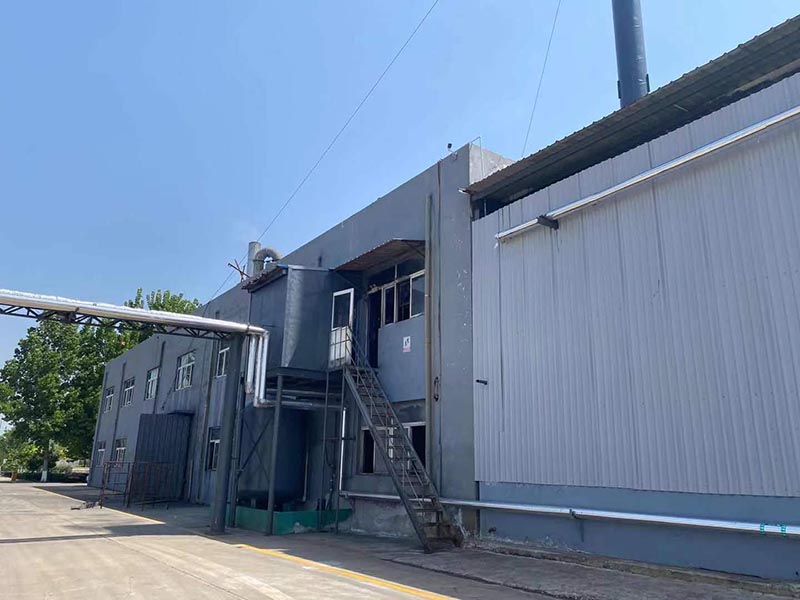
Tianjin's location provides close access to major shipping ports. This proximity reduces overland transport times, lowers logistics costs, and allows for rapid dispatch of export containers to North America, Europe, Southeast Asia, and South America.
Yes, we offer specialized dye recipes for fiber blends. While direct and sulphur dyes target the cellulose cotton portion, our disperse and solvent dyes are formulated to color the synthetic polyester portion, ensuring uniform solid shades on blended substrates.
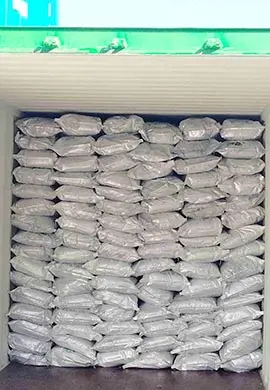
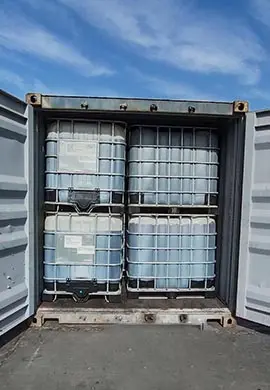
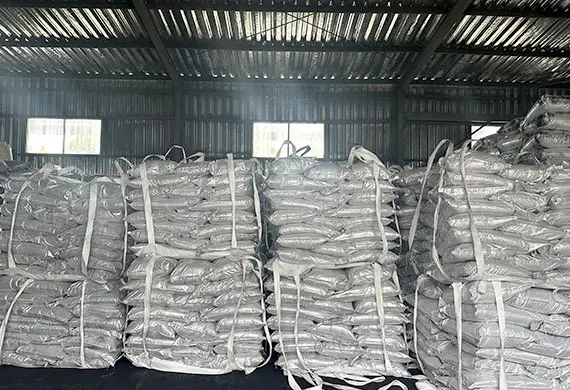
Our standard MOQ ranges from 500 kg to 1,000 kg depending on the specific dye chemistry. We offer various packaging configurations—including 25kg bags, fiber drums, and 1,000kg IBC totes—to match different industrial scales.
 Sunrise