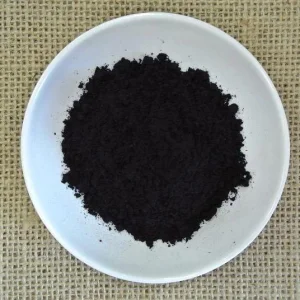
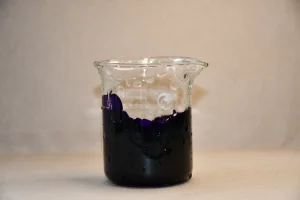
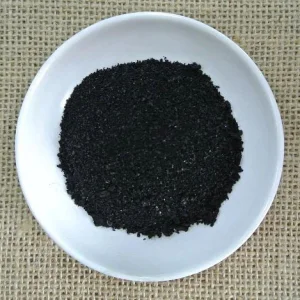
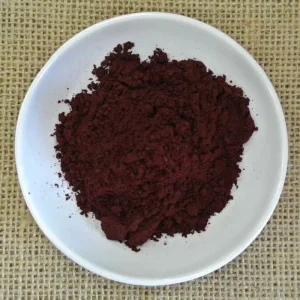
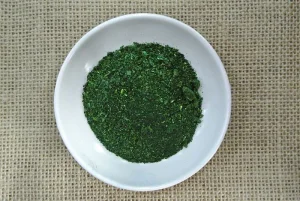
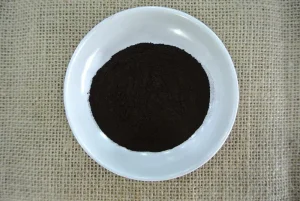
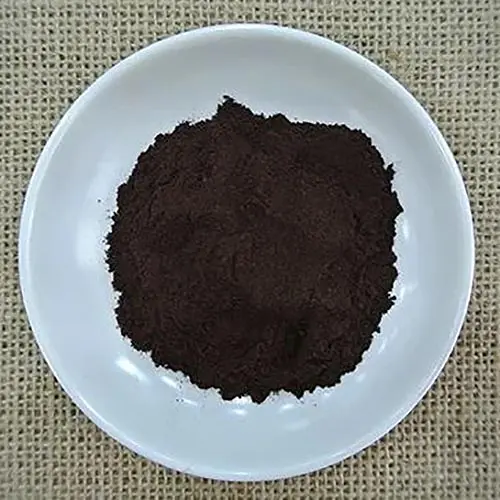
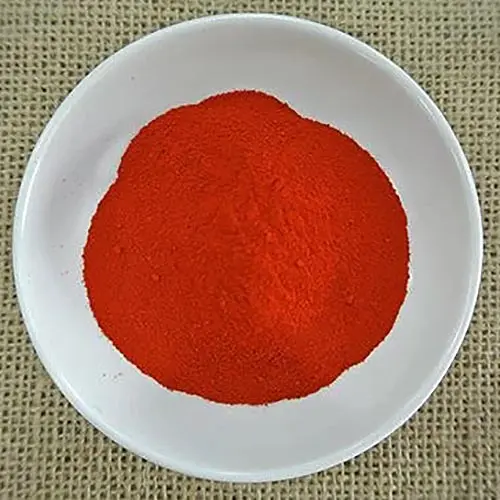
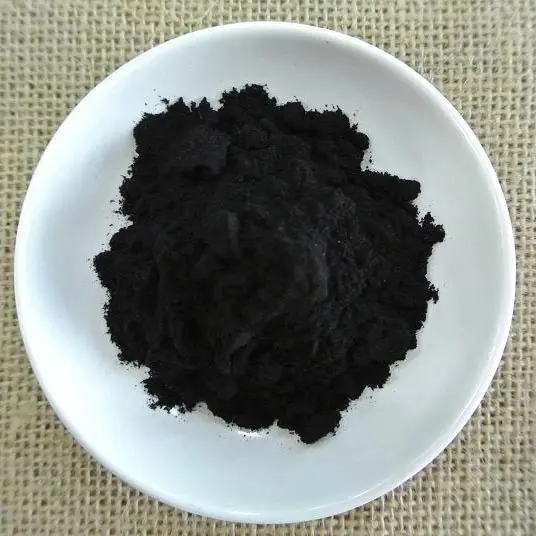
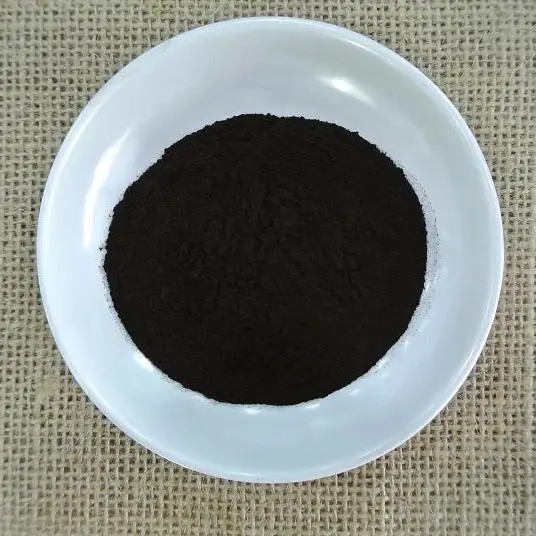
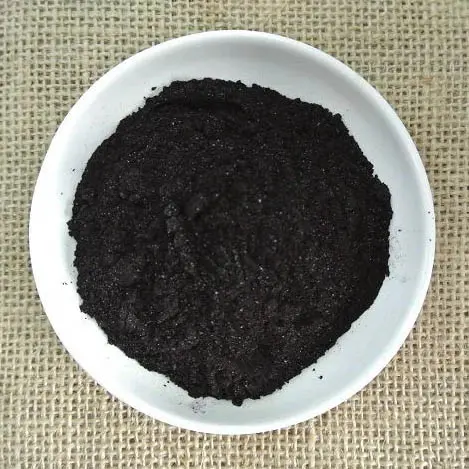
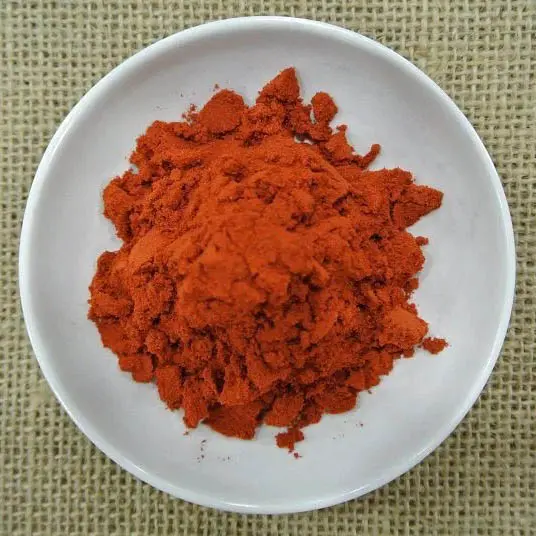
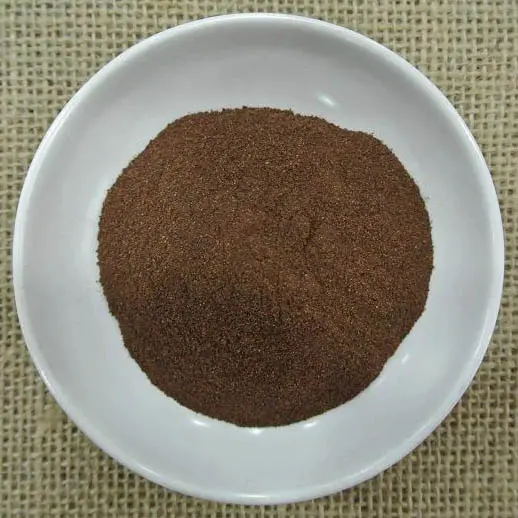
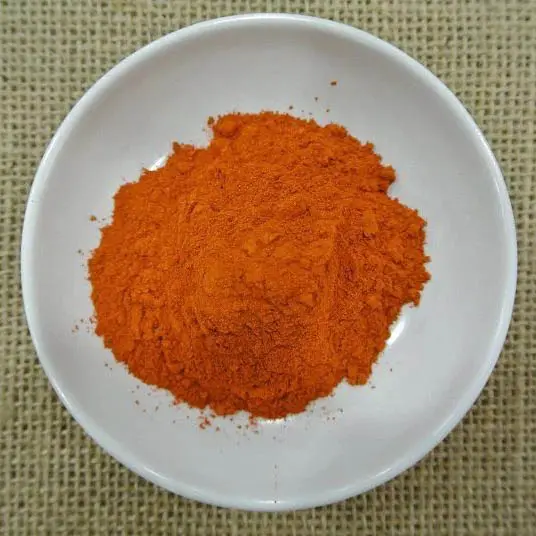
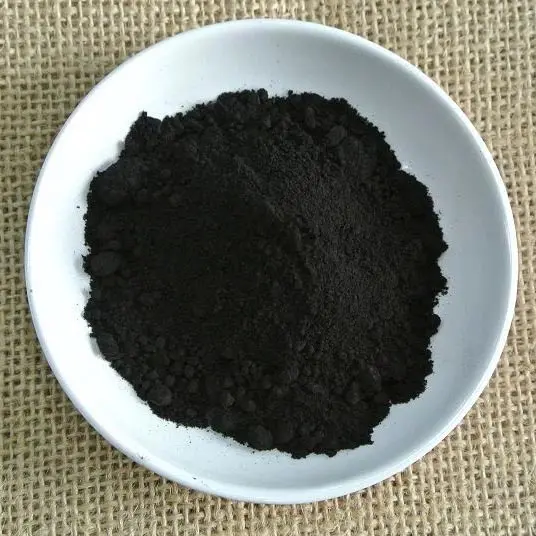
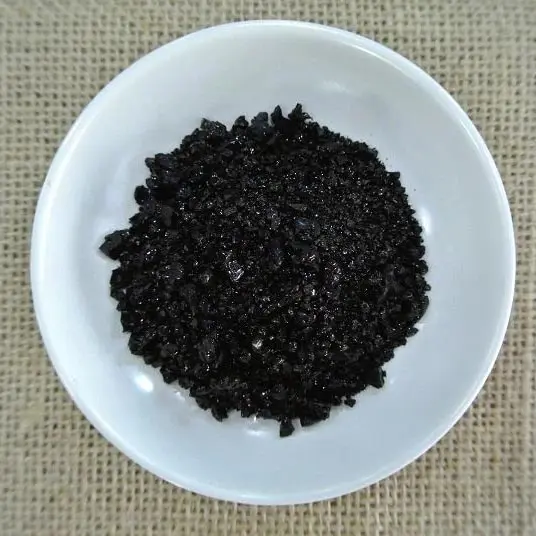
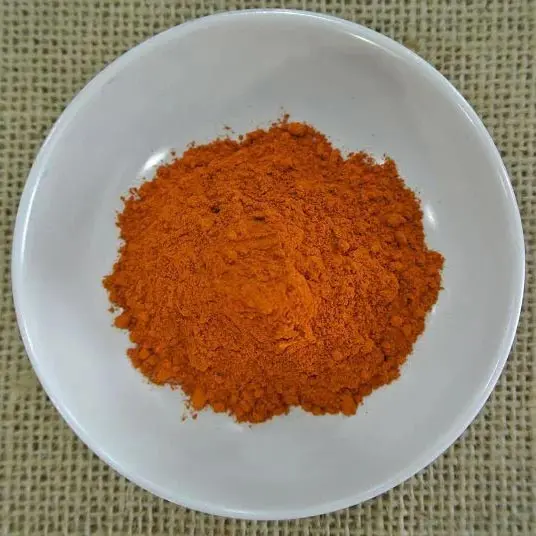
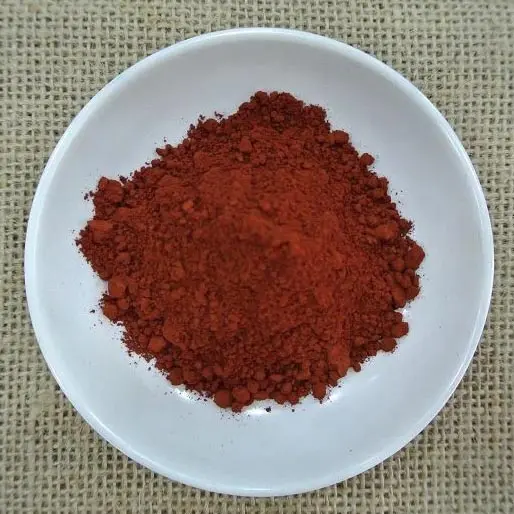
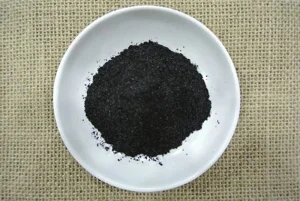
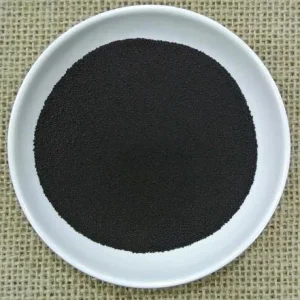
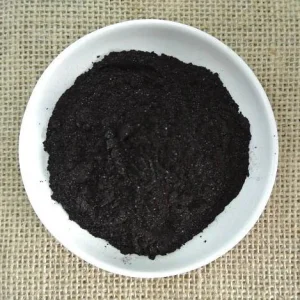
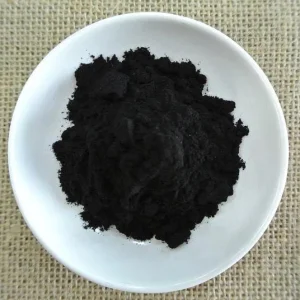
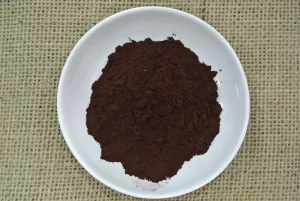
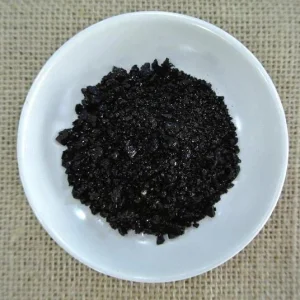
Explore our core color range engineered for demanding industrial environments. Click on any product below to access detailed technical specifications and safety datasheets.
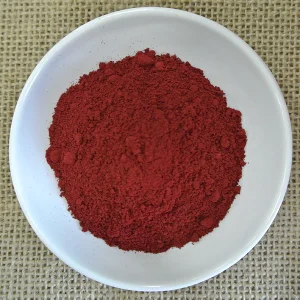
Within the global industrial colorant sector, Direct Yellow RL (predominantly classified under C.I. Direct Yellow 86 and Direct Yellow 12 chemical frameworks) stands as a foundational anionic dyestuff. Specifically developed to yield high-affinity coloration on cellulosic matrices, this dye operates via direct substantivity, eliminating the structural need for supplementary mordants. Structurally, the molecule contains an elongated, planar conjugated system coupled with polar sulfonic acid groups. This configuration allows the chromophore to align seamlessly parallel to the cellulose polymer chains, forming robust hydrogen bonds and Van der Waals forces.
Tianjin Sunrise Chem Group specializes in manufacturing high-quality dyestuffs, including Direct dyes, Acid dyes, Basic dyes, Sulphur dyes, Solvent dyes, Liquid dyes, and Fluorescent dyes. Backed by decades of industry and export experience, we have built a reputation for reliability and excellence, serving clients from diverse sectors including denim, textile, leather, paper, and plastic. By deploying specialized synthesis pathways, we eliminate the structural impurities that lead to shade drift, enabling bulk chemical buyers to achieve consistent color matching across diverse substrates.
The industrial colorant market is undergoing a transition driven by regulatory frameworks, automation, and environmental sustainability.
Environmental laws restrict salt discharges in industrial wastewater. Production facilities are adopting membrane filtration to produce low-salt Direct Yellow RL, which reduces Chemical Oxygen Demand (COD) in wastewater treatment systems.
Modern paper mills are replacing powder-based pigments with dust-free liquid solutions. Liquid Direct Yellow R formulations offer better dissolution, easier pumpability, and compatibility with automated dosing systems.
Compliance with REACH, RoHS, and OEKO-TEX Standard 100 is now mandatory. Factories must ensure dyes are free from banned arylamines, placing a greater emphasis on raw material sourcing and synthesis control.
With packaging production operating at higher speeds, color tolerances have tightened to Delta E < 0.5. Meeting these requirements demands precise chemical control throughout the manufacturing process.
How Direct Yellow RL is formulated and applied across paper mills, textile dyehouses, and manufacturing facilities worldwide.
In the paper industry, Direct Yellow RL and Direct Yellow 12 are widely used for coloring unbleached packaging, linerboard, kraft papers, and tissue grades. Because these dyes carry a negative charge, they align naturally with the negative charge of cellulose fibers. Adding cationic retention aids (such as polyacrylamides or wet-end starches) forms a bridge that improves dye retention and minimizes run-off into the mill's water system.
Cooperating with textile and paper mills for many years shows that the factory has established a strong and reliable business relationship. This kind of long-term collaboration can bring numerous benefits, such as consistent orders, shared resources, and mutual support. It also indicates that the factory has a good track record of delivering quality products and meeting the needs of its partners. Our mission is to drive business growth by providing reliable and customized products.
For cotton, viscose, and linen blends, Direct Yellow RL offers balanced exhaust rates and good levelness. The dye is applied in a neutral bath containing electrolytes like sodium chloride or sodium sulfate, which screen the surface charges and allow the dye molecules to migrate into the fiber structure. Post-treatment with cationic fixing agents helps secure the dye, improving wash and wet fastness.
Our team works closely with clients to understand their processing requirements. Whether adjusting parameters for high-temperature exhaust dyeing or continuous pad-dry-cure lines, we customize dye solutions to integrate smoothly into existing operations.
In leather finishing, Direct Yellow RL works alongside specialized acid dyes (such as Acid Black ATT, Acid Black 1, and Acid Red 73) to achieve deep penetration and consistent surface color. The dye's molecular structure helps prevent migration under dry heat and maintains stability when exposed to mild organic acids used during leather tanning.
Each batch undergoes laboratory testing, including spectrophotometric checks, before leaving our plant. This helps ensure that the dye performs reliably and matches shade requirements across different batches.
A comprehensive collection of high-performance dyestuffs for global textile, paper, and leather manufacturers.
Widely applied in continuous exhaust processes for wool, silk, and nylon, offering excellent wash fastness and deep shade distribution.
Download Technical SpecificationsHelping industrial buyers manage risks, maintain quality, and ensure regulatory compliance in chemical sourcing.
For corporate purchasing departments, acquiring Direct Yellow RL involves evaluating performance consistency as much as cost. The color variance in incoming dye shipments can impact production runs, leading to potential waste in paper or textile finishing. We address this by monitoring parameters such as salt content, moisture, and active dye strength to ensure consistent performance from batch to batch.
With years of experience, we have successfully established strong partnerships in many countries. Our dedication to meeting global demands and exceeding customer expectations has earned us a reputation as a reliable supplier worldwide. If you are looking for reliable, high-quality Dyes, we invite you to choose us as your trusted partner.
| Evaluation Parameter | Standard Specification (Direct Yellow RL) | Quality Assurance Protocol | Impact on Production Run |
|---|---|---|---|
| Color Strength (Spectrophotometry) | 100% to 105% (against master sample) | Computerized Color Matching (Datacolor Analysis) | Ensures shade consistency and avoids color drift in subsequent production lots. |
| Water Insoluble Residue | ≤ 0.5% | Gravimetric analysis via micro-filtration | Prevents clogging in modern spray nozzles and keeps paper machine screens clear. |
| Heavy Metal Limits | < 50 ppm (total Zn, Cu, Ni, Cr, Pb) | Inductively Coupled Plasma Mass Spectrometry (ICP-MS) | Helps meet local environmental regulations and conforms to ZDHC MRSL guidelines. |
| Solubility Profile | ≥ 40 g/L (at 80°C in water) | Hot dissolution test with visual inspection | Prevents undissolved dye particles from causing spots on textiles or paper. |
Responsible chemical management is an essential component of modern industrial supply chains. At Tianjin Sunrise Chem Group, environmental protection is a primary consideration in our production processes. We focus on providing colorants that balance performance requirements with environmental safety, helping the textile and paper sectors move toward cleaner manufacturing practices.
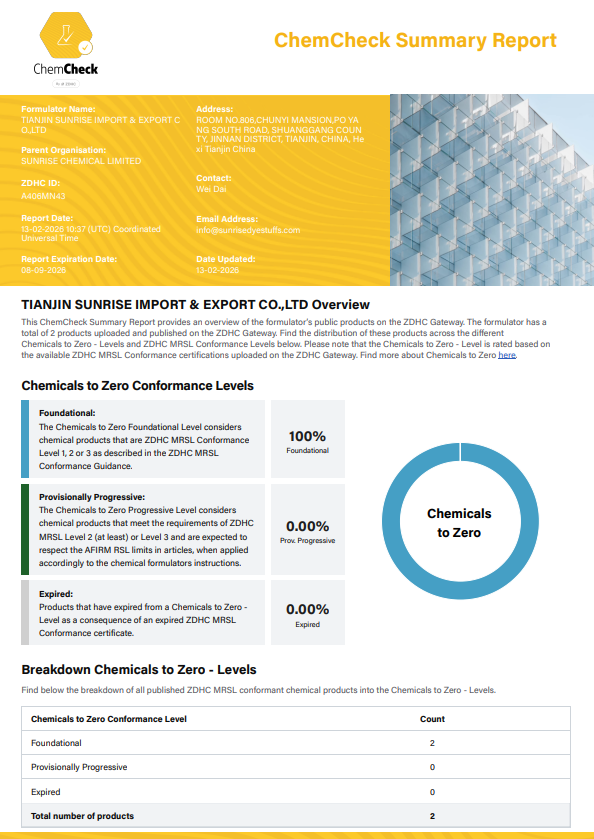
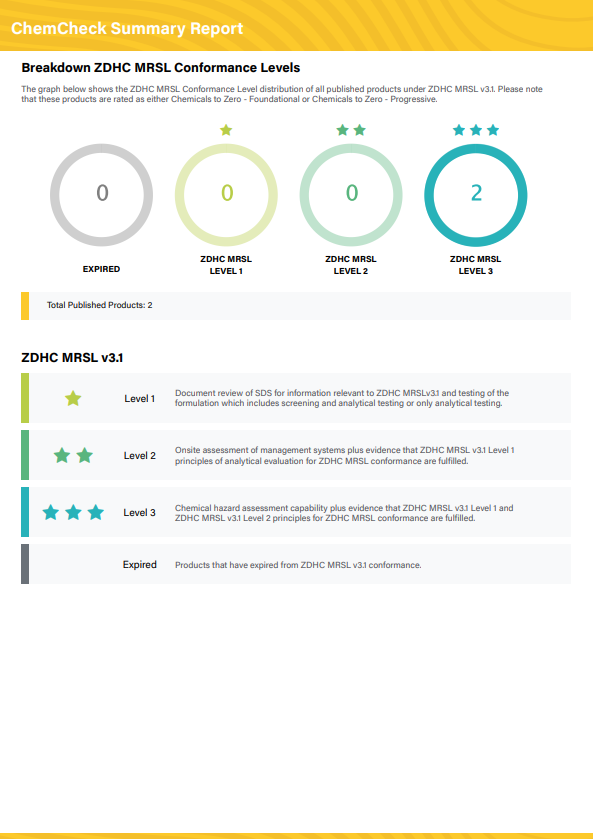
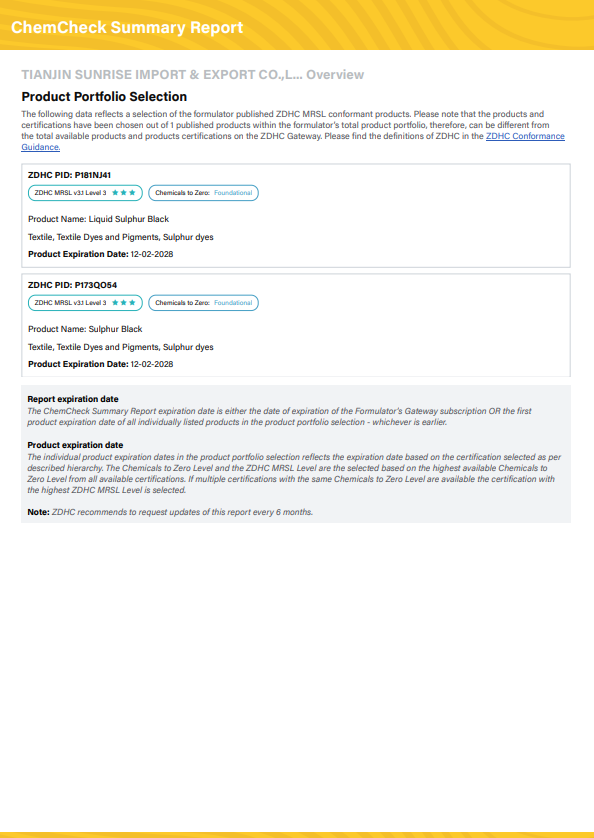
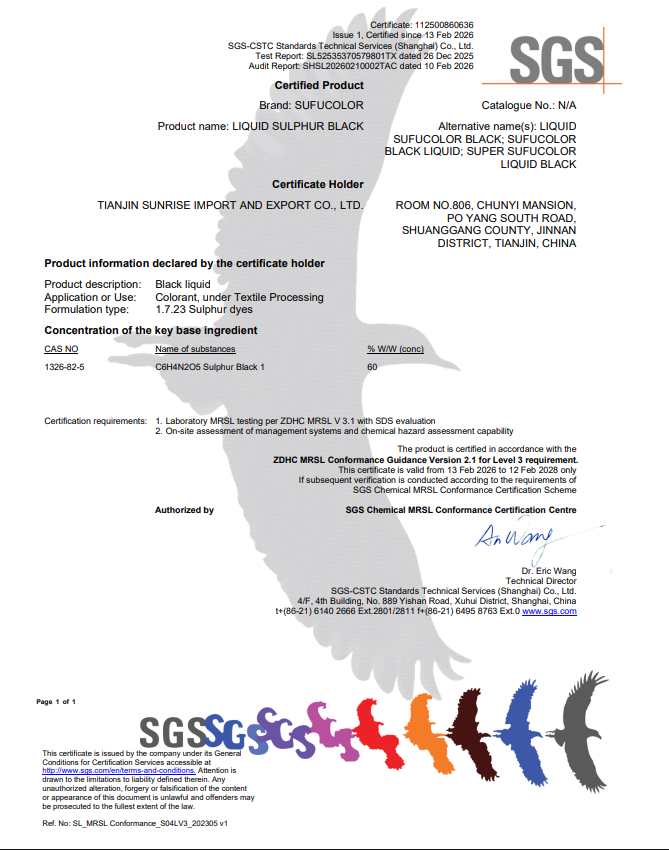
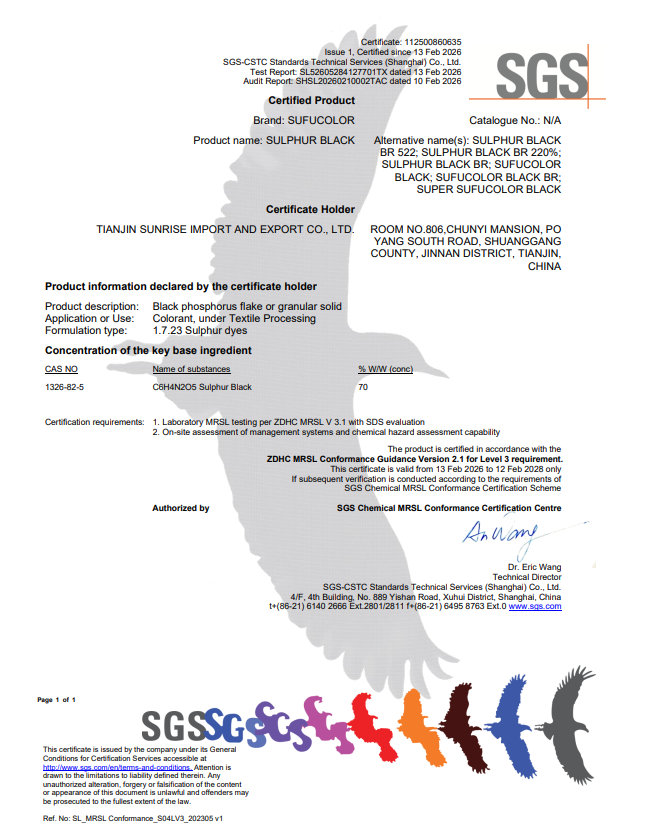
The ZDHC (Zero Discharge of Hazardous Chemicals) program is a collaborative effort by leading brands, retailers, and suppliers in the textile and footwear industry to reduce the use of hazardous chemicals. The focus of this certification is on eliminating the release of hazardous chemicals into the environment throughout the entire supply chain. Achieving ZDHC Level 3 certification indicates that our company has implemented chemical management procedures and met the requirements for chemical handling, wastewater treatment, and pollution prevention.
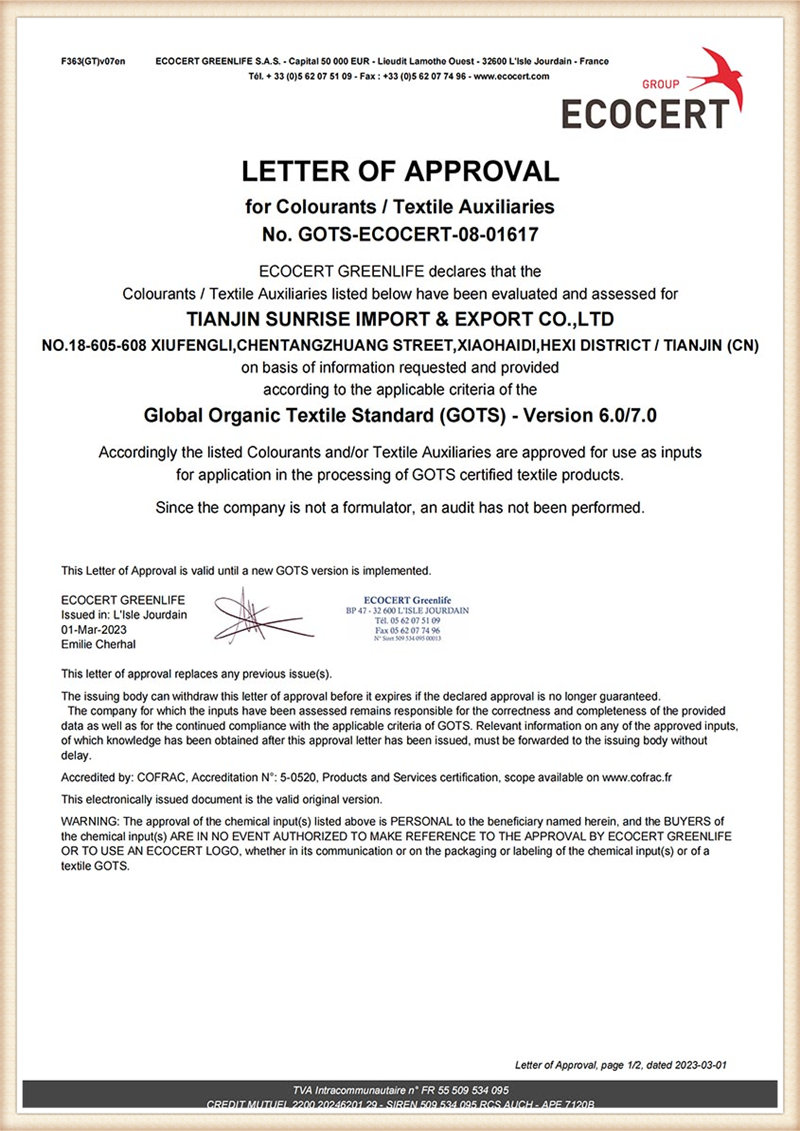
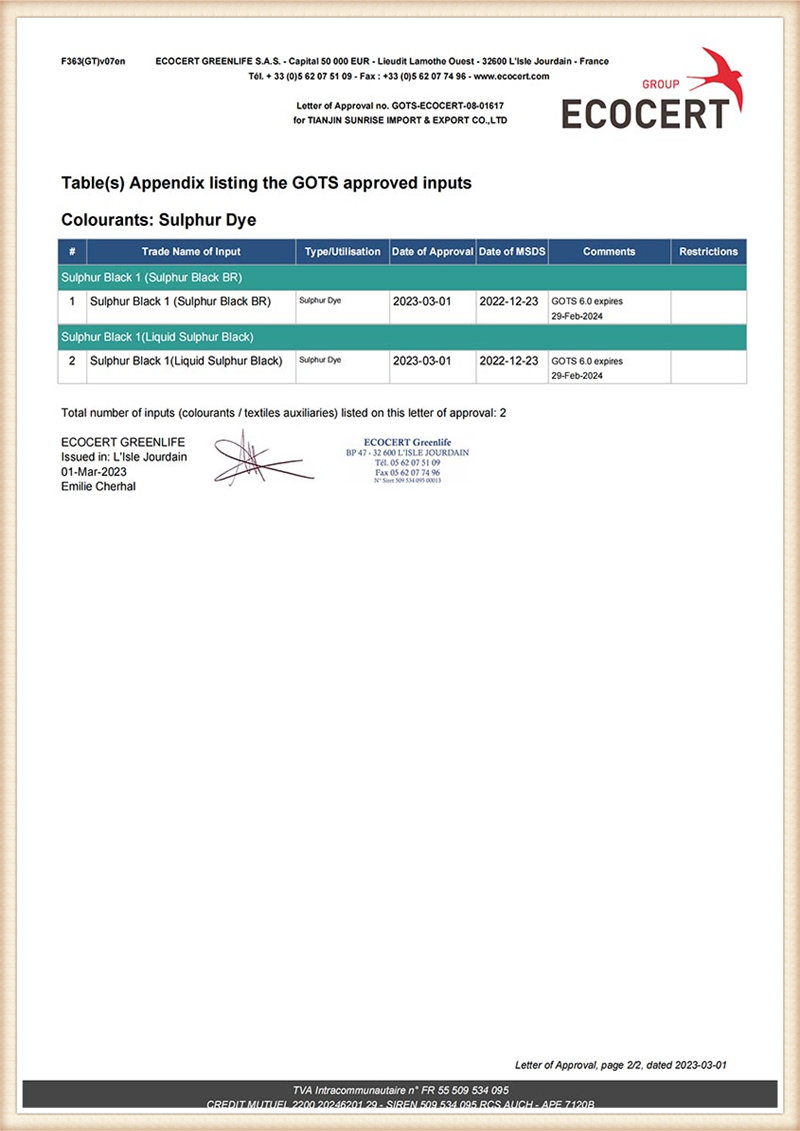
The Global Organic Textile Standard (GOTS) is a certification that ensures the organic status of textiles from the harvesting of raw materials to environmentally and socially responsible manufacturing. The GOTS certification guarantees that the textiles are made from organic fibers, that chemical inputs are minimized, and that strict environmental and labor standards are met throughout the production process. GOTS certified products are considered to be sustainable, safe, and ethical.
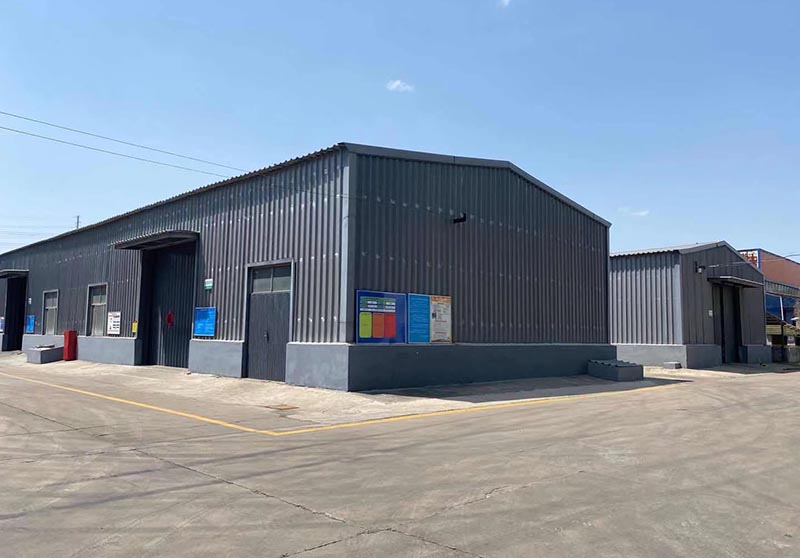
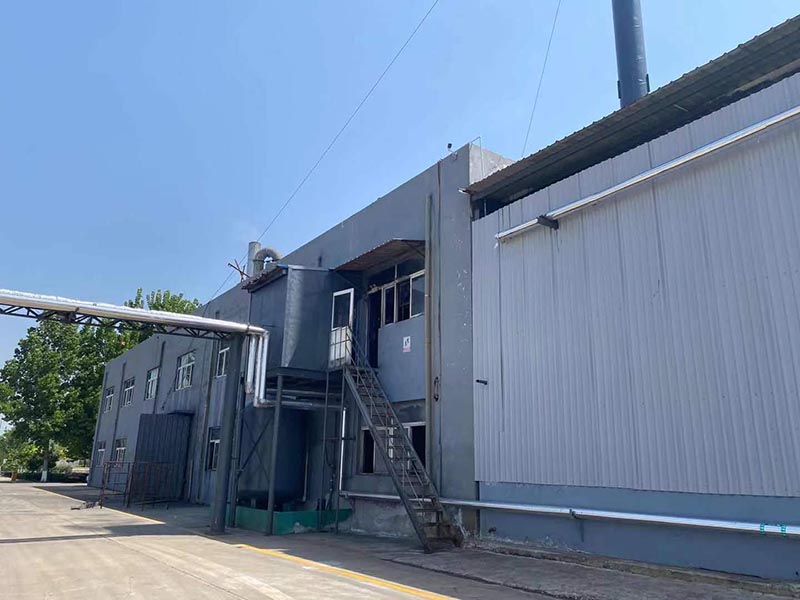
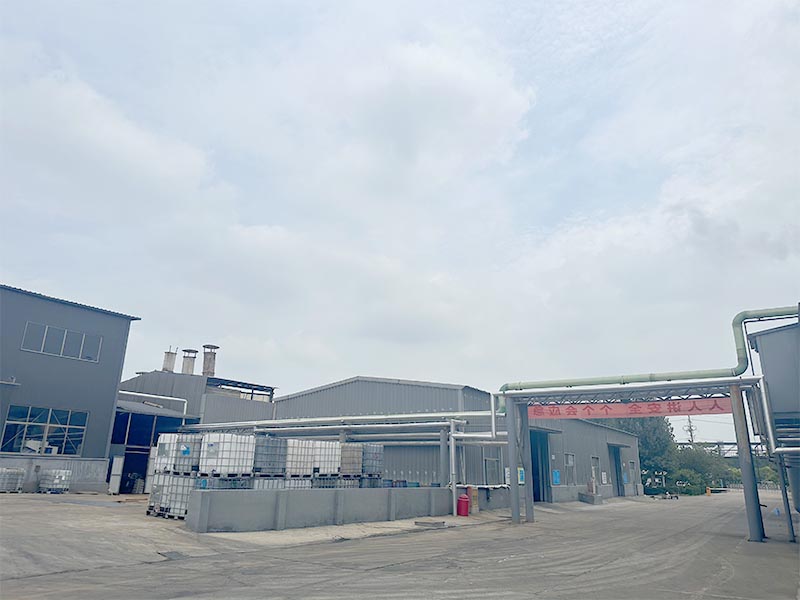
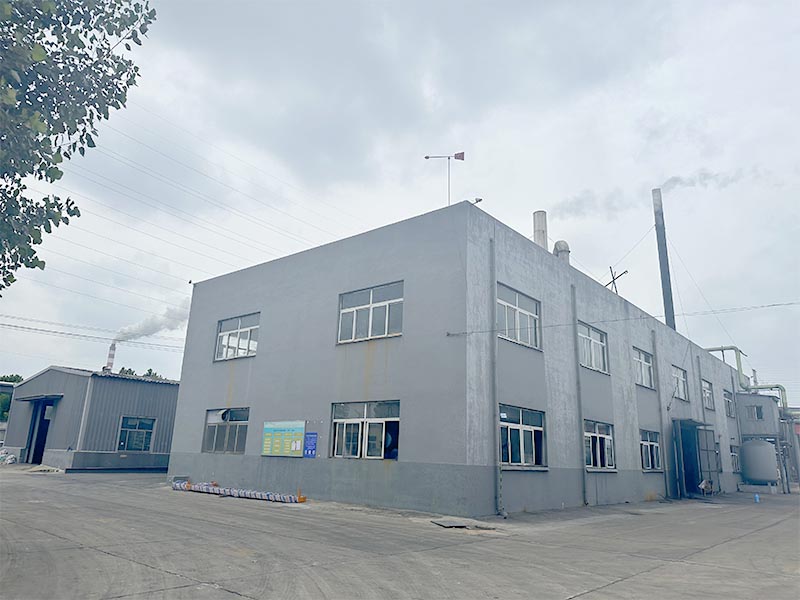
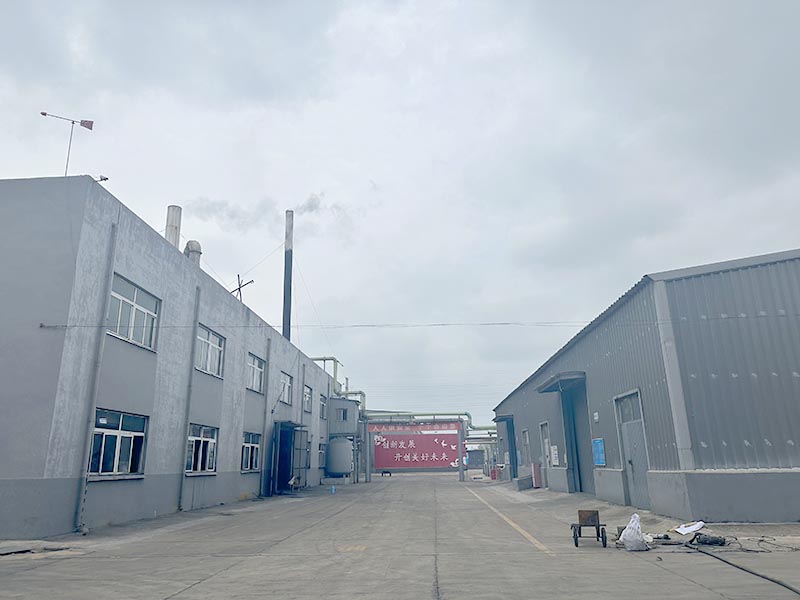
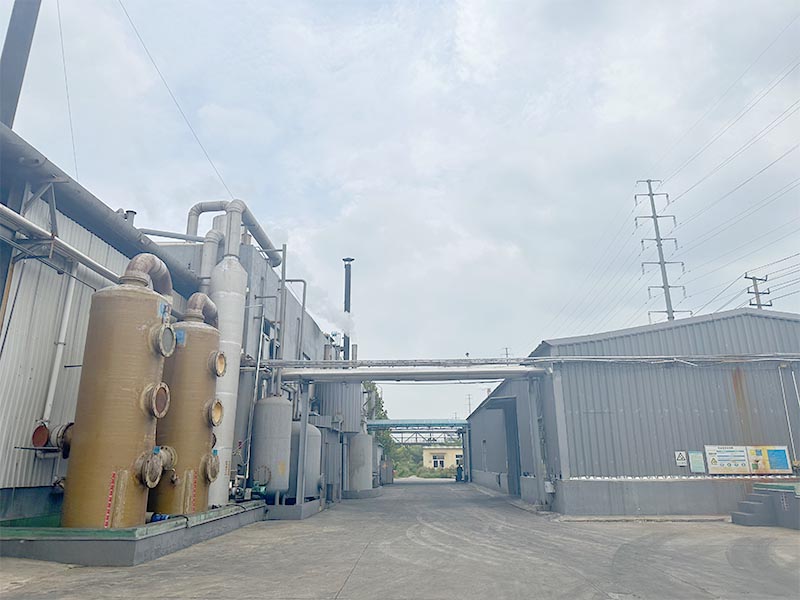
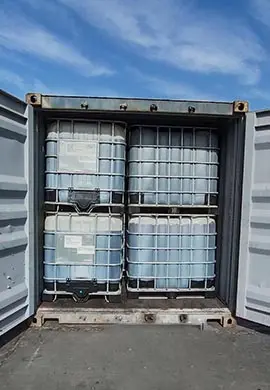
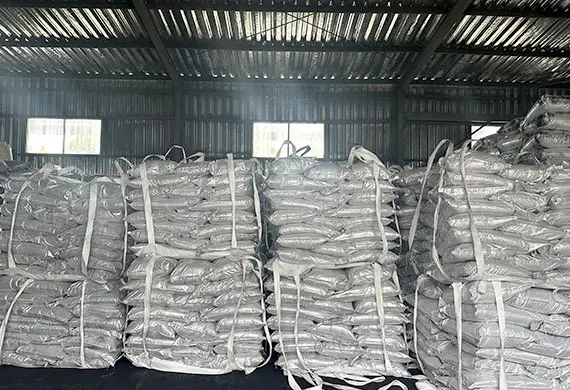
Visualizing our manufacturing capability, secure warehouse storage, and container freight management.
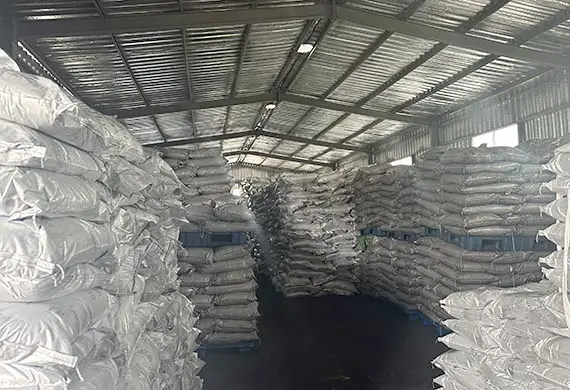
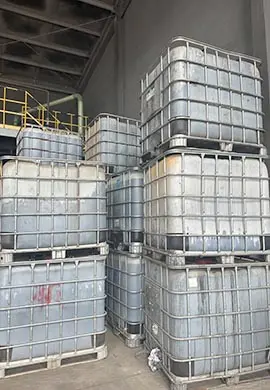
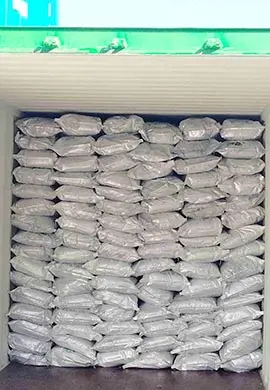
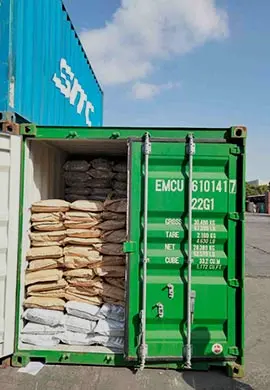
To keep pace with the shifting regulatory environment, Sunrise Chem Group has developed a long-term technical roadmap. We are focused on transitioning from traditional synthesis pathways to bio-based intermediates, reducing our reliance on fossil fuel derivatives. By integrating enzymatic steps into our production process, we aim to lower reaction temperatures and save energy during synthesis.
Additionally, we are upgrading our facilities to support Zero Liquid Discharge (ZLD) operations. This system recycles over 92% of the water used during dye synthesis, capturing dissolved salts and reuse-certified filtration water. These updates help insulate our production from local water restrictions while minimizing environmental impact.
We are also digitizing our manufacturing processes. Incorporating online spectrophotometry allow us to monitor color development during synthesis in real-time, helping us maintain narrow color tolerances and reduce batch variations.
Detailed answers to common technical and operational questions regarding Direct Yellow dyes.
While they all belong to the anionic azo class, Direct Yellow 12 is a stilbene-derived disazo dye, known for its bright yellow shade and high affinity for cellulose. Direct Yellow 86, on the other hand, is a urea-containing disazo dyestuff that offers improved lightfastness. Sunrise customizes these blends under the Direct Yellow RL moniker to meet specific industrial requirements for hue and fastness.
Two-sidedness occurs when fine fibers and fillers migrate to the wire side of the paper machine. Using a cationic retention aid (such as a polyacrylamide) helps fix the Direct Yellow RL molecule to both long and fine fibers. Applying the dye in a liquid state rather than a powder can also improve overall color uniformity across the paper web.
Our liquid dyes are formulated with specialized stabilizers that prevent sedimentation and crystallization during storage. When stored in sealed IBC drums between 5°C and 35°C, away from direct sunlight, the product remains stable for at least 12 months without separation or loss of color strength.
Our dyes can be formulated to comply with food-contact packaging requirements, such as BfR Recommendation XXXVI and FDA standards. If your project involves food packaging materials, please notify our technical team in advance so we can supply products that meet these compliance requirements.
ZDHC Level 3 is a high compliance rating for chemical formulations, verifying that the manufacturer's products do not contain substances listed on the ZDHC MRSL (Manufacturing Restricted Substances List). Sourcing from a Level 3 certified facility helps global buyers avoid the risks of using restricted chemicals and reduces the need for frequent product re-testing.
To ensure complete dissolution, Direct Yellow RL powder should be dissolved in soft water at 80°C to 90°C. Using hard water can cause calcium or magnesium ions to precipitate the dye, which may lead to color spots. Preparing a mother liquor at 5-10% concentration before addition is recommended.
Explore the second tier of our specialty chemical selection. Optimized for various applications including denim dyeing, high-speed paper coloring, and plastics compounding.
 Sunrise