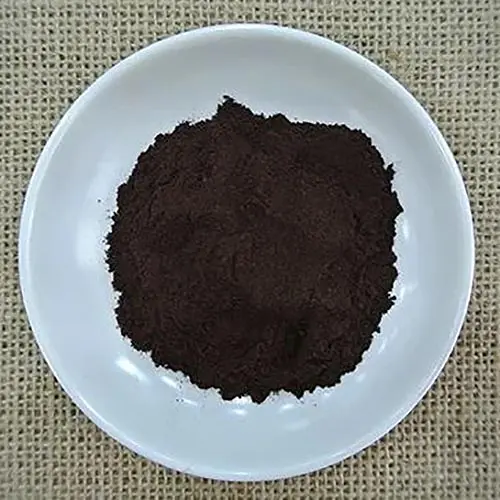
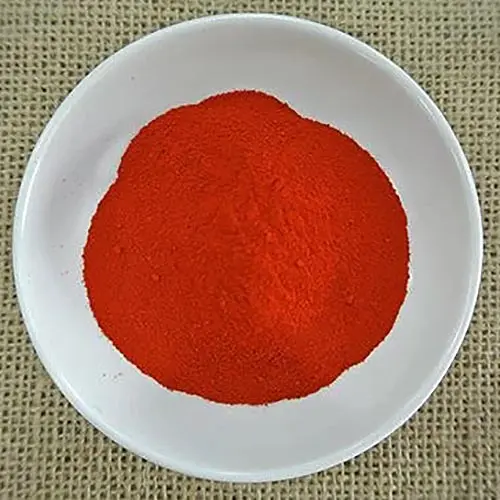
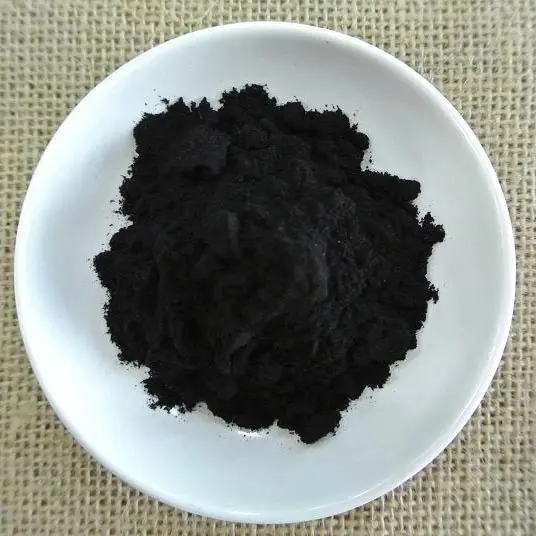
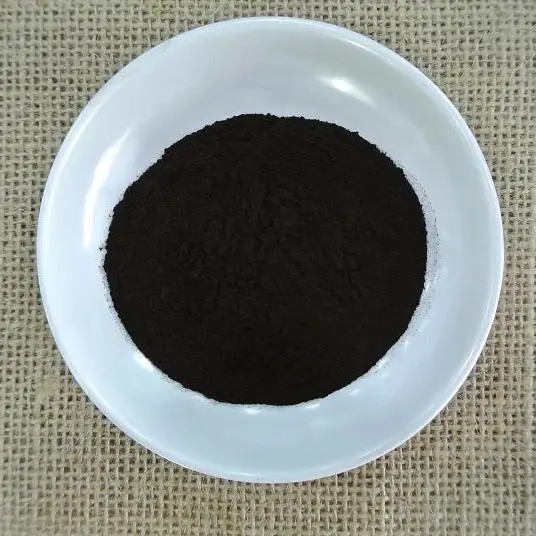
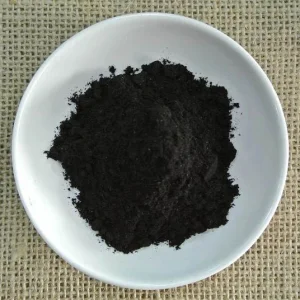
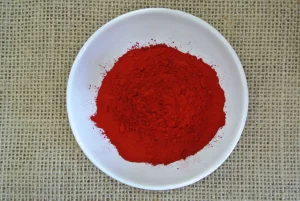
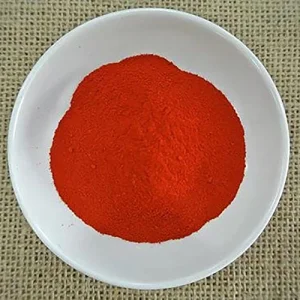
Explore our premium grade chemical colorants manufactured at scale and exported to key global markets.
Basic Violet 11 (commonly known as a prominent cationic dye within the rhodamine chemical family) holds a vital role in modern industrial application. Structurally characterized as a xanthene-derived colorant, this dyestuff features outstanding color intensity, high fluorescence yields, and excellent affinity for negatively charged substrates. Historically deployed in complex aqueous systems, Basic Violet 11 offers unparalleled brilliance that cannot be easily replicated by alternative chemical structures.
Our formulation is meticulously standardized to ensure consistent molecular concentration, minimizing structural variations between batches. This technical consistency is essential for high-precision workflows, such as automated dosing systems in large paper mills and computerized dyeing runs in industrial textile facilities. Crucially, the compound exhibits highly reactive chemical interactions with acidic functional groups present in pulp fibers and polyacrylonitrile polymers, delivering outstanding dye exhaustion rates and minimal wash-out loss.
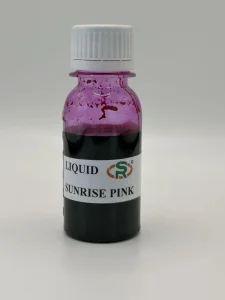
Additionally, Basic Violet 11 provides a striking visual profile, exhibiting an intense magenta-pink shade under ambient light and a characteristic bright reddish-orange fluorescence under ultraviolet (UV) illumination. This dual-action optical behavior makes it highly valuable for specialized safety, marking, and analytical applications globally.
| Technical Parameter | Standard Specifications (Sunrise Premium Grade) | Analytical Verification Method |
|---|---|---|
| Chemical Structure Class | Xanthene Dyestuff (Cationic) | FTIR Spectroscopy Analysis |
| C.I. Number / CAS Number | C.I. Basic Violet 11 (C.I. 45175) / CAS 2390-63-8 | International Color Index Concordance |
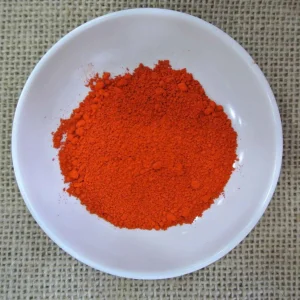
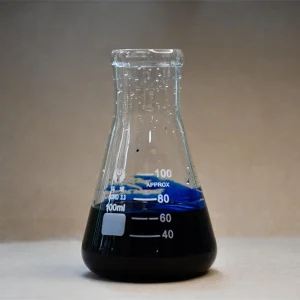
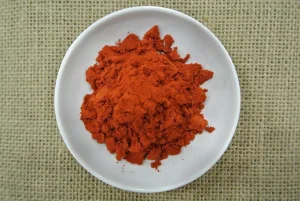
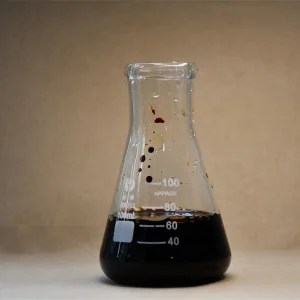
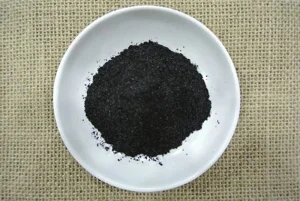
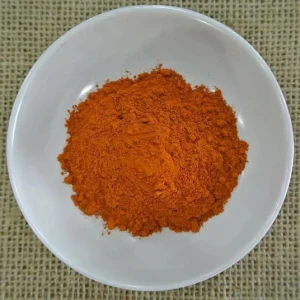
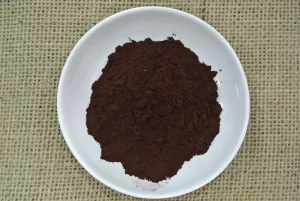
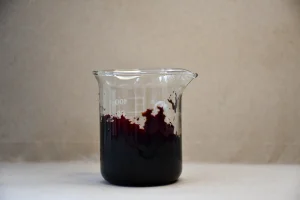
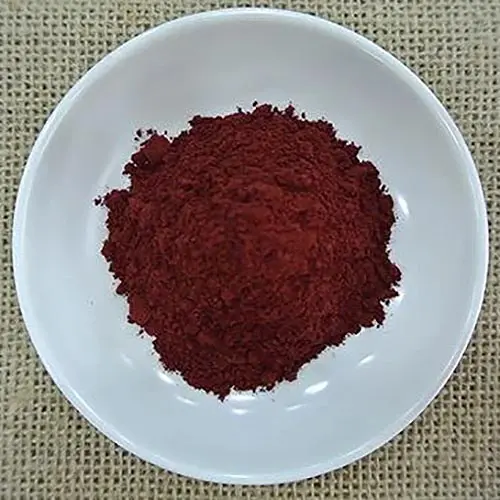
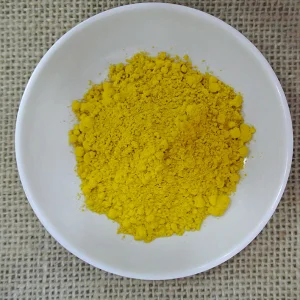
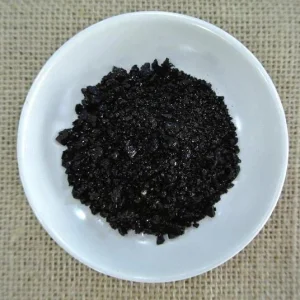
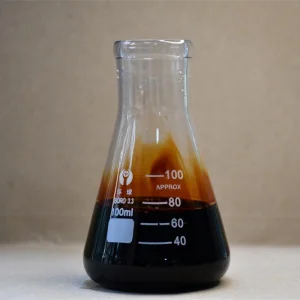
| Physical Appearance | Fine crystalline green powder / Concentrated stable liquid form | Visual Organoleptic Verification |
| Color Strength Tolerance | 100% ± 3% (compared to standard reference batch) | Spectrophotometric Absorption (UV-Vis at λ max) |
| Moisture Content | ≤ 4.5% (powder formulation) | Loss on drying at 105°C for 2 hours |
| Insoluble Matter in Water | ≤ 0.5% | Gravimetric filtration method at 80°C |
| pH Stability Range | Optimum application pH: 3.5 – 6.5 | Standard Potentiometric Glass Electrode |
An in-depth perspective on market consumption patterns, supply dynamics, and regulatory influences across key international jurisdictions.
The global demand for Basic Violet 11 has experienced a significant structural shift. In North American and European markets, strict regulations governing synthetic dyes have driven industrial consumers to seek highly refined, low-impurity batches. Buyers in these regions require dye materials free from trace heavy metal contaminants and forbidden aromatic amines, aligning with strict environmental frameworks such as EU REACH, OEKO-TEX Standard 100, and USA TSCA regulations.
Meanwhile, the manufacturing landscape in the Asia-Pacific region, South America, and parts of the Middle East is growing rapidly, driven by the expansion of packaging, paper processing, and industrial consumer goods production. Basic Violet 11 is highly valued for its ability to produce vibrant colors with very low concentrations, helping commercial users keep overall material costs down while maintaining excellent color intensity.
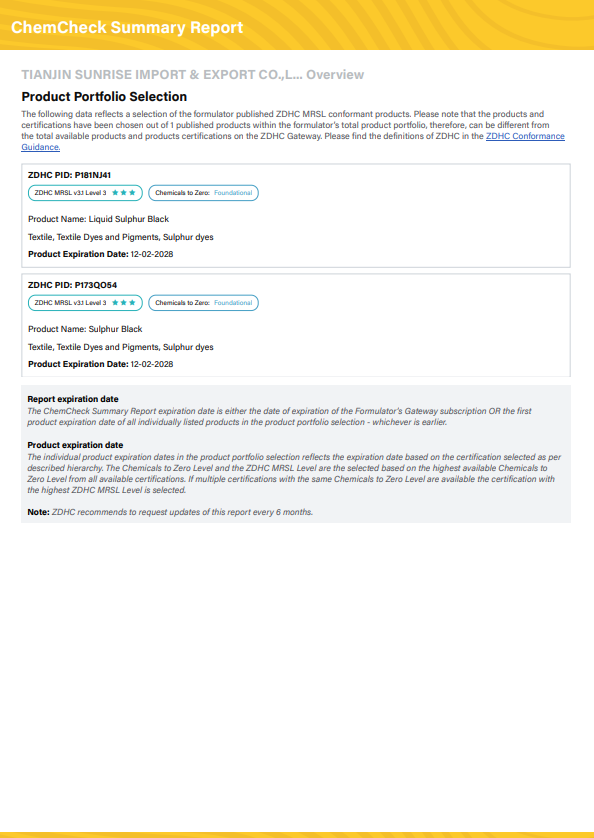
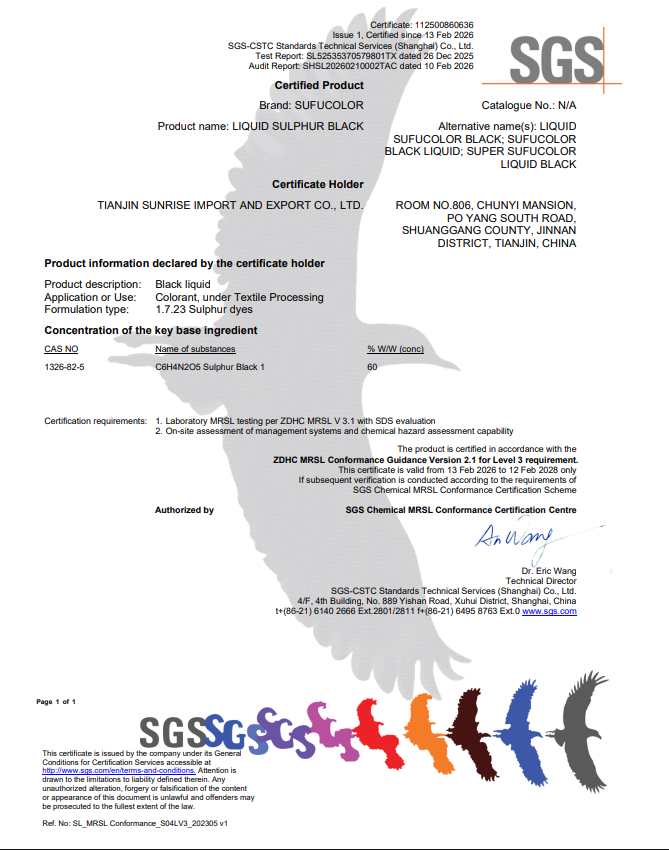
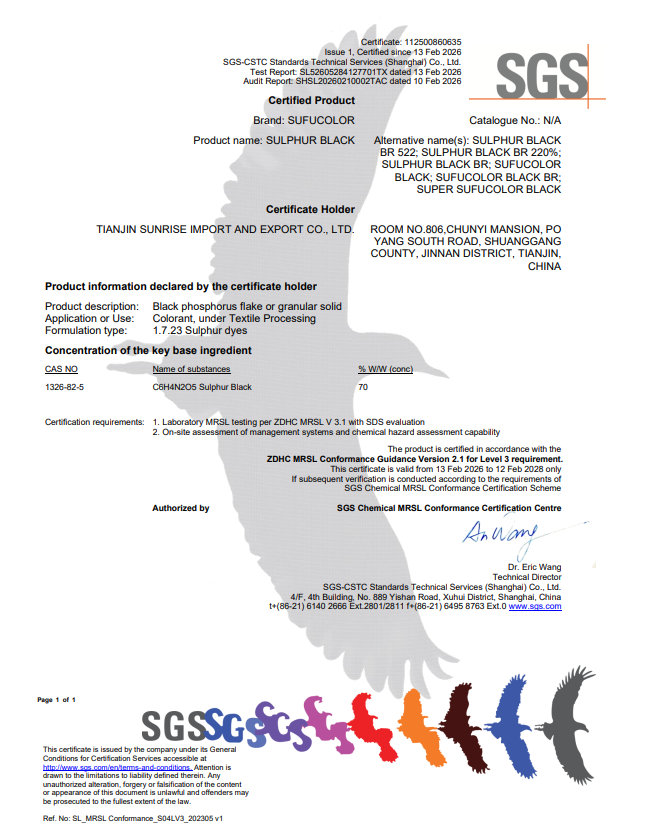
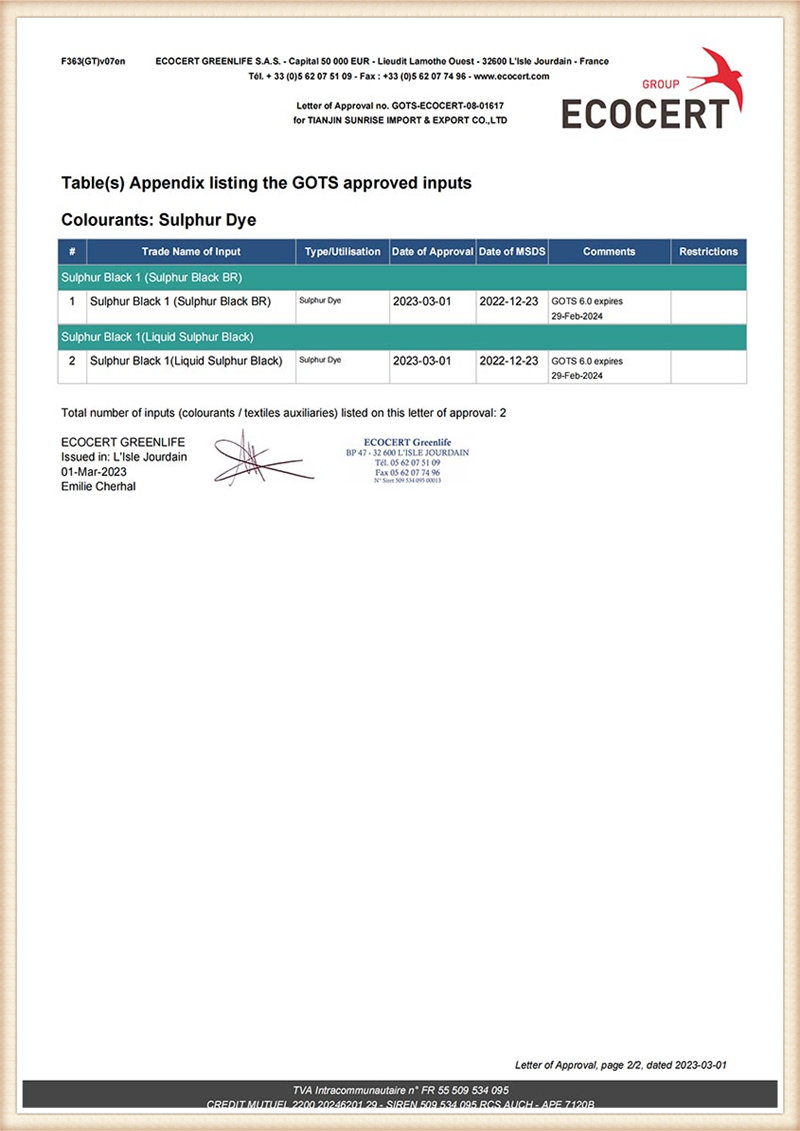
As sustainability regulations tighten, the industrial dye sector faces challenges related to wastewater management. Because of this, global chemical distributors are shifting away from uncertified chemical suppliers. They prefer working with verified manufacturing partners like Sunrise Chem Group, who have invested in advanced pollution control systems and hold recognized certifications such as ZDHC Level 3 and GOTS.
Extensively used to color paper stock, craft boards, and tissues, providing vibrant shades and high binding affinity with wood and recycled fibers.
Functions as a cationic dye, offering high exhausted absorption rates and strong light fastness on polyacrylonitrile and modified synthetic fibers.
Acts as the key coloring agent in daylight fluorescent pigments, which are widely used in plastics, safety coatings, and marker inks.
How Sunrise Chem Group integrates local resources, advanced production engineering, and logistics to serve global industries.
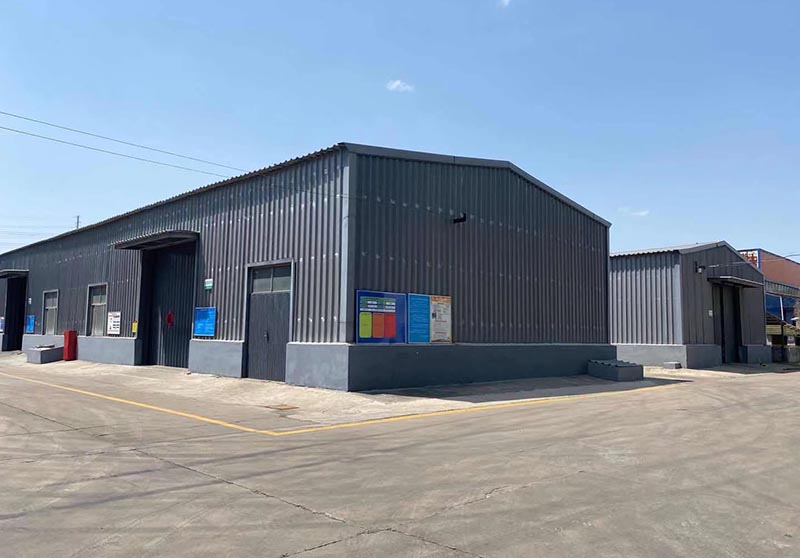
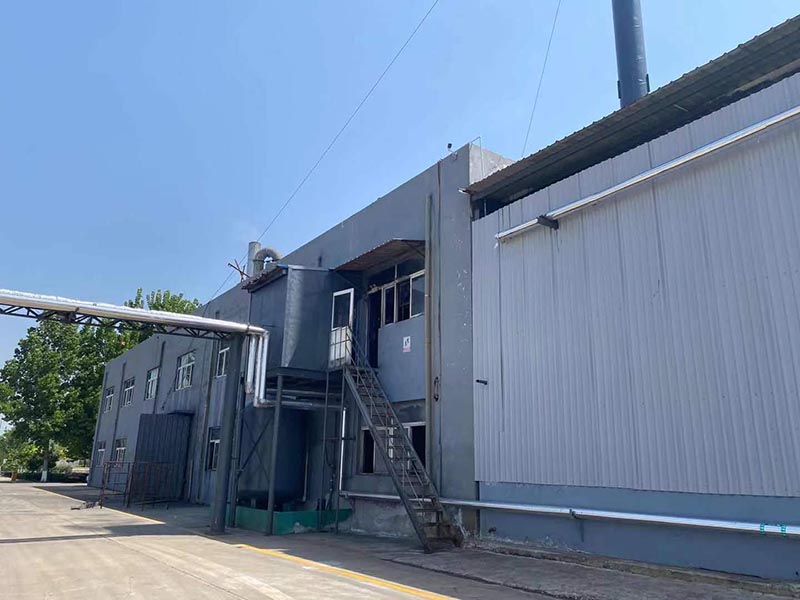
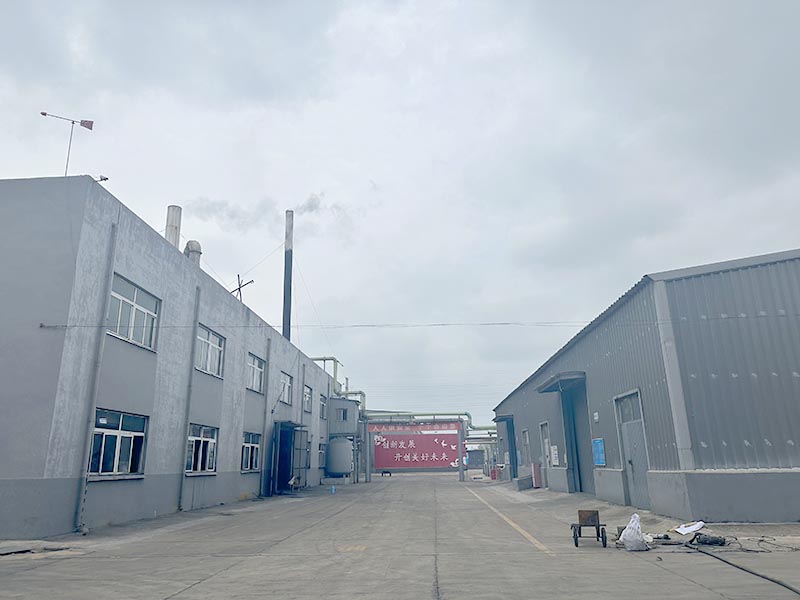
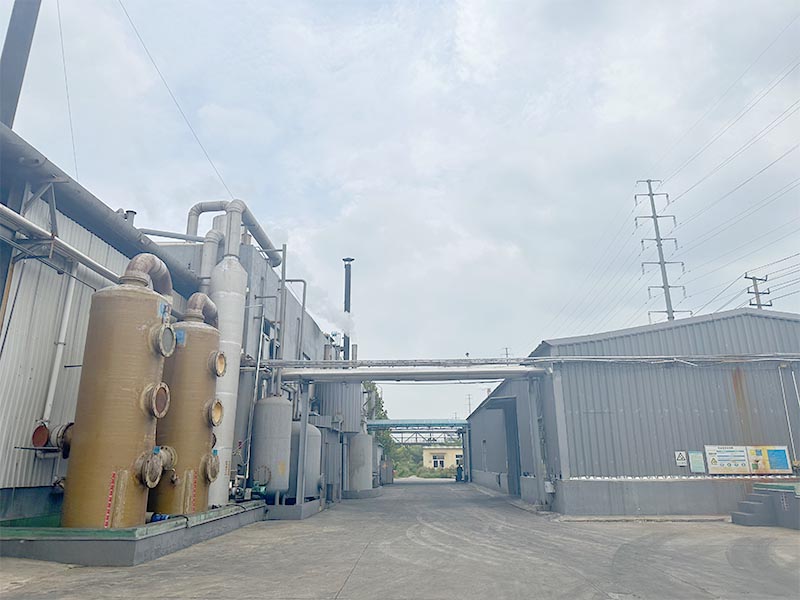
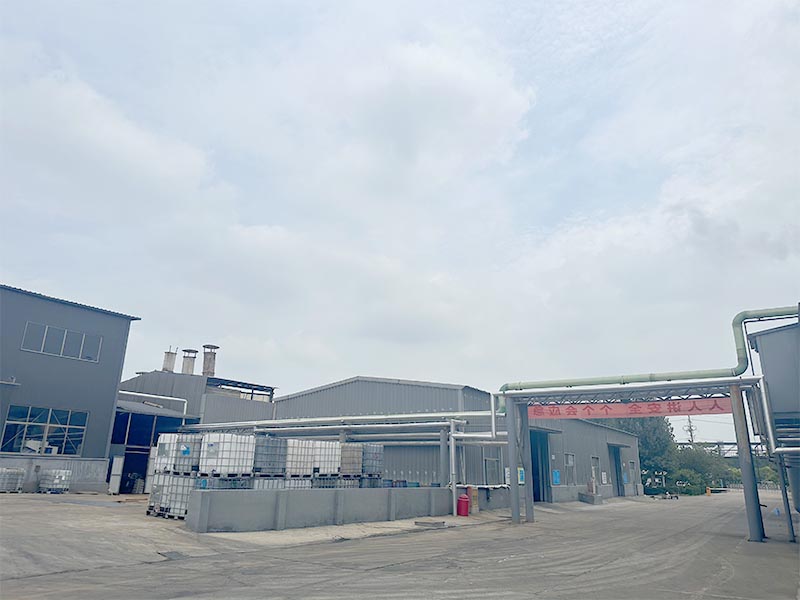
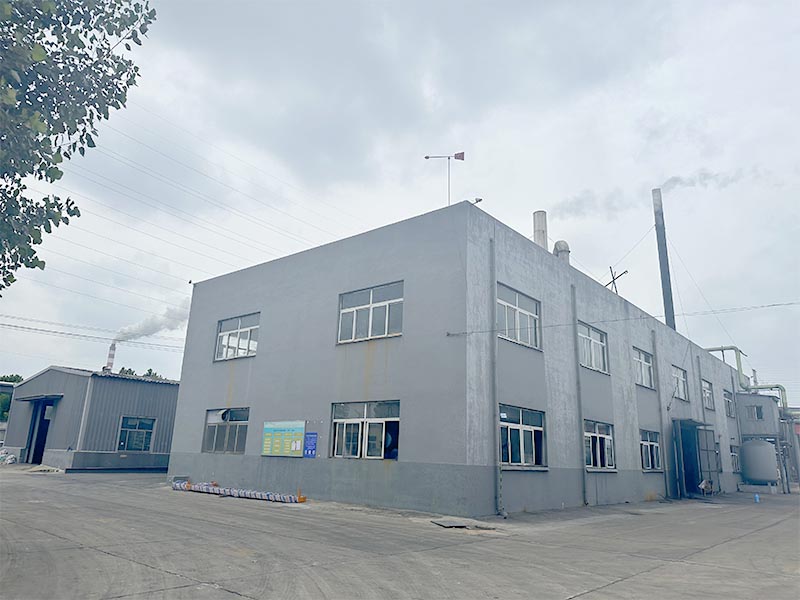
Tianjin Sunrise Chem Group operates advanced manufacturing facilities designed to produce dyestuffs with high efficiency and consistent quality. By using automated synthesis systems, we keep production conditions stable, reduce manual errors, and ensure chemical properties remain uniform across every batch of Basic Violet 11. Our raw materials are sourced locally, shielding our production cycles from global supply chain disruptions and keeping our pricing highly competitive.
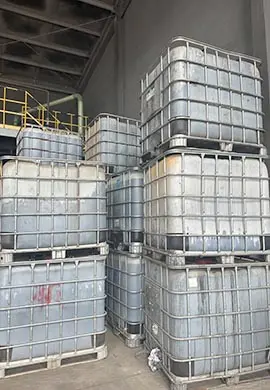
Our plant efficiency goes beyond basic synthesis. We utilize advanced spray-drying systems that produce highly soluble, dust-free dye powders. For automated industrial applications, we offer customized liquid formulations of Basic Violet 11, helping customers eliminate the need to dissolve powder onsite and reducing workplace dust exposure.
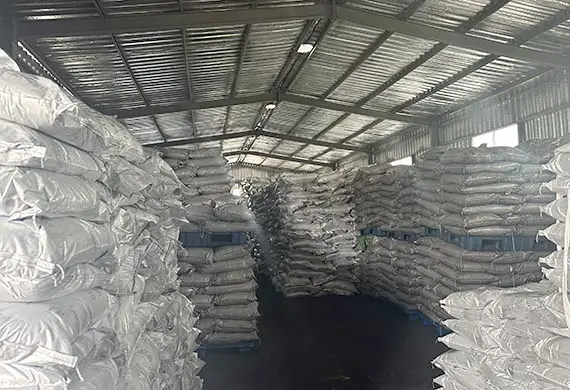
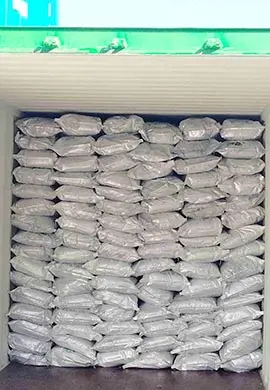
Our location near the Port of Tianjin provides significant logistics advantages. This proximity allows us to easily coordinate container loading and arrange rapid maritime transit to major international hubs, helping global buyers maintain lean inventory levels while ensuring a reliable supply of raw materials.
How the functional properties of Basic Violet 11 translate into specific industrial processes.
In paper manufacturing, Basic Violet 11 is added directly to the pulp slurry before sheet formation. It binds quickly with cellulose fibers, achieving a clean finish that resists bleeding and maintains high color stability in acidic sizing environments.
For acrylic fibers, the dye's cationic structure binds with the polymer's acid-modified sites. This creates a strong ionic bond, resulting in excellent wash fastness and deep, vibrant shades under standard steaming conditions.
Used in alcohol-based inks for packaging and flexographic applications. Its high solubility in ethanol and glycol ethers allows formulators to create clear, sediment-free inks that print smoothly at high run speeds.
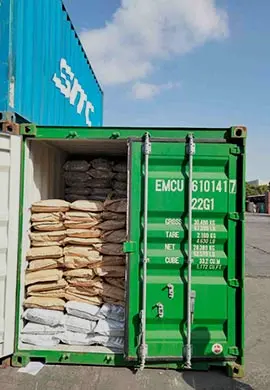
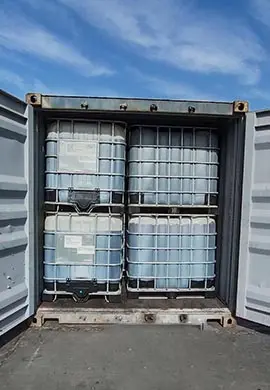
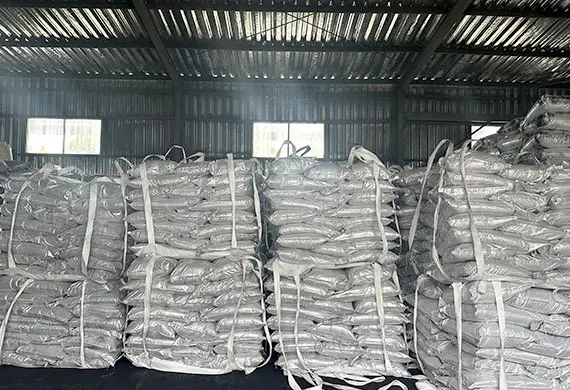
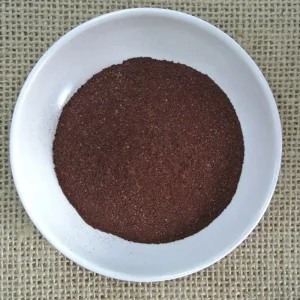
Browse our extensive selection of industrial dyes and view our operational logistics in action.
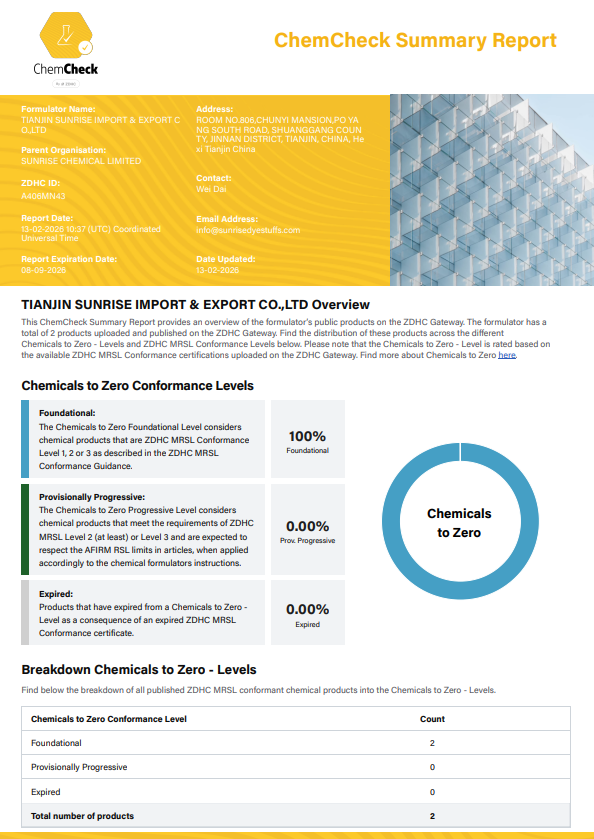
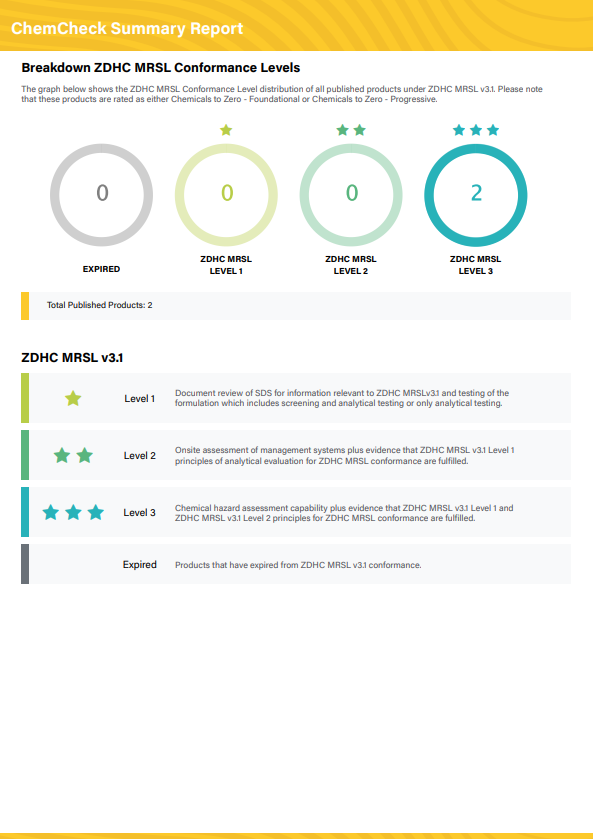
Modern industrial chemistry requires strict environmental responsibility. As a leading manufacturer, we align our production lines with green chemistry initiatives to minimize ecological impacts. Our facilities adhere to the ZDHC (Zero Discharge of Hazardous Chemicals) Level 3 standard, ensuring that raw material selection, synthesis, and wastewater treatment processes prevent the release of hazardous substances into the environment.
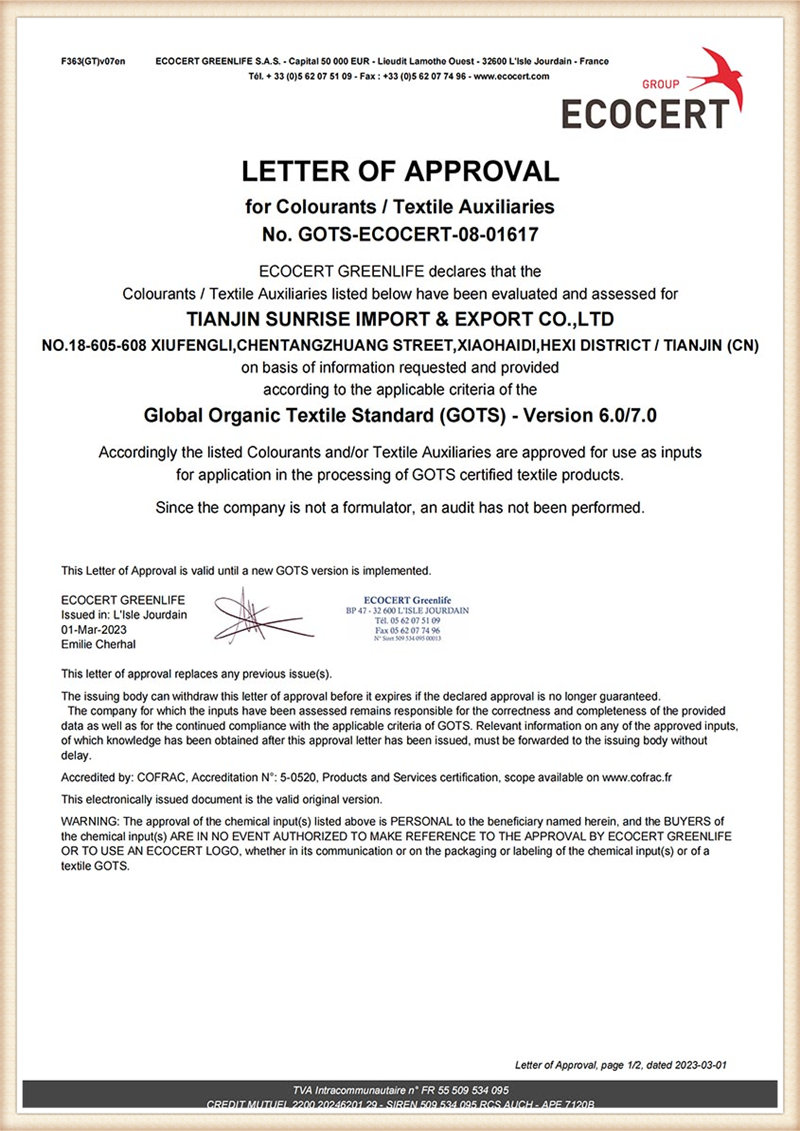
Additionally, our certifications under the Global Organic Textile Standard (GOTS) verify that our products meet strict ecological and social criteria. We support circular manufacturing principles by using energy-efficient drying systems and treating wastewater onsite using biological and physical-chemical filtration methods. This approach helps industrial buyers meet demanding environmental targets without compromising on quality or performance.
For B2B procurement managers, securing a reliable supply of raw materials is essential. We help simplify this process by offering tailored services that address key operational challenges, including quality control, regulatory compliance, and logistics planning.
Our quality assurance program guarantees that every shipment is thoroughly analyzed using advanced high-performance liquid chromatography (HPLC) and spectrophotometric matching. This ensures our dyes perform consistently in your production processes, helping to prevent downtime and minimize material waste.
By offering customized packaging and flexible shipping arrangements, we help our clients optimize their inventory levels and reduce overall operational costs. Partnering with us ensures a stable, high-quality supply of chemical solutions tailored to your business needs.
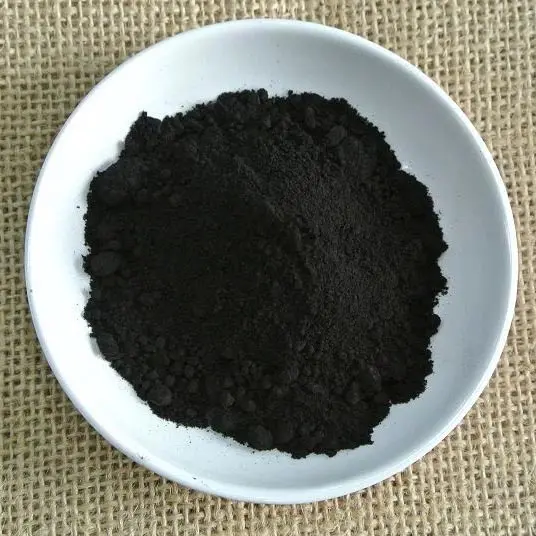
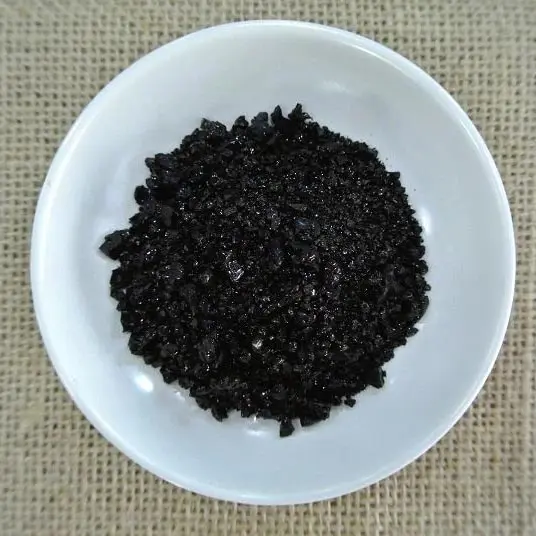
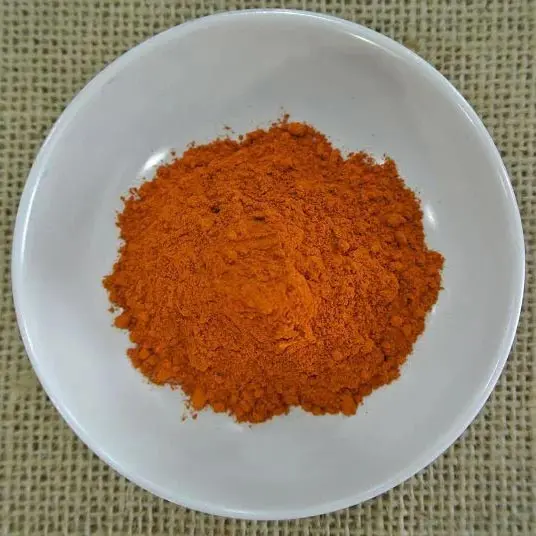
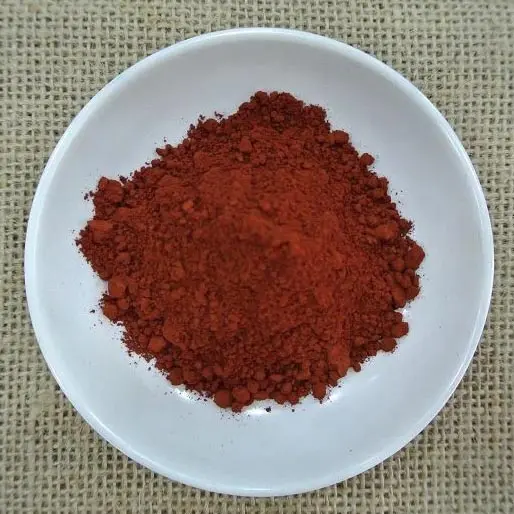
Discover our complementary ranges of solvent, acid, sulphur, and mineral colorants designed for heavy manufacturing.
Essential guidance on chemical parameters, solubility properties, compliance standards, and order processing.
 Sunrise