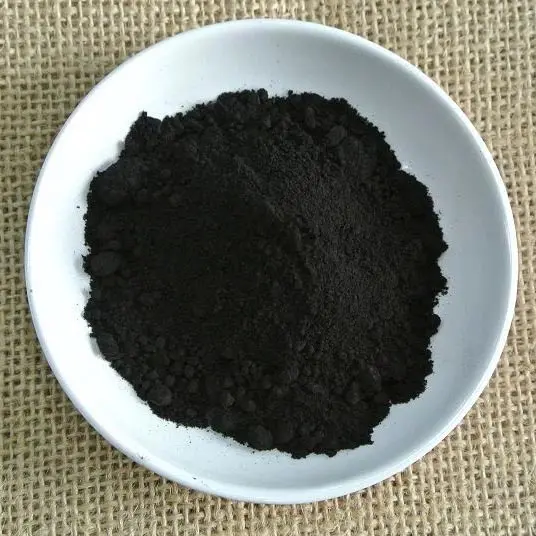
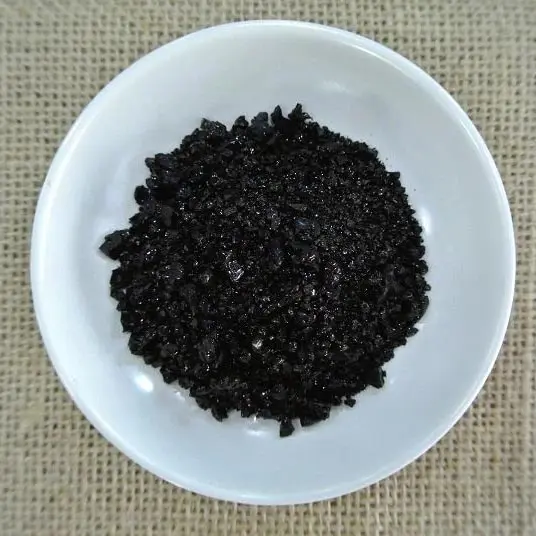
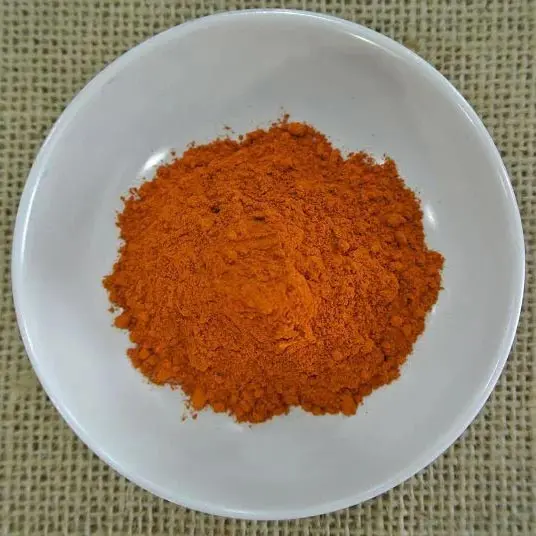
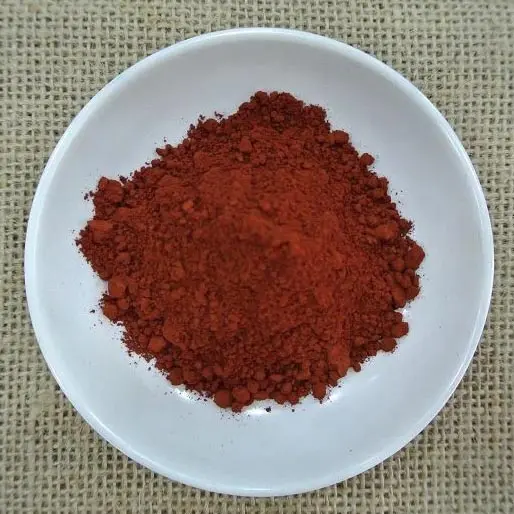
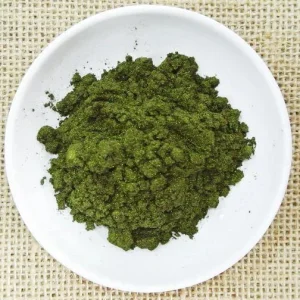
Direct from Manufacturer to Global Distributors & Processing Mills
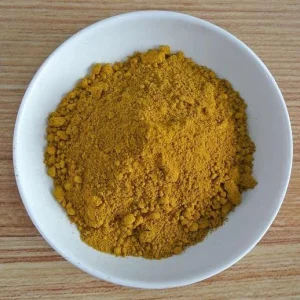
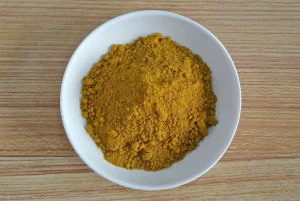
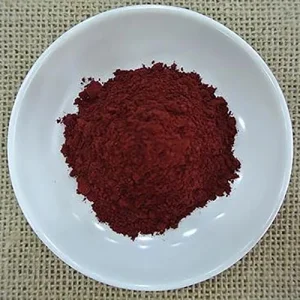
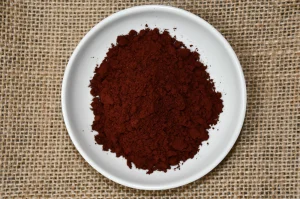
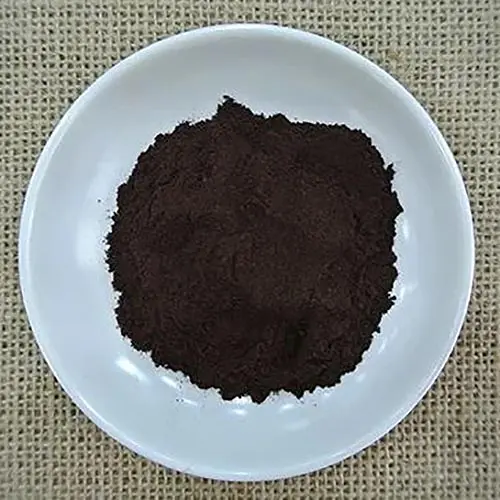
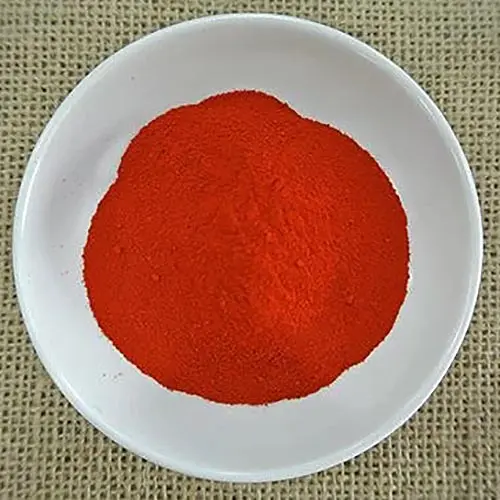
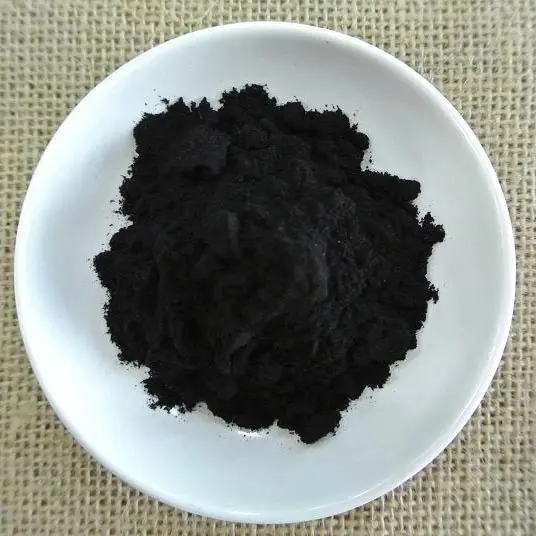
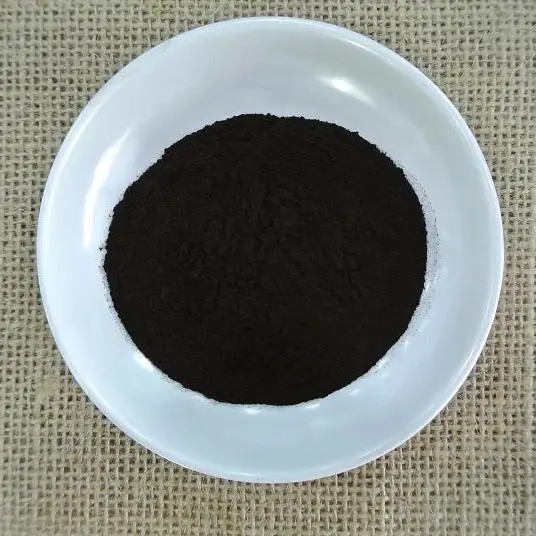
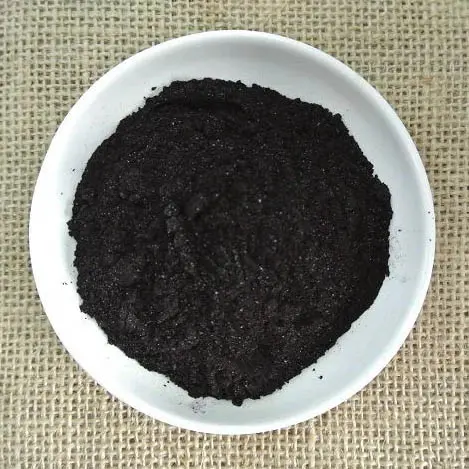
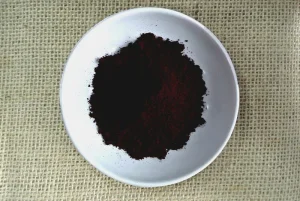
Basic Brown G, scientifically indexed as C.I. Basic Brown 1 (also known in academic and clinical spheres as Bismarck Brown Y or G), is a classical cationic diazo dye that holds a pivotal position in modern industrial chemistry. Characterized by its bis-azo molecular architecture, Basic Brown G presents an exceptional affinity for anionic substrates. This unique thermodynamic binding property makes it highly sought after in sectors requiring intense, deep coloration with low-temperature fixative capabilities.
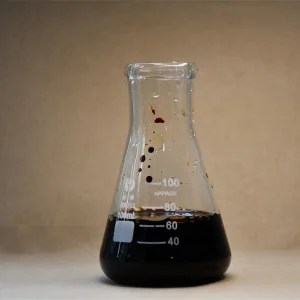
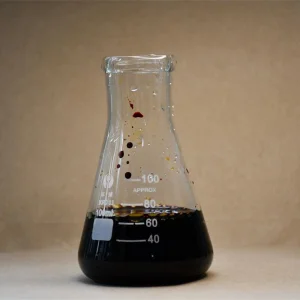
Historically utilized as one of the earliest synthetic azo dyes, Basic Brown G's chemical structure consists of complex chains that provide superb tinting strength. In the modern era, manufacturers have refined synthesis methodologies to optimize the purity of Basic Brown G, minimizing chemical intermediates and unwanted salt residues. Through precise crystallization control and micro-filtration processes, leading factories ensure that the dyestuff transitions smoothly from powder format into stable aqueous solutions, meeting the rigorous standards of modern high-speed printing and dyeing machineries.
The chemical stability of Bismarck Brown G under diverse pH environments is crucial. Because of its cationic nature, it interacts strongly with cellulose containing acidic groups, lignosulfonates in unbleached paper fibers, and the carboxylic groups in proteins such as keratin and collagen. This behavior underpins its prominent role across several heavy industries, positioning it as an indispensable pigmenting agent globally.
Modern procurement professionals operating within multi-billion dollar chemical supply chains prioritize risk mitigation and regulatory alignment. The acquisition of basic dyes, particularly Azo-based compounds like Basic Brown G, is heavily governed by strict environmental standards. Today, simple transactional procurement has been replaced by high-level strategic partnerships where environmental stewardship is mandatory.
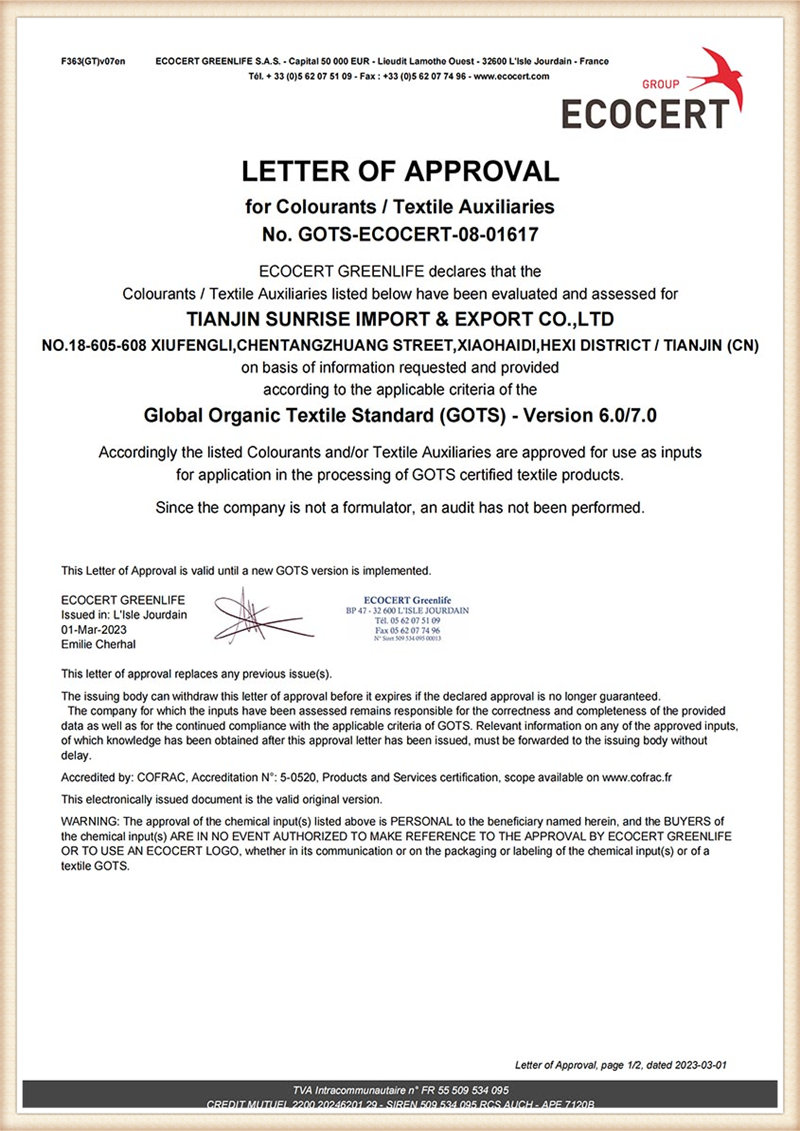
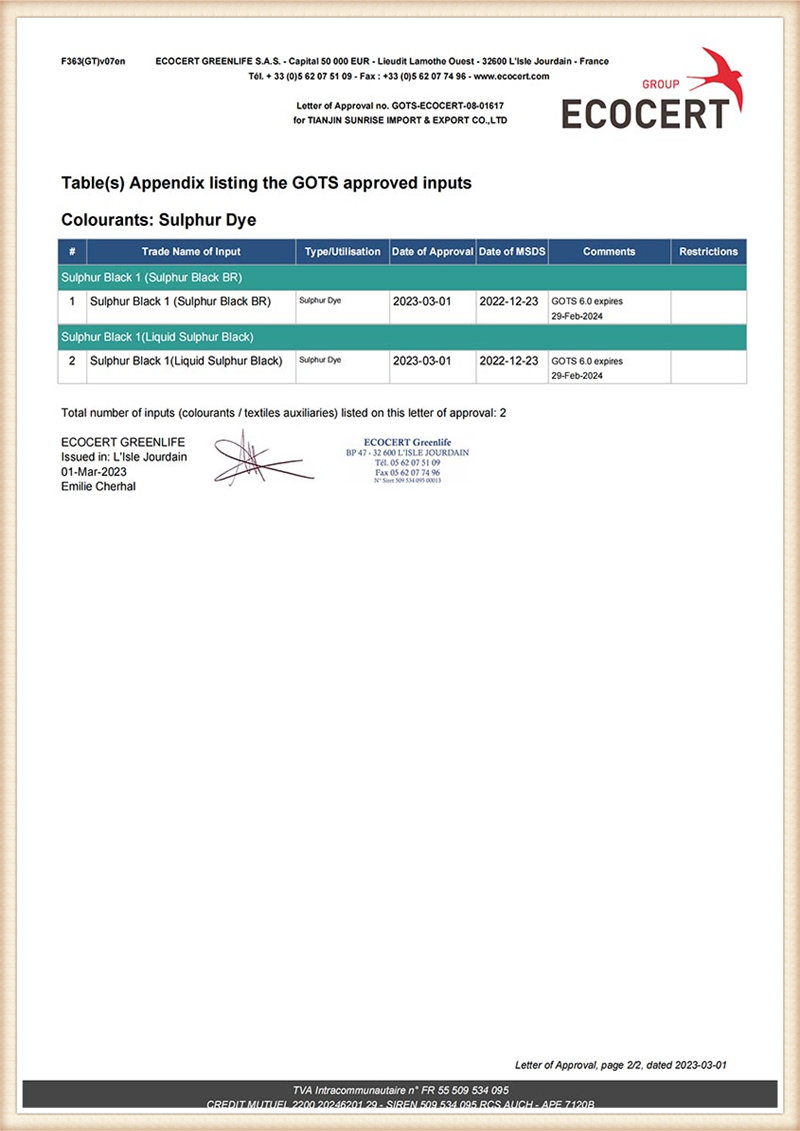
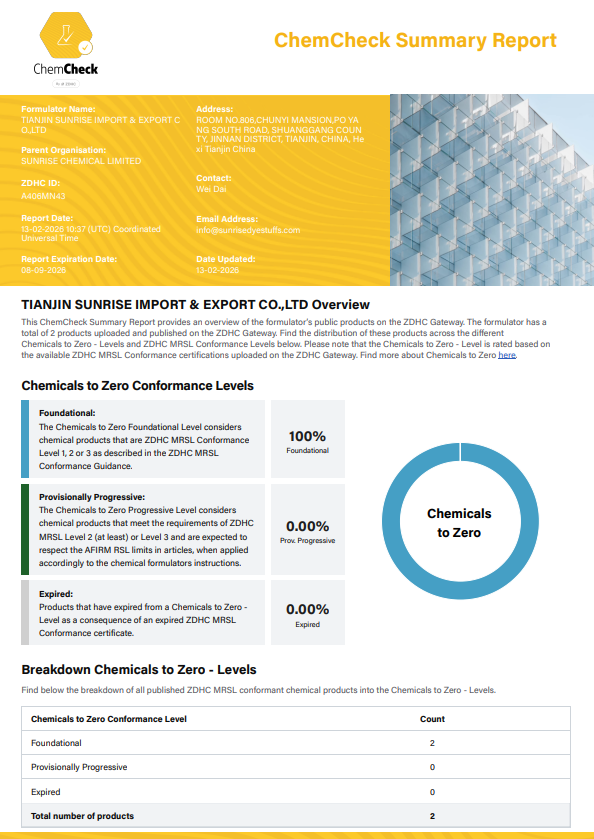
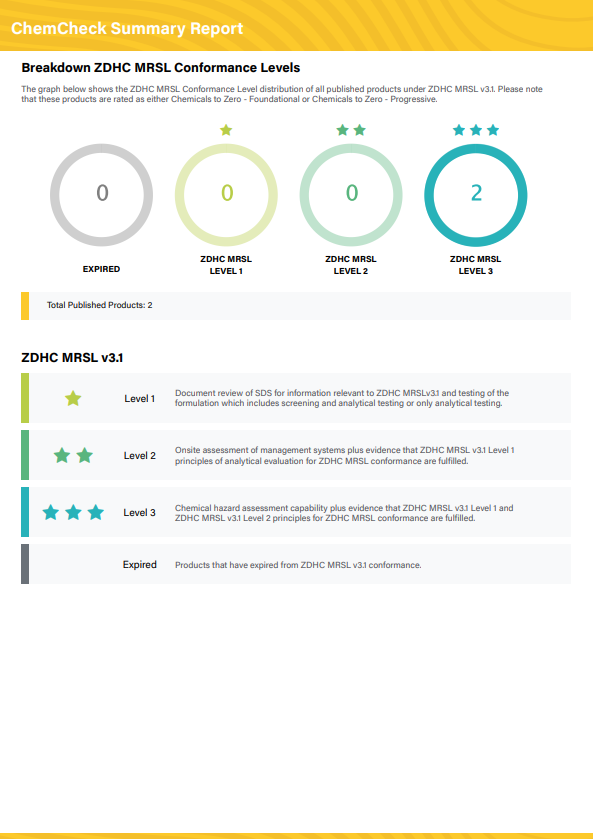
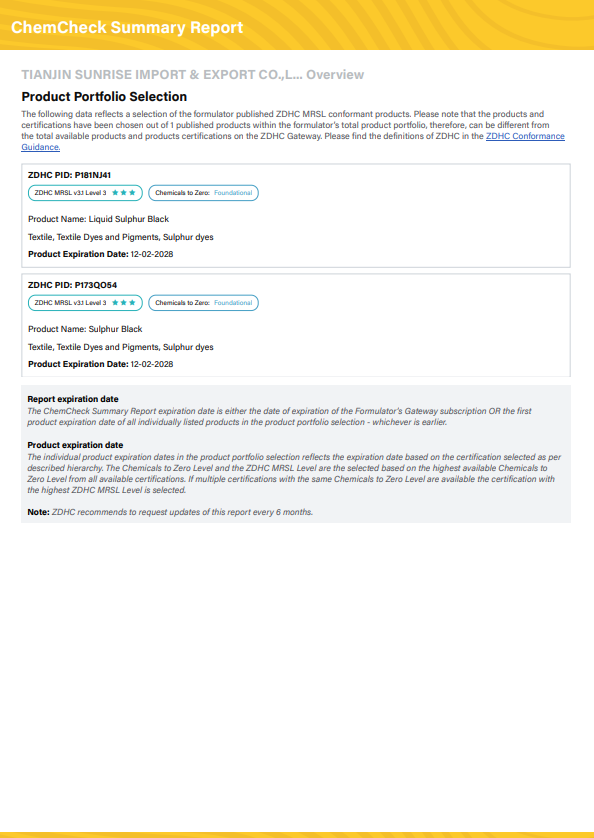
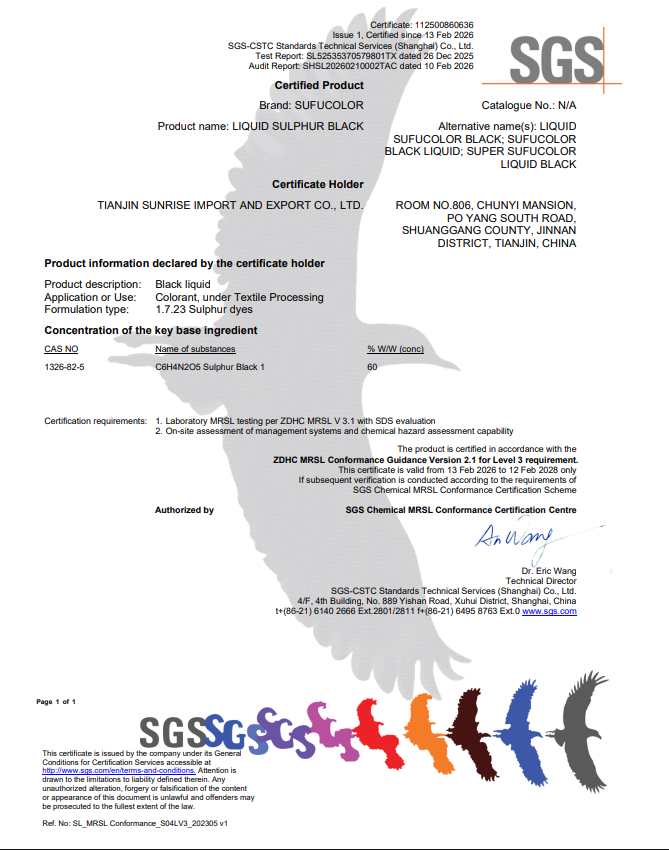
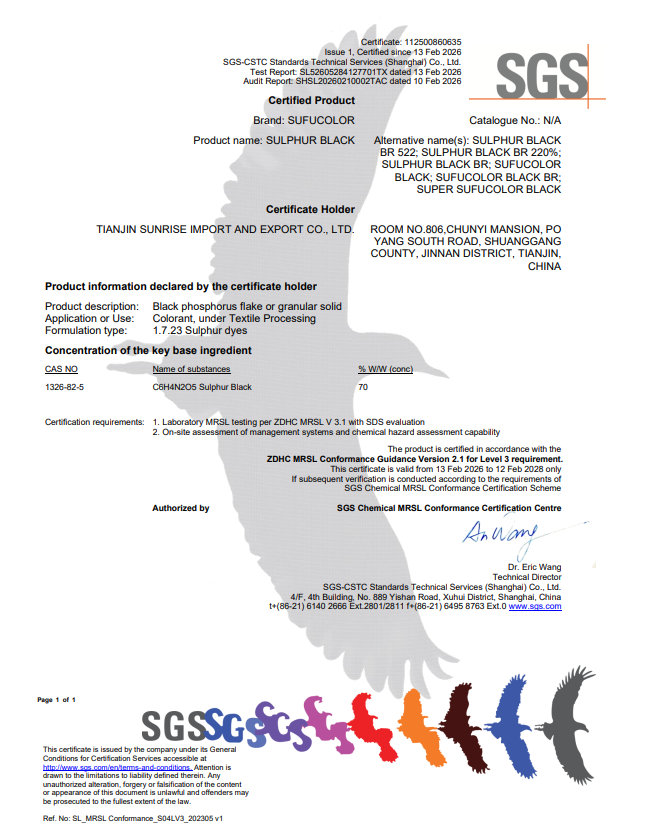
This shift is driven by the industry-wide mandate to phase out hazardous substances. The Zero Discharge of Hazardous Chemicals (ZDHC) program and the Global Organic Textile Standard (GOTS) represent the gold standard in environmental compliance. Factories that achieve ZDHC Level 3 status ensure that their manufacturing processes do not release toxic by-products or restricted arylamines into the ecosystem. For global brands, selecting a certified supplier like Sunrise Chem is not merely about green PR—it is a legal and structural shield against compliance failures and cross-border customs bottlenecks.
Decades of Reliability, Innovation, and Tailored Dyestuff Solutions
Tianjin Sunrise Chem Group specializes in manufacturing high-quality dyestuffs, including Direct dyes, Acid dyes, Basic dyes, Sulphur dyes, Solvent dyes, Liquid dyes, and Fluorescent dyes. Backed by decades of industry and export experience, we have built a reputation for reliability and excellence, serving clients from diverse sectors including denim, textile, leather, paper, and plastic.
We highly focus on goods quality and batch-to-batch stability. Each shipment is meticulously tested before being dispatched to the port. Our ZDHC Level 3 and GOTS certifications guarantee that you receive only high-performance, compliant materials.
We pride ourselves on offering customized solutions. Our team of experts works closely with clients to understand their unique processing challenges and deliver tailored products. We actively seek strategic partnerships to expand our global footprint and drive mutual growth.
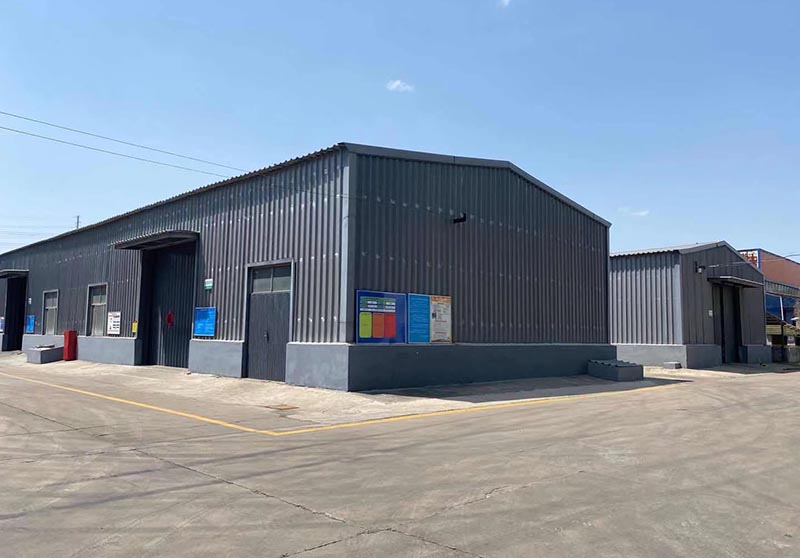
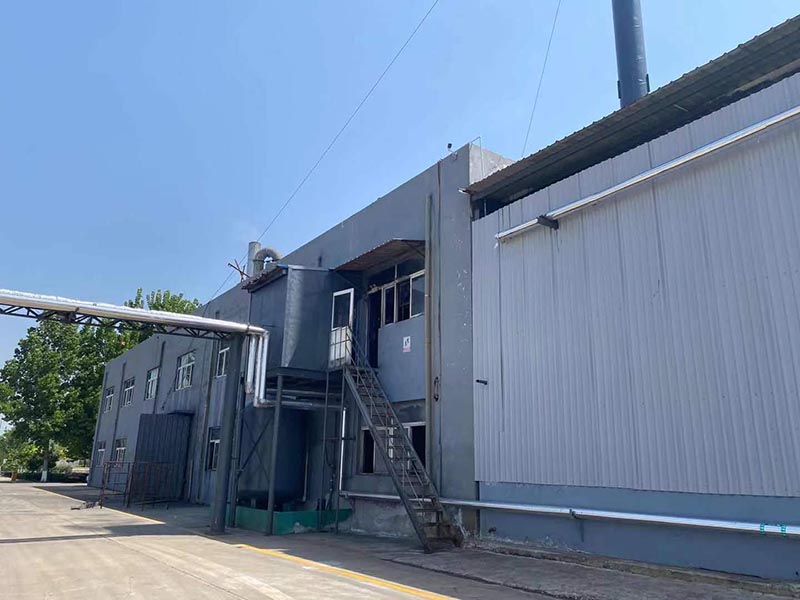
Cooperating with leading textile and paper mills for decades highlights our commitment to building strong, long-term business relationships. These enduring partnerships translate to consistent ordering systems, shared technical resources, and continuous technological support.
Our core mission is to catalyze our clients' business growth. By delivering first-class dyes and proactive, transparent customer service, we act as a reliable partner in our clients' success.
Environmental protection is the cornerstone of our innovation. We dedicate ourselves to providing eco-friendly, high-performance colorants that balance commercial productivity with ecological harmony, steering the industry toward a sustainable, green future.
Global Trade Operations & International Quality Management Certifications:
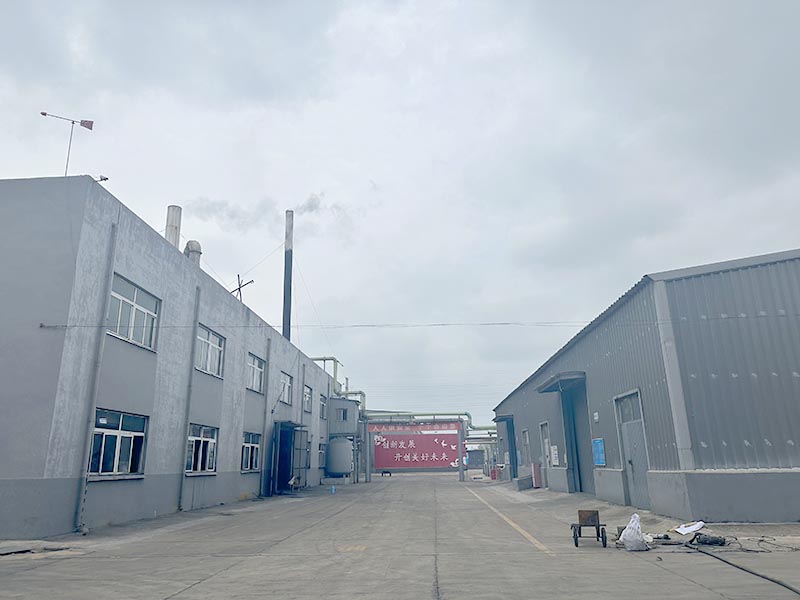
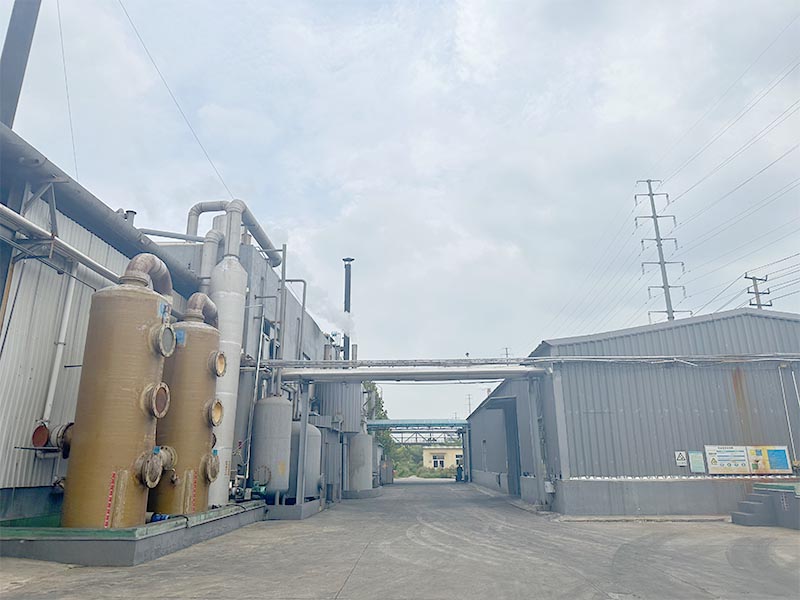
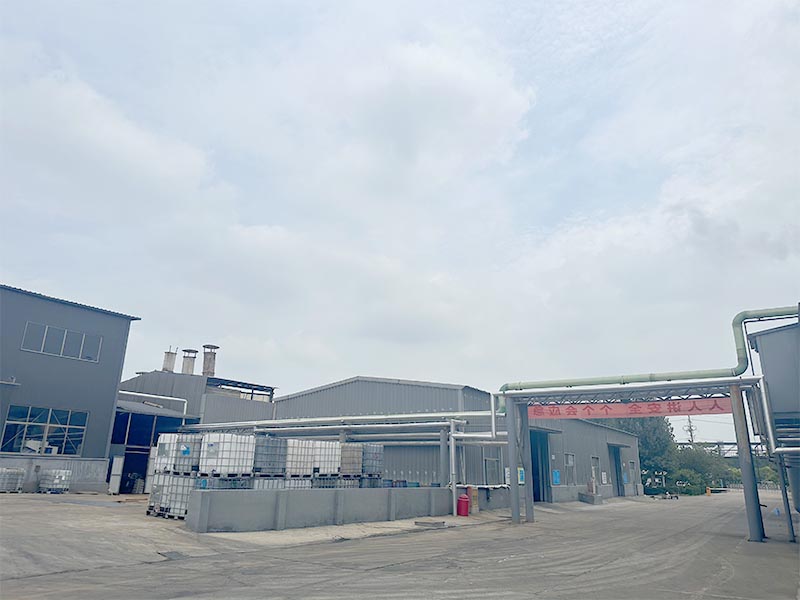
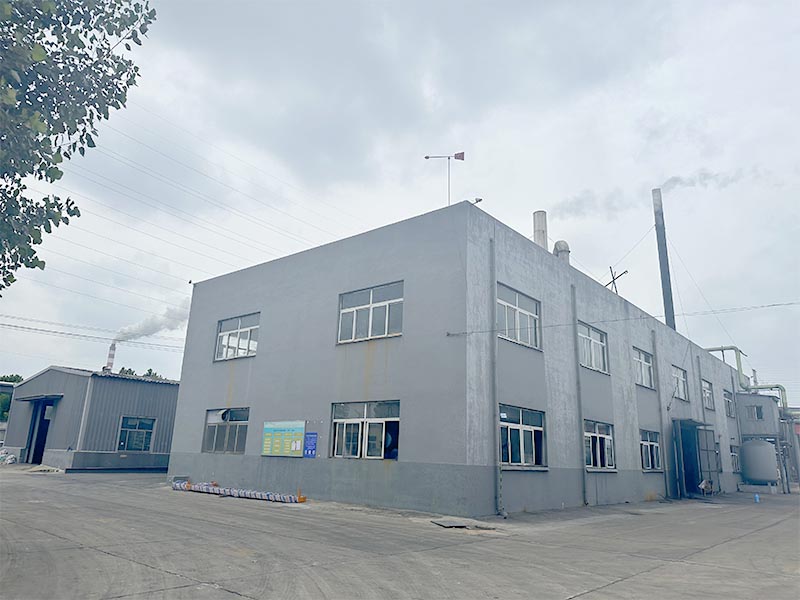
The modern dyestuff manufacturing landscape is undergoing a digital revolution. China's chemical factories have evolved from labor-intensive plants into state-of-the-art smart manufacturing ecosystems (Factory 4.0). This digital transformation addresses the historical vulnerabilities of chemical sourcing: batch-to-batch color variance, erratic lead times, and environmental non-compliance.
At our advanced facilities, we integrate Distributed Control Systems (DCS) and Manufacturing Execution Systems (MES) to govern the chemical synthesis of Basic Brown G and our full range of solvent, acid, and direct colorants. The synthesis of bis-azo compounds requires precise temperature control during the diazotization and coupling phases. A variance of even 0.5°C can trigger side-reactions, resulting in secondary isomers that degrade color purity and alter the hue. Automated thermal management systems ensure that chemical coupling runs within precise parameters, guaranteeing batch-to-batch consistency.
Moreover, smart factories use automated online spectrophotometry to analyze the color value (strength) of the liquid dye raw materials in real-time. This eliminates human error during dye standardization. The resulting chemical products boast exact dye content percentages, uniform solubility curves, and predictable color values.
Beyond quality control, smart manufacturing ensures unparalleled supply chain resilience. By integrating inventory systems with raw material suppliers, production scheduling dynamically adjusts to buffer against supply disruptions. Even during periods of energy conservation or regulatory adjustments, our optimized synthesis lines maintain continuous operations. This guarantees a steady supply of essential industrial dyes like Basic Brown G to international markets, safeguarding your production timelines.
High Affinity Colorants Engineered for Diverse Substrates
The utility of Basic Brown G spans various industrial processes, each with unique performance parameters:
The chemical industry must operate with a focus on environmental sustainability. Eco-friendly manufacturing requires strict water recycling and filtration setups to trap unreacted dye residues before wastewater discharge. Leading dye manufacturers invest heavily in reverse osmosis and biological wastewater treatment facilities. This ensures that factories operate in harmony with local regulations, offering international buyers a clean, sustainable supply chain.
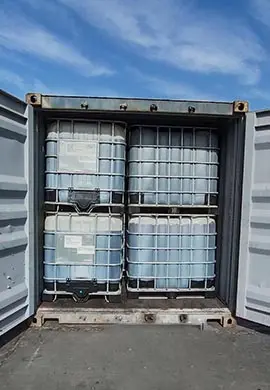
Global Shipping, Bulk Material Staging & Safe Transit Practices
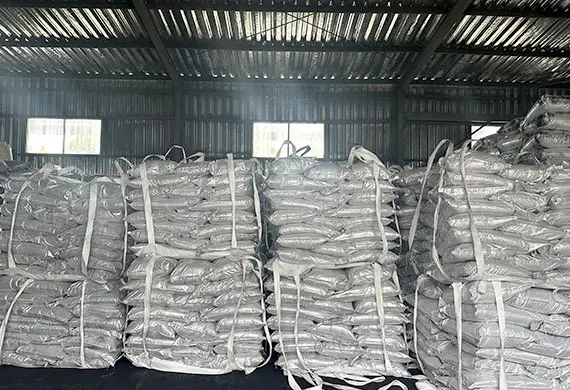
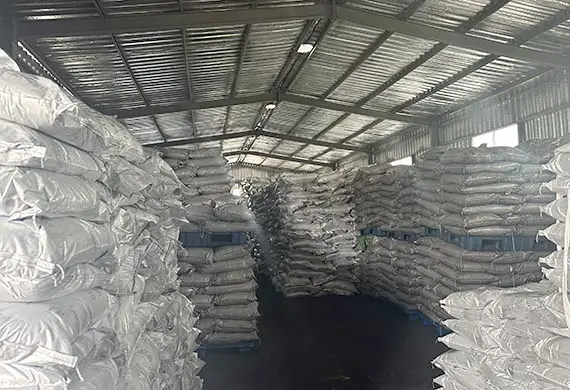
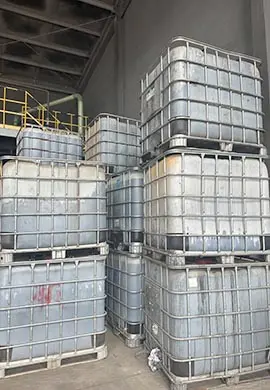
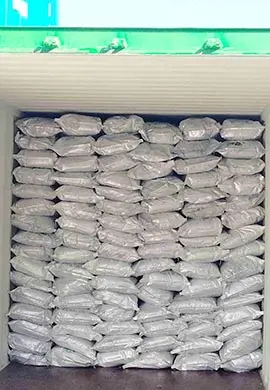
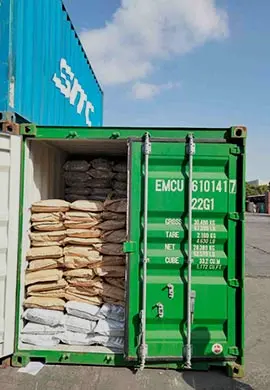
We prioritize long-term, trust-based relationships with our customers, supporting their operations with reliable services and transparent supply chains. One of the main reasons clients select Sunrise Chem is our stable, high-volume production output. Through efficient manufacturing pathways and state-of-the-art synthesis machinery, we fulfill demanding bulk orders smoothly, ensuring raw material availability is never an obstacle to your business.
Quality control is embedded at every step of our process. Experienced lab technicians test each batch for parameters like color fastness and solubility. By choosing us, you receive dyes that consistently deliver vibrant, long-lasting color.
Scientific Answers to Common Sourcing & Processing Questions
A: Chemically, they refer to the same basic azo dye structure, categorized under Color Index (C.I.) as Basic Brown 1. The "G" designation (sometimes "Y" for Yellowish) denotes the shade bias, which has a warmer, yellowish-brown cast compared to the redder Basic Brown R (Basic Brown 4).
A: ZDHC Level 3 is the highest level of chemical compliance, indicating that the dye manufacturing processes have been audited and verified to exclude restricted hazardous substances and banned amines. This simplifies customs clearance and ensures compliance with EU REACH and US TSCA regulations.
A: Unbleached paper pulp contains substantial amounts of lignins and hemicelluloses, which carry negative surface charges. Cationic dyes form strong ionic bonds with these sites, yielding excellent exhaustion rates and color fastness without requiring complex fixing agents.
A: When stored in its original sealed packaging in a cool, dry, well-ventilated warehouse away from direct sunlight and humidity, Basic Brown G powder maintains its performance for up to 36 months without significant loss of dye strength.
A: Yes. We offer customized packaging ranging from 25kg drums to 500kg jumbo bags, and can standardize color strength (e.g., 100%, 150%, or custom values) to fit your specific factory dosage systems.
A: We utilize advanced online spectrophotometry alongside manual lab testing for every batch. No product leaves our facility without a verified Certificate of Analysis (COA) confirming the color coordinates fall within strict tolerance limits.
Explore Our Extended Range of Solvent, Metal-Complex, & Functional Dyes
 Sunrise