Select high-performance colorants engineered for structural polymer dyeing and specialized industrial substrates.
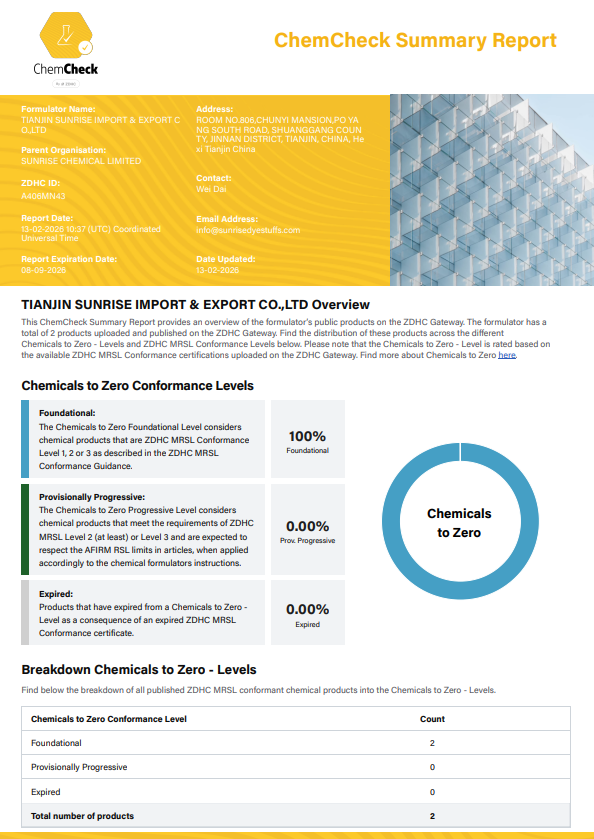
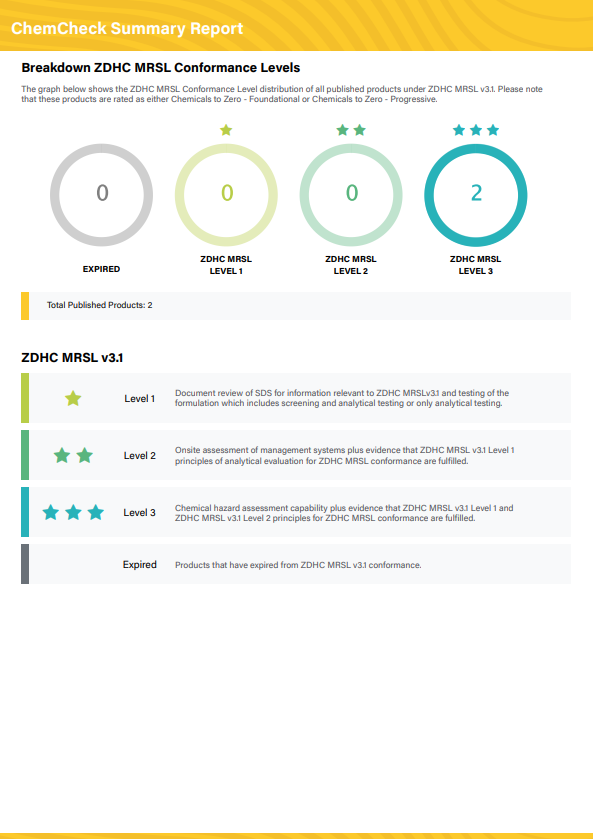
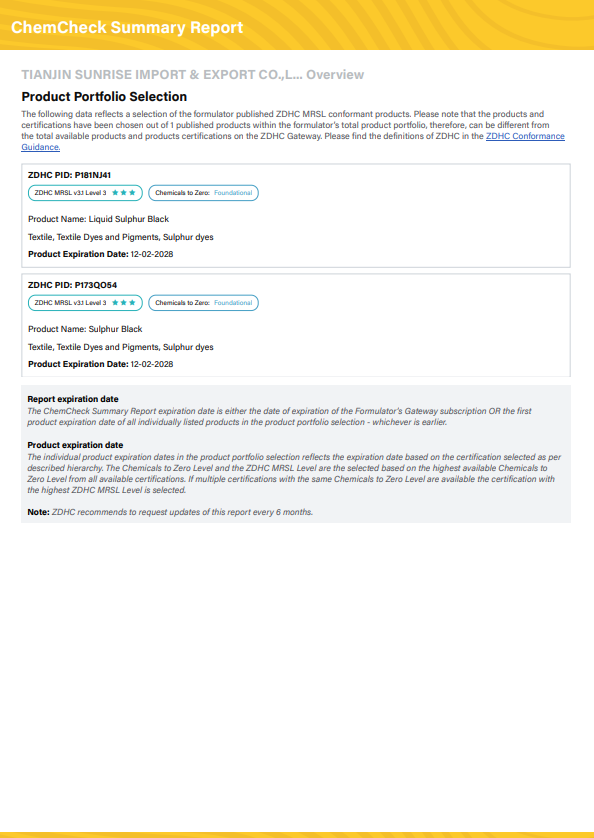
Zero Discharge of Hazardous Chemicals standard compliance for safe production.
Eco-friendly and socially responsible organic textile processing standard.
Quality management systems and clean ecological production standards.
Acid dyes are highly water-soluble anionic organic colorants containing one or more acidic functional groups, such as sulfonic acid (-SO3H), carboxylic acid (-COOH), or phenolic groups. The application of these dyes to polyamides (nylon) and protein fibers (silk, wool, and cashmere) operates on a precise thermodynamic basis. During the aqueous dyeing process, the fiber's chemical structure changes under acidic conditions. When the pH of the dye bath falls below the isoelectric point of the fiber, terminal amino groups (-NH2) on the polypeptide chains protonate to form positive sites (-NH3+). This transition enables strong ionic (salt) bonds with the negatively charged sulfonate anions (D-SO3-) of the dye molecules.
As a leading Sunrise Acid Dye Fabric Manufacturer, Tianjin Sunrise Chem Group controls these chemical kinetics using advanced electrolytes and buffering agents. The addition of neutral salts (such as Glauber's salt or sodium sulfate) helps regulate the exhaustion rate. These electrolytes compete with the dye anions for active cationic sites on the fiber, ensuring uniform dye distribution and preventing shade variance across the fabric length.
The global textile dyestuff sector faces stricter ecological regulations, changing consumer preferences, and rising raw material costs. Acid-dyed fabrics remain essential for high-end fashion, technical athletic wear, and transport textiles. Nylon fabrics, which provide high tensile strength and elasticity, must be dyed with acid colorants to achieve the deep, bright shades that disperse dyes cannot produce on polyamides.
Current industrial data shows that the global demand for high-fastness acid dyes is growing, driven by the expansion of nylon swimwear, compression sportswear, and outdoor gear. However, manufacturers must navigate dynamic trade policies and environmental regulations, such as the European Union's REACH registration and the globally recognized Zero Discharge of Hazardous Chemicals (ZDHC) program. These framework directives require modern chemical synthesis plants to eliminate restricted substances from their formulations, shifting the industry toward zero-discharge, high-exhaustion colorants.
Industrial procurers and tier-1 mills select chemical partners based on strict operational metrics rather than price alone.
Global brands audit their suppliers to ensure no restricted substances enter the ecosystem. Tianjin Sunrise Chem Group's ZDHC Level 3 and GOTS certifications guarantee chemical safety and ease the auditing process for exporting mills.
Color variations (Delta E > 0.5) can lead to rejected fabric shipments. Modern dyehouses require spectrophotometric testing and strict quality controls for every batch to maintain color consistency across production runs.
Industrial buyers require dye solutions that perform well in different conditions, including leveling agents, defoamers, and fixing agents that improve wet fastness on nylon and silk fabrics.
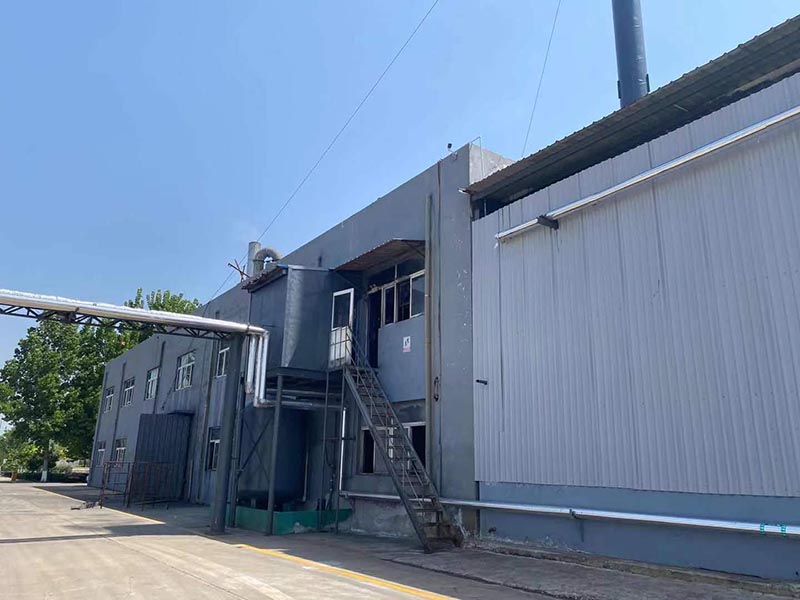
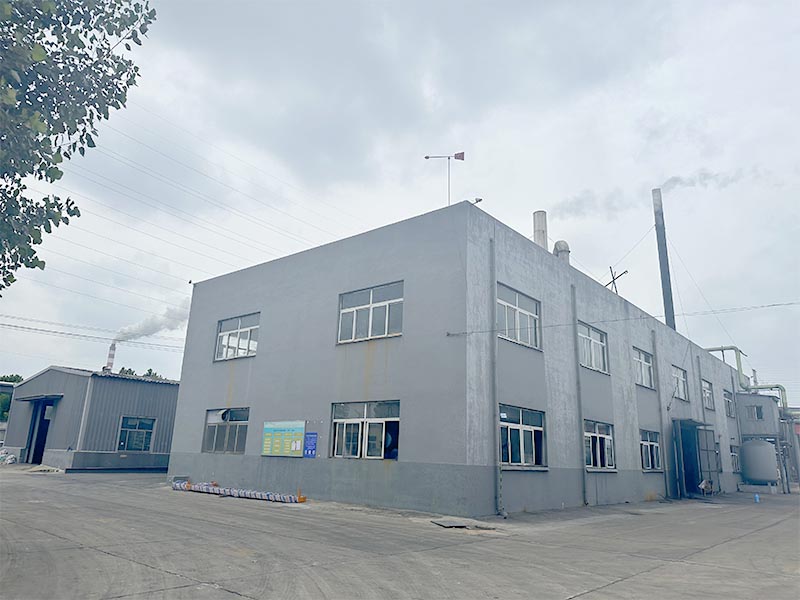
The chemical industry is shifting from labor-intensive processing to digitalized, automated production. Tianjin Sunrise Chem Group operates on this **Factory 4.0** model, incorporating automated raw material dosing, computerized temperature regulation, and inline spectrophotometric color monitoring. These digital control systems reduce human error and ensure reliable chemical reactions.
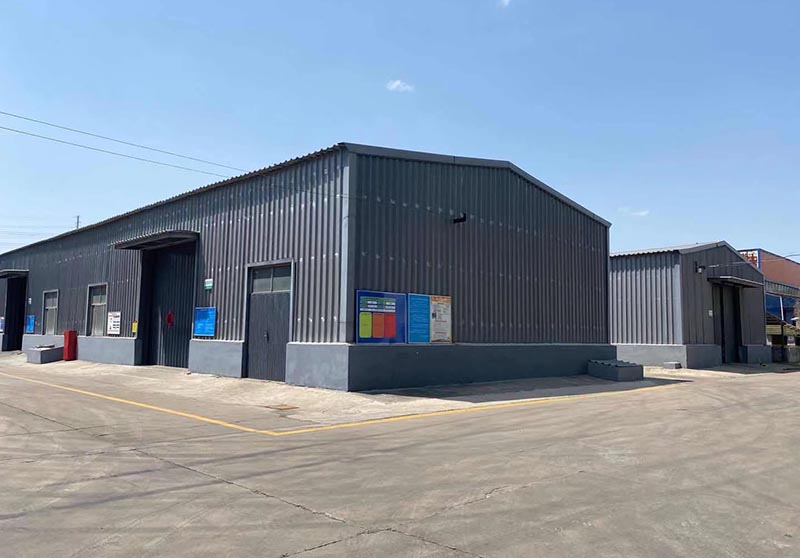
This automated approach supports a highly resilient supply chain. Located in Tianjin, our facility benefits from access to major logistics networks, ensuring a steady supply of raw materials and efficient export routes. By combining large-scale production capacities with automated warehouses, we mitigate the risk of supply disruptions. This allows international textile mills to maintain consistent production schedules without carrying excess inventory.
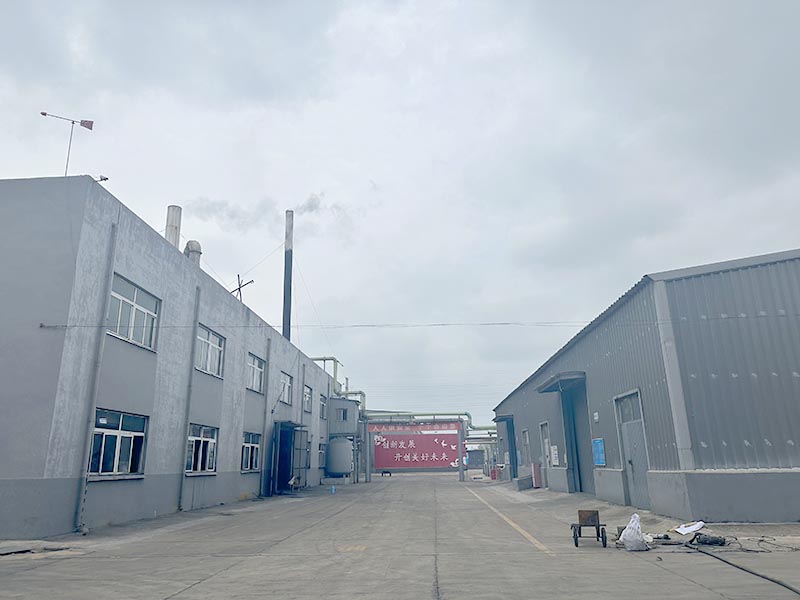
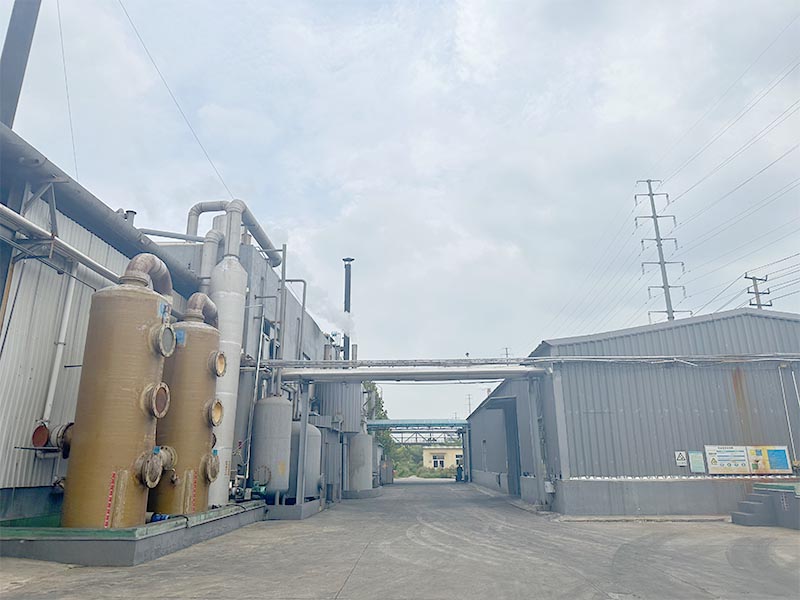
Additionally, our Factory 4.0 setup features advanced environmental protection systems. By recycling process water and implementing multi-stage chemical scrubbers, we minimize environmental impact while keeping operational costs stable. This sustainability-focused approach helps secure long-term production viability, insulating our clients from regulatory shutdowns that can impact less compliant dye manufacturers.
Through our long-term partnerships with textile and paper mills, we share technical expertise, collaborate on custom dye development, and offer ongoing support. This collaborative model helps our partners optimize their dyeing cycles, reduce water consumption, and lower energy costs.
Optimized formulations for protein fibers, polyamides, and specialty marking inks.
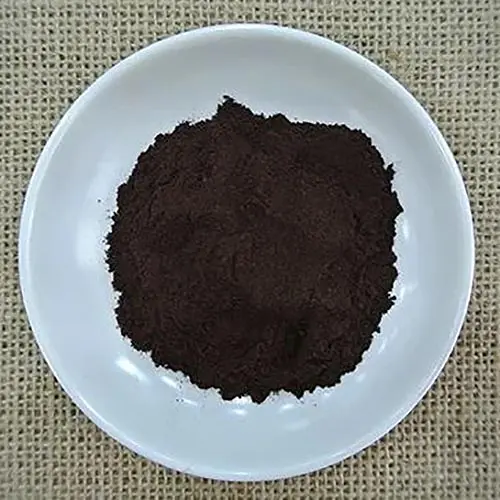
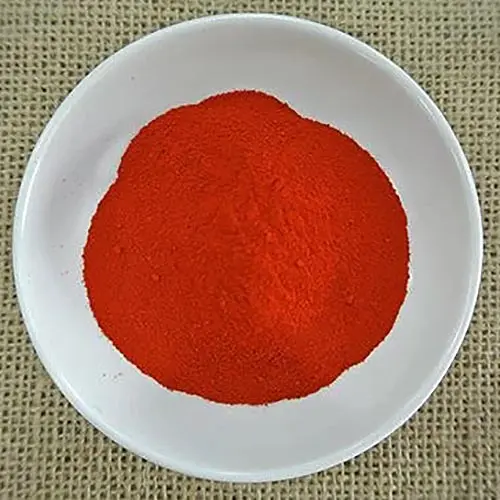
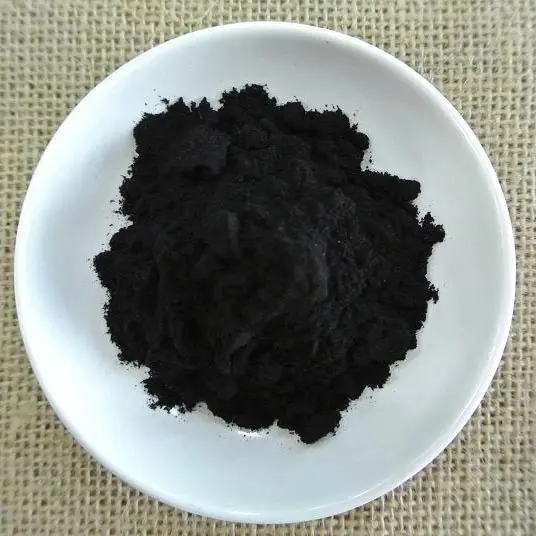
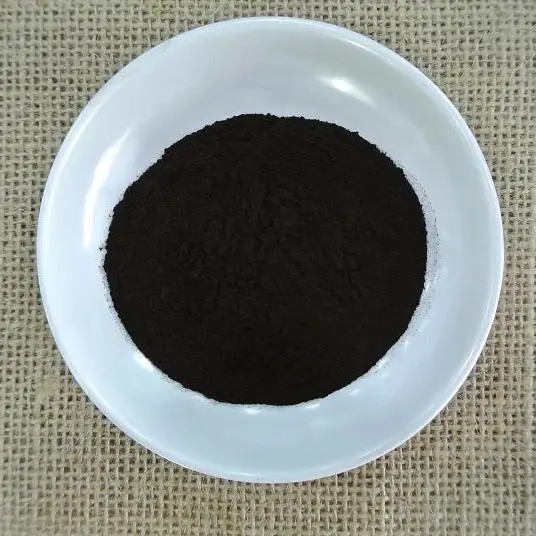
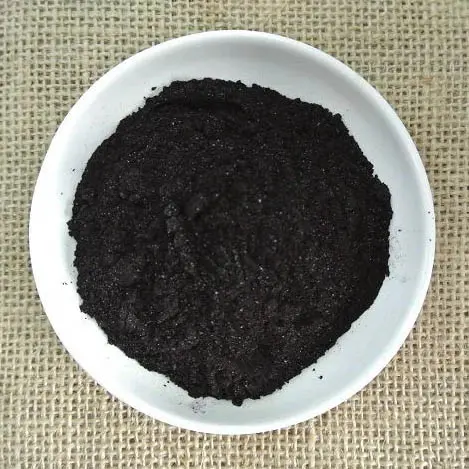
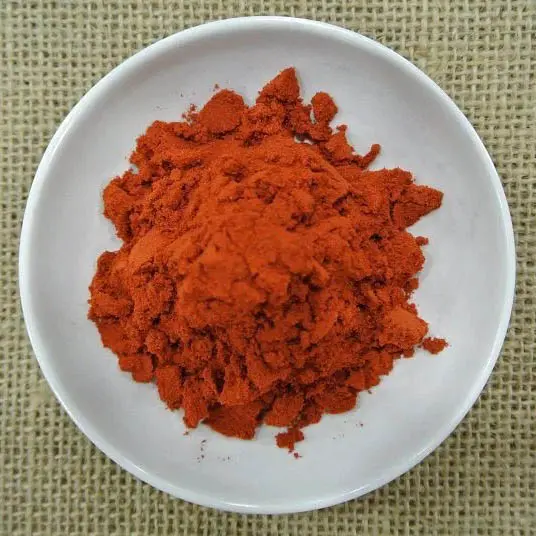
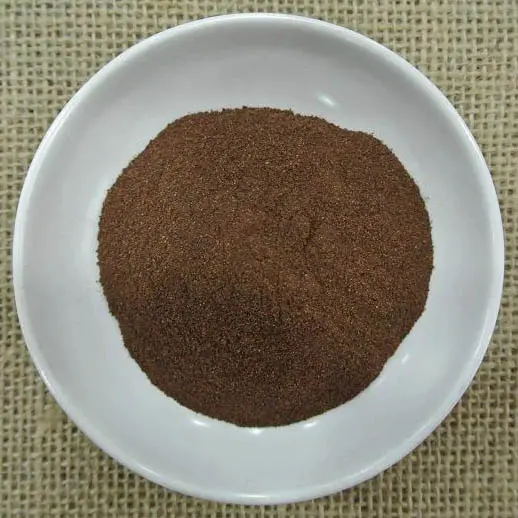
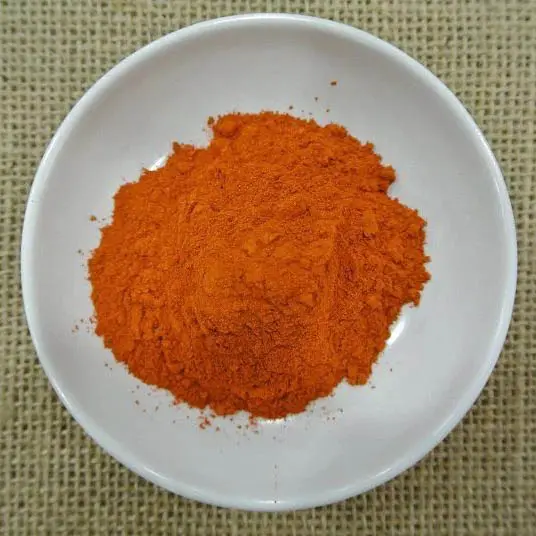
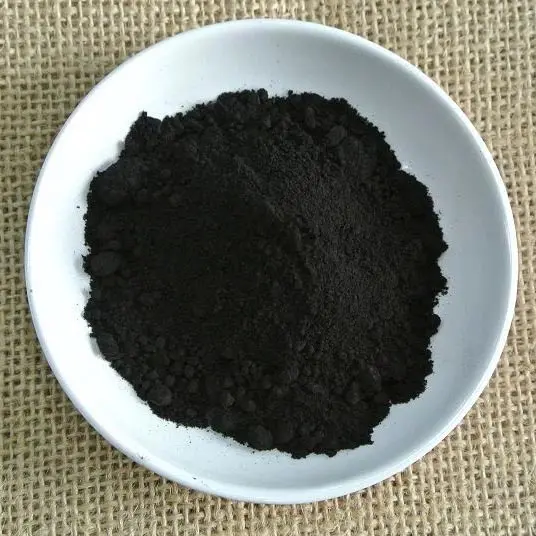
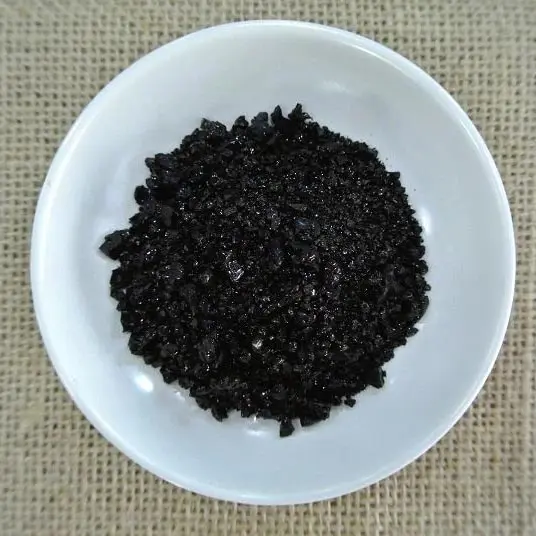
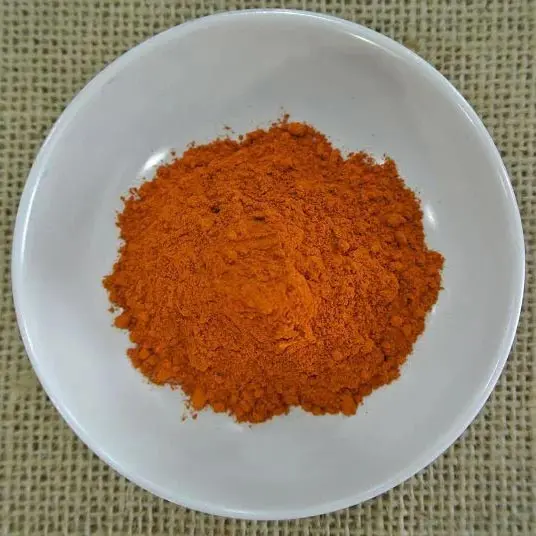
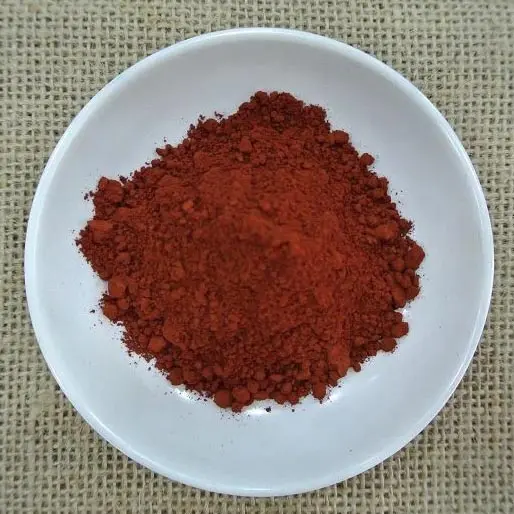
Different fibers require specific chemical approaches to ensure proper dye uptake and fastness:
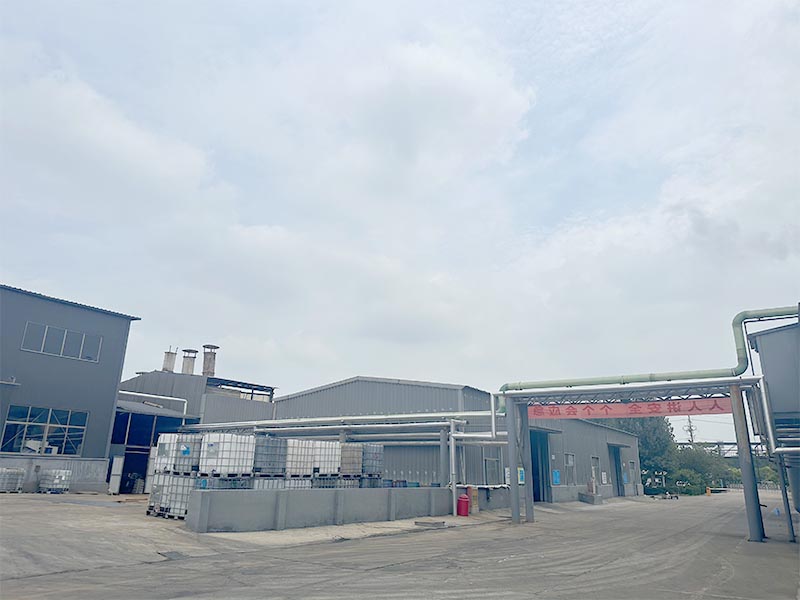
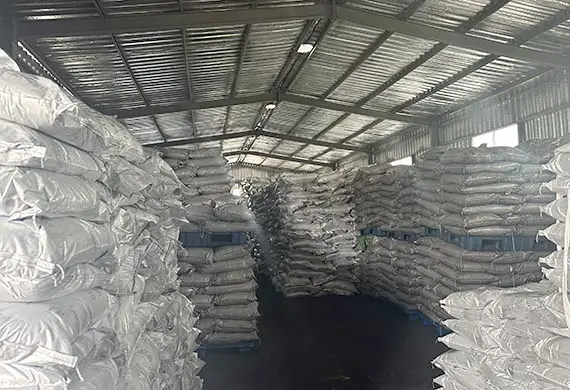
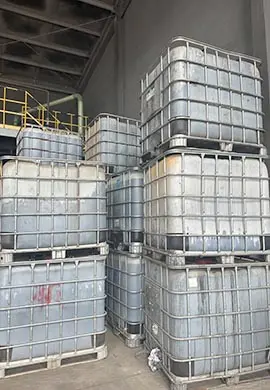
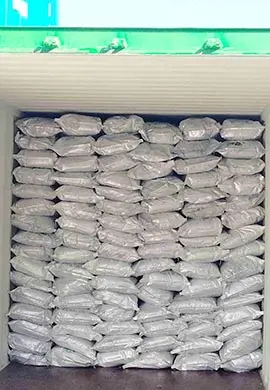
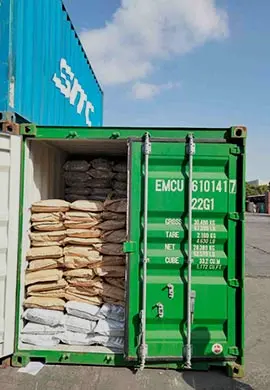
Strategic warehouse management and export infrastructure at Tianjin Sunrise Chem Group.
Technical answers to common questions about acid dyes, application parameters, and supply chain management.
These dye categories differ in molecular weight, affinity for fibers, and wet-fastness properties:
Acid Leveling Dyes have small molecular weights and low affinity for fibers. They require strongly acidic baths (pH 2.5–3.5) to dye evenly. They migrate well but have moderate wet-fastness.
Acid Milling Dyes have larger molecular weights and higher affinity. They are applied in weakly acidic baths (pH 5.2–6.2). They provide good wet-fastness but require careful temperature control to avoid uneven dyeing.
Metal Complex Dyes contain coordinated metal ions (typically chromium or cobalt). They offer excellent light-fastness and wet-fastness, making them suitable for automotive textiles, outdoor fabrics, and heavy woolens.
To achieve ZDHC Level 3 certification, we audit our entire chemical synthesis process. We verify that all raw materials and intermediates are free from restricted substances listed on the Manufacturing Restricted Substances List (MRSL). Additionally, our wastewater is monitored using advanced filtration and ozone treatment systems to prevent hazardous releases. Our GOTS certification ensures that our dyes meet strict environmental and social criteria throughout the supply chain, supporting sustainable textile production.
Un-level dyeing on polyamide fabrics typically results from rapid dye exhaustion or structural differences in the nylon fibers. To prevent this:
1. Use leveling agents that temporarily block dye sites on the fiber, slowing down dye uptake.
2. Control the pH of the bath using pH-sliding donors (such as ammonium sulfate), which gradually lower the pH as temperature rises.
3. Manage the heating rate, keeping it at 1°C per minute through the glass transition temperature range (55°C–80°C) to ensure uniform dye absorption.
For custom formulations, our lab matches shade requirements and returns lab dips within 3 to 5 working days. Once the formulation is approved, bulk production takes 7 to 10 days. Our location near Tianjin Port helps streamline shipping times, allowing us to deliver orders to major global destinations within predictable timeframes.
Yes, but they require a two-step or single-bath dual-system dyeing process. For nylon/cotton blends, acid dyes color the nylon fiber, while direct or reactive dyes color the cotton. For wool/polyester blends, disperse dyes are used at higher temperatures for the polyester component, followed by acid dyes for the wool. Precise temperature control is necessary to protect the wool fibers from heat damage.
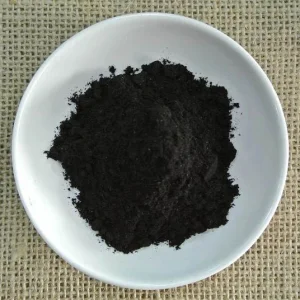
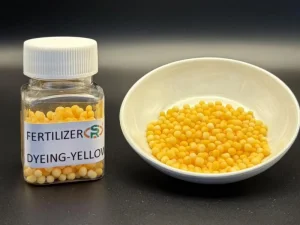
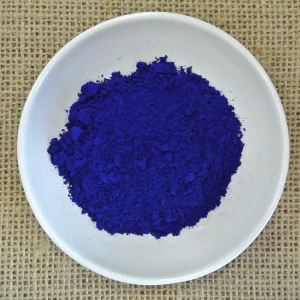
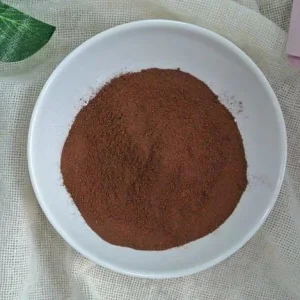
High-performance formulations designed for printing inks, agricultural coloring, and fabric dyeing.
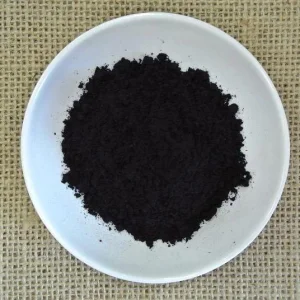
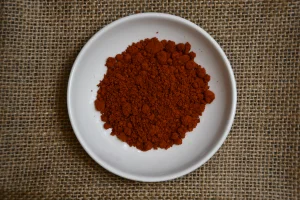
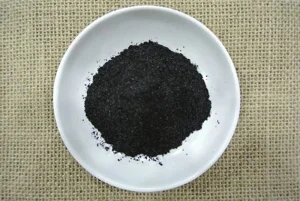
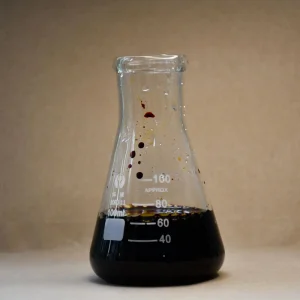
Cooperating with textile and paper mills for many years shows that the factory has established a strong and reliable business relationship. This kind of long-term collaboration brings numerous benefits, such as consistent orders, shared resources, and mutual support. It indicates that the factory has a good track record of delivering quality products and meeting the needs of its partners.
Our mission is to drive business growth by providing reliable and customized products. Our goal is to make a significant contribution to our customers' success by consistently delivering first-class products and exceptional customer service. By building lasting partnerships, we strive to be a catalyst for our clients' success. Environmental protection is the cornerstone of our innovation. We dedicate ourselves to providing clients with eco-friendly, high-quality colorants that balance productivity with environmental harmony, driving the industry towards a more sustainable development path while delivering high-performance products—for a greener textile industry and a sustainable future.
 Sunrise