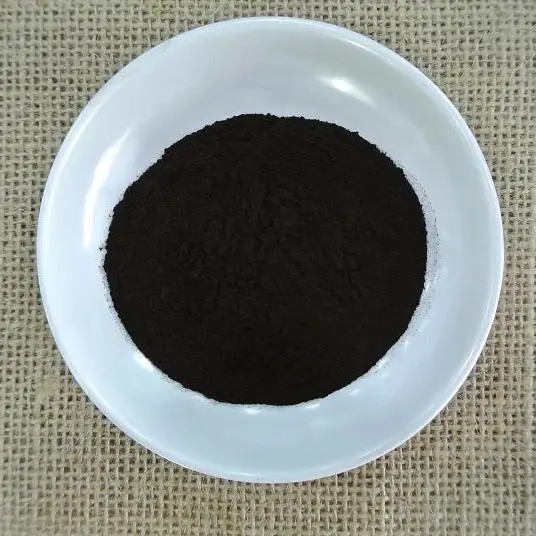
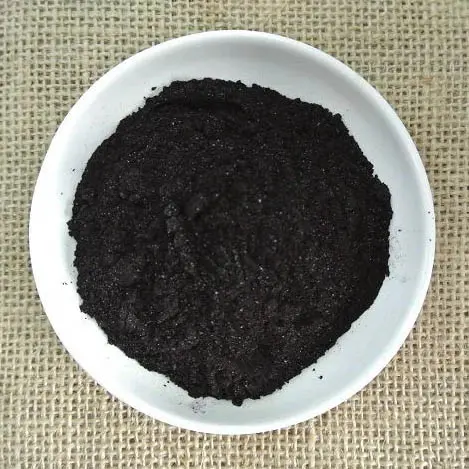
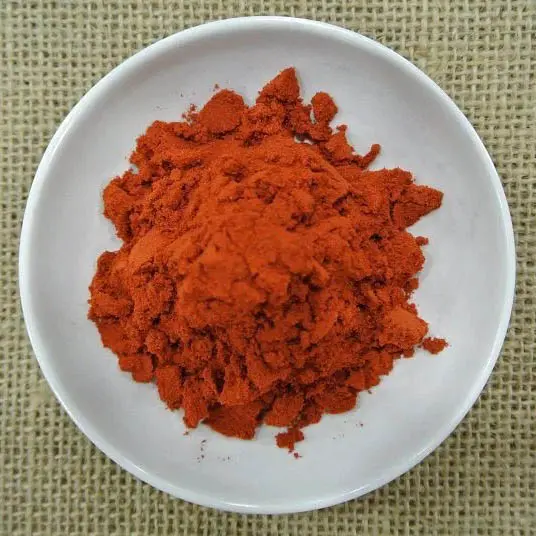
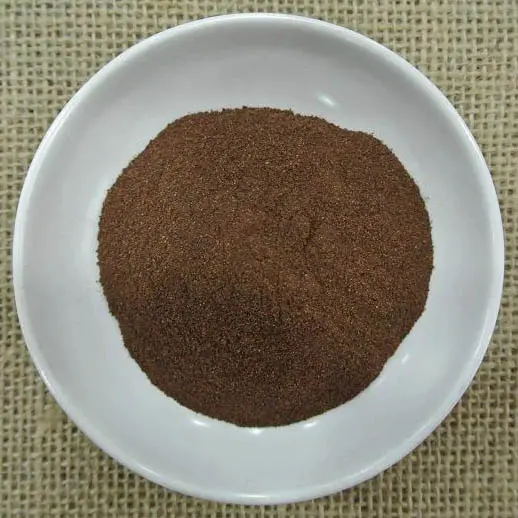
 Sunrise
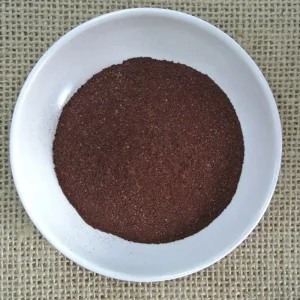
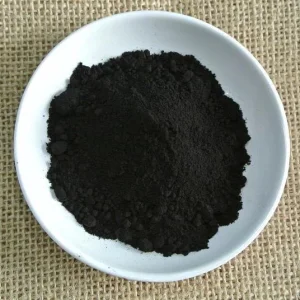
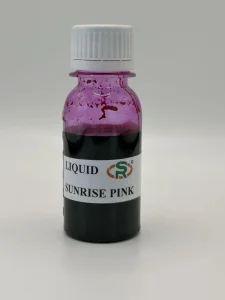
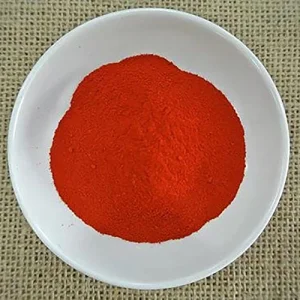
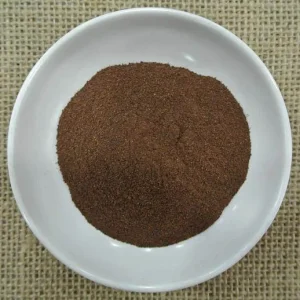
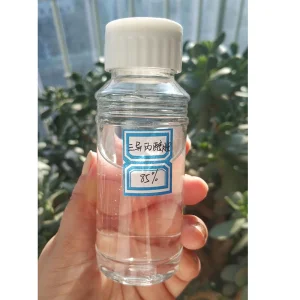
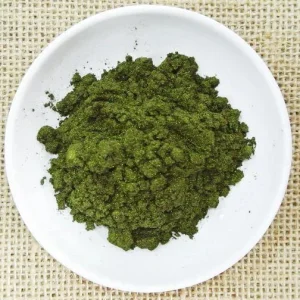
Sunrise Acid Black Mix Manufacturer & Manufacturers: An Industrial Whitepaper on Specialized Dyestuffs
In the high-performance colorant industry, the procurement of reliable, stable, and highly concentrated dyes is the cornerstone of processing quality. Among these colorants, the Acid Black Mix serves as one of the most critical formulations, widely utilized in coloring protein fibers (such as wool and silk), polyamides (nylon), leather substrates, and specialized paper fibers. As a prominent global manufacturer, Tianjin Sunrise Chem Group represents the pinnacle of synthesis engineering, offering optimized solutions that satisfy both technical requirements and strict global environmental frameworks.
This comprehensive document delves into the chemical architecture, application parameters, global compliance metrics, and market trends defining the modern synthesis of Acid Black Mix. In doing so, we aim to provide buyers, chemical engineers, and compliance officers with the information gain necessary to optimize their supply chain and coloring workflows.
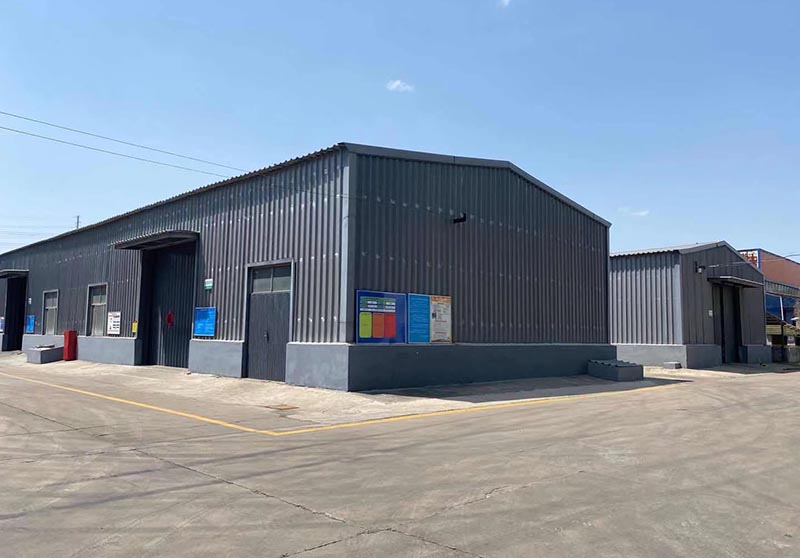
Tianjin Sunrise Chem Group Corporate Overview
Tianjin Sunrise Chem Group specializes in manufacturing high-quality dyestuffs. Our product catalog features a versatile range of Direct dyes, Acid dyes, Basic dyes, Sulphur dyes, Solvent dyes, Liquid dyes, and Fluorescent dyes. Backed by decades of industrial synthesis and export experience, we have built a global reputation for reliability and excellence, serving clients from diverse sectors including denim, textile, leather, paper, and plastics.
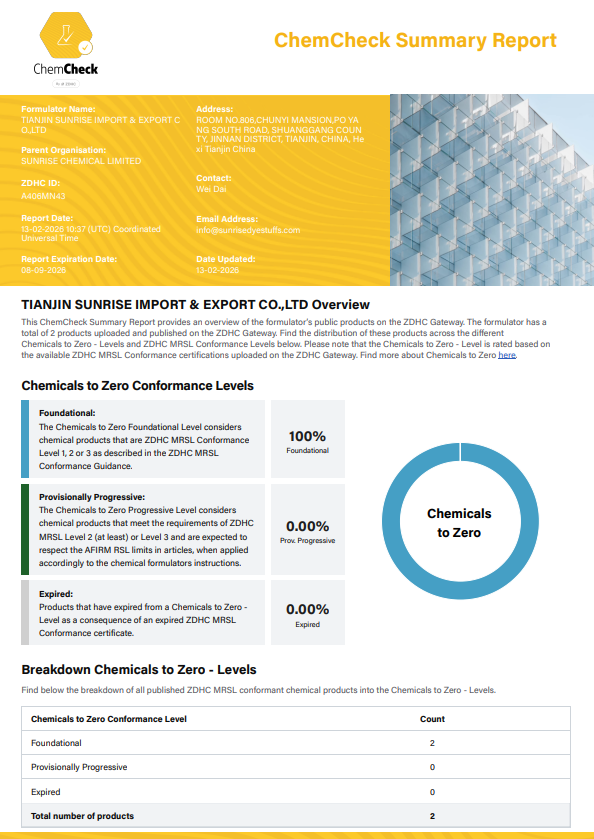
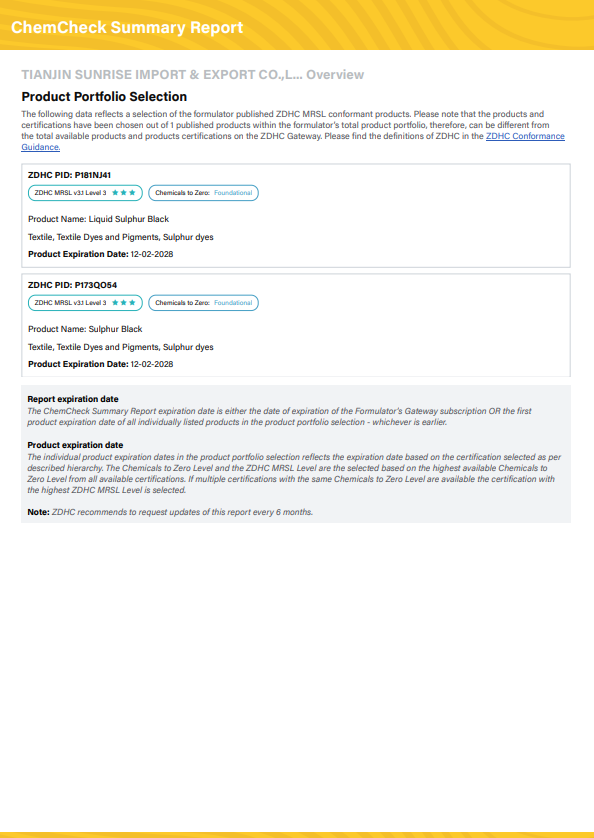
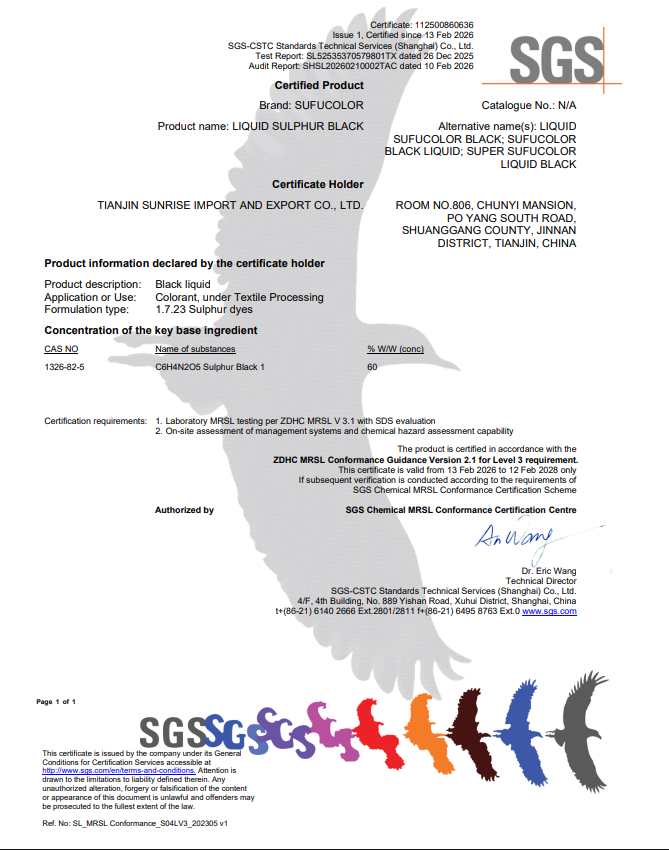
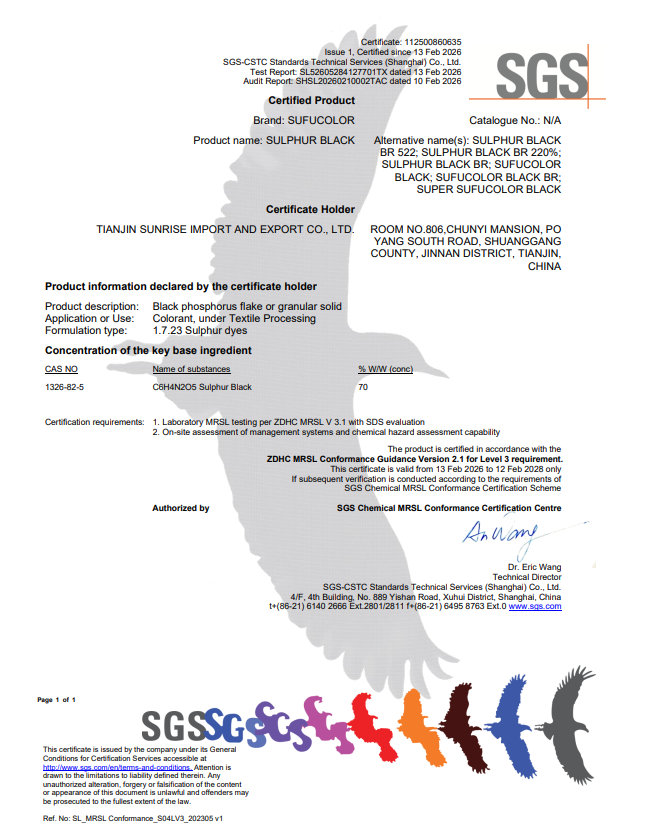
We consistently focus on maintaining product quality and shade stability. Every shipment undergoes spectrophotometric and chromatographic testing before dispatch to ensure absolute consistency. Our commitment to sustainable chemistry is validated by certifications such as ZDHC Level 3 and GOTS, guaranteeing that your products meet the world’s most stringent chemical safety norms.
1. The Chemistry and Engineering of Acid Black Mix
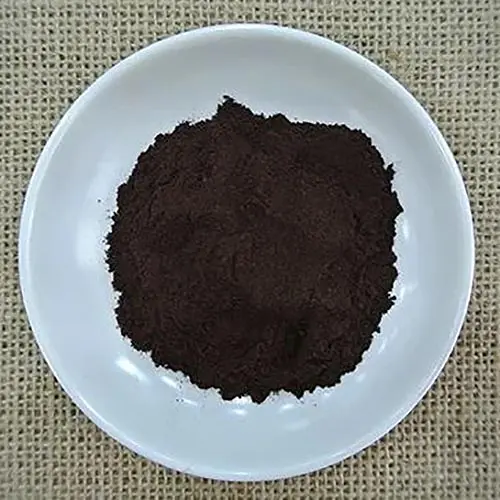
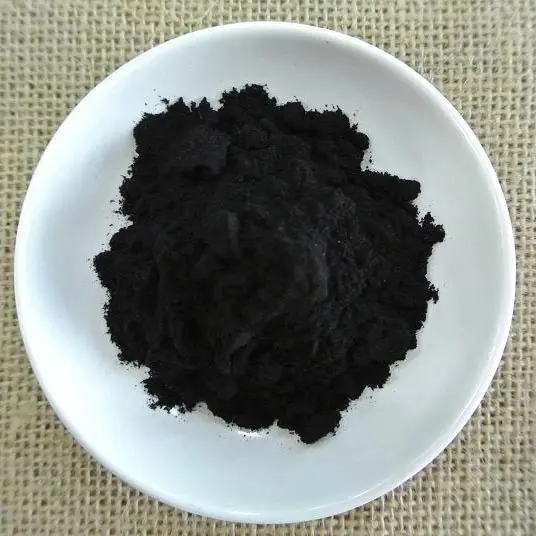
Acid dyes are anionic compounds that are soluble in water and are applied to fibers from acidic baths. The term "Acid Black Mix" typically refers to precise synergized blends of individual azo dyes or metal-complex dyes designed to overcome the tonal deficiencies of single-component formulations. A single molecular structure of acid black often displays secondary color casts, such as strong red or blue undertones, when applied in light depths or when exposed to specific light sources. By combining components—such as Acid Black 1 (a disazo dye known for its strong deep blue-black cast) with corresponding red-shade acid elements or metal-complex dyes like Acid Black 194 or 210—manufacturers create a flat spectral absorption curve across the visible range. This results in a rich, deep, neutral black shade that resists "bronzing" under varying illuminants.
Furthermore, custom blending allows the adjustment of technical properties. For instance, adjusting the ratio of hydrophilic sulfonate groups (-SO₃Na) alters the leveling and migration properties of the mixture. This tailoring ensures the dye exhibits consistent exhaustion curves on highly variable substrates like natural wool and top-grain leather.
Optimized Leveling and Penetration
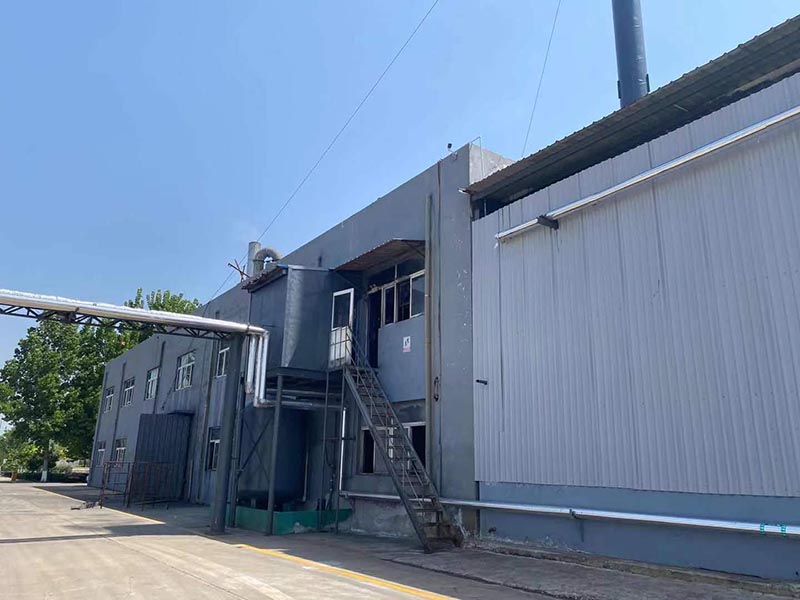
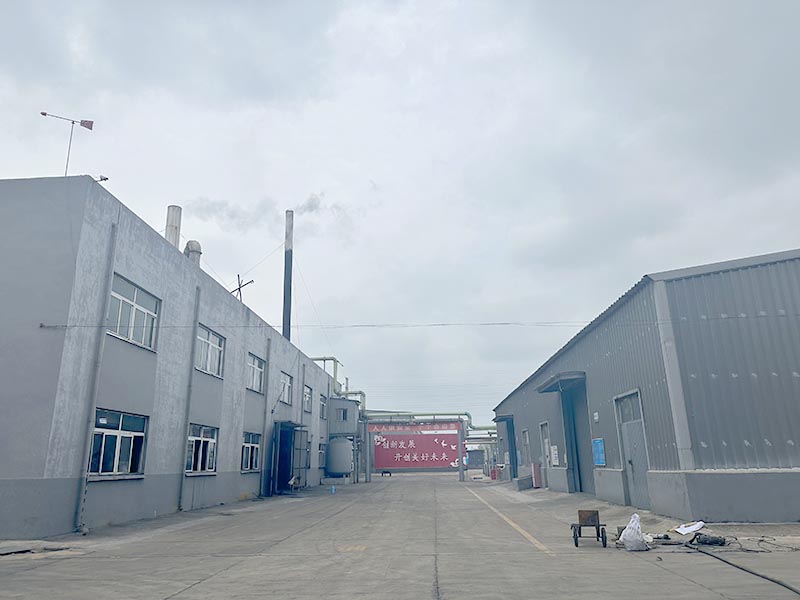
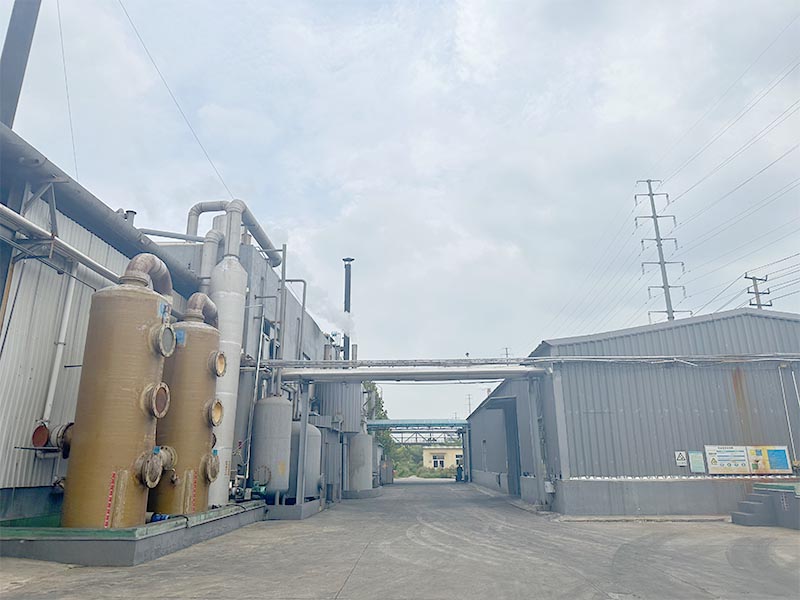
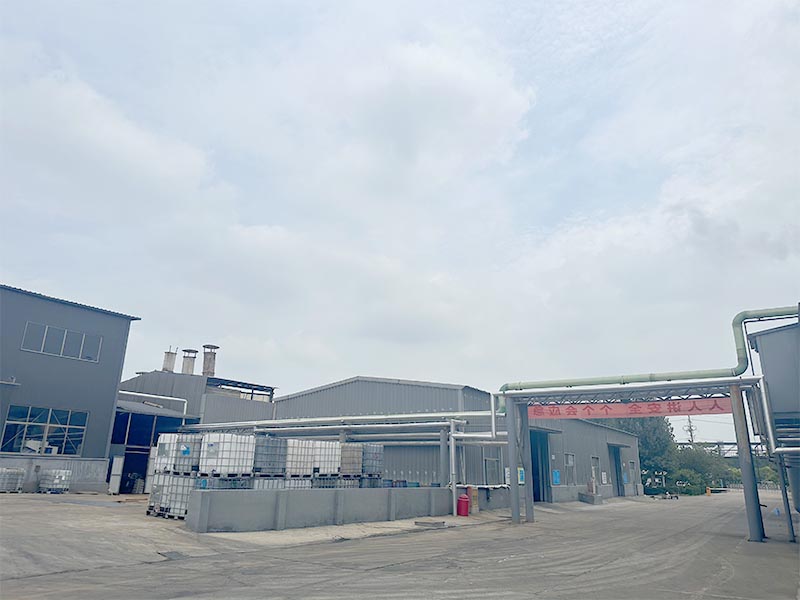
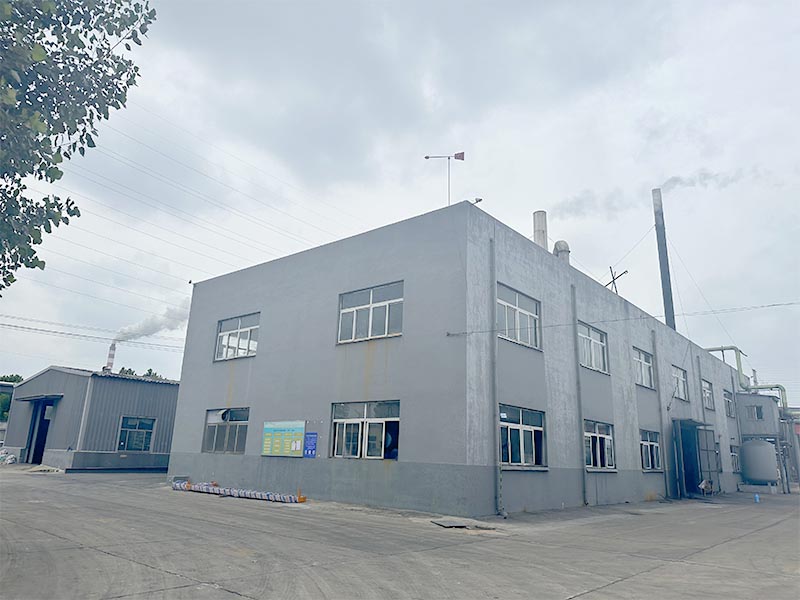
Cooperating with textile and paper mills for many years demonstrates that our production facility has established robust, long-term business partnerships. This collaboration yields mutual benefits, including consistent production schedules, shared application testing data, and direct technical feedback loops. Our ongoing mission is to drive commercial growth by providing reliable, customized colorant products that directly improve our customers' processing efficiency.
By engineering specialized leveling agents directly into our Acid Black Mix, we ensure complete color penetration even in dense leather hides and tightly woven wool polymers. This mitigates surface crocking issues and prevents raw core exposure when the substrate is subjected to physical wear or flexing.
2. Global Procurement Dynamics & Strategic Supply Chain Integration
Procuring raw chemical materials on a global scale presents several systemic challenges, from fluctuating feedstocks (such as aniline derivatives and H-acid intermediates) to tightening environmental laws. Procurement managers must navigate these challenges while ensuring that every imported batch delivers identical color value (measured in Delta E variance) to prevent factory rejections.
- Feedstock Price Stability: Sunrise Chem Group operates a vertically integrated synthesis model, mitigating market price swings of vital organic intermediates.
- Batch-to-Batch Color Consistency: Every batch is compared to standard master retains via computerized spectrophotometers under D65, TL84, and A light sources.
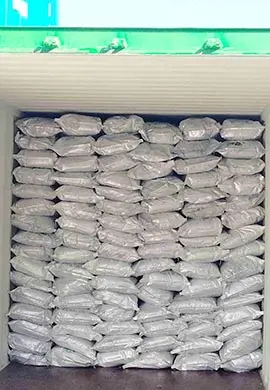
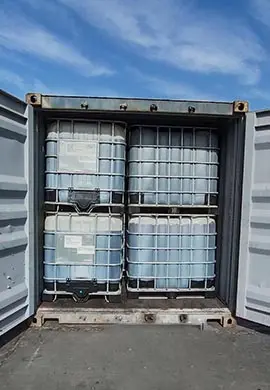
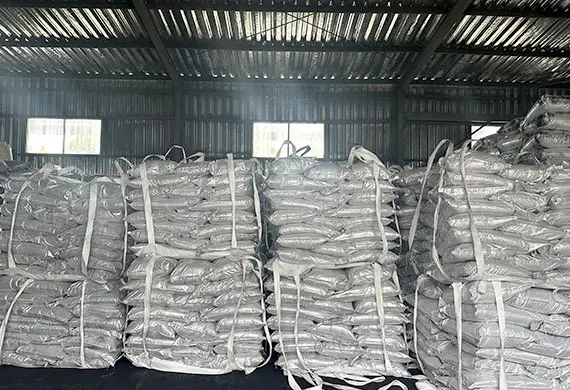
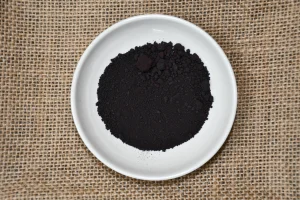
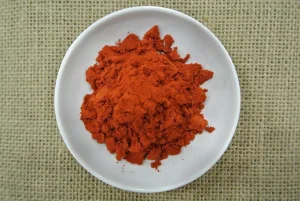
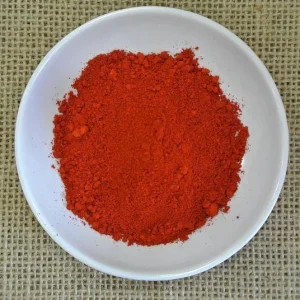
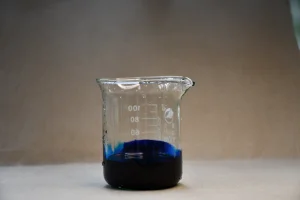
- Custom Packaging and Physical Forms: Dyes are available in low-dusting powders, granulated forms, or liquid solutions to match automated dosing systems on factory floors.
3. Environmental Compliance & Green Chemistry
In modern industrial manufacturing, sustainability is no longer optional. Regulatory frameworks such as REACH (Registration, Evaluation, Authorisation and Restriction of Chemicals) in Europe and equivalent guidelines in North America require complete transparency regarding chemical ingredients. Specifically, the textile and leather sectors are focusing on eliminating hazardous substances from their wastewater discharges.
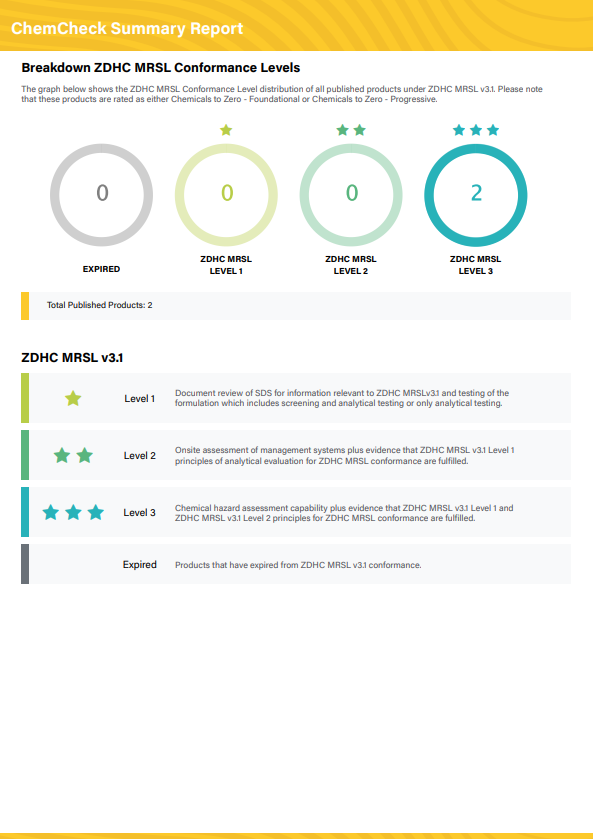
ZDHC Level 3 Certification: The Zero Discharge of Hazardous Chemicals (ZDHC) program is a collaborative effort by leading global apparel brands, retailers, and chemical manufacturers to minimize toxic footprints. Level 3 certification is the highest compliance tier. It indicates that Sunrise Chem Group's chemical formulations are verified by third parties to conform to the ZDHC MRSL (Manufacturing Restricted Substances List). This means our products contain no banned arylamines, heavy metals, or alkylphenol ethoxylates (APEOs).
GOTS Certification: The Global Organic Textile Standard (GOTS) verifies the organic status of textile products from raw material harvesting through environmentally and socially responsible manufacturing. Achieving GOTS certification guarantees that our dyestuffs meet strict ecological criteria, ensuring they are safe for use in organic consumer products.
4. Macro-Industry Application Solutions
Understanding the substrate is key to successful dyeing. Sunrise Chem Group provides tailored application methodologies for various industrial sectors:
- Textiles (Wool, Silk, Nylon): The ionic bonding mechanism requires precise pH control. Sunrise Acid Black Mix formulations are designed to exhaust uniformly between pH 4.5 and 5.5, minimizing fiber degradation while maximizing fixation.
- Leather Tannery Solutions: Our Acid Black ATT and Nigrosine formulations offer excellent penetration into chrome-tanned or vegetable-tanned leathers, providing high lightfastness and wet-rubbing resistance.
- Paper & Pulp Coloring: Direct and Acid dyes from our range provide clear wastewater discharge and strong affinity for cellulose fibers, preventing color bleeding in high-moisture environments.
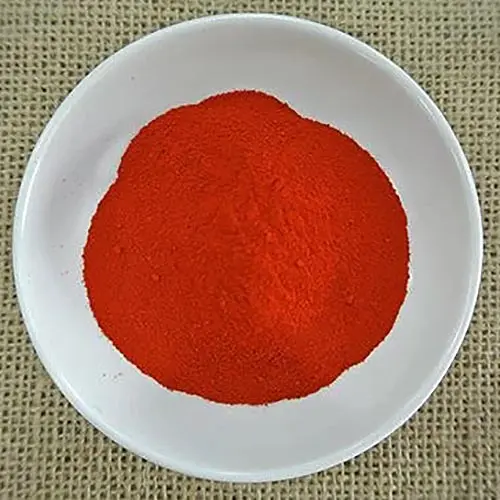
- Plastics & Resins: High-performance pigments and solvent dyes, such as Iron Oxide Black 27 and Fluorescent Orange GG, are optimized for thermal stability during high-temperature extrusion and masterbatch compounding.
5. Technical Roadmap & Future Outlook of Dye Synthesis
The future of dye manufacturing lies in reducing the consumption of water, energy, and salt during application. Sunrise's R&D department is focused on three primary areas:
1. Metal-Free Acid Dyes: Developing alternatives to traditional 1:2 metal-complex dyes (which contain trace chromium or cobalt) to meet future eco-regulations without sacrificing lightfastness.
2. Low-Temperature Fixation Dyes: Modifying dye molecular weights to allow deep fiber diffusion at 80°C instead of 100°C, reducing energy consumption for textile processors.
3. Highly Concentrated Liquid Forms: Expanding our liquid dye range to eliminate dust hazards in automated color kitchens, improving worker safety and color dosing accuracy.