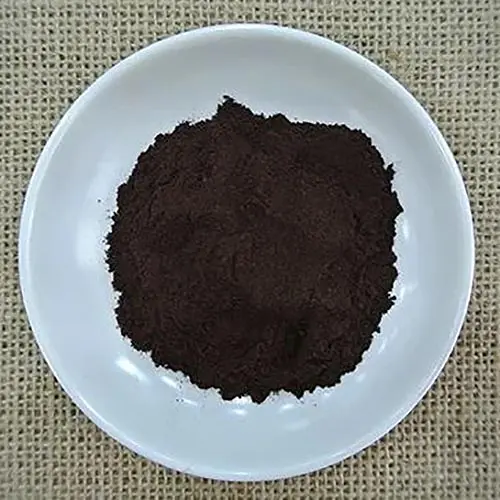
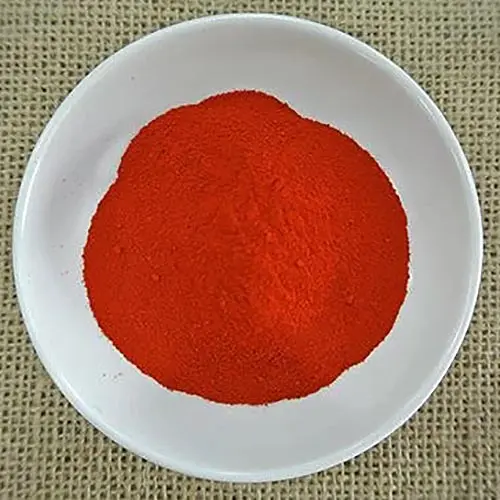
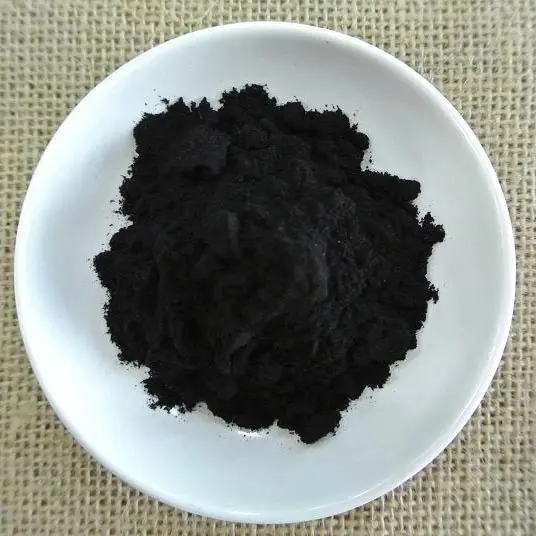
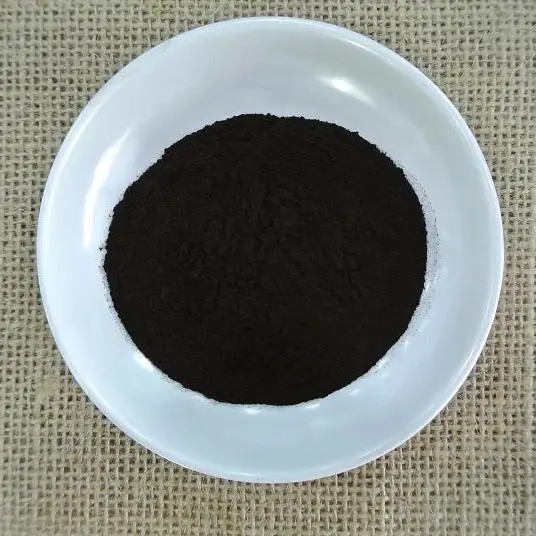
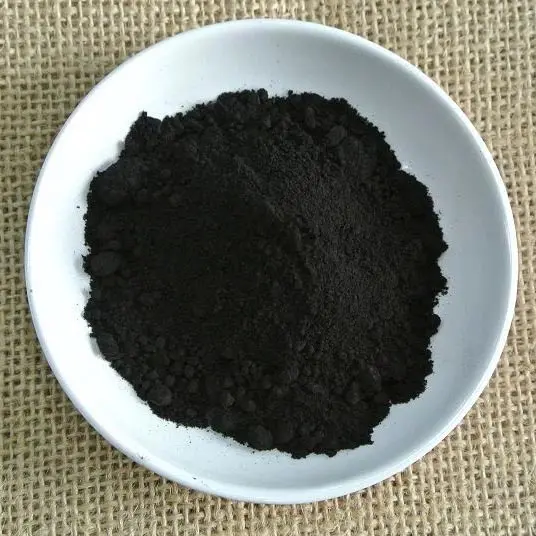
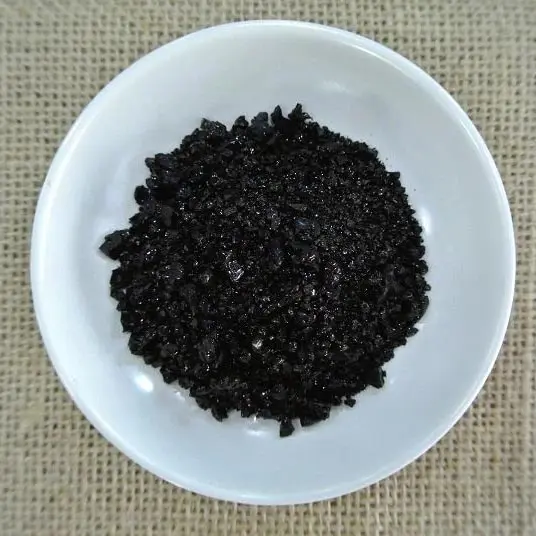
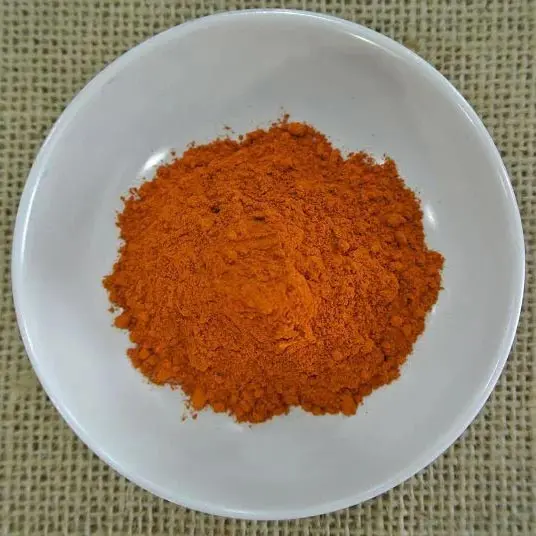
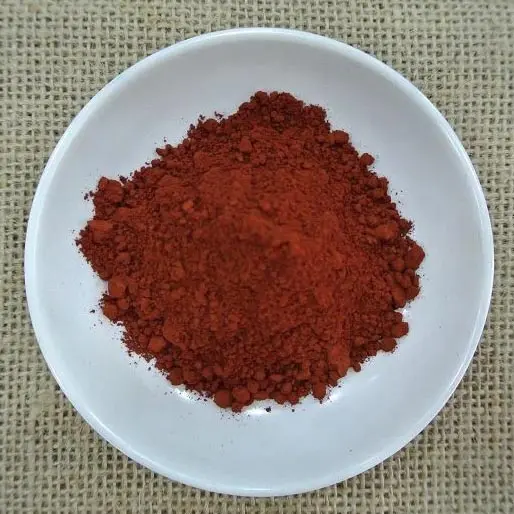
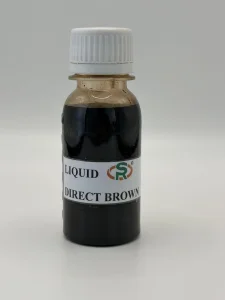
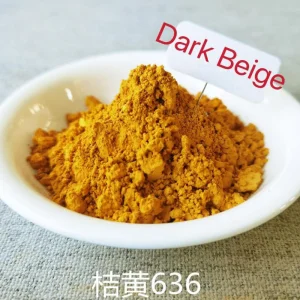
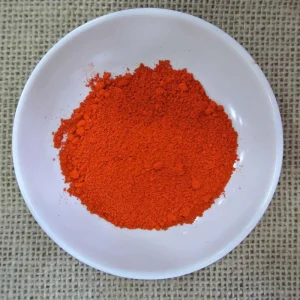
Premium grade dyestuffs engineered for global manufacturing, featuring strict batch stability and structural integrity.
The global timber and finishing industry is experiencing a profound paradigm shift. Historically dependent on rudimentary pigment dispersions and harsh solvent-borne stains, modern manufacturers are demanding ultra-penetrative, high-lightfastness wood dyes that highlight, rather than obscure, the intricate natural grain of premium wood. This requirement has propelled wood dye chemistry to the forefront of industrial coatings engineering.
Unlike pigments, which are insoluble particulate suspensions that rest on top of the substrate, wood dyes are chemically dissolved molecular solutions. This allows the colorant to penetrate deep into the porous cellular matrix of the wood—specifically binding with the cellulose and lignin structures. Consequently, manufacturers achieve a depth of color, transparency, and clarity that is otherwise impossible, enhancing the visual value of furniture, architectural panels, and luxury woodcraft.
Today, the commercial scale of wood coloring demands sophisticated OEM capabilities. From custom-matched spectrophotometric liquid formulations to highly stable, metal-complex powder dyestuffs, the technical requirements for B2B supply chains are increasingly stringent. Industrial manufacturers are no longer looking for simple chemical suppliers; they seek comprehensive technical partners who can guarantee batch consistency, environmental safety, and regulatory compliance.
Three critical vectors are redefining the global wood dye market: environmental regulations, high-performance requirements, and hybrid formulation technologies. As VOC (Volatile Organic Compounds) restrictions tighten across North America and the European Union, the demand for water-miscible organic dyes and non-toxic metal-complex formulations has skyrocketed.
Furthermore, the growth of the premium home furnishing sector in emerging economies has created a massive market for high-grade wood dyes. Industrial buyers require dyes with a Blue Wool Scale rating of 6 or higher to prevent premature fading caused by UV exposure. This has driven innovation in lightfastness chemistry, leading to the development of specialized acid and solvent-based organic colorants that retain their richness for decades under direct sunlight.
Formulators are replacing toxic organic solvents with glycol ether and water-based mixtures, requiring highly soluble direct and acid dyes that perform without aggregation.
Metal-complex wood dyes (containing trivalent chromium or cobalt) are preferred for high-end wood coatings due to their exceptional heat stability, chemical resistance, and lightfastness.
To reduce airborne dust hazards and mixing errors in factory settings, B2B buyers are shifting from powder dyes to standardized liquid concentrates.
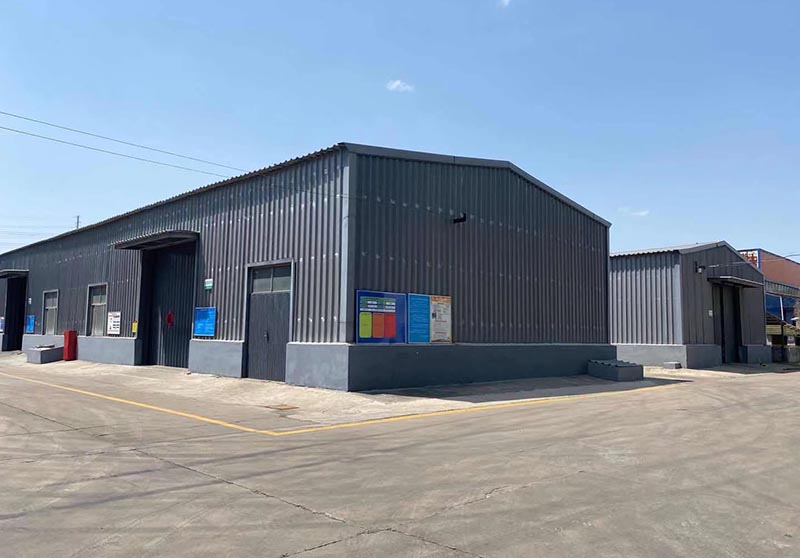
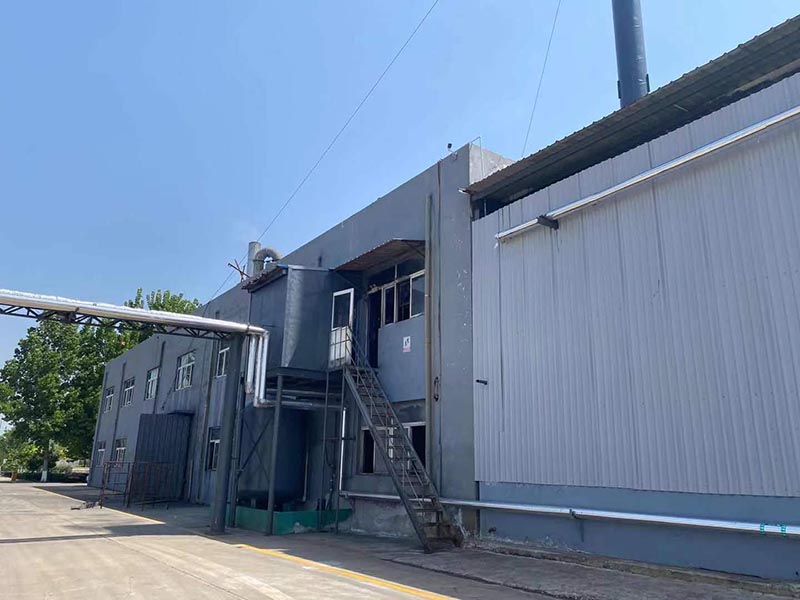
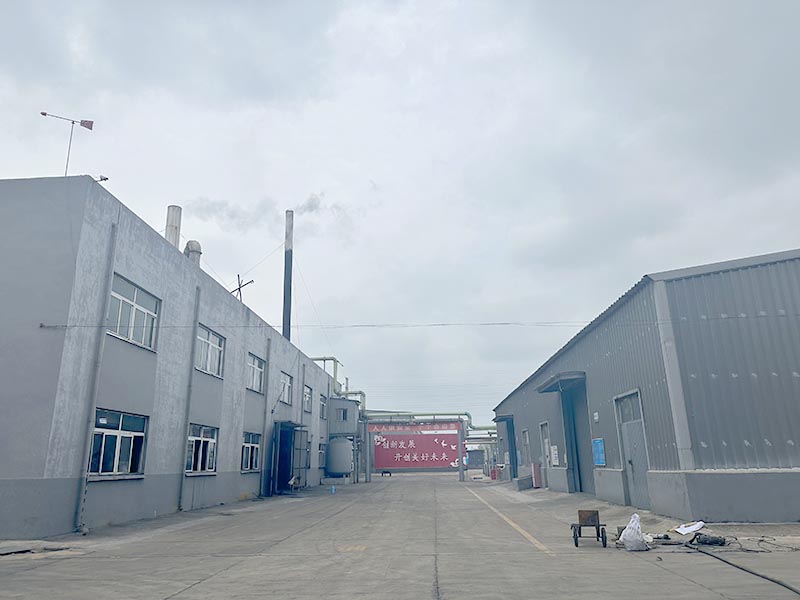
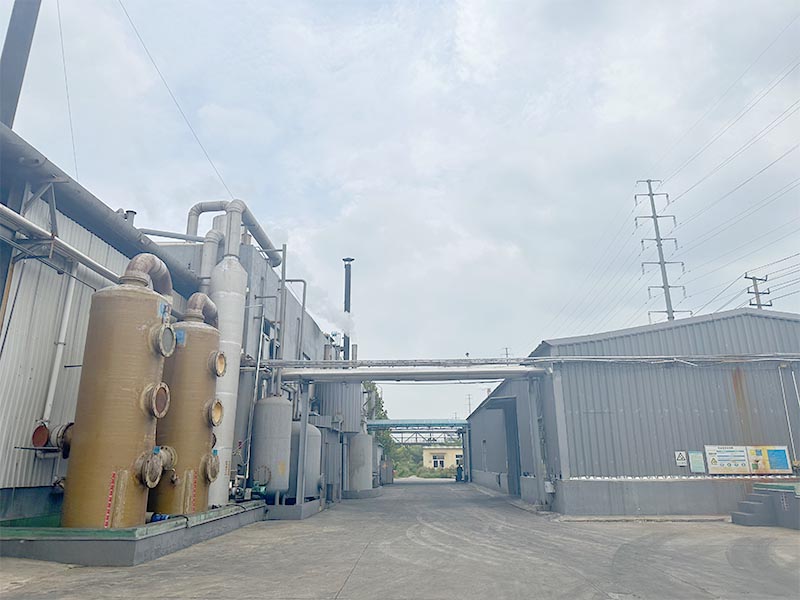
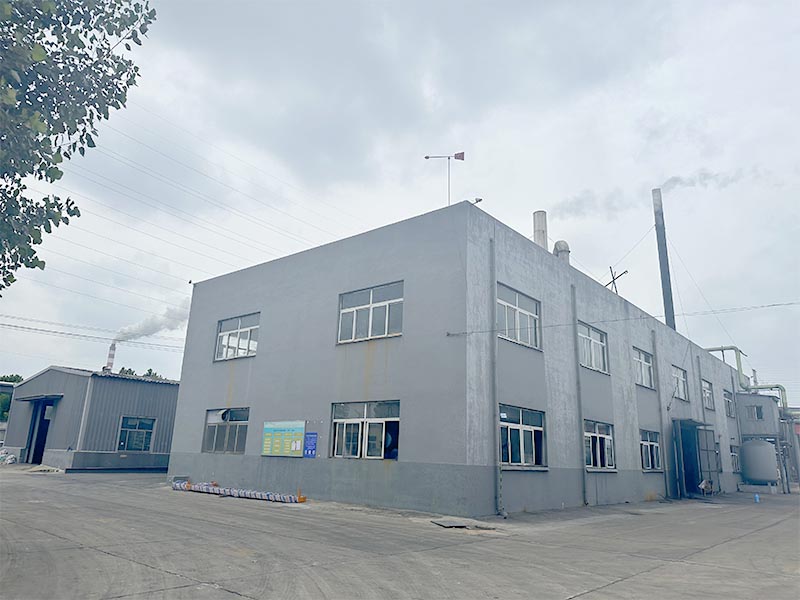
At Tianjin Sunrise Chem Group (SUNRISE), we have addressed the challenges of modern industrial procurement by integrating Factory 4.0 paradigms into our synthesis pathways. Our manufacturing facilities utilize advanced automation, computerized batch tracking, and real-time spectrophotometric quality analysis to guarantee color consistency across massive production volumes.
Supply chain resilience is not just about producing dyes; it is about establishing stable, integrated raw material loops. Cooperating with leading textile and paper mills for decades highlights our capacity to manage complex bulk orders. The strategic proximity of our production facilities to Tianjin Port ensures seamless logistics and global transport capabilities, allowing us to supply large-scale distributors and coating factories without delays.
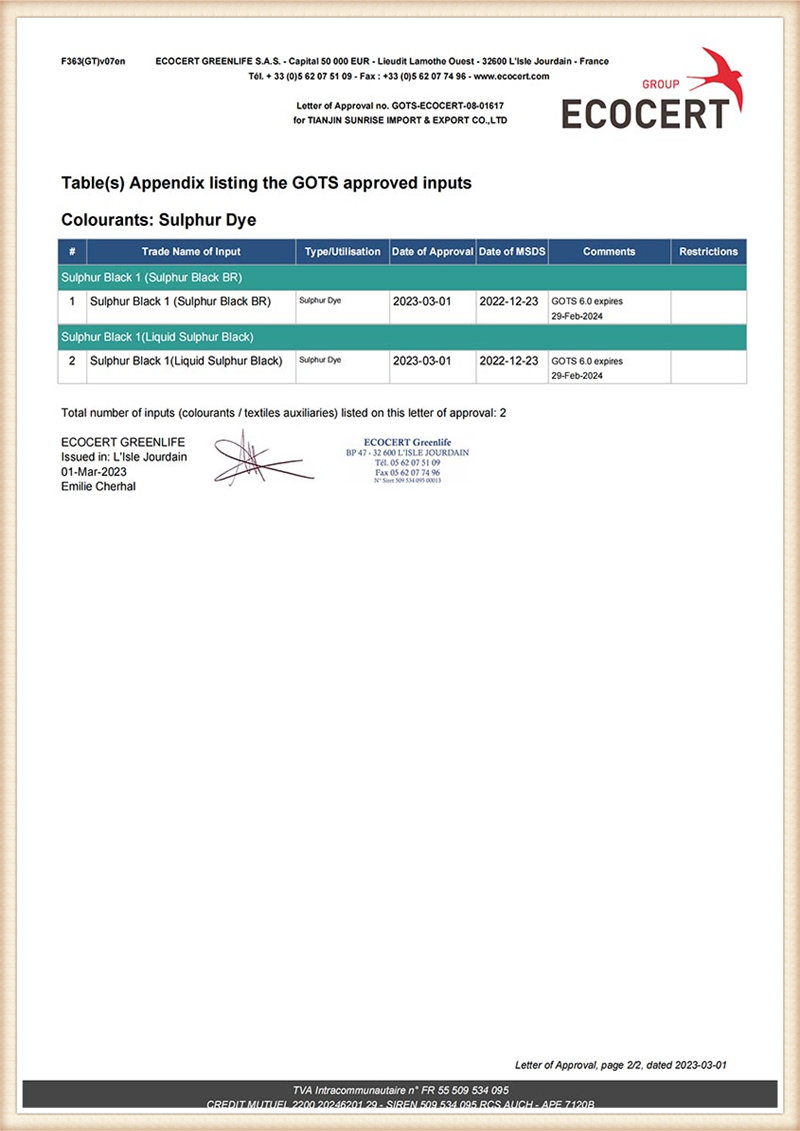
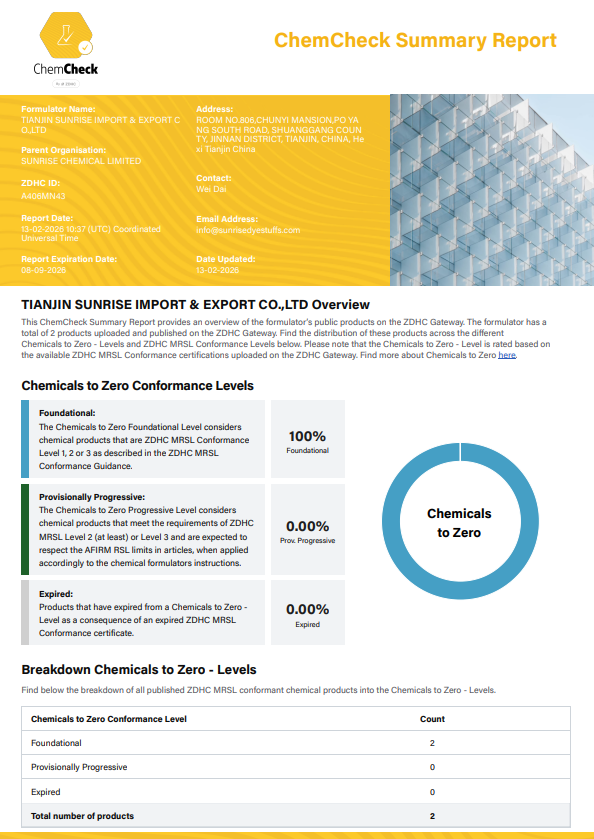
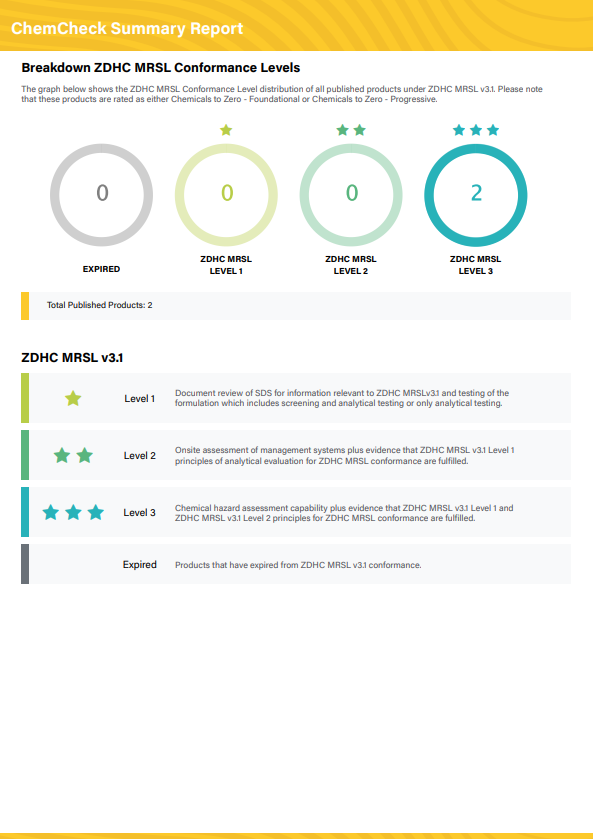
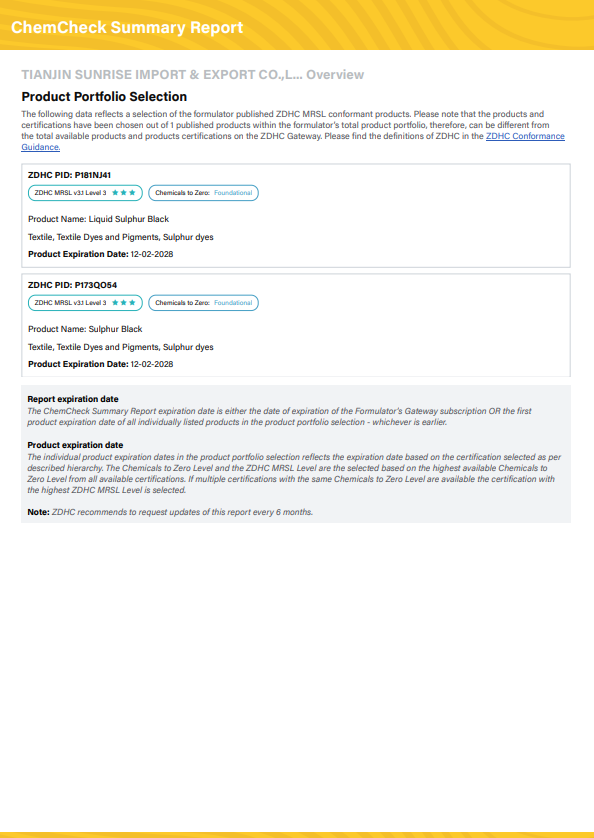
In the contemporary B2B landscape, green chemistry is not merely an optional feature—it is a critical prerequisite for international trade. The Zero Discharge of Hazardous Chemicals (ZDHC) program and the Global Organic Textile Standard (GOTS) represent the gold standards of modern chemical compliance.
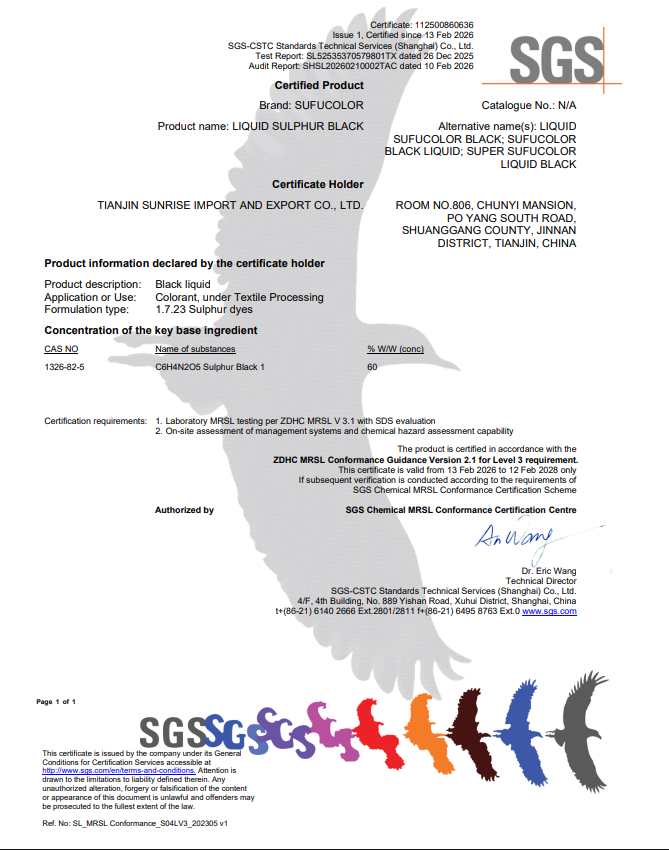
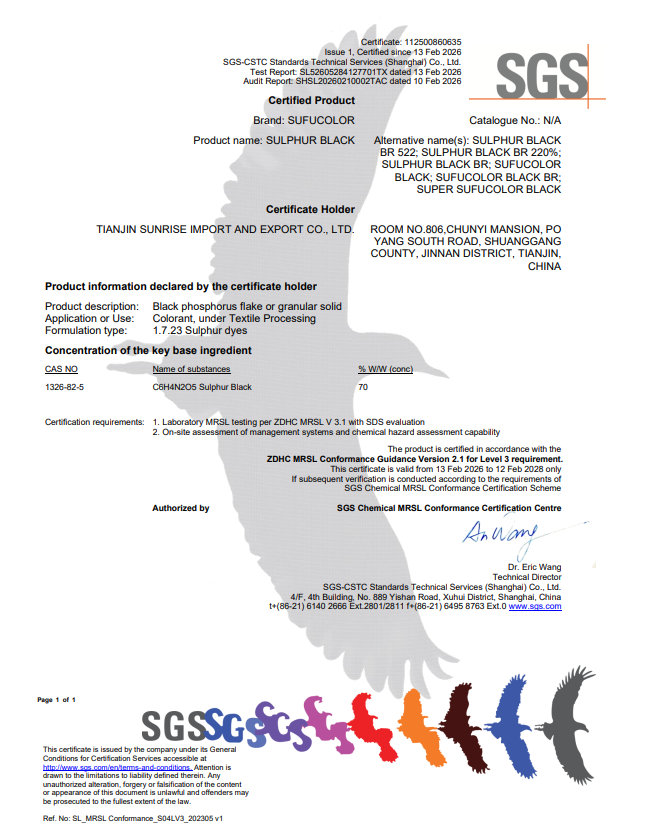
Our commitment to sustainability is demonstrated by our ZDHC Level 3 and GOTS certifications. While GOTS guarantees the organic, ethical, and low-toxicity criteria of textile materials, ZDHC focuses on systematically eliminating hazardous substances across the chemical manufacturing lifecycle. A ZDHC Level 3 compliance status indicates that our entire formulation pipeline, manufacturing processes, and wastewater discharge metrics are thoroughly vetted to be free of restricted substances. This allows our global partners to satisfy strict ecological requirements in their target consumer markets.
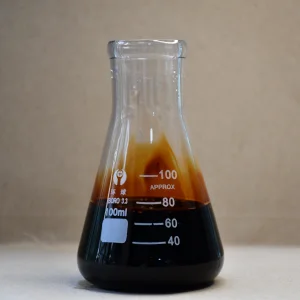
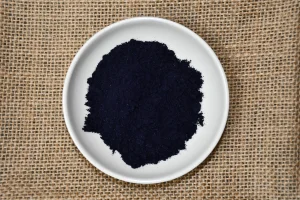
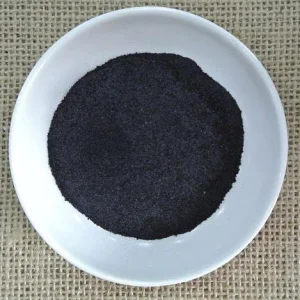
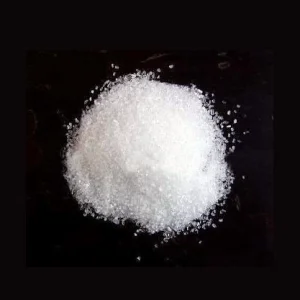
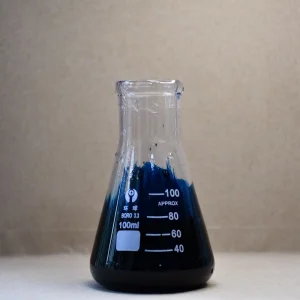
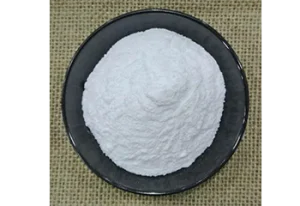
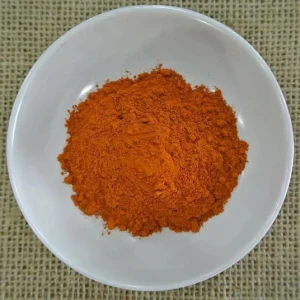
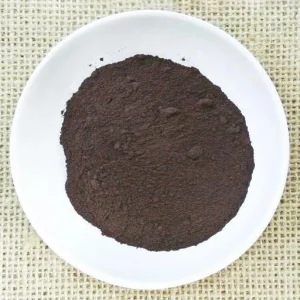
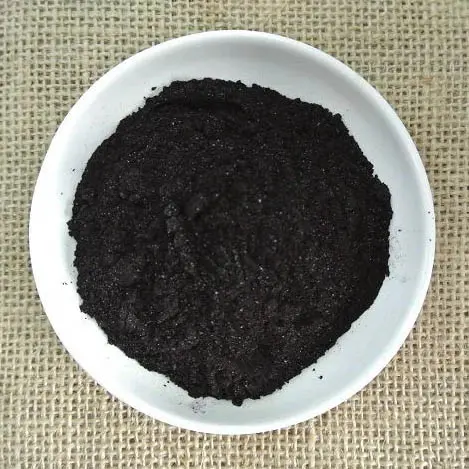
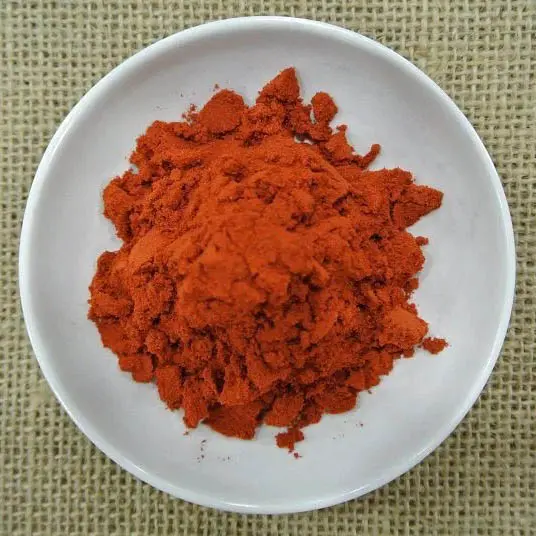
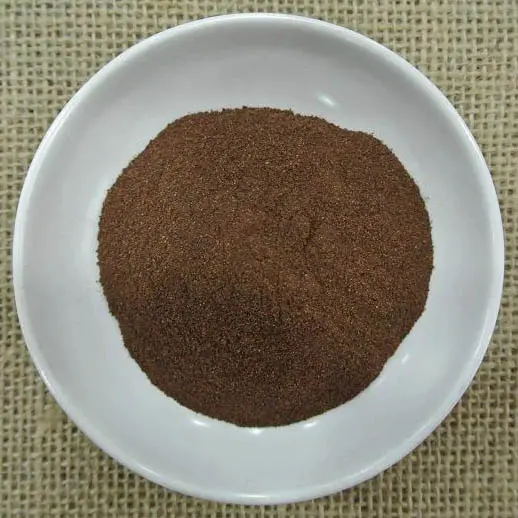
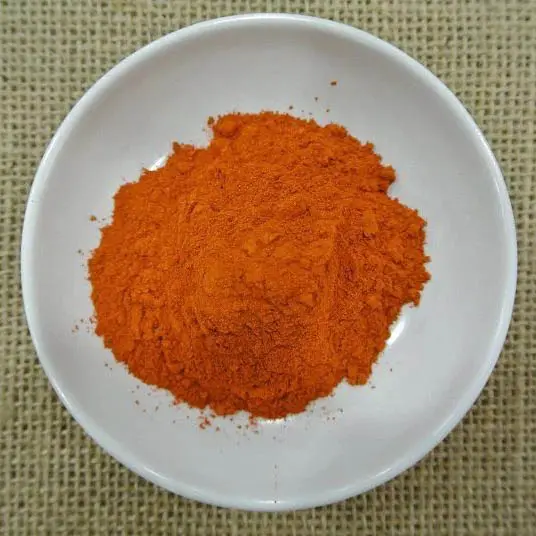
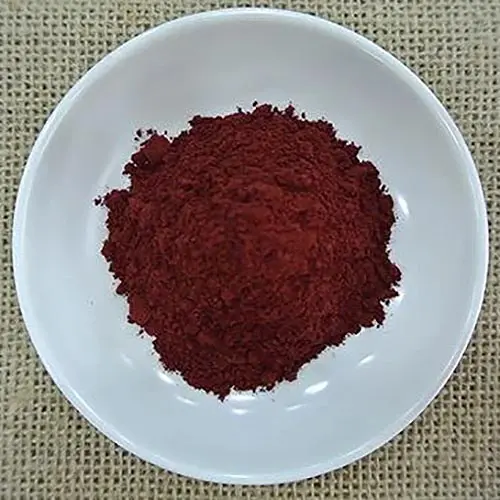
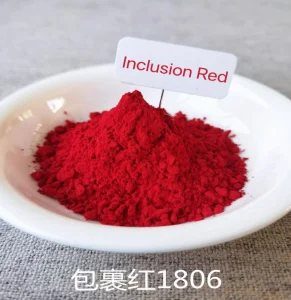
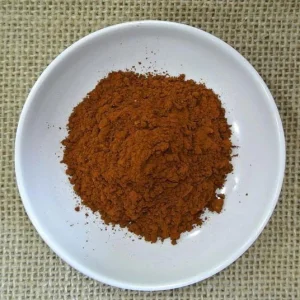
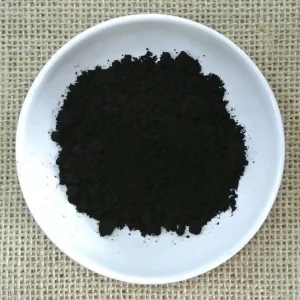
In addition to our custom wood dye synthesis, Sunrise Chem Group manufactures a diverse spectrum of organic colorants tailored for textiles, leather finishing, paper mills, and industrial plastics. Explore our core industrial selection below:
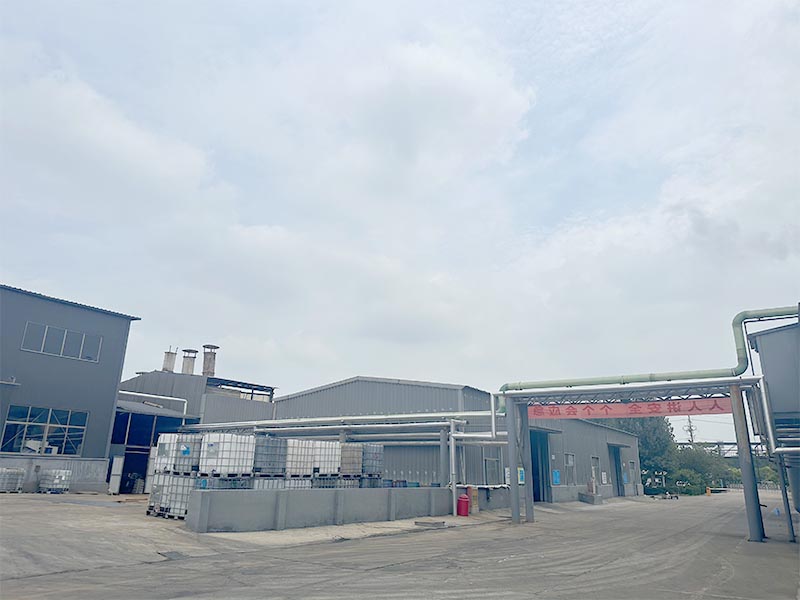
Reliable chemical procurement requires a robust logistical framework. At Sunrise Chem, we coordinate complex international logistics protocols, ensuring hazardous and non-hazardous products are handled, packaged, and shipped in full compliance with international safety codes.
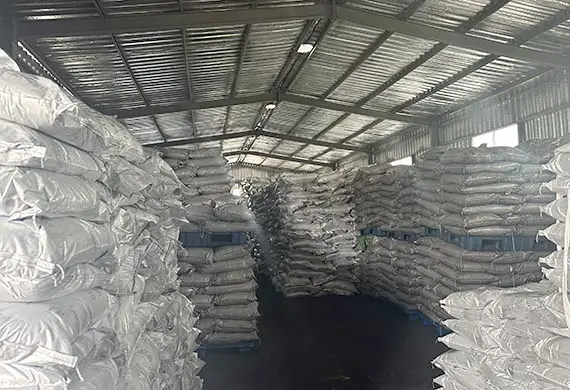
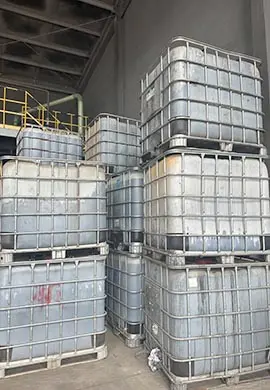
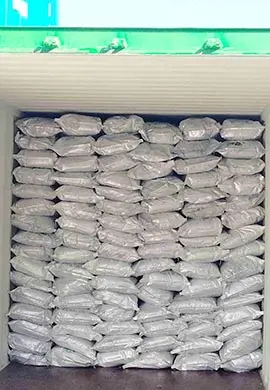
Our logistical hubs manage constant demand for bulk containers, dry packaging systems, and liquid storage facilities. Each batch is subjected to comprehensive quality audits prior to port departure, guaranteeing that the chemical stability, purity, and formulation composition remain intact throughout maritime transit.
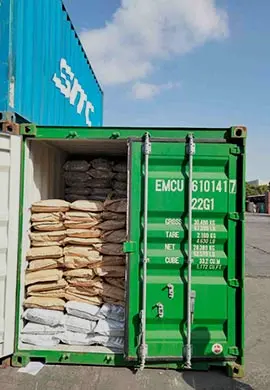
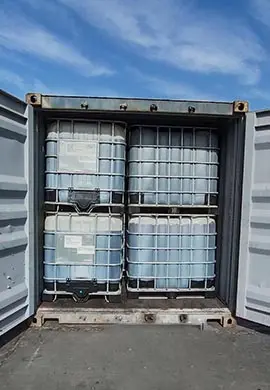
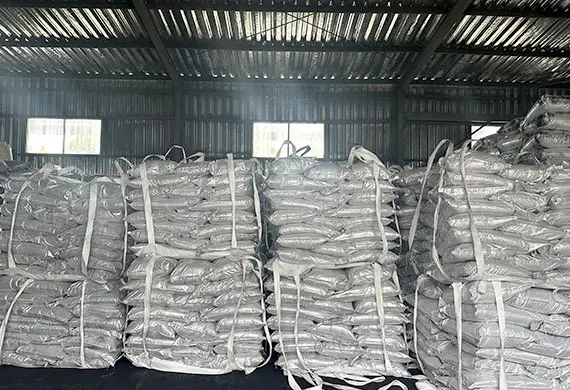
Our OEM capability is centered on providing tailored colorant systems for specific substrate chemistries. Wood staining requirements, for instance, vary based on the timber species and processing setups. Hardwoods like oak and maple contain higher levels of natural tannins, which can react unpredictably with basic dyes, necessitating stabilized acid metal-complex formulations. Conversely, softwoods like pine require high-penetration direct or solvent dyes to achieve uniform color distribution without blotching.
In paper mill applications, the primary focus is on high-affinity water-soluble direct liquid dyes. These are designed to bond rapidly with wood pulp fibers under acidic or neutral conditions, maximizing dye retention and minimizing chemical loss in the whitewater system. For plastic compounding and specialty coatings, we supply heat-stable, oil-soluble solvent dyes that maintain structural integrity during high-temperature injection molding.
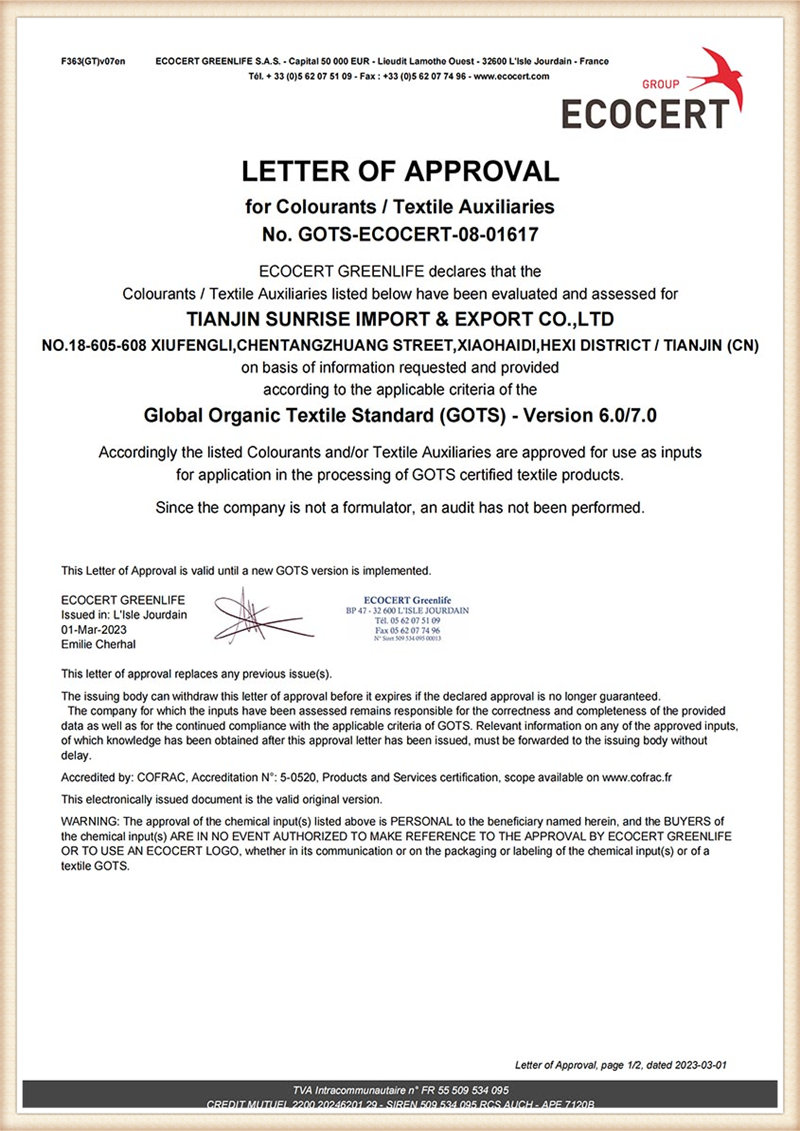
Choosing a chemical supplier is a strategic decision that directly impacts operational continuity and product quality. A reliable partner must offer a stable supply chain, standardized chemical testing, and comprehensive regulatory documentation.
We work closely with global coating brands, furniture manufacturers, and textile mills to support their production lines. By offering customized viscosity adjustments for liquid colorants, tailored moisture limits for powder formulations, and specialized packaging (such as eco-friendly drums or moisture-barrier bags), we integrate seamlessly into your workflow. Our technical support team remains available to troubleshoot formulation shifts, compatibility issues, or application challenges.
Technical guidance from our laboratory specialists addressing common concerns in wood dye sourcing, compliance, and formulation stability.
High-purity chemical solutions designed for wood preservation, industrial coatings, paper mills, and ceramic manufacturing.
 Sunrise