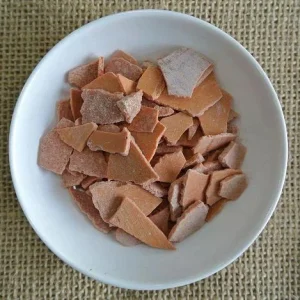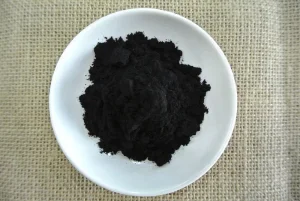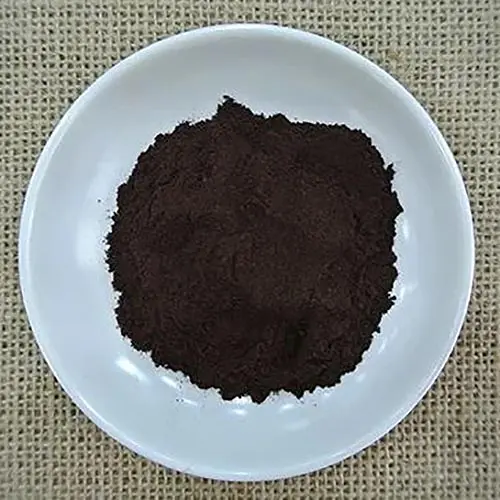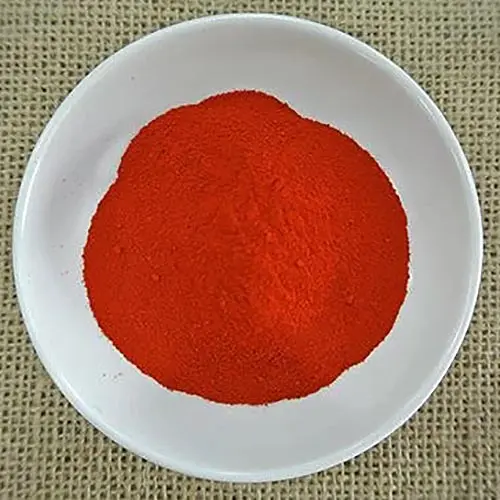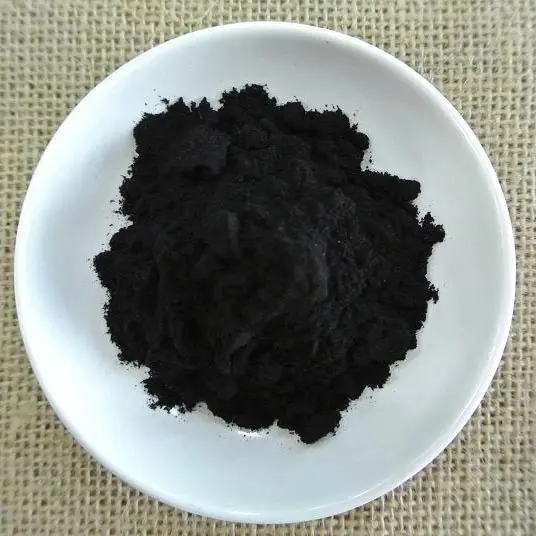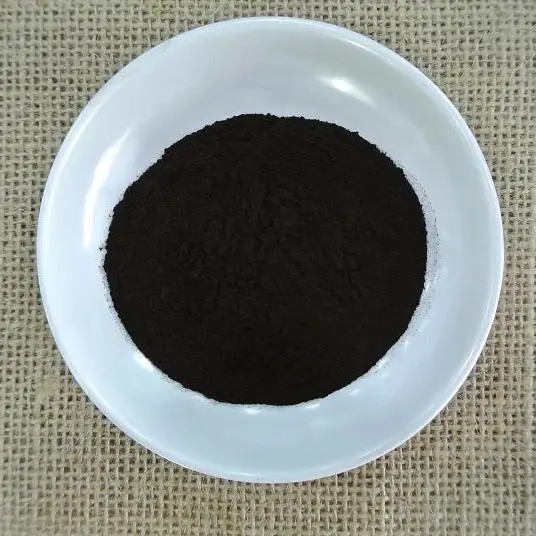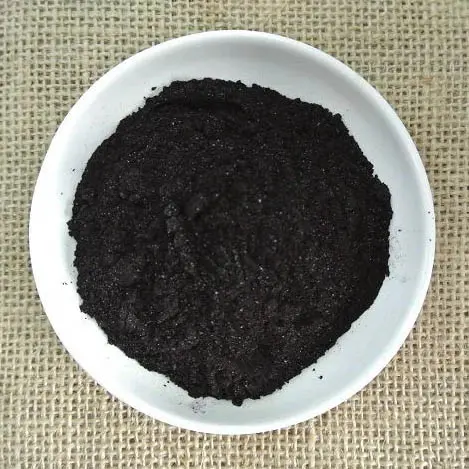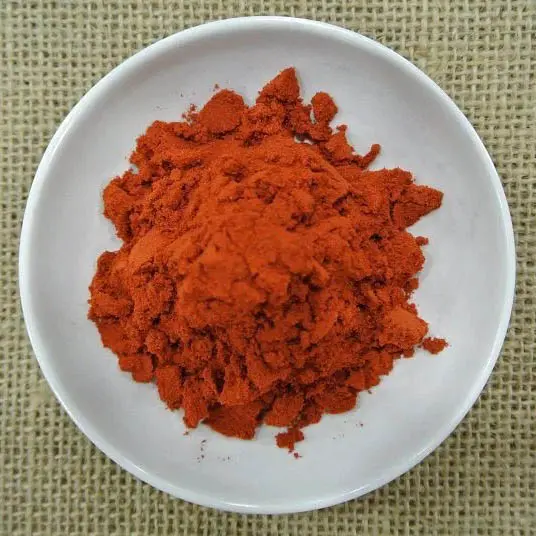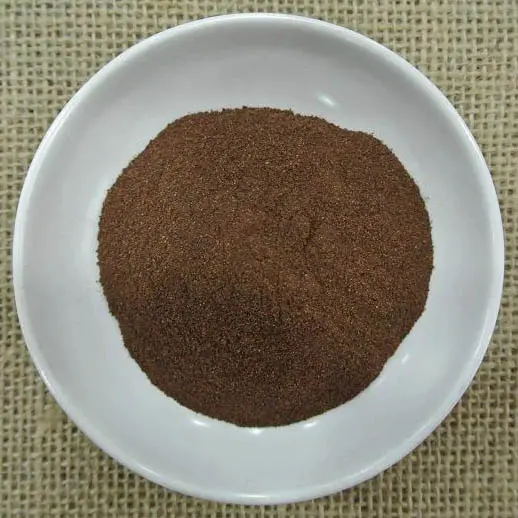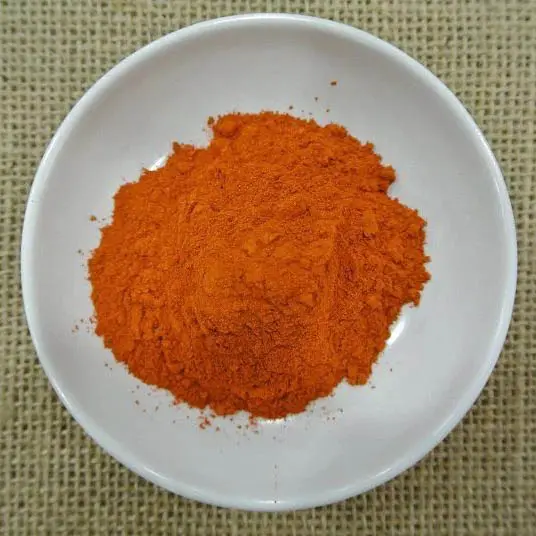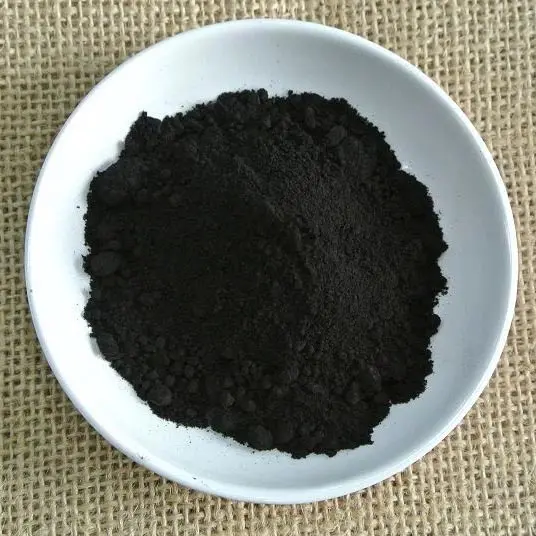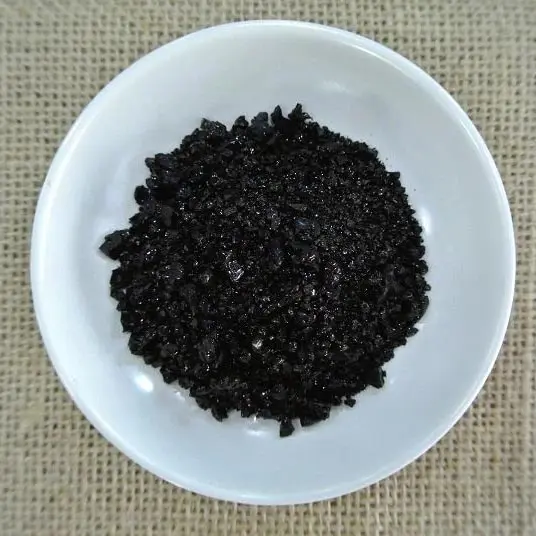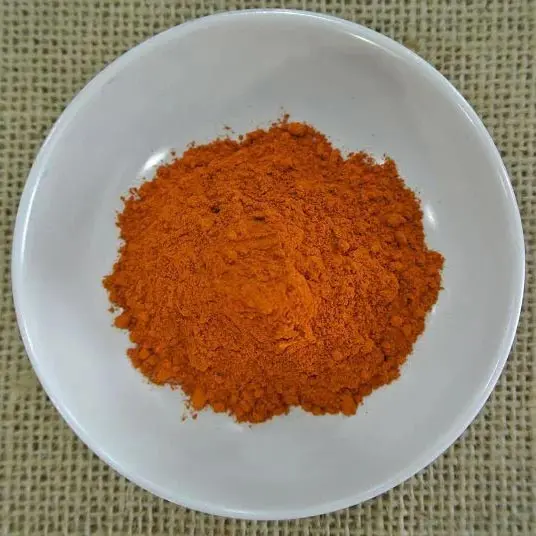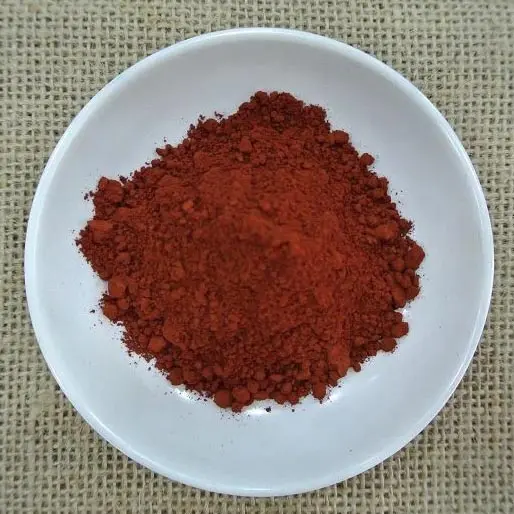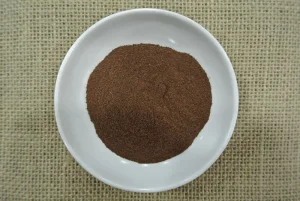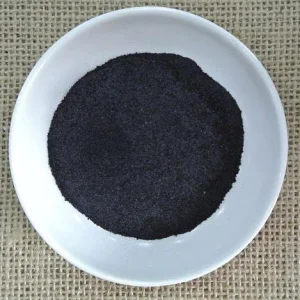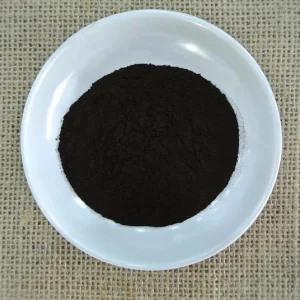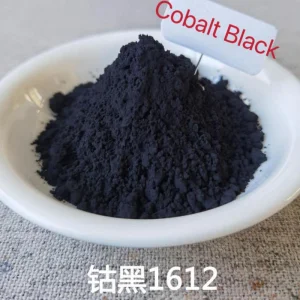
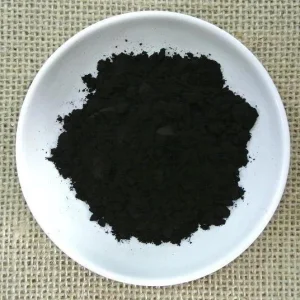
Direct Brown colorants represent a vital segment of the anionic direct dye class, chemically optimized for application on cellulosic substrates. These dyes exhibit deep substantivity for cotton, viscose, paper pulp, and leather fibers. Under scientific profiling, Direct Brown structures primarily consist of bisazo, trisazo, or polyazo chromophoric systems. The molecular architecture of Direct Brown is engineered to maximize hydrogen bonding and Van der Waals interactions directly with the linear polymer chains of cellulose. This eliminates the technical necessity for external mordants during application, reducing chemical overhead and optimizing cycle run-times.
As a leading OEM Direct Brown Supplier & Factory, Tianjin Sunrise Chem Group addresses global industrial demands through advanced chemical engineering. We synthesize Direct Brown colorants under stringent raw material matrices to control isomer distribution, ensuring exceptional color consistency and solubility. This technical depth allows our products to sustain rigorous thermal conditions, maintaining stable shade profiles across fluctuating bath temperatures in massive dyeing machinery.
"The structural affinity of modern Direct Brown dyes relies on high coplanarity and extensive conjugated systems. Our research focuses on maintaining high color yield with reduced salt loading, aligning with global water reclamation initiatives."
The global industrial demand for high-grade Direct Brown dyes is experiencing a significant paradigm shift. Historically, colorant acquisition was dictated solely by transactional unit costs. Today, macro-regulatory trends, chemical transparency, and global supply stability govern procurement protocols. In key consumer hubs—ranging from textile clusters in South Asia to advanced technical paper mills in Europe and the Americas—importers are consolidating their vendor matrices, focusing on factories with verified E-E-A-T credentials and robust technological frameworks.
This shift is accelerated by the modernization of dyeing and printing machinery. Modern, high-speed continuous dyeing machines run at faster speeds, which increases the risk of color matching discrepancies. High-purity formulations of Direct Brown are essential to avoid batch failures. Furthermore, the rise of recycled fiber substrates in packaging and apparel requires colorants with excellent coverage and affinity for uneven pulp materials. Consequently, manufacturers must innovate chemically, moving away from heavy metal-containing complexes to safer organic alternatives that do not compromise build-up properties or fastness values.
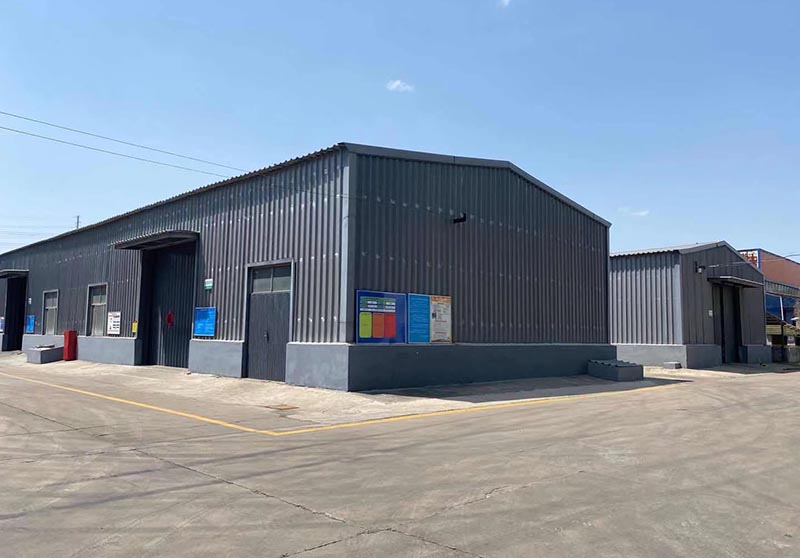
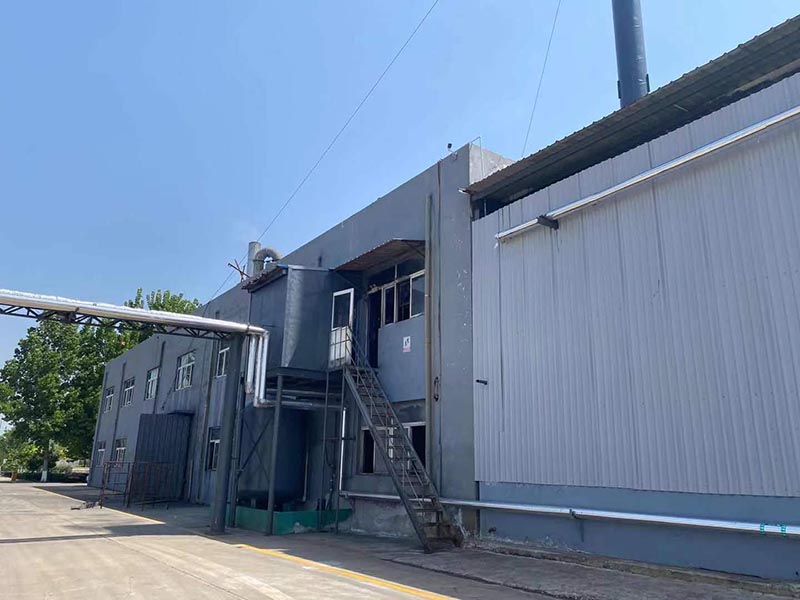
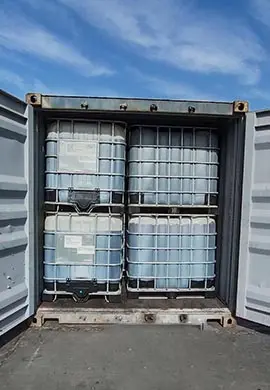
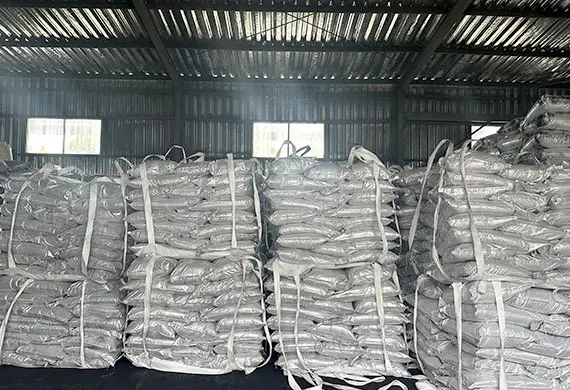
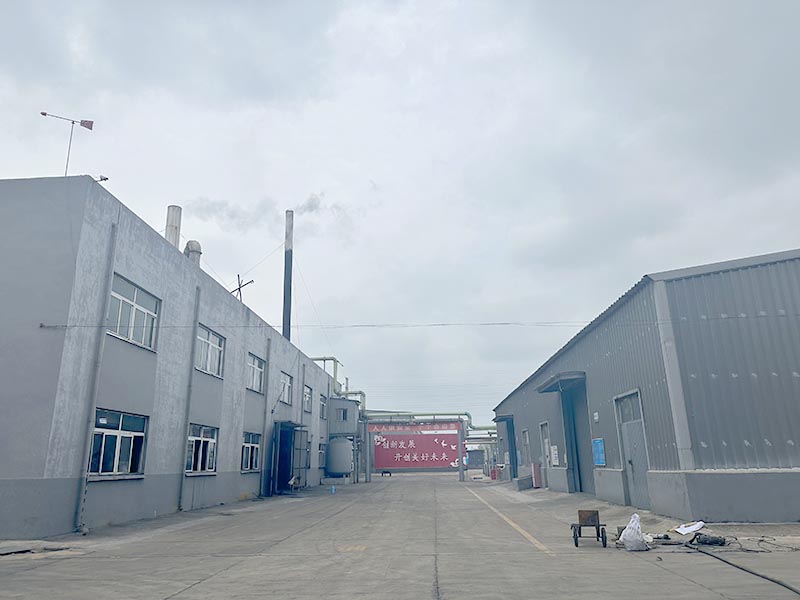
A visual overview of our large-scale production, automated warehousing systems, and containerized logistics structures supporting global industries.
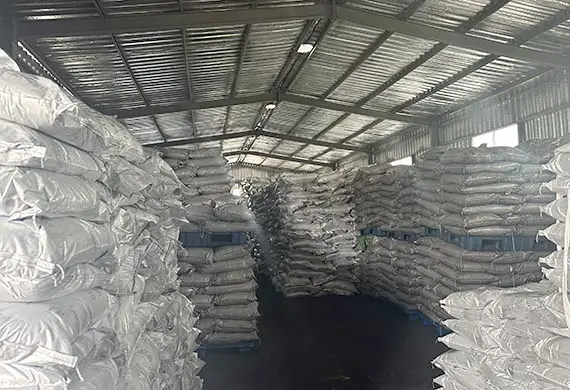
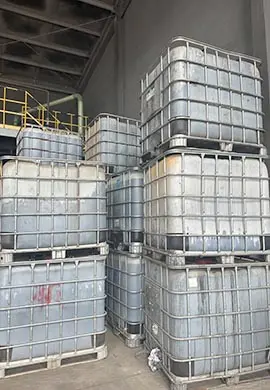
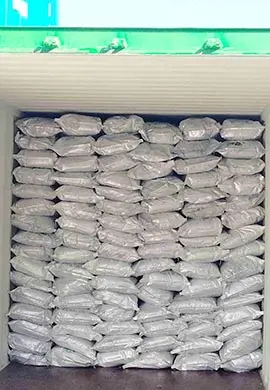
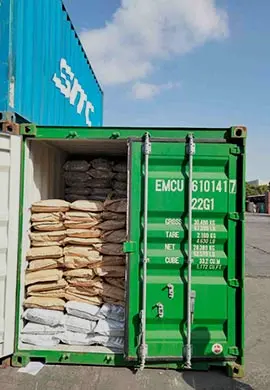
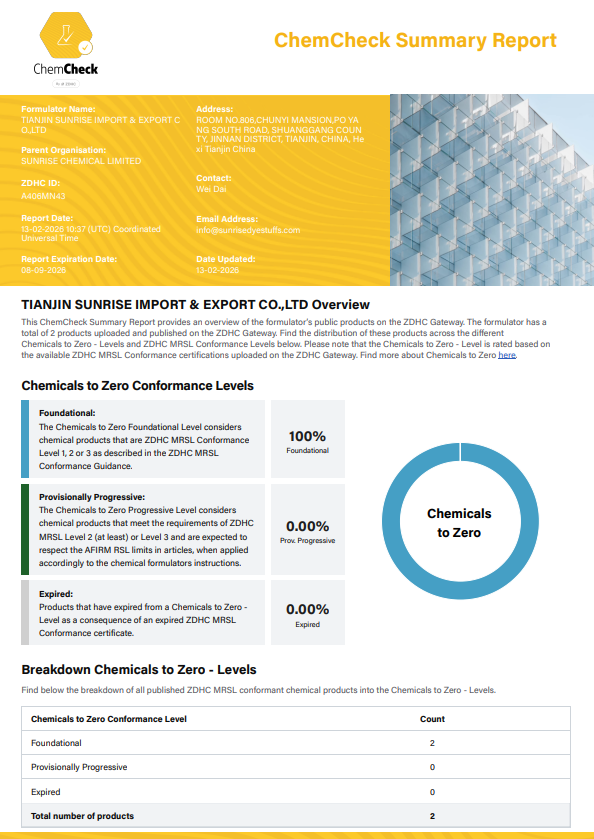
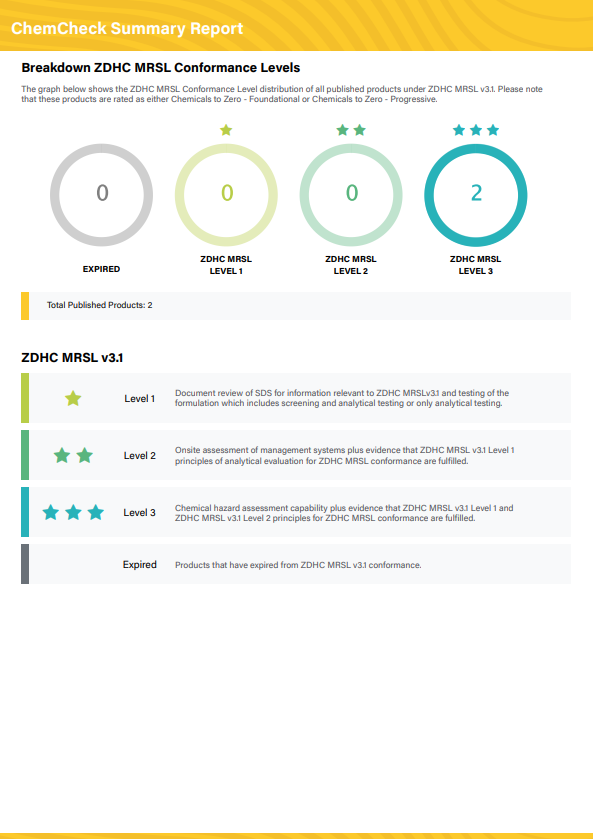
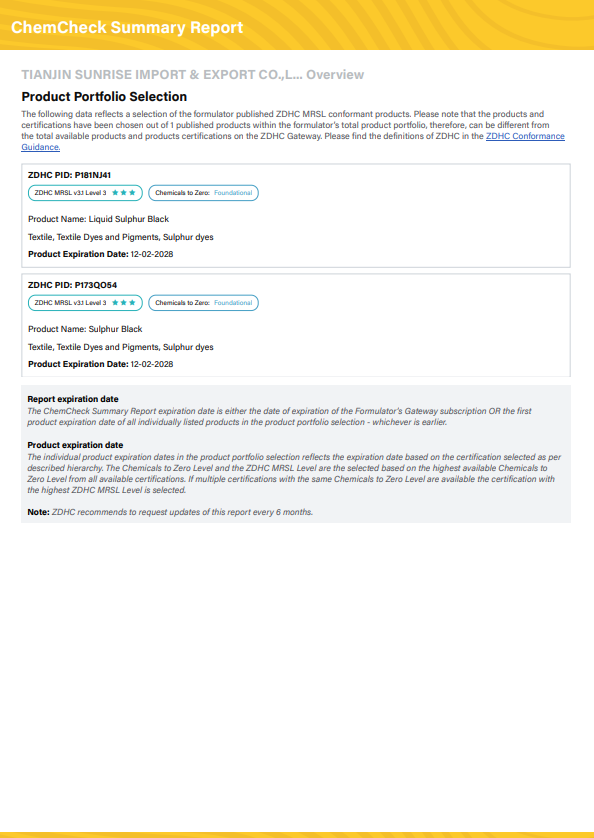
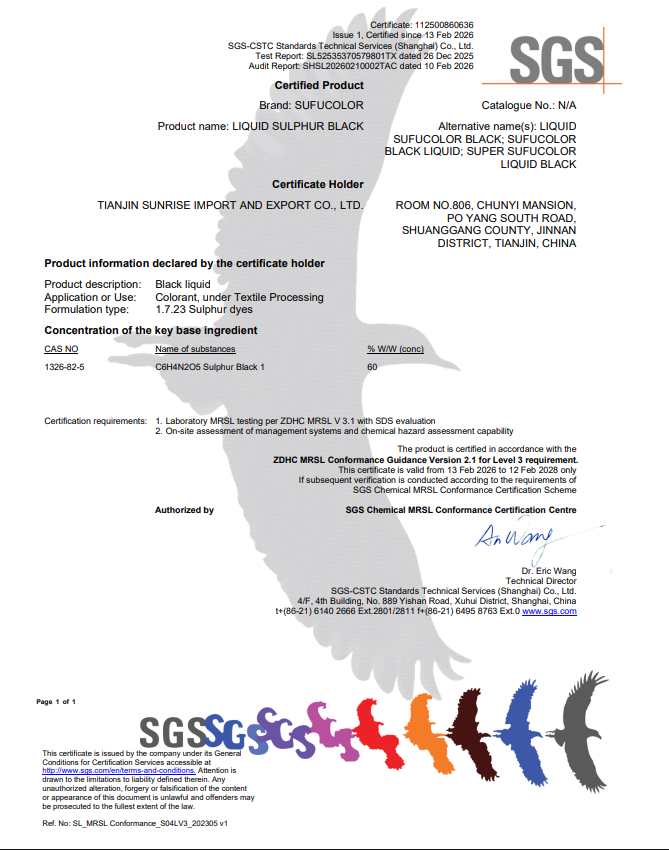
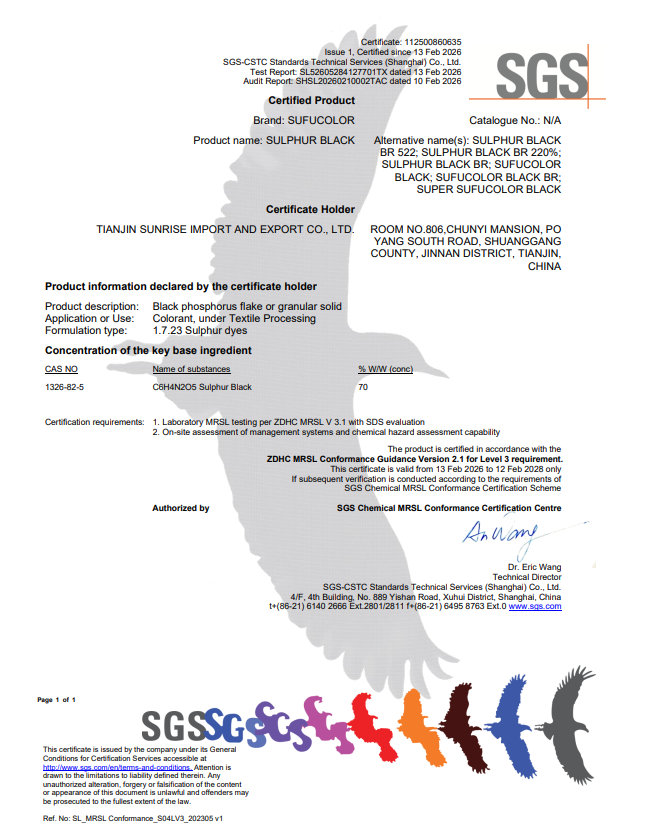
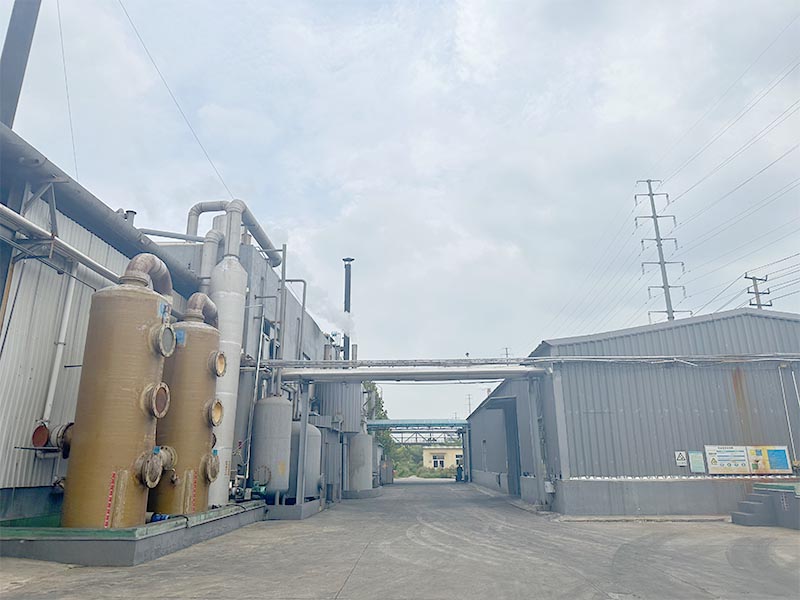
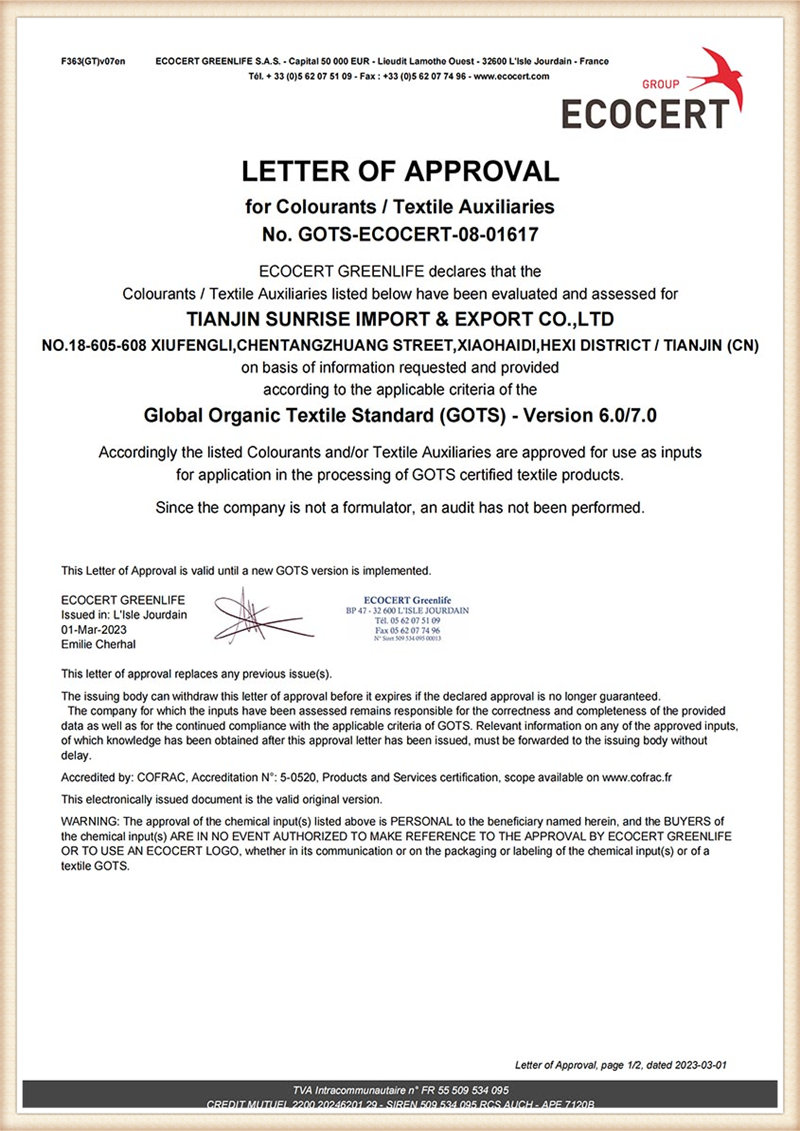
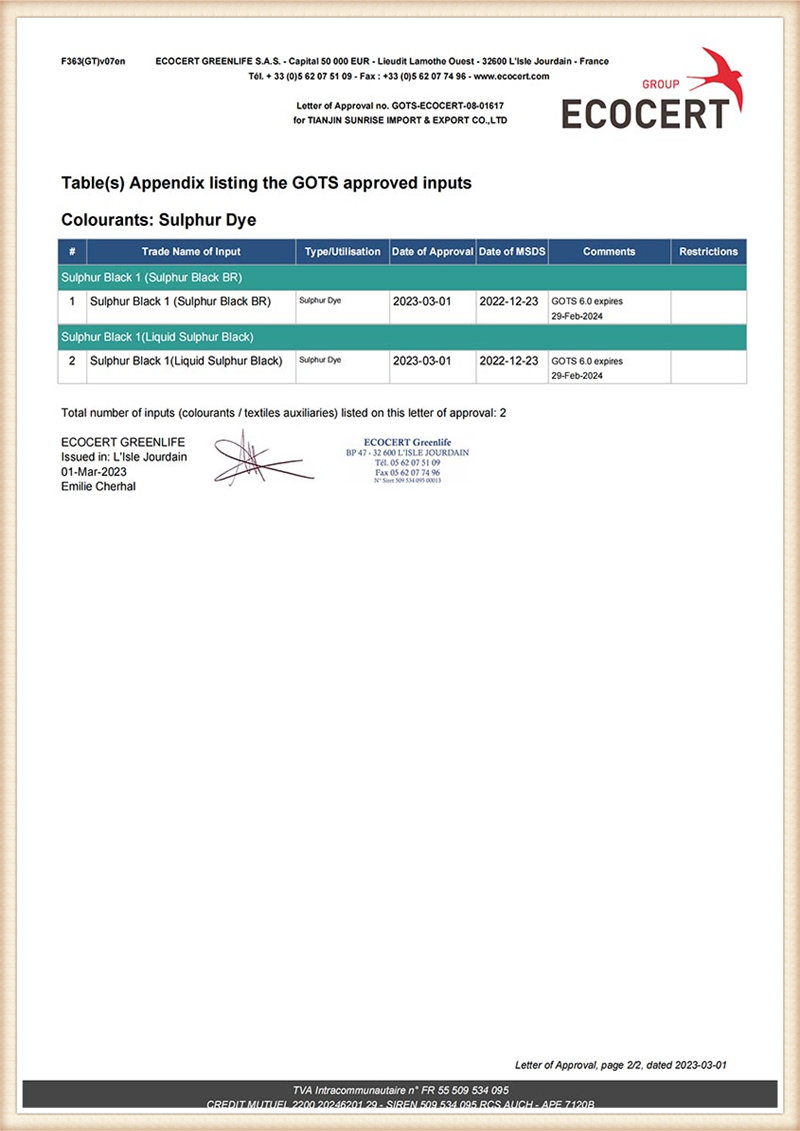
Environmental stewardship is integrated into the manufacturing process at our dye synthesis facilities. By achieving ZDHC Level 3 and GOTS (Global Organic Textile Standard) certifications, Tianjin Sunrise Chem Group ensures that our chemical production pathways eliminate toxic by-products and prohibited arylamines. Our wastewater purification facilities neutralize complex organic intermediates, maintaining balanced COD (Chemical Oxygen Demand) and BOD (Biochemical Oxygen Demand) values in discharged effluents.
For global brands, this commitment translates to lower risk when navigating regulatory audits. Level 3 ZDHC compliance verifies that our chemical formulations are systematically evaluated for hazardous substances. By aligning with these standards, we enable textile and paper mills to produce high-value consumer goods that meet international environmental and safety criteria, securing access to strictly regulated global markets.
Specifically optimized for heavy cotton knits, viscose, and denim warp-yarn coloring. Formulated to resist salt crystallization under high dye concentrations, ensuring uniform, level shades even on irregular organic cotton fibers.
Provides high affinity to bleached and unbleached kraft pulp. Resists two-sided color bleeding in multi-ply sheet production, reducing chemical additives and optimizing color retention in closed-loop water systems.
Ensures deep color penetration into chrome-tanned and vegetable-tanned hides. Formulated with molecular size configurations that allow even saturation through the leather cross-section, preventing surface micro-cracking and fading.
Tianjin Sunrise Chem Group offers customized chemical tailoring. Utilizing spectrophotometric match matrices and high-performance liquid chromatography (HPLC) calibration, our chemical engineers formulate bespoke Direct Brown and related pigments to match exact Pantone reference keys. By adjusting sodium chloride and sodium sulfate levels in the powder, we tailor solubility kinetics to align with the specific water hardness parameters of your production facility.
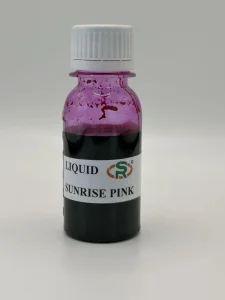
Our customization service extends beyond powder colorants. We produce stabilized, high-density liquid direct dye solutions designed for automated dosing systems in large paper mills and continuous dyehouses. This reduces dust in the workplace and optimizes overall production safety.
"By integrating analytical laboratory equipment with modern chemical reactors, our R&D team can customize Direct Brown formulations to meet the specific requirements of complex production lines."
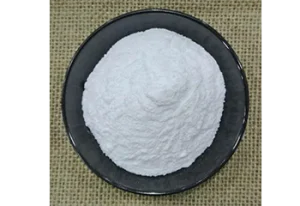
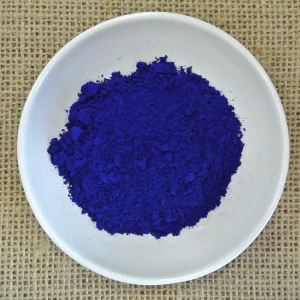
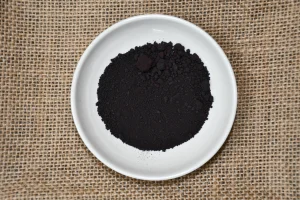
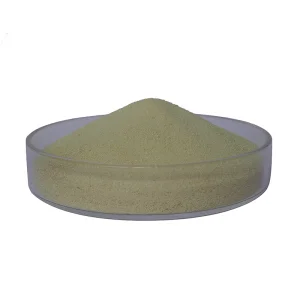
Our secondary product group, serving specialized applications in wool, silk, yarn, paper, and forensic sciences.
With decades of experience in synthesis and export, Tianjin Sunrise Chem Group is recognized for its reliability and product quality. Our team focuses on manufacturing high-performance colorants, maintaining a reliable supply path that spans across key global industrial corridors. Operating modern manufacturing lines, our output is designed to satisfy the strict requirements of paper, denim, leather, and plastic production.
To ensure consistency, each batch is tested at our port-adjacent labs prior to dispatch. By combining certified environmental management with advanced technical support, we help our partners optimize their processes and succeed in competitive global markets.
"Our mission is to support our customers' growth by providing reliable, high-quality, and customized chemical solutions. We focus on building long-term, mutually beneficial partnerships worldwide."
Quality control is critical when manufacturing direct dyes. Our testing protocols check multiple performance metrics: fastness to washing, lightfastness, thermal stability, pH, and electrolyte content. By maintaining a clean, automated synthesis line, we limit physical impurities that can cause blocking in printing screens or filter nets.
Additionally, we supply custom packaging solutions to suit our partners' logistics systems. From small bags to large FIBC bags, our packaging is built to survive marine transit, protecting the chemical consistency of our products from environmental humidity.
 Sunrise