Premium-grade synthetic organic colorants tailored for global industrial processes, featuring optimized solubility profiles and excellent tinting strength.
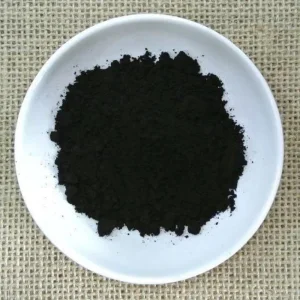
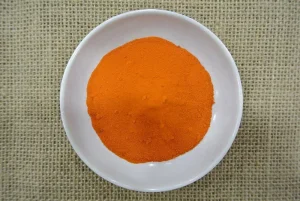
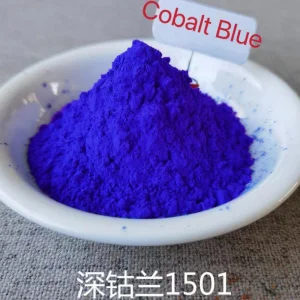
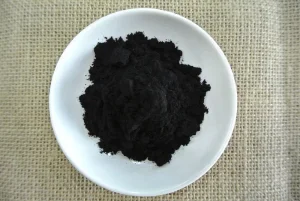
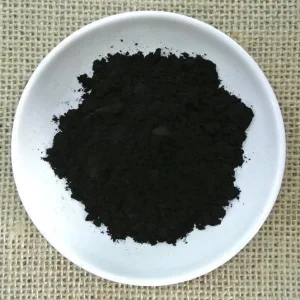
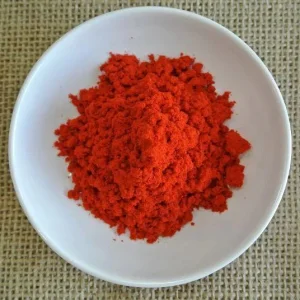
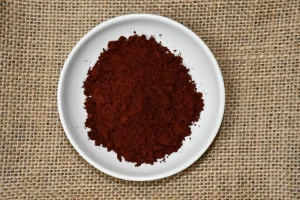
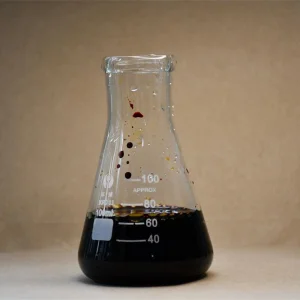
Congo Red (disodium 4-amino-3-[4-[4-(1-amino-4-sulfonatonaphthalen-2-yl)diazenylphenyl]phenyl]diazenylnaphthalene-1-sulfonate) is a highly notable synthetic secondary diazo dye. Originally discovered in 1884, this water-soluble direct dye is characterized by its high affinity for cellulose fibers. As a sodium salt of benzidinediazo-bis-1-naphthylamine-4-sulfonic acid, Congo Red remains a crucial compound inside chemical laboratories, analytical assays, and various niche manufacturing sectors.
Its complex molecular composition provides excellent direct dyeing properties on cellulose matrixes without the strict requirement of traditional mordants. The chemical structures feature dual azo bonds linking biphenyl configurations to amino naphthalene sulfonic acid groupings, resulting in its vibrant red-orange color under neutral conditions. This structure is highly susceptible to pH changes, causing it to undergo a dramatic chromic transformation between pH 3.0 (blue-violet) and pH 5.2 (red).
Today, Congo Red serves a vital dual purpose. Industrially, it is used in papers, textiles, and wood staining. Scientifically, it is indispensable in microscopic diagnostic testing—particularly in histology for staining amyloid proteins—making its OEM chemical purity a matter of paramount importance.
Modern manufacturers demand chemical agents that deliver robust performance under strict operating parameters. Sunise Chem Group offers bespoke dye formulations that address real-world application challenges.
For cellulose and direct paper manufacturing, achieving optimal affinity without heavy salt additions is essential. Our OEM formulations utilize molecular engineering to boost the direct bonding capabilities of the diazo links, which increases yield while reducing process waste.
Slight temperature or pH shifts in industrial coloration systems can cause dye agglomeration. By maintaining strict control over our sodium salt crystallization procedures, we guarantee high dye solubility in water baths, preventing uneven surface staining.
Azo dye wastewater requires sophisticated effluent treatment. Our OEM colorants are synthesized to allow efficient coagulation and catalytic decolorization in standard wastewater treatment systems, assisting plants in meeting local discharge guidelines.
The production and export of synthetic organic direct dyes require strict adherence to international safety and ecological guidelines. Sourcing from certified OEM factories ensures that chemical batches remain compliant with evolving regulatory frameworks, including European REACH standards and global hazardous substance controls.
To address these concerns, Tianjin Sunrise Chem Group implements high-level chemical tracing protocols. As an OEM manufacturer, we continuously audit raw materials to minimize trace heavy metals and restrict banned arylamines in our supply chain. This focus on regulatory compliance gives global buyers the confidence to integrate our products into their consumer and industrial supply chains.
By working with certified supply hubs, distributors can minimize the risk of import delays at customs, ensuring consistent product availability for their end-user applications.
We prioritize high product reliability and performance consistency. Each batch of colorants undergoes rigorous laboratory analysis before shipment to ensure uniform color value and quality.
Operating with decades of export expertise, our laboratory technicians monitor physical-chemical parameters closely, evaluating properties such as color fastness, shade deviation, density, and moisture content.
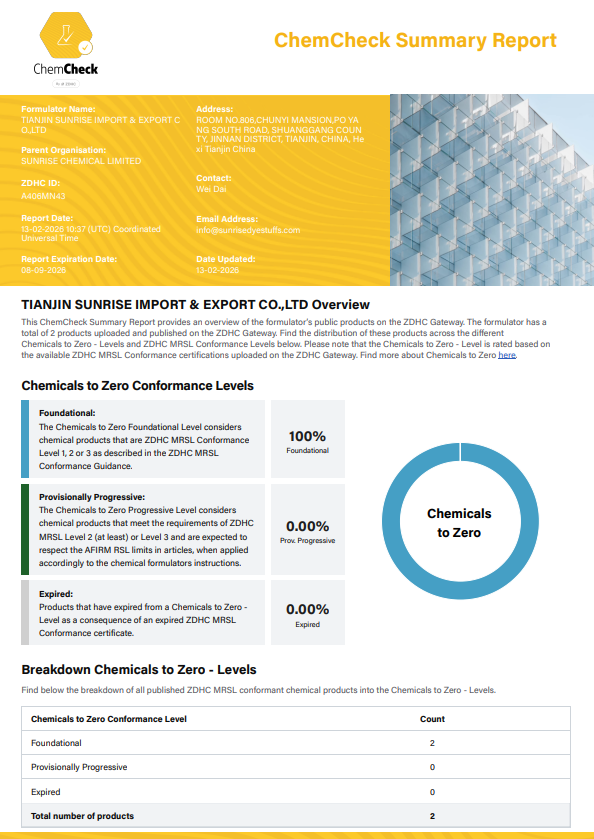
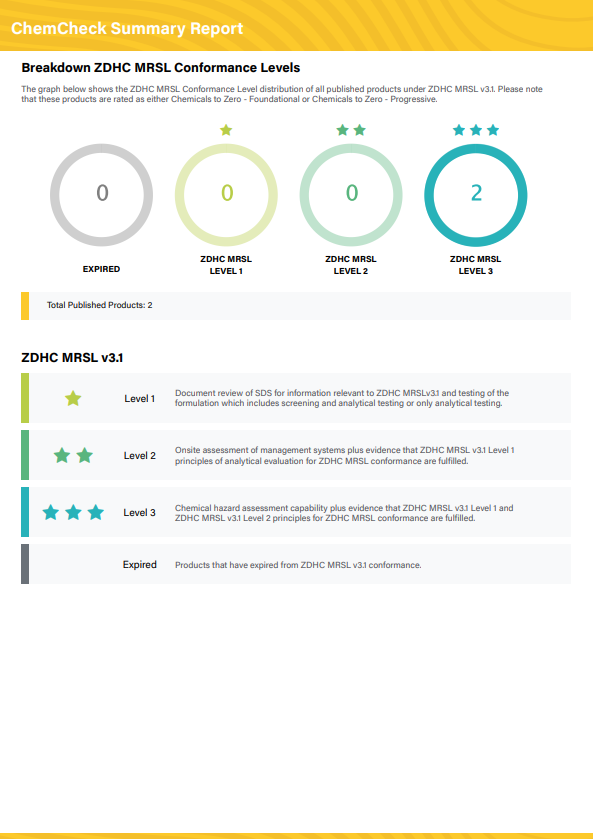
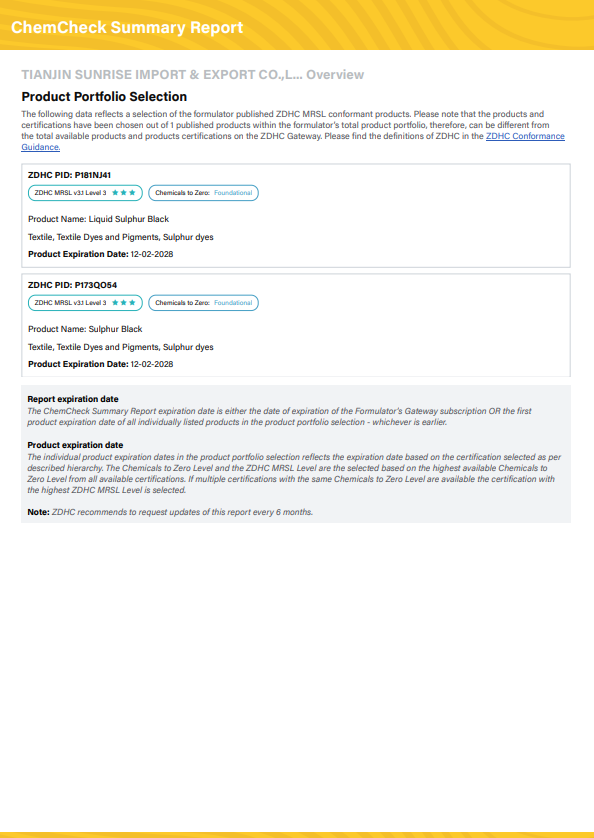
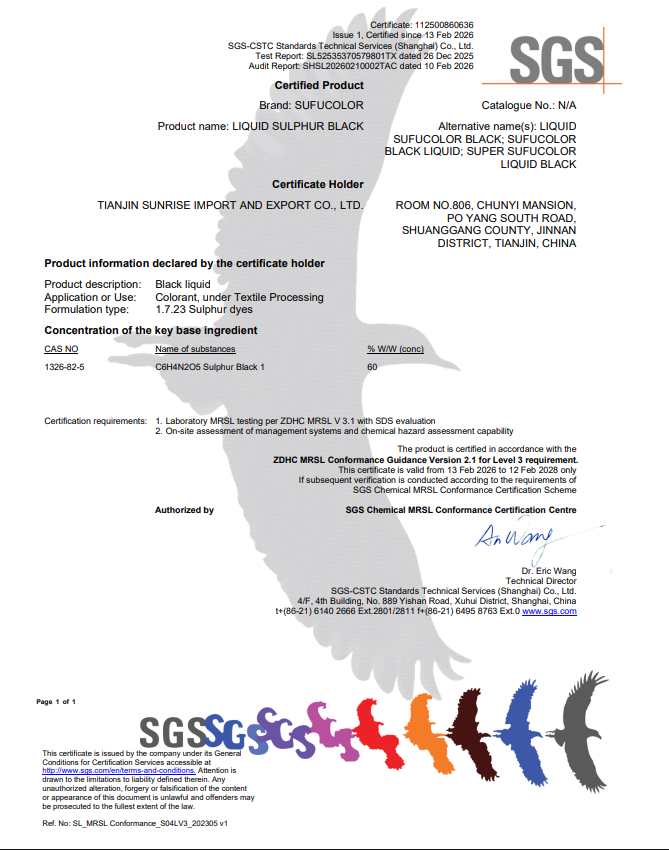
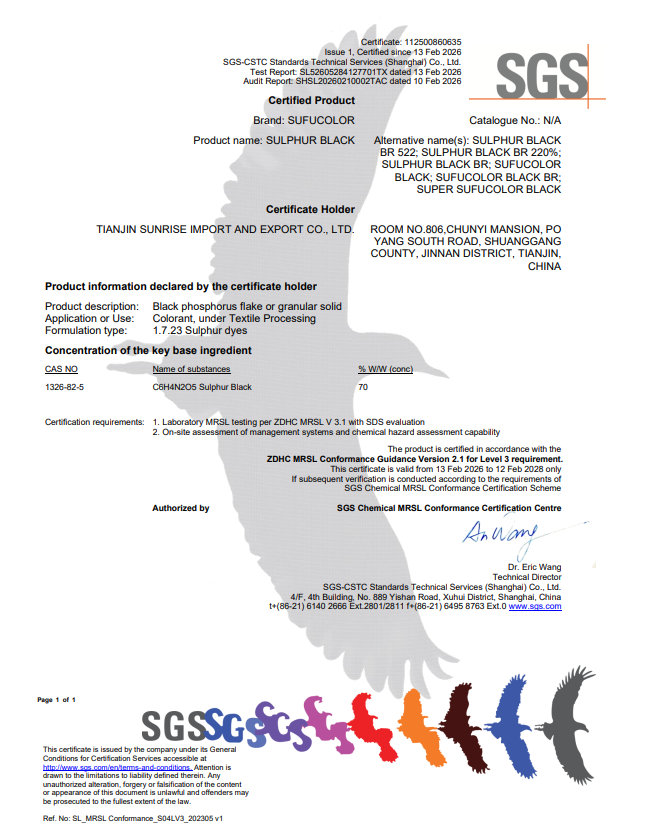
Our manufacturing processes conform to the stringent guidelines of the Zero Discharge of Hazardous Chemicals (ZDHC) Level 3 roadmap and the Global Organic Textile Standard (GOTS). This means our production is clean, verified, and safe for ecological textile processing, helping minimize the environmental footprint of our partners.
From analytical testing to high-volume bulk packaging, our logistics and technical assistance teams work alongside customers to provide custom dye concentrations, specific shade blending, and resilient packaging configurations.
Azo compounds like Congo Red serve highly specialized applications across various scientific and manufacturing sectors.
In biomedical laboratories, Congo Red is a standard diagnostic reagent for detecting amyloidosis. Under polarized light, stained amyloid fibrils exhibit a characteristic apple-green birefringence, which is essential for accurate clinical pathology evaluations.
As a direct dye, it bonds directly to cellulose structures such as cotton and linen through hydrogen bonding. This allows for deep color absorption without requiring complex mordant pre-treatments, simplifying production steps.
The dye's chemical structure shifts from red (neutral/alkaline) to deep blue (acidic). This clear visual transition makes it ideal for testing acidity in wastewater streams and monitoring biological fermentations.
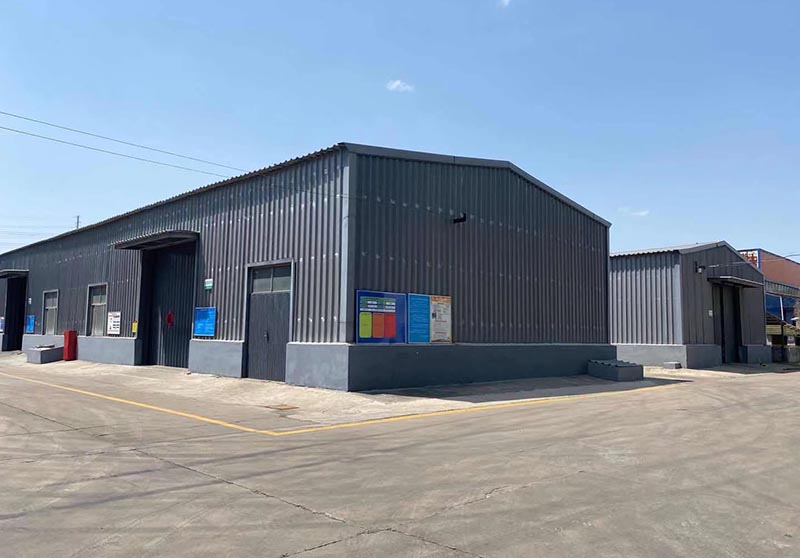
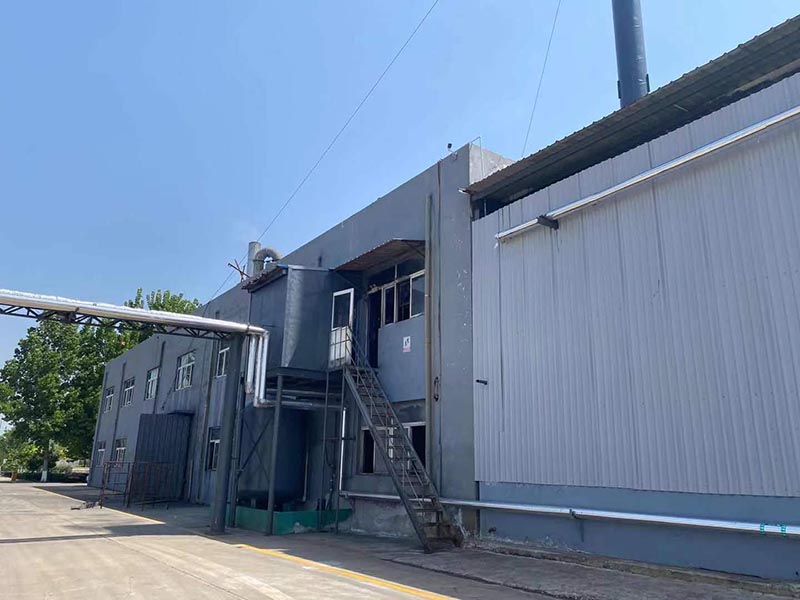
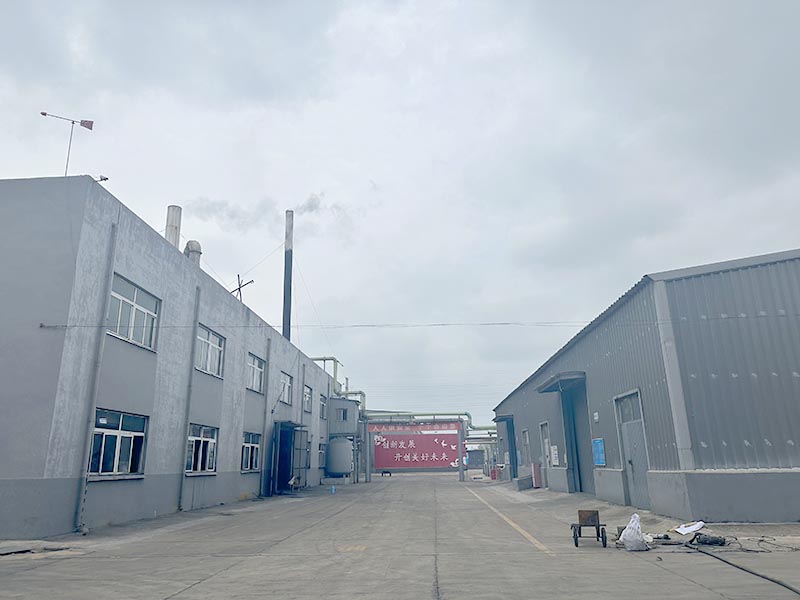
A look inside our dye production facilities, showing our storage capacity, logistics operations, and bulk shipping procedures.
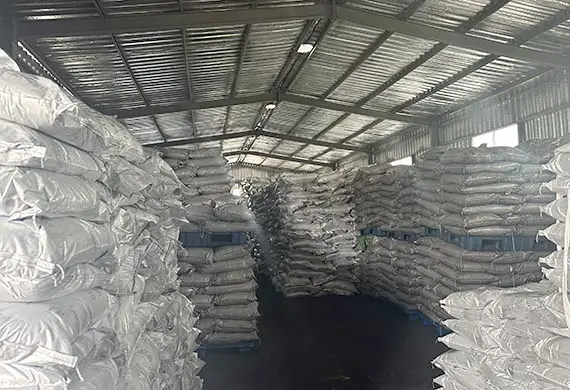
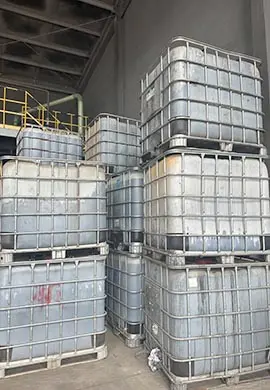
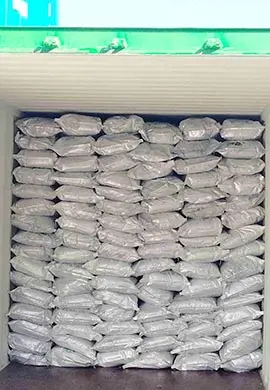

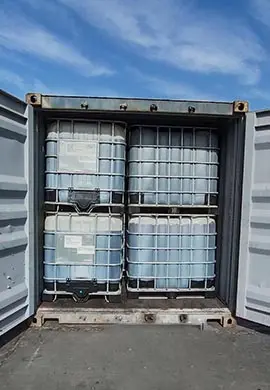
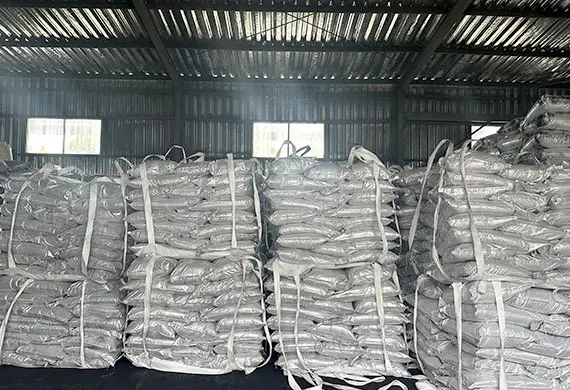
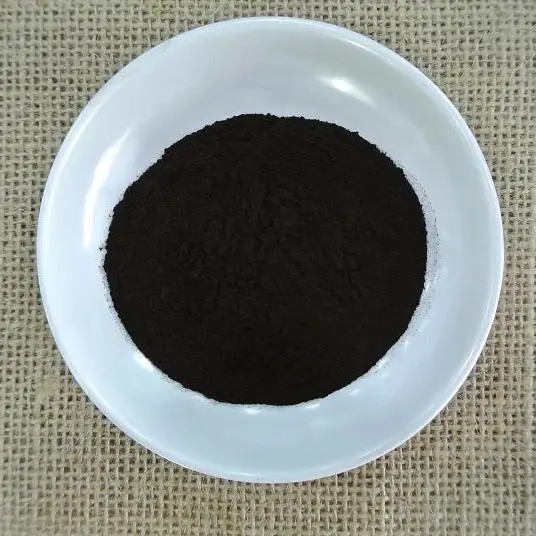
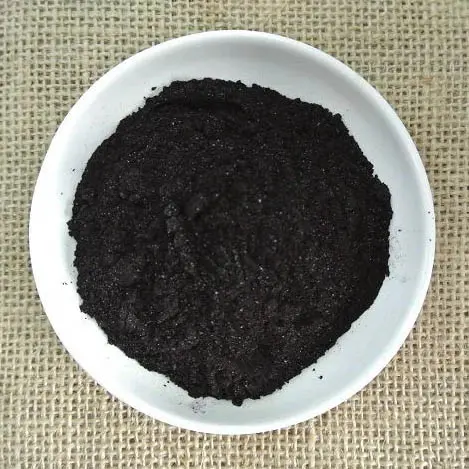
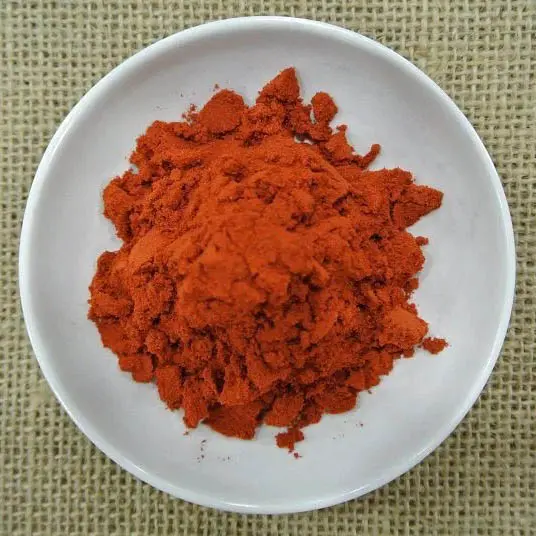
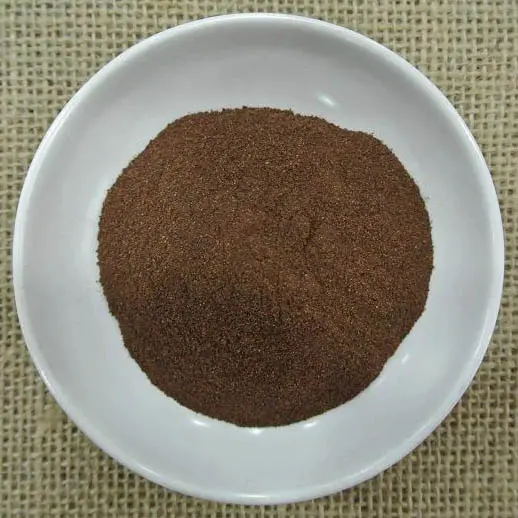
We supply a complete catalog of industrial colorants, formulated to deliver high dye purity and consistent performance under variable production conditions.
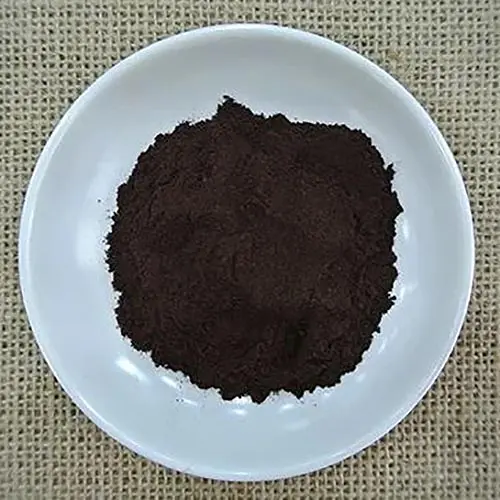
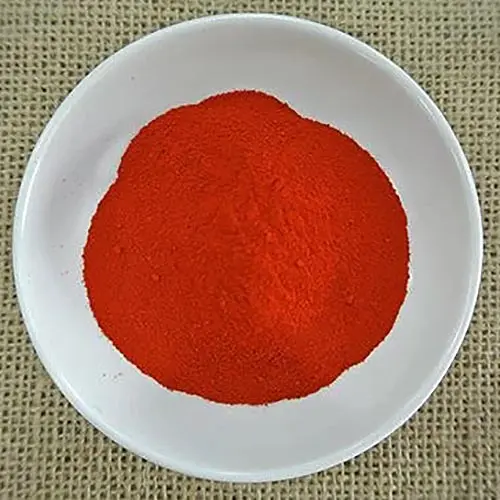
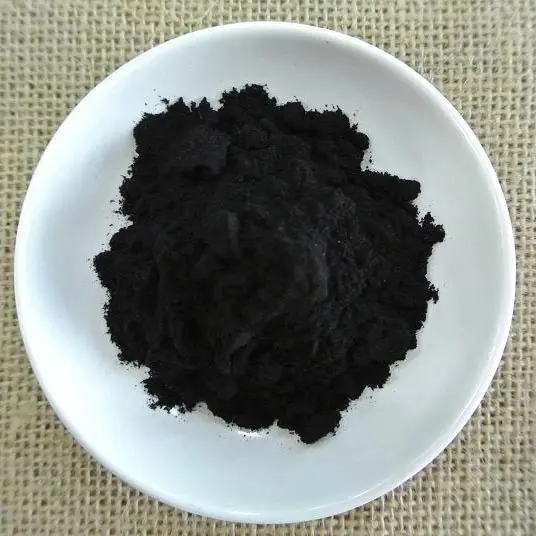
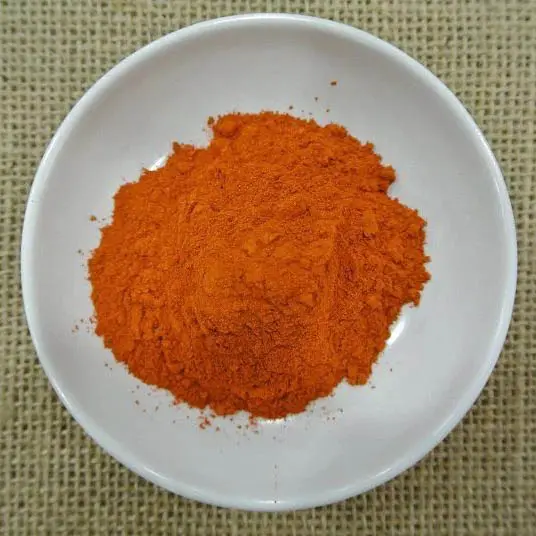
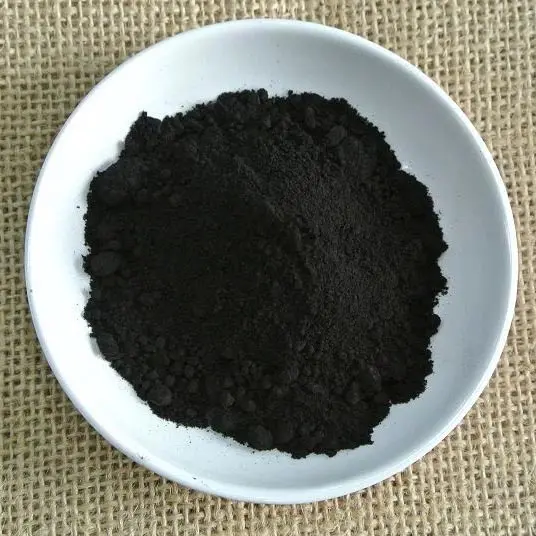
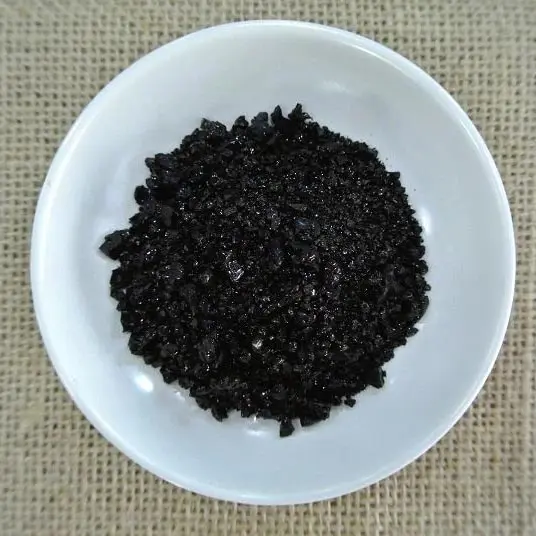
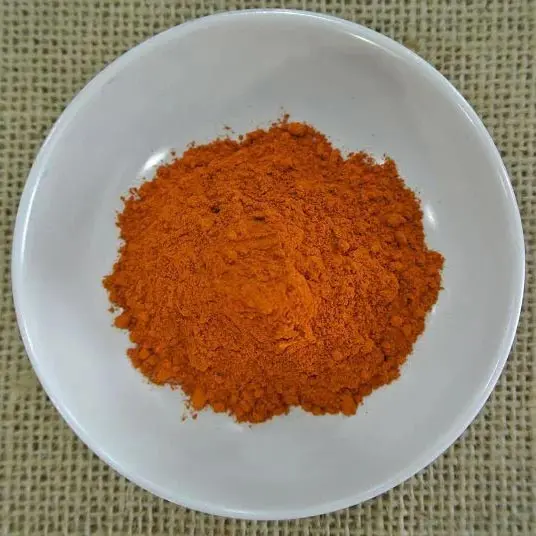
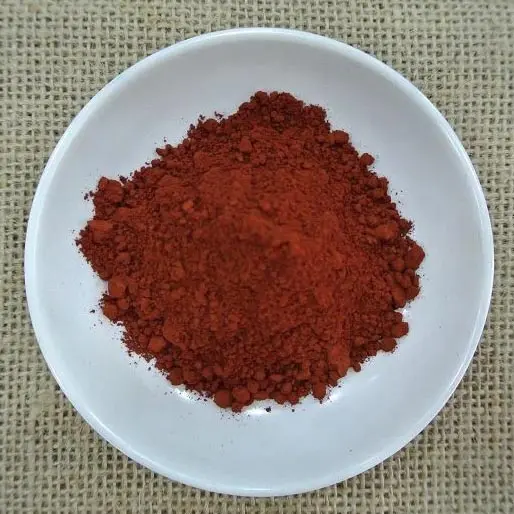
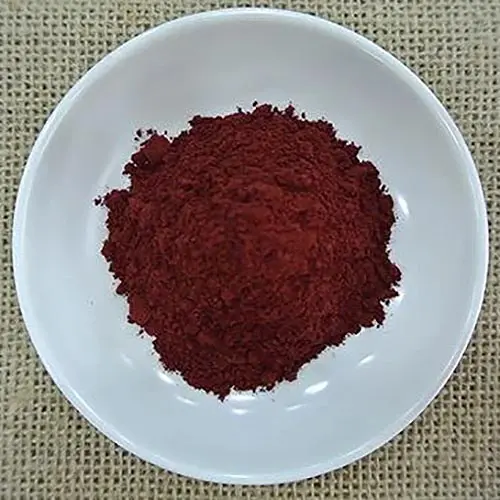
As a forward-looking OEM manufacturer, we invest in research and development to improve our production efficiency and dye performance. Our technical development roadmap centers on three key areas:
Ultra-Purity Molecular Screening: We are continuously upgrading our filtration and crystallizing lines. Our research aims to yield higher purity levels, reducing salt residues and secondary contaminants, which is especially critical for clinical and diagnostic testing applications.
Biodegradable Azo Substitutes: A major focus of our laboratory work is developing water-soluble direct dyes with lower ecological impact. By modifying dye structures to allow faster biodegradation without compromising shade consistency or textile fastness, we support global sustainability initiatives.
Wastewater Reduction Systems: We are implementing water-saving filtration systems within our synthesis loops. This helps minimize process water usage and allows the recycling of salt-heavy liquors, reducing raw material waste.
Answers to common chemical, logistical, and compliance questions about sourcing Congo Red from an OEM manufacturer.
Congo Red is classified as a benzidine-derived secondary diazo dye. It carries dual azo linkages that bind the central biphenyl structure to two flanking amino naphthalene sulfonic acid groups. This makes it highly anionic, water-soluble, and directly substantive to cellulosic substrates like cotton.
The color change is due to a structural transition in the dye molecule. In acidic environments (below pH 3.0), protonation of the azo nitrogen atoms occurs, leading to a resonance shift that turns the dye blue-violet. In neutral to alkaline solutions (above pH 5.2), the molecule is deprotonated, returning to its red-orange form.
We operate in accordance with ZDHC Level 3 and GOTS environmental standards. This involves rigorous raw material testing, restricting restricted substances, and utilizing advanced wastewater treatment to process discharge streams safely.
Yes. We offer customized formulations to meet specific application requirements. We can supply the dye in various container types, including standard drums, moisture-resistant bags, and cardboard boxes, tailored to your shipping and handling needs.
Each batch undergoes testing in our quality control laboratory. We use spectrophotometry and chromatography to measure color intensity, purity, solubility, and moisture content, verifying that the product meets the specifications of our OEM clients.
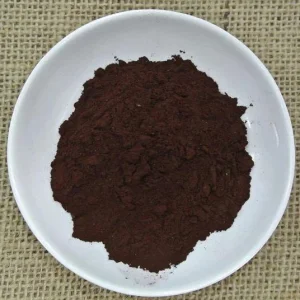
Our second series of premium dyes, formulated for applications in paper, plastics, wood coatings, and industrial textiles.
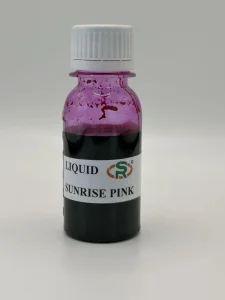
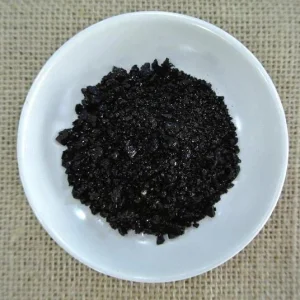
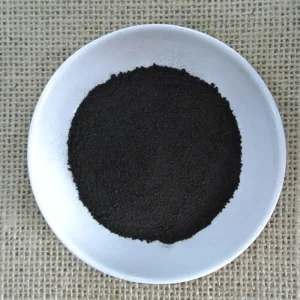
 Sunrise