Explore our highly-requested industrial dyes engineered for deep fiber penetration, consistent batch formulation, and superior color fastness properties.
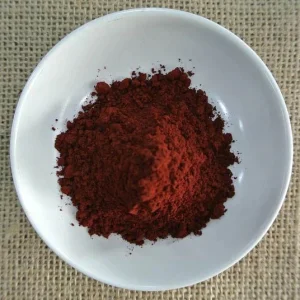
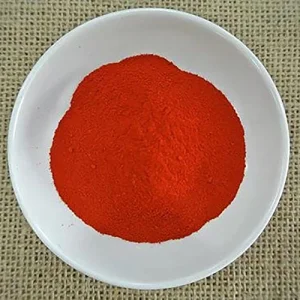
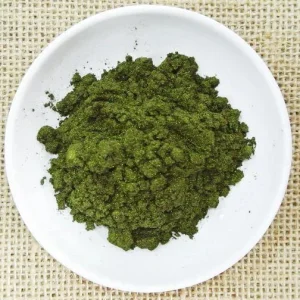
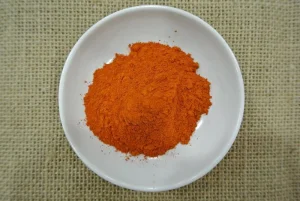
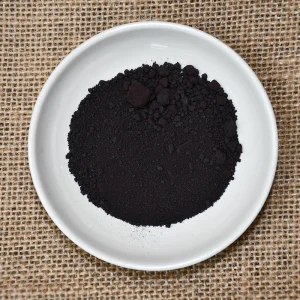
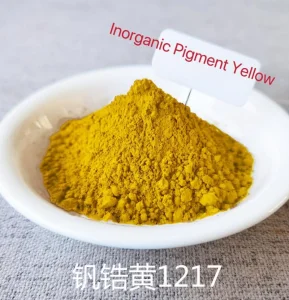
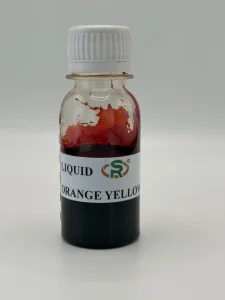
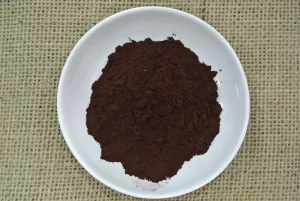
Deep-dive research on how molecular properties interact with nitrogenous fibers (wool, silk, polyamide) and driving factors in modern coloring industries.
Acid fabric dyes are anionic compounds containing water-solubilizing sulfonic acid salts ($-\text{SO}_3\text{Na}$) or other acidic functional groups that interact ionically with basic sites on protein and polyamide fibers. In the context of industrial textile dyeing, these dyes exhibit a strong affinity for fibers containing positively charged ammonium ions ($-\text{NH}_3^+$), which are typically formed under acidic conditions. Protein fibers such as cashmere, merino wool, and cultivated silk possess abundant amino groups ($-\text{NH}_2$), which protonate to $-\text{NH}_3^+$ when the dyeing bath pH is carefully titrated using buffer acids.
The chemical mechanism is based on salt link formation: the negatively charged sulfonate groups of the acid dye molecule form electrostatic bonds with these protonated terminal amino groups on the wool or nylon polymer chains. Beyond electrostatic attraction, secondary forces such as hydrogen bonding and van der Waals interactions play an essential role in keeping the dye molecules within the fiber matrix.
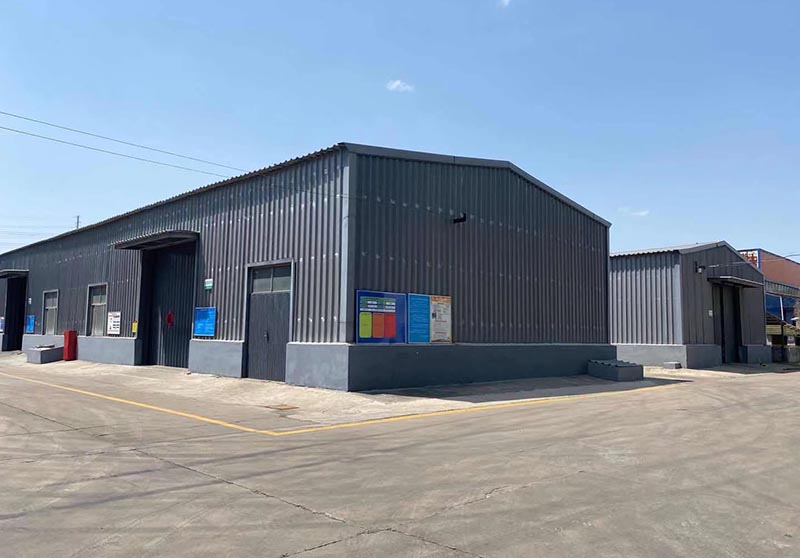
As a leading global OEM acid fabric dye manufacturer, Tianjin Sunrise Chem Group leverages advanced molecular engineering to fine-tune the particle size distribution, solubility, and exhaustion rates of our acid dye powder and liquid ranges. The modern market demands a strategic shift toward specialized chemical properties—such as leveling capacity, migration under high temperatures, and chemical resistance to oxidation—to meet the requirements of state-of-the-art jet and package dyeing equipment.
Analyzing key market drivers, performance benchmarks, and regulatory developments reshaping global supply chains.
International brands and retailers are setting strict fastness requirements for performance outdoor gear, swimsuits, and military-grade polyamides. The primary criteria include light fastness (under ISO 105-B02 specifications), wet scrubbing resistance, chlorinated water performance, and acid perspiration tolerance. Industrial wool processors demand specialized milling dyes that do not bleed during downstream felting and scouring operations.
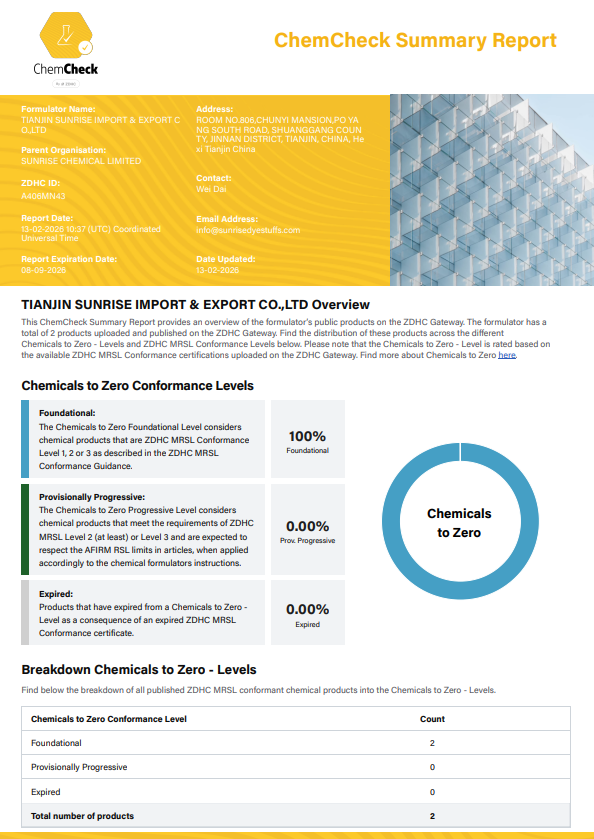
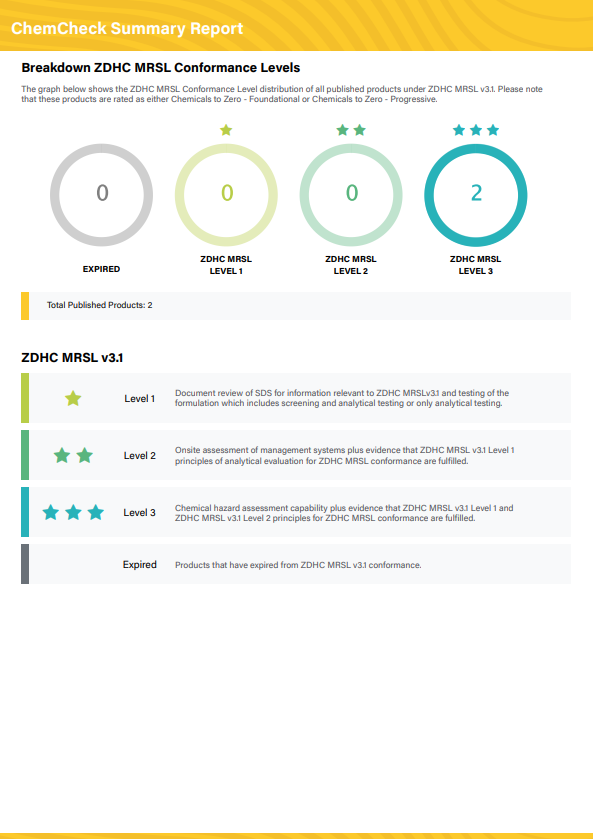
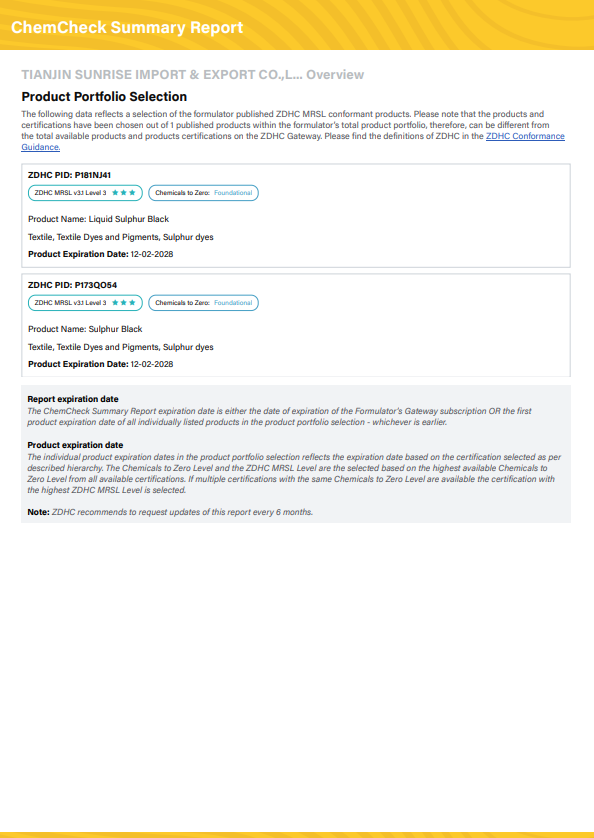
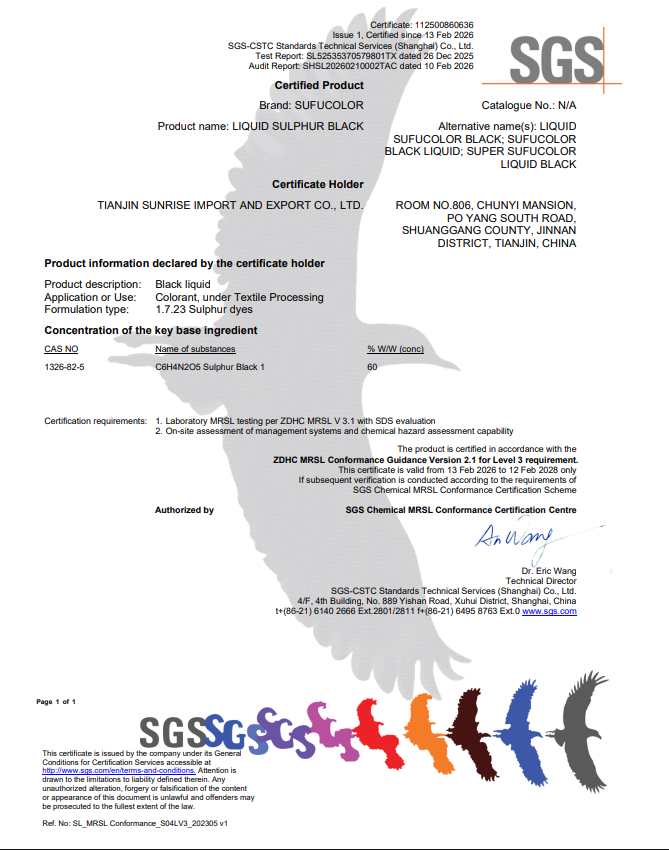
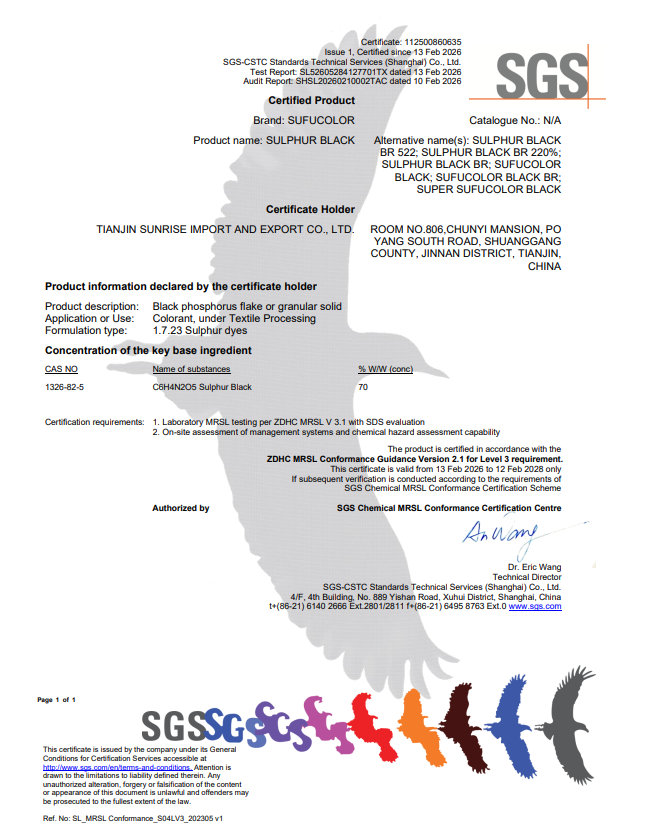
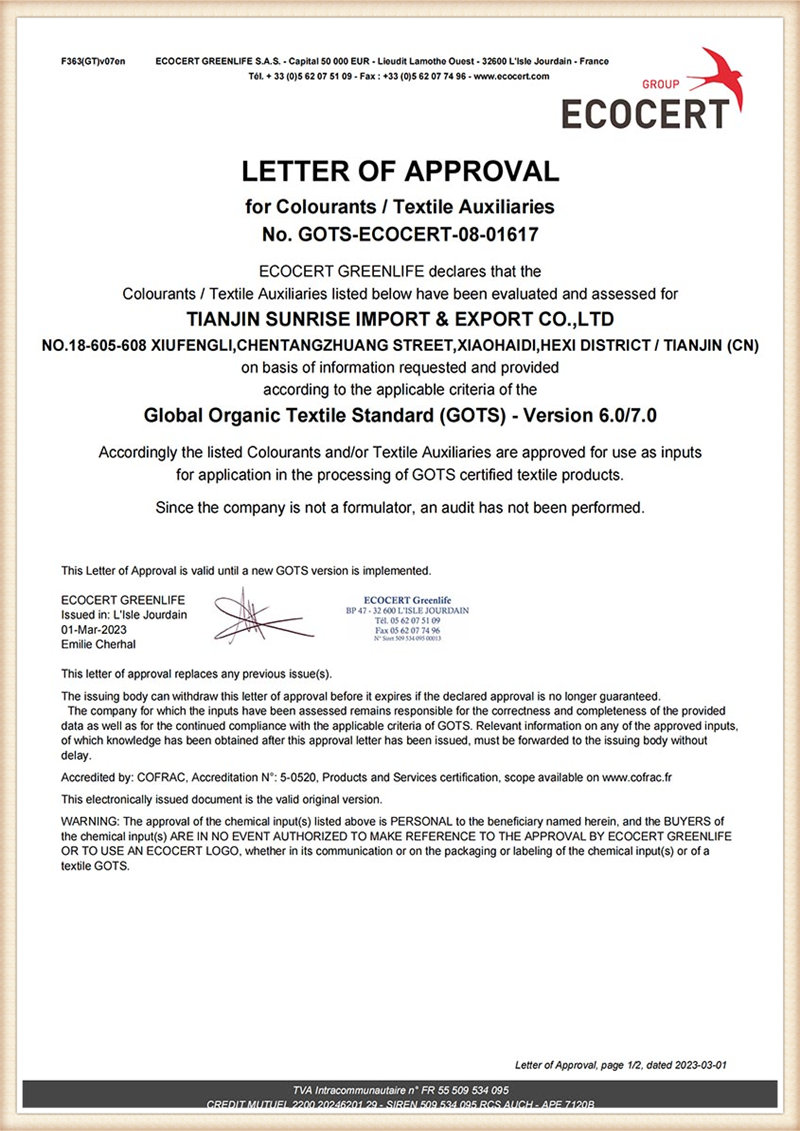
Modern chemical procurement is no longer driven solely by cost. Global environmental standards such as the Zero Discharge of Hazardous Chemicals (ZDHC) program and the Global Organic Textile Standard (GOTS) dictate raw materials. Sourcing agents must verify that products do not contain restricted substances, heavy metal residues, or free arylamines. Our ZDHC Level 3 and GOTS certifications guarantee that our materials meet strict guidelines, mitigating regulatory risks for importing textile mills.
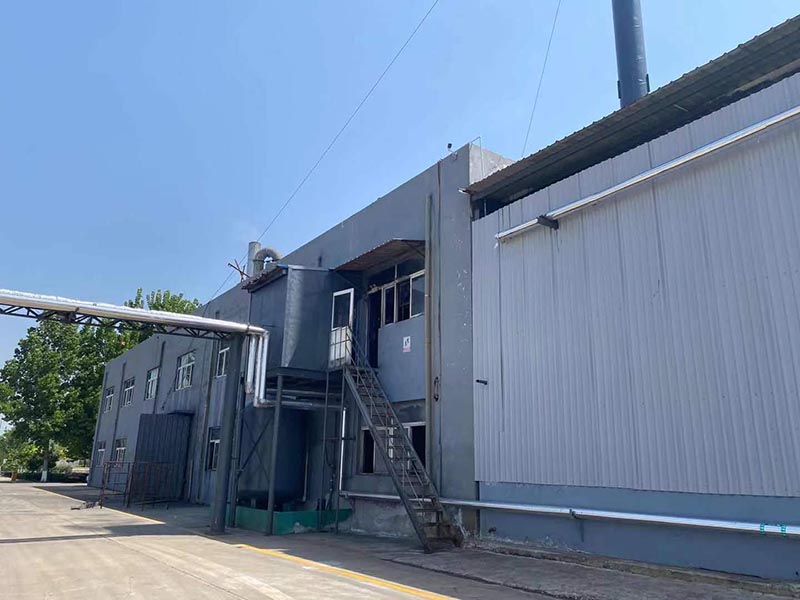
Tianjin Sunrise Chem Group remains at the forefront of this ecological transition. We have designed our synthesis lines to eliminate dangerous intermediaries, utilizing low-impact condensation processes and advanced purification steps to remove unreacted chemical components.
This focus ensures that our clients in denim finishing, technical garment coloration, papermaking, and leather processing can confidently run their operations without violating localized environmental laws or risking batch rejections at port customs.
How automation, raw material integration, and smart logistics establish Tianjin Sunrise Chem Group as a reliable global supply partner.
Our manufacturing plant leverages advanced process automation systems to monitor temperature, pH, pressure, and reaction progress in real-time, eliminating human error and ensuring batch-to-batch shade consistency.
By securing direct supplier relationships and producing key dye intermediates in-house, we shield our buyers from the market volatility and raw material spikes common in the chemical industry.
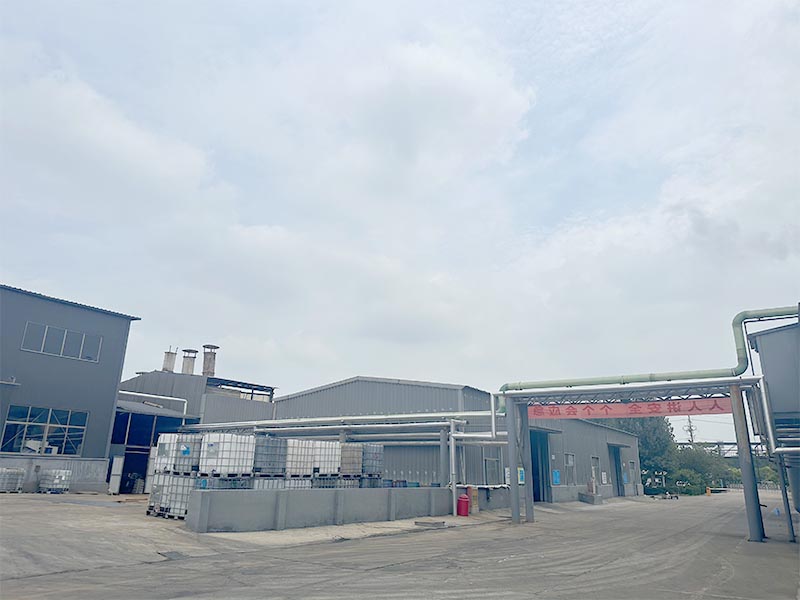
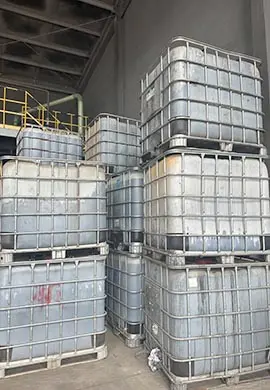
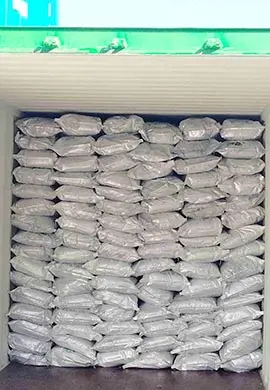
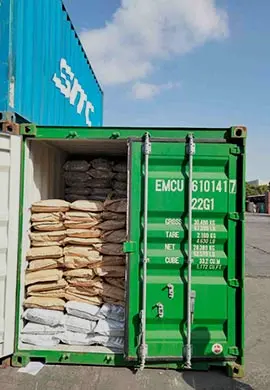
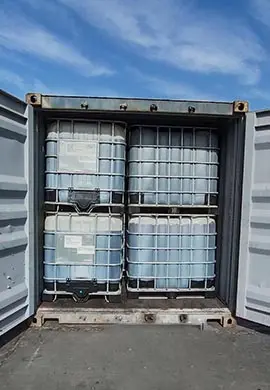
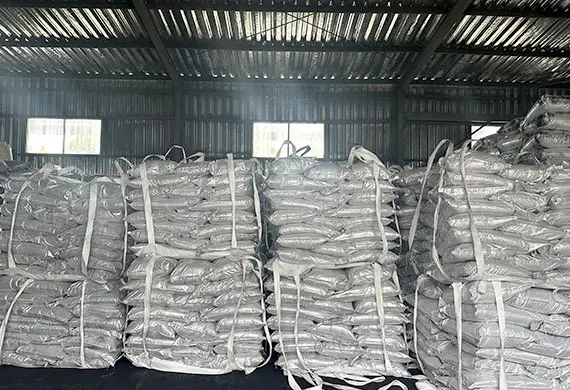
From custom anti-caking bags and iron drums to automated palletized container loading, we optimize shipping logistics to protect product integrity and ensure on-time delivery across North America, Europe, and Asia.
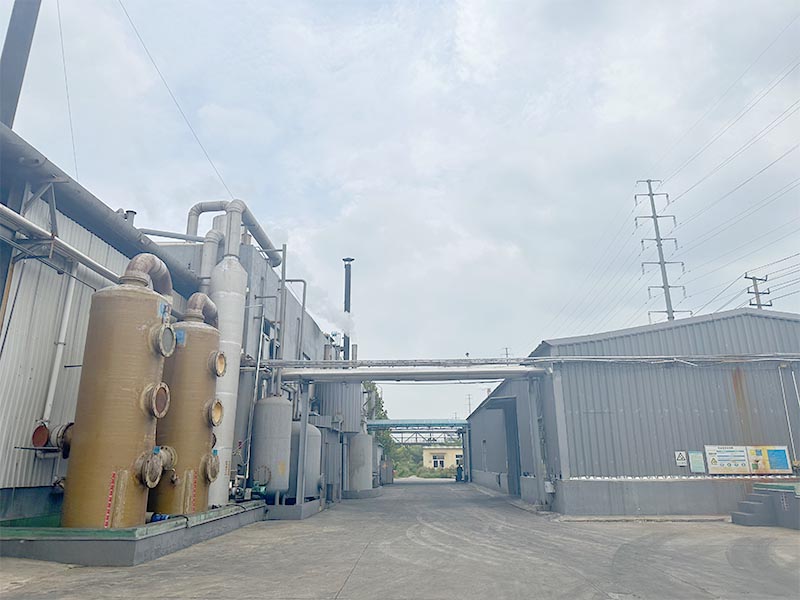
Cooperating with leading textile and paper mills globally for many years reflects the strength of our supply chain relationships. This long-term collaboration translates to predictable lead times, optimized raw material safety stocks, and shared technical support. Our factory is equipped with advanced automated spray-drying towers and mechanical milling equipment, ensuring consistent particle size, dust-free performance, and rapid cold-water solubility.
We recognize that supply chain resilience requires constant quality verification. Every batch is subjected to strict spectrophotometric evaluations, comparing shade intensity and color values against standard samples before dispatch. This systematic approach ensures that our customers receive consistent, high-performing dyes.
Practical execution details for applying acid and direct dyes across various fiber substrates and industrial settings.
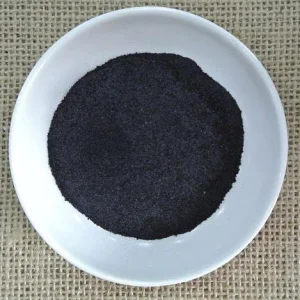
Nylon fibers possess terminal amine groups that act as dye sites, but their high crystallization limits dye penetration. This challenge requires precise temperature control and suitable leveling agents to ensure uniform results. Utilizing our optimized Acid Black ATT or Acid Orange 7 Powder allows mills to achieve level dyeing without striping or barre effects.
Silk and wool fibers are sensitive to high temperatures and alkaline pH, which can damage their natural hand feel. Sourcing agents choose our weakly acidic or neutral milling dyes to color these delicate fibers at moderate temperatures, protecting the fibers while achieving deep shades and excellent wash fastness.
For packaging and pulp-coloring applications, we supply highly soluble direct dyes, such as Direct Yellow 12 and liquid formulations. These dyes offer high affinity for cellulose fibers, resulting in clean wastewater effluents and reduced chemical consumption during processing.
A broad range of acid, solvent, and specialty dyes engineered to perform under demanding industrial conditions.
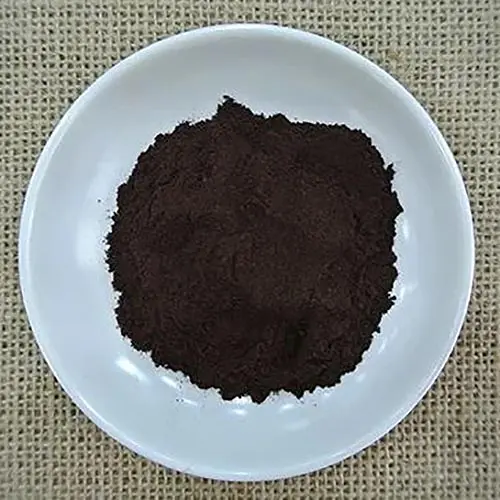
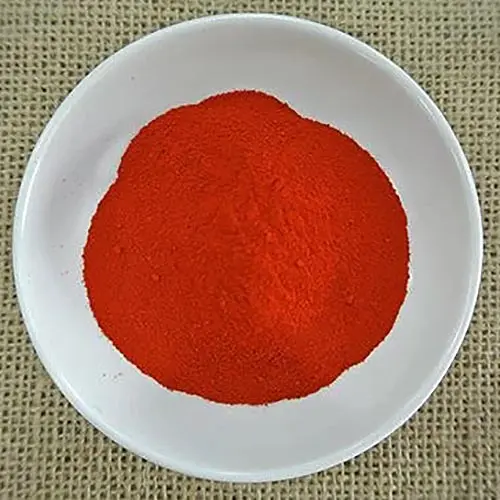
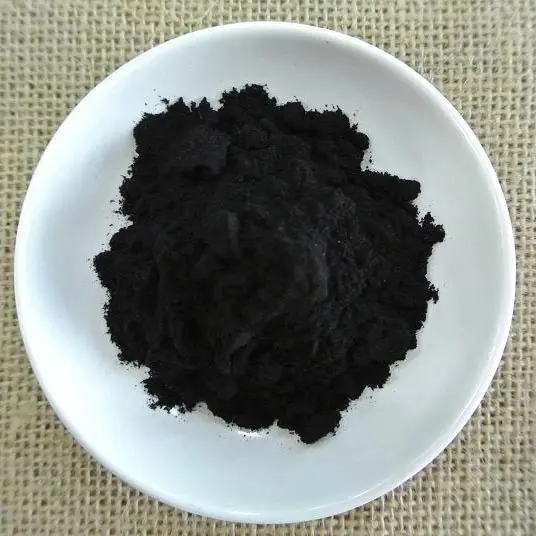
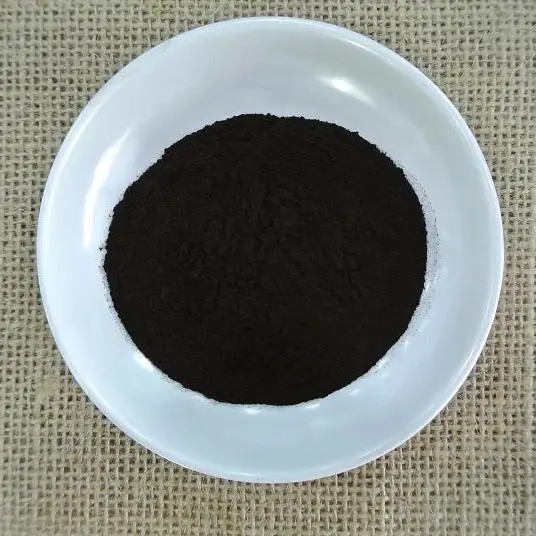
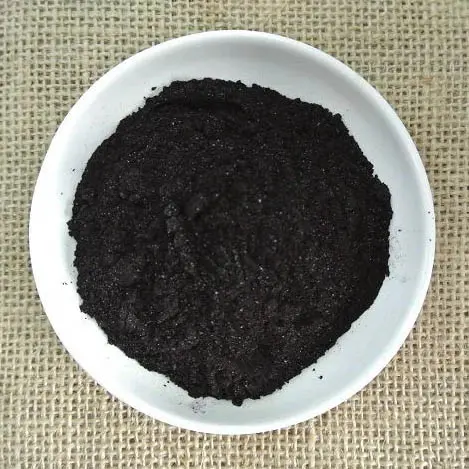
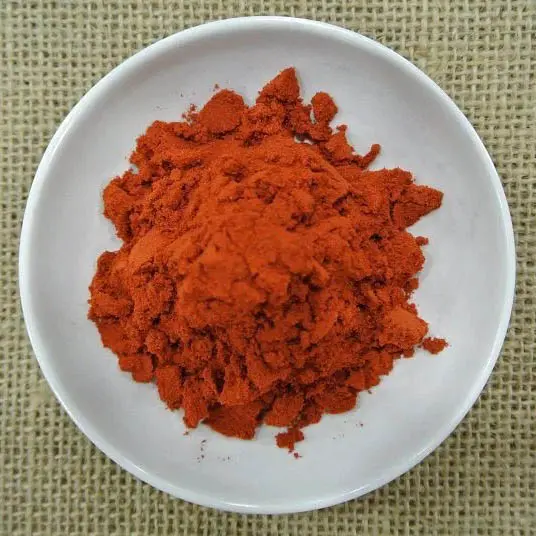
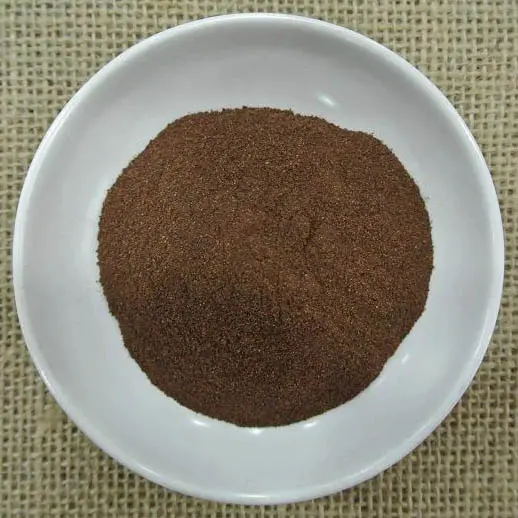
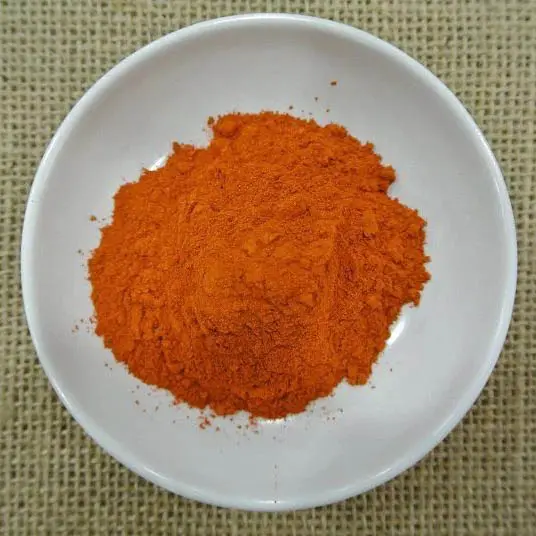
How ZDHC Level 3 and GOTS certifications support regulatory compliance and waste mitigation goals.
Environmental stewardship is central to our R&D efforts. We are dedicated to providing eco-friendly, high-quality colorants that support clean manufacturing and a sustainable textile sector. Achieving ZDHC Level 3 certification reflects our implementation of robust chemical management systems, meeting stringent standards for waste minimization and chemical safety.
Similarly, our Global Organic Textile Standard (GOTS) verification ensures the traceability of organic materials across the manufacturing process. These certifications mean our customers can confidently supply global markets, knowing their products meet modern environmental and safety benchmarks.
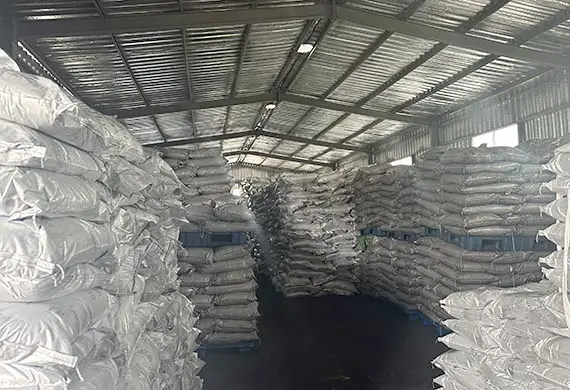
A look at our warehousing and high-volume export shipping procedures, delivering raw materials securely to global ports.

In-depth responses to technical questions from our global client network, including textile engineers and purchasing directors.
Acid dyes are anionic (negatively charged) structures. Under acidic conditions, the amine terminal groups ($-\text{NH}_2$) of polyamide (nylon) or protein (wool, silk) fibers protonate to form positively charged amine ions ($-\text{NH}_3^+$). Electrostatic attraction leads to salt linkages (ionic bonds) between the $-\text{SO}_3^-$ group of the dye molecule and the $-\text{NH}_3^+$ group of the fiber. These ionic bonds are supplemented by secondary hydrogen bonding and van der Waals forces, which secure the dye within the fiber matrix.
ZDHC (Zero Discharge of Hazardous Chemicals) Level 3 represents the highest level of chemical compliance. It verifies that our formulations are free from restricted substances, heavy metal residues, and alkylphenol ethoxylates (APEOs). This compliance helps import operations pass customs inspections and meet strict retail brand regulations in regions like Europe and North America.
Nylon's semi-crystalline structure can lead to uneven coloration if not managed properly. The key variables are pH and temperature: leveling dyes require an acidic start (pH 3.0-4.0) with a gradual temperature increase, while milling dyes perform better in weaker acid conditions (pH 5.0-6.0). Incorporating appropriate leveling agents slows the dye absorption rate, ensuring a uniform finish.
Yes. We offer custom shade matching, working to tolerances below Delta E 0.5. We also provide customized packing options, including anti-caking inner liners, moisture-resistant shrink packaging, and specialized drums.
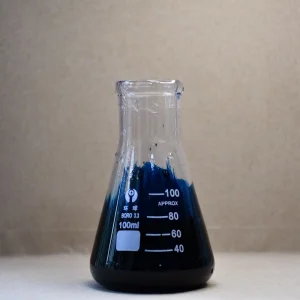
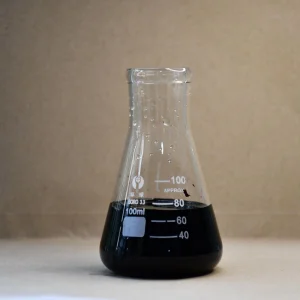
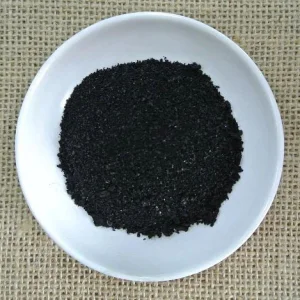
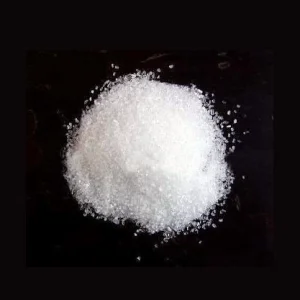
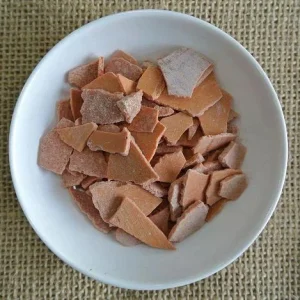
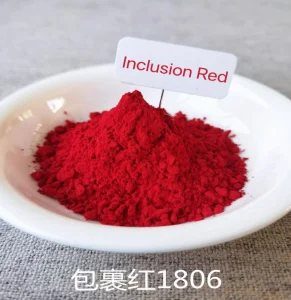
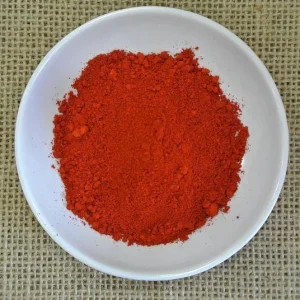
A selection of liquid and powder colorants designed for textile mills, paper manufacturers, and synthetic polymer processing.
 Sunrise