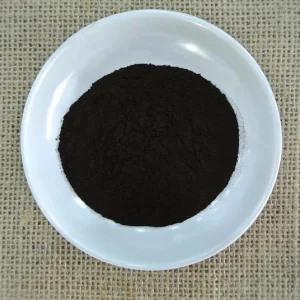
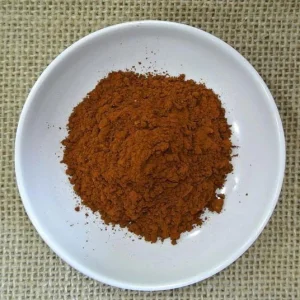
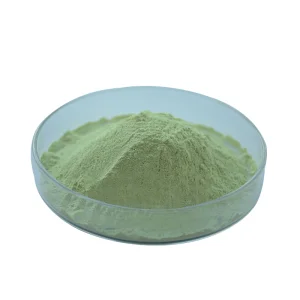
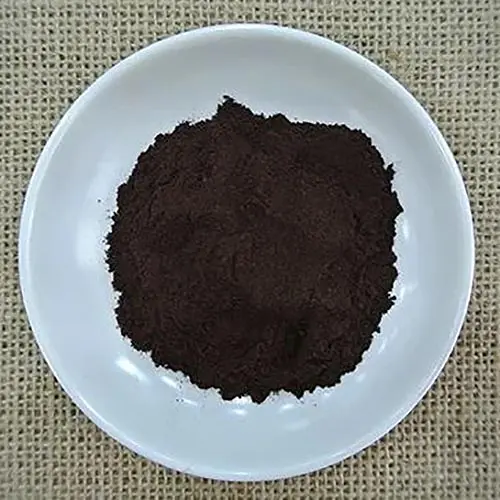
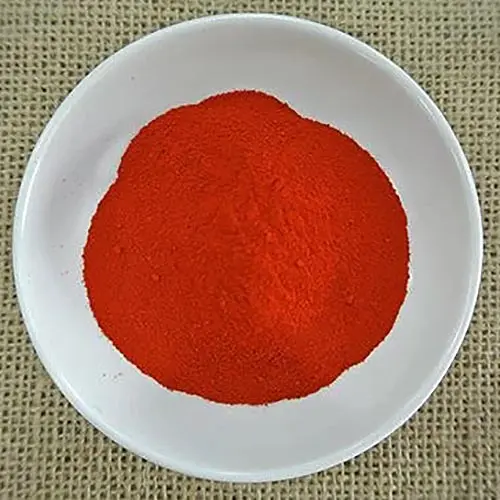
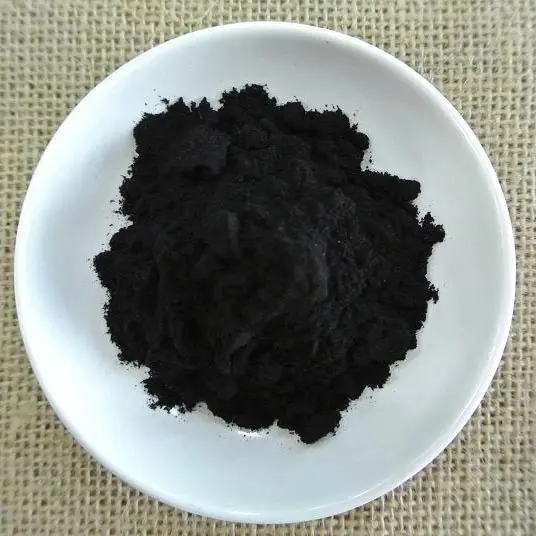
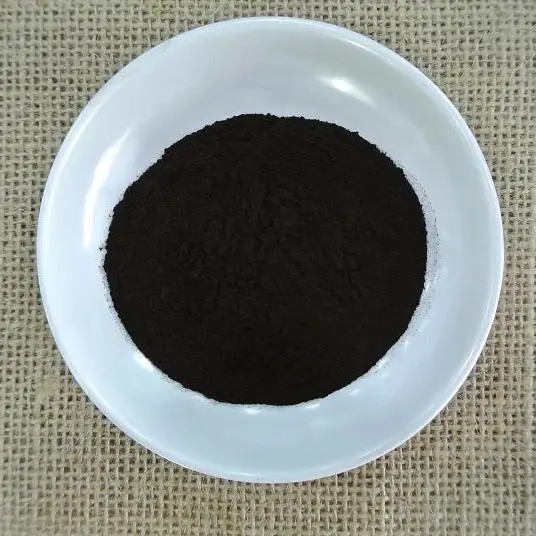
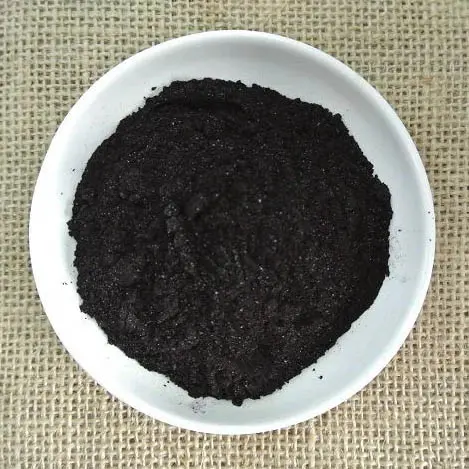
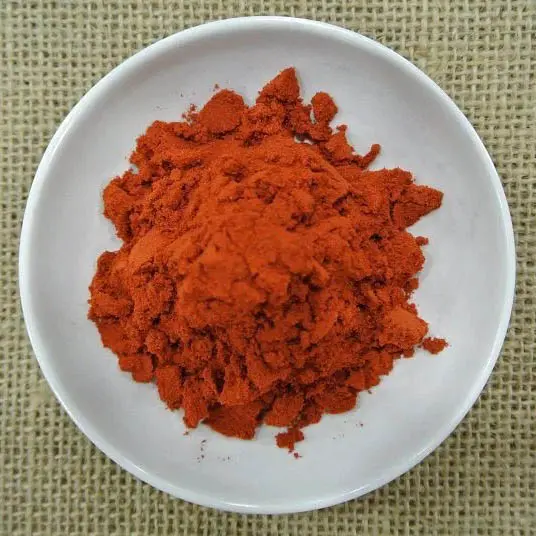
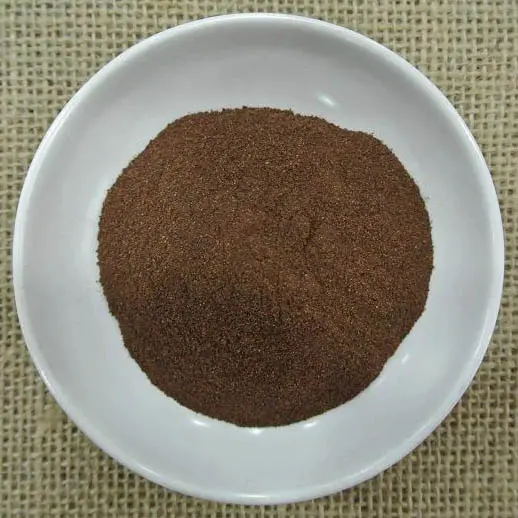
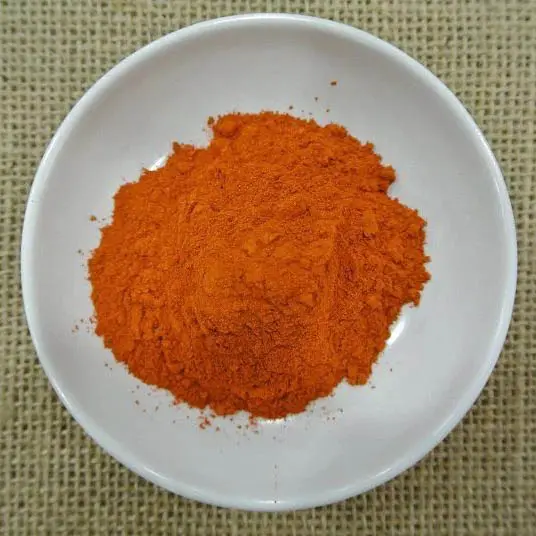
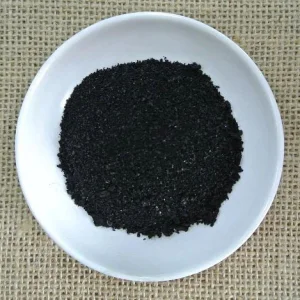
Premium quality dyestuffs engineered for industrial applications, paper, and textile manufacturing.
Sulfur dyes play a central, indispensable role in the global textile supply chain, particularly in the production of denim, heavy-duty cotton workwear, and dark-shaded cellulosic fibers. Since their introduction, sulfur dyes have offered an unmatched combination of wash and light fastness, chemical economy, and depth of shade—most notably in deep blacks, rich navy blues, and rugged olives. In the modern industrial era, the macro-economic narrative around these colorants has shifted. No longer is cost the sole metric of efficiency. Today's market demands an integrated chemical approach where high-yield synthesis must coexist with rigorous ecological standards.
Historically, the manufacturing of sulfur dyes relied on traditional thionation processes, which, while highly cost-effective, generated challenging by-products. The contemporary global chemical industry, led by forward-looking manufacturers like Tianjin Sunrise Chem Group, has redefined this production vector. Through catalytic modifications and purified raw materials, modern factories synthesize sulfur dyes with minimal free sulfur content, drastically reducing the environmental footprint at the source. This paradigm shift ensures that textile mills can deliver heavy-duty fabrics to fast-fashion brands and industrial giants alike, without violating local discharge norms.
Furthermore, as circular economy principles become mandated by international environmental accords, the macro-industry is migrating toward zero-liquid-discharge (ZLD) dyeing facilities. This requires sulfur dye formulations that are highly stable in solution, ensuring high exhaustion rates and minimal wash-off loss. For textile designers and brand compliance officers, selecting a certified sulfur dye manufacturer is the primary step in securing their supply chain against regulatory disruptions.
How high-quality sulfur dye production bridges the gap between mechanical requirements and chemical excellence.
Our state-of-the-art facilities utilize computerized thionation reactors. This ensures highly controlled sulfurization of aromatic intermediates, resulting in dyes with exceptionally consistent molecular weight distribution and color tone replication.
Adhering to ZDHC Level 3 and GOTS frameworks. We eliminate hazardous chemical inputs prior to manufacture, giving textile mills the assurance that their end products meet the strictest brand guidelines and global consumer safety laws.
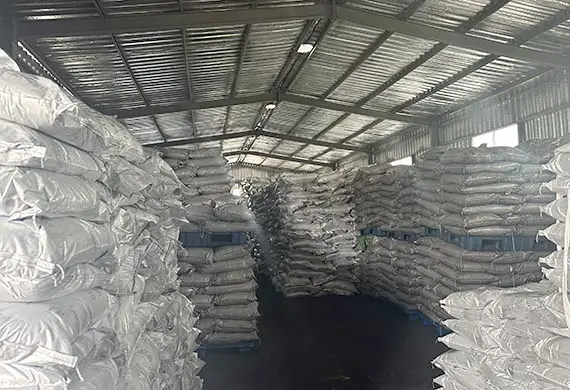
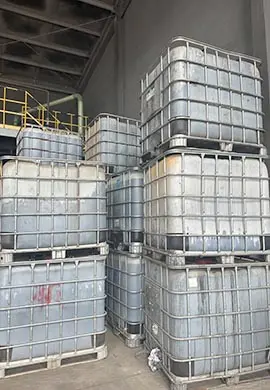
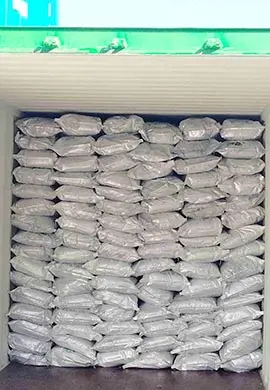
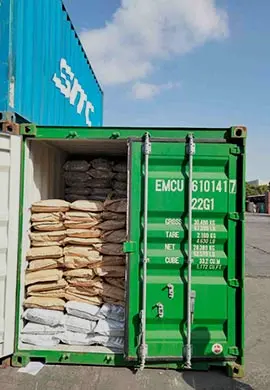
With dedicated container loading operations, port-adjacent warehouses, and localized distribution networks, we guarantee steady chemical supply lines even amid volatile global shipping landscapes.
The global commerce of sulfur colorants is tied directly to the scale of denim manufacture, which currently represents over 4 billion garments produced annually. China, India, and Turkey remain the primary epicenters of consumption, while manufacturing hubs in Southeast Asia (such as Vietnam, Bangladesh, and Indonesia) and Central America are witnessing rapid adoption curves. The shift is heavily influenced by the consolidation of environmental policies in major manufacturing hubs. Production facilities that fail to modernize their wastewater treatment or do not comply with local emission caps are facing closure, shifting market demand to reliable partners with clean records and strong financial backing.
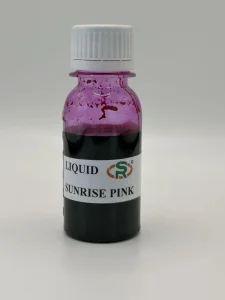
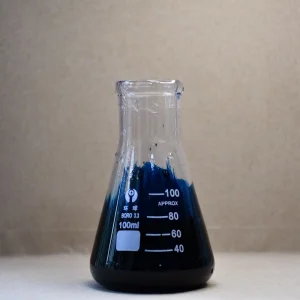
Commercially, liquid sulfur dyes are gaining rapid traction against traditional powder versions. While powder dyes remain popular in regions with less automated equipment due to lower initial purchase costs, liquid sulfur dyes offer superior handling, elimination of dusting hazards in the dyehouse, and precise automated dosing. This reduces worker exposure to chemical particulates and leads to much more consistent batch-to-batch coloration, significantly reducing the rate of re-dyeing and material waste.
The industrial pricing of sulfur dyes is subject to raw material fluctuations—especially sulfur, sodium sulfide, and aromatic intermediates like dinitrochlorobenzene (DNCB). As environmental compliance cost rises, small-scale, unregulated manufacturers are exiting the market, causing a consolidation toward large-scale, vertically integrated chemical enterprises. This integration is vital for ensuring long-term pricing predictability and supply security for multinational brands.
Years Industry Experience
ZDHC Certification Status
Pre-Shipment Tested Batches
Countries Supplied Globally
Tianjin Sunrise Chem Group specializes in manufacturing high-quality dyestuffs. Including Direct dyes, Acid dyes, Basic dyes, Sulphur dyes, Solvent dyes, Liquid dyes and Fluorescent dyes.
Backed by decades of industry and export experience, we have built a reputation for reliability and excellence, serving clients from diverse sectors including denim, textile, leather, paper and plastic.
We always highly focus on the goods quality and stability. Each shipment has been tested before sending to the port. ZDHC level 3 and GOTS certificate makes your quality guaranteed.
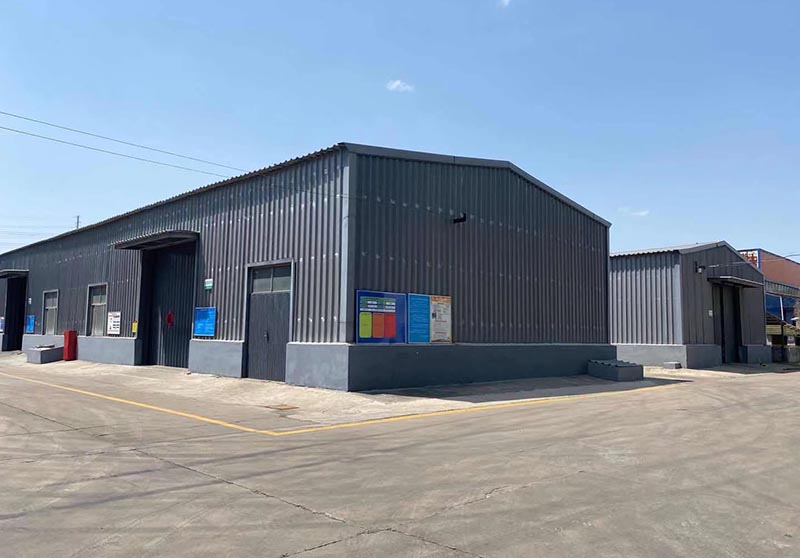
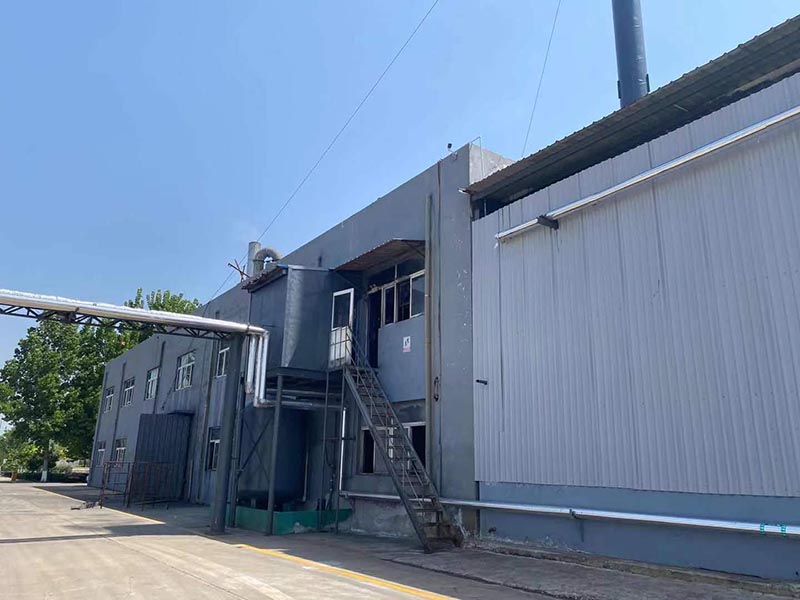
Cooperating with textile and paper mills for many years shows that the factory has established a strong and reliable business relationship. This kind of long-term collaboration can bring numerous benefits, such as consistent orders, shared resources, and mutual support. It also indicates that the factory has a good track record of delivering quality products and meeting the needs of its partners. Our mission is to drive business growth by providing reliable and customized products. Our goal is to make a significant contribution to our customers' success by consistently delivering first-class products and exceptional customer service. By building lasting partnerships, we strive to be a catalyst for our clients' success.
We pride ourselves on offering customized solutions. Our team of experts works closely with clients to understand their unique needs and delivers tailored products and services. We actively seek strategic partnerships to expand our reach and enhance our offerings. Collaborate with us to explore mutual growth opportunities.
Environmental protection is the cornerstone of our innovation. We dedicate ourselves to provide clients with eco-friendly, high-quality colorants that balance productivity with environmental harmony, driving the industry towards a more sustainable development path while delivering high-performance products—for a greener textile industry and a sustainable future.
With years of experience, we have successfully established strong partnerships in many countries. Our dedication to meeting global demands and exceeding customer expectations has earned us a reputation as a reliable supplier worldwide. If you are looking for reliable, high-quality Dyes, we invite you to choose us as your trusted partner.
In the chemical trade, physical proximity, local warehouse storage, and immediate technical support are just as crucial as the formulation itself. Multinational textile corporations cannot afford downtime caused by delays in customs clearances or batch variations that halt their dye-houses. We offer specialized localization support designed to bridge logistical gaps. By establishing local safety stocks and collaborating with local chemical distribution partners, we ensure just-in-time delivery for textile mills across key production corridors.
Compliance is a critical pillar of modern supply chains. The textile sector faces pressure from both non-governmental organizations (NGOs) and state regulators to eliminate harmful substances from finished garments. Our compliance guarantees focus on two key international certifications:
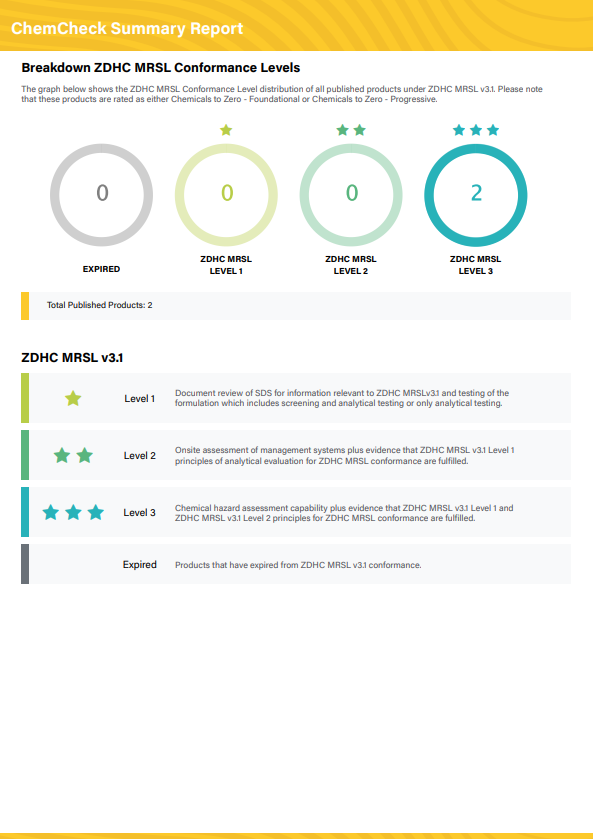
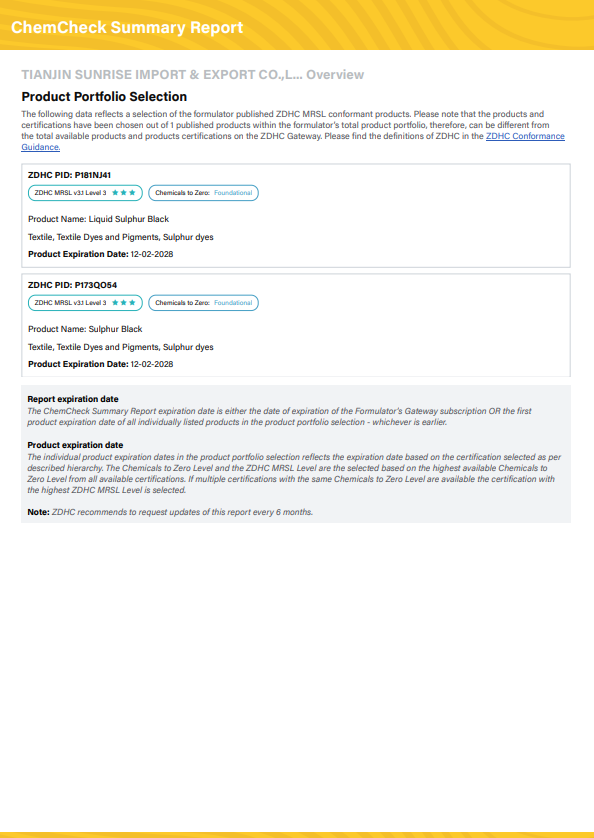
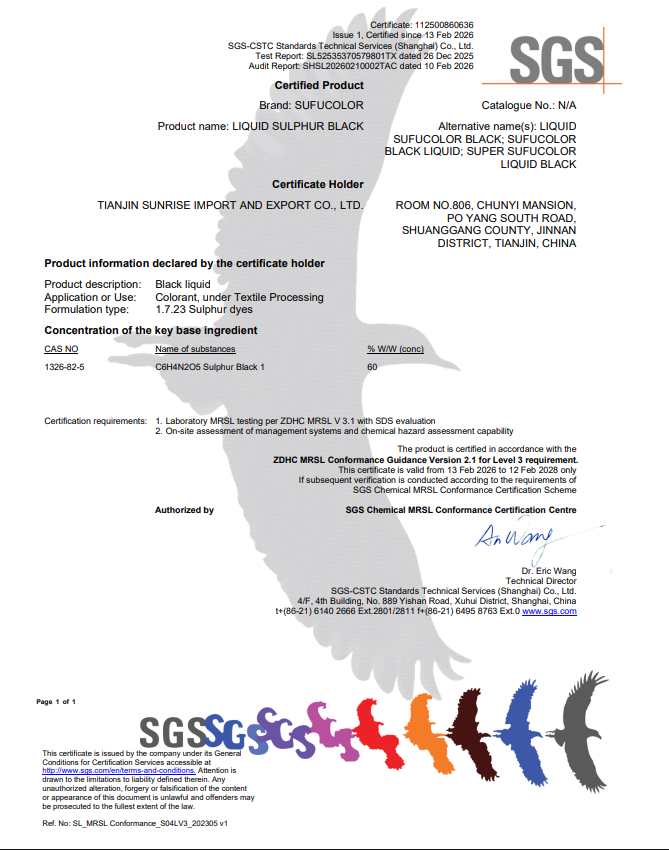
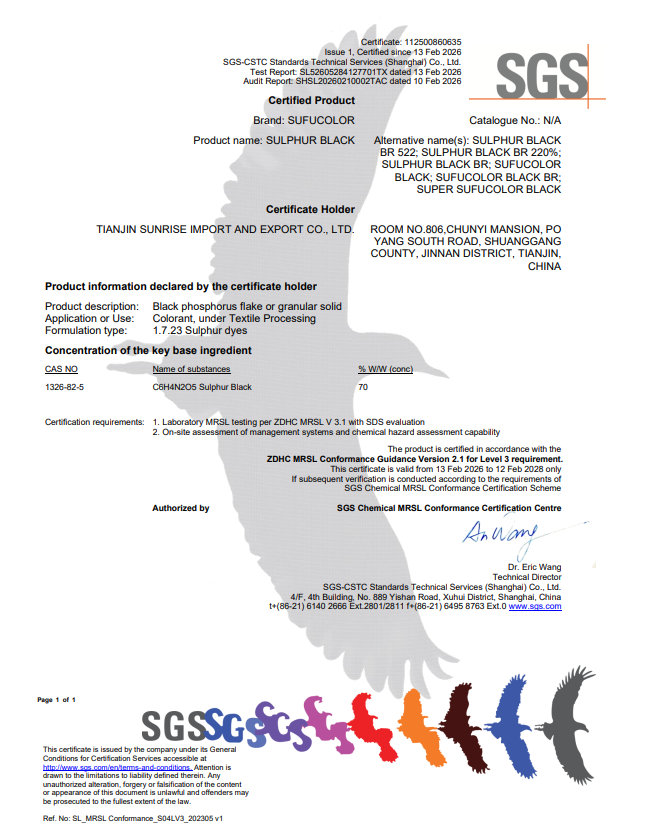
Zero Discharge of Hazardous Chemicals (ZDHC) Level 3 represents the highest level of trust in the textile supply chain. This certification confirms that our formulations do not contain banned substances listed in the ZDHC Manufacturing Restricted Substances List (MRSL). This verification involves chemical testing combined with on-site factory audits of our manufacturing plants.
GOTS is the gold standard for organic fiber textiles, encompassing ecological and social criteria throughout the manufacturing chain. Our certified colorants are approved for use in GOTS-compliant organic processing, giving our customers the paperwork and chemical validation needed to export to eco-conscious Western markets.
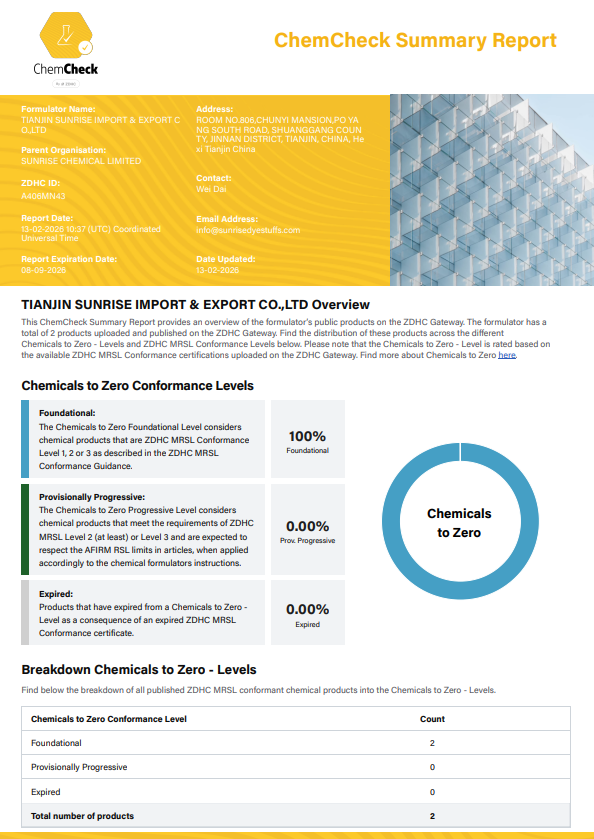
We not only produce and export dyes and pigments but also prioritize long-term cooperation with our customers, providing them with quality services that exceed their expectations. Our experienced technicians carefully monitor the manufacturing process, ensuring that each batch of dyes is carefully tested for color fastness, durability, and other essential parameters. By choosing us, you can rest assured that your products will stand out in the market due to the vibrant and long-lasting color our dyes provide.
Understanding how a chemical performs on the factory floor is what distinguishes an expert manufacturer from a simple trading entity. The behavior of sulfur dyes changes based on the equipment, local water hardness, local climate, and substrate types. Below are the primary localized application scenarios where our sulfur dyes offer superior performance:
In regions like Turkey, Mexico, and India, warp rope dyeing is the standard for premium denim. The yarn is gathered into ropes and fed through multiple dip-and-air oxidation vats. Here, the penetration of our Sulphur Black and Sulphur Blue dyes into the cotton core is carefully controlled to achieve a deep surface color while leaving the core white. This core-shell structure is crucial for downstream garment washing processes, enabling beautiful, vintage wash-down effects.
For high-volume, cost-sensitive markets, slasher dyeing processes yarn in sheet form. Our pre-reduced liquid sulfur dyes are ideal here, providing consistent leveling across the entire width of the slasher beam and reducing the risk of side-center-side shade variation, which remains a common issue with lower-grade dyes.
For knitwear and heavy canvas workwear, exhaust dyeing in jet or package machines is common. The sulfur dye must display good solubility and moderate affinity to prevent uneven dye take-up. Our specialized stabilizing agents maintain the dye in its soluble leuco state throughout the heating cycle, ensuring uniform shades even on complex, multi-layered garments.
In paper manufacturing, direct and liquid dyes are applied to packaging boards and industrial paper products. High solubility and affinity for unbleached kraft pulp are required to ensure no color bleeding occurs in the packaging, even when exposed to humid storage environments.
Insight into our raw material warehousing, loading, and global shipping capabilities.
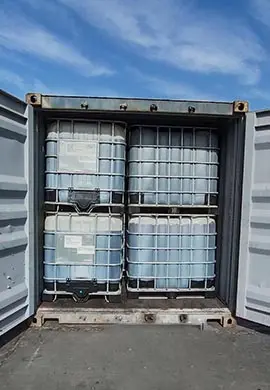
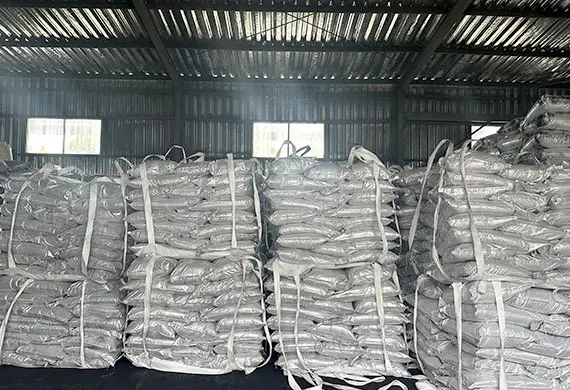
As the regulatory landscape tightens, the technical evolution of sulfur dyes must adapt. Over the next decade, the industry is projected to undergo key transitions focused on circular chemistry, high-efficiency application systems, and smart factory integrations:
The elimination of sodium sulfide is the industry's ultimate goal. Currently, many mills use glucose-based or hydroxyacetone-based reducing systems, but these are more expensive and require longer reduction cycles. Our research laboratory is developing organic, plant-derived, non-toxic reducing agents that mimic the reduction potential of sulfides without generating harmful salts in wastewater. This technology will allow mills to process sulfur dyes in standard effluent treatment systems without specialized upgrades.
By shipping dyes in their pre-reduced leuco state, we eliminate the need for reduction agents in the dye-bath altogether. The technical roadmap focuses on increasing the storage stability of these liquid colorants. Next-generation pre-reduced liquids will feature active shelf-lives of over 12 months with zero crystallization, even when subjected to cold winters during transport.
Future textile mills will utilize closed-loop systems where the wash-off water is filtered using ultrafiltration membranes, capturing unused sulfur dyes and recycling them directly back into the feed tank. We design our dye molecules to withstand continuous thermal and mechanical stress, enabling multiple recycle loops without shade degradation.
A diverse selection of acid, sulfur, and organic dyes formulated for leather, silk, wool, and paper coloring.
Detailed answers to common technical and commercial inquiries regarding our sulfur dyes and manufacturing standards.
Powder sulfur dyes must be dissolved and reduced using sodium sulfide at high temperatures before they can penetrate cellulosic fibers. This manual handling can create chemical dust and requires skilled labor to maintain consistent dye baths. Liquid sulfur dyes, particularly pre-reduced variations, are already dissolved in their active leuco state. They offer dust-free handling, work well with automated dosing systems, and generally contain lower quantities of free sulfides, simplifying wastewater management.
ZDHC Level 3 certification is the highest level of assurance within the Zero Discharge of Hazardous Chemicals framework. It verifies that the chemical formulation does not contain intentionally added restricted substances. For international brands and mills, sourcing from a ZDHC Level 3 certified manufacturer like Tianjin Sunrise Chem Group ensures that finished textiles will pass strict import regulations, avoiding costly product recalls and brand reputation issues.
Sulfur dyes, especially Sulphur Black 1, offer a deep, rich shade at a very economical cost compared to reactive or vat dyes. More importantly, they exhibit unique "wash-down" characteristics. Because the dye is concentrated on the surface of the cotton fiber (ring-dyeing), subsequent industrial washing steps (like stonewashing, enzymatic treatment, or laser fading) can remove the surface color while keeping the white core intact. This creates the classic, high-contrast distressed denim look.
Our liquid dyes have a typical shelf life of 12 months when stored in sealed containers under cool, dry conditions, away from direct sunlight. It is recommended to maintain storage temperatures between 5°C and 35°C. Extreme cold can cause crystallization, while excessive heat can reduce stability. We formulate our liquid dyes with stabilizer additives to prevent sedimentation during transit and storage.
Every single batch of dyestuff undergoes rigorous laboratory testing before leaving our facility. We test for parameter values including color strength, shade deviation, particle size distribution, and solubility. Pre-shipment samples are retained for reference, and we provide a Certificate of Analysis (COA) with each delivery. This testing ensures that our clients receive consistent color performance across every batch.
Explore our range of dyes, brighteners, and pigments tailored for global industries.
 Sunrise