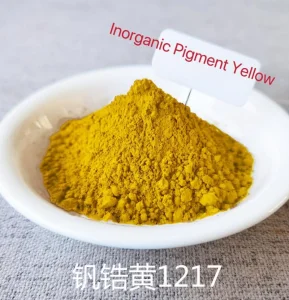
High-performance synthetic, metallic, and organic pigment profiles optimized for stability, high thermal tolerance, and premium visual depth.
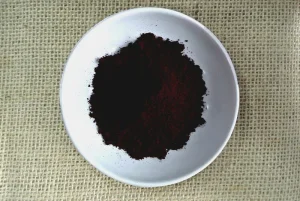
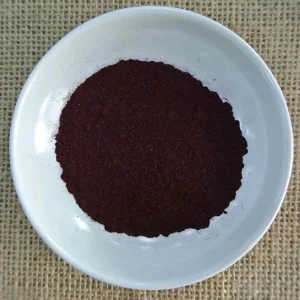
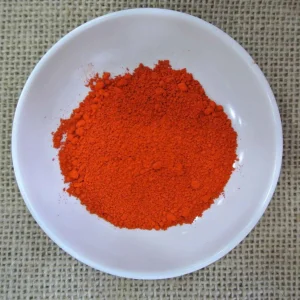
Operating at the intersection of advanced organic chemistry and global industrial coloration, Tianjin Sunrise Chem Group has established itself as an elite pioneer in the formulation, synthesis, and distribution of high-performance dyestuffs. We specialize in producing an extensive matrix of color systems, including Direct Dyes, Acid Dyes, Basic Dyes, Sulphur Dyes, Solvent Dyes, Liquid Dyes, and Fluorescent Dyes.
With decades of practical industry experience and rigorous compliance protocols, we serve a multifaceted global clientele spanning the textile, denim, leather, paper, plastic, and specialty incense manufacturing industries. Our commitment to quality control is absolute: every single shipment undergoes strict testing in our analytical laboratories prior to dispatch, ensuring absolute batch consistency and compliance with demanding international parameters.
Exploring the physical and chemical requirements of pigment design in thermochemical environments.
Manufacturing colorants specifically for incense applications requires a deep understanding of organic chemistry, combustion dynamics, and regulatory compliance. Unlike traditional textile dyes that remain stable at ambient temperatures, incense colorants must withstand rapid thermal shifts during production and storage, and burn cleanly without releasing harmful chemical compounds.
During the burning process, the tip of an incense stick reaches temperatures between 200°C and 700°C. In this thermal zone, the colorant must decompose into benign, non-toxic products or remain bound within the ash without altering the fragrance profile or emitting hazardous volatile organic compounds (VOCs). Traditional dyes can produce toxic compounds like benzene derivatives or heavy metal residues if they are not carefully formulated.
Our incense dyes are formulated to withstand drying processes up to 120°C and remain stable during storage, preventing color fading, sublimation, or shifting when exposed to moisture and heat.
We ensure that our colorants burn completely without leaving black soot, toxic smoke, or carbon blockages that could extinguish the slow-burning ember of the incense stick.
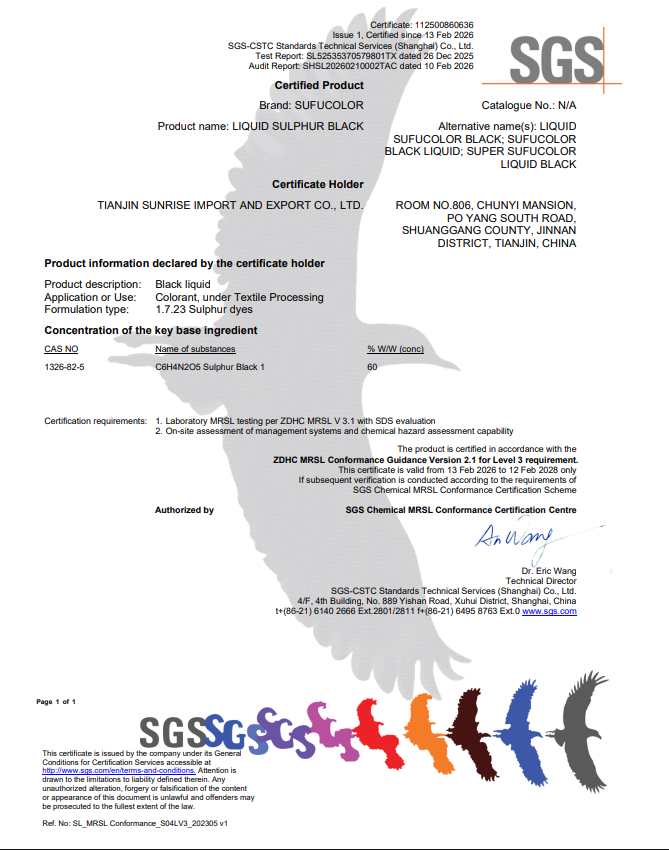
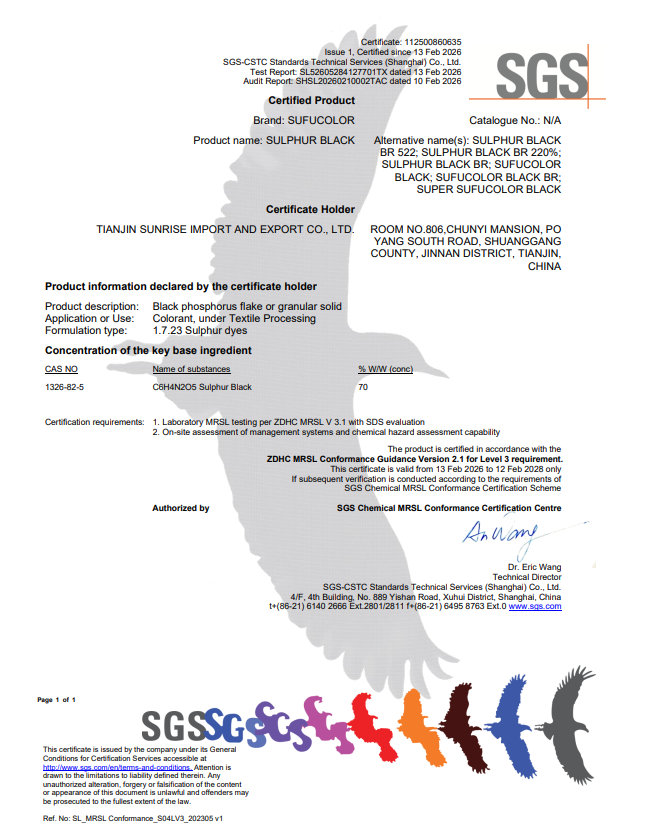
Aligned with ZDHC Level 3 requirements, our raw materials exclude heavy metals, forbidden aromatic amines, and hazardous carrier solvents, protecting workers and consumers alike.
The global incense and home fragrance markets are undergoing a major shift. Today's consumers prioritize health, transparency, and environmental responsibility, which has changed how global buyers source materials. Procuring raw materials now requires meeting strict regulatory standards like REACH (Europe), EPA Guidelines (Americas), and domestic consumer protection acts.
Industrial incense manufacturers need dye suppliers who can deliver more than just vibrant colors. They require partners who provide complete chemical transparency, stable supply chains, and reliable, reproducible formulations. This ensures that different production batches maintain the exact same color match without needing to adjust downstream recipes.
Tianjin Sunrise Chem Group offers customized chemical formulations to meet these demands. By collaborating directly with our clients' technical teams, we develop color solutions that integrate smoothly into their specific base binders—whether they use natural wood powders, charcoal, or synthetic binders.
How we leverage automated processing, advanced quality control, and vertical integration to secure global supply chains.
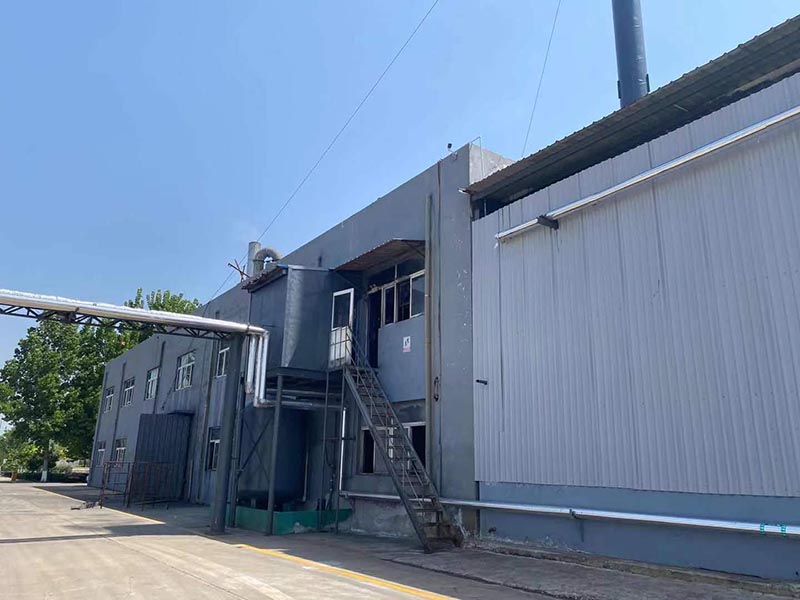
To meet the demands of global supply chains, our production facilities have adopted Industry 4.0 principles. We use automated closed-loop synthesis reactors, computer-controlled drying systems, and online color measurement technologies to minimize human error and ensure high batch-to-batch consistency.
Our factory uses advanced spectrophotometric equipment to analyze color parameters and verify that every shipment falls within strict tolerances (Delta E < 0.5). Additionally, our automated packaging lines protect our products from moisture absorption during shipping, ensuring they arrive at customer facilities in optimal condition.
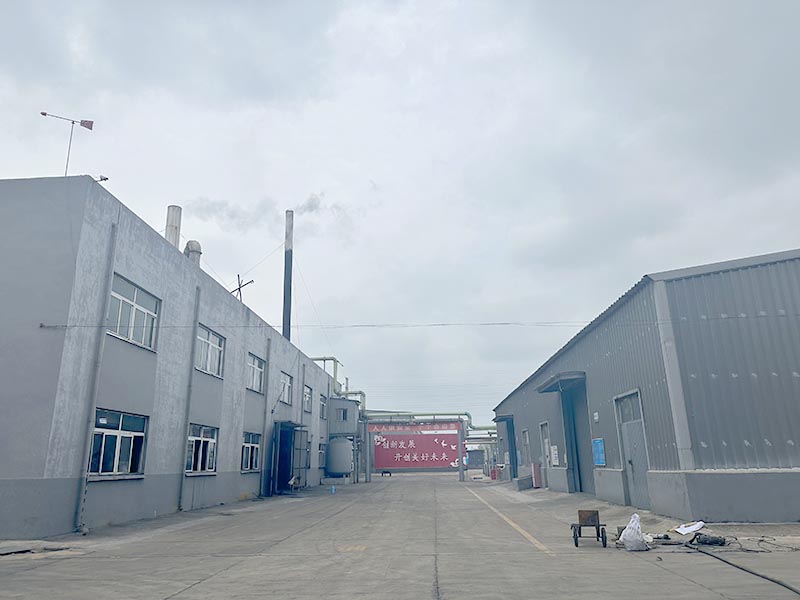
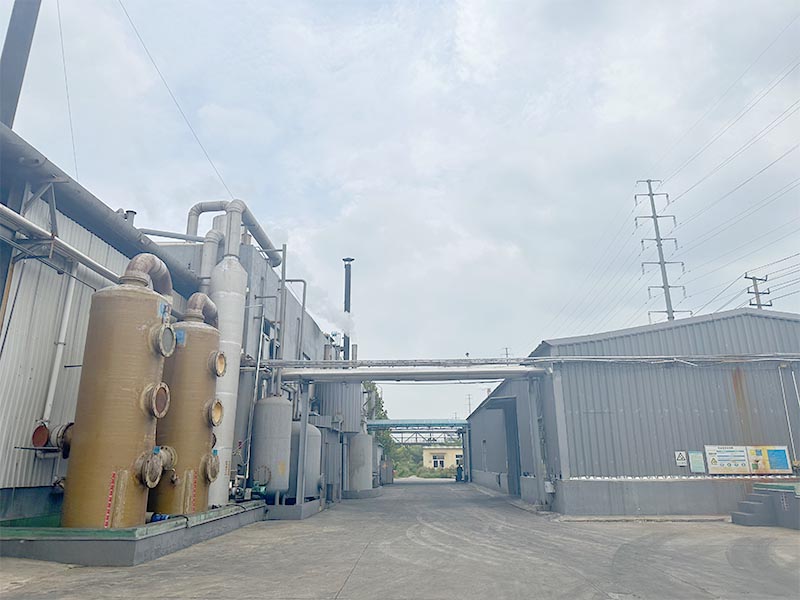
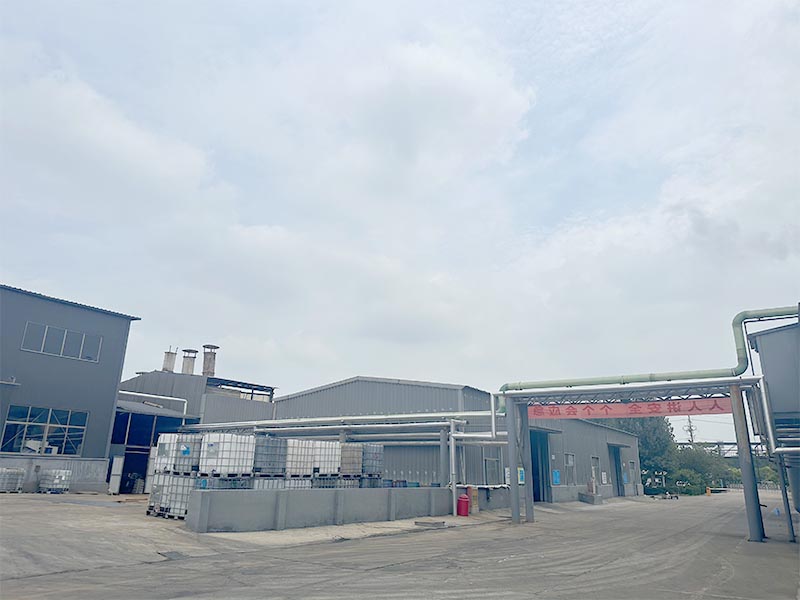
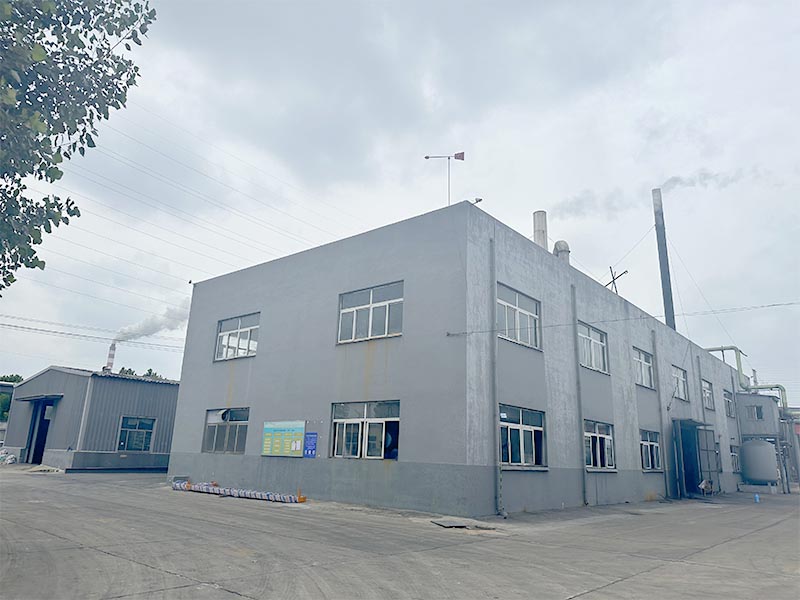
This infrastructure helps us protect our customers from raw material shortages and price fluctuations. By maintaining strategic reserves of key chemical intermediates, we ensure that our manufacturing lines run continuously, providing dependable delivery times even during global shipping disruptions.
Environmental stewardship is at the core of our business and product development. Modern color chemistry must minimize its ecological footprint, which is why Tianjin Sunrise Chem Group has actively implemented clean production practices, integrated green chemistry principles, and invested in advanced wastewater treatment facilities.
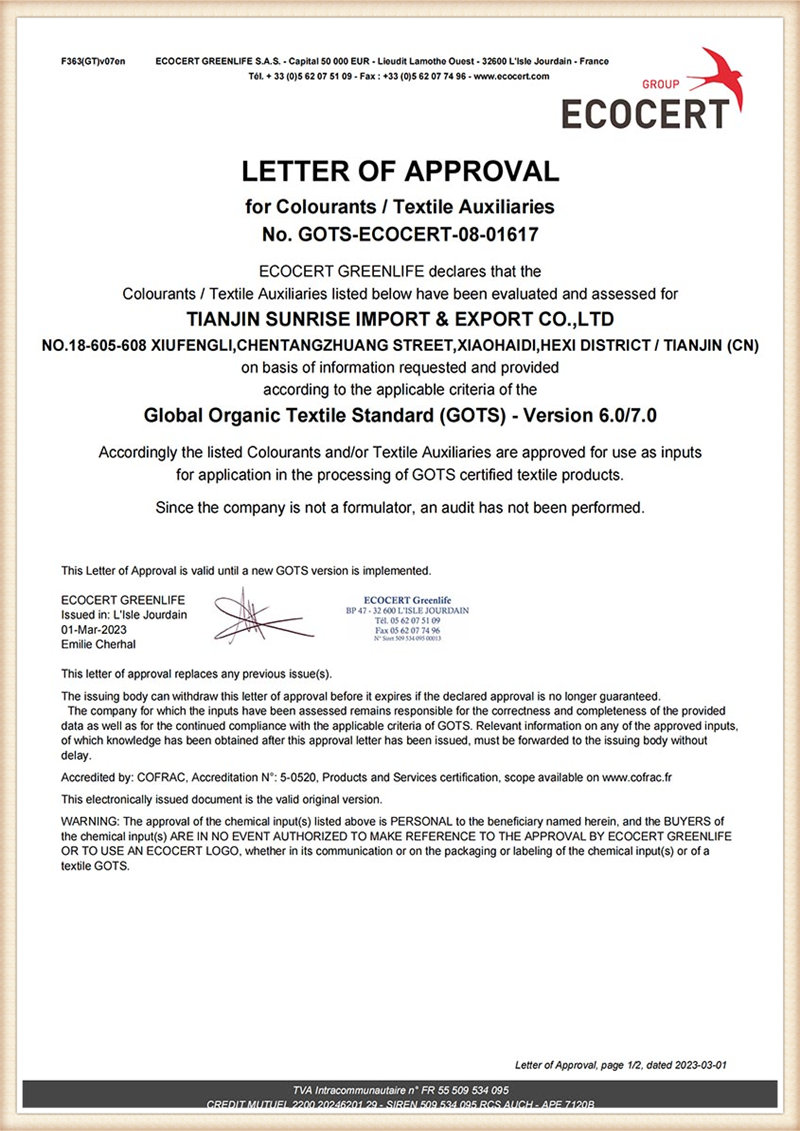
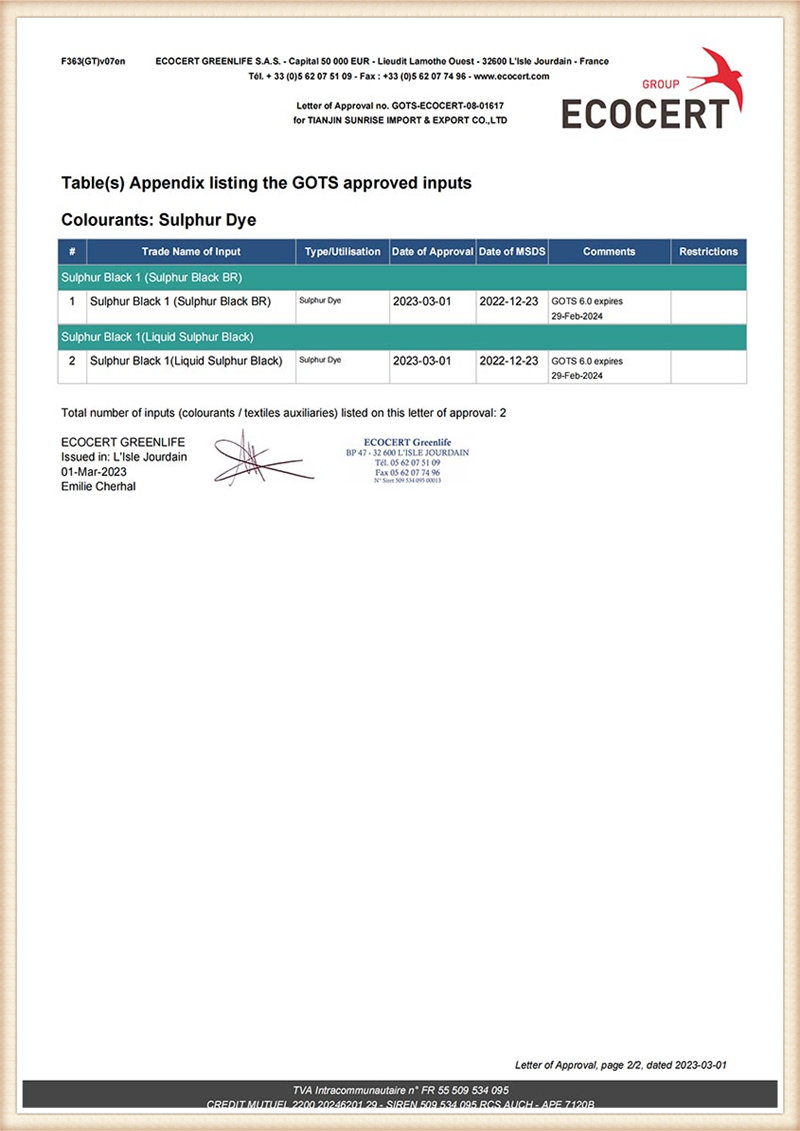
We comply with two major global environmental standards: ZDHC Level 3 and GOTS (Global Organic Textile Standard). The Zero Discharge of Hazardous Chemicals (ZDHC) program works to eliminate hazardous substances from global supply chains. Achieving Level 3 certification demonstrates that our chemical formulations are thoroughly assessed to prevent hazardous chemical discharge.
Similarly, GOTS certification ensures that our chemical inputs meet strict environmental and toxicological criteria. For our clients, these certifications simplify compliance validation, helping them market their products to safety-conscious consumers worldwide.
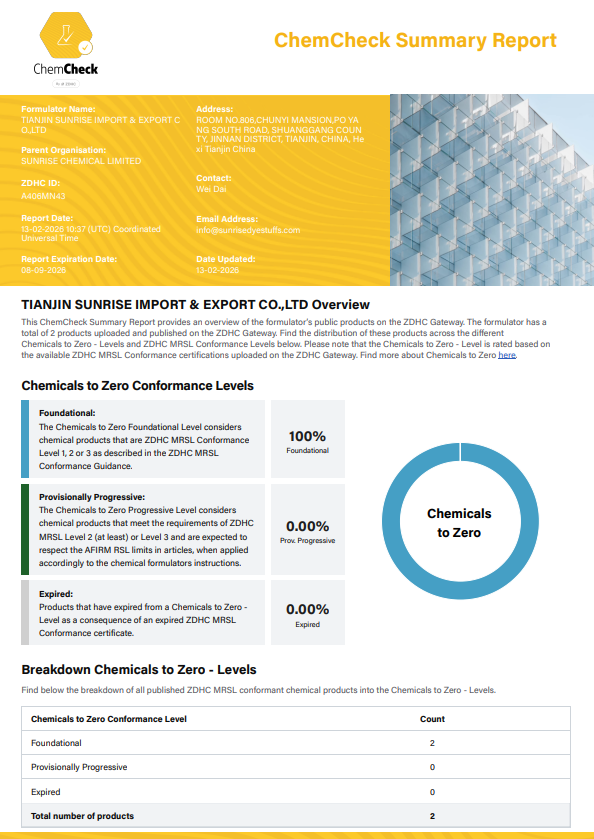
Zero Hazardous Discharge
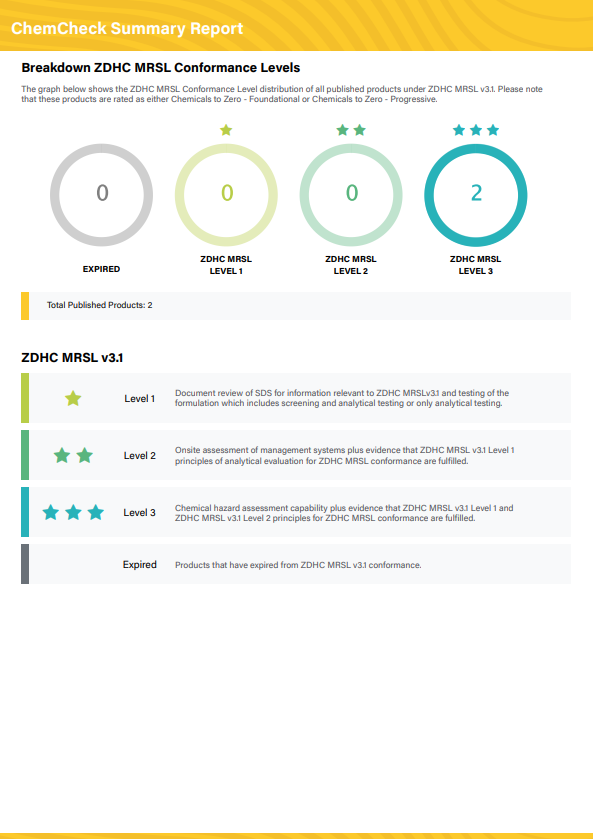
Organic Input Standard
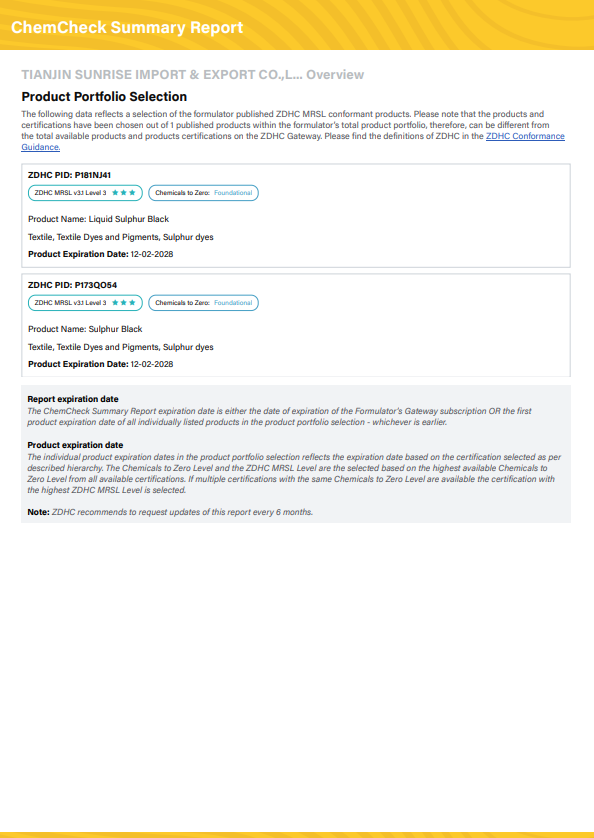
Chemical Safety Verified
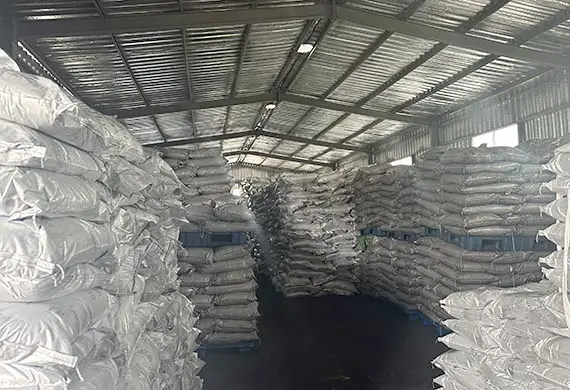
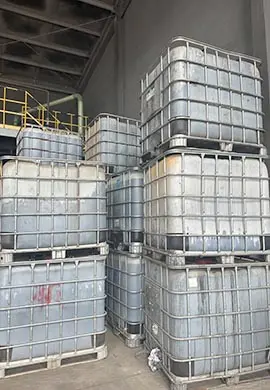
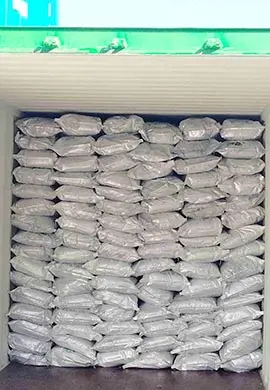
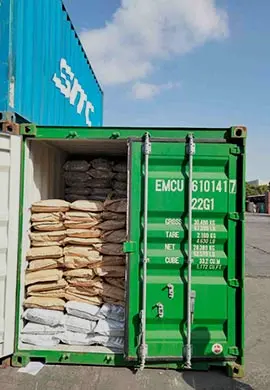
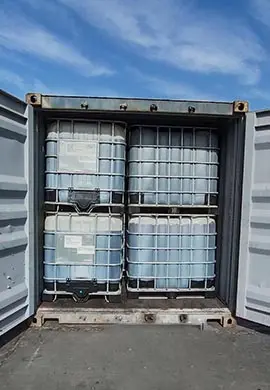
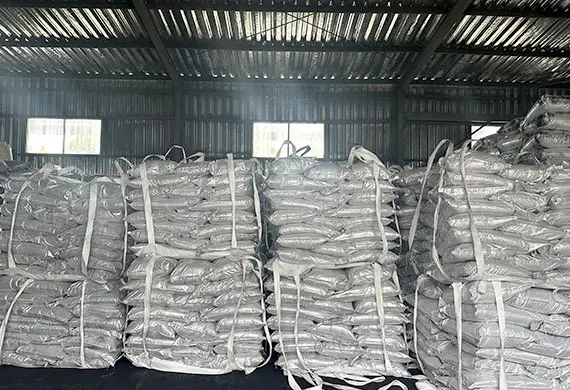
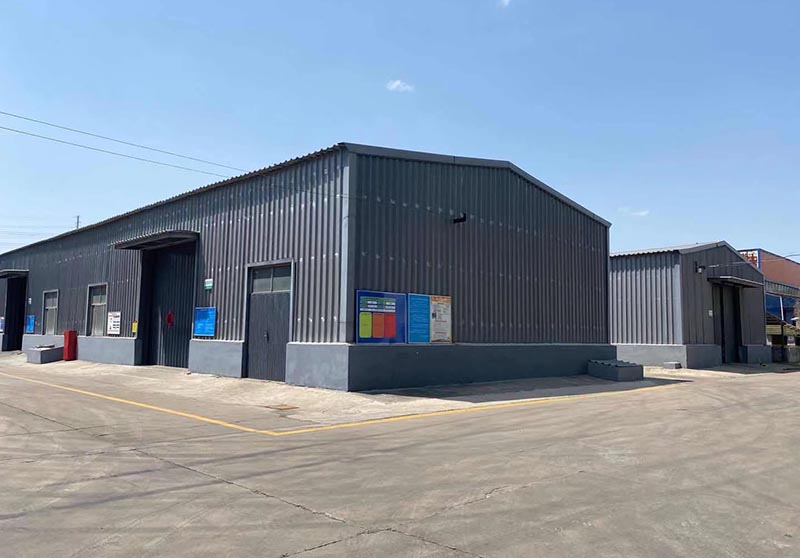
A look into our logistics systems, bulk storage, and container handling capabilities.
Incense coloration requires adjusting formulas to match local cultural and manufacturing preferences. Different markets have unique wood bases, binder ratios, and regional expectations for shade and performance.
In religious and cultural celebrations across Southeast Asia, incense sticks require bold, vibrant colors—particularly deep reds, golden yellows, and bright oranges, which symbolize purity and devotion. Because these products are burned in large volumes, our formulations focus on high color yield and cost-effectiveness. We utilize concentrated direct and basic dye blends that bind strongly to bamboo and wood fibers, minimizing color run during production.
Western wellness markets prioritize subtle, natural colors and low-emission formulations. Incense sticks made with natural plant resins, essential oils, and wood bases like sandalwood require non-toxic, heat-stable colorants. Our ZDHC-compliant acid and solvent dyes deliver consistent earth-tone coloring without interfering with delicate essential oil scents or producing irritating smoke.
Beyond traditional incense, our dyes are used in a variety of industrial applications, including high-speed paper pulp coloration, leather dyeing, and polymer processing. Each field has unique performance requirements, from the wet-fastness needed in packaging materials to the high thermal stability required for plastic masterbatch extrusion.
At Tianjin Sunrise Chem Group, we follow a simple rule: no untested batch leaves our facility. Every production lot is sampled and tested for color strength, shade accuracy, moisture content, solubility, and thermal stability.
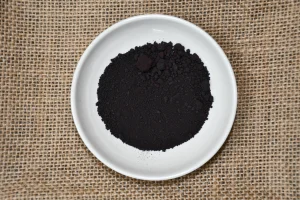
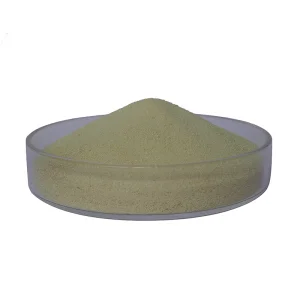
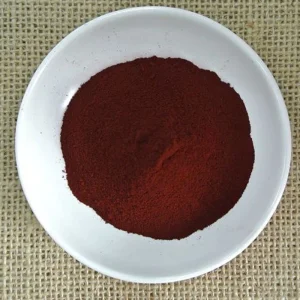
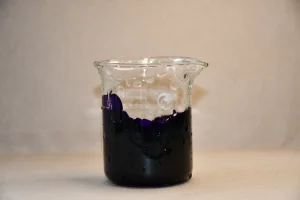
We supply both powder and liquid dyes to accommodate different manufacturing setups. Our liquid dyes are designed for automated dosing systems to prevent dust in the workspace, while our ultra-fine powders are formulated for dry mixing with wood flour and binders before water is added.
Our logistics team works closely with global shipping partners to ensure all documentation is handled efficiently. This careful management keeps our shipping lines moving smoothly and helps our customers avoid customs delays.
Answers to common technical and regulatory questions from global procurement managers and chemical engineers.
High-performance formulations designed for chemical stability and compatibility with diverse industrial materials.
 Sunrise