High-Quality Cationic Dyes Manufacturer & Factories

Innovative Color Chemistry, Certified Sustainability, and High-Performance Dyeing Solutions for Global Industrial Markets

Premium Colorants & Pigment Selection

Explore our foundational range of direct, solvent, liquid, and organic dye products formulated for dynamic substrate affinities.
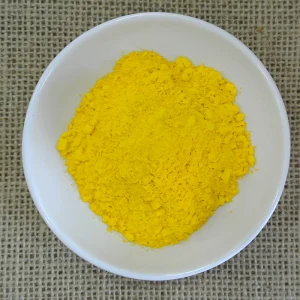
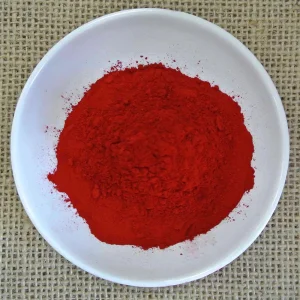
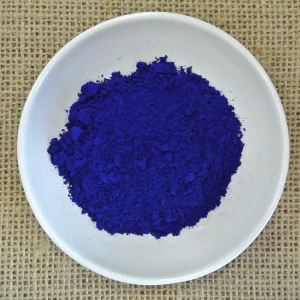
Sunrise Pigment yellow 12
Sunrise Pigment yellow 12 used for dyeing paint Manufacturer, Factories
View Specifications
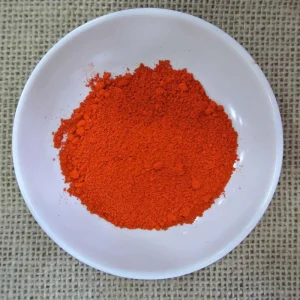
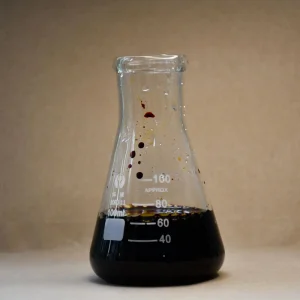
Liquid Direct Yellow R
Discount LIQUID DIRECT YELLOW R PAPER DYE Manufacturer, Factories
View Specifications
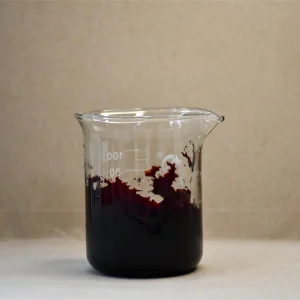
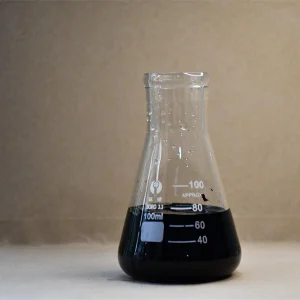
China Direct Red 254
China Direct Red 254 Pergasol Red 2b Liquid for Paper Suppliers, Factory
View Specifications
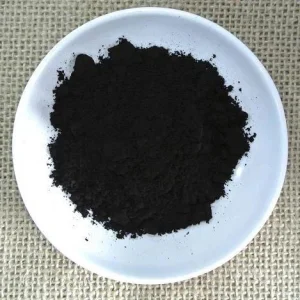
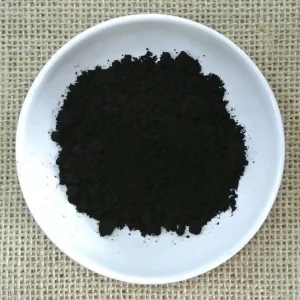
Solvent Black 27
OEM Solvent Black 27 for Plastic Manufacturers, Factory
View Specifications
Yellow 86 Dye
Discount Yellow 86 Dye for Cotton Fabric Dyeing Manufacturer, Factories
View Specifications
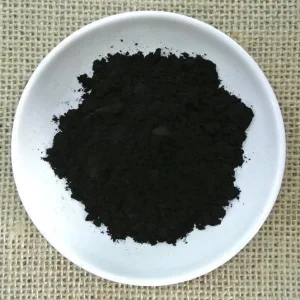
Nigrosine Dye Solvent Black 5
High-Quality Alcohol soluble Nigrosine dye Solvent Black 5 Manufacturers, Factories
View Specifications
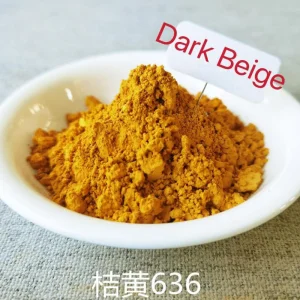
Ceramic Tiles Pigment Dark Beige
Sunrise Ceramic Tiles Pigment -Glaze Inorganic Pigment Dark Beige Supplier, Factory
View Specifications
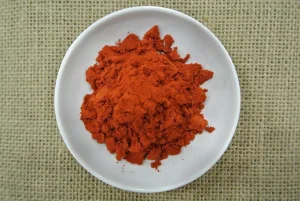
Solvent Red 146
High-Quality Solvent Red 146 Used For Polyester Fibre Supplier, Factory
View Specifications

Industry Whitepaper: Cationic Dyes Technology & Global Supply Chains

A comprehensive analysis of structural affinity, manufacturing advantages, environmental standards, and modern application metrics.

1. Chemical Foundations of Cationic Dyes (Basic Dyes)

Cationic dyes, historically classified under basic dyes, represent a class of synthetic colorants that dissociate into positively charged cationic dye ions in aqueous solutions. The color-bearing component carries a net positive charge, typically structured around nitrogen, sulfur, or phosphorus atoms. This positive molecular orientation behaves with high specificity when introduced to negatively charged substrates. Synthetic fibers such as polyacrylonitrile (acrylic), modified cationic dyeable polyester (CDP), and anionic-modified nylon contain acid sites (carboxylic or sulfonic acid groups) that act as natural ionic receptors.

During the dye exhaust process, the electrostatic attraction between the cationic dye molecule and the anionic site of the fiber initiates a rapid localized binding process. The kinetic migration of cationic dyes is significantly higher than that of disperse dyes, requiring meticulous temperature monitoring and auxiliary leveling agents to prevent uneven surface distribution. High-quality formulation processes ensure that these molecules exhibit high color yield, brilliant shades, and exceptional wash fastness, particularly on polyacrylonitrile materials where they form stable salt linkages.

2. Tianjin Sunrise Chem Group: A Benchmark of Global E-E-A-T

With decades of specialized manufacturing and international export experience, Tianjin Sunrise Chem Group stands at the forefront of the global dyestuff sector. Our product catalog spans a comprehensive range of colorants, including Direct dyes, Acid dyes, Basic/Cationic dyes, Sulphur dyes, Solvent dyes, Liquid dyes, and Fluorescent dyes. We have positioned ourselves as a primary supply chain partner for dynamic industries worldwide, including Denim processing, Textile mills, Leather tanneries, Paper manufacturing, and Polymer/Plastic compounding.

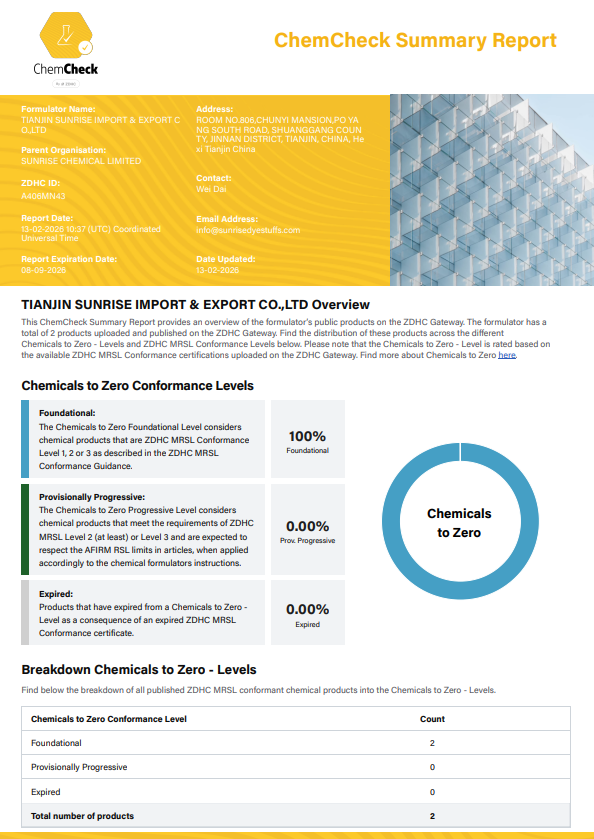
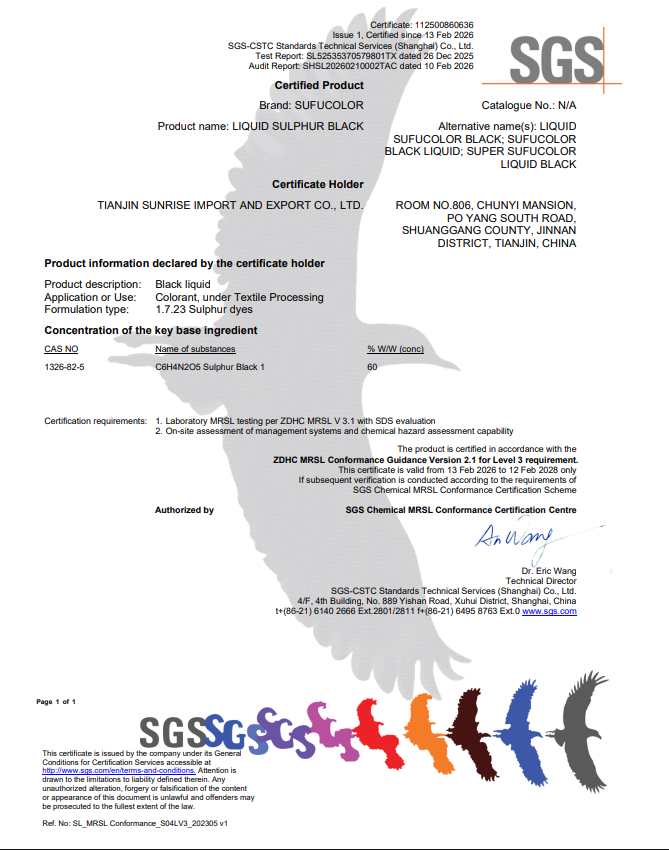
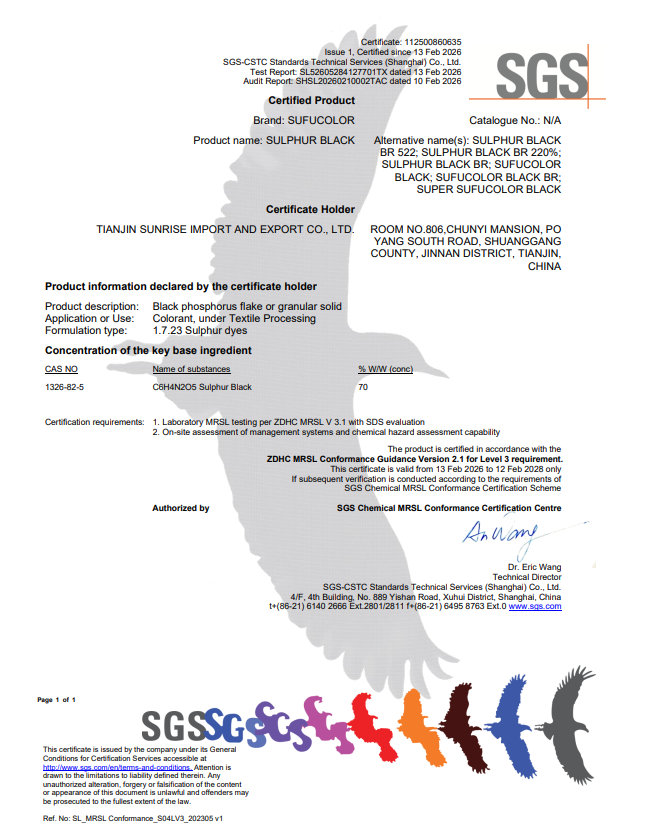
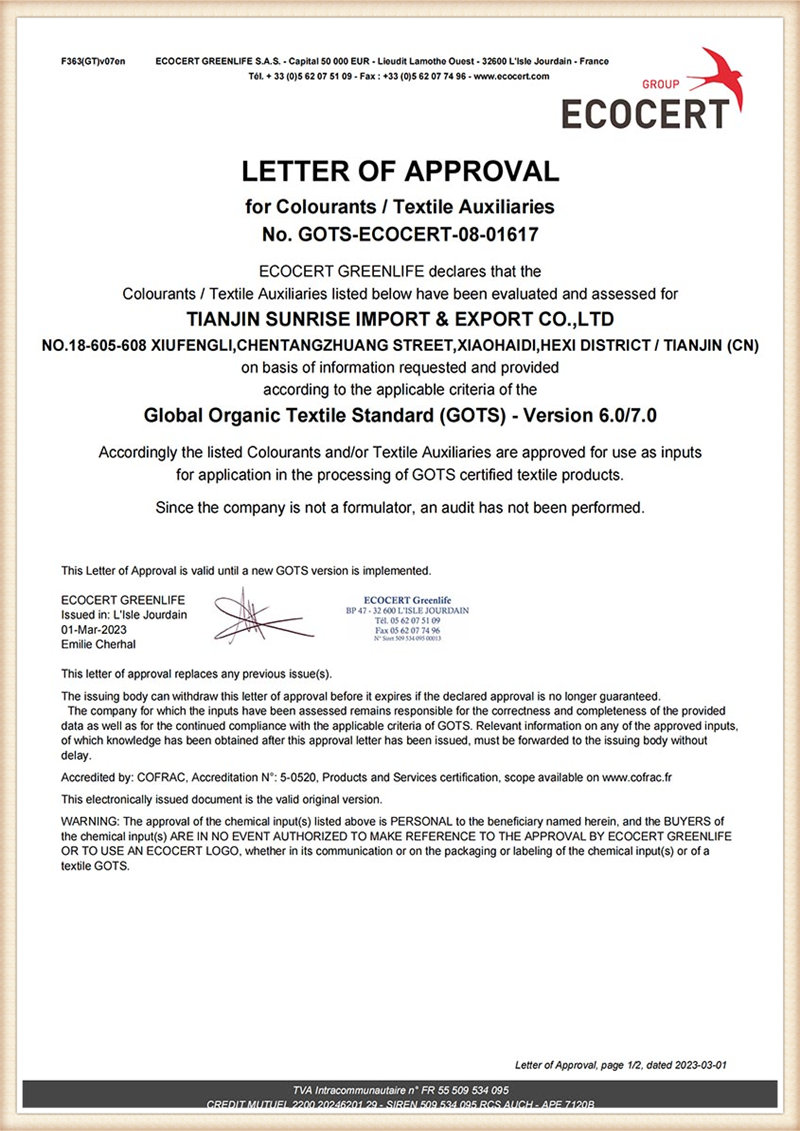
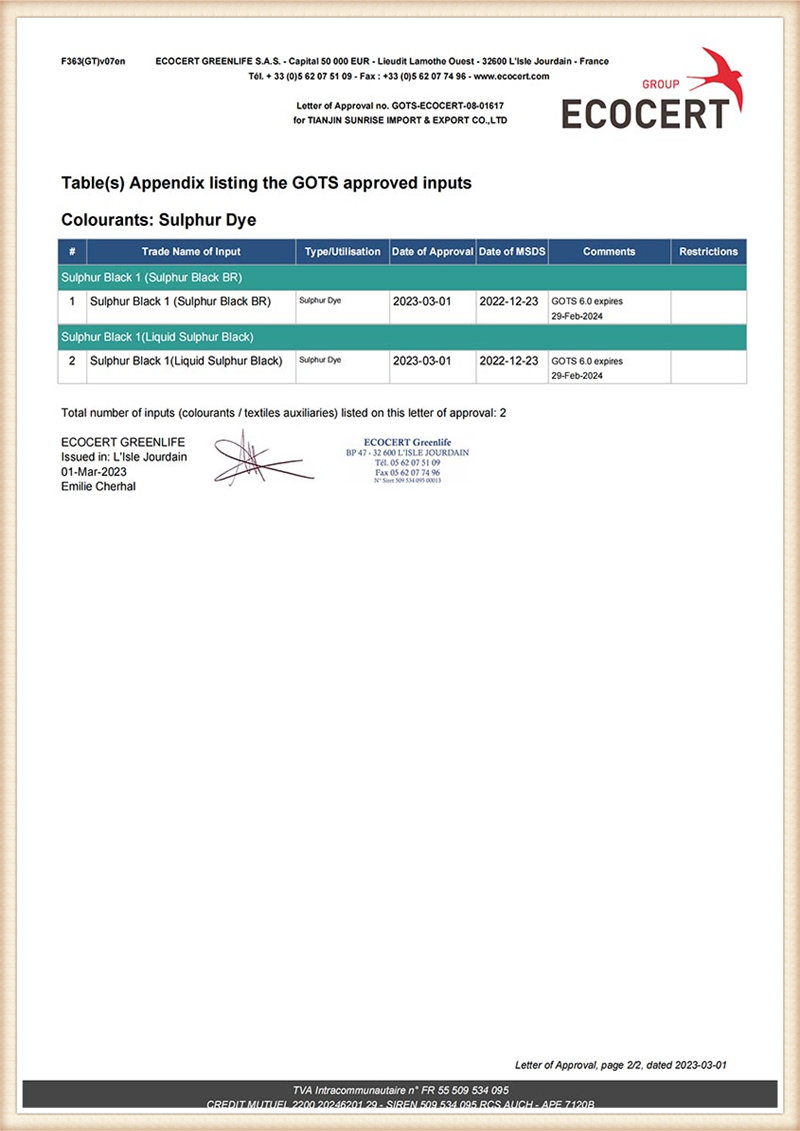
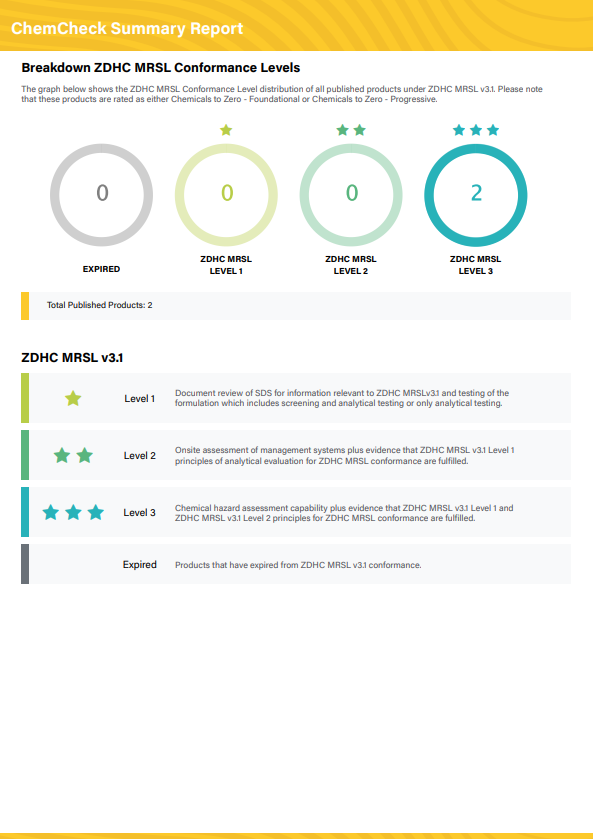
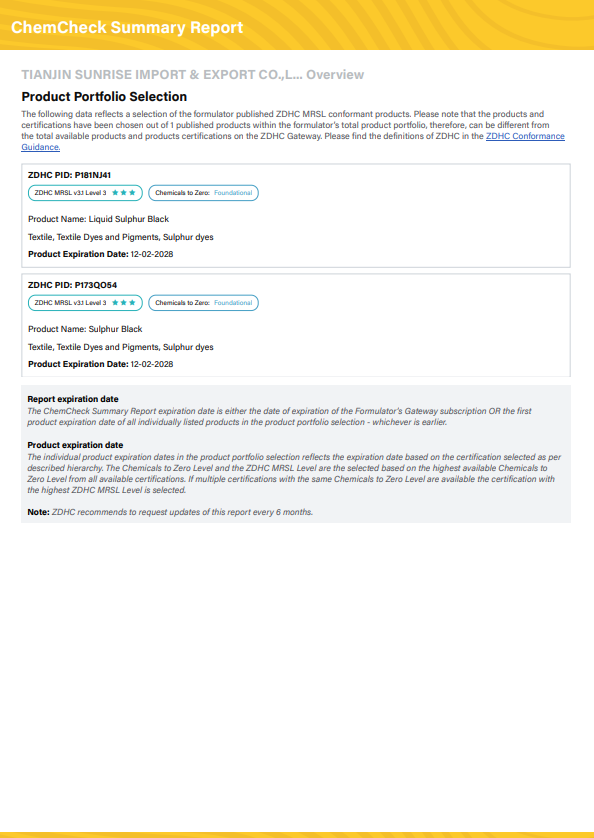
Our operational philosophy prioritizes chemical stability and consistency above all. Each manufacturing batch undergoes rigorous pre-shipment laboratory analysis, ensuring spectrophotometric shade values match precise client guidelines. To guarantee compliance within increasingly strict global regulatory networks, our products carry ZDHC Level 3 alignment and GOTS (Global Organic Textile Standard) certifications. This double-layer quality assurance protects downstream enterprises from chemical contamination risks and environmental compliance issues.
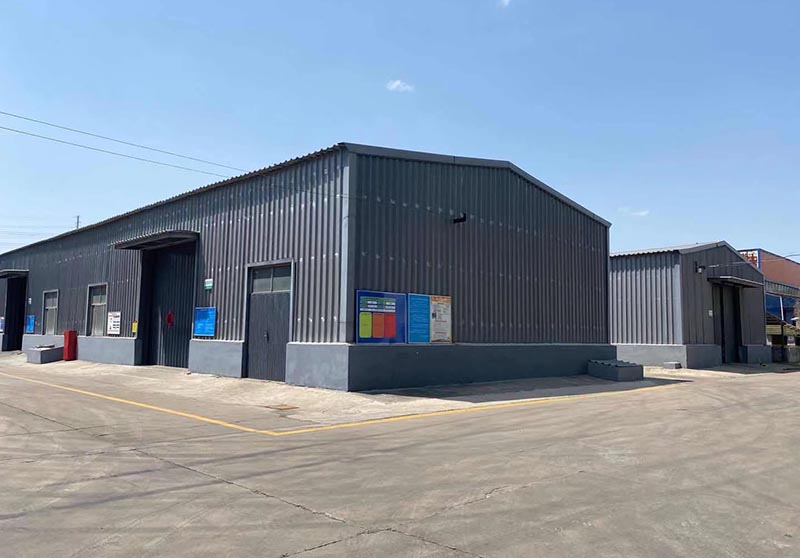
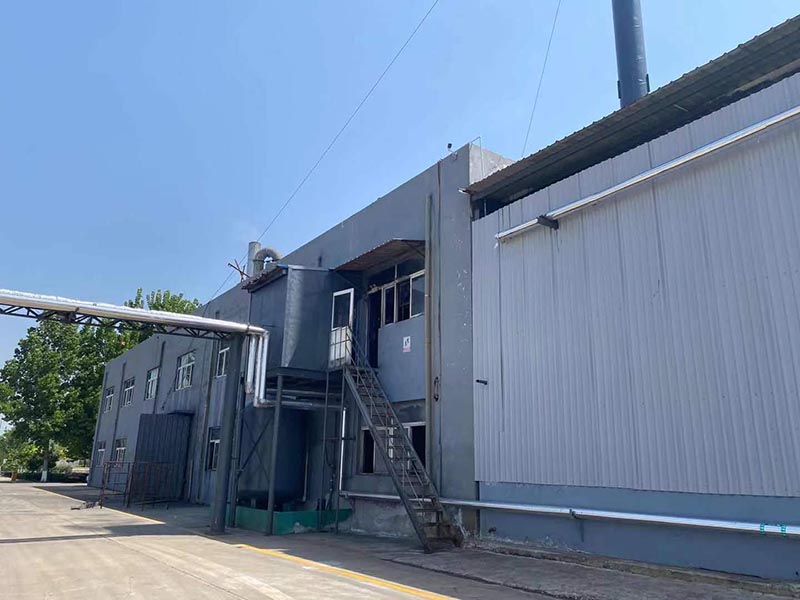
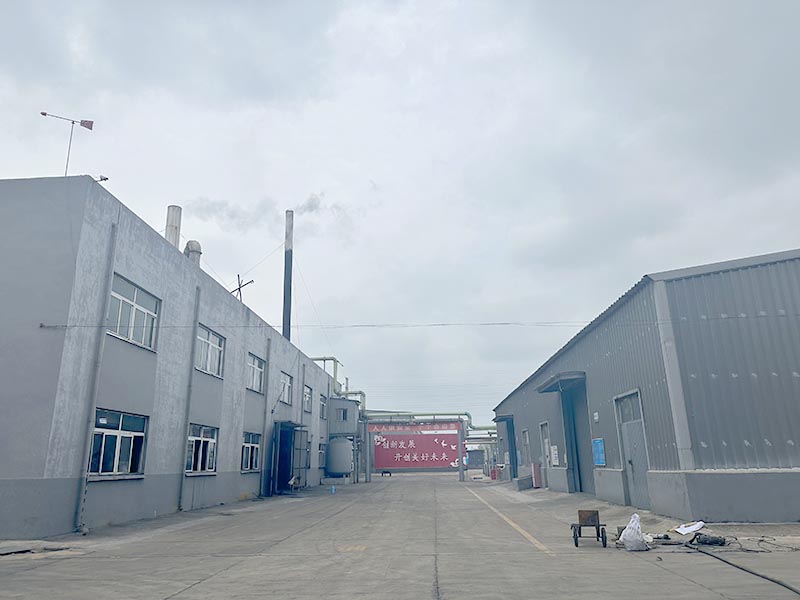
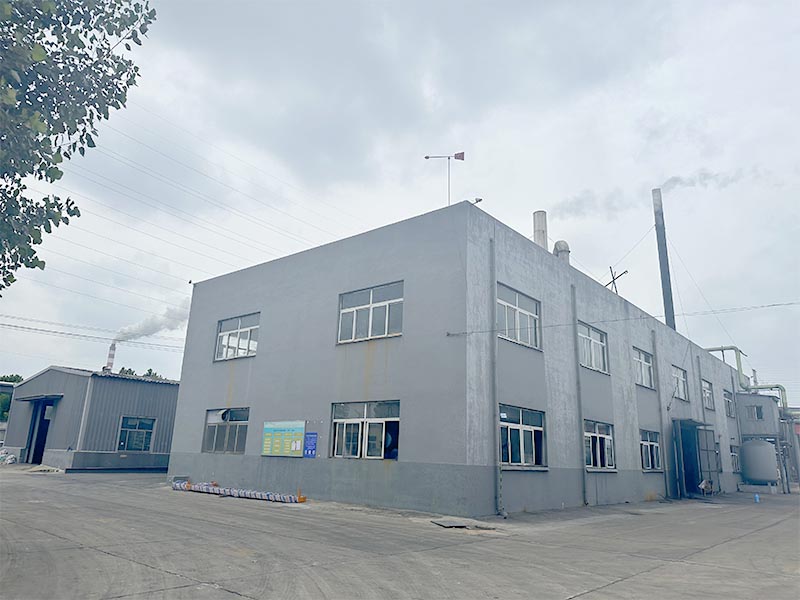
Sunrise Chemical Facility Area 1
Tianjin Sunrise Chem Synthesis Facility
Sunrise Laboratory Operations
Advanced QC and Shade Matching Laboratory
Sunrise Global Logistics Base
High-Capacity Automated Warehouse System

3. Strategic Manufacturing Advantages of China-Based Chemical Factories

The global sourcing structure for industrial dyestuffs highlights China as a key manufacturer. Factories like Tianjin Sunrise Chem Group leverage major structural and operational benefits to deliver reliable value to international customers:

  • Integrated Supply Chain Ecosystem: Industrial clusters in Northern China, specifically around the Bohai Economic Rim, provide immediate access to core petrochemical precursors, synthetic intermediates, and raw auxiliary materials. This localized ecosystem insulates foreign buyers from global logistics disruptions.
  • Advanced Process Automation: Modern Chinese factories have upgraded from batch reactor vessels to continuous-flow synthesis units. These automated systems control reaction parameters (such as pH, temperature, and pressure) to minimize batch-to-batch color variation and maximize synthesis efficiency.
  • Environmental Management Infrastructure: With significant capital investments in wastewater treatments, thermal oxidizers, and solid-waste containment, Chinese manufacturers meet local environmental mandates while maintaining competitive cost structures.
  • Global Shipping Connectivity: Located near major shipping ports like the Port of Tianjin, we offer streamlined transit pathways, reduced inland shipping costs, and optimized container consolidation.

4. Application Scenarios and Fiber Compatibilities

Cationic dyes are highly versatile, with chemical behaviors tailored for specific substrates:
  • Acrylic and Polyacrylonitrile Fibers: The primary application area. Due to the electronegative sulfonic and carboxylic acid end-groups embedded within the polymer chain of acrylic, cationic dyes achieve maximum thermodynamic exhaust rates and excellent wet fastness.
  • Cationic Dyeable Polyester (CDP): Standard polyester (PET) requires disperse dyes under high-temperature/high-pressure (HTHP) conditions. By co-polymerizing sodium dimethyl 5-sulfoisophthalate (SIPM) into the polyester backbone, the fiber gains anionic sites. This modification allows it to accept cationic dyes, yielding bright shades, solid deep blacks, and clean multi-component blends (e.g., polyester/acrylic or polyester/wool).
  • High-Yield Paper and Packaging Material: Liquid direct and liquid cationic dye formulations are utilized in high-speed paper mills. These dyes show high affinity for bleached and unbleached chemical pulps, reducing chemical color loads in mill effluents.
  • Technical Leather & Textiles: Modified acid-resistant acrylic backing yarns and specialized technical textiles utilize cationic chemistry to guarantee long-term UV resistance, water fastness, and rub resistance under high-exposure outdoor settings.
25+
Years Industry Experience
80+
Countries Exported To
ZDHC L3
Certified Eco-Compliance
100%
Pre-Shipment Lab Tested
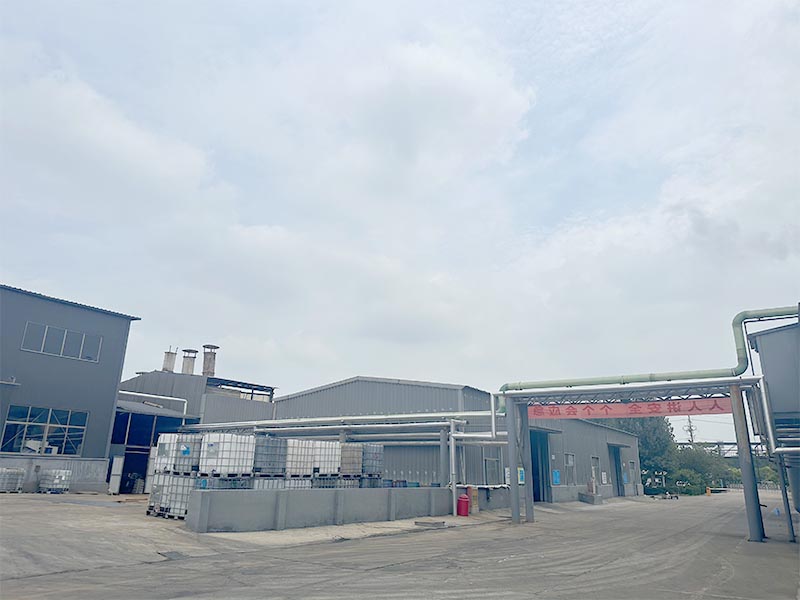
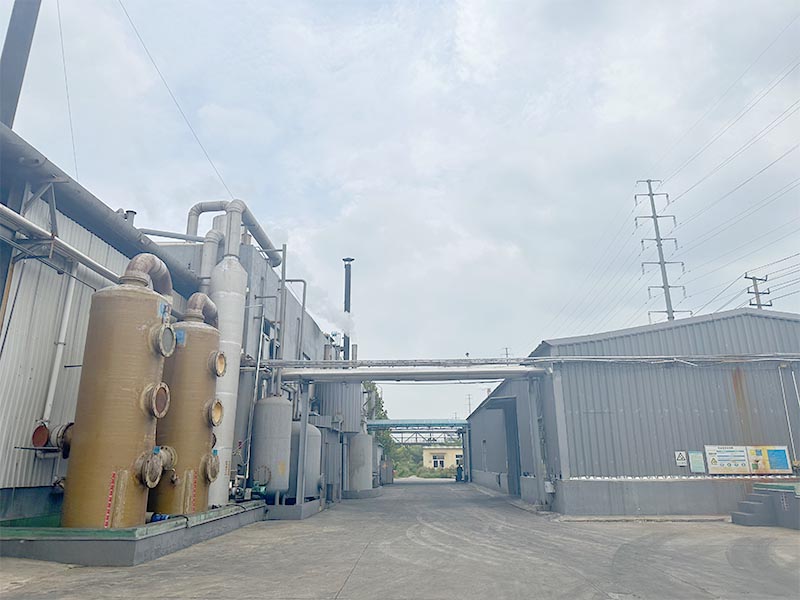
Sunrise Production Facility Area 2
Liquid and Powder Blending Units
Sunrise Factory Standard Control
Real-time Quality Inspection Station
Sunrise Container Preparation Area
Export Logistics Packing Area

5. Industrial Trends: The Shift Toward Sustainability and Low-Carbon Processes

The modern textile and chemical industries are undergoing a major transition toward low-carbon operations. Key trends shaping the industrial dyestuff market include:

  • Low-Temperature Dyeing Innovations: Traditional acrylic dyeing cycles require prolonged boiling times (around 98°C–100°C), consuming substantial thermal energy. Next-generation cationic dyes are paired with low-temperature chemical accelerants, allowing complete exhaustion at 85°C–90°C. This shift reduces steam requirements and lowers the carbon footprint of dyeing houses.
  • Reduction of Salt Loads in Effluent Discharge: High ionic strengths are typically required in print paste and dye liquors to ensure level dyeing. Modern cationic dye molecular designs feature improved inherent migration properties. This reduces the reliance on salt-based retarding agents, resulting in lower total dissolved solids (TDS) in wastewater systems.
  • Migration to Safe Liquid Formulations: Powder-form dyes present inhalation hazards during handling and color mixing. Liquid cationic and liquid direct colors eliminate dust generation, automate volumetric dosing systems, and reduce chemical exposure risks for floor operators.

6. Comprehensive Procurement Strategies for Global Dye Buyers

Purchasing departments in multi-national corporations look for stable suppliers that can guarantee consistency and regulatory compliance. When sourcing cationic dyes, buyers should evaluate key performance metrics:
  • Spectrophotometric Testing Data: Request Delta E (dE) color-difference values under multiple light sources (D65, TL84, CWF, F11) to confirm batch consistency.
  • Certification Integrity: Ensure that ZDHC Level 3 or GOTS documentation is issued directly to the manufacturing entity. This avoids compliance gaps often associated with third-party trading brokers.
  • Supply Reliability: Partner with manufacturers that maintain dedicated raw intermediate stockpiles, shielding your production line from volatile market fluctuations.
Sunrise Production Warehouse Storage
Sulphur Black Raw Material Storage
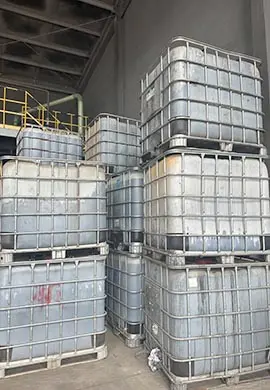
Sunrise Liquid Dye Storage Vats
Automated Liquid Dye Mixing Station
Sunrise Chemical Lab Analysis
Precision Chromatography & Quality Control

Certified Environmentally Friendly Chemistry

Our facilities are fully aligned with international green standards, ensuring safe manufacturing processes from synthesis to final product packaging.
ZDHC Certificate Standard Logo
GOTS Certificate Standard Logo
Eco Passport Standard Oeko-Tex
ISO Quality Certificate Logo

Industrial Production & Logistics Operations

A behind-the-scenes look at our synthesis plants, large-scale storage hubs, and secure container shipping processes.
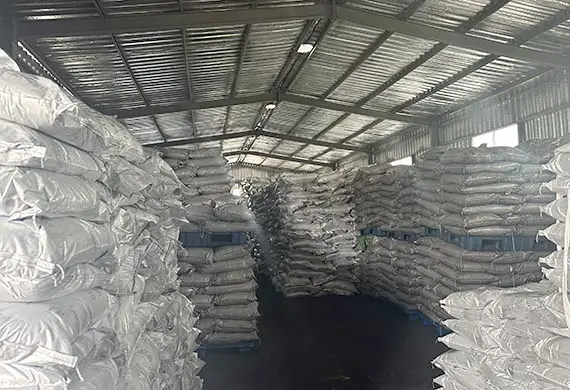
sulphur black warehouse
Sulphur Black Warehouse Facility
liquid dyestuff
Liquid Dyestuff Packing Operations
SULPHUR BLACK CONTAINER LOADING
Sulphur Black Container Loading & Export
direct dyes container loading
Direct Dyes Container Loading
LIQUID DYES CONTAINER LOADING
Liquid Dyes Container Loading & Shipping
Production Process Inspection
Finished Batch Chemical Inspection

Specialized Acid, Direct & Sulphur Dye Formulations

Retained dynamic product series demonstrating chemical versatility across leather, silk, paper, and industrial wool dyeing.
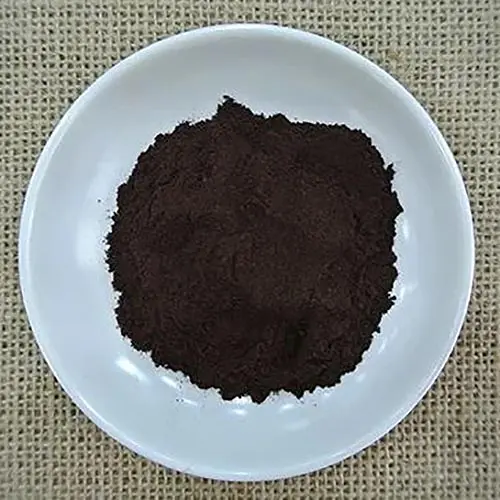
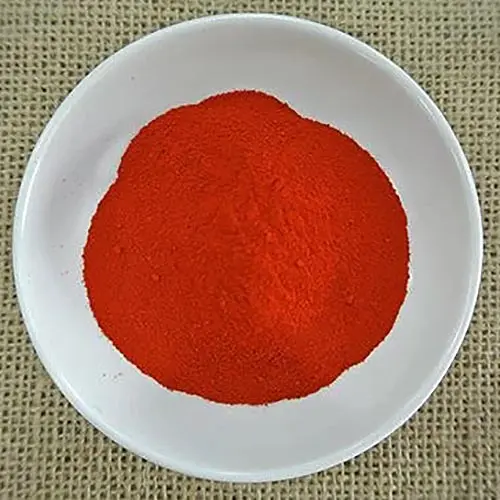
Acid Red 14
Acid Red 14 Application in Leather Industries
Acid Orange 7
Acid Orange 7 Powder For Silk And Wool Dyeing
Acid Black ATT
Acid Black ATT Using for Yarn And Leather Dyeing
Acid Black 1
Acid Black 1 Powder Dyes for Fingerprints
Sulphur Blue BRN
Sulphur Blue BRN 150% Violet Appearance
Direct Yellow 86
Water Soluble Textile Dyestuff Direct Yellow 86
Direct Yellow R
Paper Coloring Dyes Direct Yellow R
Direct Yellow 12
Direct Yellow 12 For Paper Uses
Iron Oxide Black 27
Iron Oxide Black 27 Application On Plastic
Nigrosine Acid Black 2
Shiny Black Crystal Nigrosine Acid Black 2
Acid Yellow 36
Acid Yellow 36 Color For Textiles
Acid Red 73
Acid Red 73 For Textile And Leather Industries
Acid Red 18
Acid Red 18 Used For The Textile Industry

Frequently Asked Questions

Technical answers to common questions regarding cationic dye chemistry, leveling agents, application criteria, and global logistics.

Q1: What are cationic dyes and how do they function on synthetic fibers?
Cationic dyes (basic dyes) carry a net positive charge that interacts with negatively charged sulfonic and carboxylic acid end-groups on polyacrylonitrile (acrylic) or cationic dyeable polyester (CDP). This electrostatic attraction creates a stable chemical bond that yields deep, wash-fast color.
Q2: How do you achieve level dyeing when using cationic dyes on acrylic fiber?
Because of their high affinity, cationic dyes can exhaust rapidly and unevenly. To prevent this, leveling agents (cationic or polymeric retarding agents) are introduced to temporarily compete for the fiber's anionic sites. Controlling the temperature ramp rate between 80°C and 100°C is also key to managing the exhaust rate.
Q3: What makes ZDHC Level 3 and GOTS certifications important for global buyers?
ZDHC (Zero Discharge of Hazardous Chemicals) Level 3 confirms that our raw materials and synthesis pathways exclude restricted substances. GOTS guarantees organic and social compliance throughout production. These certifications help brands reduce environmental liability and pass strict retail audits.
Q4: Can cationic dyes be used on polyester/acrylic fiber blends?
Yes. Cationic dyeable polyester (CDP) blends can be dyed with cationic dyes, often in combination with disperse dyes for the standard polyester portion, yielding bright colors and high color fastness in multi-component textile materials.
Q5: What packaging configurations are available for bulk international orders?
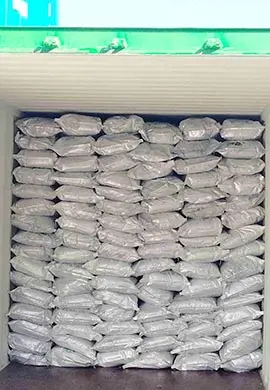
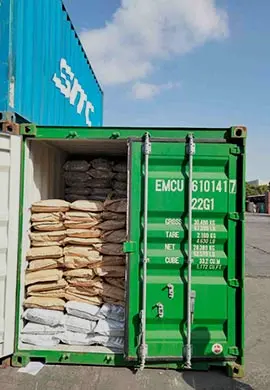
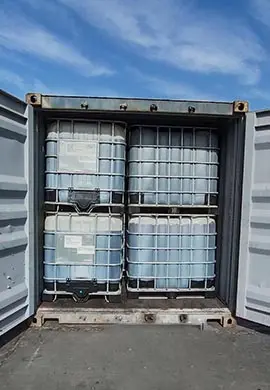
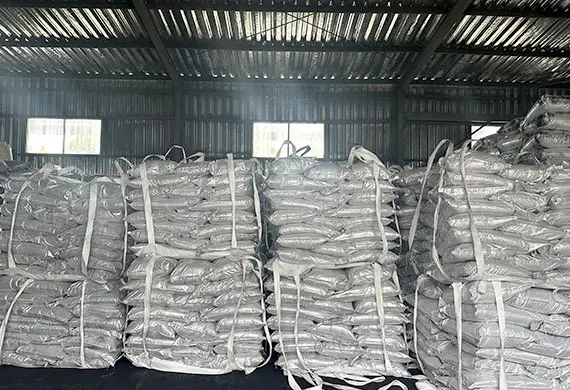
We offer multiple packaging solutions to suit different handling systems, including standard 25kg multi-layer kraft paper bags, 25kg fiber drums, and bulk intermediate bulk containers (IBCs) or flexitanks for liquid dyes.

Premium Colorants & Pigment Selection - Part II

Explore our second selection of high-yield colorants, oxides, and solvent dyes formulated for plastics, textiles, and paper manufacturing.
Iron Oxide Red 104
High-Quality Iron Oxide Red 104 Using For Cement And Paving Suppliers, Factory
View Specifications
China Direct Red 23
China Direct Red 23 Using For Textile And Paper Manufacturer, Factories
View Specifications
Direct Orange 26
Sunrise Direct Orange 26 Using For Clothes Coloring Manufacturers, Factories
View Specifications
Iron Oxide Red 104 Plastic
Discount Iron Oxide Red 104 Using For Plastic Manufacturer, Supplier
View Specifications
Solvent Dye Yellow 14
Discount Oil Soluble Solvent Dye Yellow 14 Using For Plastic Manufacturer, Supplier
View Specifications
Nigrosine Solvent Black 7
High-Quality Oil soluble Nigrosine Solvent Black 7 for Special Coloring Needs Manufacturer, Factories
View Specifications
Direct Red 239 Liquid
Discount Direct Red 239 Liquid for Paper Dyeing Suppliers, Factories
View Specifications
Pigment Blue 15.3
OEM Pigment blue 15.3 using for oil paint Supplier, Factories
View Specifications