Sustainable Industrial Colorants | Certified ZDHC Level 3 & GOTS | Globally Integrated Chemical Solutions
Advanced Industrial Formulations Engineered for Global Quality Standards
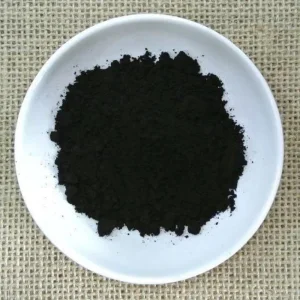
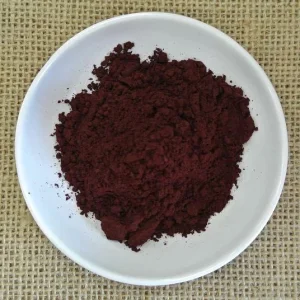
As global e-commerce continues to surge, the demand for high-strength, visually uniform, and ecologically compliant packaging materials has reached unprecedented levels. Under the paradigm of Semantic Search optimization and green manufacturing, the industry's focus has transitioned from mere aesthetic modifications to deep, structural performance capabilities. Packaging manufacturers no longer just look for "dyes"—they seek chemical integrations that stabilize color fastness, maintain mechanical pulp integrity, and satisfy the most stringent international ecological criteria.
Brown paper and kraft cardboard present unique chemical challenges. The presence of residual lignin in unbleached kraft pulp requires colorants to exhibit strong ionic affinity to cellulose fibers. Without this affinity, dyeing processes suffer from high run-off rates, chemical waste, and unstable color shade consistency across different production batches. By utilizing advanced anionic and cationic structural adjustments, modern colorants ensure complete chemical binding, improving yield efficiency and lowering wastewater burden.
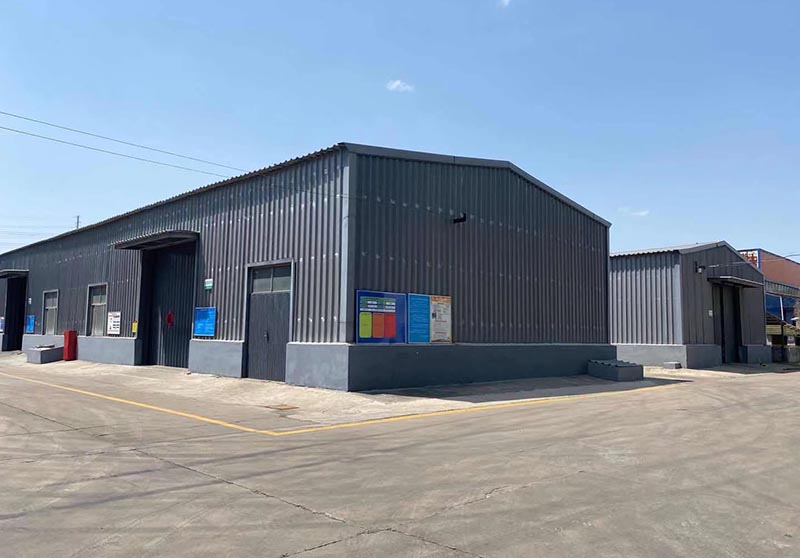
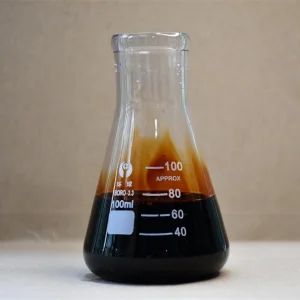
Tianjin Sunrise Chem Group specializes in manufacturing high-quality dyestuffs, including Direct dyes, Acid dyes, Basic dyes, Sulphur dyes, Solvent dyes, Liquid dyes, and Fluorescent dyes.
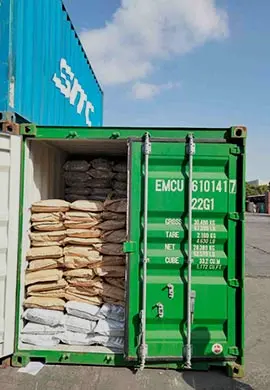
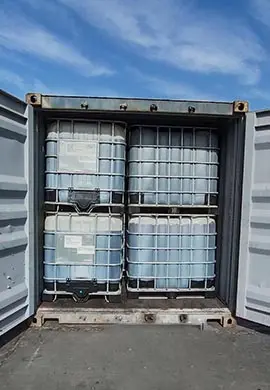
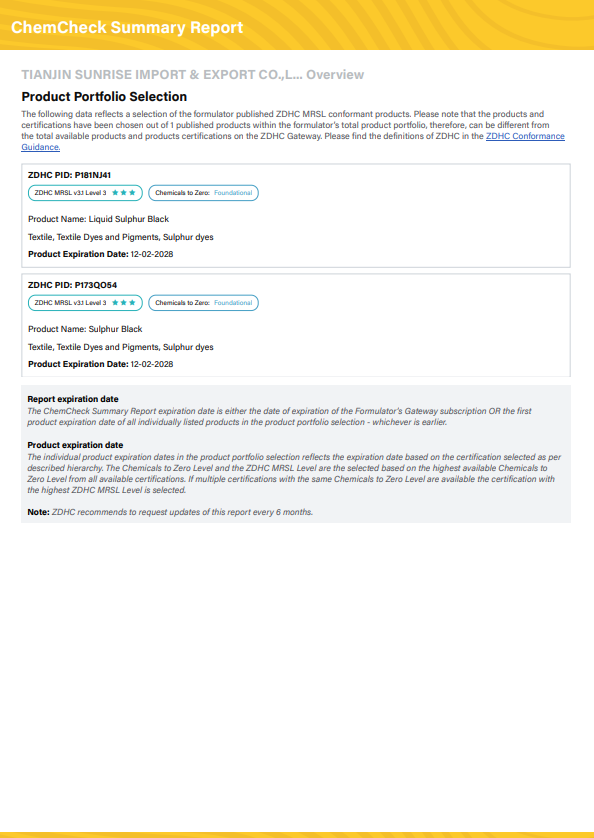
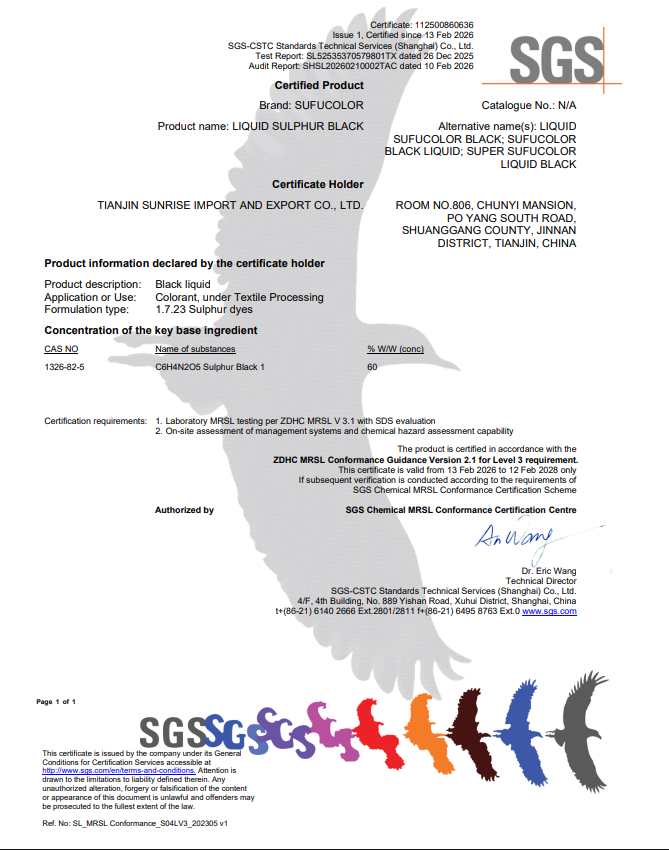
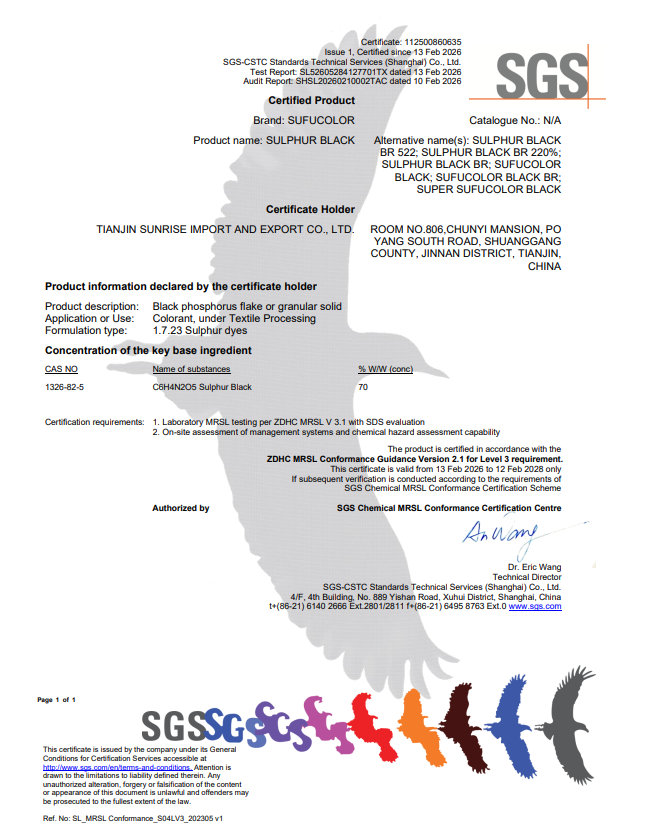
Backed by decades of industry and export experience, we have built a reputation for reliability and excellence, serving clients from diverse sectors including denim, textile, leather, paper, and plastic. We always highly focus on goods quality and stability. Each shipment has been thoroughly tested before sending to the port. Our alignment with ZDHC level 3 and GOTS certification makes your product quality internationally guaranteed.
We pride ourselves on offering customized solutions. Our team of experts works closely with clients to understand their unique technical needs and delivers tailored products. We actively seek strategic partnerships to expand our reach and enhance our technological offerings. Collaborate with us to explore mutual growth opportunities globally.
Scientific selection of dye groups based on cellulose interaction and manufacturing environments
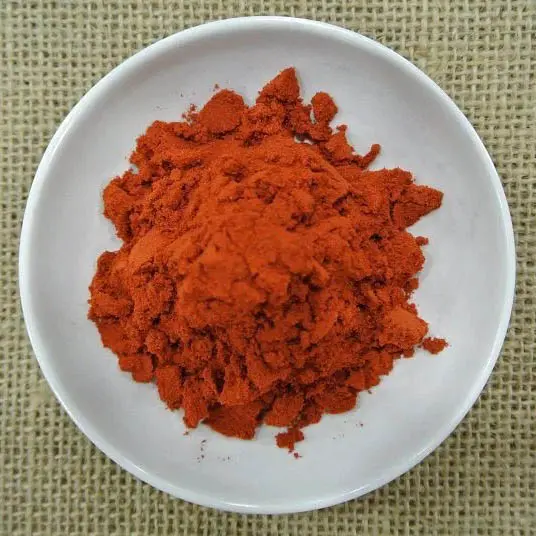
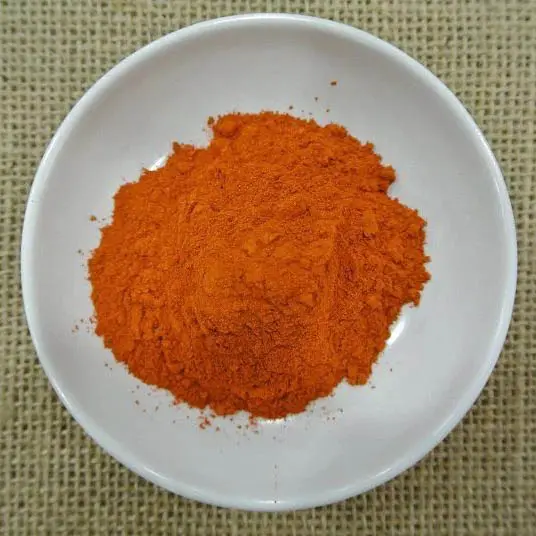
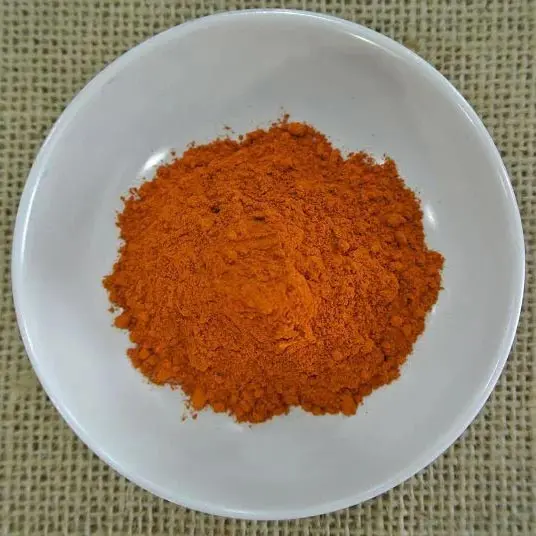
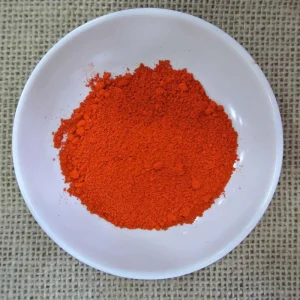
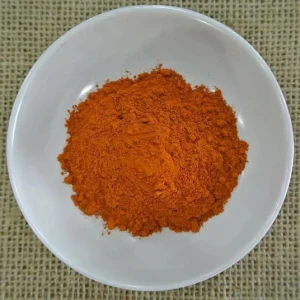
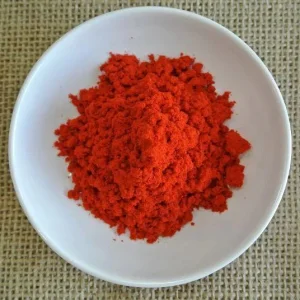
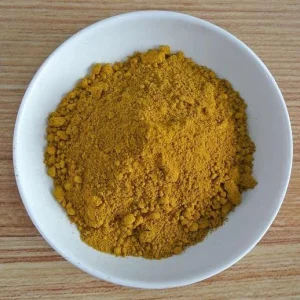
Ideal for brown paper dyeing where operational simplicity is required. Direct Yellow 11 and Direct Yellow R utilize planar molecular designs to form hydrogen bonds with cellulose, yielding exceptional color stability and bleed resistance under neutral to alkaline papermaking conditions.
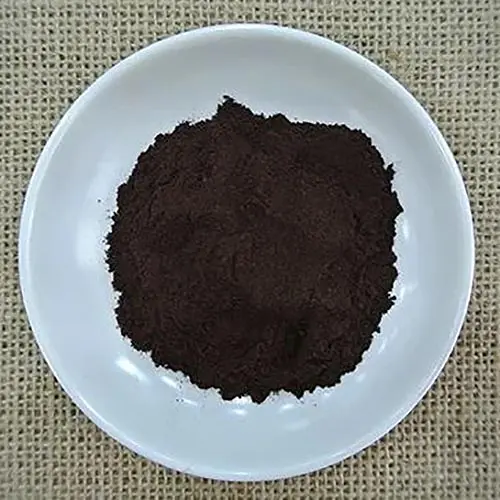
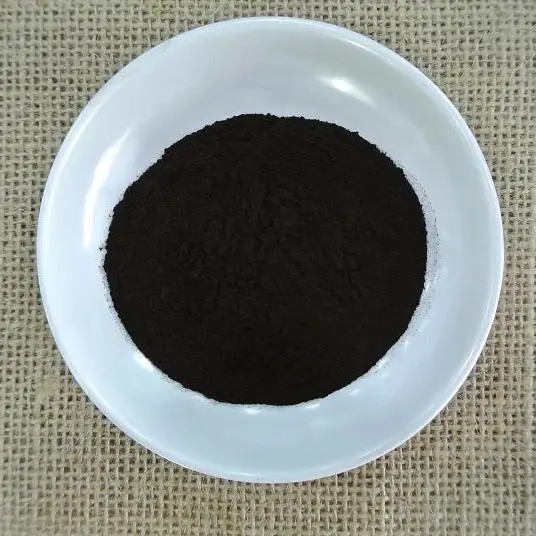
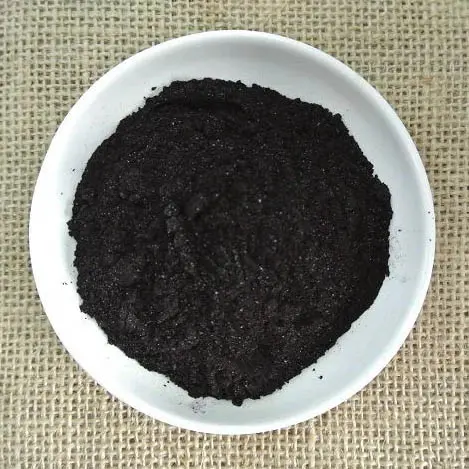
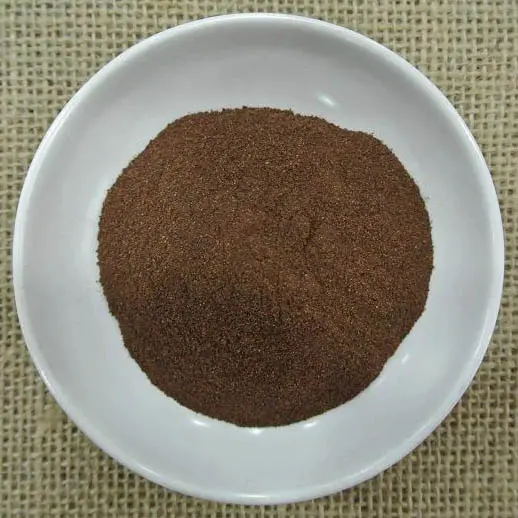
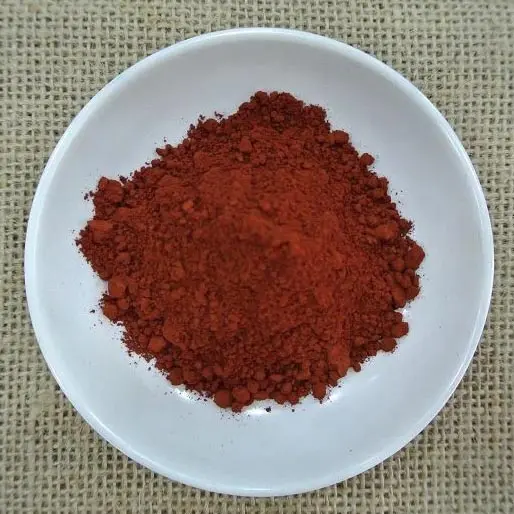
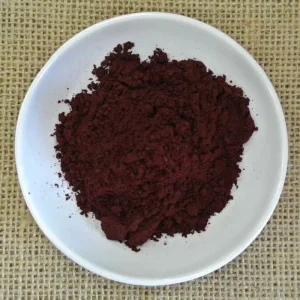
Designed for unbleached mechanical pulps and lignin-rich fibers. Formulations like Basic Brown 23 and Chrysoidine Crystal form strong ionic complexes with carboxyl and phenolic groups on lignin. This delivers maximum exhaustion and brilliant color yields at low application costs.
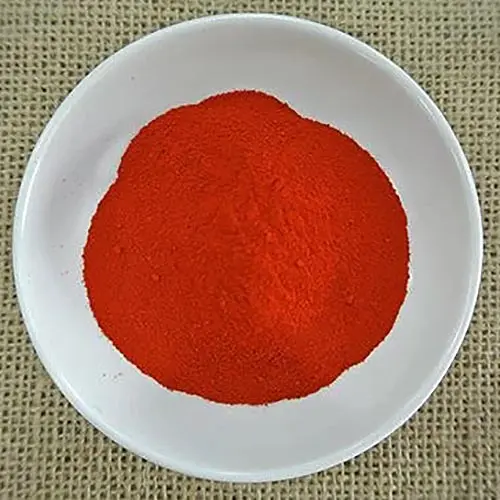
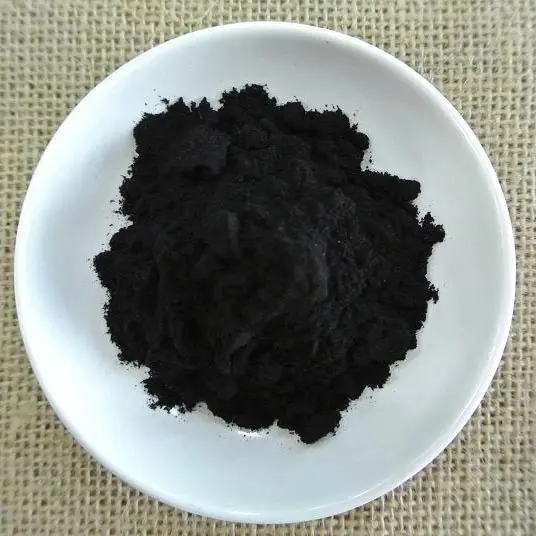
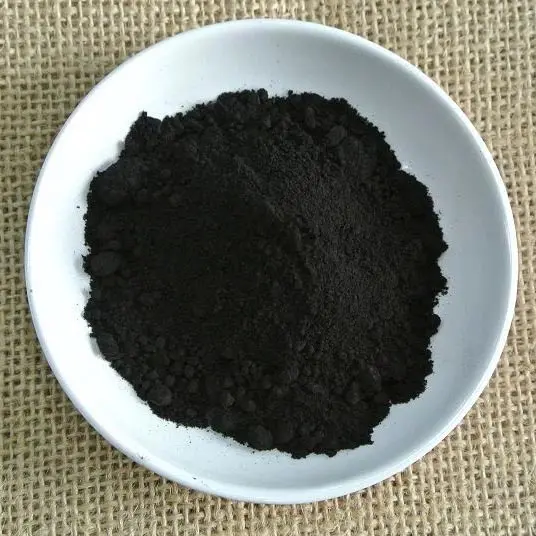
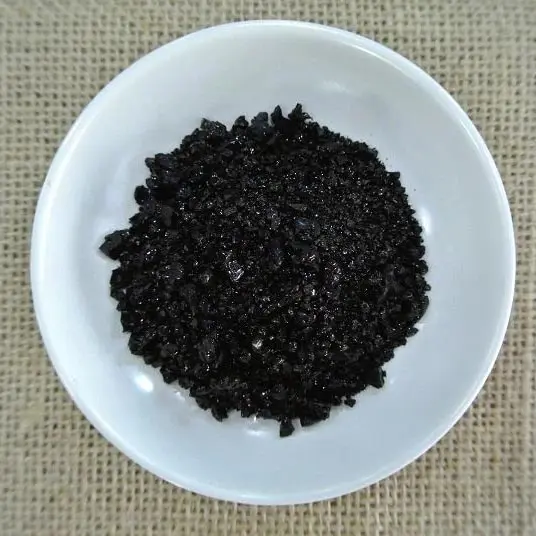
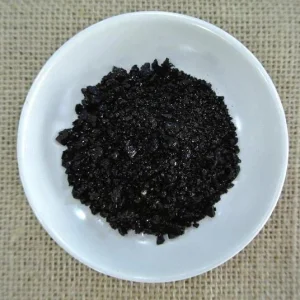
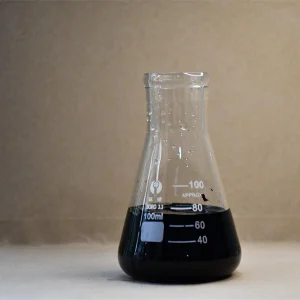
For specialized top-coating, saturation, and packaging board systems. Formulations such as Solvent Black 7, Solvent Red 146, and Solvent Orange 60 provide high solubility in organic binders, resin coatings, and specialized marking pen inks with excellent lightfastness.
Cooperating with textile and paper mills for many years shows that the factory has established a strong and reliable business relationship. This kind of long-term collaboration brings numerous benefits, such as consistent orders, shared resources, and mutual support. It also indicates that the factory has a good track record of delivering quality products and meeting the needs of its partners.
Our mission is to drive business growth by providing reliable and customized products. Our goal is to make a significant contribution to our customers' success by consistently delivering first-class products and exceptional customer service. By building lasting partnerships, we strive to be a catalyst for our clients' success globally.
With years of experience, we have successfully established strong partnerships in many countries. Our dedication to meeting global demands and exceeding customer expectations has earned us a reputation as a reliable supplier worldwide. If you are looking for reliable, high-quality Dyes, we invite you to choose us as your trusted partner.
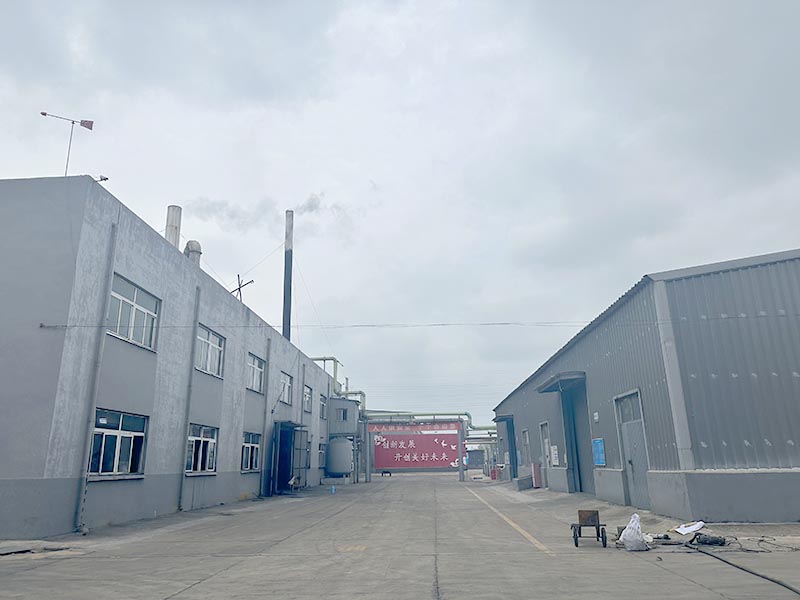
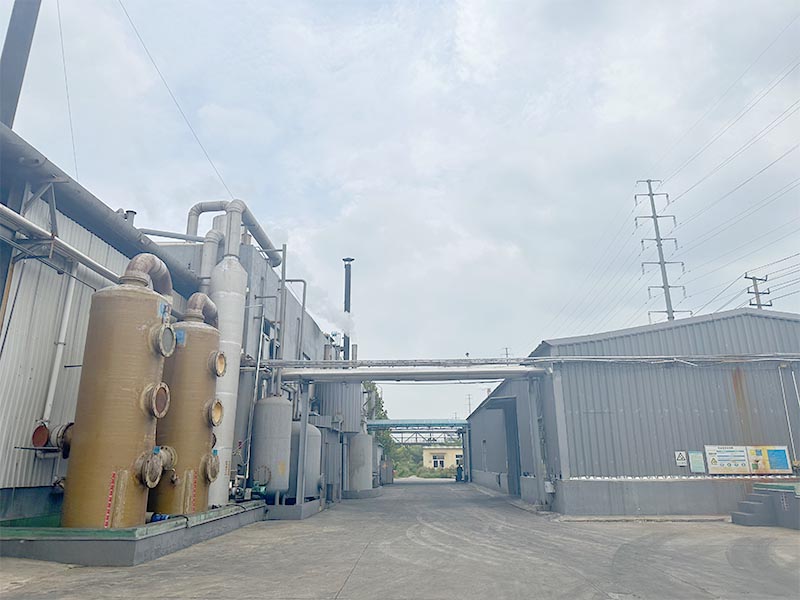
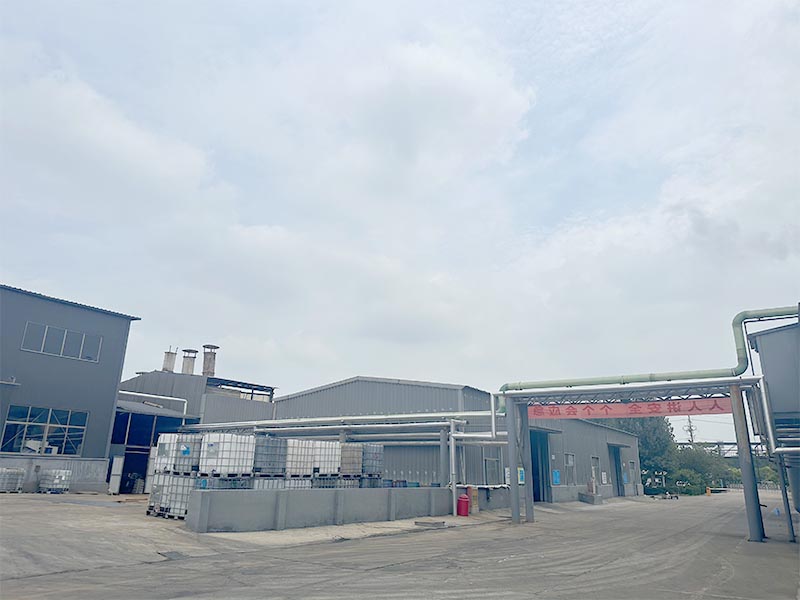
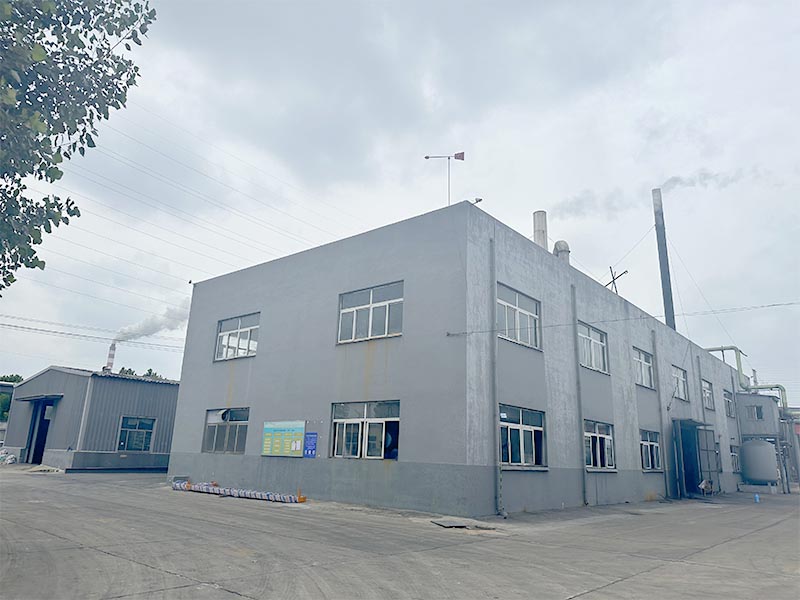
Environmental protection is the cornerstone of our innovation. We dedicate ourselves to providing clients with eco-friendly, high-quality colorants that balance productivity with environmental harmony.
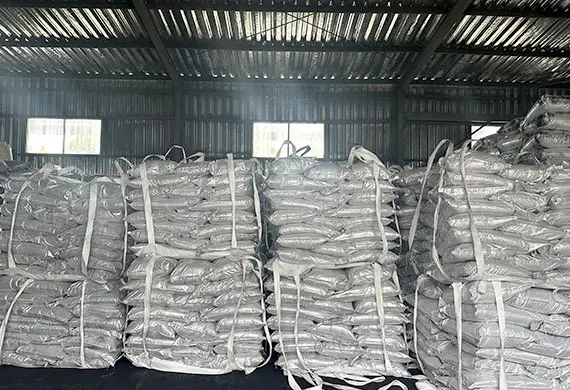
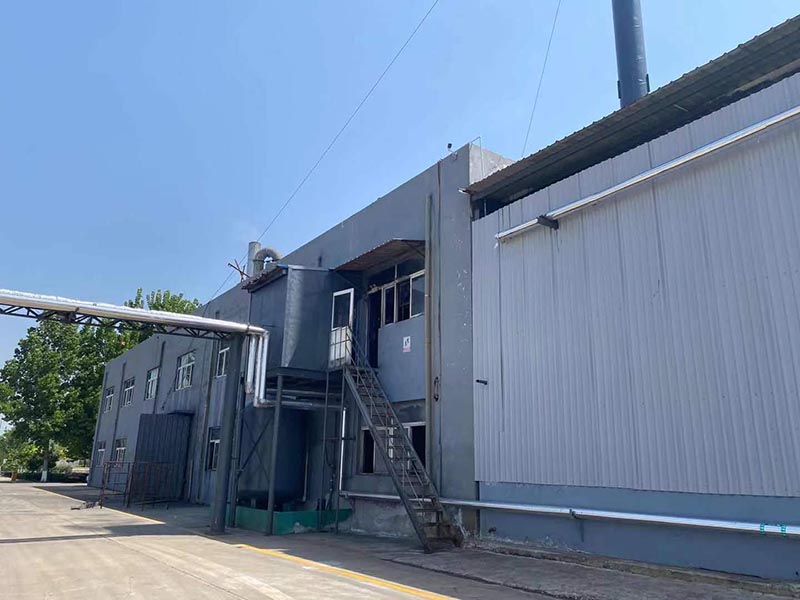
We not only produce and export dyes and pigments but also prioritize long-term cooperation with our customers, providing them with quality services that exceed their expectations. One of the main reasons why customers choose us is the stable supply of dyes we provide. We have developed efficient manufacturing processes to ensure a continuous supply of our products. Our factories feature state-of-the-art equipment and a knowledgeable workforce, which enables us to fulfill the most demanding orders. With us, you can begin your manufacturing journey with confidence knowing that dye availability will never be an issue.
Apart from a steady supply, the quality of our dyes is another reason why we stand out in the market. We, SUNRISE CHEM, take pride in our commitment to producing dyes that consistently meet high standards of quality. Our experienced technicians carefully monitor the manufacturing process, ensuring that each batch of dyes is carefully tested for color fastness, durability, and other essential parameters.
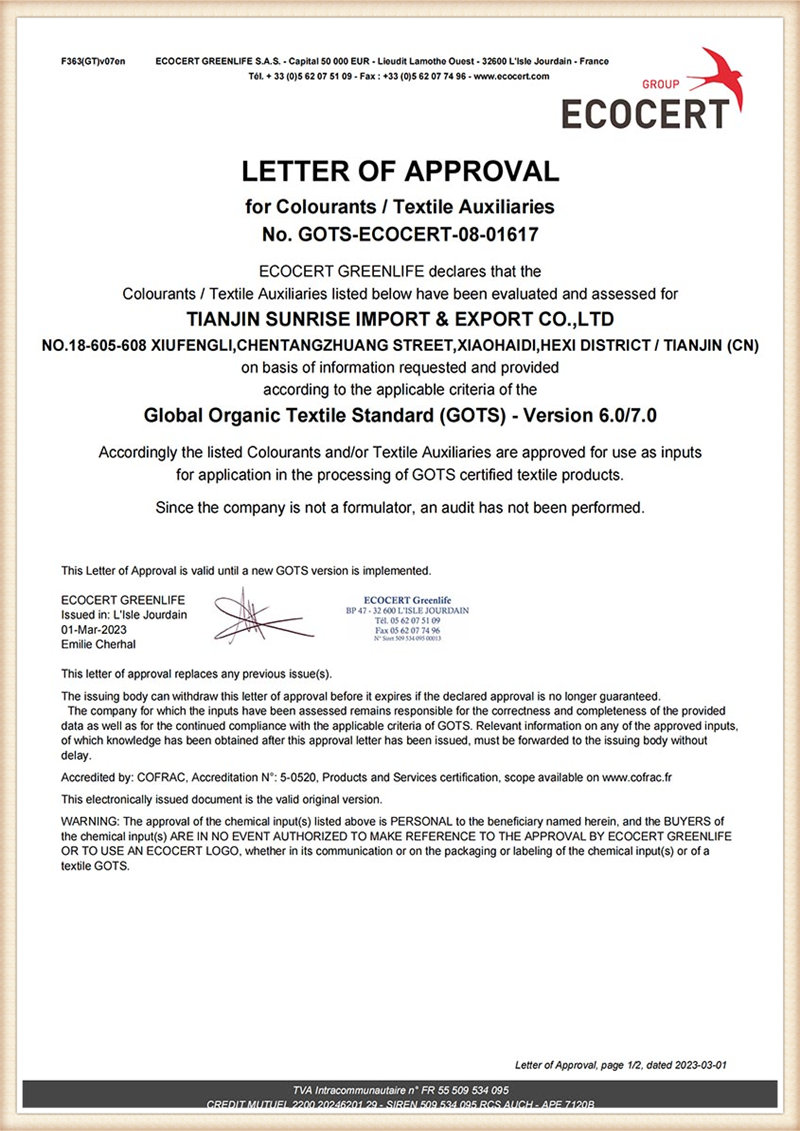
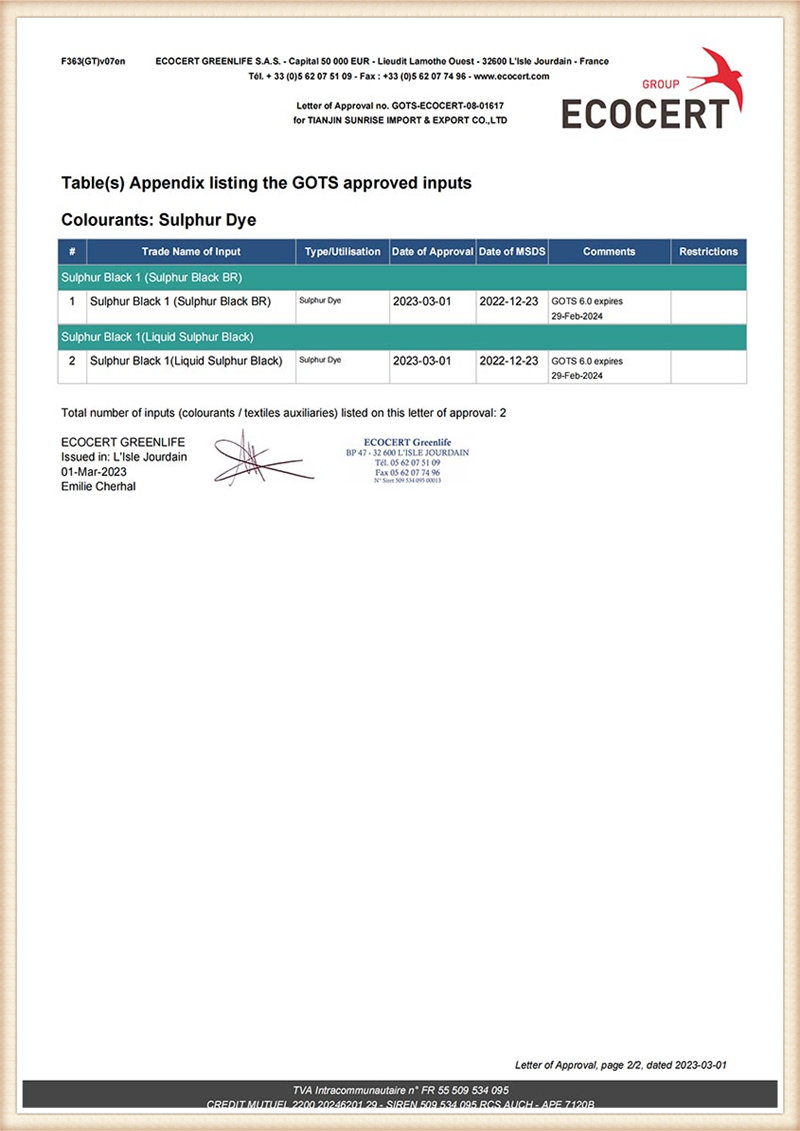
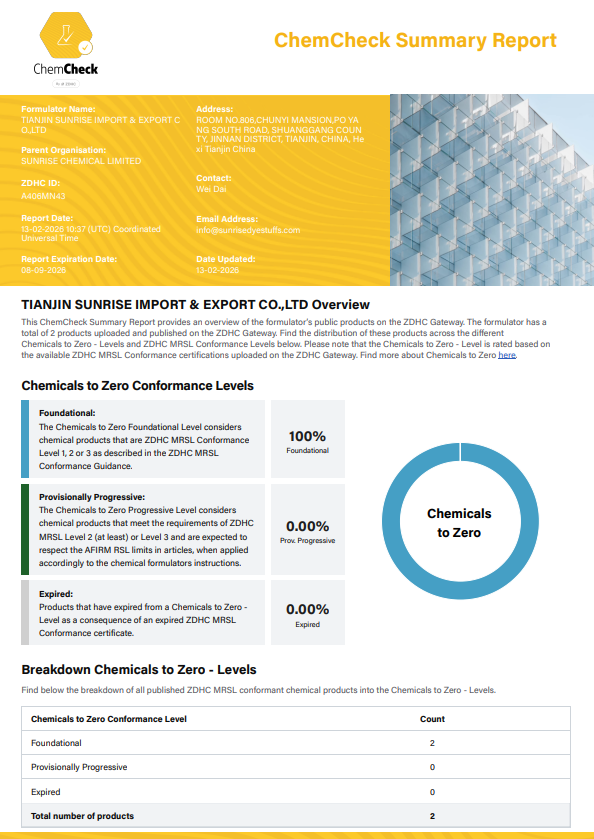
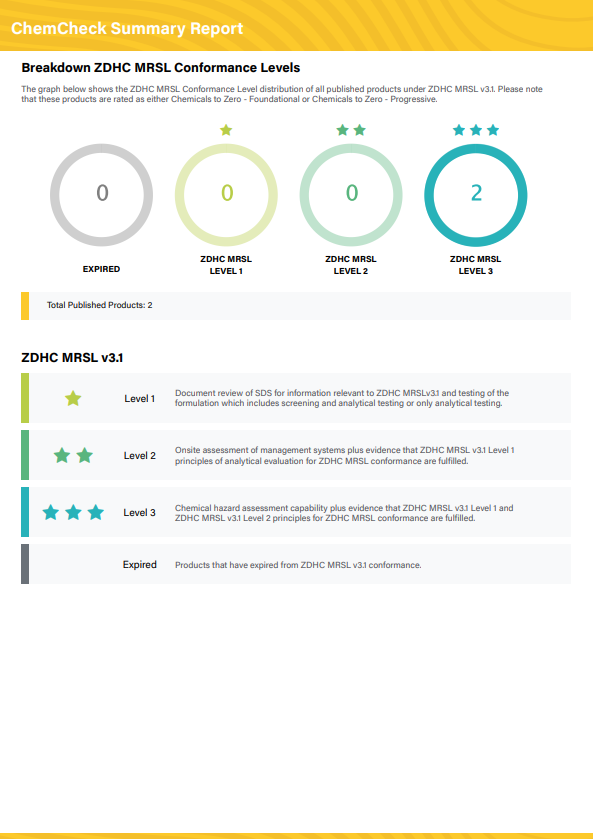
The ZDHC program is a collaborative effort by leading brands, retailers, and suppliers in the textile and footwear industry to reduce the use of hazardous chemicals. The focus of this certification is on eliminating the release of hazardous chemicals into the environment throughout the entire supply chain. Achieving ZDHC Level 3 certification indicates that our company has implemented robust chemical management procedures and has met the stringent requirements for chemical handling, wastewater treatment, and pollution prevention.
The Global Organic Textile Standard (GOTS) is a certification that ensures the organic status of textiles from the harvesting of raw materials to environmentally and socially responsible manufacturing. The GOTS certification guarantees that the textiles are made from organic fibers, that chemical inputs are minimized, and that strict environmental and labor standards are met throughout the production process. GOTS certified products are considered to be sustainable, safe, and ethical.
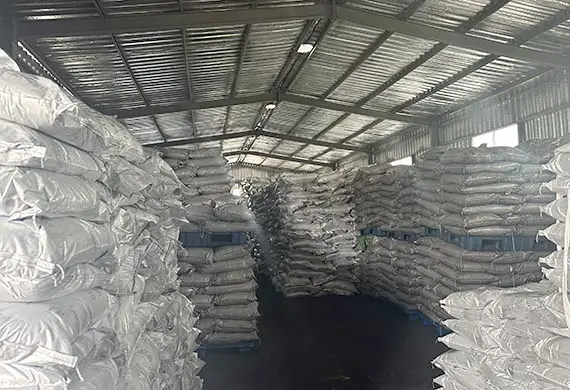
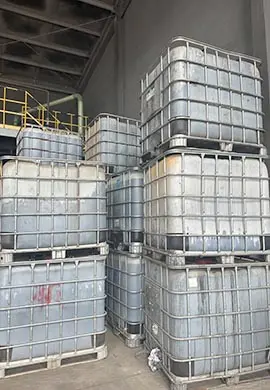
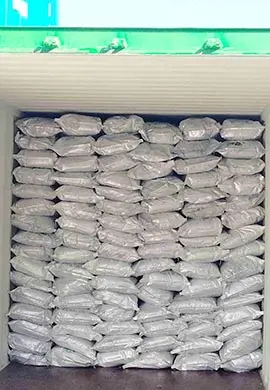
Reliable operations, state-of-the-art warehouses, and heavy-duty container loading
High-affinity colorants optimized for specific textile, leather, and paper fibers
Addressing chemical mechanisms, safety guidelines, and industrial integration dynamics
Premium Chemical Formulations Configured for Global Supply Chain Requirements
 Sunrise