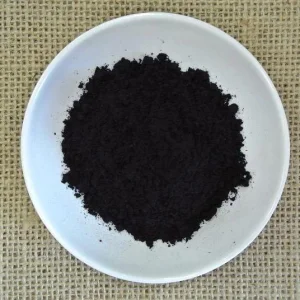
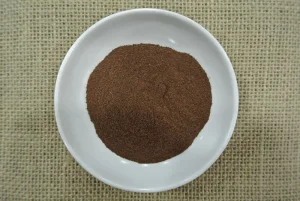
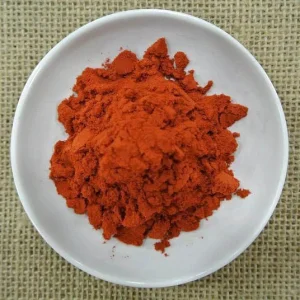
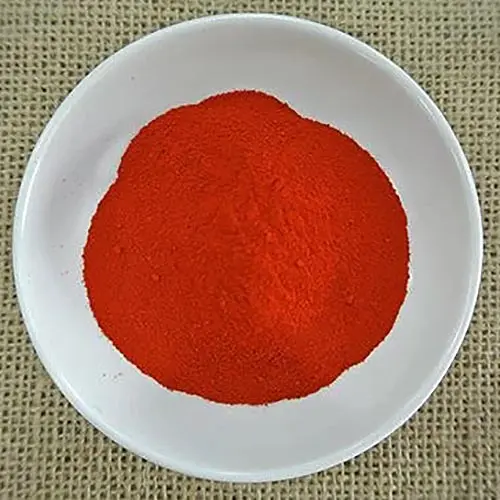
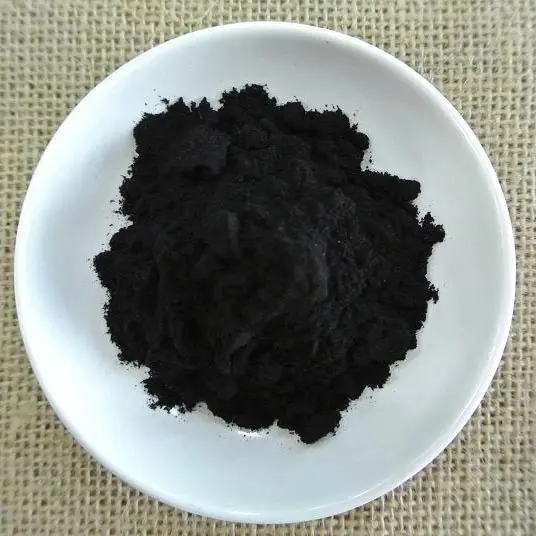
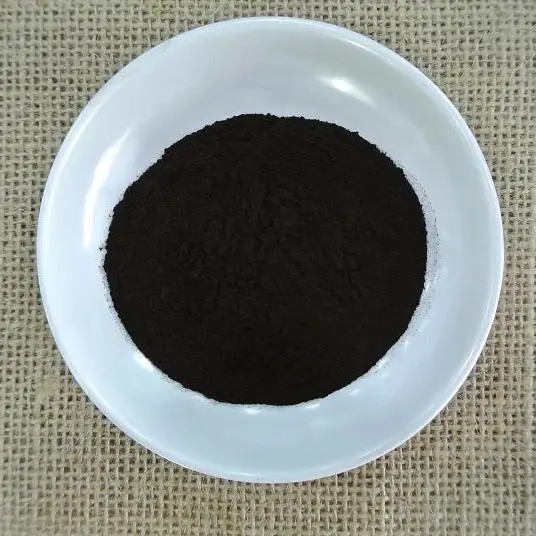
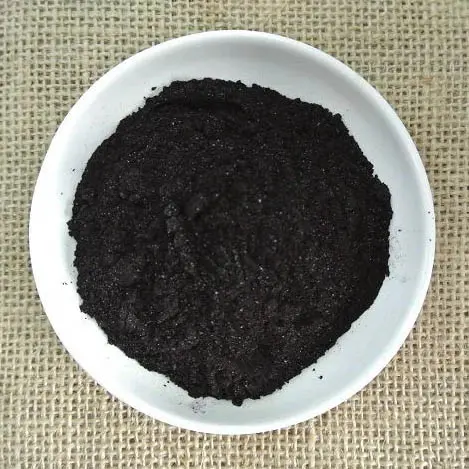
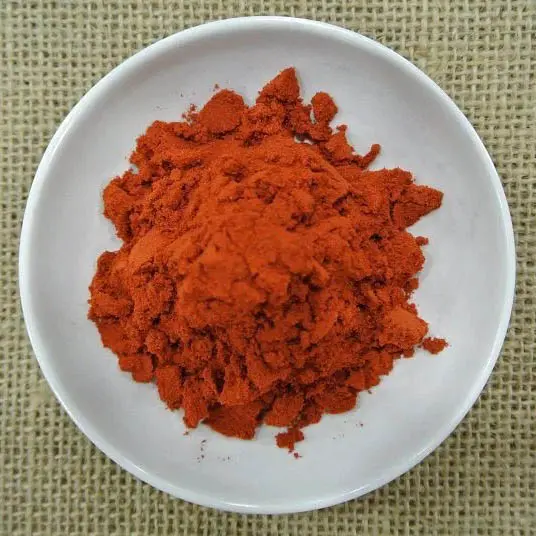
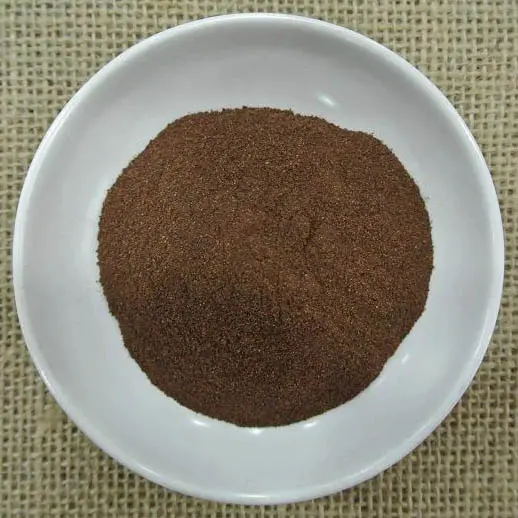
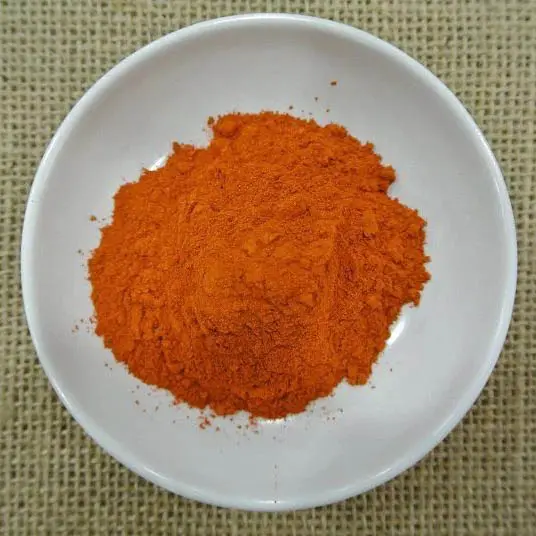
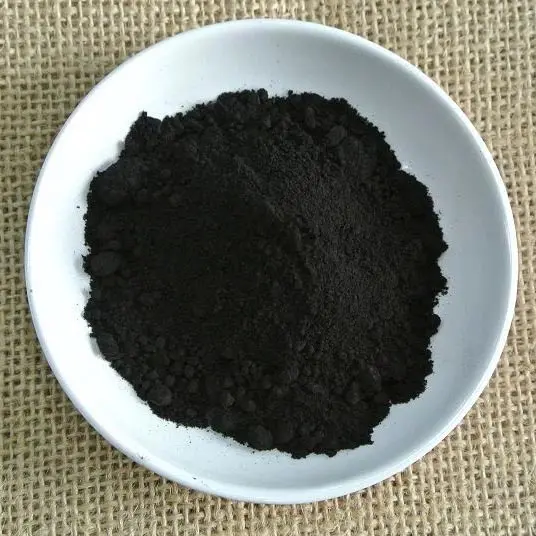
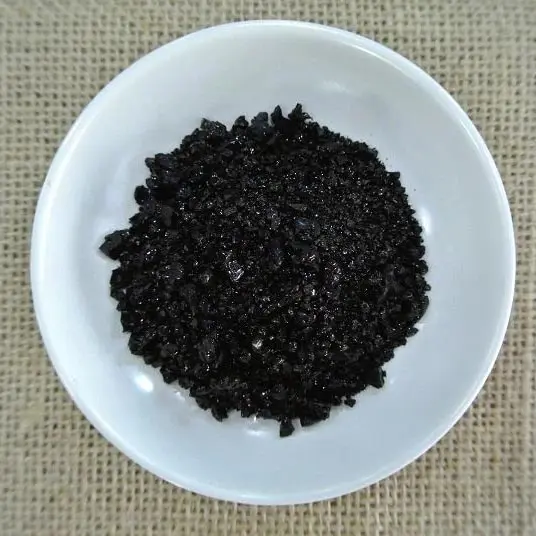
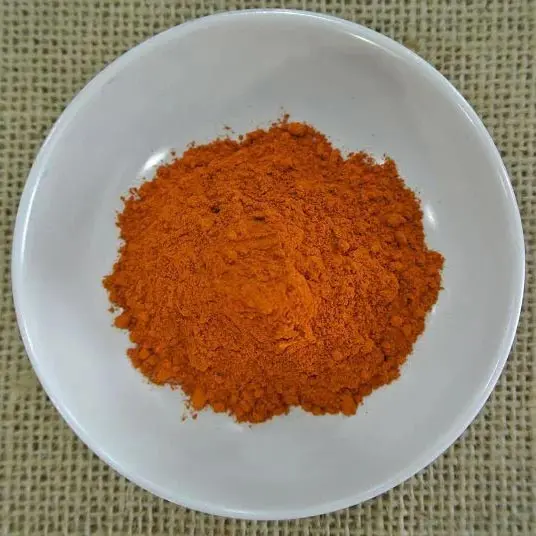
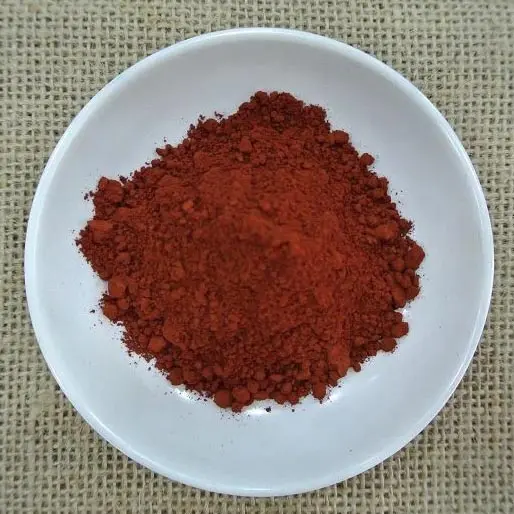
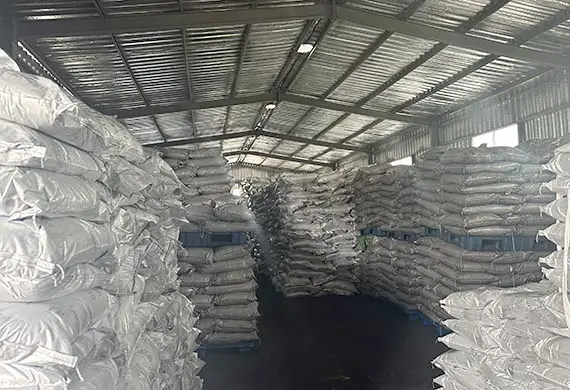
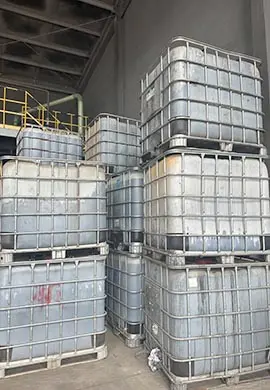
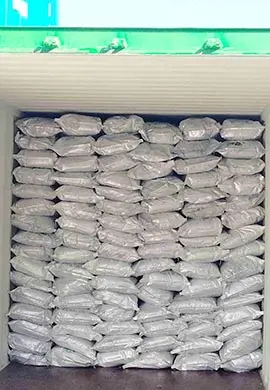
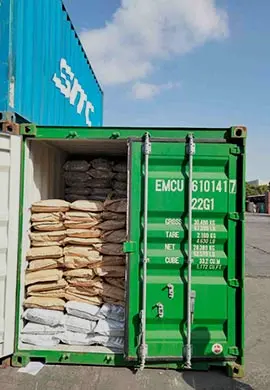
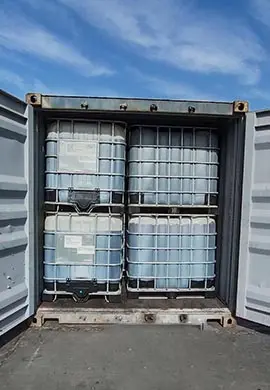
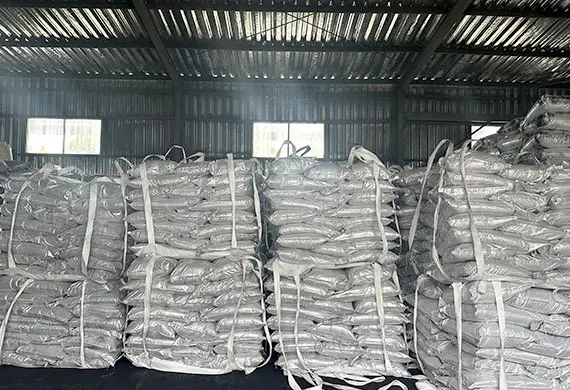
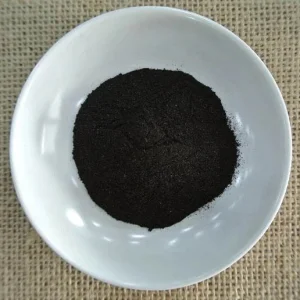
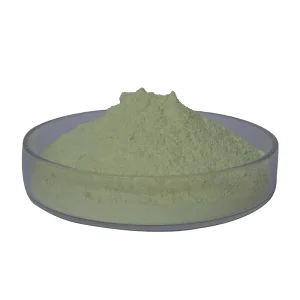
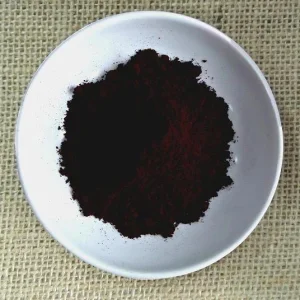
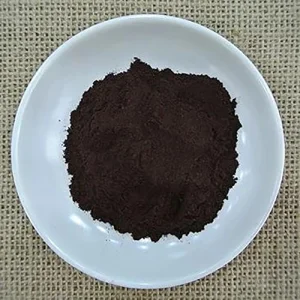
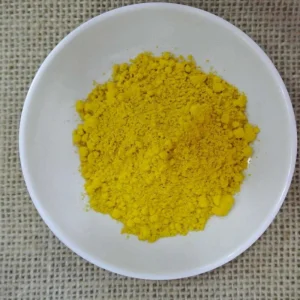
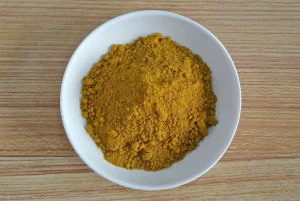
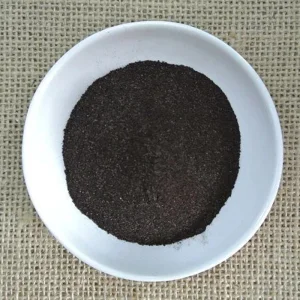
Explore our core manufacturing collection, featuring premium solvents, direct, acid, and basic dye grades optimized for global logistics.
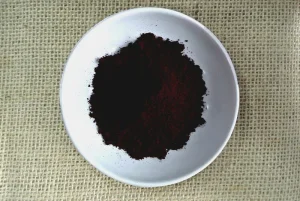
Critical Technical Insights for Polymer Chemists, Procurement Directors, and Textile Manufacturers
In the highly specialized ecosystem of global industrial colorants, Basic Yellow 13 (also classified in the Color Index as C.I. Basic Yellow 13 or colloquially as Cationic Yellow 8GL / 8G) stands as a vital dyestuff. Primarily valued for its brilliant, highly saturated greenish-yellow hue and outstanding fastness properties, this methine-class cationic dye is highly sought after by technical procurement managers globally.
The molecular engineering of Basic Yellow 13 involves a classic cyanine/methine structure containing an indoline nucleus. Structurally, it dissociates in aqueous solution into a positively charged colored cation and a corresponding anion (commonly methyl sulfate or chloride). This cationic attribute gives Basic Yellow 13 an intense affinity for negatively charged substrates. The primary bonding mechanism relies on strong electrostatic attraction with the acid groups (such as sulfonic or carboxylic acid groups) present on polyacrylonitrile (acrylic) fibers, modacrylic blends, and acidic wood pulps.
The manufacturing process of Basic Yellow 13 requires precise organic synthesis. It is typically prepared via the condensation of 1,3,3-trimethyl-2-methyleneindoline (Fischer's base) with a corresponding formylated aldehyde partner. Sourcing managers must focus on the concentration of unreacted intermediates (such as Fischer's base) and heavy metal contaminants. High-purity Basic Yellow 13 maintains a molecular weight of approximately 420–480 g/mol depending on the commercial salt formulation. It provides exceptional thermal stability and compatibility in multi-component dye recipes, often combined with Basic Red 46 and Basic Blue 41 to achieve deep, rich brown, khaki, or black colors in acrylic fibers.
| Property Parameter | Standard Specification value | Testing Method (ISO Standard) |
|---|---|---|
| Chemical Class | Methine / Cationic Dye | Chromatographic Identification |
| Physical Appearance | Bright Yellow / Brownish Powder | Visual / Spectral Compare |
| Solubility in Water | ≥ 40 g/L (at 80°C) | Gravimetric Method |
| Light Fastness (Acrylic) | 6 - 7 Grade | ISO 105-B02 |
| Washing Fastness (acrylic) | 4 - 5 Grade | ISO 105-C06 |
| pH Stability Range | 2.5 - 6.5 | Potentiometric Evaluation |
Tianjin Sunrise Chem Group specializes in manufacturing high-quality dyestuffs. Our comprehensive product portfolio includes Direct dyes, Acid dyes, Basic dyes, Sulphur dyes, Solvent dyes, Liquid dyes, and Fluorescent dyes.
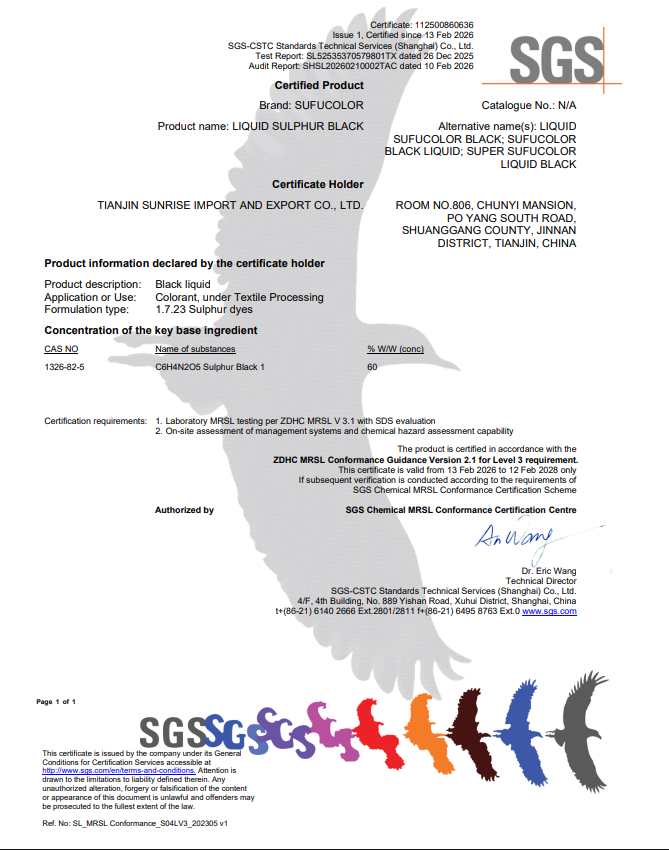
Backed by decades of industry and export experience, we have built a reputation for reliability and excellence, serving clients from diverse sectors including denim, textile, leather, paper, and plastic. We always highly focus on goods quality and stability. Each shipment is tested before sending to the port. Our ZDHC Level 3 and GOTS certifications guarantee the highest safety and regulatory standards.
We pride ourselves on offering customized solutions. Our team of experts works closely with clients to understand their unique needs, delivering tailored products and services. We actively seek strategic partnerships to expand our reach and enhance our offerings. Collaborate with us to explore mutual growth opportunities.
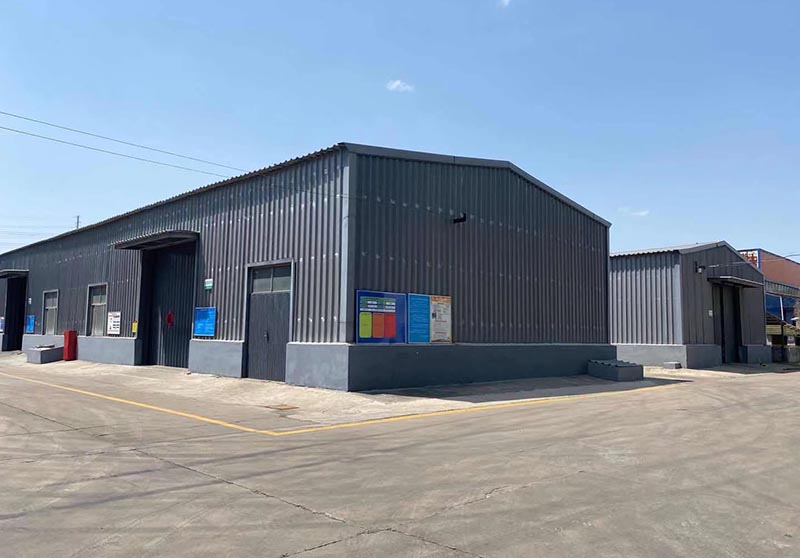
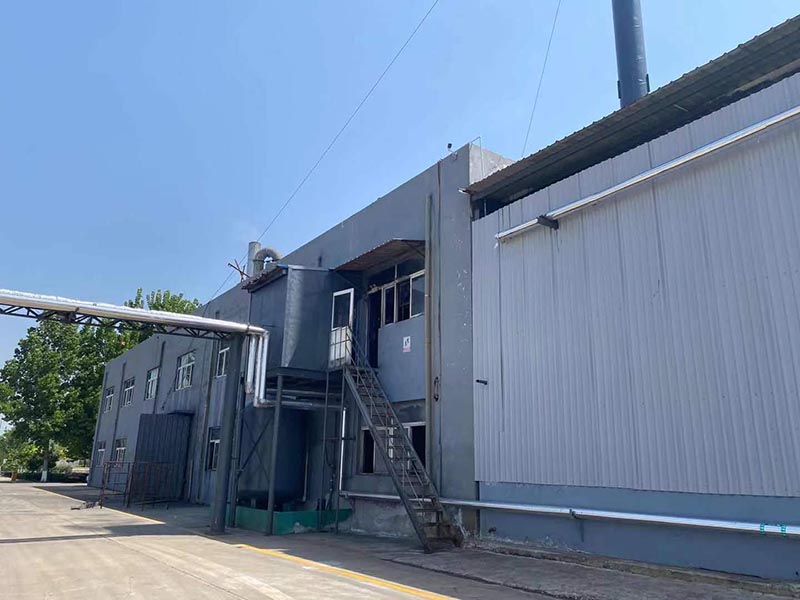
Cooperating with textile and paper mills for many years shows that the factory has established a strong and reliable business relationship. This kind of long-term collaboration brings numerous benefits, such as consistent orders, shared resources, and mutual support.
It also indicates that our factory has a good track record of delivering quality products and meeting the needs of partners consistently. Our mission is to drive business growth by providing reliable and customized products. Our goal is to make a significant contribution to our customers' success by consistently delivering first-class products and exceptional customer service. By building lasting partnerships, we strive to be a catalyst for our clients' success.
Meeting the demands of advanced processing mills and chemical distributors worldwide.
From a macroscopic supply perspective, Basic Yellow 13 is highly sought after across key industrial regions, including Turkey, India, Bangladesh, South Korea, Brazil, and Europe. In the modern global marketplace, purchasing agents evaluate dye manufacturers based on key technical parameters:
For synthetic acrylic fibers, modacrylics, and polyacrylonitrile (PAN) yarn production, Basic Yellow 13 is the primary choice due to its high exhaustion rate. At the critical dyeing temperature range of 85°C to 105°C, cationic dyes migrate quickly to the fiber surface. Inconsistent dyes can lead to uneven coloration. Sunrise ensures stable dye migration rates by optimizing the particle size distribution and ionic charge density. This allows dyers to reduce retarding agent usage and shorten batch cycle times.
In paper mills, Basic Yellow 13 is used to color tissue, packaging board, and specialty paper grades. Our liquid cationic dye formulations are designed for clean handling, rapid dilution, and high compatibility with direct sizing machines, preventing issues like aggregation or spotty color distribution.
With years of experience, we have successfully established strong partnerships in many countries. Our dedication to meeting global demands and exceeding customer expectations has earned us a reputation as a reliable supplier worldwide. If you are looking for reliable, high-quality dyes, we invite you to choose us as your trusted partner.
Delivering high-purity chemical consignments across continents with strict compliance.
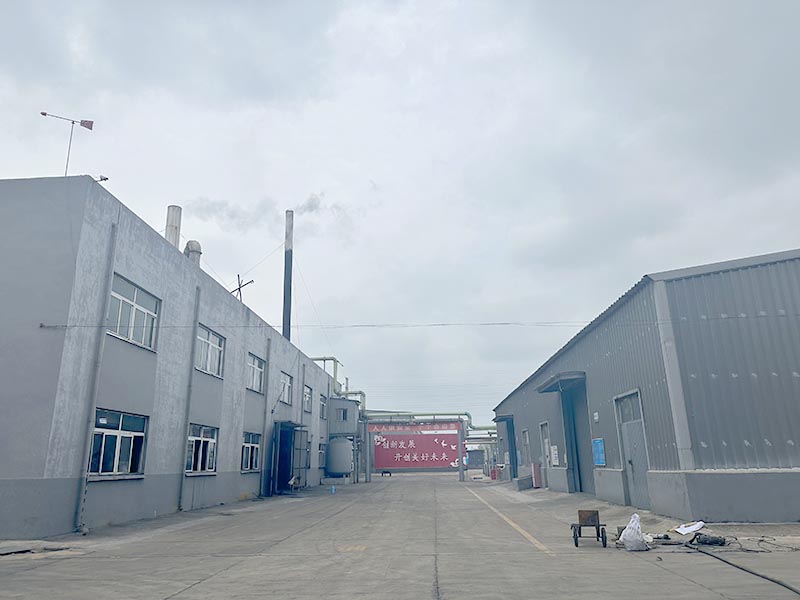
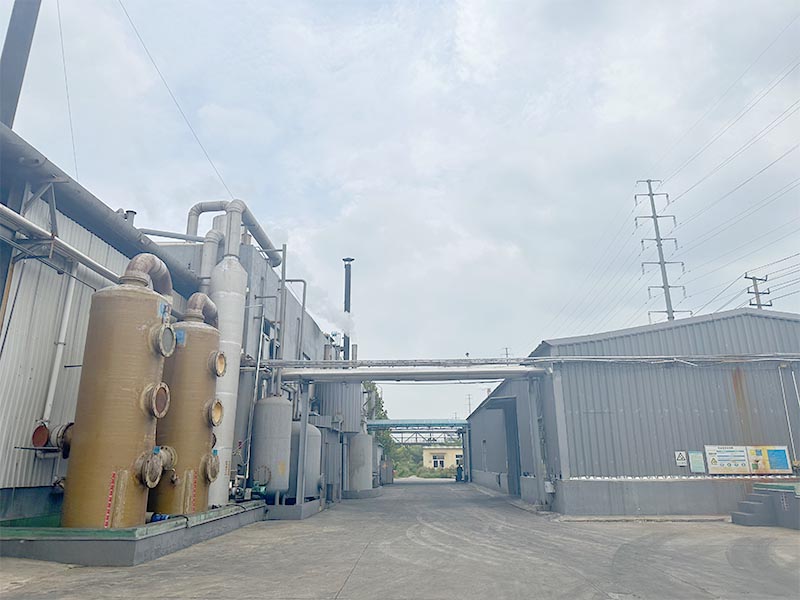
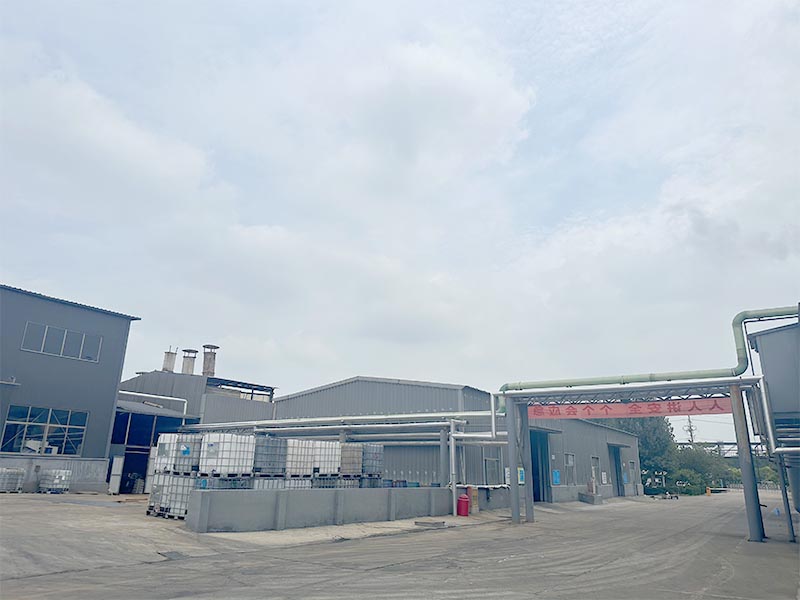
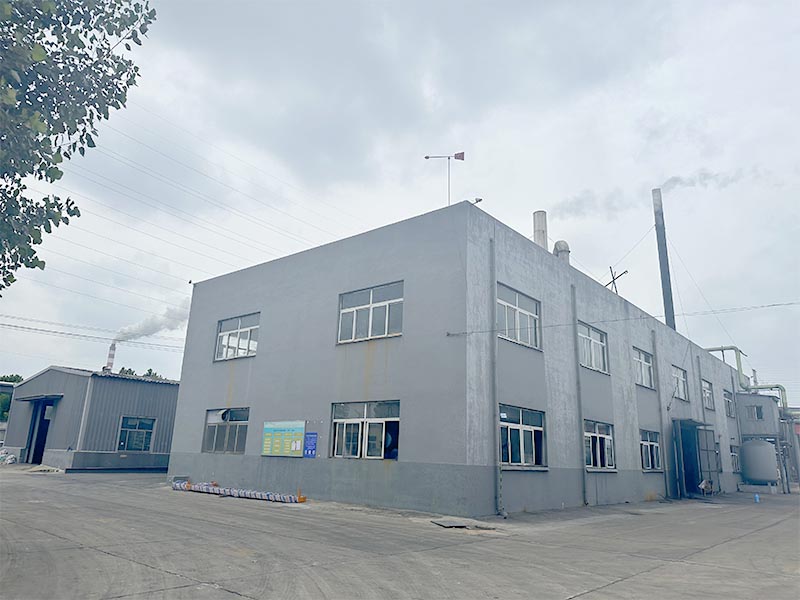
A diverse selection of acid, cationic, and direct dyes formulated for demanding industrial substrates.
We prioritize long-term cooperation with our customers, providing services that exceed expectations. Here is why choosing us is the best decision for your business.
One of the main reasons why customers choose us is the stable supply of dyes we provide. We have developed efficient manufacturing processes to ensure a continuous supply of our products. Our factories feature state-of-the-art equipment and a knowledgeable workforce, which enables us to fulfill the most demanding orders. With us, you can begin your manufacturing journey with confidence, knowing that dye availability will never be an issue.
Apart from a steady supply, the quality of our dyes is another reason why we stand out in the market. We, SUNRISE CHEM, take pride in our commitment to producing dyes that consistently meet high standards of quality. Our experienced technicians carefully monitor the manufacturing process, ensuring that each batch of dyes is carefully tested for color fastness, durability, and other essential parameters. By choosing us, you can rest assured that your products will stand out in the market due to the vibrant and long-lasting color our dyes provide.
Environmental protection is the cornerstone of our innovation. We dedicate ourselves to providing clients with eco-friendly, high-quality colorants that balance productivity with environmental harmony, driving the industry towards a more sustainable development path while delivering high-performance products—for a greener textile industry and a sustainable future.
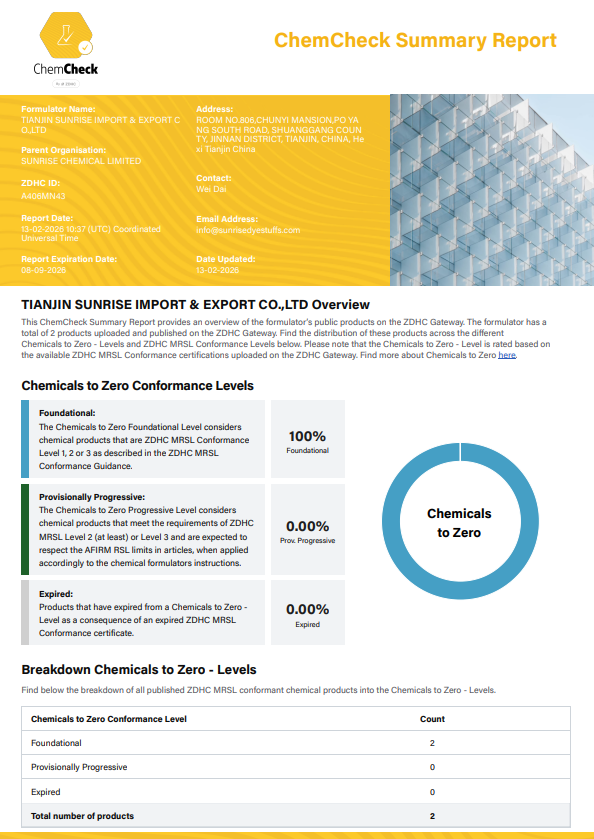
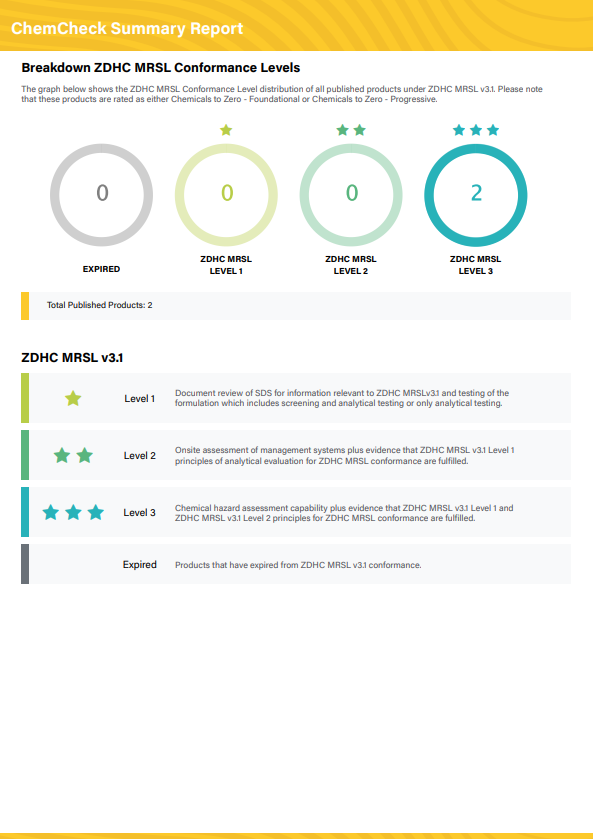
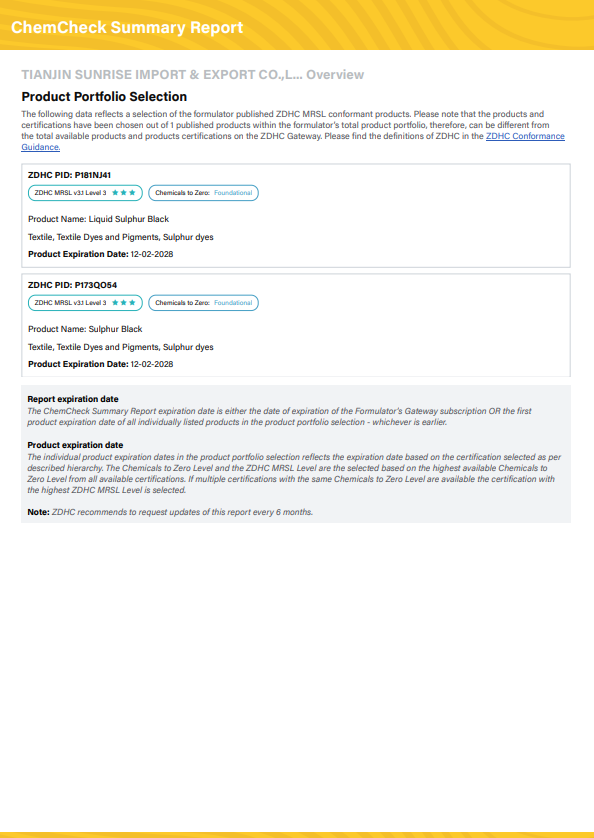
The ZDHC (Zero Discharge of Hazardous Chemicals) program is a collaborative effort by leading brands, retailers, and suppliers in the textile and footwear industry to reduce the use of hazardous chemicals. The focus of this certification is on eliminating the release of hazardous chemicals into the environment throughout the entire supply chain. Achieving ZDHC certification indicates that our company has implemented robust chemical management procedures and has met the stringent requirements for chemical handling, wastewater treatment, and pollution prevention.
The Global Organic Textile Standard (GOTS) is a certification that ensures the organic status of textiles from the harvesting of raw materials to environmentally and socially responsible manufacturing. The GOTS certification guarantees that the textiles are made from organic fibers, that chemical inputs are minimized, and that strict environmental and labor standards are met throughout the production process. GOTS certified products are considered to be sustainable, safe, and ethical.
Both certifications are important in the context of sustainable and responsible textile production. ZDHC focuses on the elimination of hazardous chemicals, while GOTS certification guarantees the organic and ethical aspects of textile production.
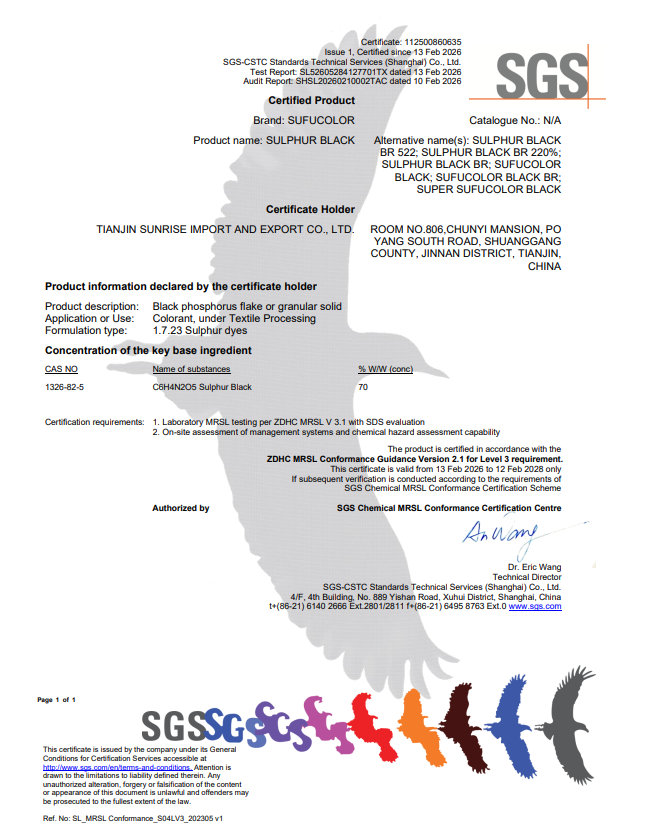
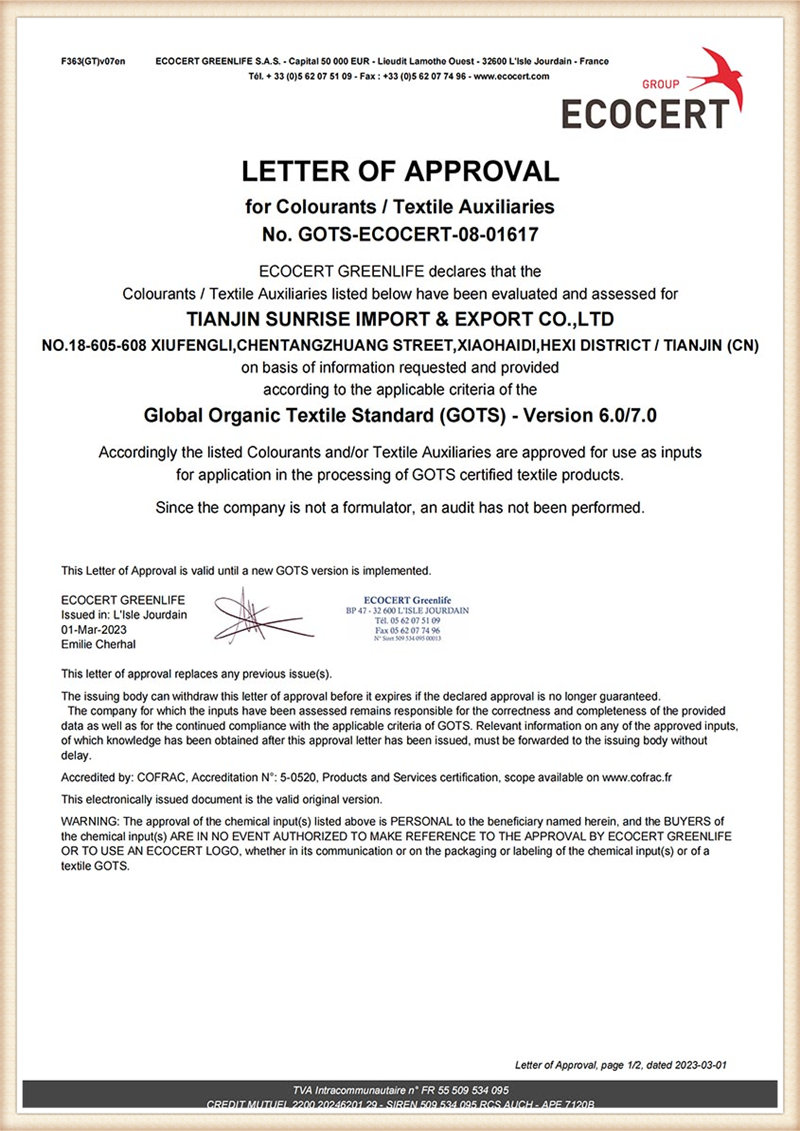
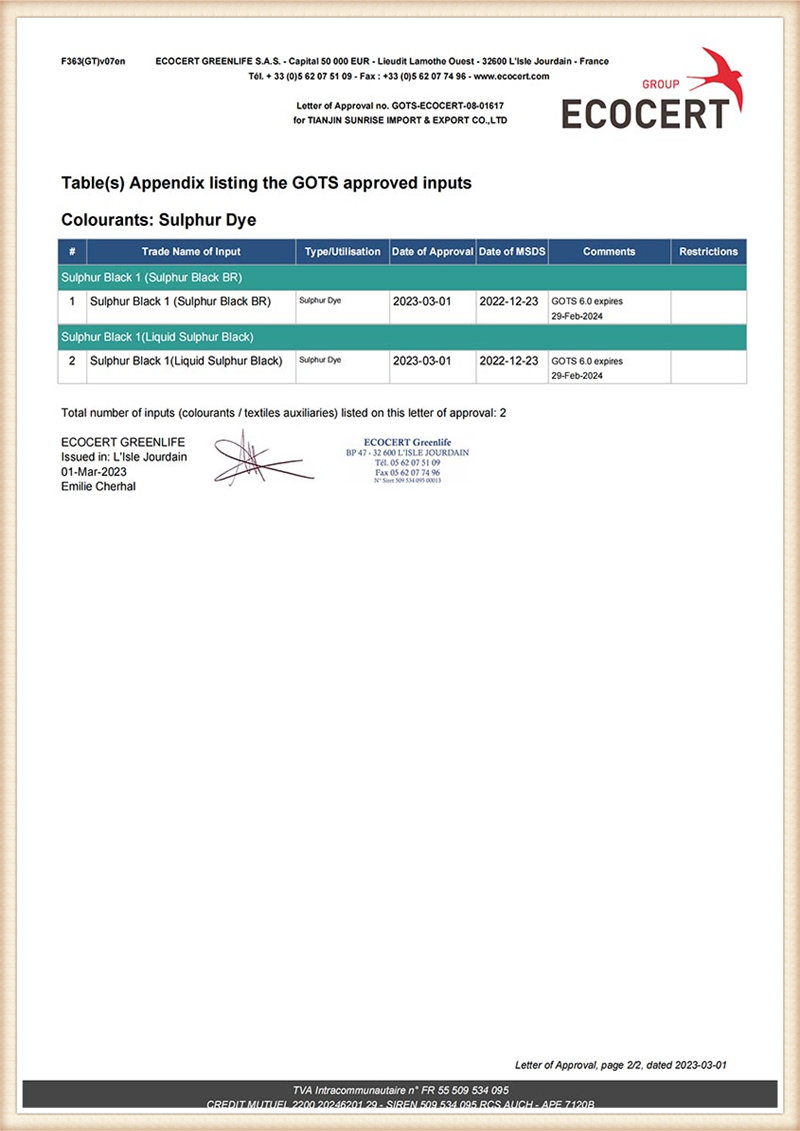
Addressing environmental concerns and future dye innovations for global markets.
As regulatory scrutiny from agencies like the European Chemicals Agency (ECHA) and the US EPA increases, the chemical industry is moving away from hazardous ingredients. Cationic dyes, specifically Methine derivatives like Basic Yellow 13, are carefully monitored for residual heavy metals, regulatory amine content, and total organic halogens (AOX).
Traditional manufacturing pathways often leave trace amounts of chloride salts and hazardous heavy metal catalysts in the dye. Tianjin Sunrise has invested in advanced synthesis setups that replace zinc-chloride double salts with cleaner methyl sulfate or acetate salts. This modification ensures that the final Basic Yellow 13 powder is dust-free, has excellent solubility, and is safer to handle in modern chemical dosing systems.
Effluent from dyehouses using Cationic/Basic dyes contains complex aromatic ring structures that resist biological breakdown. In response, our technical support team provides assistance to clients, helping them set up modern wastewater treatment procedures. This includes implementing chemical coagulation, ozonation, and biological aerobic-anaerobic treatment steps to achieve zero hazard discharge.
We firmly believe in building relationships with our clients based on trust and mutual benefit. We know that our customers' success is our success, so we are committed to providing quality services to meet their needs. Our dedicated customer support team is on hand to address any questions or concerns you may have. We value your feedback and strive to continuously improve our operations to serve you better. Our purpose is not just to supply dyes, but to be your trusted partner in achieving your business goals. By choosing us, you choose a partnership built on reliability, transparency, and mutual success.
Expert technical and commercial answers from the chemical team at Sunrise.
A complete selection of pigment formulations, optical brighteners, and wood stains for diverse industrial applications.
 Sunrise