Discover our high-purity direct dyes, solvent dyes, and special chemical formulations designed for superior color fastness, extreme brightness, and environmental compliance.
In the highly competitive global textile market, achieving an unparalleled level of brightness and pristine whiteness on cotton fibers is not merely an aesthetic preference; it is a foundational requirement. Raw cotton fibers contain natural yellowish pigments, mostly consisting of carotenoids and flavones, which remain even after scouring and chemical bleaching processes. To offset this yellowish tint, textile manufacturers rely on Optical Brightening Agents (OBAs), also known as Fluorescent Whitening Agents (FWAs).
Historically, whitening was achieved through blueing agents that absorbed red-yellow light, reducing the overall brightness of the fabric. In contrast, modern OBAs operate on a sophisticated photoluminescence mechanism. They absorb invisible electromagnetic radiation in the ultraviolet region (typically between 340 nm and 380 nm) and re-emit this energy as visible light in the blue spectrum (between 420 nm and 460 nm). The addition of this blue light compensates for the yellow reflection of the substrate, generating an optical illusion of intense, brilliant whiteness that significantly surpasses the natural reflectance of bleached cotton.
Optical Brighteners are generally derivative products of stilbene, specifically di-, tetra-, and hexa-sulfonic stilbene-triazine compounds. For cellulosic fibers like cotton, tetrasulfonic stilbenes are the absolute industry standard due to their optimal balance between moderate substrate affinity and excellent solubility. Hexasulfonic variants, having even higher solubility, are preferred in processes with high electrolyte concentrations or specialized surface applications, whereas disulfonic derivatives are reserved for nylon or cotton blends under acidic padding conditions.
Tianjin Sunrise Chem Group aligns chemical synthesis with strict global ecological guidelines. Our manufacturing processes are engineered to yield maximum Whiteness Index (WI) values while drastically reducing free aniline and triazine contents, satisfying the most rigid environmental requirements.
Our company has implemented robust chemical management procedures, meeting the stringent requirements for chemical handling, wastewater treatment, and pollution prevention. This guarantees that our OBA series avoids hazardous releases, protecting downstream brands from consumer recalls.
Utilizing state-of-the-art closed-loop reaction vessels, Tianjin Sunrise Chem Group ensures complete condensation of cyanuric chloride with diaminostilbene disulfonic acid (DAS), resulting in exceptionally low concentrations of unreacted intermediates.
China remains the undisputed epicentre of the global dyestuff and chemical auxiliary supply chain, particularly for Stilbene derivatives. This position is supported by deep raw material integration, local sourcing of critical inputs like cyanuric chloride, aniline derivatives, and DSD acid. This direct access mitigates shipping lag times and shields the production line from raw material price spikes, ensuring highly competitive discount pricing for overseas volume buyers.
Furthermore, modern Chinese chemical manufacturers operate within highly integrated industrial parks, where heat recovery, energy cogeneration, and advanced common wastewater treatment plants are standard. Tianjin Sunrise Chem Group harnesses these centralized efficiencies to offer bulk pricing that traditional Western manufacturers find impossible to match without compromising on environmental protections.
Our proximity to Tianjin Port—a massive shipping hub—further optimizes ocean freight costs and logistics schedules. This geographical and industrial coordination allows us to fulfill large-volume OBA procurement contracts smoothly, ensuring that chemical supplies match your production timelines.
Determining the optimal application pathway is critical for maximizing both whitening efficiency and chemical economy. The application of Optical Brightening Agents (OBA) on cotton is typically conducted during the bleaching or post-bleaching finishing stages, using two primary methods:
| Application Method | Process Parameters | Electrolyte Requirements | Key Performance Metrics |
|---|---|---|---|
| Exhaust Dyeing (Batch Process) | Temperature: 50°C - 60°C Time: 20 - 30 minutes pH: 8.0 - 9.0 |
Requires sodium chloride (NaCl) or sodium sulfate (Na2SO4) to promote fiber affinity and exhaustion. | Highly uniform penetration; ideal for knitted fabrics, yarn packages, and garments. |
| Continuous Padding (Pad-Dry-Cure) | Padding Temp: Room Temperature Liquor Pickup: 70% - 80% Drying: 100°C - 120°C |
Electrolytes must be carefully restricted to prevent premature precipitation in the pad bath. | High throughput; optimal for woven fabrics, sheeting, and continuous processing lines. |
Tetrasulfonic OBAs exhibit a moderate affinity for cellulose. Unlike dyes that form covalent bonds, optical brighteners bind to cotton fibers through physical adsorption, hydrogen bonding, and van der Waals forces. Because this adsorption process is exothermic, excessive temperatures can actually decrease the exhaustion percentage, causing valuable chemical assets to remain in the wastewater stream. Maintaining a temperature range between 40°C and 60°C ensures optimal adsorption dynamics and prevents uneven local concentrations that cause "brightener spots" or streaking.
For major multinational textile and paper groups, chemical supply security is a core strategic priority. Fluctuations in dye strength or OBA concentrations can result in inconsistent production outputs, leading to disputes with retail apparel brands.
Cooperating with textile and paper mills for many years shows that the factory has established a strong and reliable business relationship. This kind of long-term collaboration can bring numerous benefits, such as consistent orders, shared resources, and mutual support. It also indicates that the factory has a good track record of delivering quality products and meeting the needs of its partners. Our mission is to drive business growth by providing reliable and customized products.
At Tianjin Sunrise Chem Group, we run batch-to-batch spectrophotometric testing using advanced instruments to guarantee that every delivery meets a Delta-E color variation limit of less than 0.5. By maintaining these strict standards, we ensure that our global partners receive uniform chemical consistency, supporting their continuous, high-speed manufacturing processes.
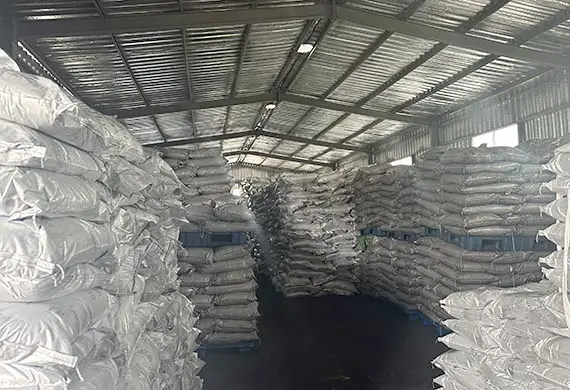
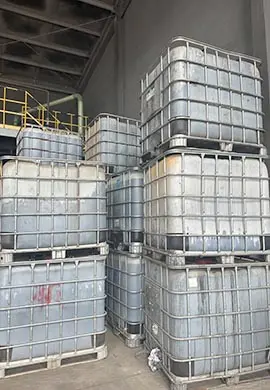
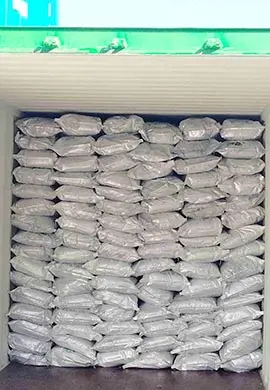
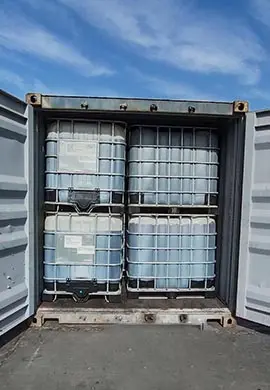
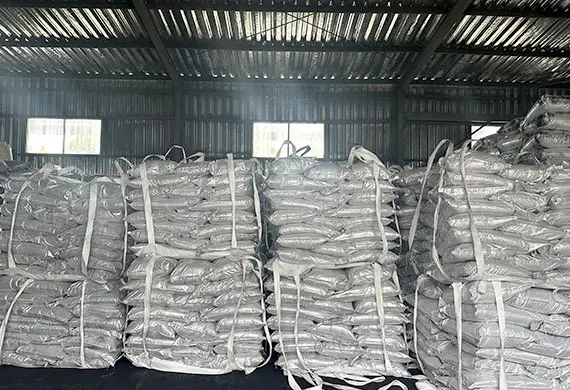
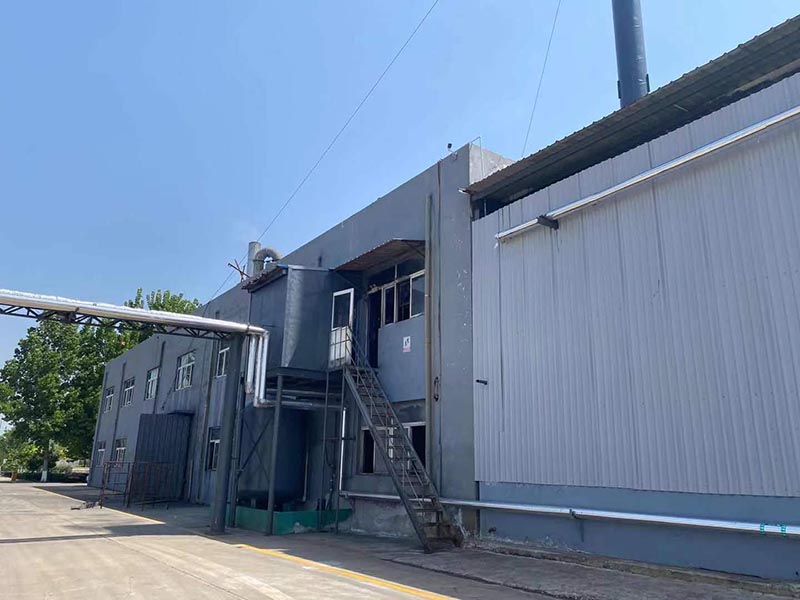
Our large-scale warehousing, automated liquid filling, and optimized shipping processes ensure that large-volume international purchase orders are loaded securely and delivered on schedule.
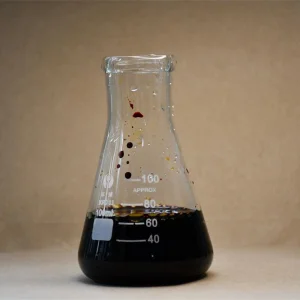
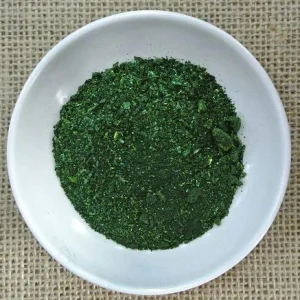
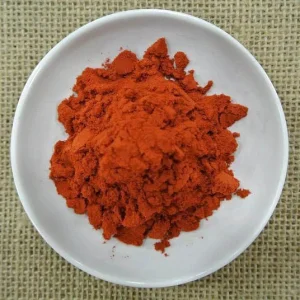
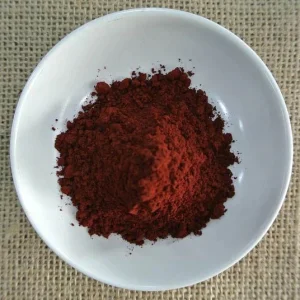
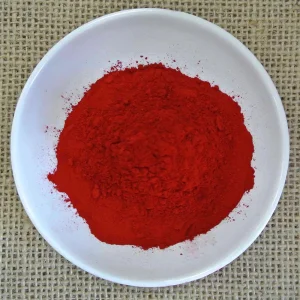
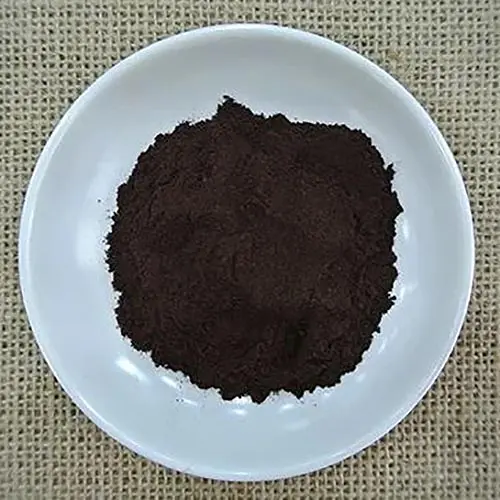
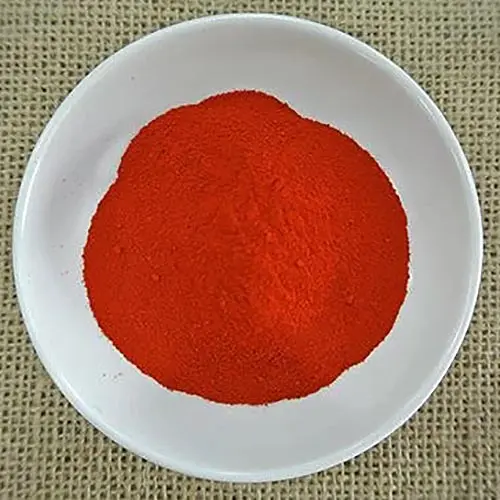
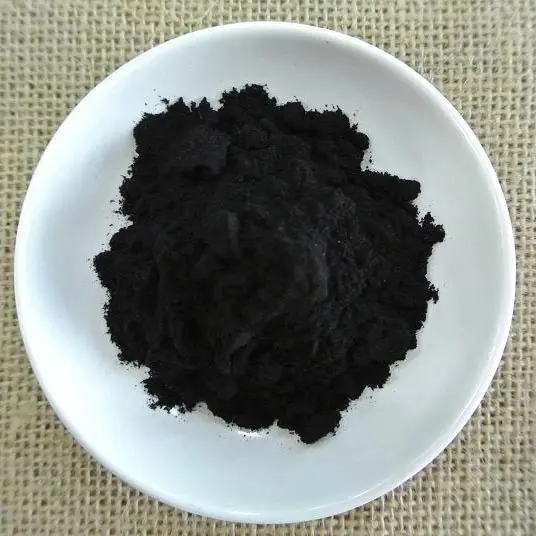
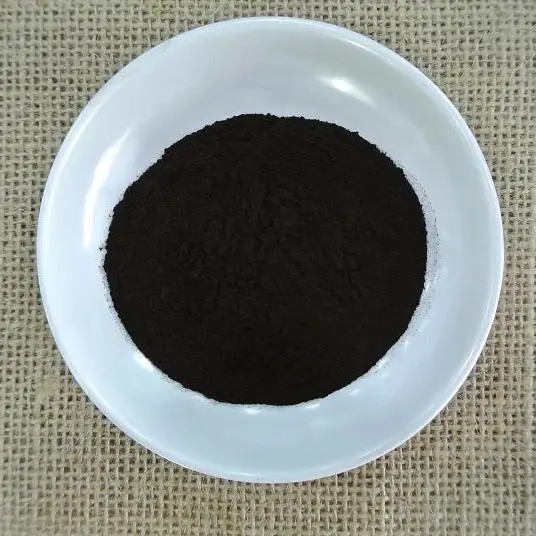
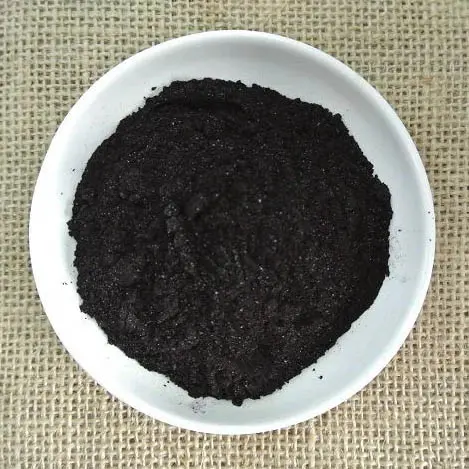
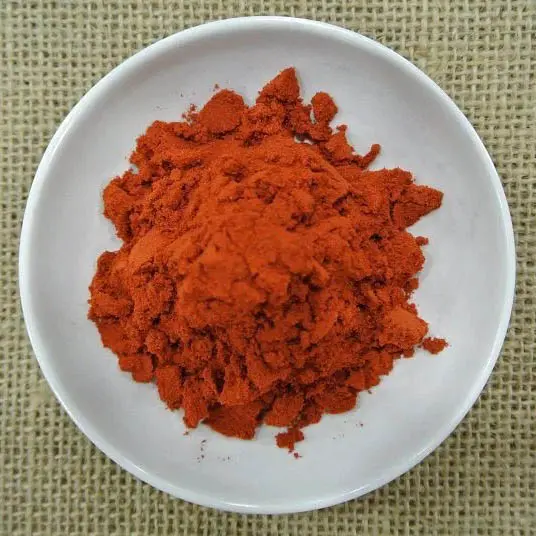
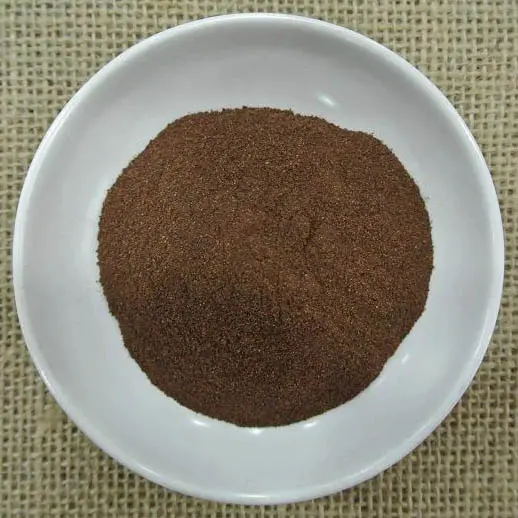
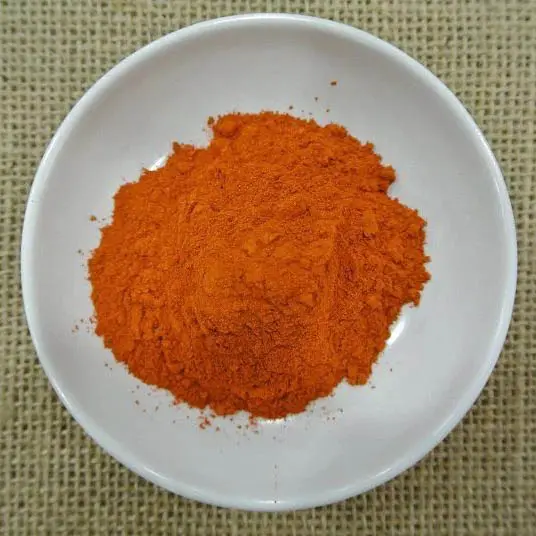
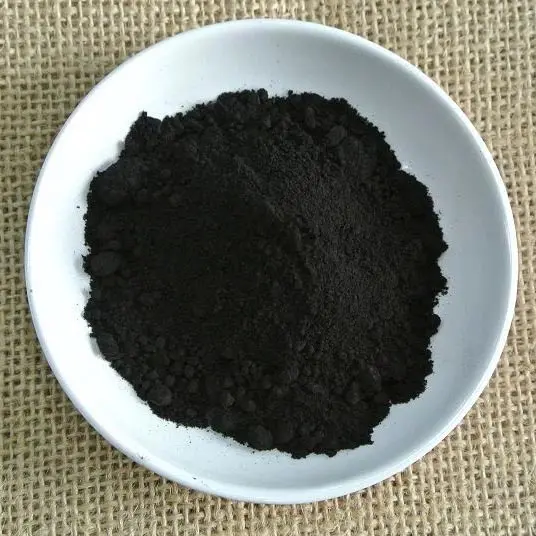
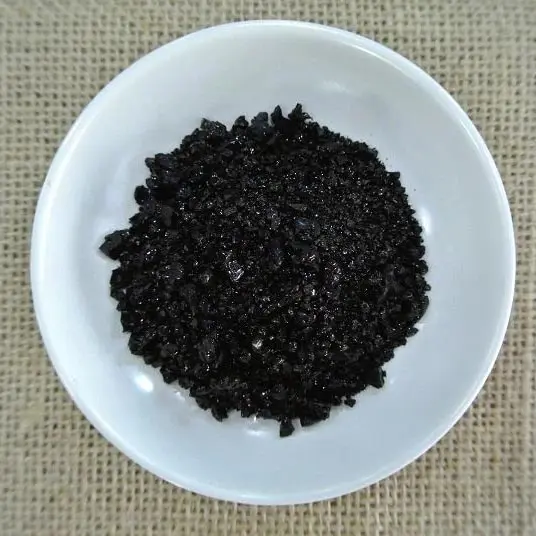
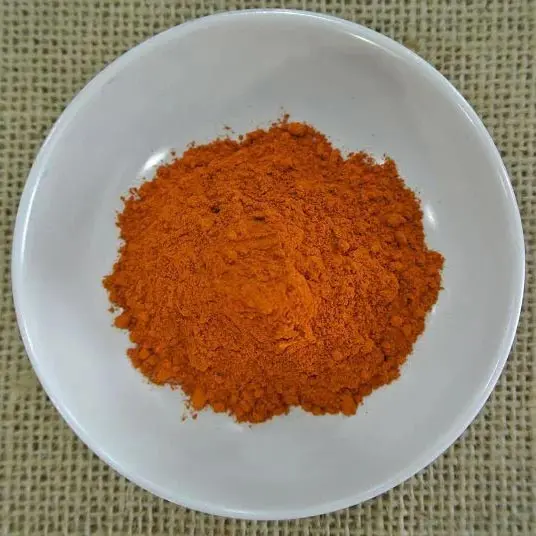
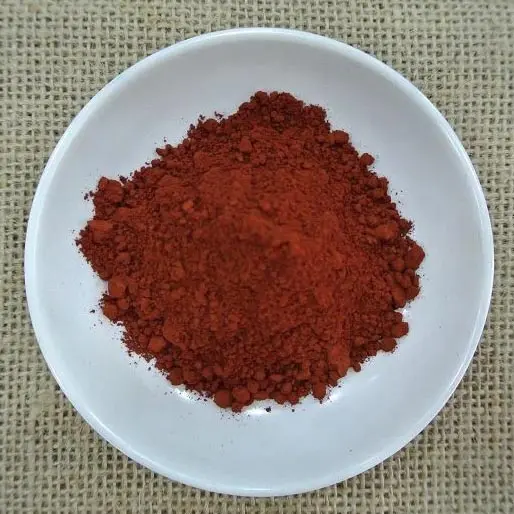
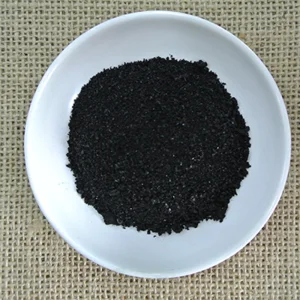
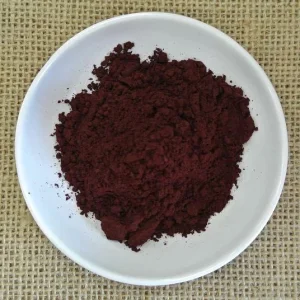
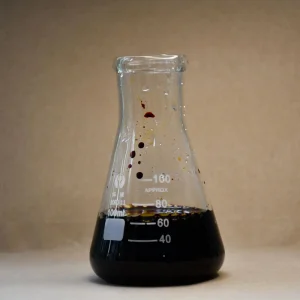
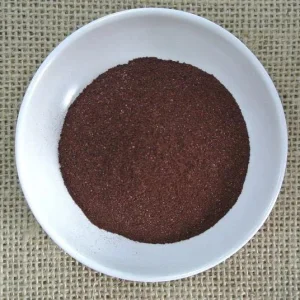
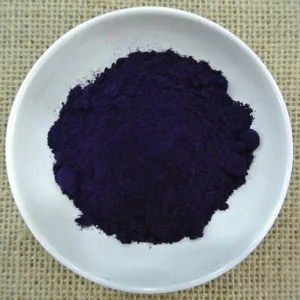
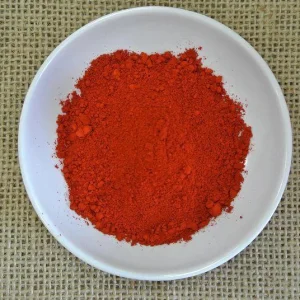
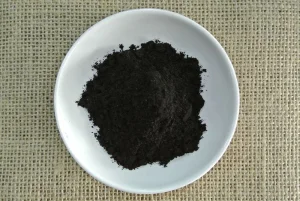
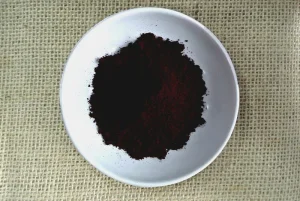
In addition to our industry-standard OBA for cotton, Tianjin Sunrise Chem Group offers specialized acid, direct, and sulphur dyes for leather, paper, silk, and wool. Below is a showcase of our high-demand specialty products and their industrial applications.
Integrating Optical Brightening Agents into complex textile finishing programs requires careful consideration of compatibility with other chemicals. In modern processing plants, cotton fabrics typically undergo bleaching using hydrogen peroxide ($H_2O_2$) under alkaline conditions. Because peroxide is a strong oxidizing agent, any OBA added to the bleach bath must be structurally stable and resistant to oxidative degradation.
Combining the bleaching and optical whitening steps into a single bath process offers significant resource savings. This single-bath approach reduces water consumption by up to 35% and cuts energy usage by shortening heating cycles. However, this process requires careful pH management. If the pH drops below 7.5, stilbene-based brighteners can precipitate, leading to poor adsorption and spots on the fabric. Conversely, a pH exceeding 10.0 can accelerate the decomposition of hydrogen peroxide, resulting in fiber damage. Our technical support teams work closely with global factories to establish reliable formulation profiles, ensuring smooth and efficient production.
Environmental protection is the cornerstone of our innovation. We dedicate ourselves to providing clients with eco-friendly, high-quality colorants that balance productivity with environmental harmony, driving the industry towards a more sustainable development path while delivering high-performance products—for a greener textile industry and a sustainable future.
In modern wastewater treatment facilities, organic substances like stilbene derivatives must undergo complete biological degradation. Our ZDHC-compliant chemical designs are engineered to be highly compatible with standard aerobic and anaerobic treatment systems. This prevents accumulation in municipal waterways and helps downstream mills stay compliant with strict local environmental limits.
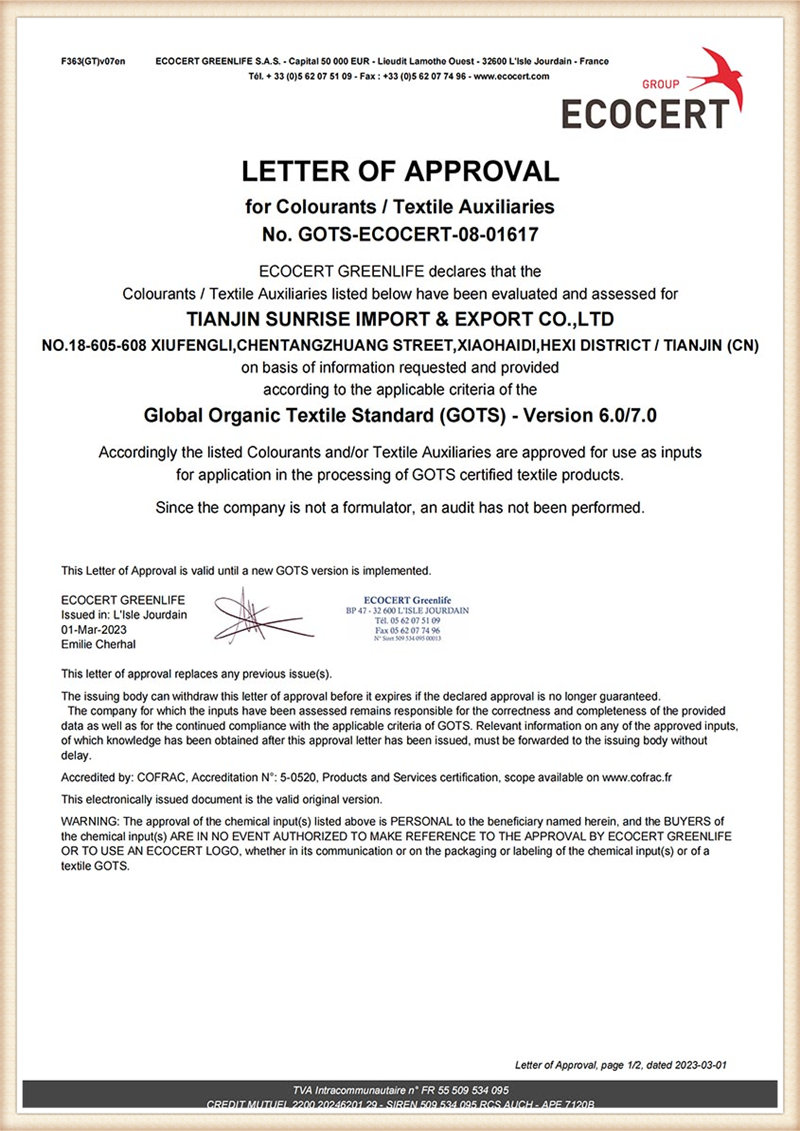
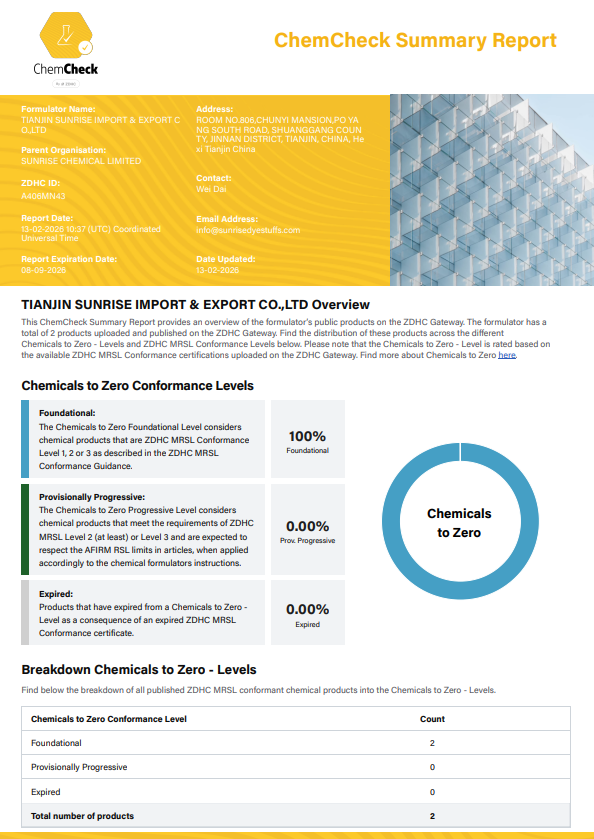
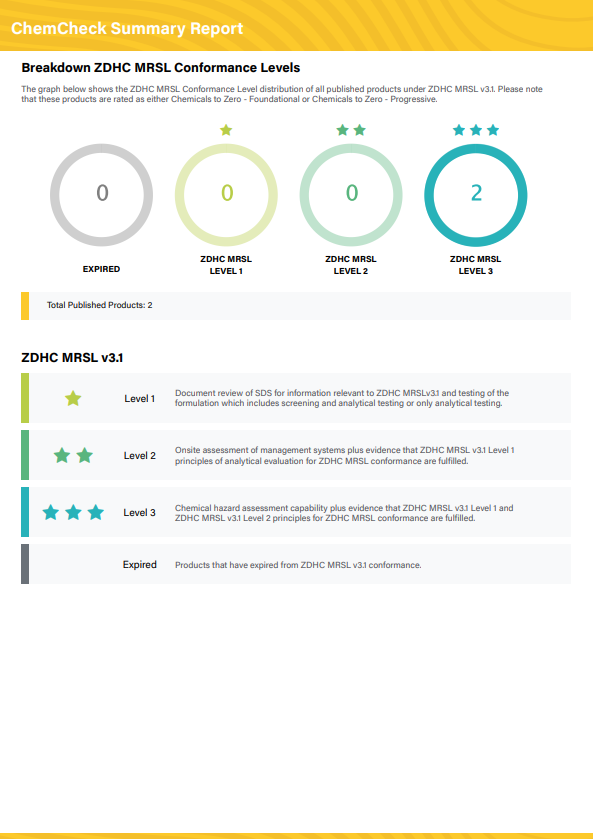
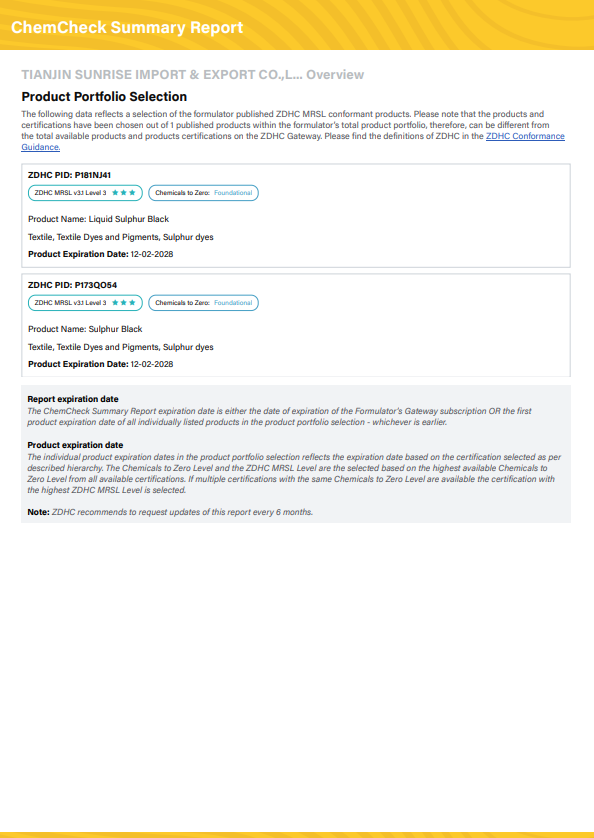
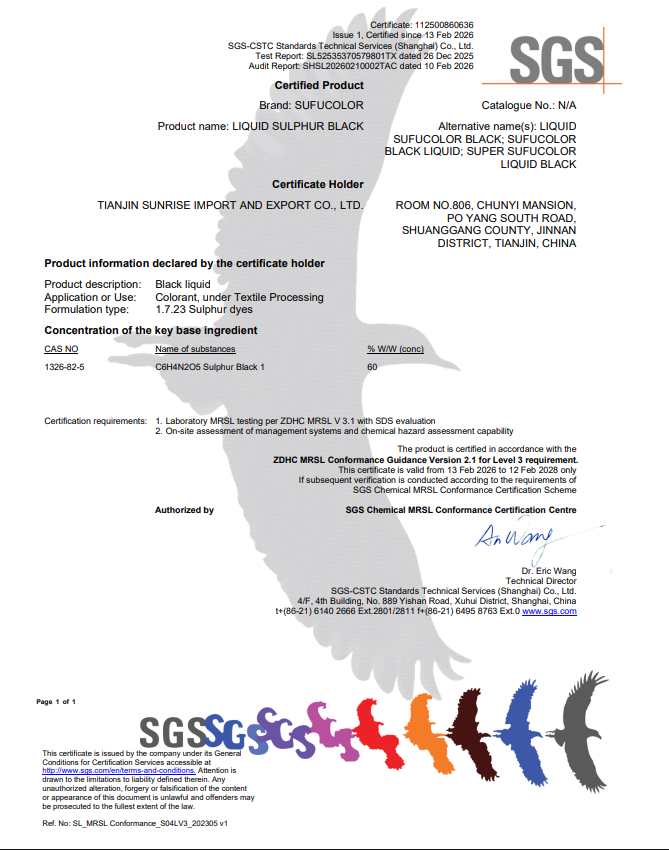
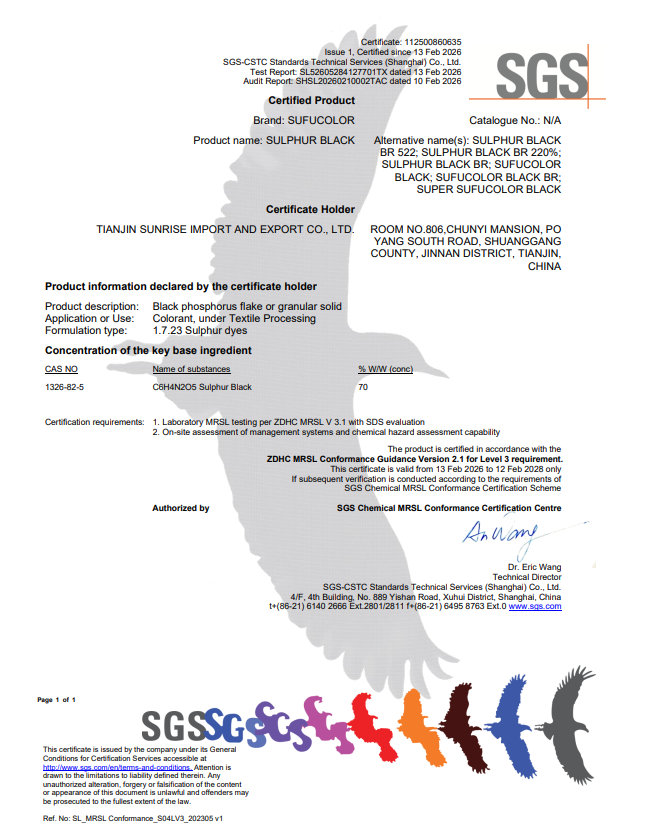
Tianjin Sunrise Chem Group is dedicated to transparent quality management and international environmental standards. We hold verified certifications from globally recognized testing organizations, ensuring that our products meet the strict chemical limits required by leading apparel brands.

We always highly focus on the goods quality and stability. Each shipment has been tested before sending to the port. Our in-house analytical lab uses High-Performance Liquid Chromatography (HPLC) to monitor raw material purity and ensure the complete chemical conversion of our brighteners.
Our products meet international certifications like GOTS (Global Organic Textile Standard) and ZDHC Level 3, giving global buyers the assurance that our formulations are free from restricted alkylphenol ethoxylates (APEOs), heavy metal contaminants, and banned primary aromatic amines.
Get answers to common technical questions about the application, stability, and compatibility of Optical Brightening Agents (OBA) on cotton and cellulosic substrates.
This is a common issue known as "greying-out" or "saturation limit." Stilbene-based OBAs rely on absorbing UV light and re-emitting it in the blue spectrum. When the concentration of brightener on the fiber exceeds a certain threshold (typically 0.6% to 0.8% weight-of-fiber, depending on the specific molecule), the brightener molecules begin to aggregate. This aggregation causes self-quenching of the excited singlet states, converting the absorbed energy into heat rather than visible blue light. At this stage, further additions of the chemical will not increase whiteness, and can even cause the fabric to take on a yellowish-green or greyish cast.
Tetrasulfonic OBAs are moderately anionic and perform best in neutral to slightly alkaline ranges (pH 7.5 to 9.0). If the pH drops into the acidic range (below 6.0), the sulfonic acid groups can protonate, reducing solubility and leading to precipitation or spotty coverage. Electrolytes like sodium chloride (NaCl) or sodium sulfate ($Na_2SO_4$) are used in exhaust dyeing to screen the negative charges on both the cotton fiber and the brightener molecule, helping the brightener migrate onto the substrate. However, in continuous padding applications, electrolyte levels must be carefully limited to avoid premature settling in the pad trough.
ZDHC (Zero Discharge of Hazardous Chemicals) Level 3 is the highest level of conformity in the ZDHC program. This certification indicates that our chemical products comply with the ZDHC MRSL (Manufacturing Restricted Substances List). Buying from a Level 3 manufacturer gives brands the assurance that raw materials do not contain hazardous chemical impurities, protecting them from costly compliance issues and product recalls.
Yellowing during storage is often caused by exposure to atmospheric nitrogen oxides ($NO_x$) or phenolic antioxidants (like BHT) commonly found in polyethylene packaging films. Under storage conditions, these phenols react with nitrogen oxides to form yellow quinoid compounds. Additionally, stilbene brighteners can undergo cis-trans isomerization when exposed to light, converting into an isomer that does not fluoresce. To prevent storage yellowing, it is important to control BHT levels in packaging materials, use nitrogen oxide scavengers in final rinses, and select brighteners with high photochemical stability.
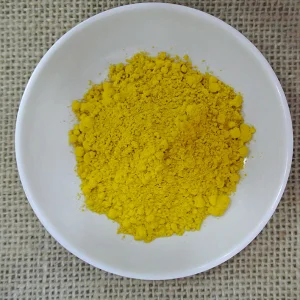
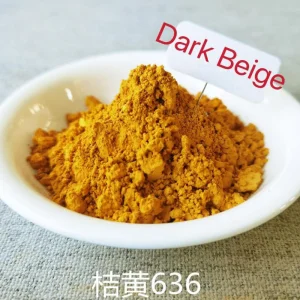
We offer a comprehensive selection of solvent, direct, basic, and inorganic pigments, providing robust and reliable coloring solutions across diverse industrial applications.
 Sunrise