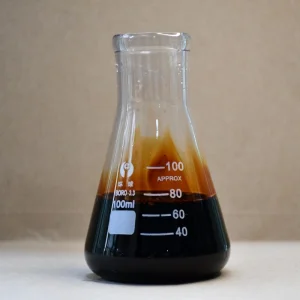
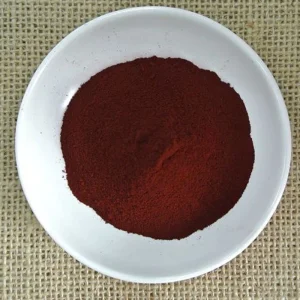
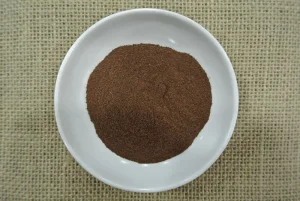
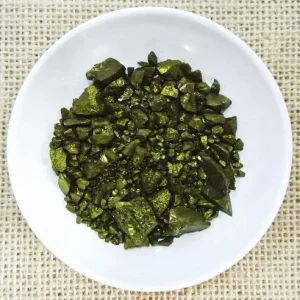
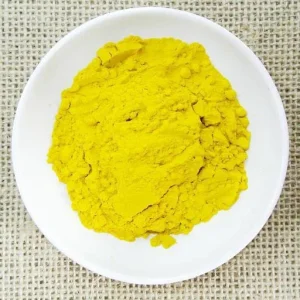
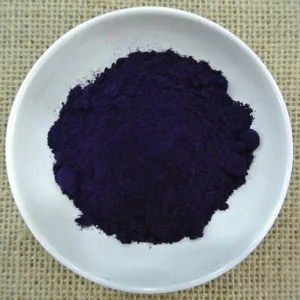
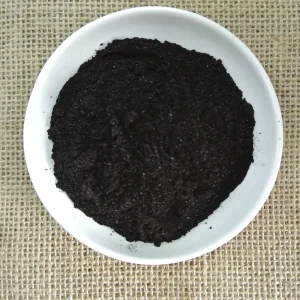
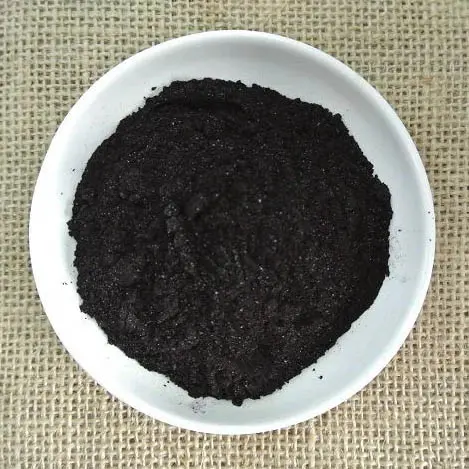
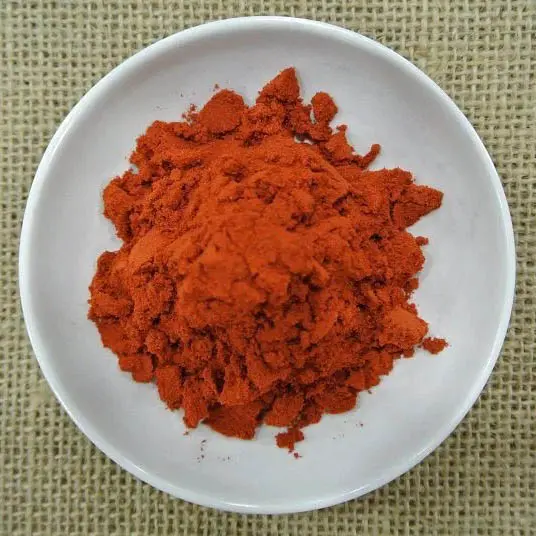
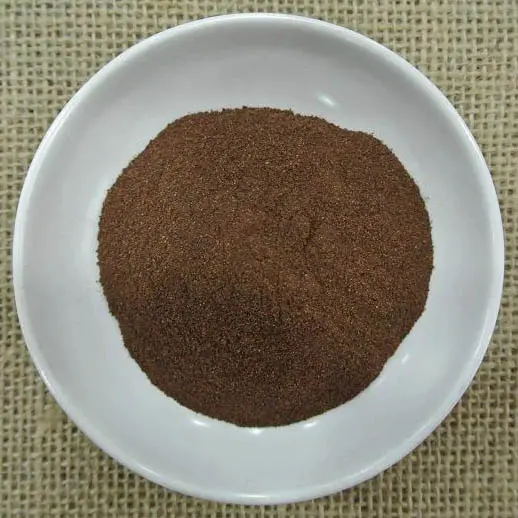
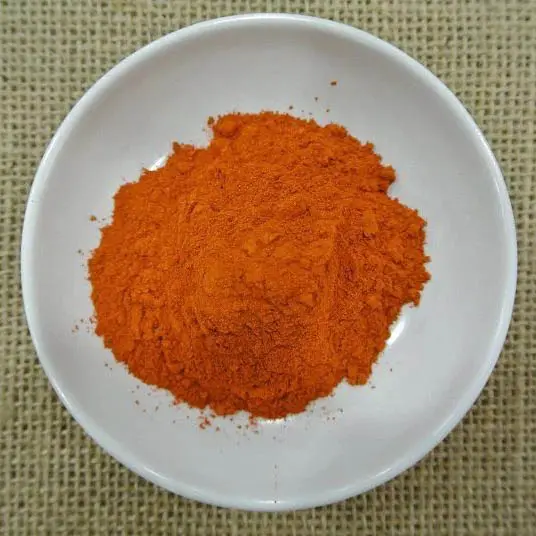
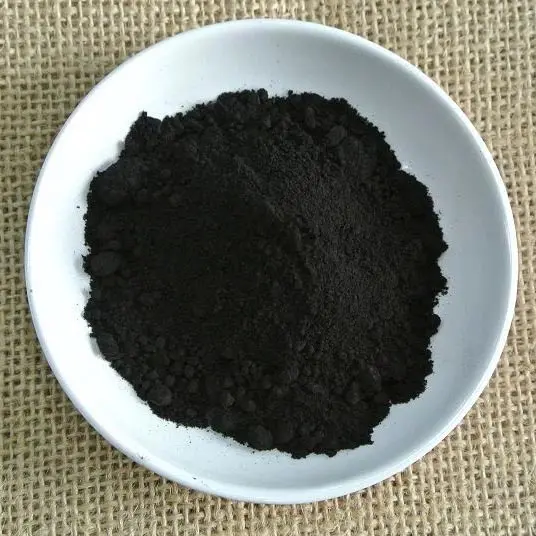
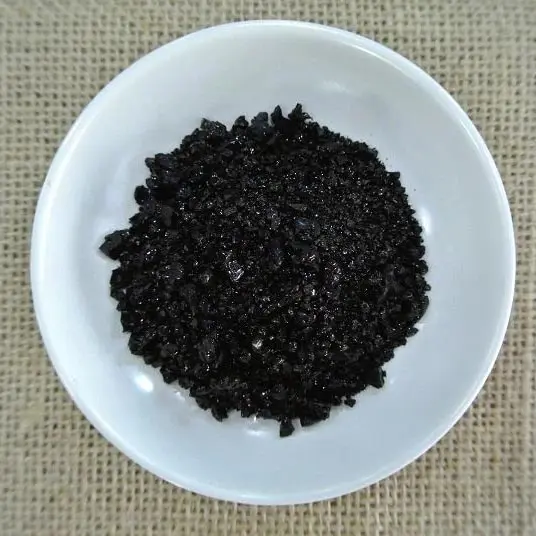
High-purity industrial colorants engineered for extreme lightfastness, superior subterranean substantive migration, and eco-certified wastewater profiles.
The global industrial dyestuff sector is experiencing a significant structural shift. As downstream textile mills, paper packaging manufacturers, and leather tanneries optimize operational expenditure (OpEx) while striving for environmental compliance, the market demand for discount direct color dyes from certified manufacturers and suppliers has surged. Valued at over USD 10.4 Billion in 2024, the organic colorant market is projected to expand at a compound annual growth rate (CAGR) of 5.2% through 2032, driven primarily by the explosive growth of paperboard packaging, sustainable cotton processing, and technical textiles in emerging economies across the Asia-Pacific, Latin America, and EMEA regions.
Direct dyes—water-soluble anionic dyes characterized by their ability to bind directly to cellulosic fibers without the absolute prerequisite of a chemical mordant—occupy a central position in bulk industrial coloration. However, rising raw material costs, tightening REACH and EPA regulatory frameworks, and geopolitical supply chain shifts have created a bifurcated market. Procuring enterprise-grade colorants requires moving beyond basic transaction prices to evaluate total cost of ownership (TCO), batch-to-batch shade consistency, and chemical safety metrics.
In this macroeconomic climate, strategic sourcing directors are increasingly establishing direct relationships with integrated Chinese dye chemical clusters. By bypassing intermediary trading entities, enterprise buyers secure direct-factory discount pricing alongside custom synthesis, bulk liquid stabilization, and tailored fastness profiles.
Understanding the molecular dynamics of Direct Color Dyes is vital for optimizing exhaust dyeing processes, continuous padding operations, and mass paper-pulp coloring. Structurally, direct dyes are planar polyazo compounds containing extended conjugated double-bond systems, coupled with hydrophilic sodium sulfonate (—SO₃Na) or carboxylate groups that deliver aqueous solubility.
Scientific Insight (Substantivity Mechanics): Unlike reactive dyes that form covalent bonds with the hydroxyl groups of cellulose, direct dyes adhere through a synergistic combination of van der Waals forces, intermolecular hydrogen bonding, and hydrophobic interactions. The linear molecular geometry of dyes such as Direct Yellow 11 and Direct Red 277 permits tight spatial alignment parallel to the crystalline microfibrils of cotton and cellulose pulp.
To assist procurement specialists and chemical engineers in selecting the optimal colorant class for specific substrates, the analytical matrix below outlines the performance characteristics across core industrial dye categories supplied by Tianjin Sunrise Chem Group:
| Dye Class | Chemical Backbone | Primary Substrates | Aqueous Solubility | Lightfastness (ISO 105-B02) | Key Economic Advantage |
|---|---|---|---|---|---|
| Direct Dyes | Azo, Stilbene, Phthalocyanine | Cotton, Viscose, Paper, Silk | High (Hot Water) | 3 - 7 (Varies by shade) | Lowest cost per kg; no mordant required |
| Sulphur Dyes | Complex Polysulfide Structures | Denim, Heavy Cellulosic Fabrics | Insoluble (Requires Na₂S reduction) | 6 - 8 (Exceptional) | Unbeatable cost-to-depth ratio for dark blacks/browns |
| Basic / Cationic Dyes | Di/Triarylmethane, Cyanine | Acrylic, Lignin-rich Paper, Silk | Moderate to High | 2 - 4 (Extremely Brilliant) | Highest molar extinction coefficient (Vibrant shades) |
| Solvent Dyes | Azo, Anthraquinone (Non-ionic) | Plastics, Inks, Marking Pens, Oils | Insoluble in Water / Soluble in Solvents | 5 - 7 | Superior clarity and transparency in organic media |
Electrolyte additions (such as Sodium Chloride, NaCl, or Glauber's Salt, Na₂SO₄) play a critical kinetic role in direct dyeing. Cellulosic fibers acquire a negative zeta-potential in aqueous solution, which electrostatically repels anionic direct dye chromophores. The introduction of sodium ions neutralizes this surface charge, driving the equilibrium migration of dye molecules from the dye liquor onto the substrate interface.
The global concentration of dyestuff manufacturing in China—specifically within modern chemical industrial parks in Northern and Eastern coastal regions—delivers structural purchasing advantages that overseas chemical compounders cannot match. Understanding these supply chain dynamics enables enterprise buyers to leverage wholesale discount pricing without compromising chemical consistency.
Chinese dye manufacturers operate alongside world-scale petrochemical plants producing essential intermediates including H-acid, Tobias acid, 2-naphthol, and aniline derivatives. Backward integration insulates production schedules from external price spikes and precursor shortages.
State-of-the-art continuous diazotization and coupling reactors, combined with automated multi-stage spray dryers, guarantee precise particle size distribution, zero-dusting powder behavior, and rapid instant-cold-water solubility.
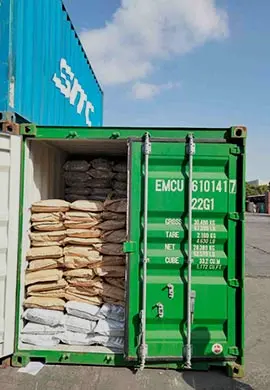
Facilities located near deep-water ports such as Tianjin Port offer streamlined container handling, dangerous goods (DG) compliance capabilities, direct vessel calls, and rapid FCL/LCL ocean freight dispatch worldwide.
Direct color dyes are tailored for specific industrial substrates. Selecting the correct shade, physical form (powder vs. stable liquid), and fixative treatment is essential for achieving target fastness standards.
Extensively applied on 100% full cotton fabrics, viscose rayon, linen, and silk blends. Specialized products like Discount Direct Red 277 Dye and Direct Fast Turquoise Blue GL offer level dyeing and good exhaust rates. Post-treatment with cationic dye-fixing agents enhances washfastness to meet ISO 105-C06 C2S standards.
Crucial for tissue papers, kraft boards, decorative laminates, and superstitious paper products. Dyes like OEM Direct Yellow 11 and liquid formulations like Liquid Red 254 (Pergasol Red 2B) deliver rapid fiber substantivity, clear backwater clarity, and zero bleeding under bleed-fastness testing.
Sub-surface penetration on crust leather requires anionic dyes like Acid Black ATT or Acid Red 14. Meanwhile, solvent-soluble products such as China Nigrosine Black Solvent Black 7 provide intense jetness in alcohol-based marker inks and industrial coatings.
Modern ESG (Environmental, Social, and Governance) requirements mandate strict chemical stewardship throughout the global supply chain. Leading apparel brands and paper packaging multinationals require raw material suppliers to eliminate banned substances, carcinogenic aromatic amines, and heavy metal impurities.
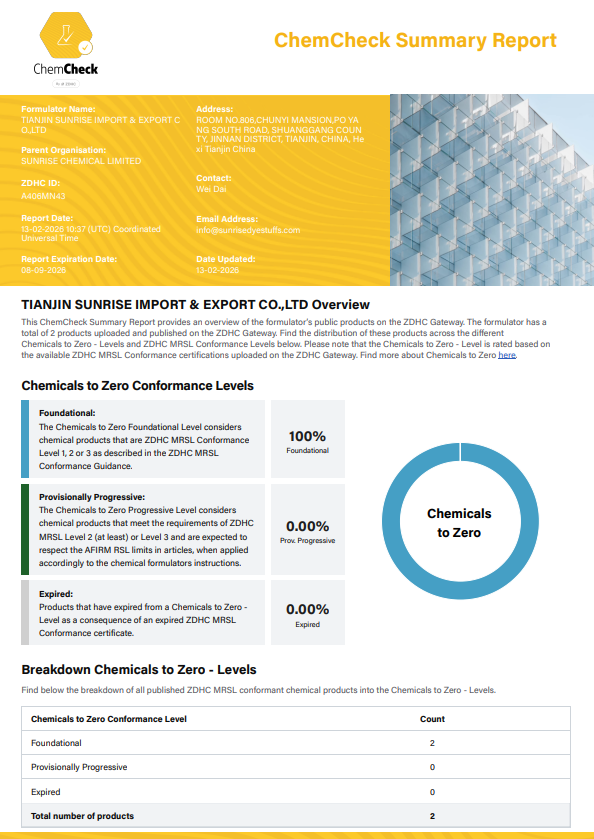
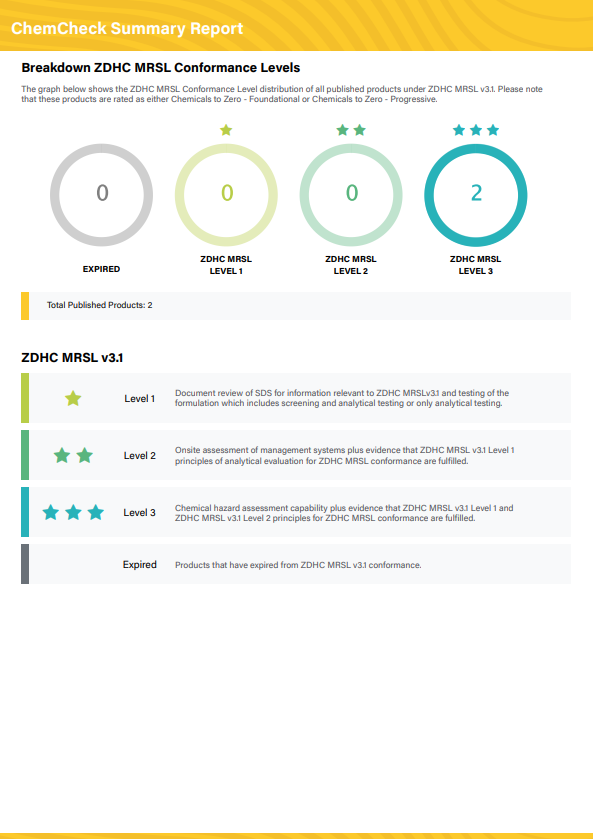
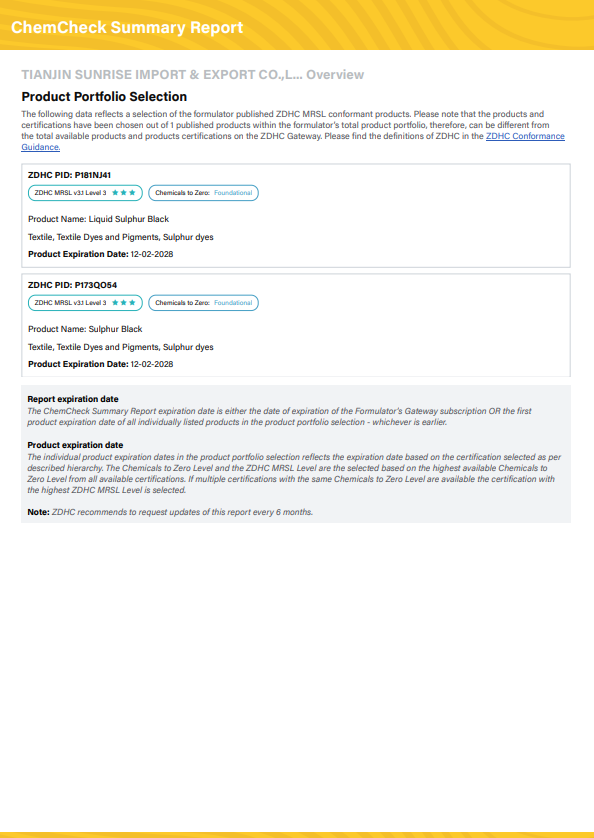
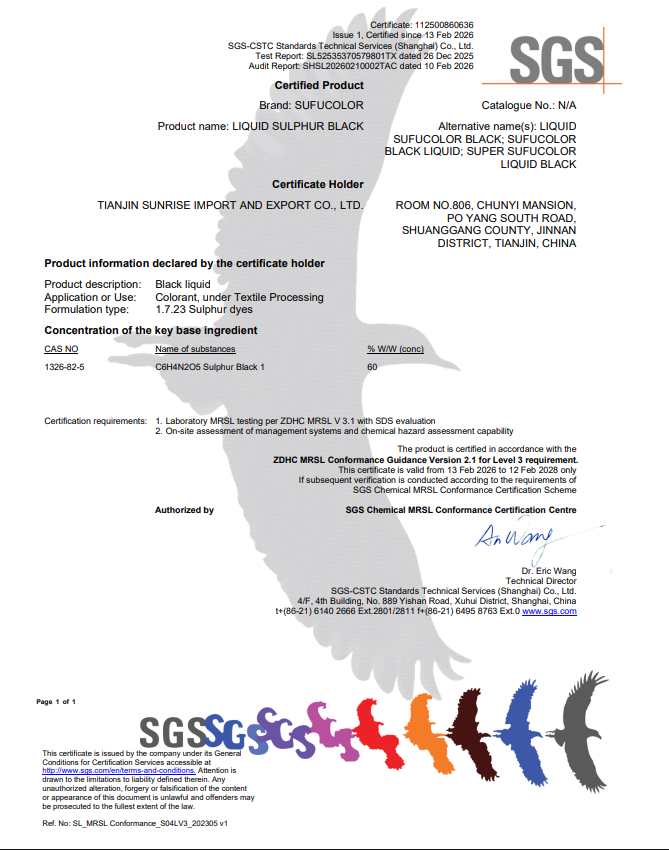
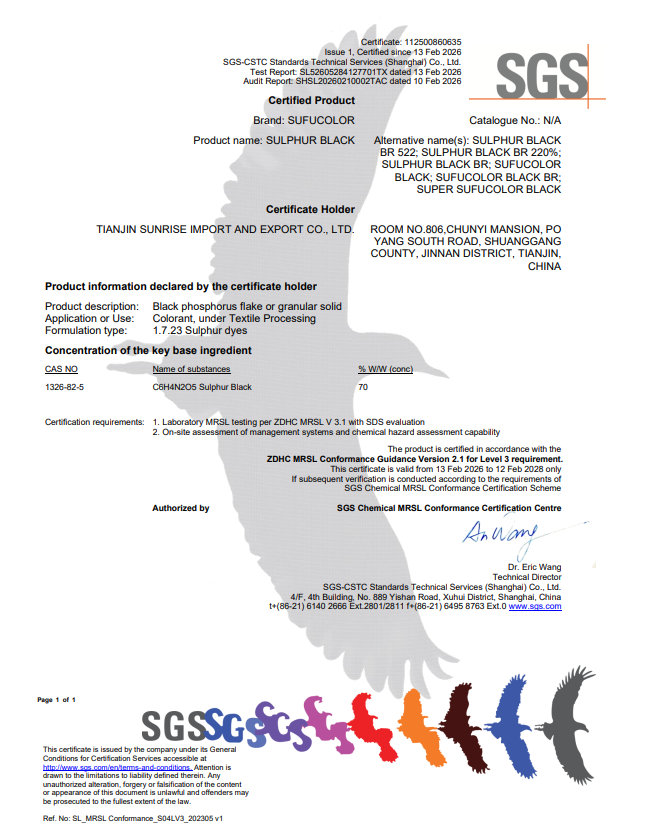
The Zero Discharge of Hazardous Chemicals (ZDHC) MRSL V3.1 Level 3 certification represents the highest level of chemical compliance. It verifies that chemical formulations are independently tested and certified, ensuring that manufacturing processes avoid hazardous chemical discharge into regional waterways and municipal wastewater facilities.
GOTS compliance ensures that direct and auxiliary dyes used in organic textile processing adhere to rigorous ecotoxicological requirements. Heavy metals, halogenated solvents, and phthalates are strictly monitored below detectable thresholds via advanced GC-MS and ICP-OES analytical instruments.
Tianjin Sunrise Chem Group specializes in manufacturing high-quality dyestuffs, including Direct dyes, Acid dyes, Basic dyes, Sulphur dyes, Solvent dyes, Liquid dyes, and Fluorescent dyes. Backed by decades of industry and export experience, we have built a solid reputation for reliability and excellence, serving clients from diverse sectors including denim, textile, leather, paper, and plastic industries.
We consistently prioritize goods quality and stability. Every batch is rigorously tested prior to dispatch to port facilities. Our ZDHC Level 3 and GOTS certificates ensure that your quality and environmental compliance expectations are fully met.
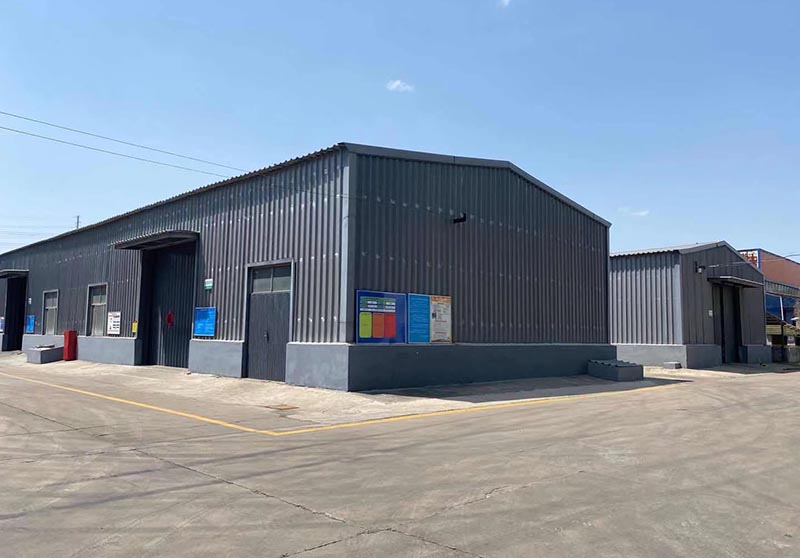
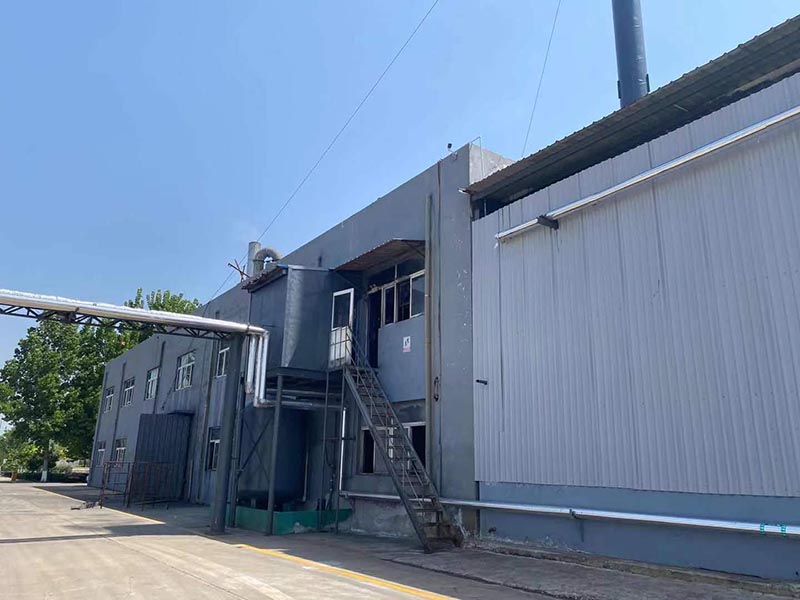
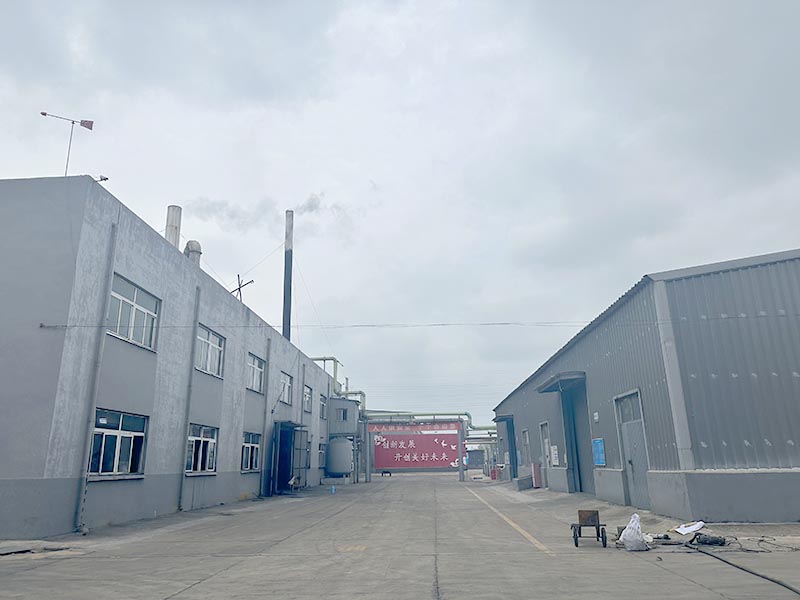
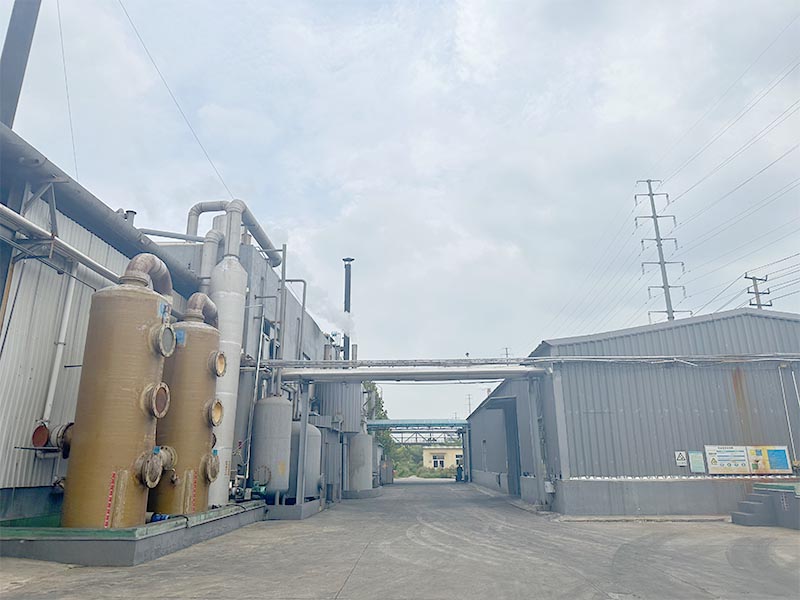
Cooperating with textile and paper mills over many years has established strong, long-term business partnerships. This ongoing collaboration delivers key benefits, including consistent order planning, shared technical resources, and tailored application support. It demonstrates our track record of delivering quality products that reliably meet customer specifications.
Our mission is to drive client growth by delivering dependable, customized chemical solutions. We aim to support our customers' operational success through high-performance products and dedicated technical service. Environmental stewardship remains a central driver of our process innovation. We are committed to supplying eco-friendly colorants that balance high productivity with environmental protection, fostering sustainable development across the global textile industry.
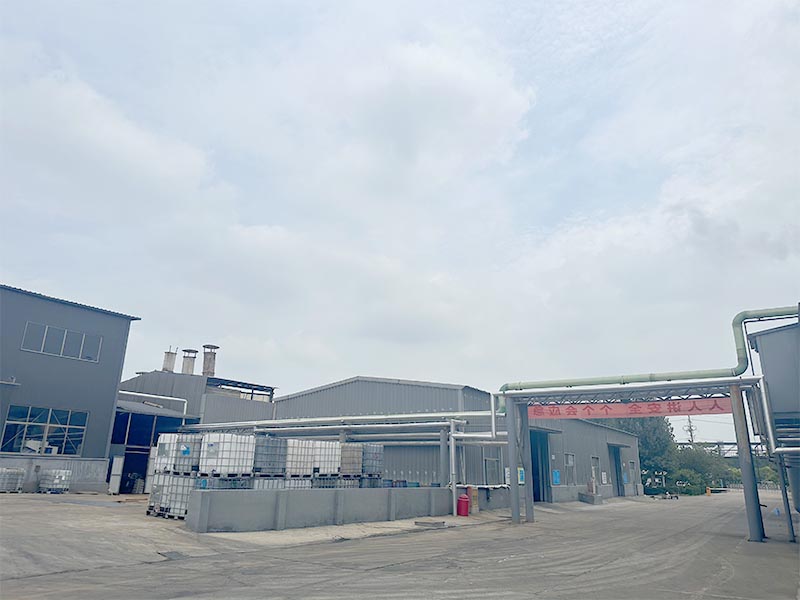
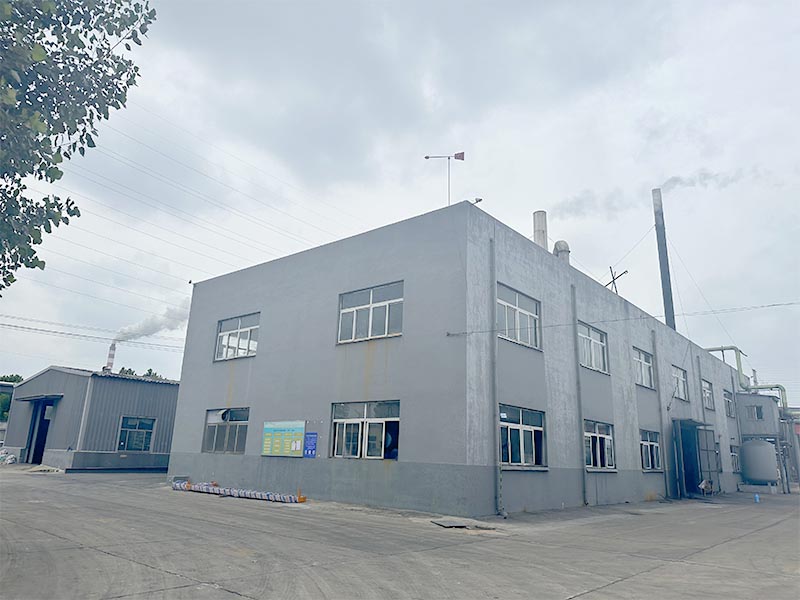
To ensure incoming dyestuff batches match exact colorimetric parameters and run without issue in high-speed machinery, industrial procurement departments should follow a standardized 4-step Quality Assurance Standard Operating Procedure (SOP):
Datacolor spectrophotometer shade calibration (ΔE < 0.3) against master standard under D65, TL84, and A light sources.
Filter-paper dispersion test at 80°C to verify absence of undissolved aggregates or tarring tendency.
ICP-OES quantitative analysis ensuring Lead, Cadmium, Chromium, and Nickel levels comply with ZDHC MRSL V3.1 limits.
Small-scale jet or laboratory pad dyeing to confirm migration, levelness, and fixation yields under mill conditions.
Clear answers to key questions regarding chemical selection, minimum order quantities (MOQ), OEM customization, and global delivery logistics.
Direct dyes bind to cellulosic fibers via van der Waals forces and hydrogen bonds, requiring no chemical reaction or harsh alkali additives. Reactive dyes form a covalent bond with the fiber's hydroxyl group under alkaline conditions. Direct dyes offer lower processing costs, simpler liquor management, and shorter cycle times, making them the economical choice for paper, tissue, and cost-sensitive cotton fabrics.
Every production lot undergoes spectrophotometric strength and shade evaluation using Datacolor 800 systems. We enforce a tolerance limit of ΔE < 0.5 compared to standard retain samples. Furthermore, our raw materials undergo strict HPLC analysis prior to synthesis to prevent shade drift caused by precursor variations.
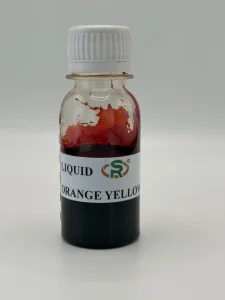
Yes. We manufacture highly stable liquid direct dyes—such as Liquid Direct Orange 15, Liquid Yellow 11, and Liquid Red 254—specifically formulated for automated continuous addition in paper stock preparation. These liquid formulations resist settlement, prevent pipe clogging, and display low viscosity down to 5°C.
Our core product line holds ZDHC Level 3 MRSL compliance and GOTS (Global Organic Textile Standard) certification. Analytical reports for Heavy Metals, Azo Amines (EU Directive 2002/61/EC), RoHS, and REACH SVHC are available for every shipment upon request.
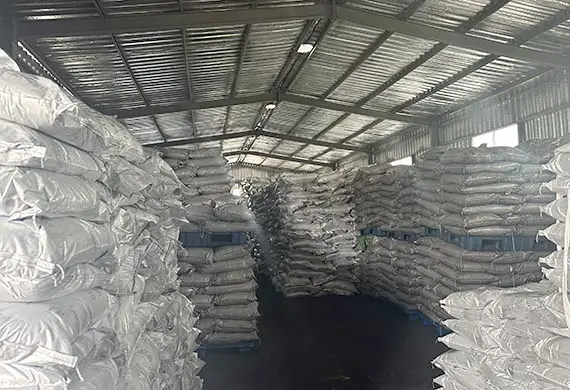
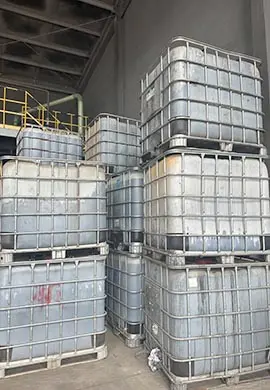
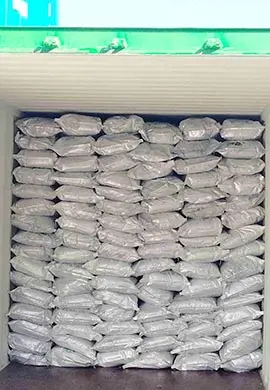
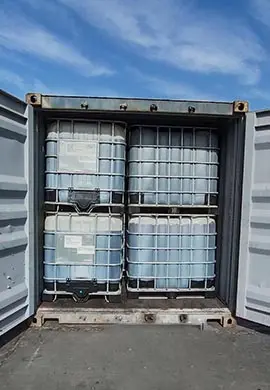
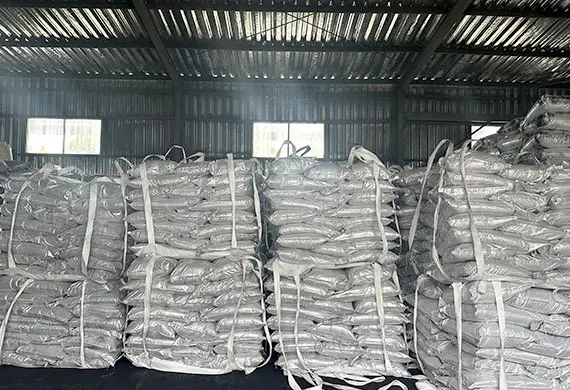
Standard packaging options include 25kg triple-ply craft paper bags with PE liners, 25kg fiber drums, 500kg jumbo super-sacks, 1000kg IBC totes (for liquid colorants), and 200kg plastic drums. UN-approved hazardous goods packaging is utilized where required by IMDG code regulations.
Explore our full line of direct, acid, basic, sulphur, and solvent dyestuffs available for direct container load procurement.
Tianjin Sunrise Chem Group operates under ISO 9001:2015 quality protocols and ISO 14001:2015 environmental standards. All direct color dyes comply with international REACH registration and chemical inventory lists (TSCA, DSL, EINECS).
 Sunrise