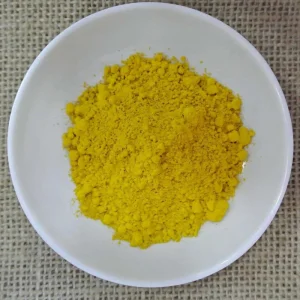
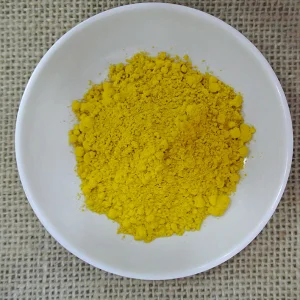
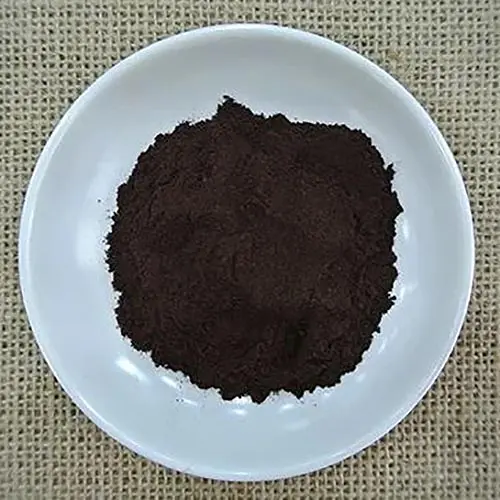
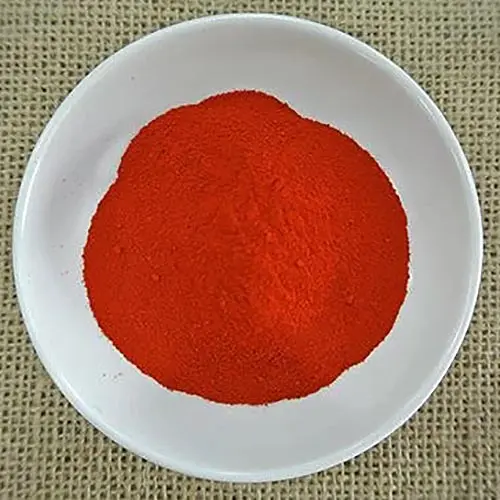
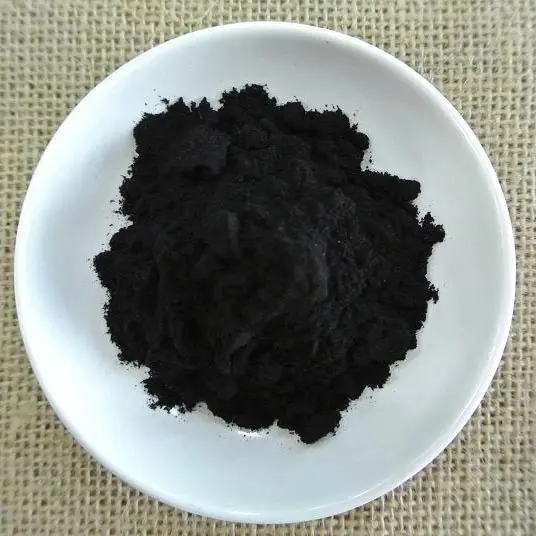
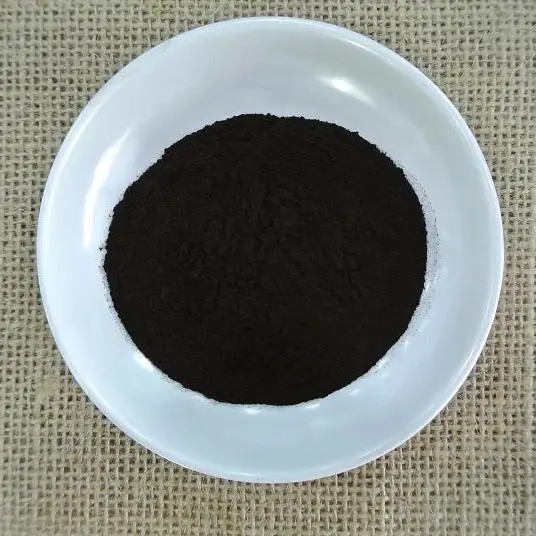
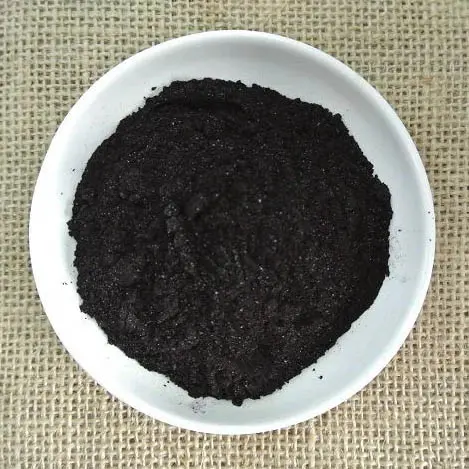
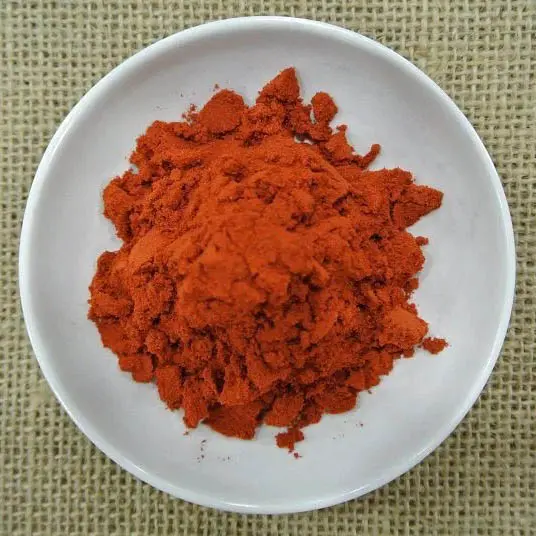
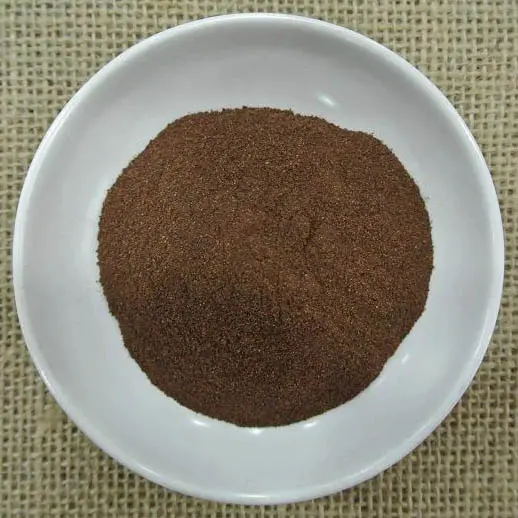
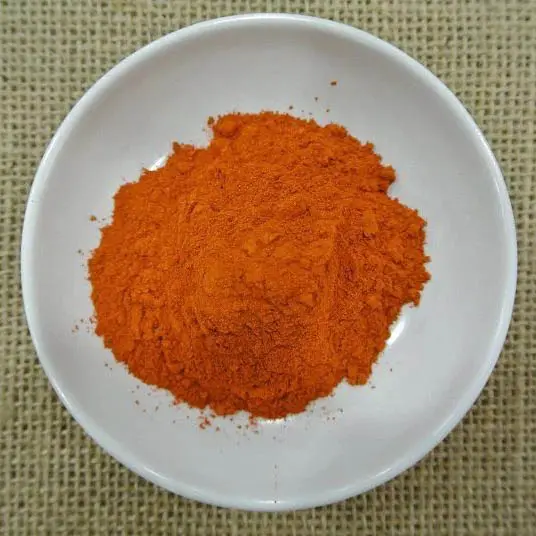
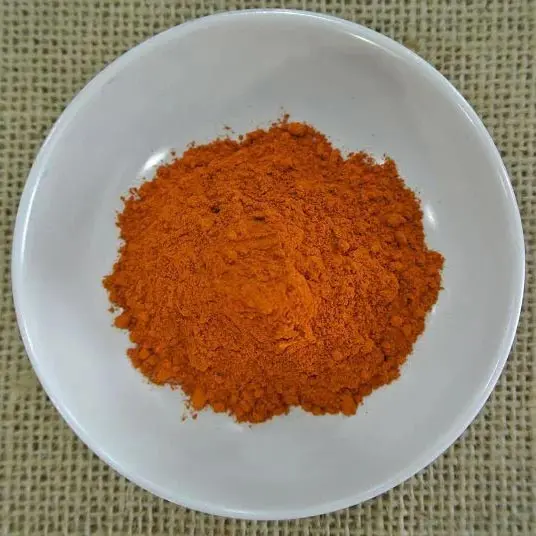
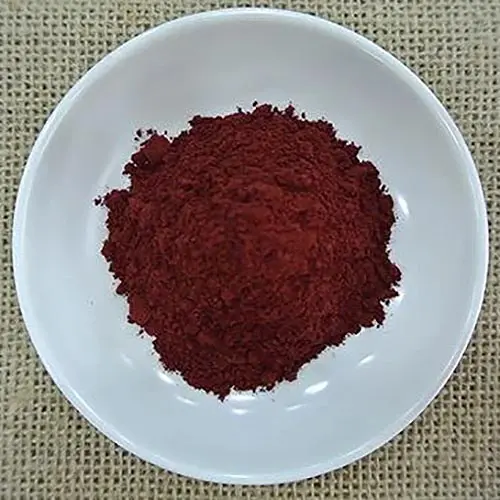
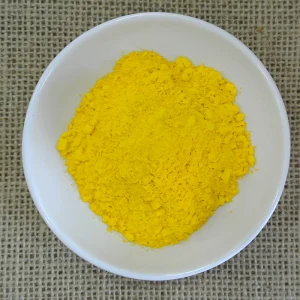
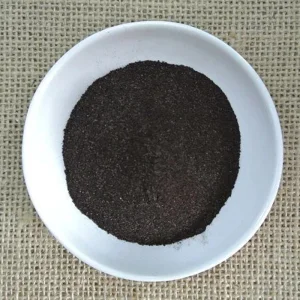
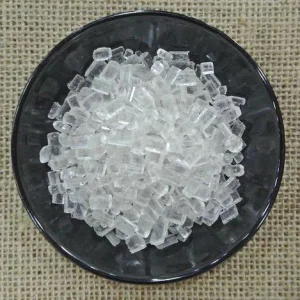
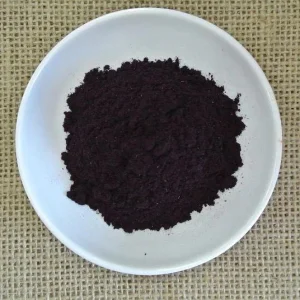
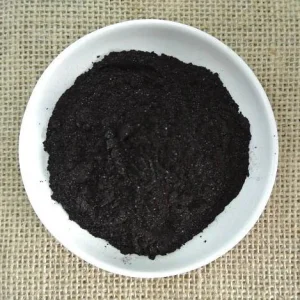
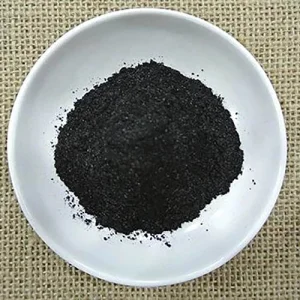
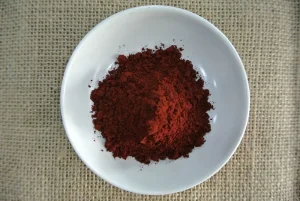
Basic Yellow 1, chemically categorized as a diarylmethane dye and widely recognized as Auramine O (CAS 2465-27-2), is an essential industrial colorant. It features a bright yellow shade characterized by a high molar extinction coefficient, which ensures vibrant and cost-effective coloration in diverse industrial matrices.
Typically, Basic Yellow 1 exhibits high affinity for anionic substrates like acrylic fibers, tannins, paper pulp, and natural leather. Global buyers seek optimized supply configurations of this dye to support large-scale runs. Its outstanding economic yield and strong color saturation make it a primary dye for major mills.
When sourcing "Discount" Basic Yellow 1, experienced procurement managers evaluate value beyond basic price tags. They analyze active dyestuff content, salt-free options, and processing stability. Tianjin Sunrise Chem Group ensures that lower unit costs are achieved through large-scale synthesis efficiencies, direct factory logistics, and bulk container optimization.
| Characteristic / Parameter | Standard Specification Value | Analytical Verification Method |
|---|---|---|
| Chemical Nomenclature & Formula | Auramine O Hydrochloride / C17H22ClN3 | Infrared Spectroscopy (FTIR) |
| Color Strength (vs. Standard Reference) | 100% to 150% (Customizable options available) | UV-Vis Spectrophotometric Evaluation |
| Moisture Content | ≤ 3.0% Max | Karl Fischer Titration Method |
| Insoluble Impurities in Water | ≤ 0.5% Max | Gravimetric Filtration Analysis |
| Solubility Profile | Highly soluble in water, ethanol, and ethylene glycol | Standard dissolution temperature sweep |
Procurement intent for Basic Yellow 1 Manufacturers varies based on the regional target market. Our analysis reveals that industrial buyers focus on distinct priorities depending on their location:
In Bangladesh, Vietnam, and India, buyers focus heavily on ZDHC Level 3 MRSL Compliance and batch-to-batch consistency. They require dyes that integrate smoothly into continuous dyeing ranges without causing shade variance across runs.
European mills emphasize ecological impact and biodegradation behavior in wastewater plants. They look for liquid formulation options or dust-free powder options to reduce workplace exposure and comply with local environmental regulations.
In North and South America, customers prioritize customized packaging configurations, private label supply chains, and reliable sea freight container routes. Direct factory connections allow these buyers to stabilize their chemical margins.
To address these requirements, Tianjin Sunrise Chem Group coordinates its technical resources and manufacturing capacities. By keeping pre-shipment samples on file for every batch, we establish a transparent quality record that protects buyers from variations in color strength and dye structure.
Basic Yellow 1 is widely used across multiple sectors due to its strong coloring capacity. Below is an overview of how we optimize its application in major industries:
Basic Yellow 1 is utilized for paper coloration, particularly on unbleached wood pulp and kraft paper. Because of its cationic properties, it binds effectively with lignin, reducing wastewater color load. This dye is often paired with Direct Yellow R or Direct Yellow 12 to achieve custom brown and golden shades.
When used on acrylics and modified polyesters, Basic Yellow 1 provides vibrant yellow tones. Because it exhausts rapidly, dye-bath leveling agents and controlled temperature increases (heating rates of 0.5–1.0°C/min) are recommended. This control prevents uneven coloring on both yarn and woven fabrics.
In chrome-tanned and vegetable-tanned leathers, Basic Yellow 1 is used to create base shades or top finishes. It penetrates leather fibers effectively and matches well with anionic syntans and vegetable tannins, delivering rich, scratch-resistant shades.
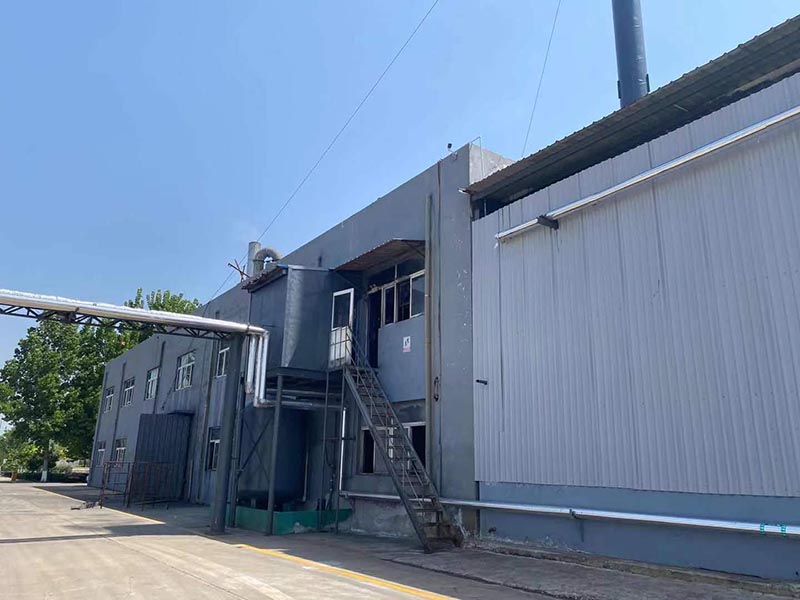
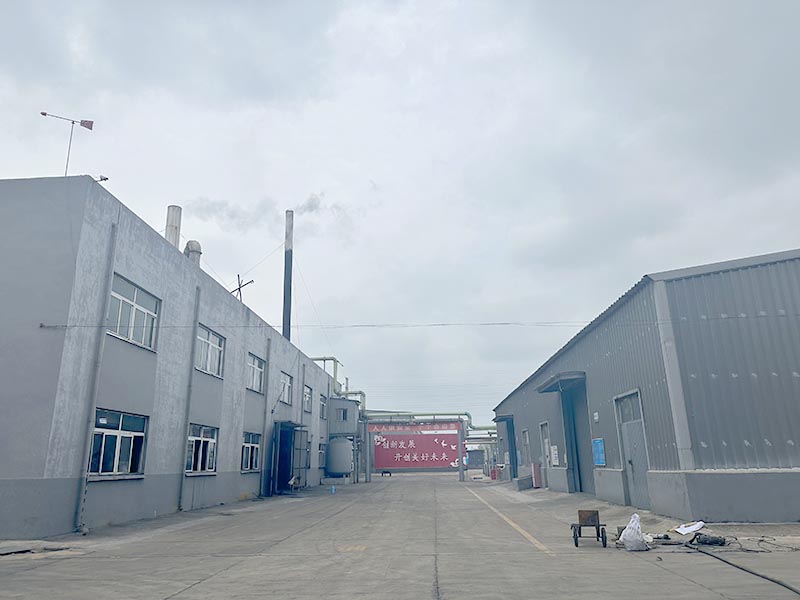
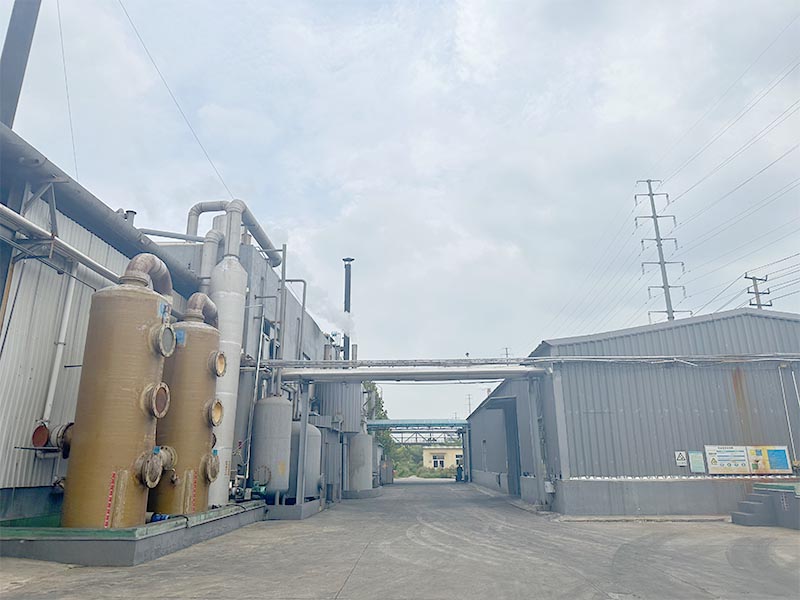
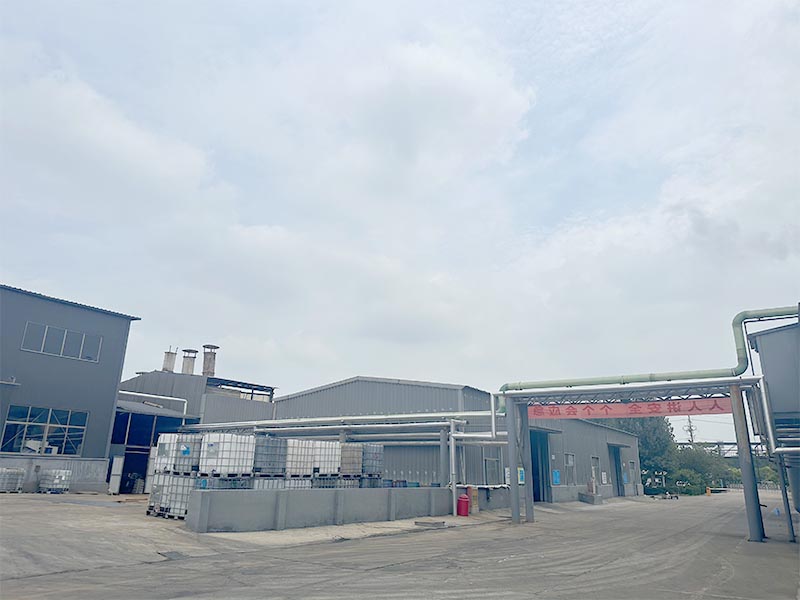
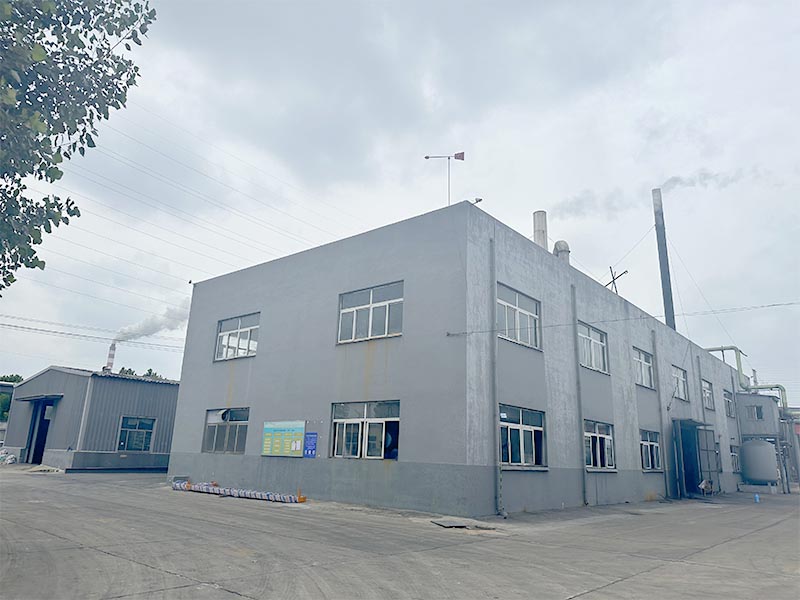
Explore our warehousing, loading, and chemical production operations. We ensure that our bulk shipments reach destinations worldwide in compliance with international transport standards.
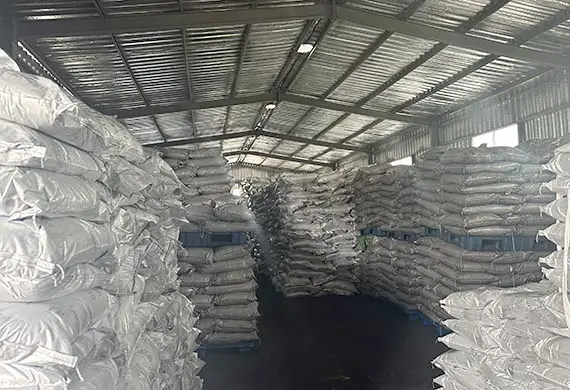
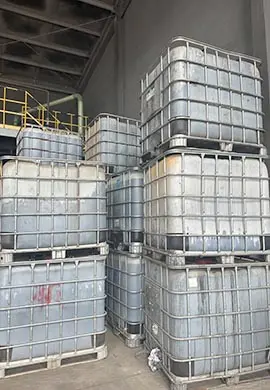
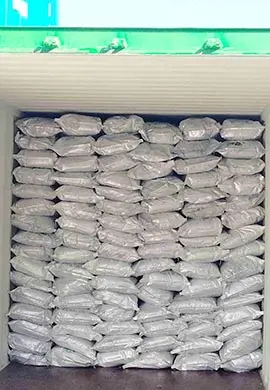
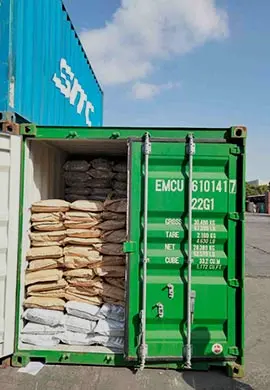
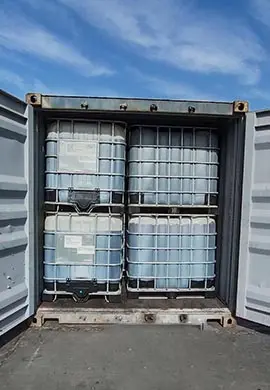
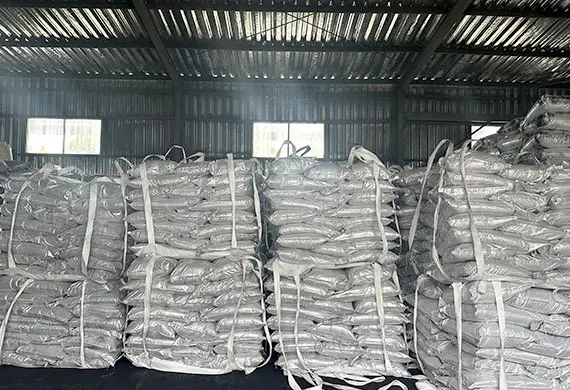
Manufacturing Basic Yellow 1 (Auramine O) requires precise chemical engineering to maintain high color strength and limit secondary amine impurities.
The synthesis begins with the condensation of N,N-dimethylaniline and formaldehyde, yielding Michler's methane. This intermediate is oxidized to produce Michler's hydrol.
Michler's hydrol undergoes high-temperature ketamination using ammonium chloride and urea. This reaction is conducted in a controlled environment to maximize yield and limit the formation of unwanted side isomers.
The resulting base is treated with hydrochloric acid to form the water-soluble hydrochloride salt of Basic Yellow 1. It is then crystallized, dried, and standardized to the target strength.
To address increasing environmental demands, Tianjin Sunrise Chem Group is researching cleaner production pathways. Our process design focuses on reducing ammonium emissions and using organic solvents in a closed-loop system. We are also optimizing energy use in the drying stage, aligning our manufacturing with international sustainability goals.
As a diarylmethane dye, the handling and wastewater treatment of Basic Yellow 1 require careful attention. Understanding its ecological behavior helps mills maintain environmental compliance:
Because Basic Yellow 1 is a cationic dye, it responds well to anionic bentonites and polyacrylamide flocculants. This treatment precipitates up to 90% of the active dye from effluent streams, separating it before biological processing.
For residual color removal, Advanced Oxidation Processes (AOP) using ozone or Fenton's reagent are recommended. These methods break down the diarylmethane core, removing color and improving the wastewater's biodegradability.
Activated carbon or biological filtration serves as a reliable final polishing step. This process reduces Chemical Oxygen Demand (COD) and keeps total dissolved solids (TDS) within local regulatory limits.
Tianjin Sunrise Chem Group specializes in manufacturing high-quality dyestuffs. Our portfolio includes Direct dyes, Acid dyes, Basic dyes, Sulphur dyes, Solvent dyes, Liquid Dyes, and Fluorescent dyes. Backed by decades of industry and export experience, we have built a reputation for reliability, serving clients across diverse sectors including denim, textile, leather, paper, and plastics.
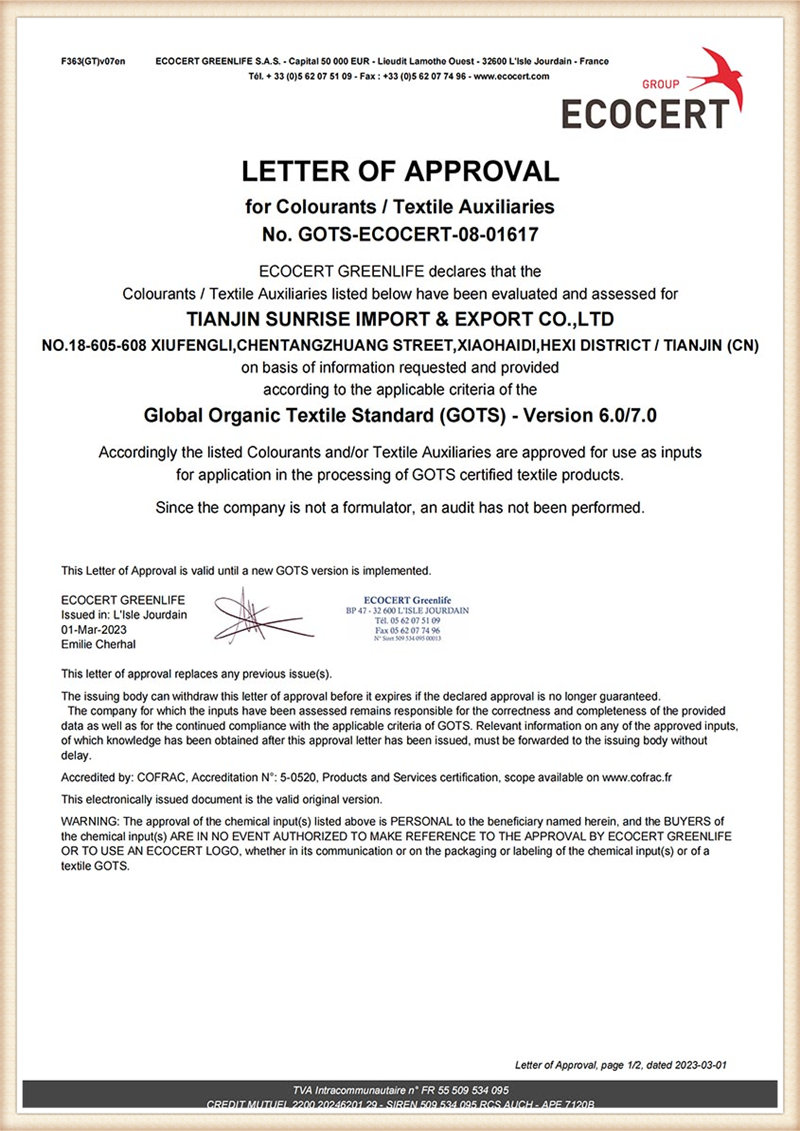
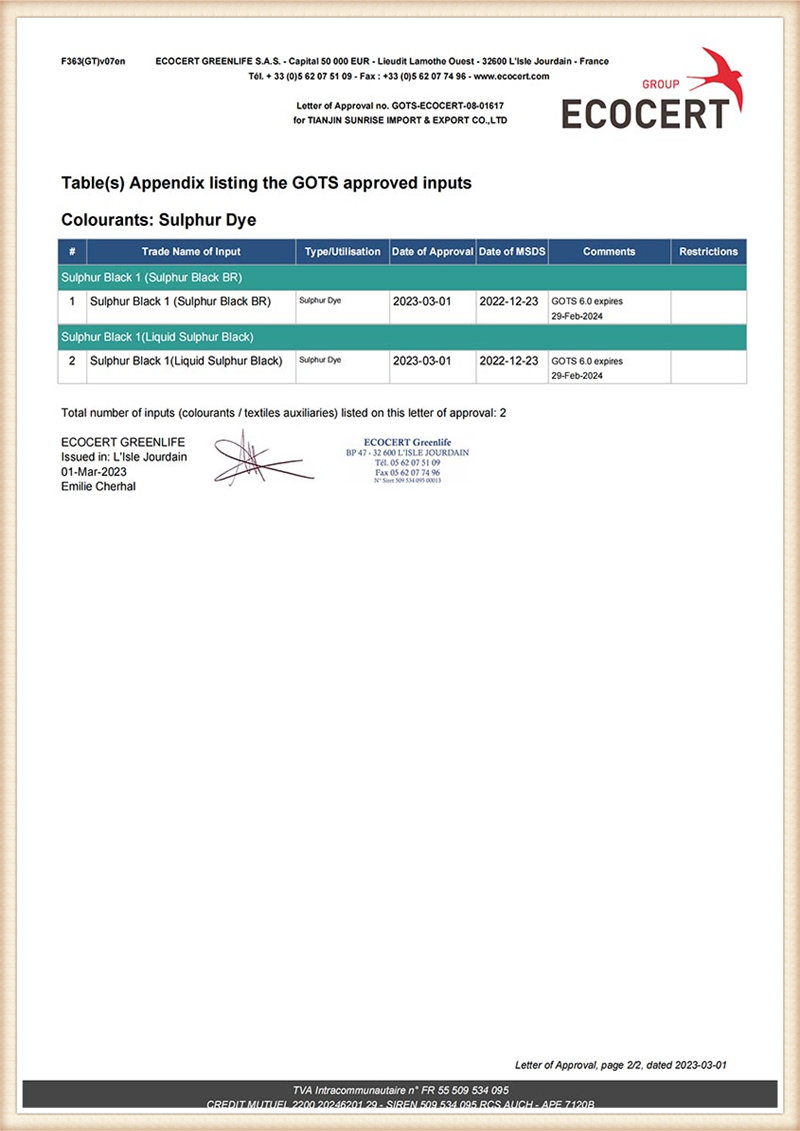
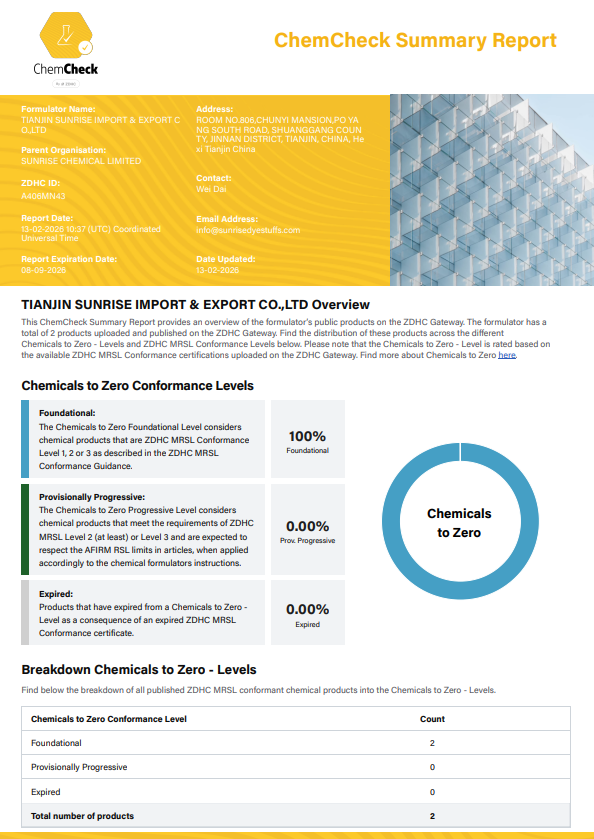
We maintain a strict focus on product quality and stability. Every batch is tested prior to port delivery. Our compliance with ZDHC Level 3 and GOTS certification helps ensure your quality standards are met.
We focus on providing customized solutions. Our team of experts works closely with clients to understand their needs and deliver tailored products. We actively pursue strategic partnerships to expand our capabilities and support mutual growth.
Environmental protection is central to our development. We aim to provide eco-friendly, high-performance colorants that support sustainable practices in the textile industry and beyond.
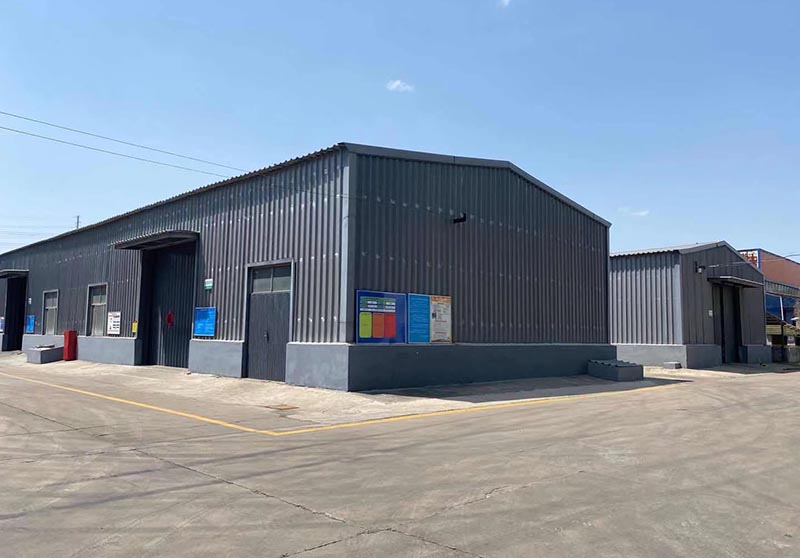
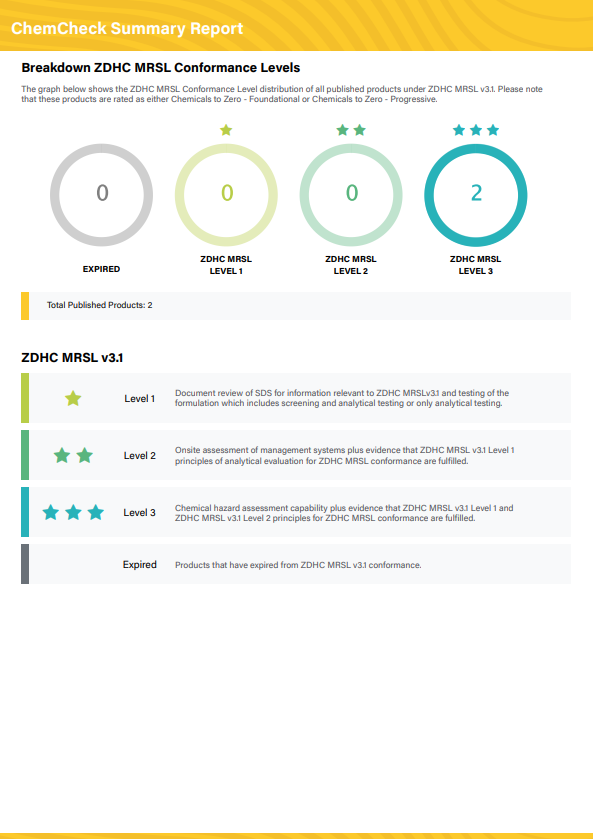
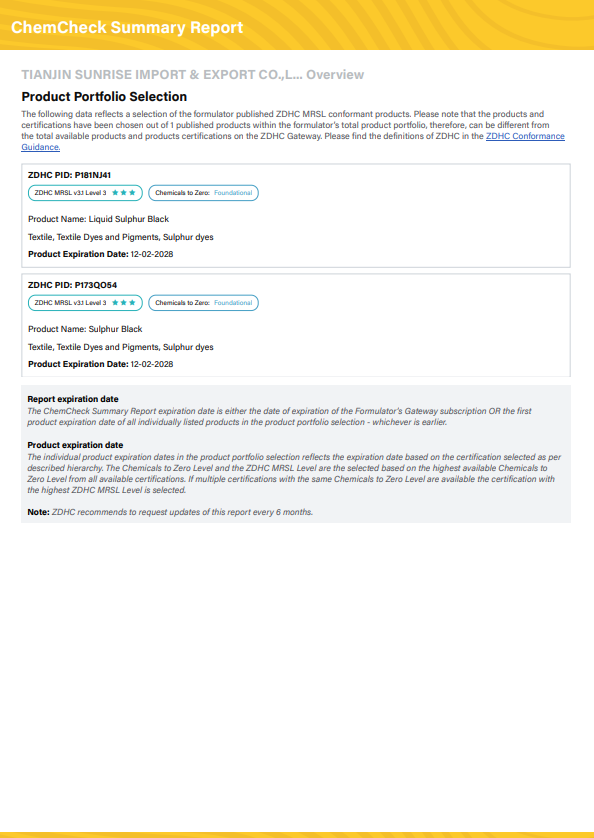
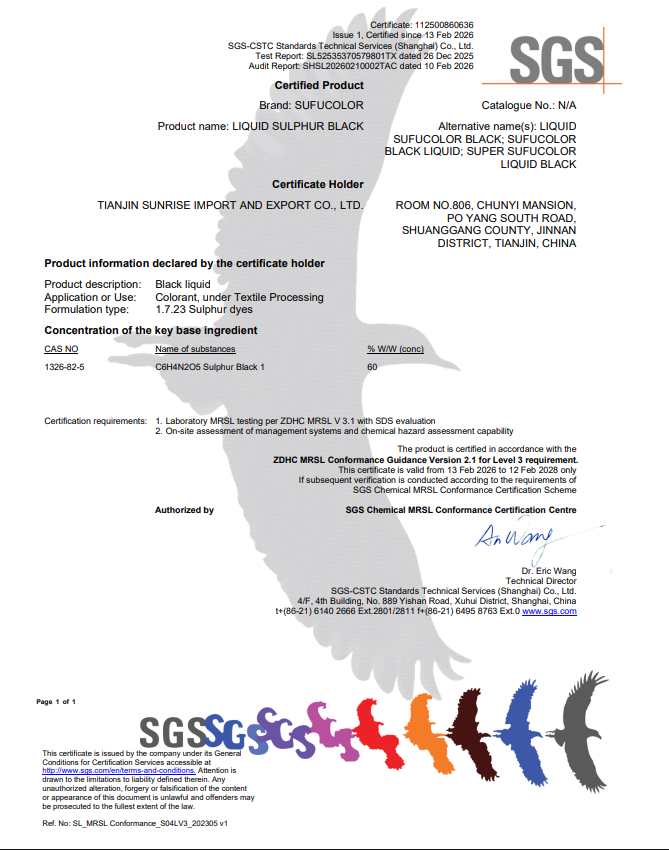
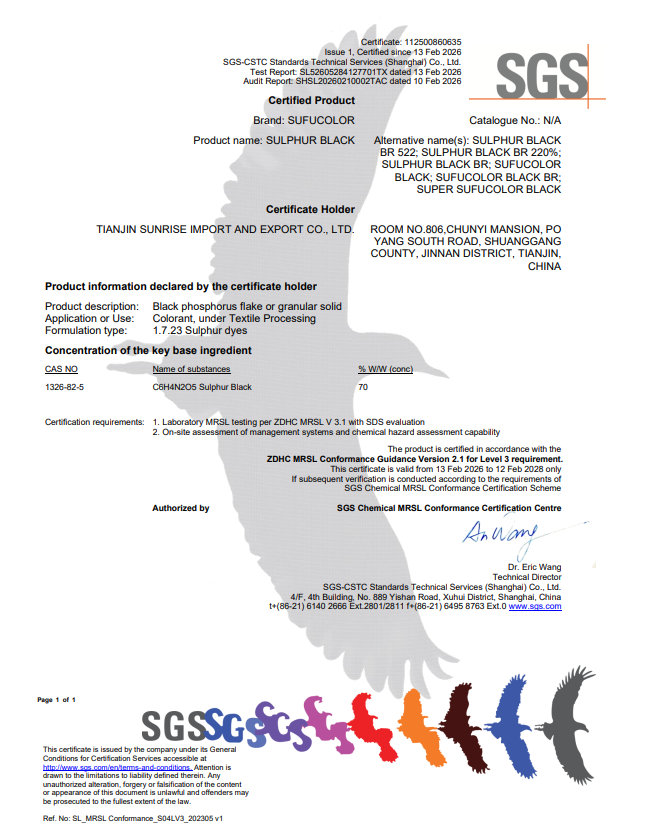
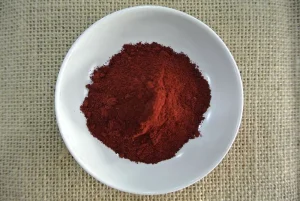
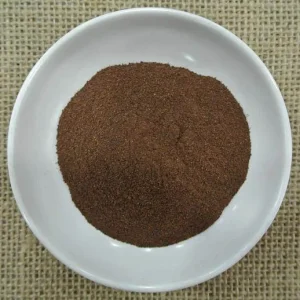
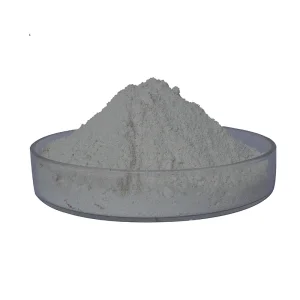
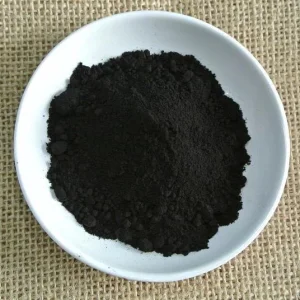
To ensure complete project consistency, we support the technical application of our dyes across various production lines. Below are our specialized formulations, including their original sourcing pathways:
A: Basic Yellow 1 (Auramine O) dissolves easily in cold water and reaches higher solubility in hot water (typically around 70–80°C). Heating above 90°C should be avoided, as it can hydrolyze the diarylmethane group into Michler’s ketone, reducing dye strength and causing precipitation.
A: ZDHC Level 3 certification indicates that our commercial dyes are manufactured in compliance with the Manufacturing Restricted Substances List (MRSL). This helps buyers avoid restricted hazardous impurities, ensuring compliance with global textile export standards.
A: As a cationic dye, Basic Yellow 1 will react and form precipitates if mixed directly with anionic dyes (such as Direct or Acid dyes) in the same bath. To avoid specking, separate application baths or non-ionic dispersing auxiliaries are required.
A: We offer several packaging options, including 25kg iron drums, fiber drums, carton boxes, and customizable bulk bags. These options are designed to protect the dye from moisture during long-distance transit.
A: Since wood pulp possesses a naturally negative charge, Basic Yellow 1 binds to it directly without mordants. For bleached pulps with lower lignin content, adding a small amount of clay or aluminum sulfate helps improve dye retention and shade consistency.
 Sunrise