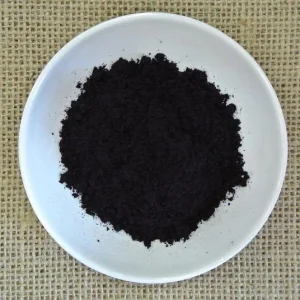
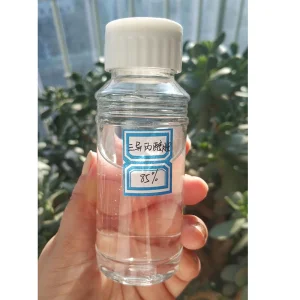
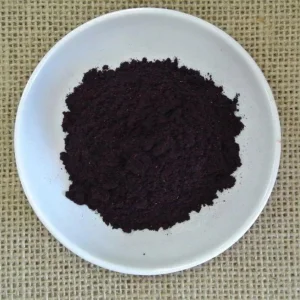
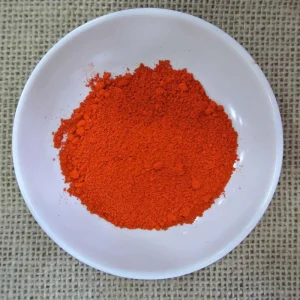
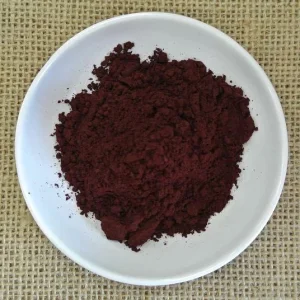
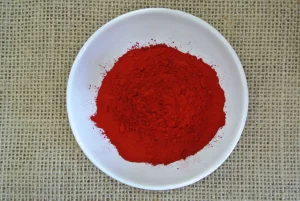
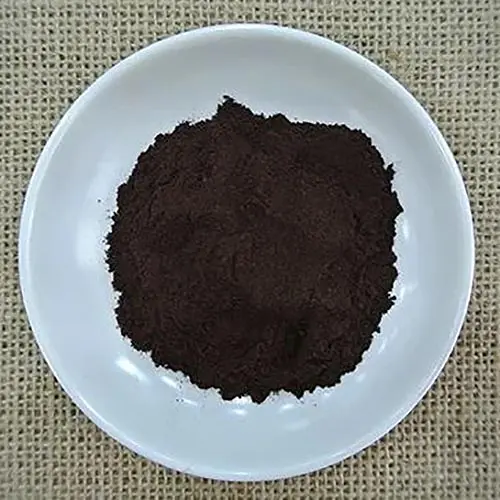
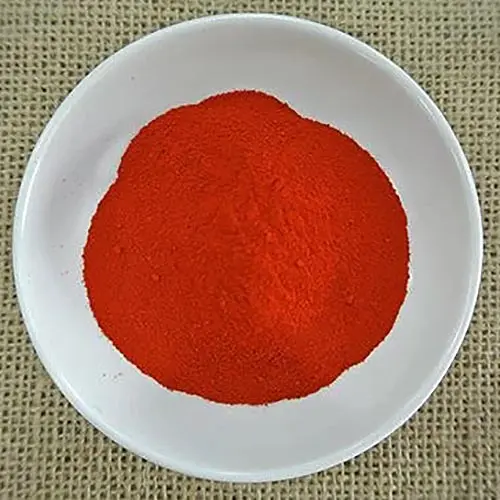
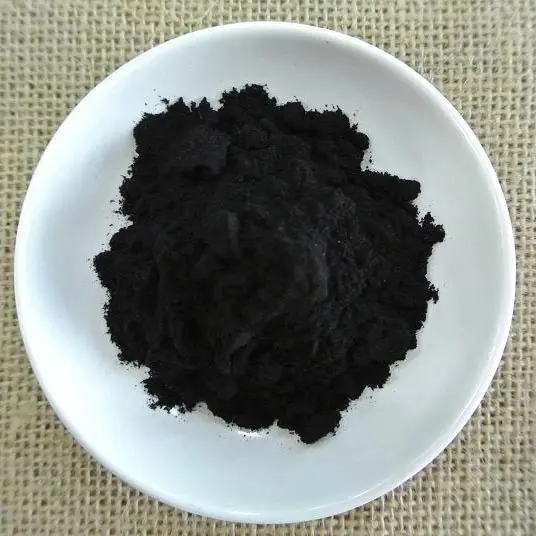
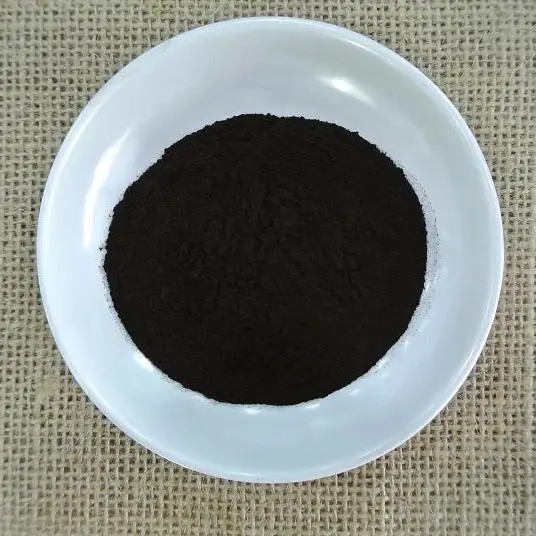
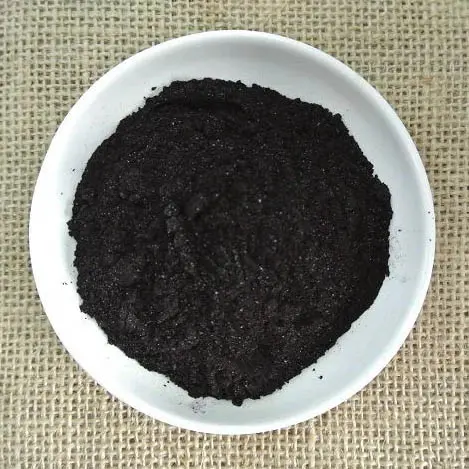
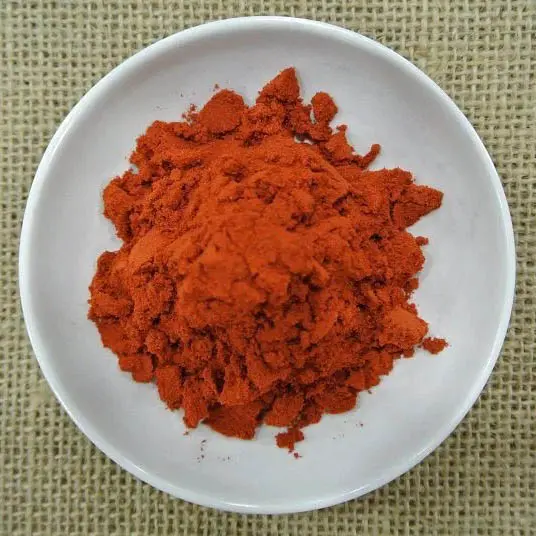
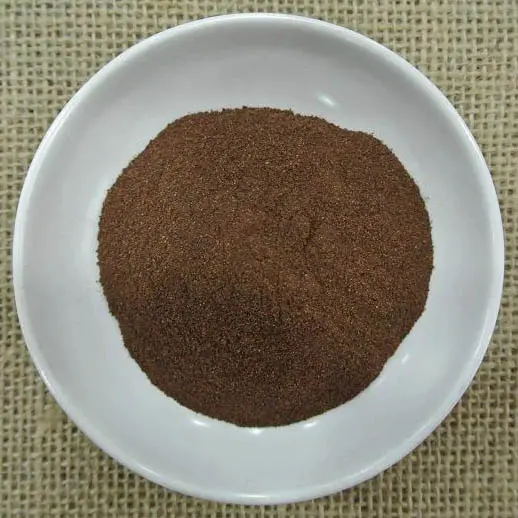
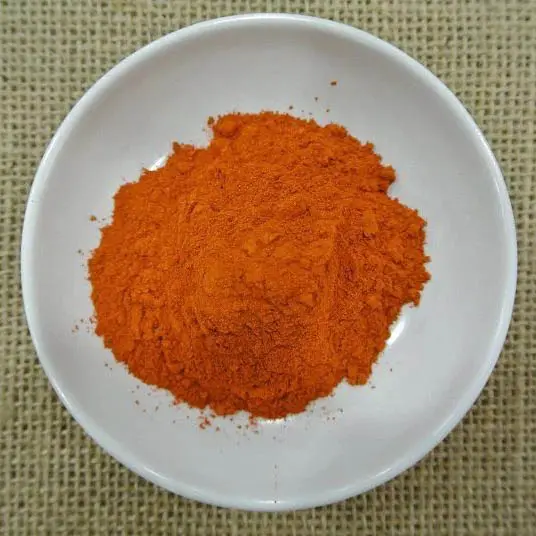
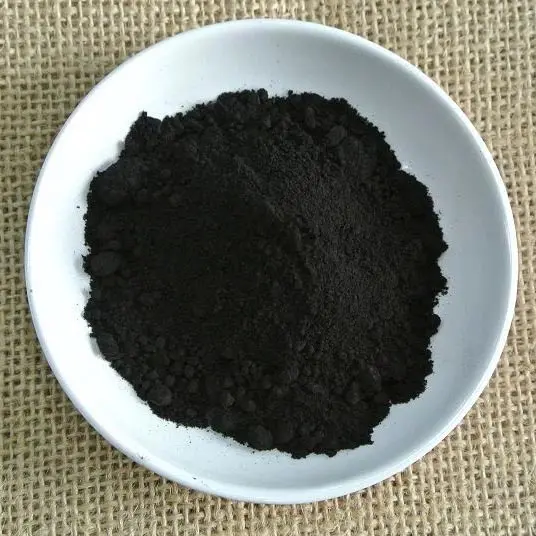
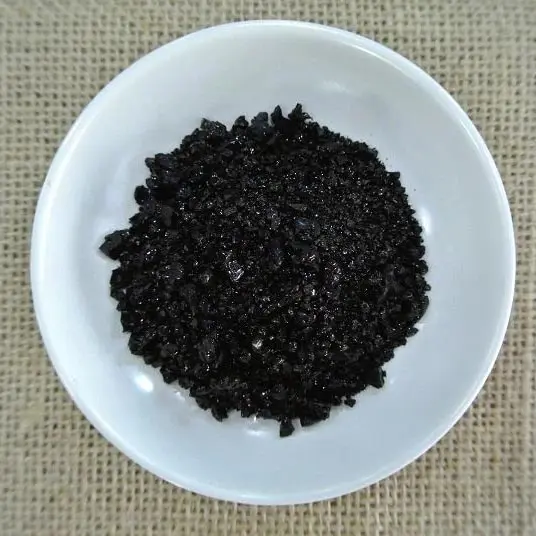
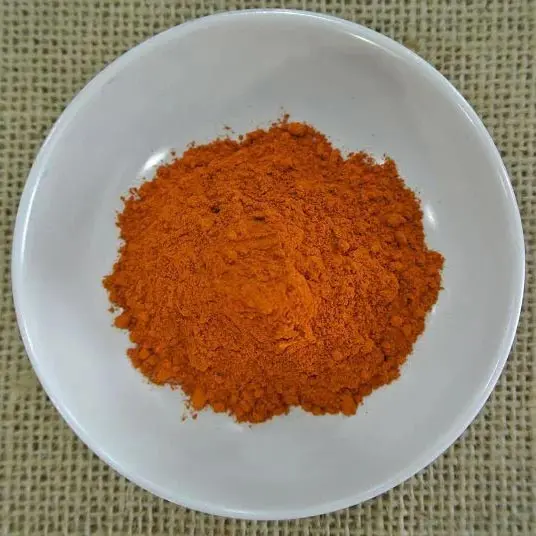
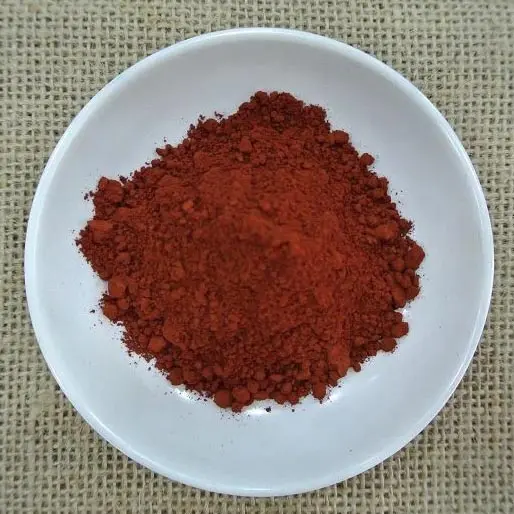
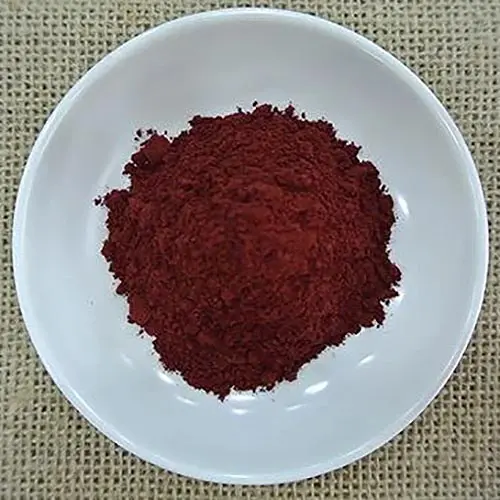
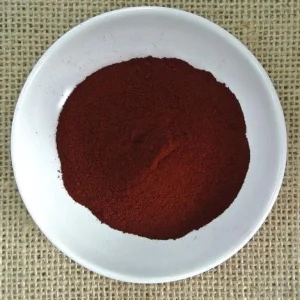
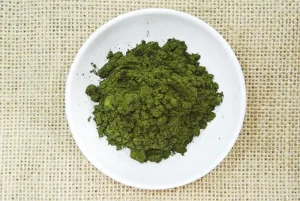
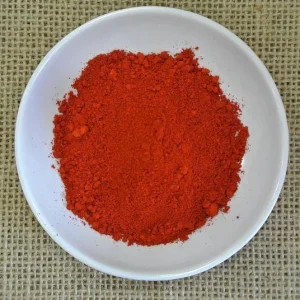
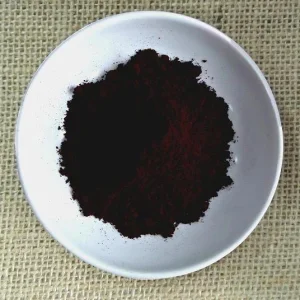
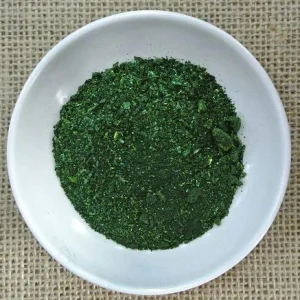
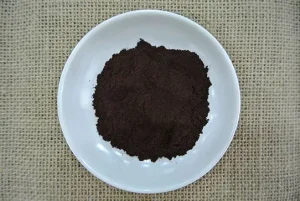
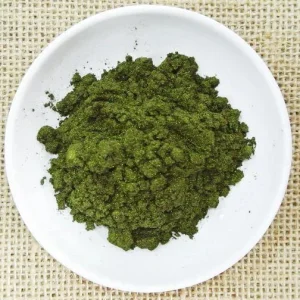
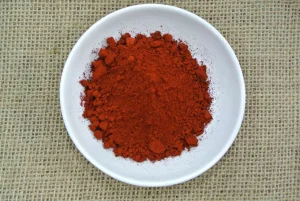
Sulphur Orange 1 (Color Index Classification: C.I. Sulphur Orange 1) is a specialized sulfur-containing organic synthetic dyestuff, renowned for its exceptional affinity for cellulosic fibers. Industrially synthesized via the thionation of aromatic amino compounds, it has remained a cornerstone colorant within the global textile and paper processing markets. In the molecular structure of Sulphur Orange 1, disulfide and polysulfide linkages function as the critical chromophores and binding agents. These links render the dye insoluble in water in its oxidized form, but highly soluble in its reduced (leuco) state, providing unparalleled stability and color fastness on substrates once re-oxidized.
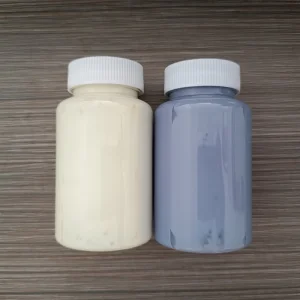
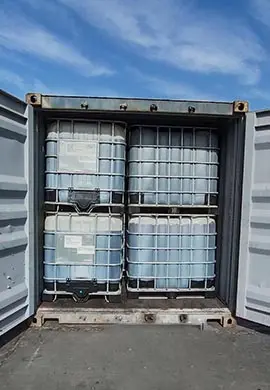
As a major organic colorant, it plays a vital role in heavy-duty textile applications. Global textile processing units demand this specific orange shade for blending, raw fiber dyeing, and specialized denim coloring. By working with a professional China Sulphur Orange 1 manufacturer, procurement divisions gain access to standard-strength dry powders and pre-reduced liquid formulations designed to lower energy expenditures, reduce dye bath sedimentation, and achieve precision shade-matching metrics.
| Parameter / Property | Technical Specification Value | Standard Test Method Reference |
|---|---|---|
| C.I. Number | C.I. Sulphur Orange 1 (CI 53060) | Color Index International standard registration | Appearance Form | Dry free-flowing granular powder or liquid formulation | Visual inspection under D65 standard light source |
| Color Shade & Strength | 100% ± 3% (customizable up to 200% strength standard) | Spectrophotometric comparison vs. master standard batch |
| Light Fastness Rating | Grade 5 to 6 (out of 8) | ISO 105-B02 Xenon Arc fading testing protocols |
| Washing Fastness Rating | Grade 4 to 5 (out of 5) | ISO 105-C06 Washing durability standard tests |
| Rubbing Fastness (Dry / Wet) | Grade 4-5 (Dry) / Grade 3 (Wet) | ISO 105-X12 Crockmeter rubbing analysis standards |
| Eco-toxicological Status | Heavy metal free, conforming to strict EU REACH and ZDHC guidelines | ICP-MS spectrometry and chromatography validation |
The commercial demand for high-grade sulfur dyes, specifically Sulphur Orange 1, is driven by the global shift towards long-lasting, cost-effective, and highly functional cellulosic materials. Unlike direct or reactive dyes, sulfur-based colorants provide superior wash and perspiration resistance at a fraction of the raw chemical cost. Consequently, major textile hubs in Bangladesh, India, Vietnam, and Latin America import massive volumes of Sulphur Orange 1 annually. The global denim market relies on sulfur dyes to achieve dark, rich underlying shades, and Sulphur Orange 1 is frequently utilized in shading systems to create earth-toned, khaki, olive, and multi-tone distressed fashion lines.
Providing deep orange and copper tones for heavy-duty denim fabrics, uniforms, canvas packs, and industrial utility wear requiring high light fastness.
Employed in massive continuous-feed paper mills for coloring heavy fiberboards, corrugated packaging materials, and craft tubes, ensuring minimal runoff.
Penetrates dense animal dermis matrices to deposit rich, deep color profiles that remain highly resistant to sweat, heat, and structural stretching.
Modern procurement optimization shows that using liquid, pre-reduced Sulphur Orange 1 formulation drastically reduces sodium hydrosulfite / sodium sulfide dependence in textile mills. This lowers Chemical Oxygen Demand (COD) and Biological Oxygen Demand (BOD) loads in effluent plant management by up to 45%, presenting a massive compliance win for global brands operating under rigorous ZDHC Level 3 protocols.
As the world's leading chemical production center, China-based manufacturers of Sulphur Orange 1 leverage high industrial scale, local raw material integration, and state-of-the-art automated synthesis technology. Located in integrated chemical parks like those in Tianjin, Shandong, and Jiangsu, these facilities ensure a constant supply of raw materials like dinitrochlorobenzene and sodium tetrasulfide. This localized chemical clustering shields global buyers from volatile price spikes and logistics delays.
Chinese manufacturers utilize computerized PLC-controlled thionation reactors that precisely manage temperature profiles during the exothermic condensation stages. This minimizes the formation of undesirable isomers, resulting in a cleaner color profile, reduced tarry insoluble residues, and higher overall solubility. Additionally, advanced spray-drying systems ensure that dry-form powders are free-flowing, dustless, and quickly dispersible. This prevents dry dye aggregation during long-term maritime transit and warehousing.
Achieving uniform color and avoiding technical issues like "bronzing" requires deep familiarity with the redox behaviors of Sulphur Orange 1. Since the dyestuff is insoluble in its oxidized state, it must be completely reduced to its leuco compound prior to application.
Typically, sodium sulfide (Na2S) acts as the primary reducing agent, splitting the disulfide linkages of the dye molecule into soluble sodium mercaptides. The standard bath ratio is kept at 1:10 to 1:20 depending on machine configurations. The dyeing temperature is ramped up steadily to 85°C–90°C to optimize fiber penetration and exhaust rates. Soda ash is typically added to maintain a stable alkaline pH range of 9.5 to 10.5, ensuring the dye remains completely dissolved throughout the cycle.
Once exhaust is complete, the substrate is thoroughly rinsed to remove unfixed leuco-dye, followed by complete oxidation to convert the absorbed leuco compound back into its water-insoluble parent state. Common eco-friendly oxidizing agents include hydrogen peroxide (H2O2) or sodium bromate. Complete oxidation is critical; incomplete reaction states lead to poor washing fastness, shade shifts, and crocking issues under daily wear.
The international dyestuffs industry is undergoing rapid structural transformations. Regulatory frameworks such as the European Union's Registration, Evaluation, Authorisation and Restriction of Chemicals (REACH) and the zero discharge of hazardous chemicals (ZDHC) initiative have forced dye manufacturers to phase out hazardous intermediates. Consequently, modern Chinese manufacturing plants have overhauled their chemical processes to ensure that their Sulphur Orange 1 is completely free of restricted heavy metals and banned arylamines.
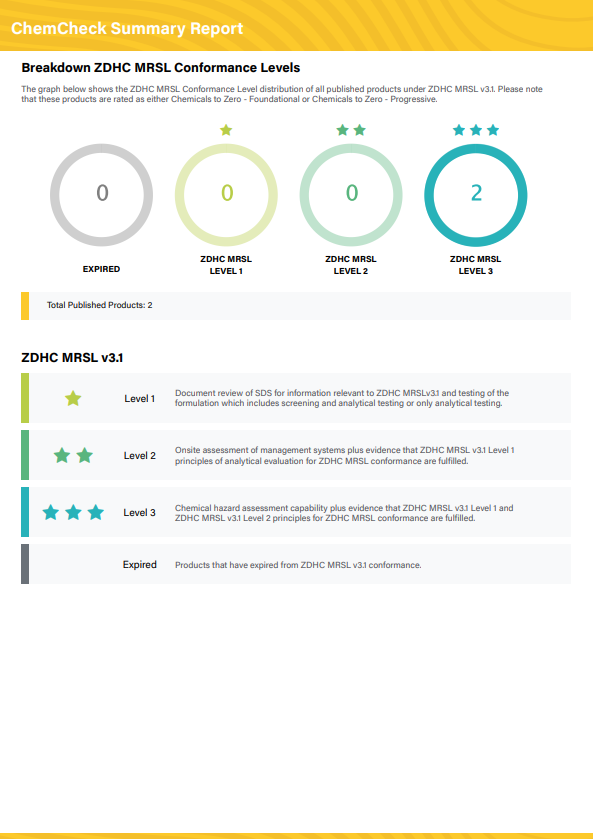
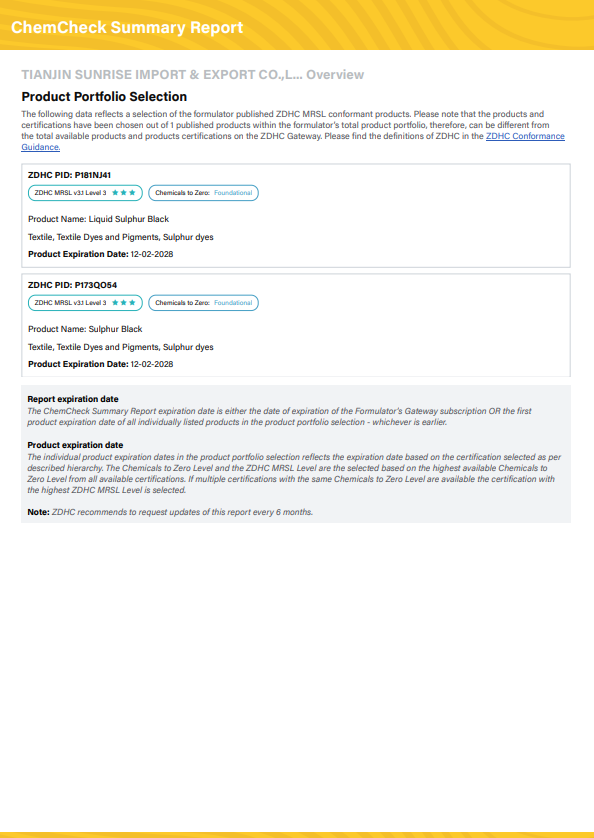
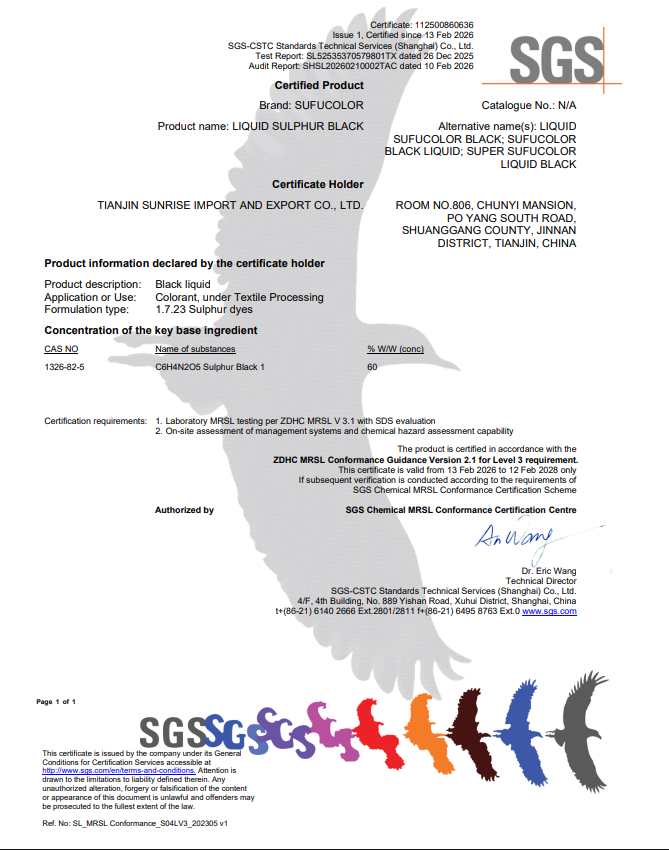
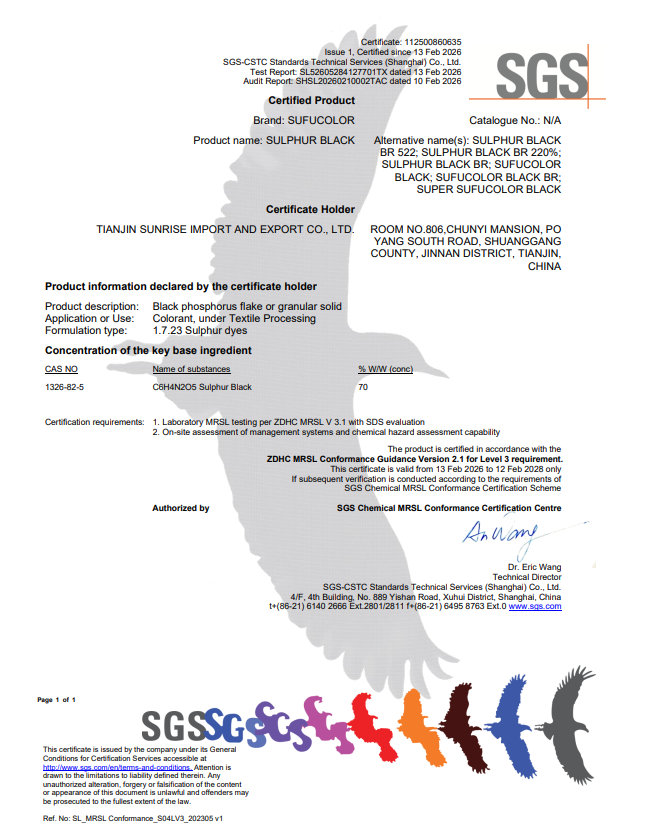
Furthermore, there is a clear trend toward closed-loop manufacturing. Waste sodium thiosulfate and sodium sulfate by-products are recrystallized and reused within secondary industrial processes, achieving a near-zero waste footprint. For global brands, selecting a supplier with verified ZDHC Level 3 and GOTS (Global Organic Textile Standard) certifications is no longer optional—it is a critical requirement to protect their brand reputation and meet consumer demand for sustainable apparel.
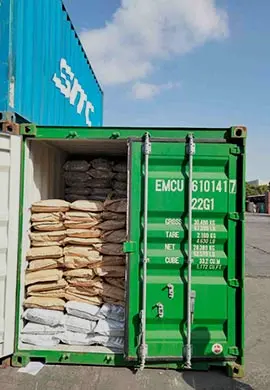
Tianjin Sunrise Chem Group specializes in manufacturing high-quality dyestuffs. Our comprehensive product portfolio includes Direct dyes, Acid dyes, Basic dyes, Sulphur dyes, Solvent dyes, Liquid dyes, and Fluorescent dyes. Backed by decades of industry and export experience, we have built a reputation for reliability and excellence, serving clients from diverse sectors including denim, textile, leather, paper, and plastic.
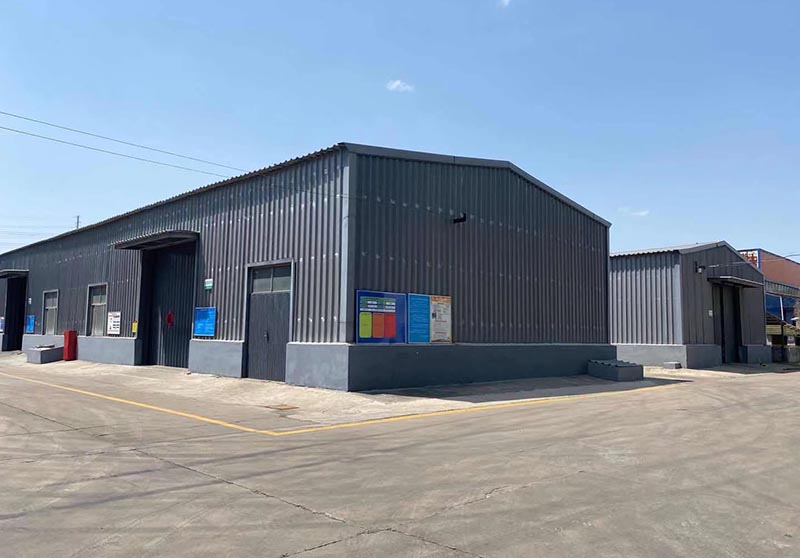
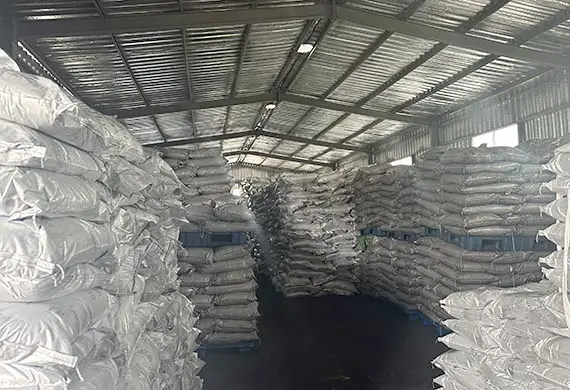
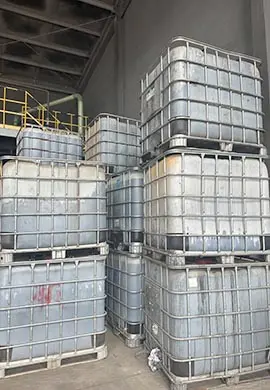
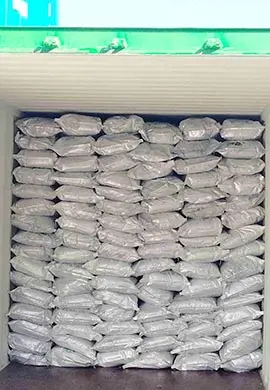
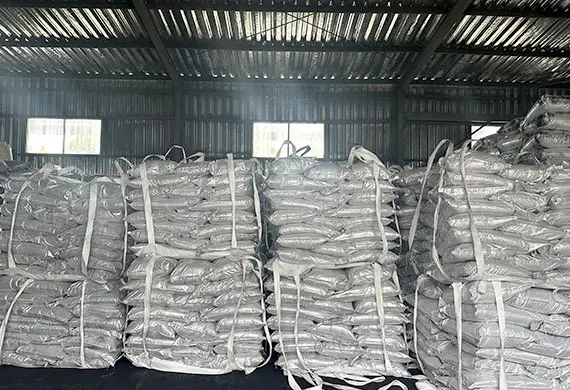
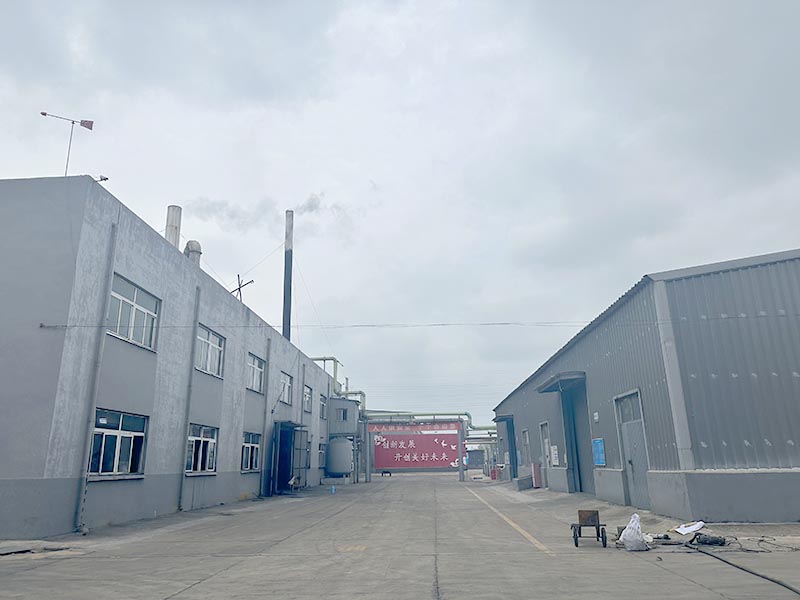
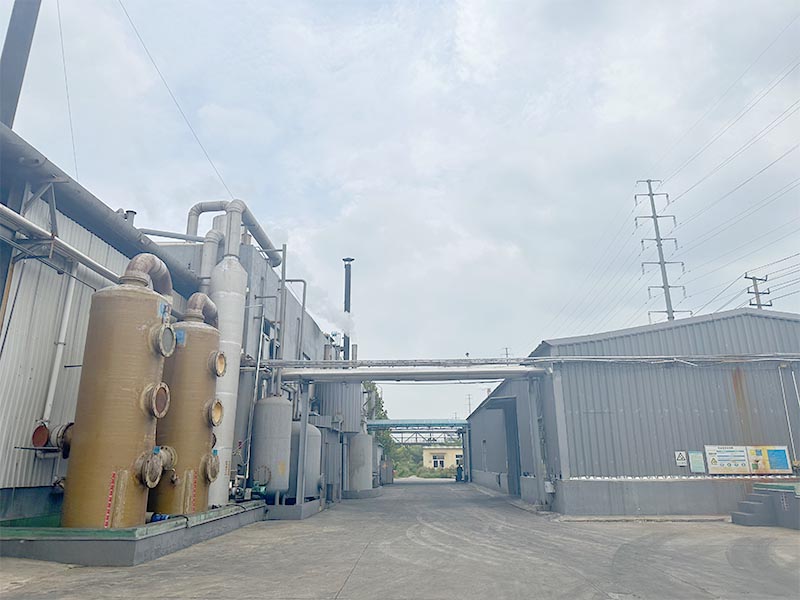
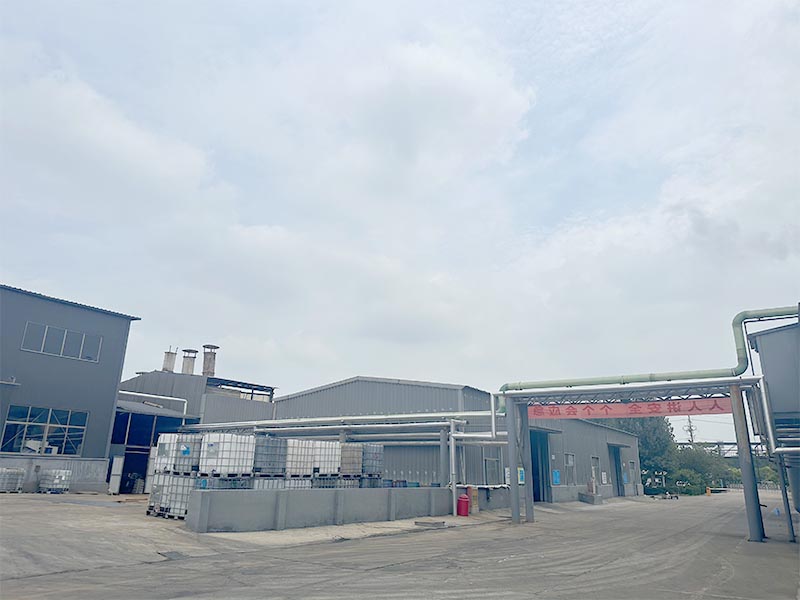
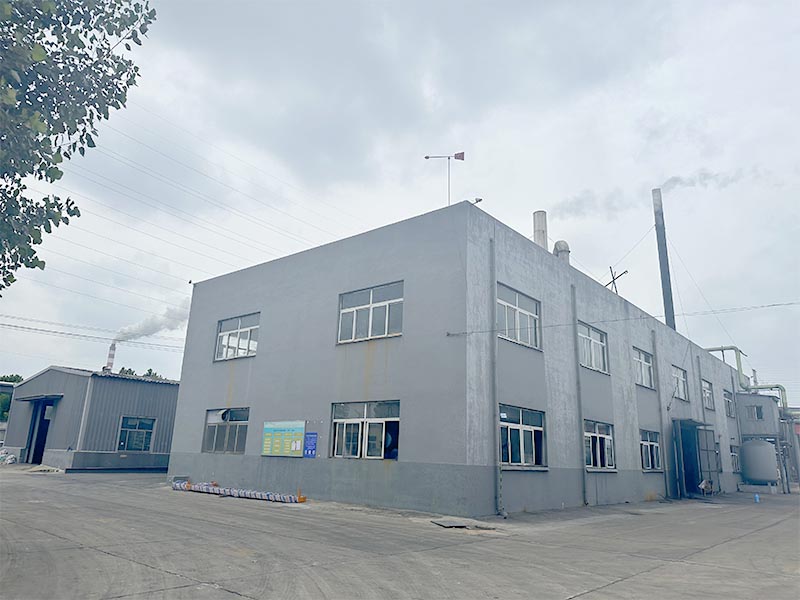
Our advanced manufacturing and storage facilities in Tianjin, China
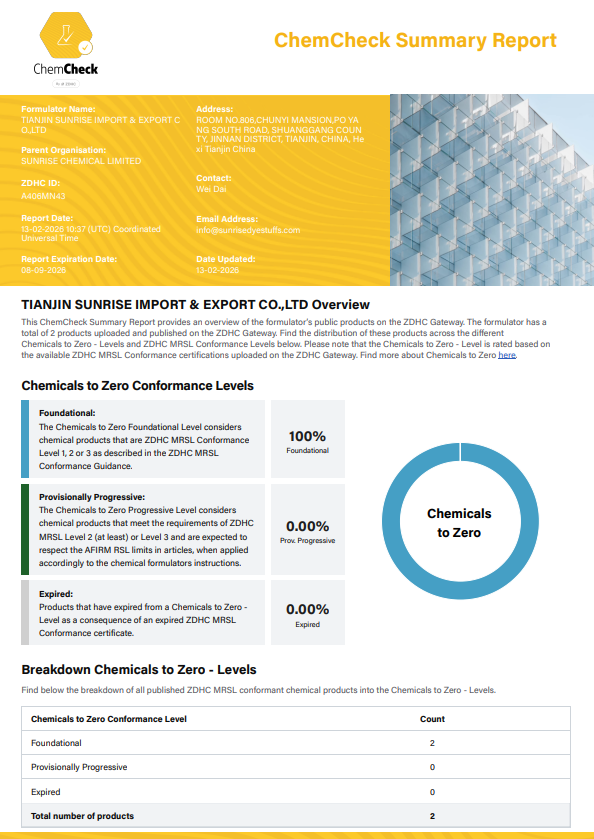
We always focus heavily on product quality and stability. Every batch is thoroughly tested in our laboratory before being shipped to the port. Our ZDHC Level 3 compliance and GOTS certifications guarantee the quality of your products. We pride ourselves on offering customized solutions, working closely with clients to understand their unique needs and deliver tailored formulations. We actively seek strategic partnerships to expand our global reach and enhance our product offerings.
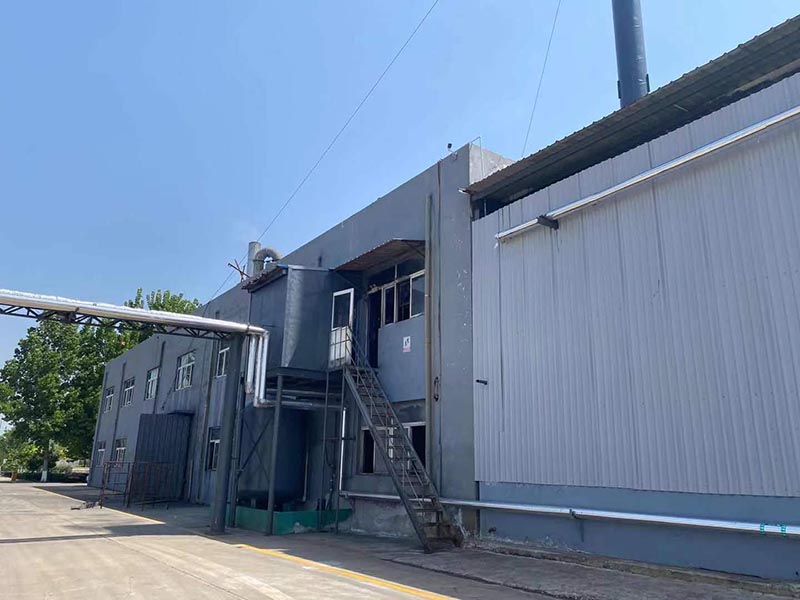
Cooperating with global textile and paper mills for sustainable development
Cooperating with textile and paper mills for many years shows that the factory has established a strong and reliable business relationship. This kind of long-term collaboration brings numerous benefits, such as consistent orders, shared resources, and mutual support. It also indicates that the factory has a good track record of delivering quality products and meeting the needs of its partners. Our mission is to drive business growth by providing reliable and customized products. Our goal is to make a significant contribution to our customers' success by consistently delivering first-class products and exceptional customer service. By building lasting partnerships, we strive to be a catalyst for our clients' success.
Environmental protection is the cornerstone of our innovation. We dedicate ourselves to providing clients with eco-friendly, high-quality colorants that balance productivity with environmental harmony, driving the industry towards a more sustainable development path while delivering high-performance products—for a greener textile industry and a sustainable future.
Explore our complete catalog of industrial colorants. From leather dyestuffs to wood stains and specialized paper dyes, we maintain high stock levels for immediate global delivery.
With years of experience, we have successfully established strong partnerships in many countries. Our dedication to meeting global demands and exceeding customer expectations has earned us a reputation as a reliable supplier worldwide.
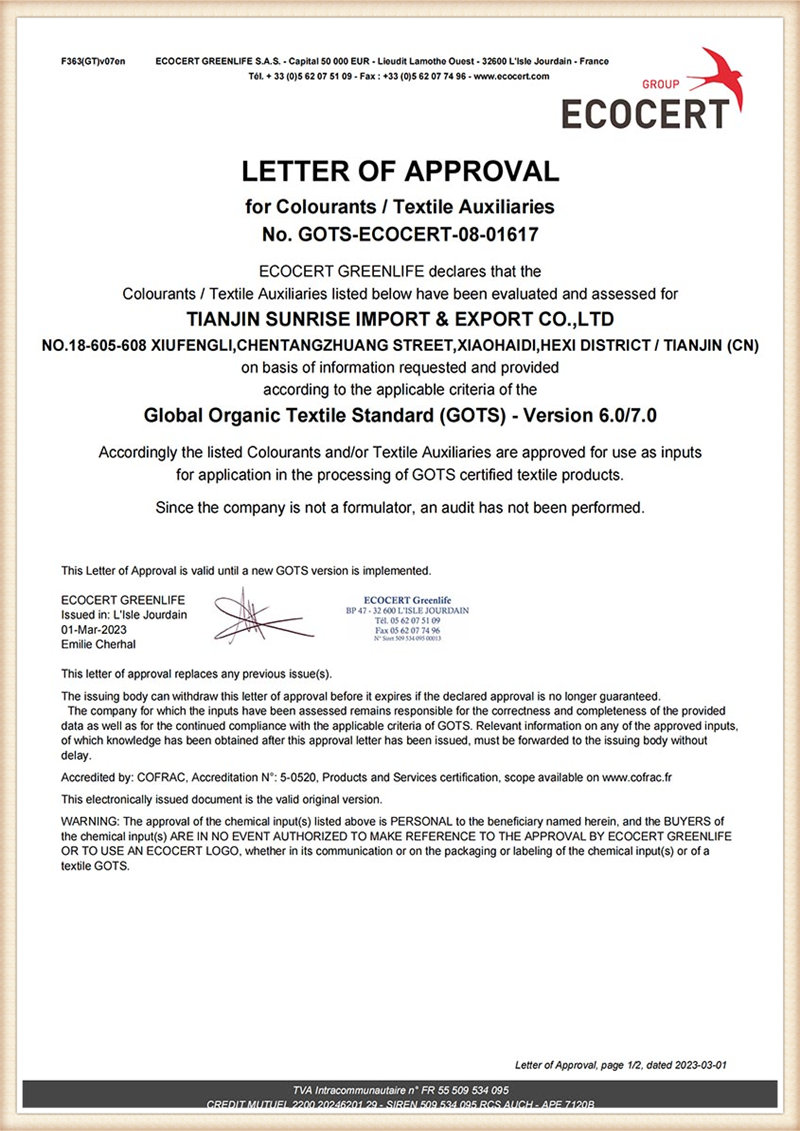
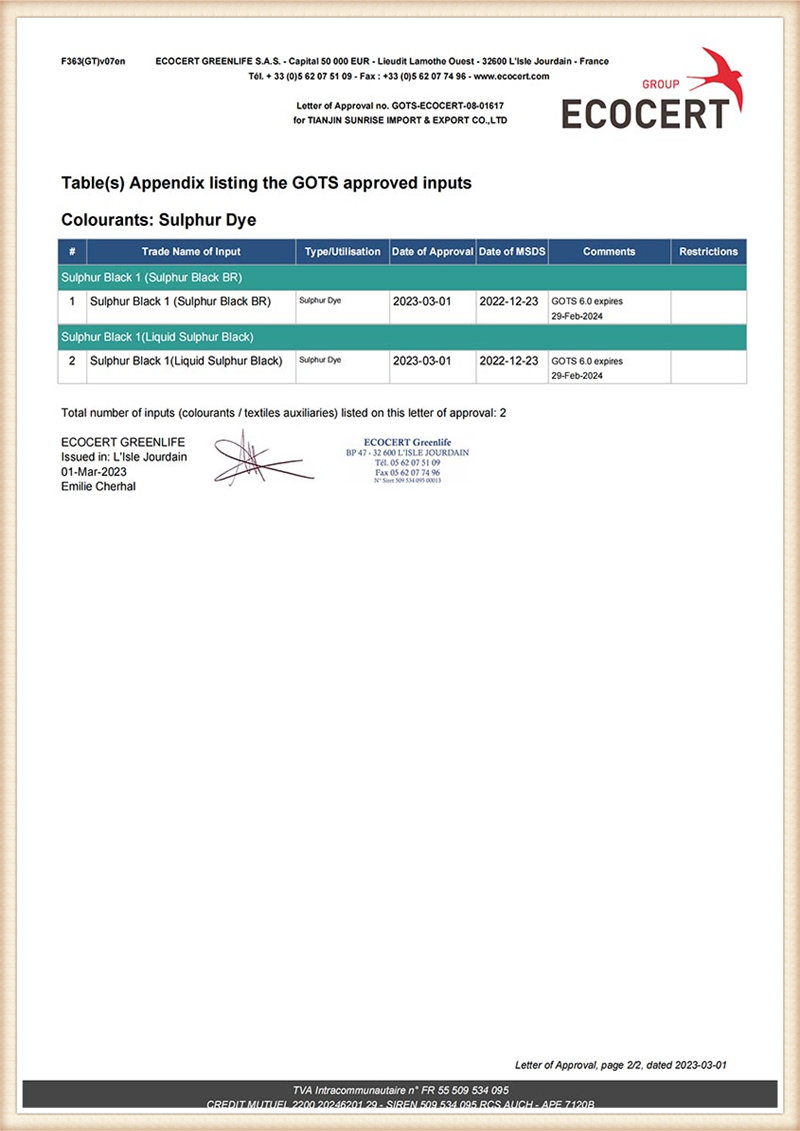
Our focus on environmentally safe chemical practices is validated by top international standard groups. We are fully committed to reducing industrial footprints through verified certifications.
 Sunrise