Explore our core selection of globally compliant dyestuffs engineered for diverse industrial substrates.
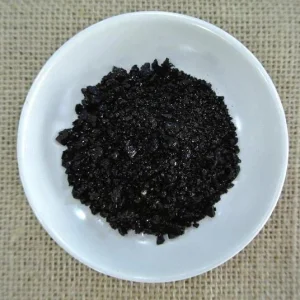
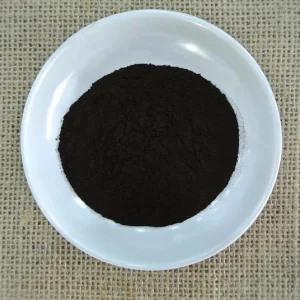
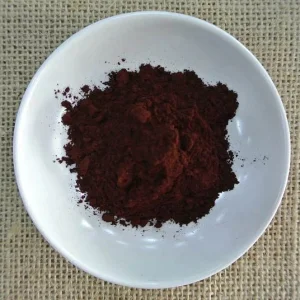
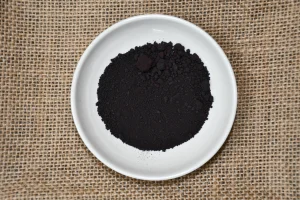
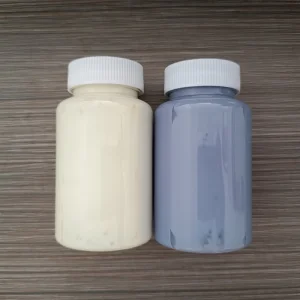
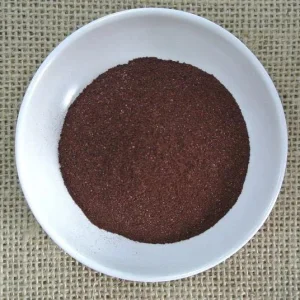
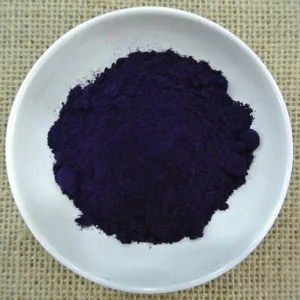
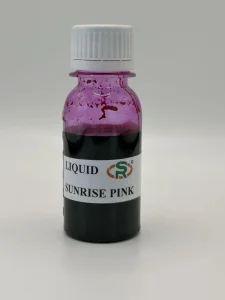
Direct Blue 86, widely recognized in the colorant industry as Direct Fast Turquoise Blue GL, represents a pinnacle of copper phthalocyanine dye development. Valued for its brilliant, vivid cyan-turquoise hue, this anionic dye features a highly stable chemical structure that makes it indispensable across multiple industrial substrates. Primarily used on cellulose fibers—such as cotton, viscose, and flax—it also finds extensive applications in paper manufacturing, leather dyeing, and specialized ink formulations. The global industrial demand for Direct Blue 86 remains strong, driven by the expanding packaging industry, high-end textile manufacturing, and the transition toward environmentally friendly coloration technologies.
As sustainability regulations tighten worldwide, the global procurement landscape for Direct Blue 86 has undergone a major shift. Purchasing managers no longer evaluate colorants solely on color strength or price; they must now scrutinize heavy metal levels, salt matrices, dust-free performance, and adherence to restricted substance lists (MRSL). Consequently, manufacturers with advanced chemical synthesis lines, complete automated drying systems, and robust environmental controls have become key strategic partners for multinational corporations looking to build clean, long-term supply chains.
Understanding the exact chemical performance of Direct Blue 86 is crucial for optimizing exhaust dyeing processes, continuous padding operations, or paper pulp blending systems. Below is the technical specification profile of our premium-grade Direct Blue 86, refined to match global industrial standards.
| Property Parameter | Value / Range Details | Testing & Compliance Standards |
|---|---|---|
| Color Index Name | C.I. Direct Blue 86 (Direct Fast Turquoise Blue GL) | International Color Index Registration |
| CAS Registry Number | 1330-38-7 | Chemical Abstracts Service |
| Chemical Structure Class | Copper Phthalocyanine Sulfonic Acid Sodium Salt | Spectrophotometric Structural Validation |
| Solubility in Water | ≥ 60 g/L (at 80°C) | ISO 105-Z09 standard methodology |
| Color Strength Consistency | 100% to 150% (Customizable options) | Against standard batch reference via spectrophotometer |
| pH Stability Range | 6.0 - 9.5 (Optimal dyeing at 7.0 - 8.5) | Standard laboratory pH metric analysis |
| Free Copper Ions | < 200 ppm (Ultra-pure grades available) | ICP-OES atomic emission spectrophotometry |
Due to its planar copper-phthalocyanine structure, Direct Blue 86 exhibits exceptional light fastness compared to azo direct dyes. The copper ion, chelated at the center of the macrocyclic ring, protects the chromophore from oxidative degradation under UV exposure. However, because of this metal complex structure, raw material suppliers must carefully control the concentration of free, unchelated copper ions to ensure compliance with strict ecological standards like ZDHC Level 3 and GOTS.
Global brands need clear, transparent tracing of raw materials, waste management audits, and proof of non-hazardous chemical synthesis before onboarding direct dye manufacturers.
Even small variations in dye concentration or salt content can disrupt automated industrial dyeing processes, leading to costly re-dyeing runs or product rejection.
Imports to North America and Europe must satisfy REACH, TSCA, and OEKO-TEX requirements, making high-purity chemical output non-negotiable for importers.
China's chemical manufacturing sector has transitioned from basic volume-driven production to highly automated, smart manufacturing systems, often referred to as "Factory 4.0." This shift has redefined how Direct Blue 86 and other industrial dyestuffs are produced and distributed globally.
Advanced Distributed Control Systems (DCS) monitor chemical synthesis parameters in real time—controlling pressure, temperature, and reagent dosing with high precision. This level of automation prevents the formation of unwanted organic side-products and minimizes raw material waste. Automated spray-drying towers yield highly uniform, dust-free granular or powder formulations, which dissolve quickly in industrial mixing tanks and improve workplace safety for operators.
In addition to process efficiency, Chinese manufacturers have built resilient supply chains integrated with major coastal ports, domestic salt refining complexes, and chemical raw material grids. This integration ensures stable pricing and consistent product availability, shielding global buyers from sudden supply shocks or logistics delays.
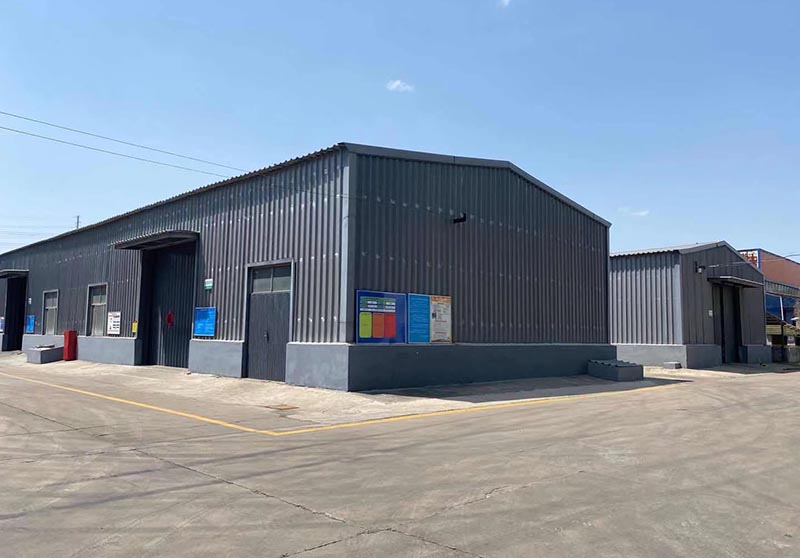
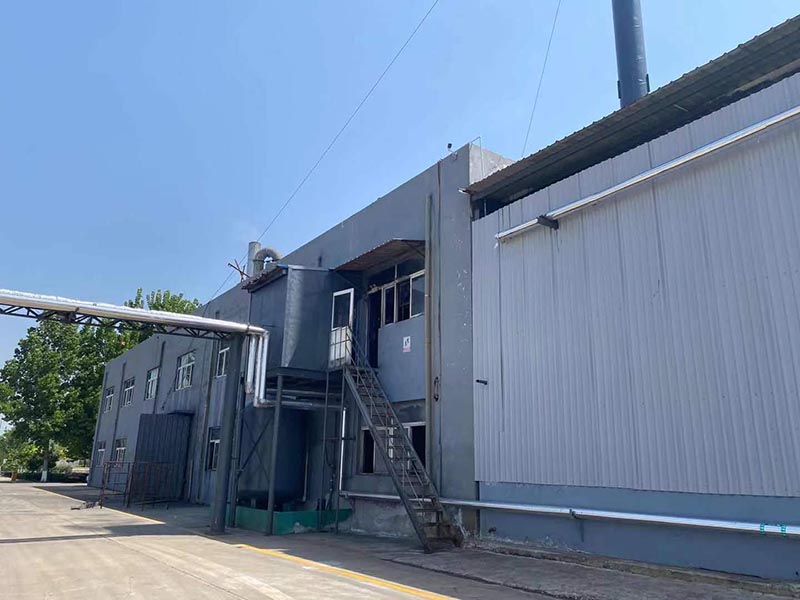
Tianjin Sunrise Chem Group specializes in manufacturing and exporting high-quality dyestuffs, offering a comprehensive portfolio that includes Direct dyes, Acid dyes, Basic dyes, Sulphur dyes, Solvent dyes, Liquid dyes, and Fluorescent dyes.
Backed by decades of industry and export experience, we have built a reputation for reliability and excellence, serving clients from diverse sectors including denim, textile, leather, paper, and plastics. We place a premium on product quality and batch stability, testing every shipment in our laboratories before it is sent to port.
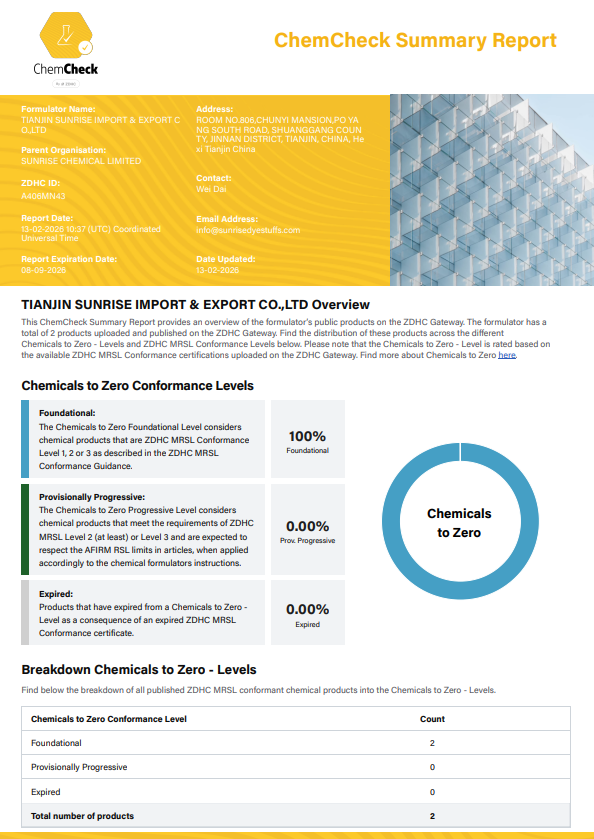
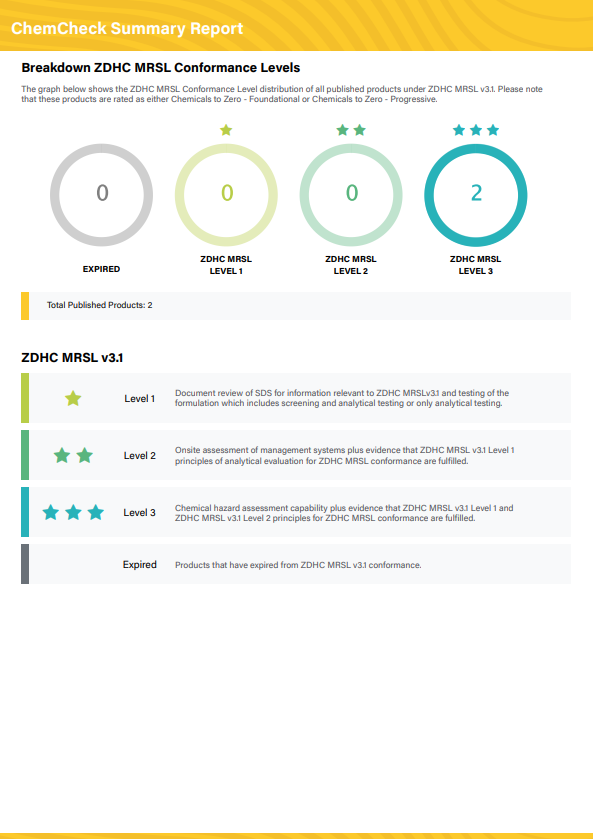
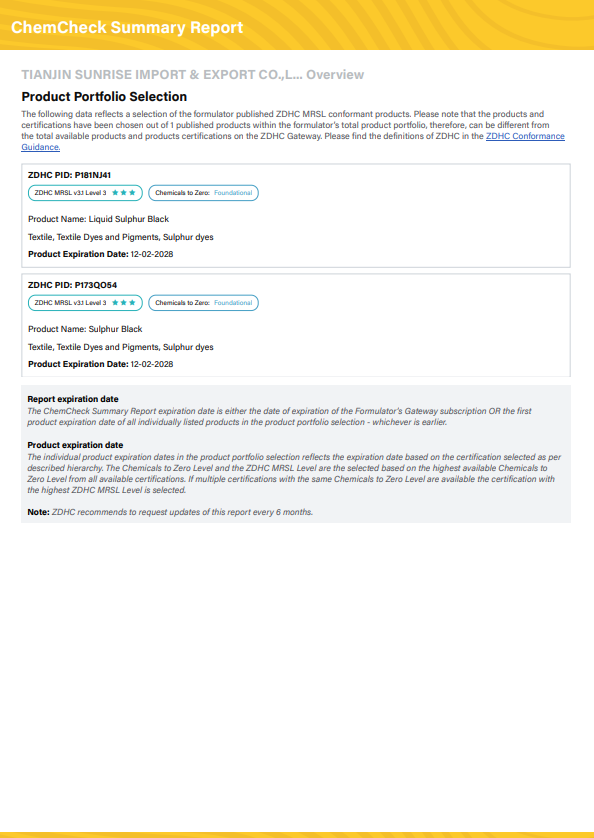
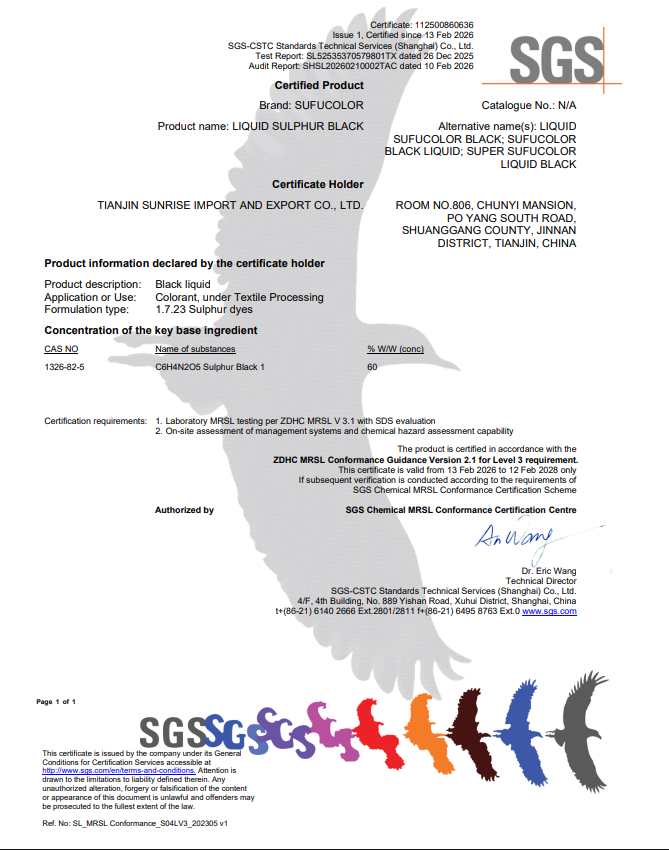
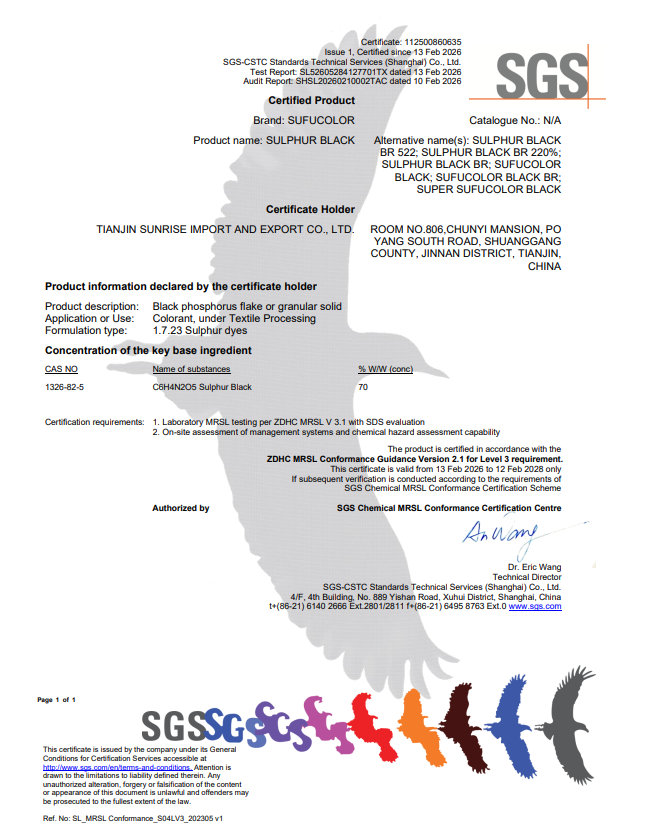
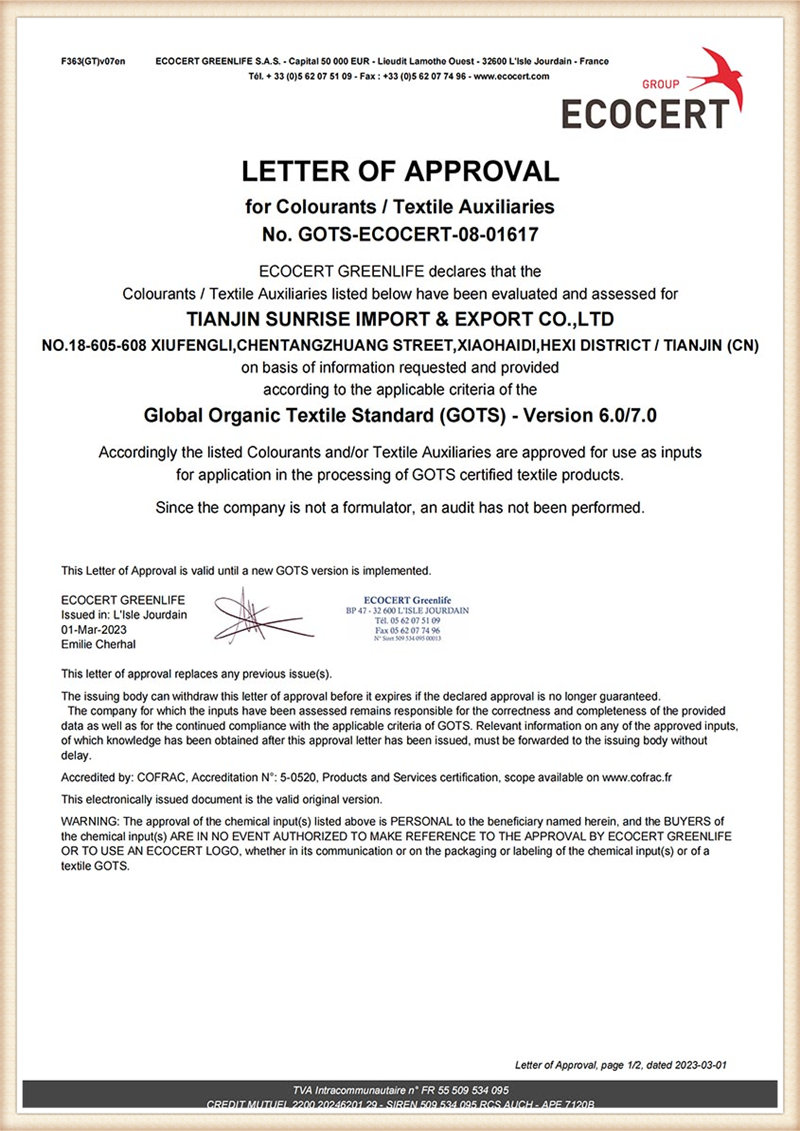
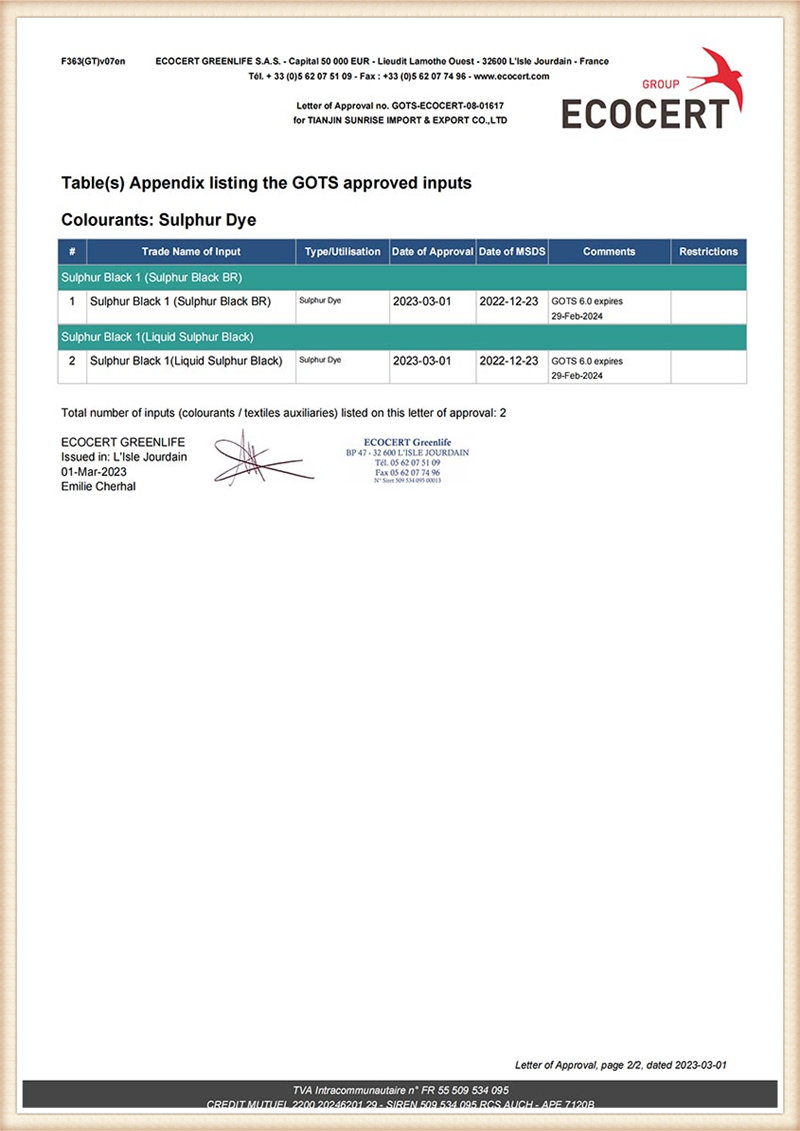
Environmental responsibility drives our ongoing product development. Our ZDHC Level 3 and GOTS certifications offer customers verified compliance with international ecological standards. We work closely with our partners to deliver customized color formulations that balance high performance with environmental care, supporting a cleaner textile industry and a sustainable future.
Direct Blue 86 is utilized across several major industries, each with specific chemical handling, pH control, and fixation requirements:
For cotton and viscose fibers, Direct Blue 86 is applied via exhaust dyeing or continuous padding. Electrolytes like sodium chloride (NaCl) or sodium sulfate (Na2SO4) are added to the bath to screen negative surface charges on the fiber, promoting dye uptake. Post-dyeing treatments with cationic fixing agents help improve wash fastness for everyday textiles.
In paper mills, Direct Blue 86 is added directly to bleached kraft pulp or sulfite pulp. Because of its high affinity for cellulose, it binds efficiently without requiring mordants. This makes it ideal for coloring writing papers, tissue paper, and packaging materials where bleed resistance is necessary.
For chrome-tanned and vegetable-tanned leathers, the dye is applied in weakly acidic baths. Its excellent penetration properties ensure uniform color distribution across the leather grain, making it a preferred choice for aniline leathers and suede finishes.
Modern chemical sourcing requires strict adherence to environmental regulations. Achieving ZDHC Level 3 certification indicates that a manufacturer has implemented robust chemical management procedures and met the stringent requirements for chemical handling, wastewater treatment, and pollution prevention.
Similarly, GOTS certification ensures the organic status of textiles, from the harvesting of raw materials to environmentally and socially responsible manufacturing. By minimizing chemical inputs and meeting strict labor and processing criteria, GOTS-certified products offer a sustainable and reliable option for global markets.
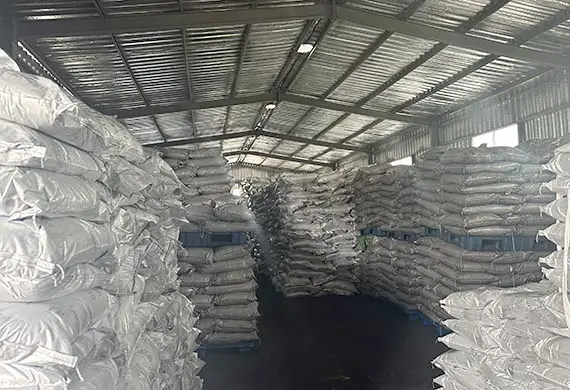
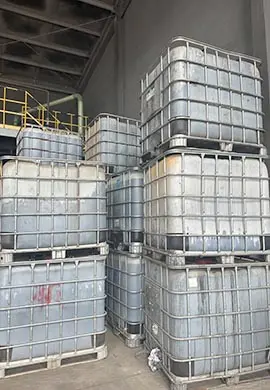
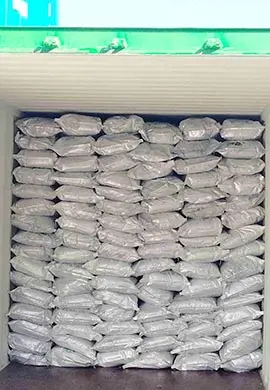
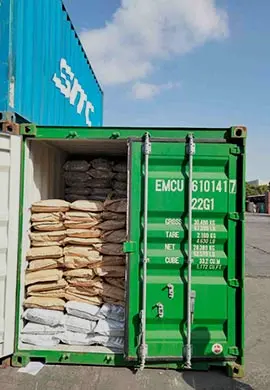
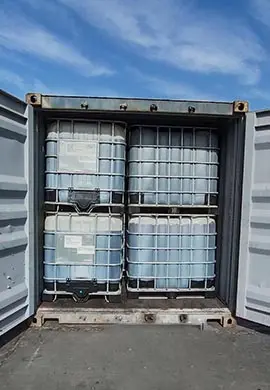
Witness our global supply chain footprints, modern warehouses, and robust container loading procedures.
Key technical and commercial inquiries answered by our chemical engineers and supply chain specialists.
Direct Blue 86 (CAS 1330-38-7) and Direct Blue 199 (CAS 12222-04-7) are both phthalocyanine-based dyes, but they differ in their molecular structures and sulfonation levels. Direct Blue 86 typically features lower sulfonation, providing deep turquoise shades and good exhaustion on heavier materials. Direct Blue 199 has higher solubility and works well in liquid formulations, inkjet inks, and specialized paper treatments. Direct Blue 199 also offers slightly better light fastness in light-weight applications, though it is generally more expensive to synthesize.
We use automated Distributed Control Systems (DCS) to monitor all chemical synthesis parameters, reducing manual errors during production. Each batch undergoes testing in our laboratories using spectrophotometer analysis to check color strength and shade stability before being cleared for shipment. This ensures consistent color yield and performance for our clients.
ZDHC Level 3 is the highest certification level for chemical formulation compliance. It indicates that our products have been independently audited to confirm they do not contain hazardous chemicals listed in the MRSL. For global brands and retailers, using certified materials helps ensure regulatory compliance and reduces environmental risks throughout the supply chain.
We offer Direct Blue 86 in standard 25 kg drums, carton boxes, or multi-layer paper bags with internal plastic liners. For large-scale industrial operations, we can supply 500 kg or 1000 kg bulk bags. The product should be stored in a cool, dry, well-ventilated warehouse, kept away from moisture and direct sunlight, and sealed tightly to prevent clumping.
Standard grade Direct Blue 86 is not recommended for direct food contact. However, we can supply specialized, high-purity grades that meet specific regional regulations (such as BfR or FDA standards) for paper packaging. Please consult our technical team to discuss the regulatory requirements of your target market before ordering.
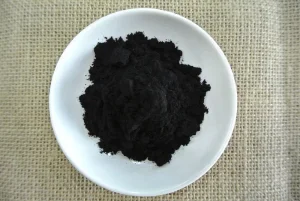
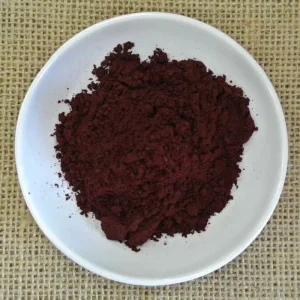
Complete your sourcing catalog with our high-grade solvent, acid, direct, and inorganic colorants.
 Sunrise