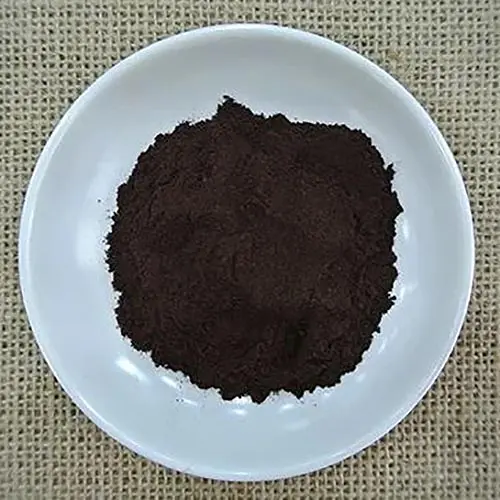
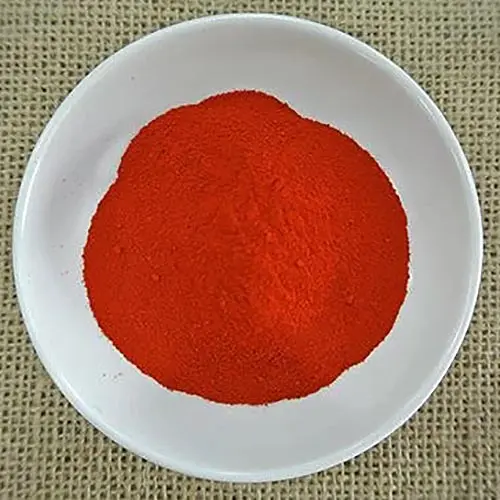
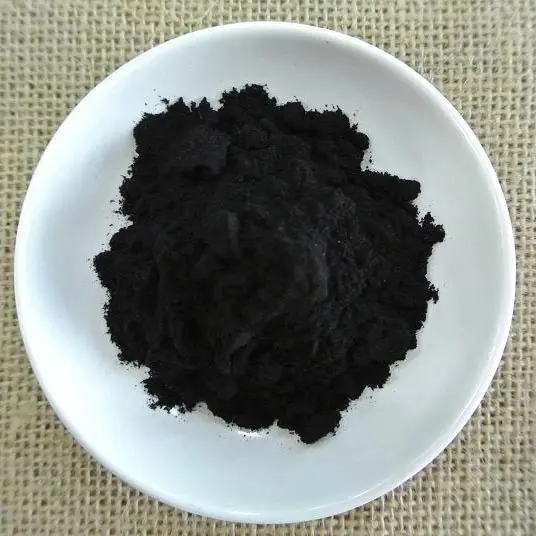
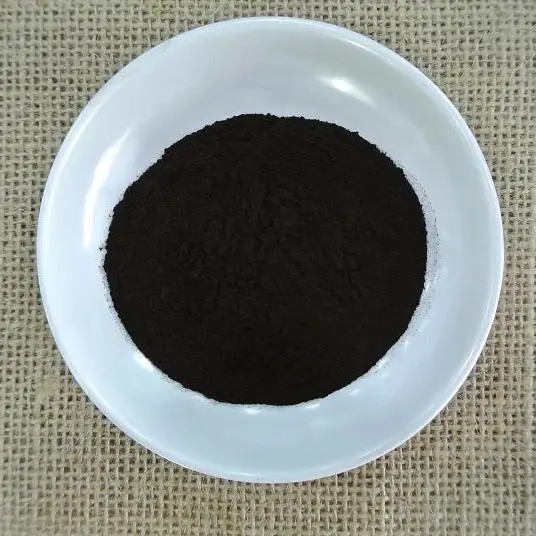
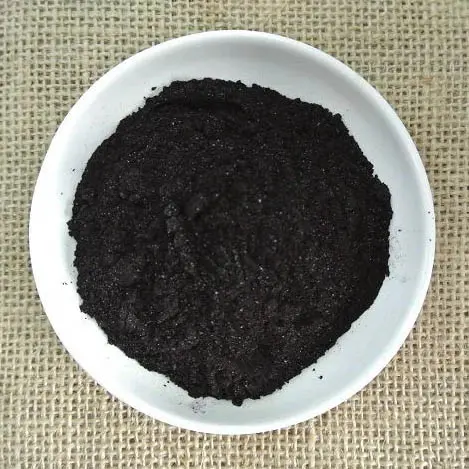
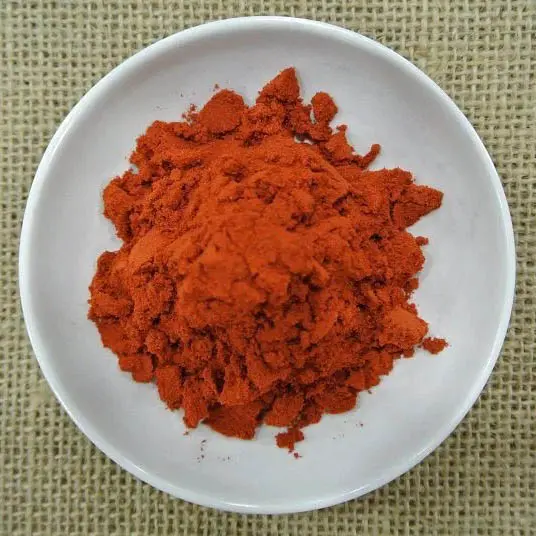
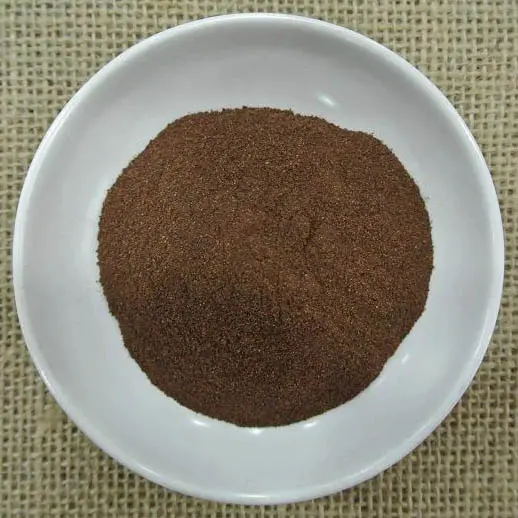
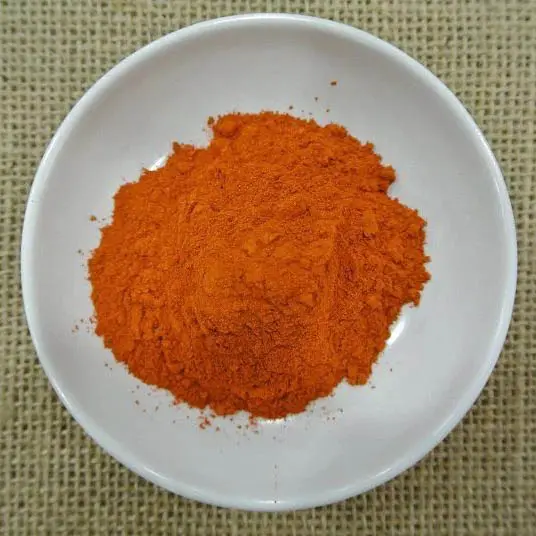
Premium grade dyestuff and pigments tailored for global manufacturing compliance, reliability, and precision
Basic Yellow 51 (C.I. Basic Yellow 51) is a specialized cationic methine dyestuff. Recognized globally for its highly intense, fluorescent-like yellow hue, it is widely utilized across acrylic, modacrylic, paper, and industrial ink formulations.
In structural chemical terms, Basic Yellow 51 displays a high affinity for anionic groups on substrates like polyacrylonitrile (PAN) and lignocellulosic pulp fibers. This strong affinity results in rapid color exhaustion, outstanding wash fastness, and brilliant color saturation. Cationic dyes bind electrostatically to fiber structures, resulting in molecular stability that surpasses many standard organic colorants.
As premier manufacturers in China, Tianjin Sunrise Chem Group ensures that our Basic Yellow 51 production lines are optimized for high molecular purity and batch-to-batch color stability. This technical whitepaper analyzes China's manufacturing standards, the chemistry behind Basic Yellow 51, localized application systems, environmental footprints, and the strategic advantages of relying on a vertically integrated supply chain.
| Property Parameter | Technical Specification Value | Application Note |
|---|---|---|
| C.I. Number | C.I. Basic Yellow 51 (480530) | Standard nomenclature for dye identification |
| Chemical Structure Class | Methine / Cyanine | Provides high molar extinction coefficient and intense hue |
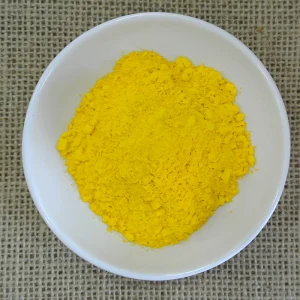
| Physical Appearance | Yellowish uniform powder / Stable aqueous liquid | Custom formulations available upon client request |
| Solubility in Water | ≥ 30 g/L (at 90°C) | Excellent dispersion in warm aqueous dye baths |
| Light Fastness (Xenon Arc) | Grade 6 - 7 (Acrylic) | Extremely stable under direct ultraviolet exposure |
| Wash Fastness (ISO 105-C06) | Grade 4 - 5 | Resistant to domestic washing and industrial laundering |
| Recommended pH Range | 3.5 – 5.5 | Optimal cationic exhaustion range to prevent rapid uneven striking |
Analyzing shifting supply dynamics, cost drivers, and consumer requirements across international markets
The global demand for Basic Yellow 51 is closely linked to the synthetic fiber industry, paper mills, and industrial coating sectors. As countries in Southeast Asia, Latin America, and Eastern Europe expand their textile processing hubs, the demand for stable, high-affinity dyes has grown significantly. Industrial manufacturers require dyes that not only offer rich color depth but also comply with stringent international regulatory frameworks.
Several factors drive this market:
By leveraging advanced logistics from Tianjin Port and maintaining strategic partnerships with raw material suppliers, Tianjin Sunrise Chem Group ensures consistent, high-purity supply to global distributors, minimizing the impact of regional chemical supply fluctuations.
Our market research shows that global consumption of C.I. Basic Yellow 51 grew by 4.2% annually over the last decade. High-performance liquid formulations are increasingly favored over powders because they eliminate dust in dyehouses and facilitate automated dosing. Sunrise Chem has adapted to this shift, offering customized powder-to-liquid conversions for major textile mills globally.
How Basic Yellow 51 performs in real-world mill setups, highlighting technical mechanisms and optimal parameters
In polyacrylonitrile (PAN) fibers, negatively charged sulfonic or carboxylic acid groups act as dye sites. Basic Yellow 51 dissociates in aqueous solution into colored cations that form strong ionic bonds with these sites. Due to the high affinity of cationic dyes, color uptake occurs rapidly above the glass transition temperature (Tg ≈ 75-80°C). We recommend using precise temperature ramping controls and cationic retarders to ensure uniform leveling and prevent dye strike marks.
In paper manufacturing, Basic Yellow 51 is used to color pulp and in surface sizing applications. High-yield pulps, which contain lignin with active phenolic hydroxyl groups, bind cationic molecules through electrostatic attraction. For bleached cellulose pulp, sizing agents or fixing agents can be used to improve dye retention. The liquid form of Basic Yellow 51 is particularly suited for continuous addition systems in modern paper mills, reducing dust and improving process safety.
For acrylic blends (e.g., acrylic/wool or acrylic/cotton), a multi-bath or one-bath two-step dyeing process is typically employed. In wool blends, pH control is critical: at pH 4.5, wool is positively charged, minimizing cationic dye absorption on wool fibers and preserving contrast. In cotton blends, cotton is dyed with reactive or direct dyes, while Basic Yellow 51 is used to dye the acrylic components, providing clear separation and vivid color boundaries.
Achieving uniform dye results requires careful control of the dyeing parameters. The exhaustion rate of Basic Yellow 51 is sensitive to temperature and pH variations. By using a leveling agent with affinity for either the fiber or the dye, the rate of dye uptake can be controlled. In industrial dye baths, keeping the temperature ramping rate at 0.5 - 1.0°C per minute within the critical temperature range (75°C to 95°C) helps ensure consistent color quality across production runs.
The production of Basic Yellow 51 in China benefits from a well-integrated raw material supply chain and efficient manufacturing infrastructure.
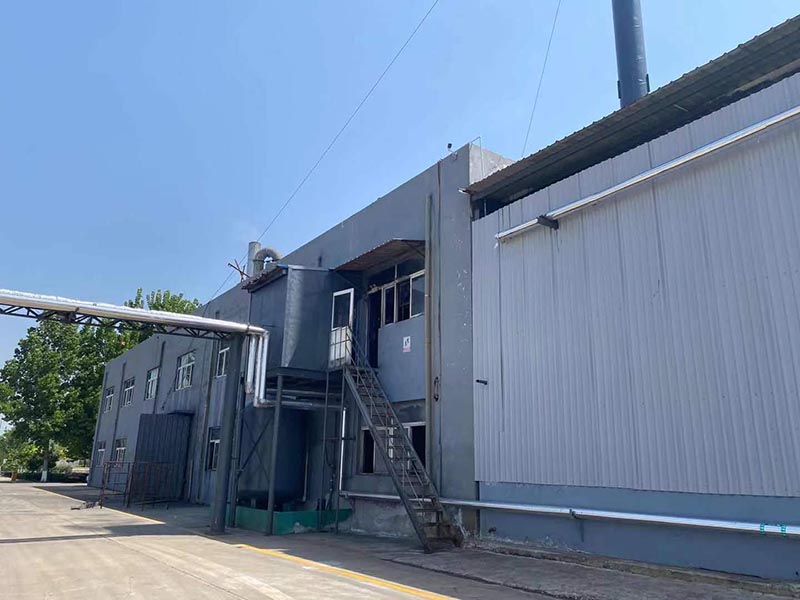
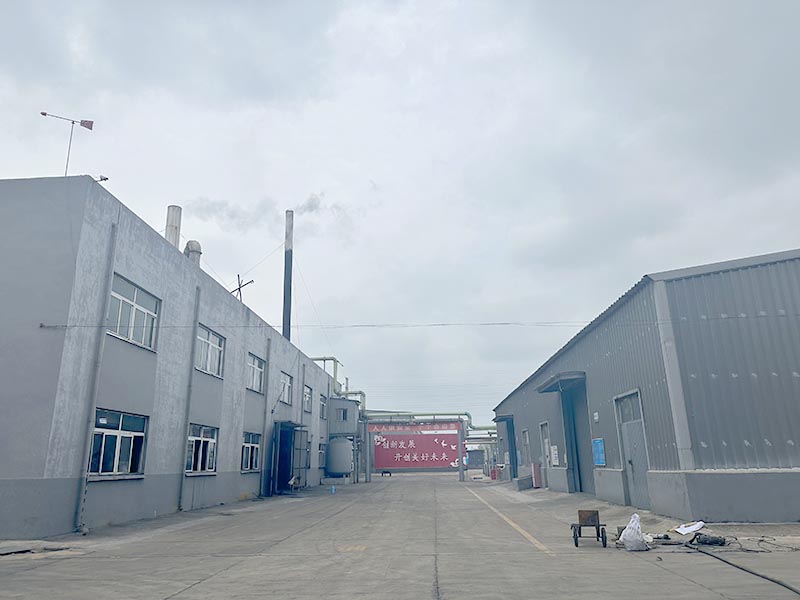
Tianjin Sunrise Chem Group manages the entire production workflow, from precursor synthesis to purification and formulation. The primary intermediates, including Fischer’s aldehyde derivatives, are sourced from nearby raw material parks. This close proximity reduces transportation risks and helps maintain stable production schedules.
By using automated batch reactors, we monitor key reaction variables such as temperature, pressure, and pH in real time. This automated control ensures consistent chemical reactions, reducing batch-to-batch variation and improving yields.
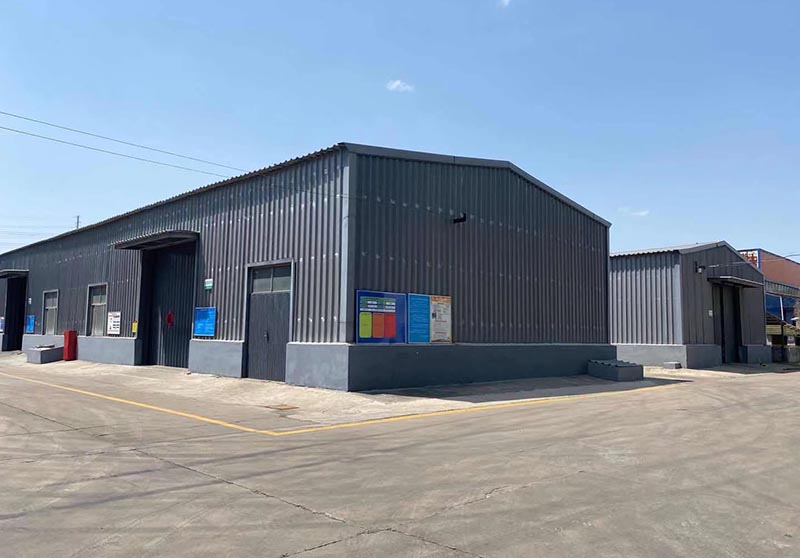
Located near the port of Tianjin, our facility utilizes direct transport routes to minimize shipping delays. This proximity allows us to respond efficiently to urgent customer demands and maintain reliable global distribution channels.
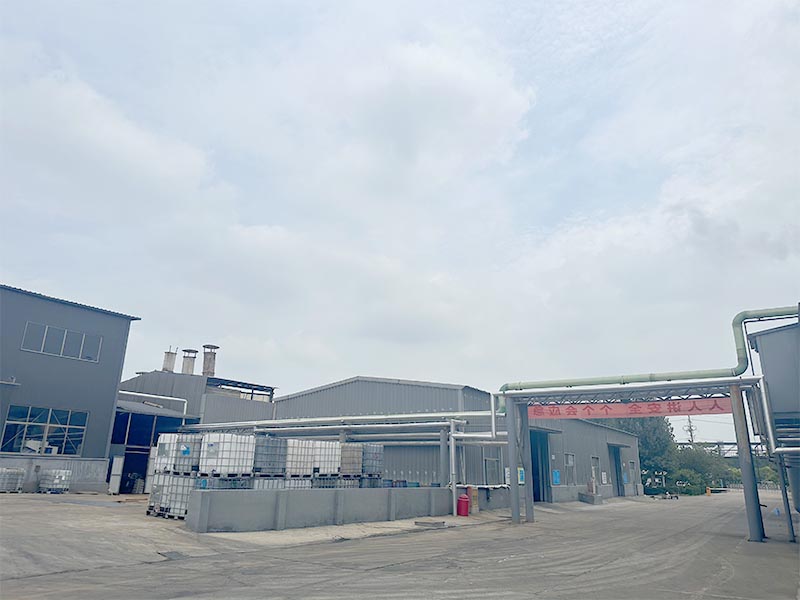
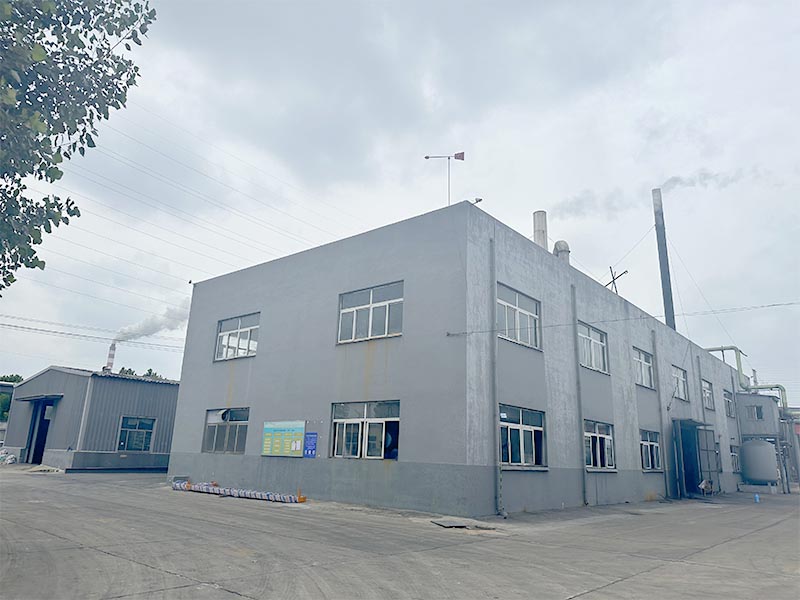
How modern production methods are improving environmental efficiency and dye performance
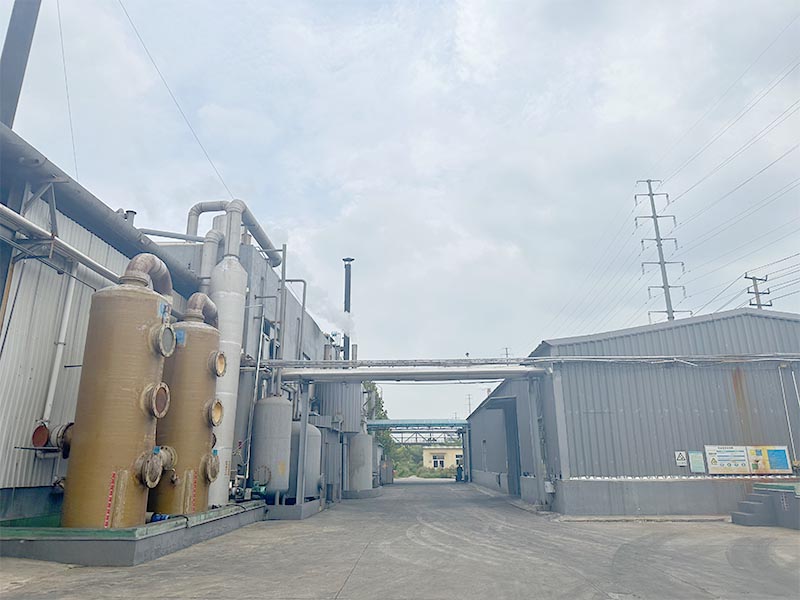
Our research and development teams focus on reducing organic solvent use in the synthesis of Basic Yellow 51. By adopting aqueous reaction environments and catalytic processes, we minimize VOC emissions and organic residues in the final dye.
Liquid dyes eliminate dust inhalation risks in mill operations. Our liquid Basic Yellow 51 formulations use ecological stabilizers that prevent precipitation over long storage periods, maintaining low viscosity and constant color strength.
We work on auxiliary chemicals that help bind residual dyes in wastewater. By using specialized cationic flocculants and chemical oxidation systems, textile mills can remove color from effluent more effectively, meeting modern environmental limits.
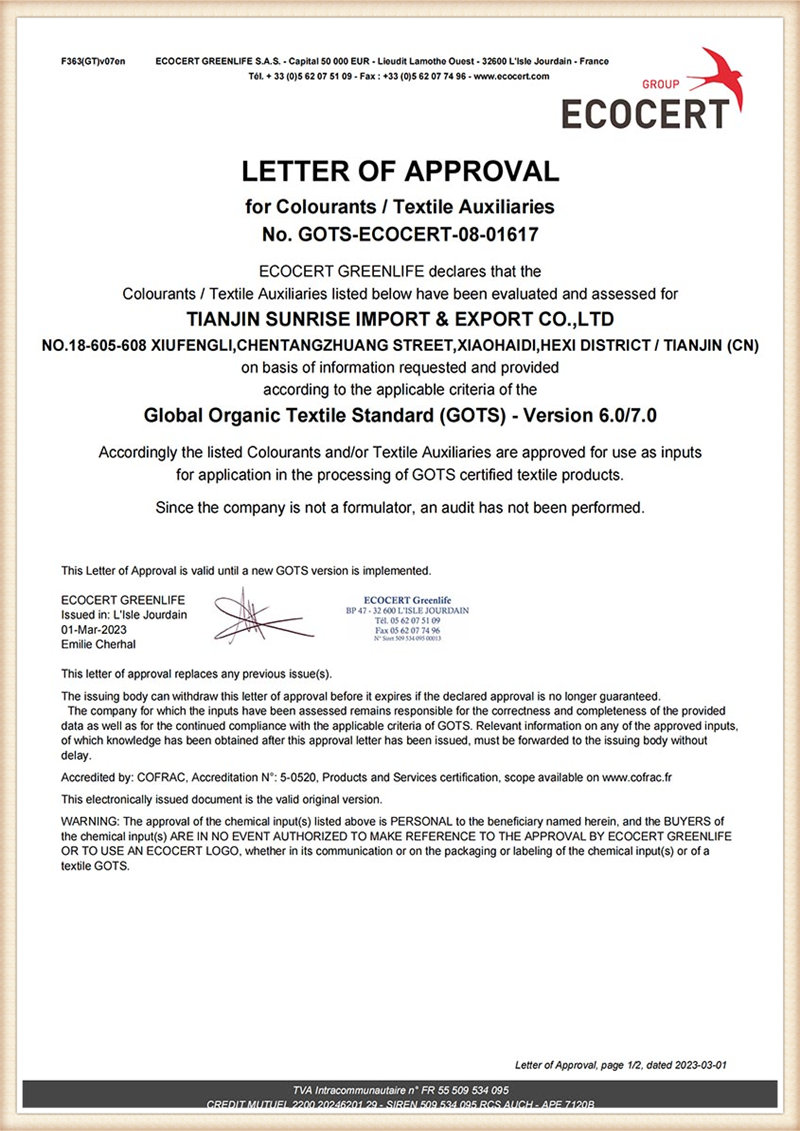
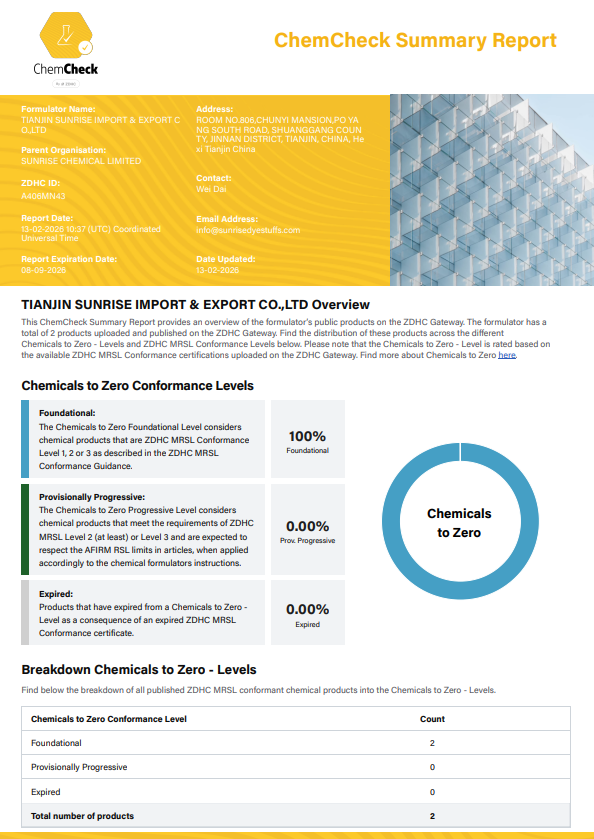
Compliance with international chemical safety standards is a key focus of our manufacturing process.
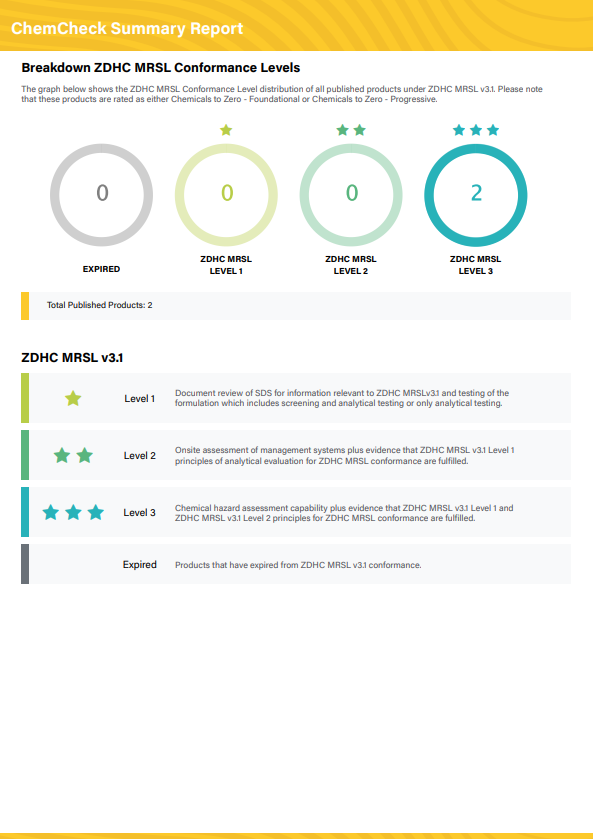
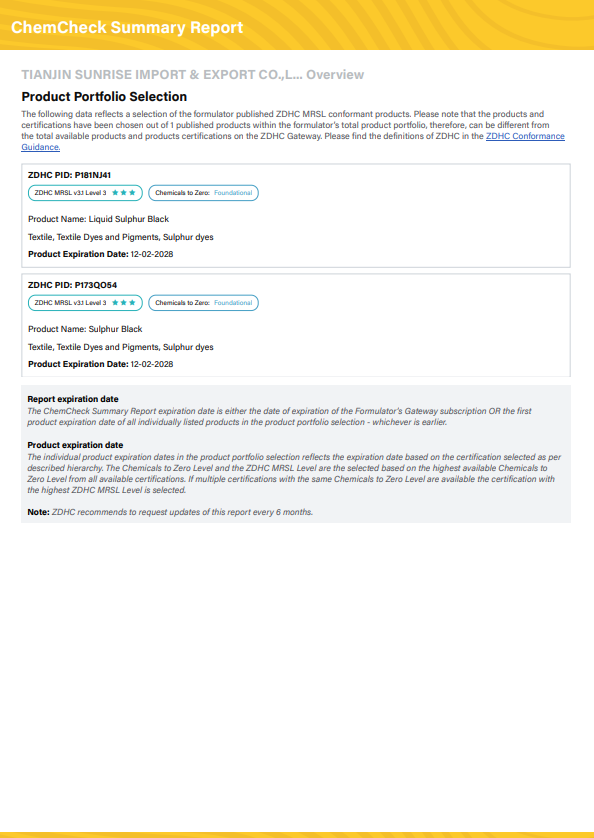
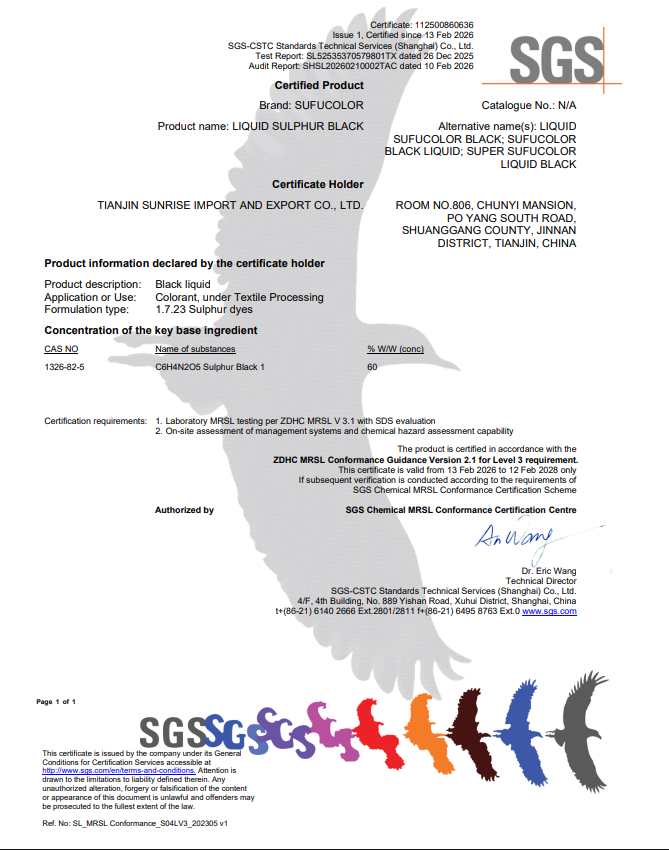
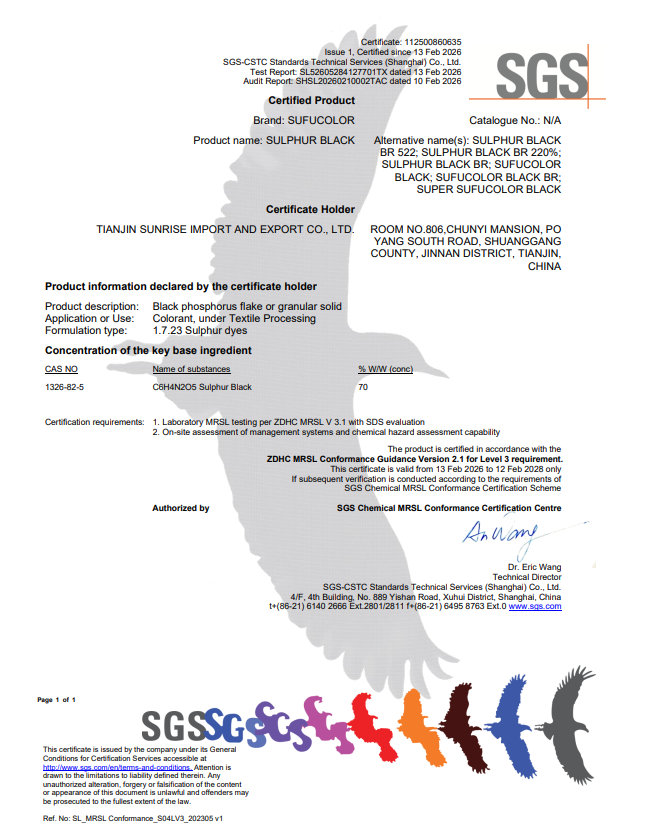
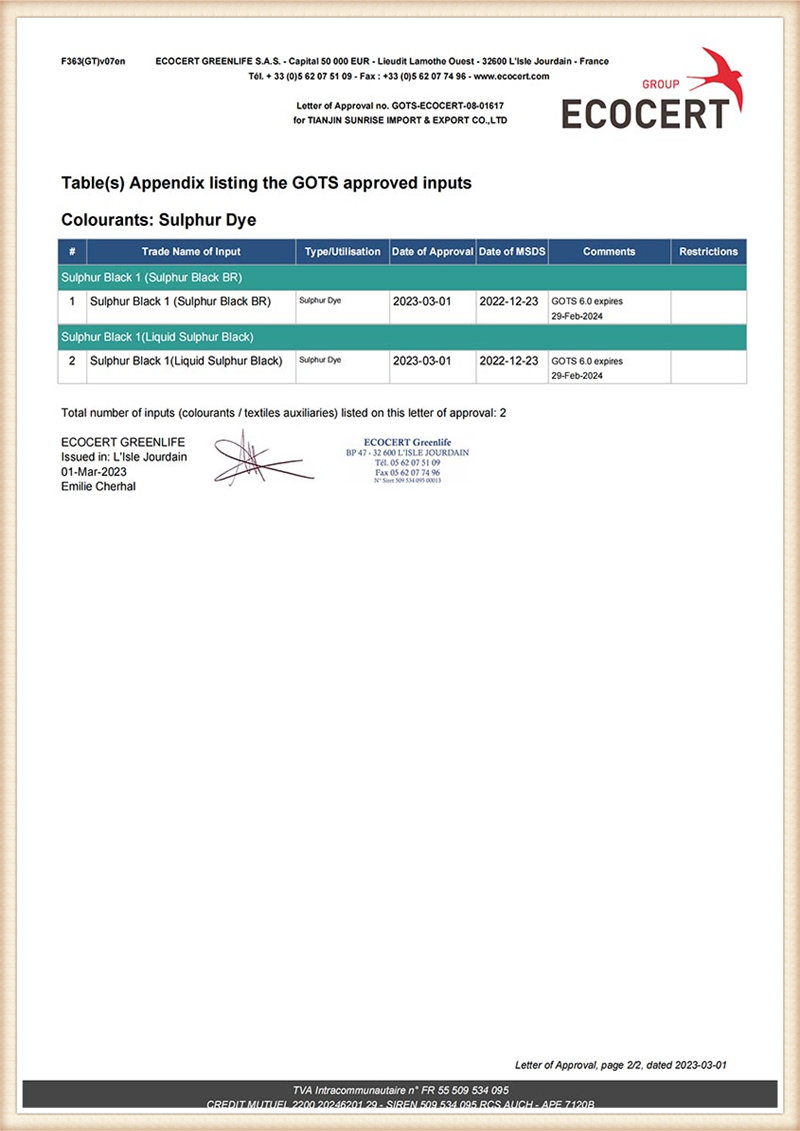
Tianjin Sunrise Chem Group is certified under international standards including the Zero Discharge of Hazardous Chemicals (ZDHC) Level 3 and the Global Organic Textile Standard (GOTS). These certifications verify that our products avoid restricted hazardous chemical substances and meet strict safety guidelines throughout the manufacturing process.
Meeting these standards helps textile mills ensure their finished goods comply with global retailer requirements and restricted substance lists (RSL). We provide comprehensive Safety Data Sheets (SDS), technical data sheets, and certification documents to support regulatory compliance.
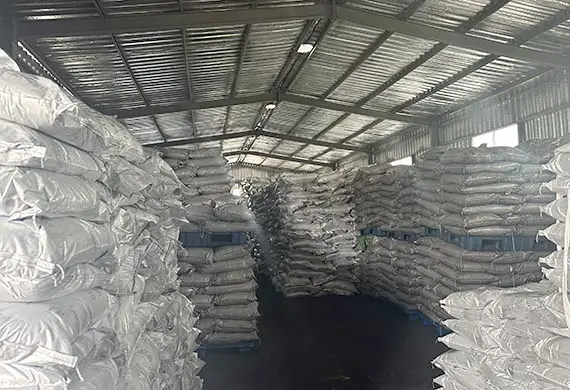
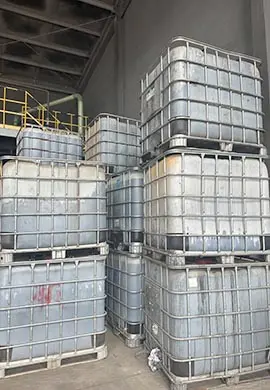
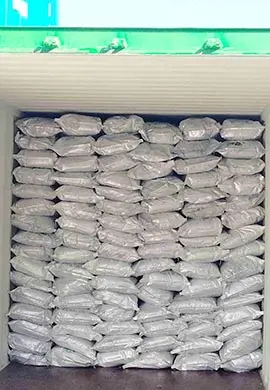
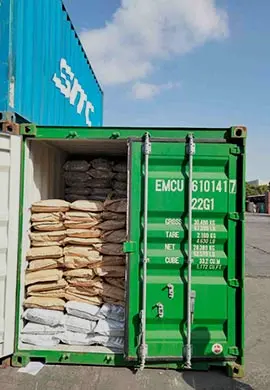
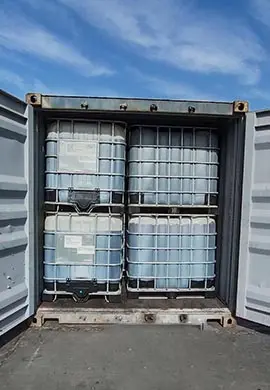
A visual insight into our bulk packaging, automated storage hubs, and global shipping operations
Expert answers addressing common manufacturing, application, and storage questions
The optimal pH range is between 3.5 and 5.5. At this acidity level, the active cationic dye molecules dissociate properly and bind evenly with the anionic sulfonic sites of acrylic fibers. A pH above 6.0 can cause rapid dye absorption, increasing the risk of uneven coloration or strike marks. We recommend buffering the dye bath with acetic acid and sodium acetate to maintain pH stability.
Yes. However, since wool and cotton contain different dye sites than acrylic, a multi-bath or two-step dyeing process is required. Wool is typically dyed using acid or metal-complex dyes, while cotton is dyed with reactive or direct dyes. Basic Yellow 51 is then applied to dye the acrylic portion of the blend. Precise pH control is needed to prevent cross-staining of the wool or cotton fibers.
Liquid formulations eliminate dust in the dyehouse, reducing operator exposure and helping to prevent contamination of nearby equipment. Liquid dyes also mix more easily into automated dosing systems, ensuring precise measurements. Powder formulations, on the other hand, offer lower shipping costs per unit of active dye and have a longer shelf life when stored in dry conditions.
ZDHC Level 3 is the highest certification level under the Zero Discharge of Hazardous Chemicals roadmap. It confirms that the manufacturer's chemical formulations do not contain restricted hazardous substances and comply with environmental limits. Using ZDHC Level 3 certified dyes helps mills meet international safety standards, simplify regulatory audits, and supply products to major global brands.
Explore our wider range of high-performance dyestuffs for leather, textiles, and specialty paper sizing
Broad-spectrum colors and advanced chemical pigments for rubber, plastic, textile and paper mills
 Sunrise