Explore our state-of-the-art colorants and processing chemicals engineered for exceptional color yield, fastness, and technical compatibility.
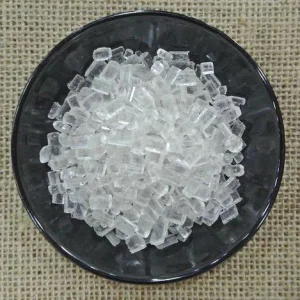
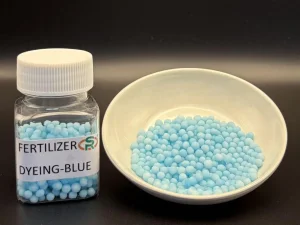
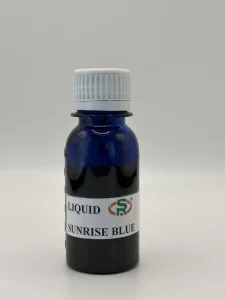
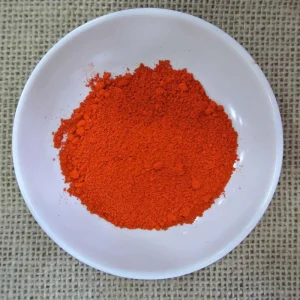
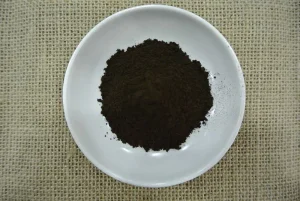
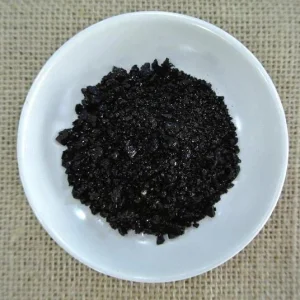
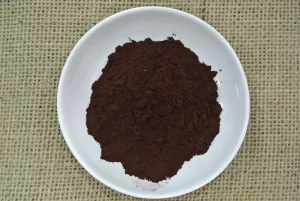
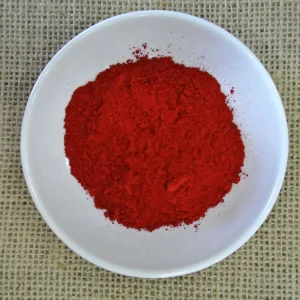
Basic dyes, scientifically classified as cationic colorants, represent a core pillar of synthetic organic chemistry in the industrial dyeing sector. These dyes dissociate in aqueous solutions into positively charged colored ions (cations), which establish incredibly strong electrostatic bonds with the negatively charged acidic groups present on various synthetic and natural substrates. Key substrates include polyacrylonitrile (acrylic), modified polyesters, cationic-dyeable nylon, tannin-mordanted cotton, and lignocellulosic materials like paper pulp and wood fiber. This molecular mechanism ensures maximum exhaustion rates, high brilliance, and outstanding structural integration.
The chromophore configurations of contemporary basic dyes encompass diphenylmethane, triphenylmethane, thiazines, oxazines, and azo structures. Each structure offers specific performance benefits tailored for industrial applications. Under modern industrial criteria, our manufacturing procedures focus on minimizing chemical impurities and heavy metal content. This optimization allows us to achieve superior solubility, exceptional leveling properties, and high color yield. Consequently, our dyes meet the strict performance standards required by automated continuous and exhaust dyeing machines worldwide.
As a premier manufacturing partner, Tianjin Sunrise Chem Group bridges the gap between conventional chemical synthesis and modern sustainable manufacturing. We optimize molecular structures to maximize affinity while ensuring complete compliance with modern environmental mandates. This technical focus positions us as a critical node in the global chemical value chain.
Tianjin Sunrise Chem Group specializes in manufacturing and exporting high-quality dyestuffs. Our diverse portfolio includes Direct dyes, Acid dyes, Basic dyes, Sulphur dyes, Solvent dyes, Liquid dyes, and Fluorescent dyes. Backed by decades of industrial expertise and international trade experience, we have built a reputation for reliability and excellence. We serve a broad range of sectors, including denim processing, textile manufacturing, leather tanning, paper production, and plastic molding industries.
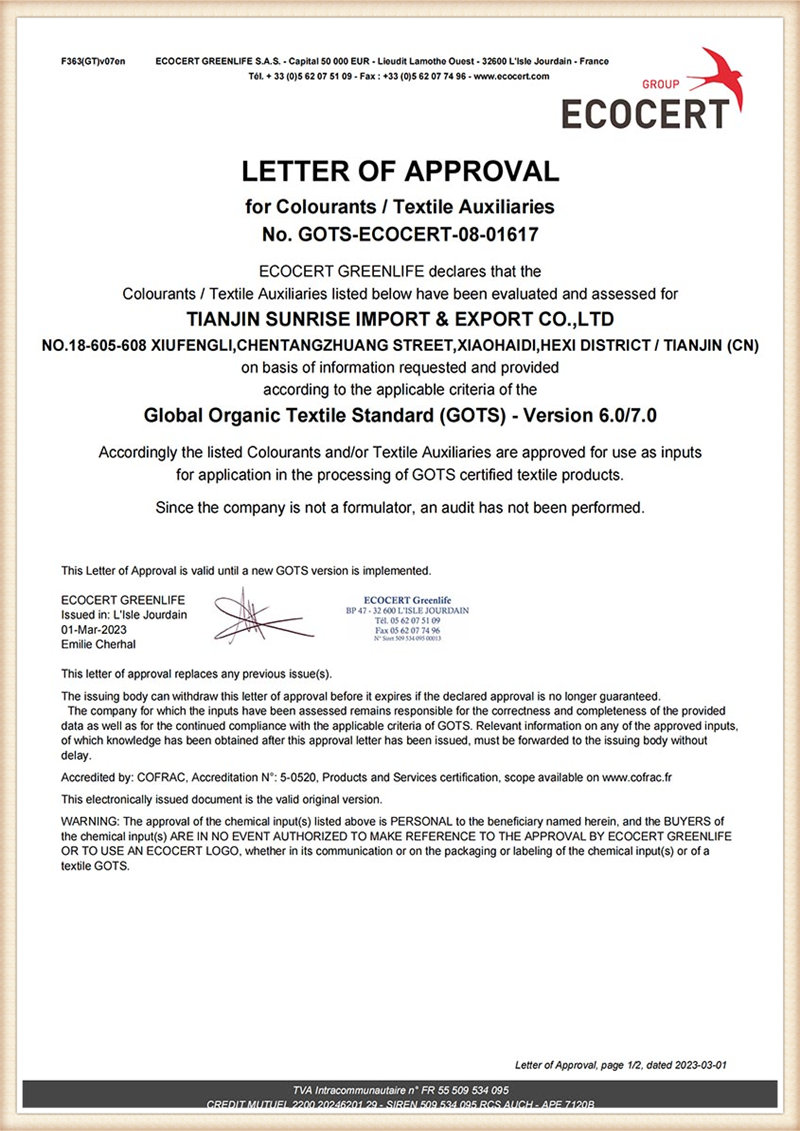
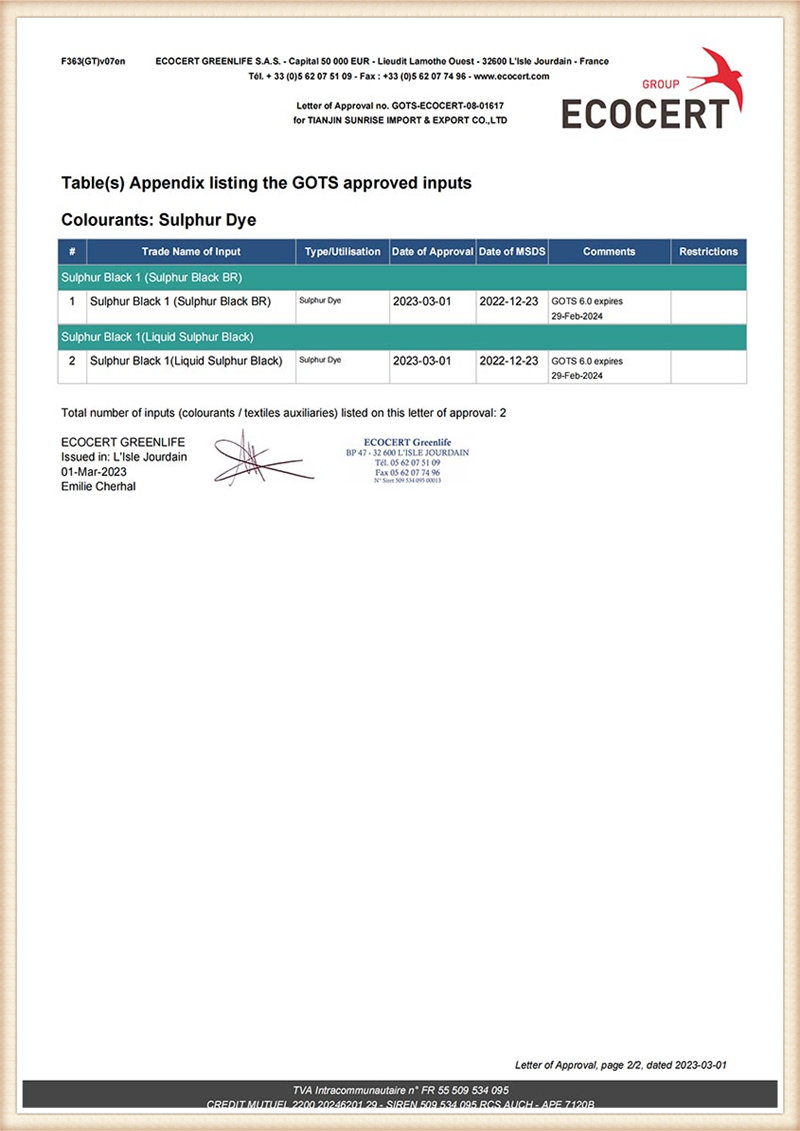
Our operational philosophy centers on consistency and quality control. Every batch of colorants undergoes rigorous analytical and application testing prior to dispatch, ensuring stable performance across consecutive shipments. With key certifications such as ZDHC Level 3 and GOTS, we provide verified eco-friendly formulation pathways that allow global brands to mitigate compliance risks and ensure sustainable manufacturing workflows.
How high-affinity basic dyes function across diverse industrial substrates and modern manufacturing processes.
Acrylic fibers consist of repeating acrylonitrile units containing anionic sulfonic or phosphonic acid end-groups. Cationic basic dyes migrate to the fiber surface and form stable ionic complexes with these acidic groups. Because basic dyes have a very high affinity for acrylic, they can exhaust rapidly. To prevent uneven coloration (unlevelness), we use sophisticated cationic retarders and precise temperature ramp programs. This allows us to control the migration rate of dyes like Basic Yellow, Basic Red, and Basic Blue, ensuring deep color yield and excellent wash fastness.
In the paper industry, chemical and mechanical pulps retain a significant negative charge due to carboxyl groups on hemicellulose and lignin. Basic dyes are highly effective colorants for these pulps, requiring no mordants to achieve high exhaust rates. They are widely used for industrial packaging boards, wrapping papers, and specialty tissues. Additionally, liquid basic dye formulations offer excellent water solubility and ease of dosing. This makes them ideal for continuous automated color metering systems, reducing dust contamination and improving processing efficiency in modern paper mills.
Vegetable-tanned and chrome-tanned leathers possess anionic surface characteristics due to tannin deposits and syntan fatliquors. Basic dyes are applied to these leathers to achieve bright, intense surface shades, often as a top dye over direct or acid-dyed substrates. Our basic dyes are specially formulated to ensure high penetration control and uniform surface distribution. This prevents common dyeing defects such as bronzing or uneven dye accumulation on damaged grain surfaces, resulting in premium quality leather finishes.
Collaboration with textile and paper mills worldwide to deliver consistent application performance.
Pioneering green chemistry, low-emission syntheses, and high-performance molecular design.
We focus on optimizing intermediate reactions to reduce byproduct inorganic salts in basic dye powders. Lowering salt levels increases dye solubility and prevents crystallization in high-density dye baths, optimizing performance in automated liquid dispensing systems.
We are systematically replacing zinc chloride double salts and other heavy-metal complexes with biodegradable organic equivalents. This process ensures our dyes maintain high temperature stability while meeting strict global environmental standards.
We are integrating AI-driven monitoring and automated manufacturing controls across our synthesis lines. By tracking temperature, pH, and reaction times in real time, we ensure high batch-to-batch consistency and reduce energy consumption.
Why sourcing from Tianjin Sunrise Chem Group ensures business continuity and superior price-to-performance value.
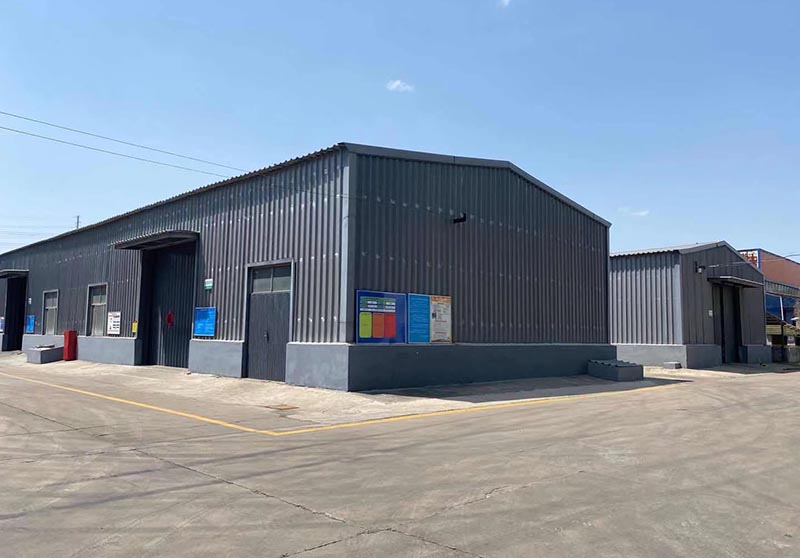
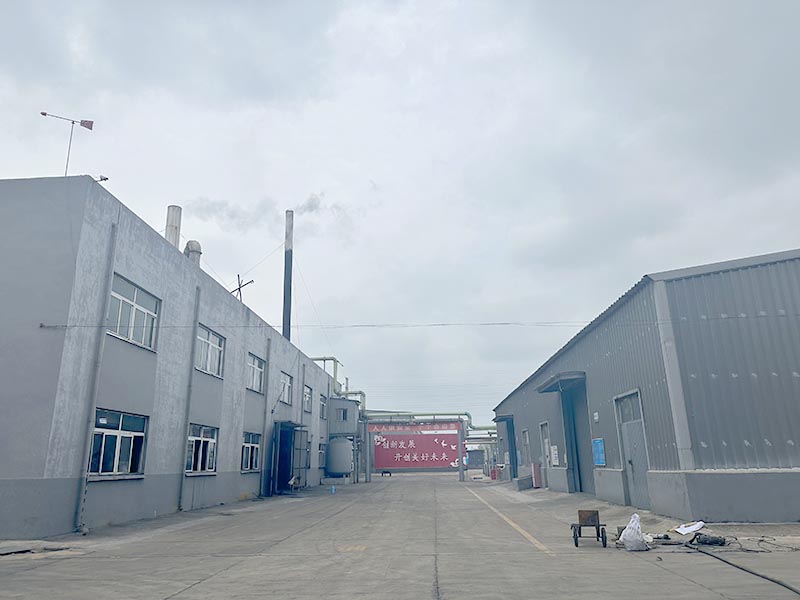
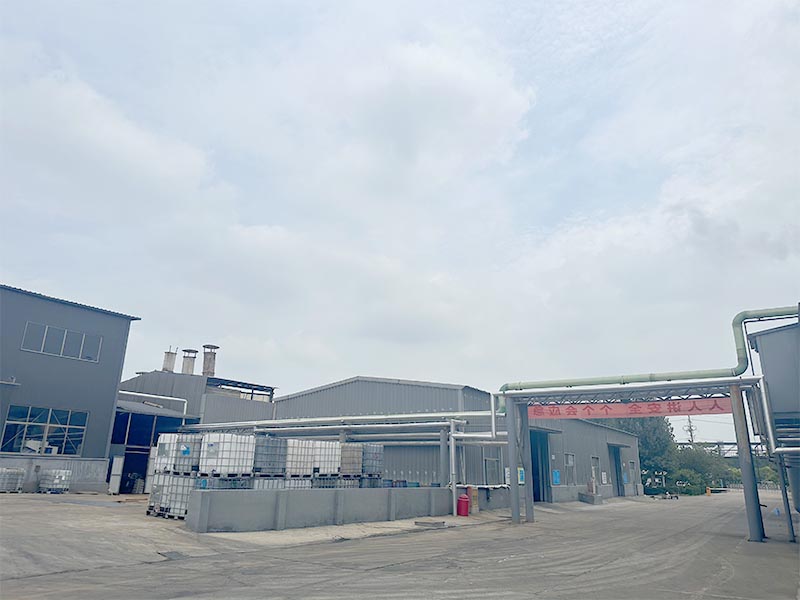
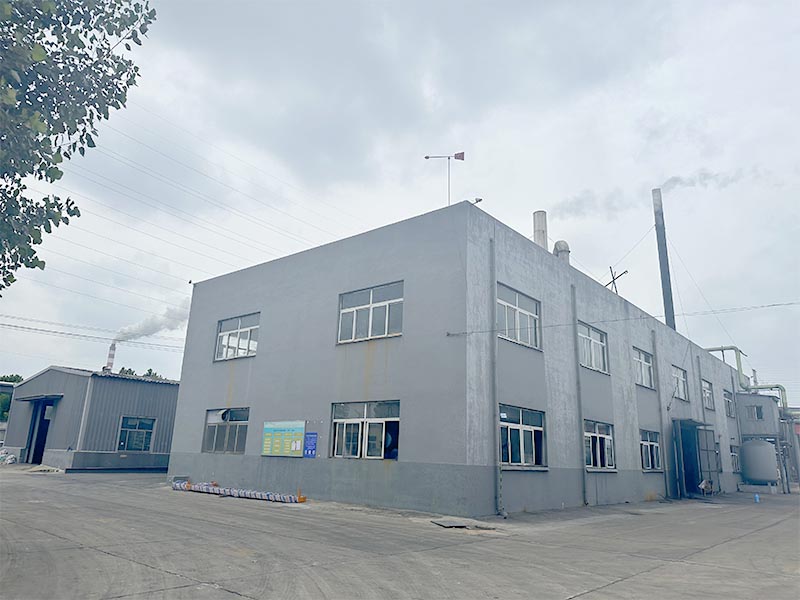
Our production facility is strategically located in an integrated chemical industrial zone. This positioning gives us direct access to essential raw materials and intermediates, protecting us from sudden market shortages. By keeping key synthesis stages in-house, we can maintain competitive pricing and absorb upstream price volatility, ensuring reliable supply arrangements for our partners.
Operating near Tianjin Port, one of Northern China's largest maritime hubs, allows us to offer efficient logistics solutions. We can coordinate prompt container loading and dispatch for various shipping requirements, including FCL and LCL. This strategic location helps minimize transit times and inland transportation costs, ensuring timely delivery to global destinations.
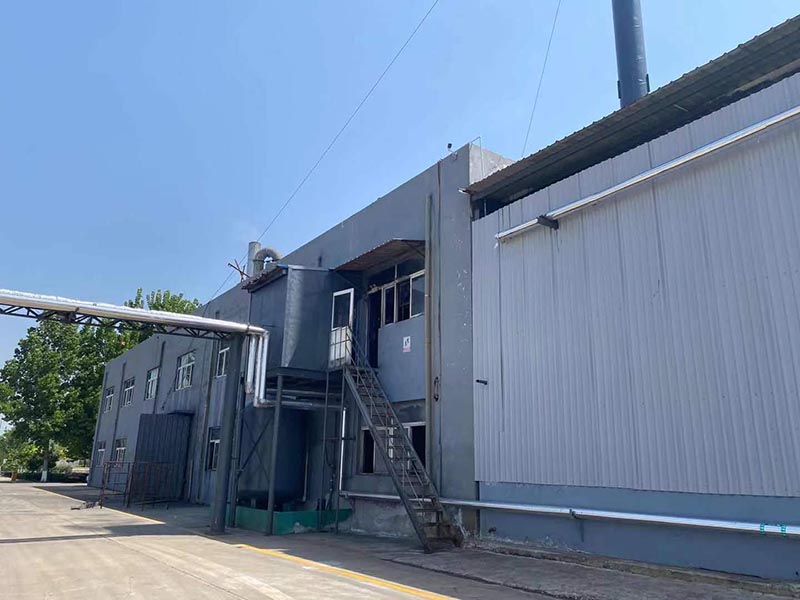
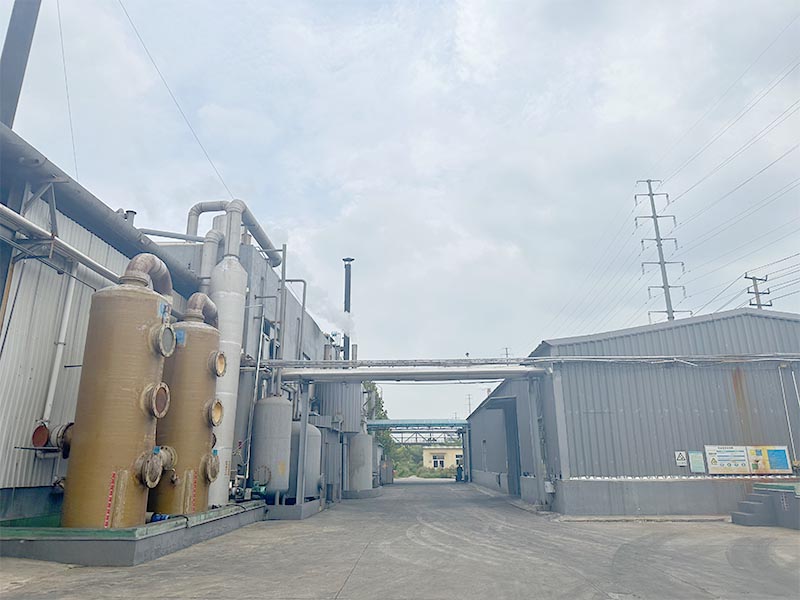
To ensure long-term operational stability, we have invested in advanced biological and chemical wastewater treatment facilities. Our systems effectively treat aromatic and amine residues, ensuring full compliance with local and national environmental mandates. This proactive approach to waste management protects our operations from environmental shutdowns, securing a reliable supply for our customers.
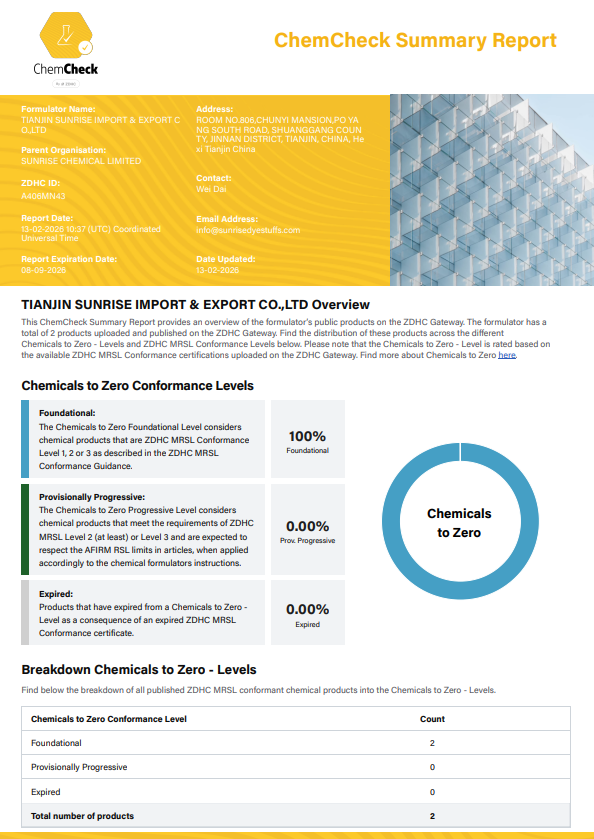
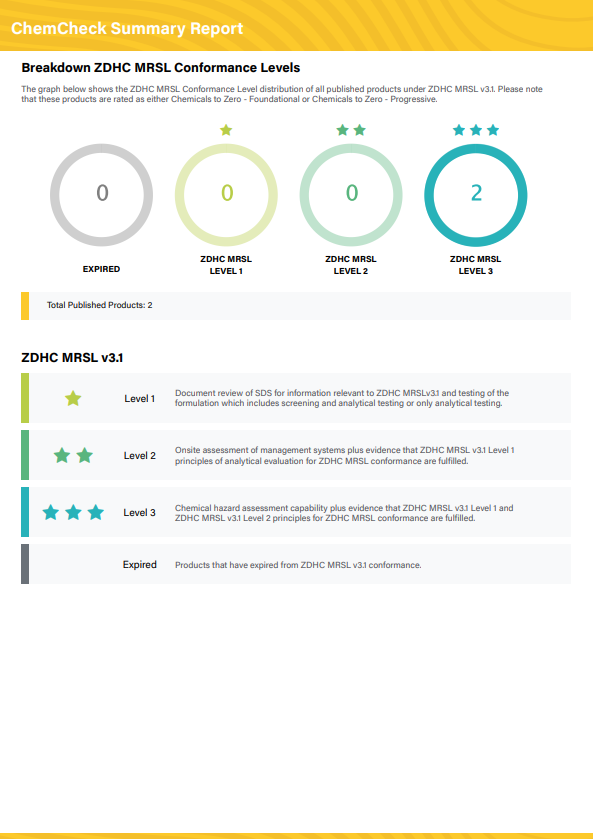
Meeting the strict environmental standards demanded by major retailers and global regulatory frameworks.
The modern colorant industry operates under strict environmental scrutiny. Global initiatives like the Zero Discharge of Hazardous Chemicals (ZDHC) program and the Global Organic Textile Standard (GOTS) require chemical manufacturers to maintain transparent, trace-free supply chains. Our chemical management systems are structured to restrict the use of hazardous inputs and prevent their release into the environment.
ZDHC Level 3 Certification: This certification confirms that our dyes and formulations undergo independent third-party review. It ensures that we comply with the ZDHC Manufacturing Restricted Substances List (MRSL), preventing the intentional use of restricted chemicals in our production processes.
GOTS Certification: This standard regulates the organic status of textile processing inputs. Meeting GOTS requirements ensures that our colorants are produced with minimal ecological impact, supporting our clients' sustainable product lines.
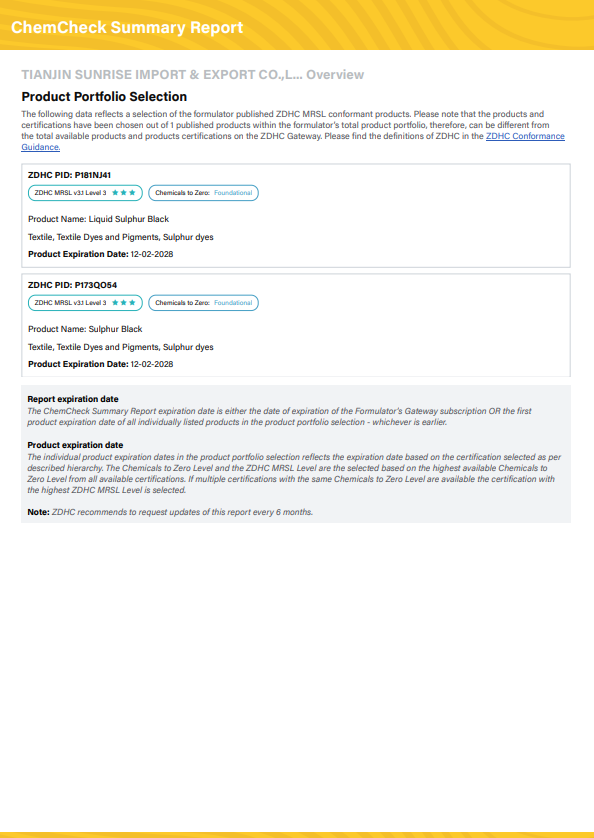
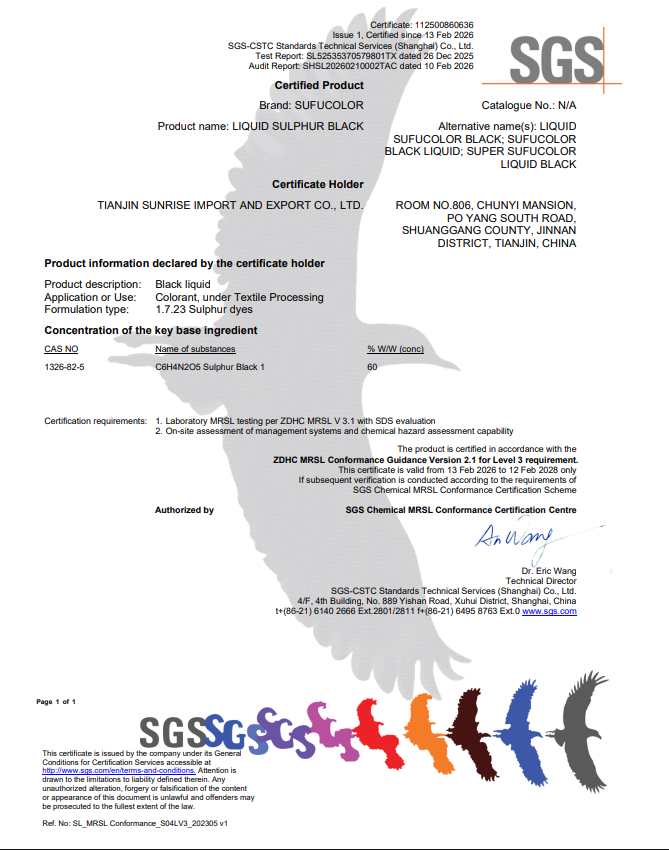
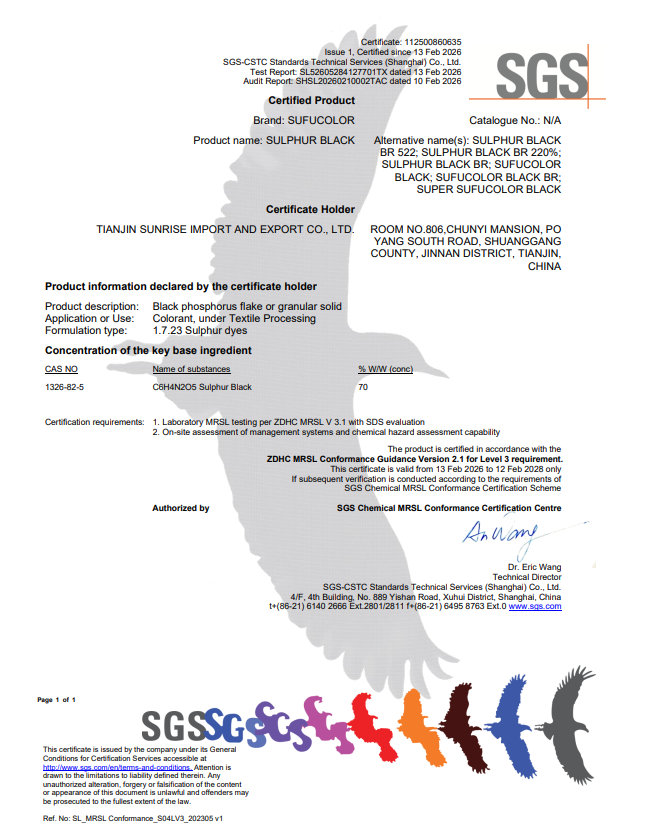
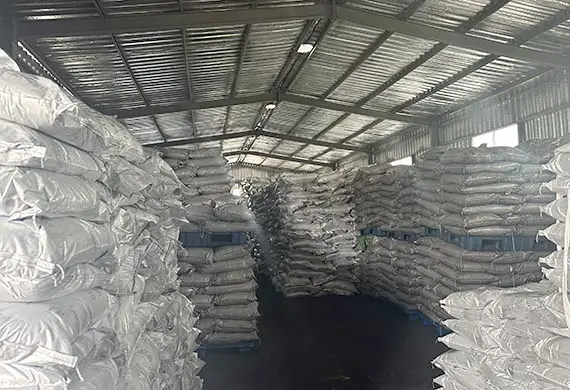
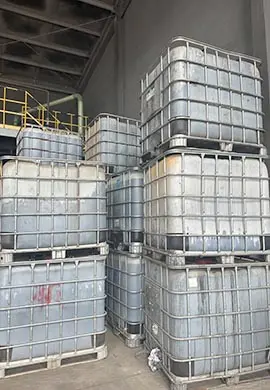
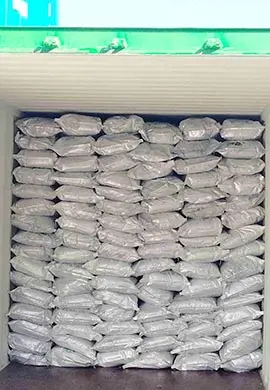
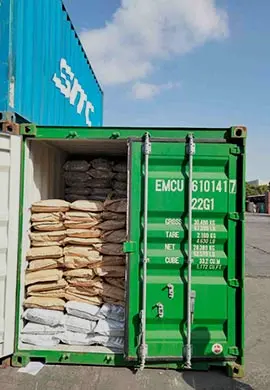
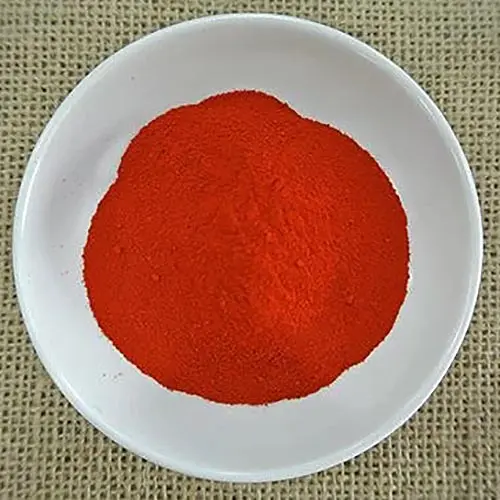
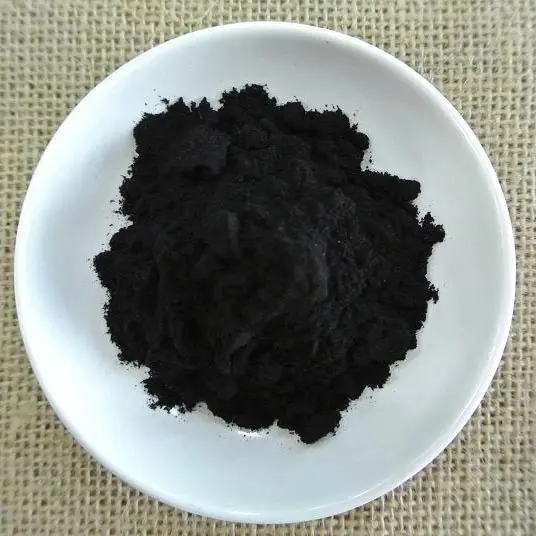
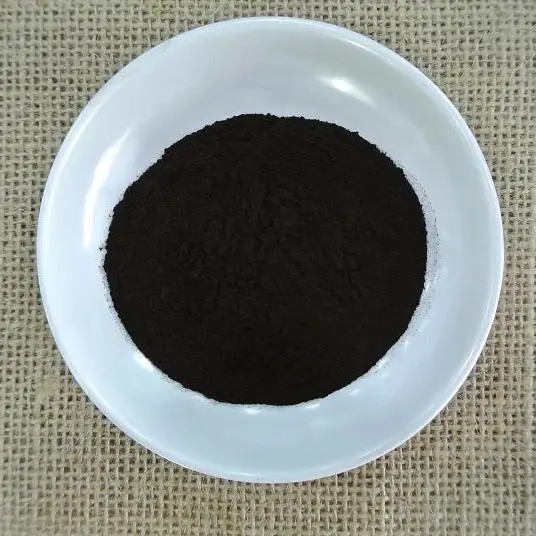
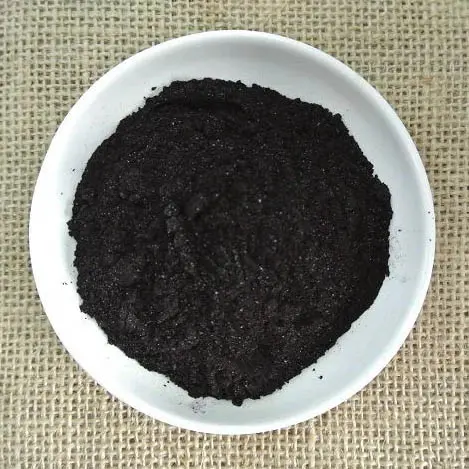
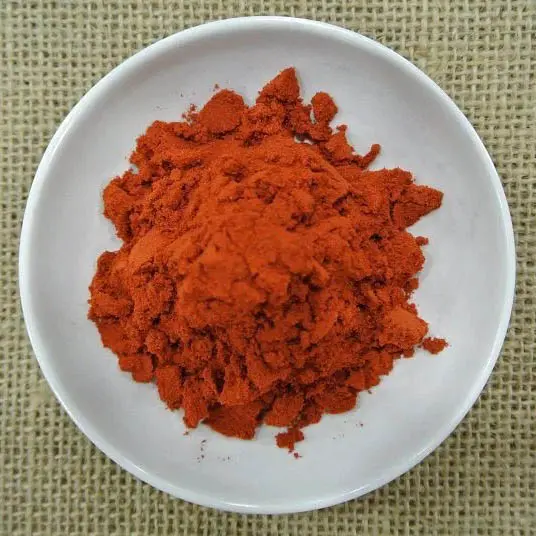
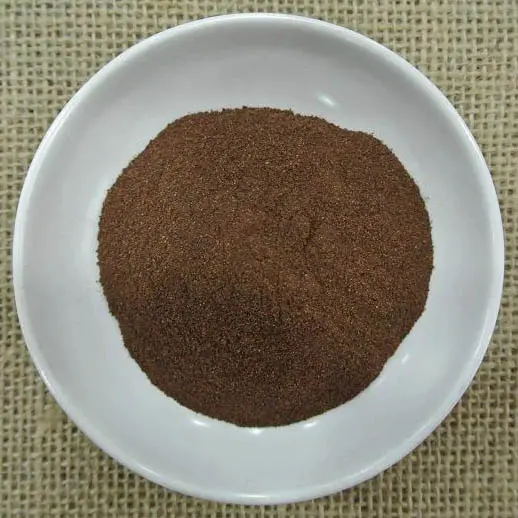
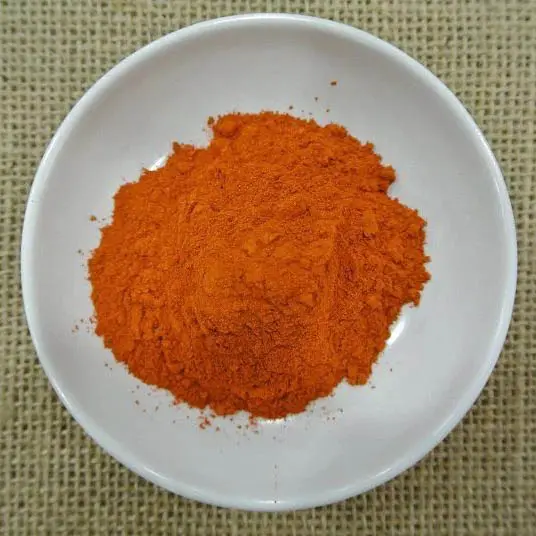
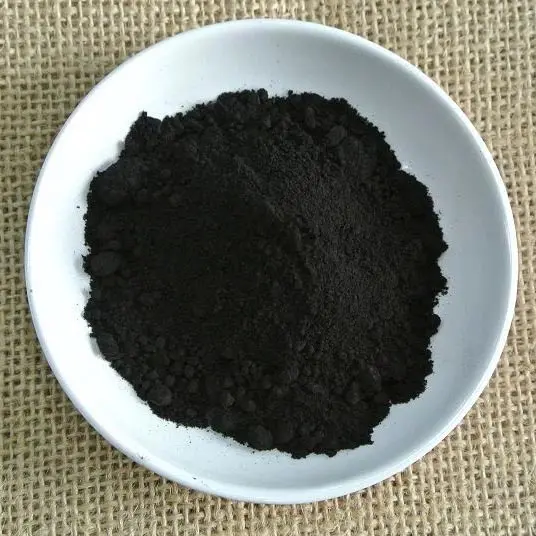
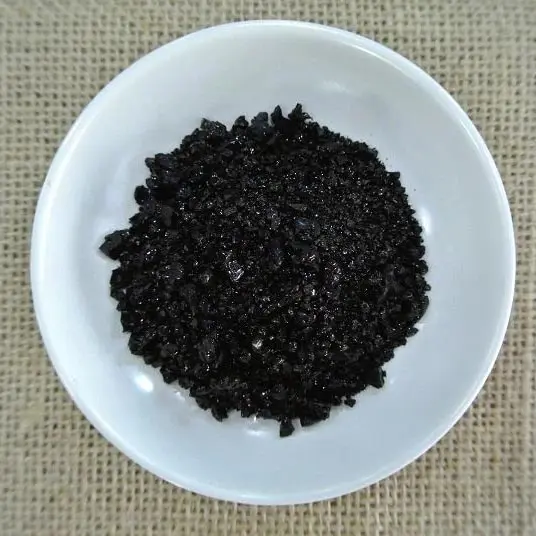
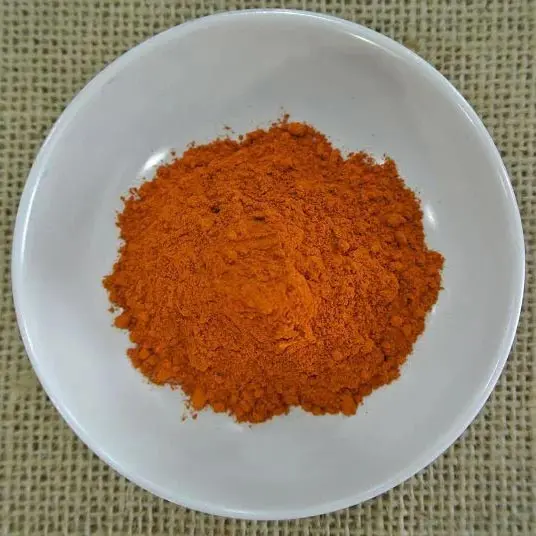
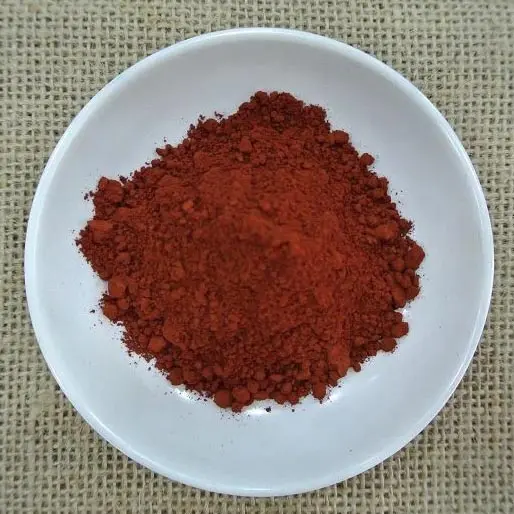
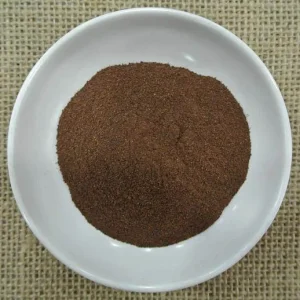
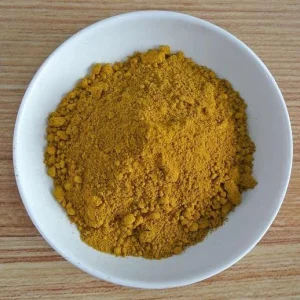
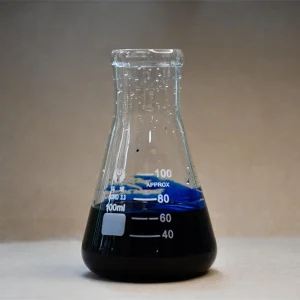
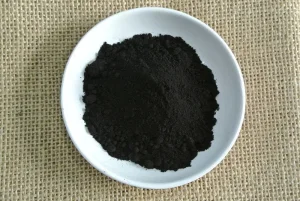
A retrospective display of our historically critical product formulations and industrial packages.
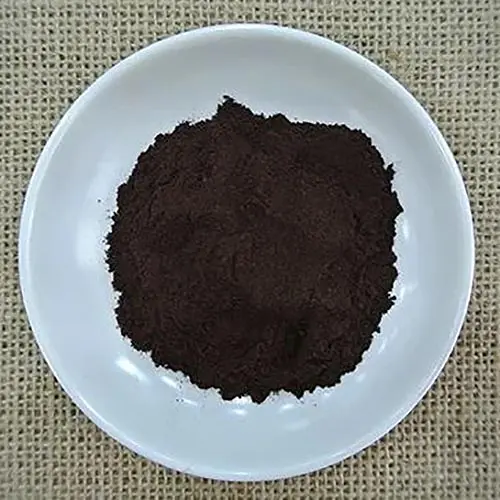
Technical and logistical insights from our chemical engineering team.
Basic dyes, chemically known as cationic dyes, dissociate in aqueous solutions to yield positively charged colored cations. They are primarily used on acrylic, modacrylic, and cationic-dyeable fibers, forming strong ionic bonds with negatively charged active groups. In contrast, acid and direct dyes are anionic, carrying a negative charge. Acid dyes are typically used on wool, silk, and polyamide, while direct dyes are designed for cellulose substrates like cotton and viscose, relying on hydrogen bonding and Van der Waals forces.
ZDHC Level 3 is the highest level of conformity in the Zero Discharge of Hazardous Chemicals chemical management program. It confirms that the manufacturer's chemical formulations have undergone thorough third-party review. This verification ensures that our production processes prevent the intentional use of restricted substances listed in the ZDHC Manufacturing Restricted Substances List (MRSL), reducing chemical footprints for our clients.
Because cationic dyes have a high affinity for acrylic fibers, they can exhaust rapidly, which may lead to uneven coloration. To manage this, we recommend using cationic retarders (quaternary ammonium compounds) or polymeric leveling agents. These agents compete with dye molecules for active sites on the fiber, slowing down the dyeing rate and promoting uniform distribution across the substrate.
We maintain consistency by testing every batch before shipment at our in-house lab. Using spectrophotometric analysis and test dyeings, we measure color strength, shade deviation (Delta E values), and solubility limits. This rigorous testing ensures that each batch matches our reference standards, preventing variations in performance for our clients' production lines.
Yes, basic dyes are widely used in paper manufacturing, especially for unbleached mechanical and chemical wood pulps. The lignin and hemicellulose in these pulps contain anionic carboxyl groups that naturally attract cationic dyes. This natural affinity allows for rapid dye uptake and yields bright, intense shades without requiring chemical mordants.
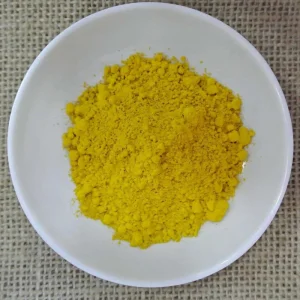
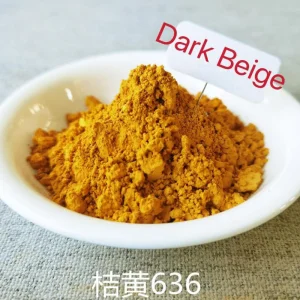
Explore our technical-grade pigments and direct dye lines, formulated for compatibility and stability in demanding manufacturing processes.
 Sunrise