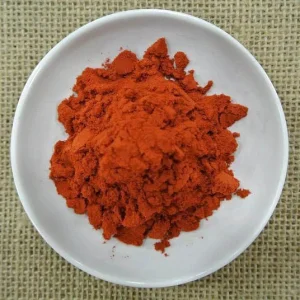
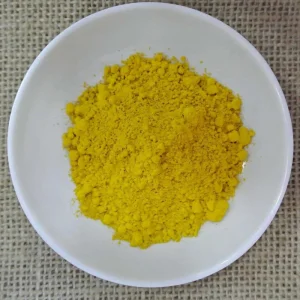
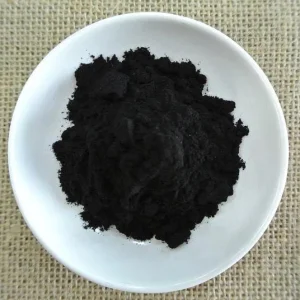
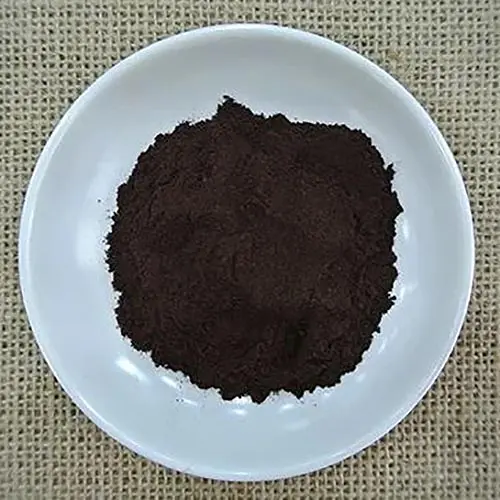
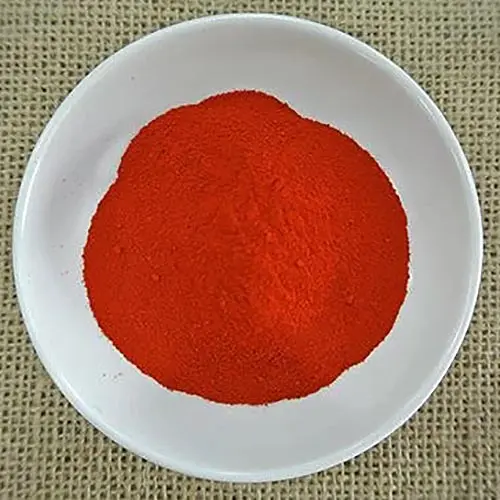
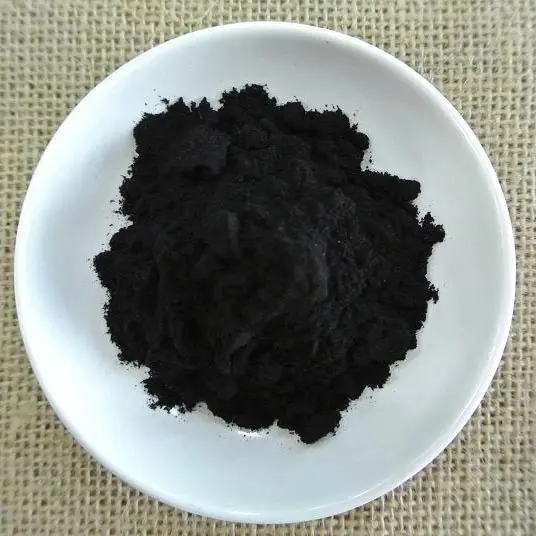
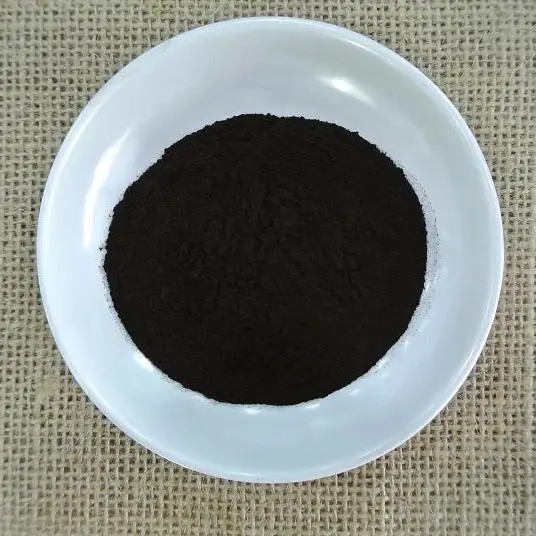
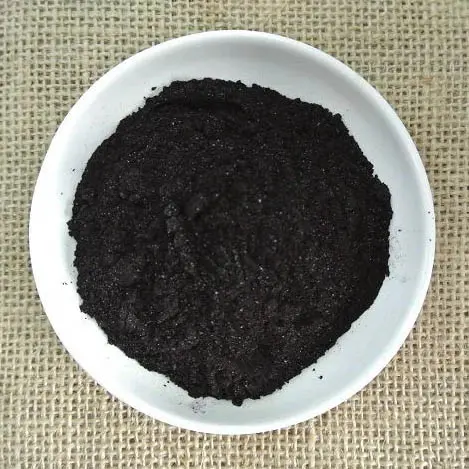
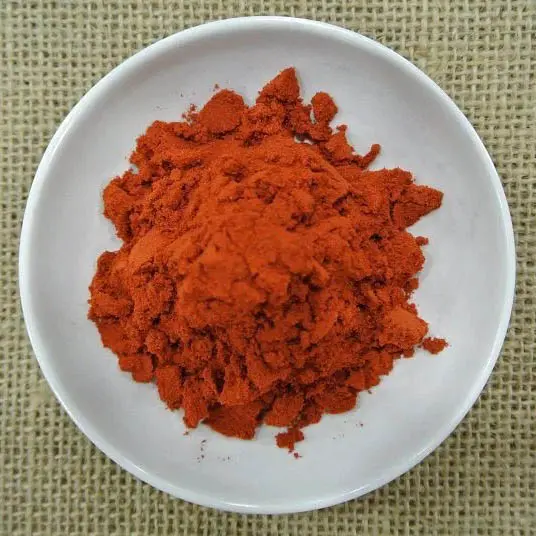
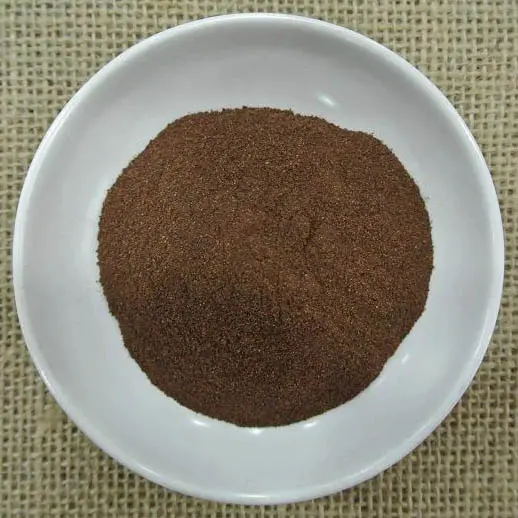
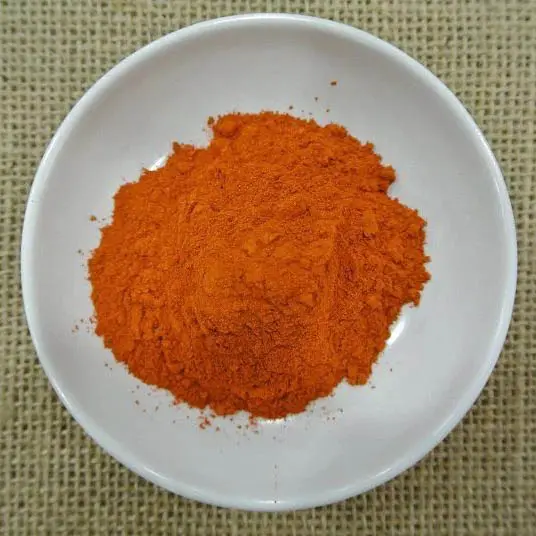
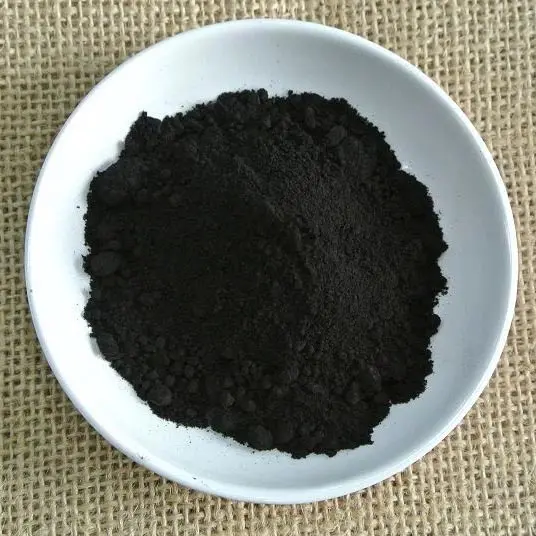
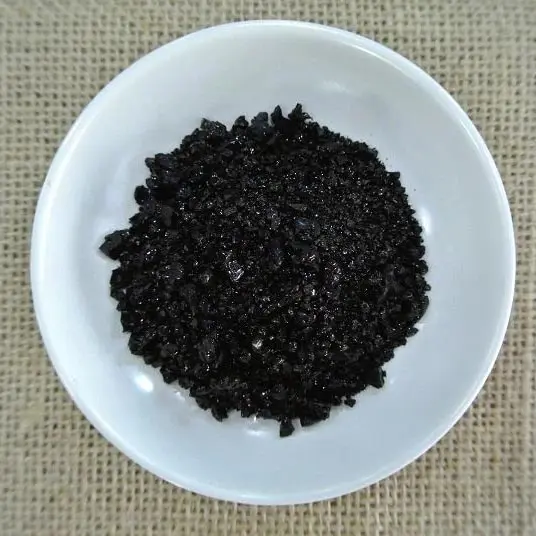
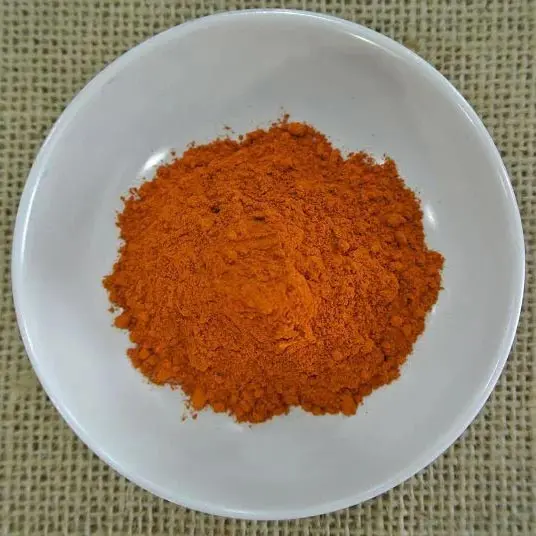
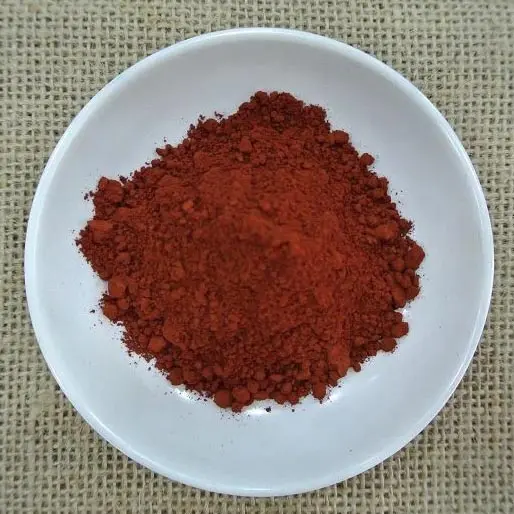
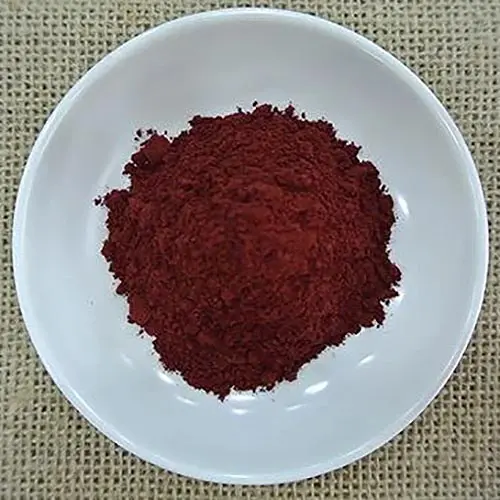
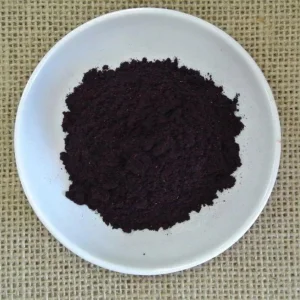
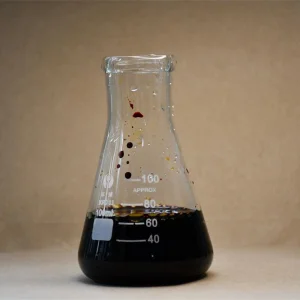
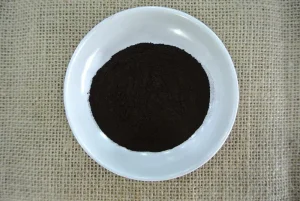
Acid Golden G (chemically categorized as Acid Orange 7 or Acid Orange II, CAS 633-96-5) stands as one of the most prominent, high-demand synthetic monoazo dyes. Industrially utilized across millions of metric tons of substrates, this organic compound delivers exceptionally vibrant, level, and fast golden-yellow to deep orange-red tones on various proteinaceous fibers, silk, wool, polyamide (nylon) fabrics, as well as in critical paper pulp coloring and leather finishing applications.
As leading manufacturers based in the industrial heartlands of China, we analyze market demands from a globalized perspective. Global procurement officers prioritize several crucial chemical properties when selecting an industrial partner: batch-to-batch colorimetric uniformity, precise pH stability, minimal dusting, and compliance with stringent environmental regulations such as ZDHC Level 3 and the Global Organic Textile Standard (GOTS). Chinese manufacturing hubs utilize highly integrated chemical supply chains to source key raw materials—including sulfanilic acid and 2-naphthol—offering unmatched cost efficiencies and production scales that ensure reliable delivery times for large-scale operations.
Our advanced diazotization and coupling technology ensures the salt content is minimized, guaranteeing high solubility and strong affinity to natural protein fibers, outperforming typical marketplace offerings in exhausting efficiency.
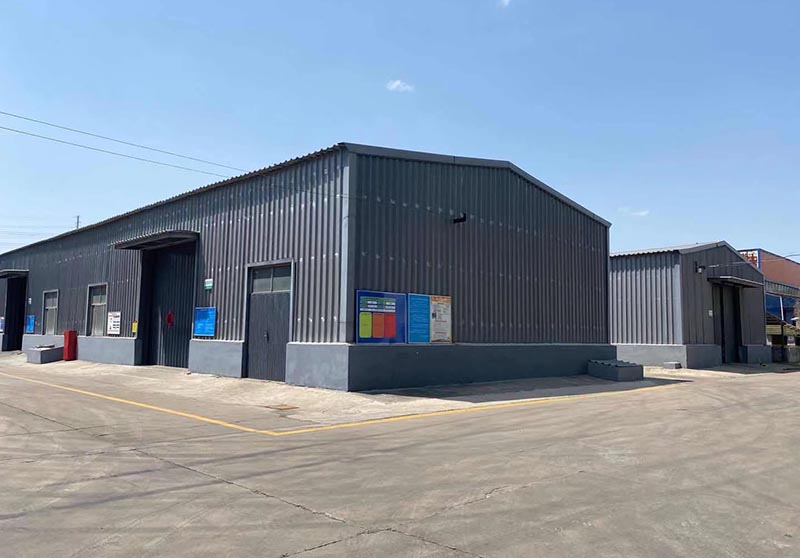
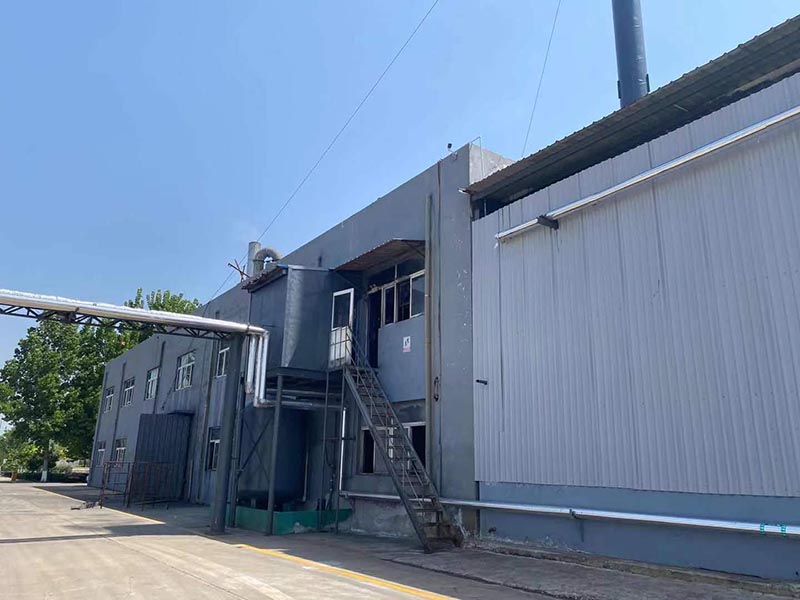
In international B2B dye procurement, supply chain fragility represents a primary threat to production continuity. Major textile and paper mills cannot afford color variances or delivery delays. Our factory addresses these pain points by maintaining extensive safety stocks and employing automated chemical processing equipment. This ensures consistent color quality across thousands of metric tons.
Our logistics network is optimized for international transit. Located near major ports such as Tianjin Port, we streamline customs clearances and containerized loading. Whether shipping powder, granular, or specialized liquid forms of Acid Golden G, we utilize moisture-resistant, heavy-duty packaging to prevent contamination or deterioration during maritime transport.
Selecting the correct grade of Acid Golden G is essential for maximizing yield and maintaining chemical compatibility with auxiliary agents. Below, our technical division outlines the standardized parameters for our standard and premium grade Acid Golden G (Acid Orange 7) productions:
| Chemical Property / Parameter | Standard Grade Specification | Refined / Salt-Free Grade (Premium) |
|---|---|---|
| C.I. Name & Number | C.I. Acid Orange 7 (15510) | C.I. Acid Orange 7 (15510) |
| CAS Registry Number | 633-96-5 | 633-96-5 |
| Molecular Formula | C16H11N2NaO4S | C16H11N2NaO4S |
| Strength / Color Value | 100% (Comparable to international standard) | 150% - 200% Concentrated |
| Water Insolubles | ≤ 0.5% | ≤ 0.1% (Ultra-pure filtering) |
| Moisture Content | ≤ 5.0% | ≤ 3.0% |
| pH Range Stability | 3.0 - 9.5 | 2.5 - 10.0 |
| Solubility (at 90°C) | 80 g/L | 120 g/L (Excellent for liquid dosing) |
By closely regulating temperatures under 5°C during the synthesis of sulfanilic acid, we prevent the formation of isomeric byproducts, ensuring a highly pure, bright golden hue with minimal dull undertones.
Advanced membrane filtration and reverse osmosis steps isolate the active dye molecules, removing excess sodium chloride and sodium sulfate, which can inhibit absorption on delicate silk and wool substrates.
In addition to standard powders, we produce dedusted granules. This minimizes airborne inhalation risks for mill operators and ensures a cleaner, safer work environment.
Tianjin Sunrise Chem Group specializes in manufacturing high-quality dyestuffs, including Direct dyes, Acid dyes, Basic dyes, Sulphur dyes, Solvent dyes, Liquid dyes, and Fluorescent dyes. Backed by decades of industry and export experience, we have built a reputation for reliability and excellence, serving clients from diverse sectors including denim, textile, leather, paper, and plastic.
We highly focus on product quality and batch stability. Every shipment is thoroughly tested before leaving the factory. Our ZDHC Level 3 and GOTS certifications guarantee that your environmental and quality standards are fully met.
We pride ourselves on offering customized solutions. Our team of experts works closely with clients to understand their unique needs, delivering tailored products and services. We actively seek strategic partnerships to expand our reach and enhance our offerings. Collaborate with us to explore mutual growth opportunities.
Environmental protection is the cornerstone of our innovation. We dedicate ourselves to providing clients with eco-friendly, high-quality colorants that balance productivity with environmental harmony, driving the industry towards a more sustainable development path while delivering high-performance products—for a greener textile industry and a sustainable future.
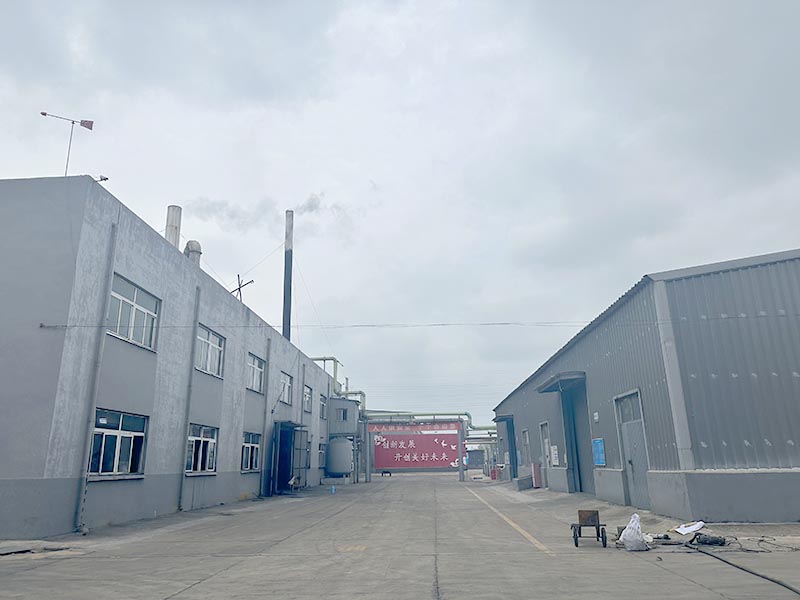
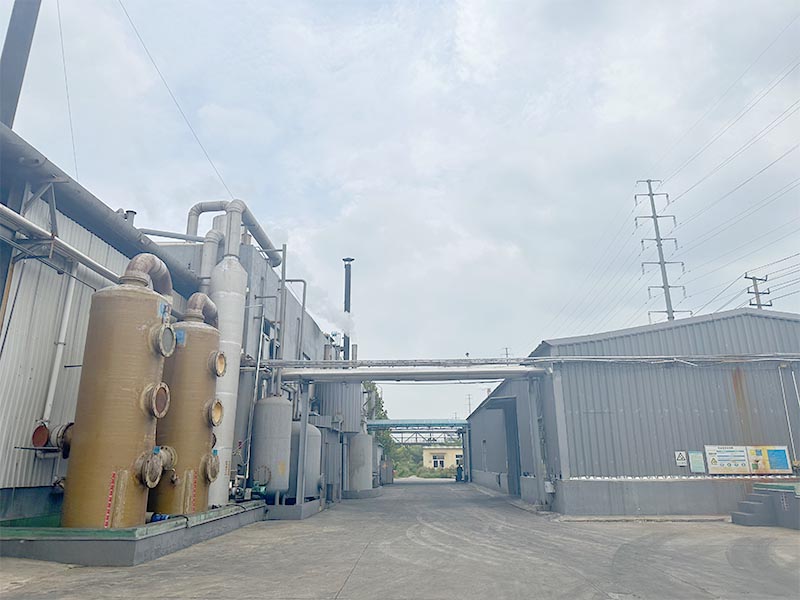
Cooperating with textile and paper mills for many years shows that the factory has established a strong and reliable business relationship. This kind of long-term collaboration brings numerous benefits, such as consistent orders, shared resources, and mutual support. It also indicates that the factory has a good track record of delivering quality products and meeting the needs of its partners.
Our mission is to drive business growth by providing reliable and customized products. Our goal is to make a significant contribution to our customers' success by consistently delivering first-class products and exceptional customer service. By building lasting partnerships, we strive to be a catalyst for our clients' success.
Tianjin Sunrise Chem Group offers more than just dyestuffs. We provide integrated solutions for dyehouse operations, helping clients minimize water consumption, reduce energy usage during fixation, and lower chemical oxygen demand (COD) in effluents.
Our technical support team assists in optimizing formulations, reducing dyeing times, and ensuring compatibility between Acid Golden G and modern eco-friendly retarders or leveling agents. This comprehensive approach helps maximize production efficiency.
With years of experience, we have successfully established strong partnerships in many countries. Our dedication to meeting global demands and exceeding customer expectations has earned us a reputation as a reliable supplier worldwide. Below are visual insights from our daily operations, raw material storage, and shipping processes:
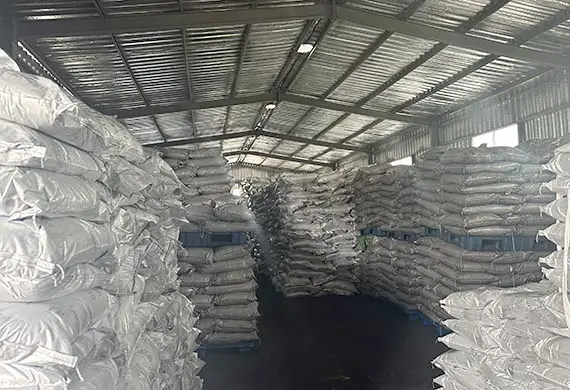
Our specialized storage facilities are optimized for temperature and humidity control, ensuring raw material stability.
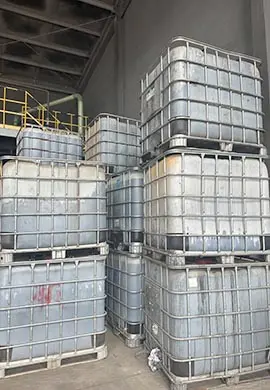
Automated blending and filtration systems designed for high-solubility liquid formulations.
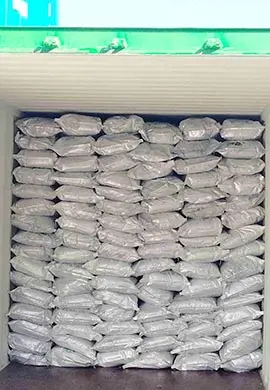
Secure container loading protocols protect shipments from moisture and shifting during maritime transit.
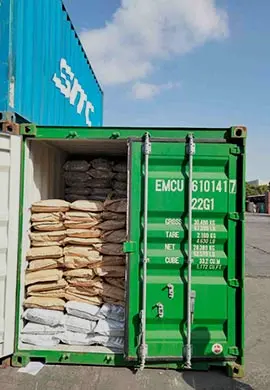
Streamlined logistics and customized packing options support diverse global distribution channels.
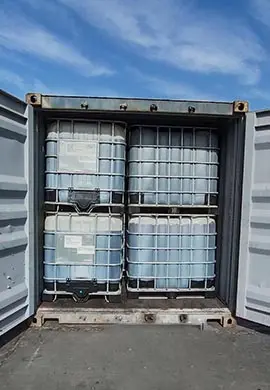
Specialized drum and IBC packaging options ensure leak-proof, safe transport for all liquid products.
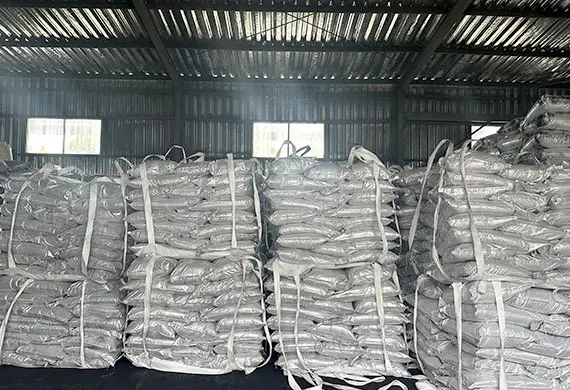
Located near major international shipping corridors, we offer reliable delivery times and flexible order volumes.
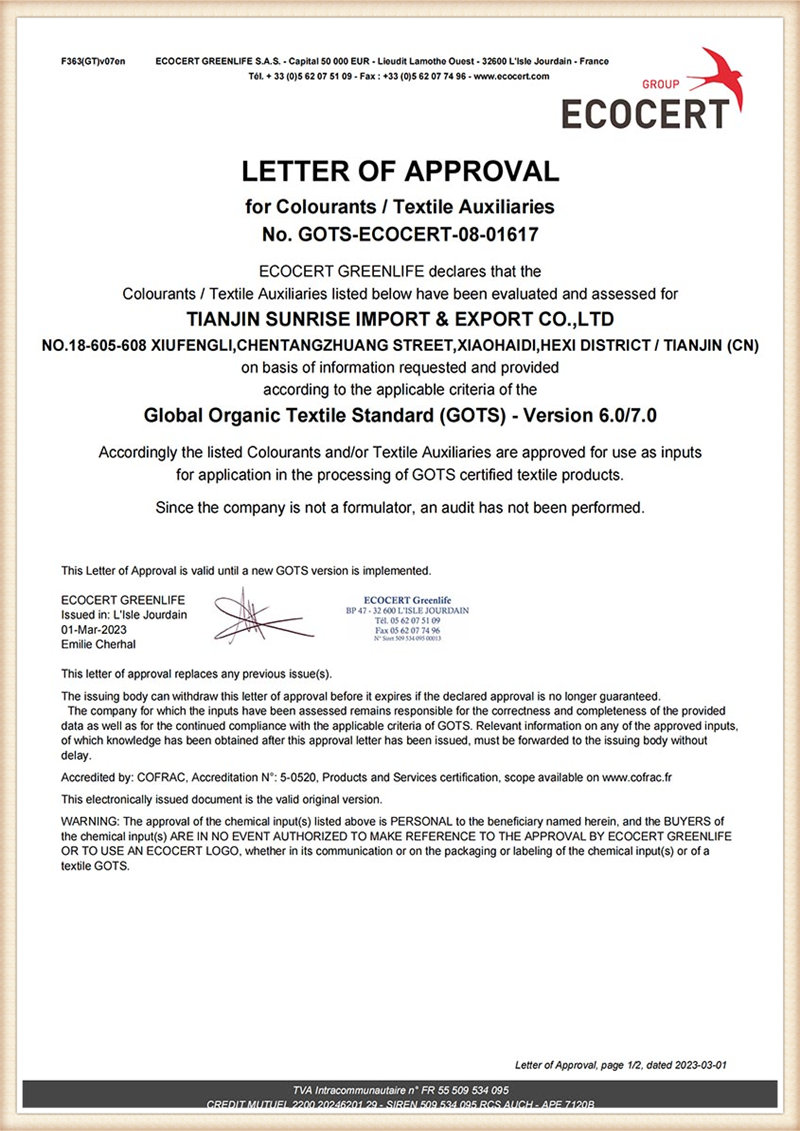
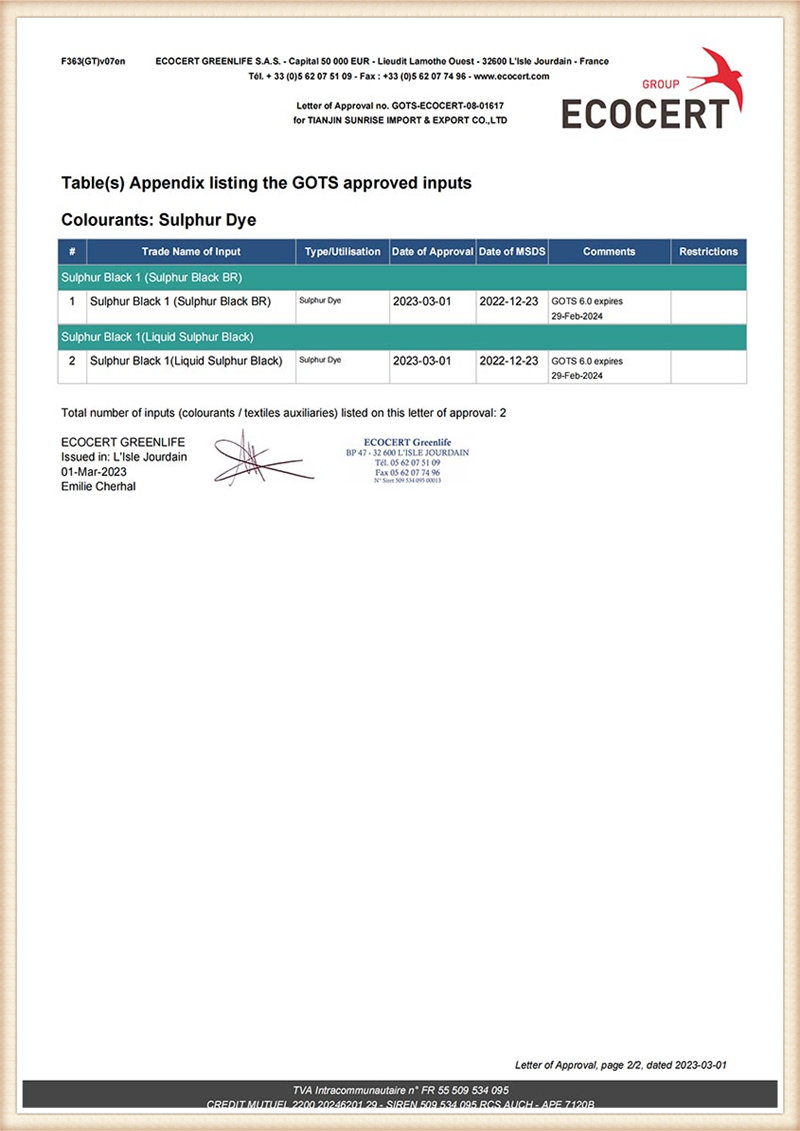
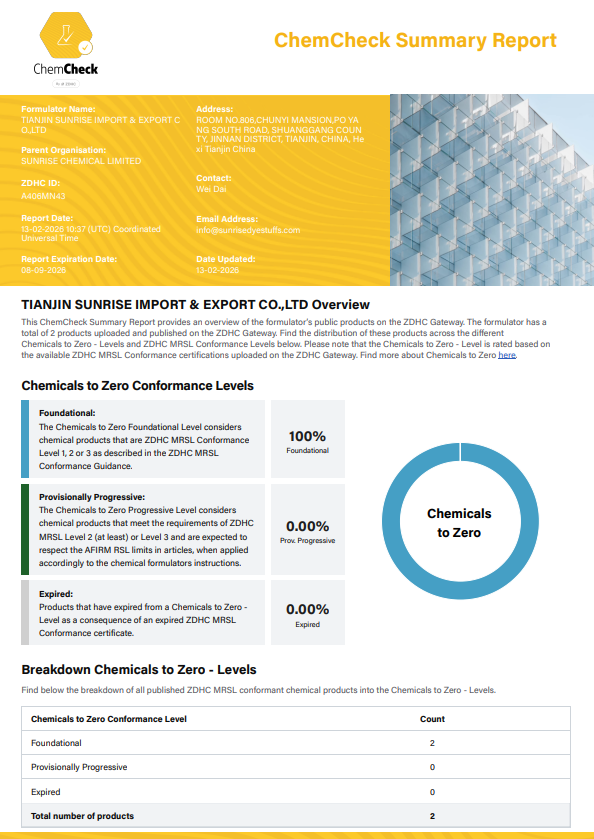
Modern supply chains require strict environmental and safety compliance. Leading fashion brands, retailers, and industrial users seek chemical partners that demonstrate environmental responsibility. Tianjin Sunrise Chem Group meets these expectations through verified compliance standards.
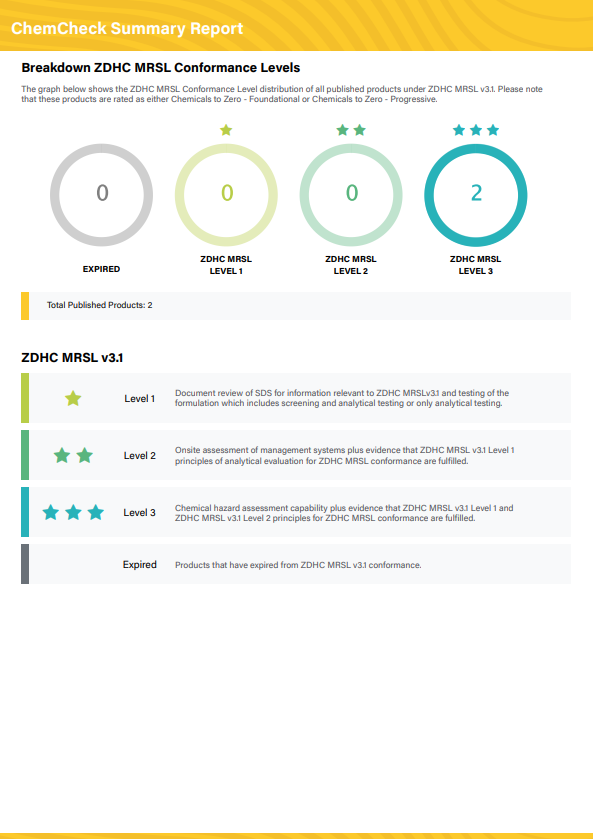
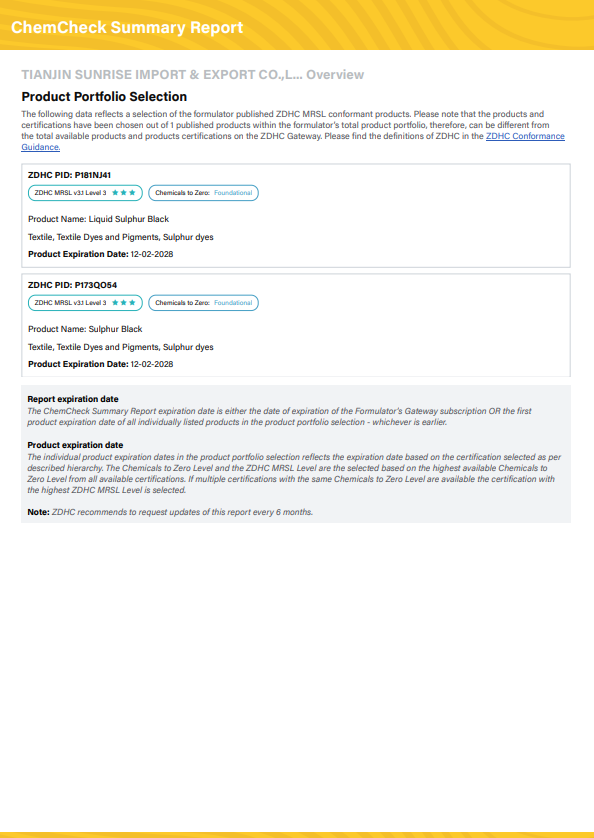
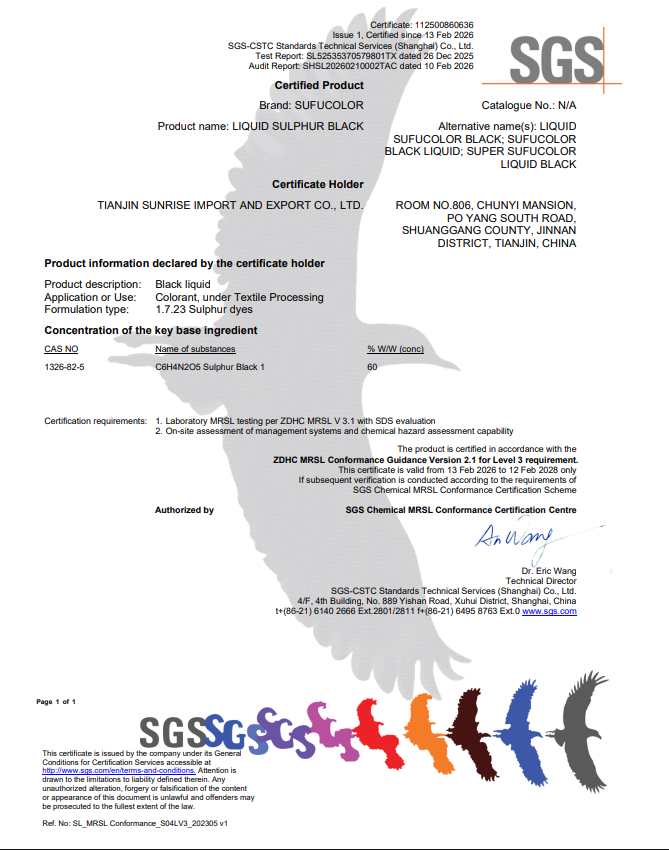
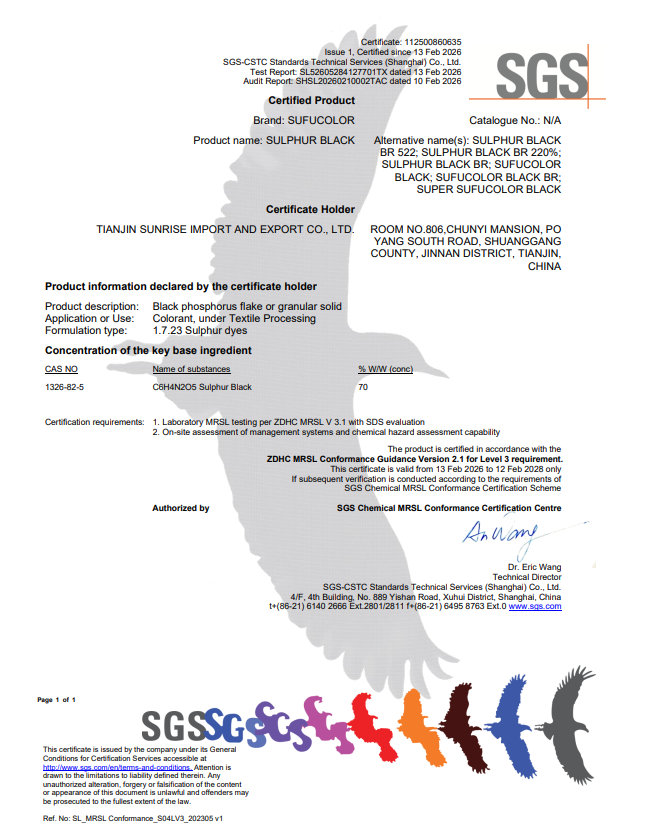
The ZDHC Roadmap to Zero is a collaborative effort by major brands and suppliers in the textile and footwear industry to eliminate hazardous chemicals. Achieving ZDHC Level 3 Certification verifies that our chemical products and manufacturing processes comply with the ZDHC Manufacturing Restricted Substances List (MRSL). This certificate confirms that our facilities employ robust chemical management, wastewater treatment, and pollution prevention systems.
The GOTS Certification ensures the organic status of textiles, from the harvesting of raw materials to environmentally and socially responsible manufacturing. This standard guarantees that chemical inputs like our dyestuffs meet strict criteria, minimizing hazardous substances and ensuring high environmental and labor standards are maintained throughout the production process. GOTS certified products support safe, ethical, and sustainable textile manufacturing.
Our quality assurance laboratory tests each batch of Acid Golden G using High-Performance Liquid Chromatography (HPLC) and spectrophotometric color matching. These tests verify purity, heavy metal limits, and color metrics before delivery, ensuring consistent performance for our partners.
Acid Golden G exhibits strong affinity for various substrates, making it suitable for multiple industrial applications. Below are our main product lines and their primary applications:
The synthetic dyestuff industry is shifting toward sustainability, circular manufacturing, and zero hazardous discharge. Our technical roadmap focuses on the following key areas:
We are developing alternative coupling techniques that replace traditional salt-forming bases with catalytic organic intermediates. This reduces inorganic salt levels in factory discharge by up to 40% before primary biological water treatment.
To support high-density industrial liquid systems, we are expanding our membrane filtration systems to produce low-electrolyte, ultra-pure dyestuffs. This improves solubility and formulation stability for dye mixers.
We modify the particle size distribution of our dyes to lower the activation energy required for fiber fixation. This allows textile mills to achieve rich, stable shades at lower temperatures, reducing steam energy usage.
Here are answers to common technical and operational questions regarding Acid Golden G (Acid Orange 7) sourcing, processing, and application:
Acid Golden G is classified as a monoazo acid dye (Colour Index: C.I. Acid Orange 7). It features a molecular weight of approximately 350.32 g/mol with the chemical formula C16H11N2NaO4S. It is highly soluble in water and provides excellent leveling properties on nitrogenous fibers.
The dye forms ionic bonds between its negatively charged sulfonic acid group (-SO3-) and the positively charged protonated amino groups (-NH3+) of wool or polyamide fibers in an acidic dyebath. This ionic bond, combined with van der Waals interactions, provides good light and washing fastness.
The chemical structure remains identical. However, the granular form is processed to reduce fine dust particles, minimizing inhalation hazards and keeping mixing areas cleaner. Granules also disperse smoothly in water without clumping, which is beneficial for automated dispensing systems.
Yes. Our Acid Golden G production is certified under ZDHC Level 3 and GOTS. This ensures that the products are manufactured without restricted hazardous substances, supporting safe and compliant textile processing.
Because it is a soluble monoazo dye, treatment typically involves primary coagulation using cationic agents, followed by secondary biological processing (activated sludge) or ozone oxidation to break down the azo bonds. This reduces the effluent's Color Index and COD before discharge.
When stored in its original, sealed packaging in a cool, dry, well-ventilated warehouse away from direct sunlight and moisture, Acid Golden G remains stable for at least 3 years without losing color intensity or solubility.
Yes. It is widely used in paper manufacturing for coloring kraft paper and packaging boards. In the leather industry, it provides excellent penetration and level dyeing on chrome-tanned and vegetable-tanned leathers.
We use automated computerized color-matching systems (spectrophotometers) to test every batch against our target standard. This ensures that variation (Delta E) remains within acceptable limits, helping our clients avoid color matching issues.
 Sunrise