Direct from China's Advanced Dyes Manufacturing Infrastructure
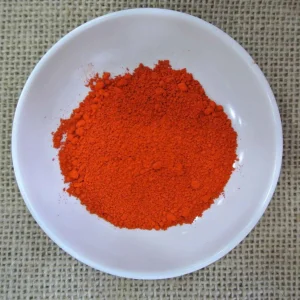
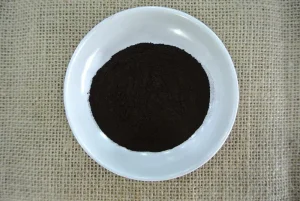
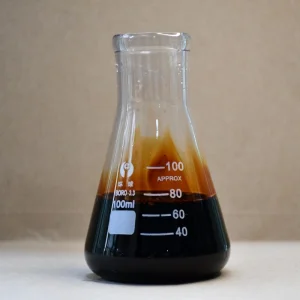
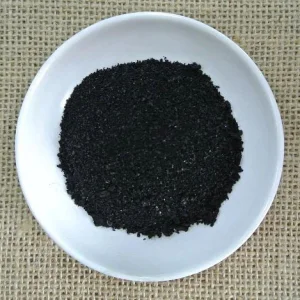
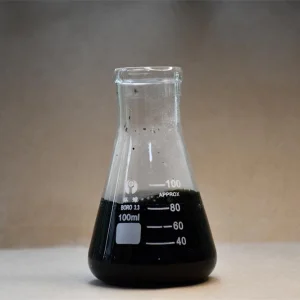
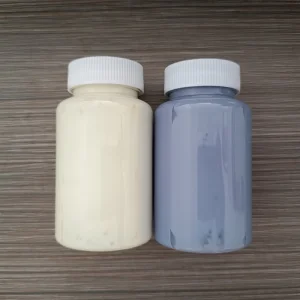
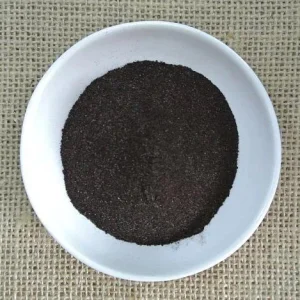
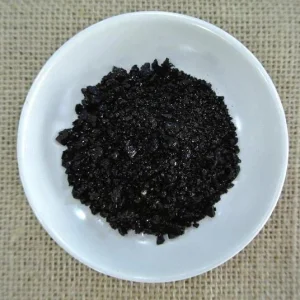
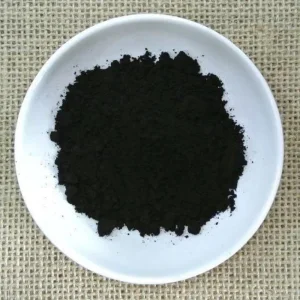
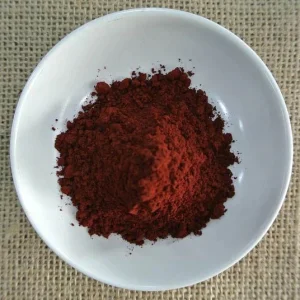
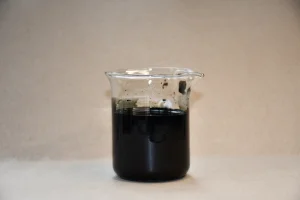
Acid Black 1 (CAS Number: 1064-48-8), chemically designated as sodium 4-amino-5-hydroxy-3-((4-nitrophenyl)diazenyl)-6-(phenyldiazenyl)naphthalene-2,7-disulfonate, is a synthetic disazo class dye widely known under the commercial names Amido Black 10B, Naphthol Blue Black, or Aniline Blue Black. Characterized by its deep dark blue-to-black hue, its molecular formula ($\text{C}_{22}\text{H}_{14}\text{N}_{6}\text{Na}_{2}\text{O}_{9}\text{S}_{2}$) provides a robust, conjugated diazo chromophore structure capable of intense light absorption across the visible spectrum.
As a strong anionic dye, Acid Black 1 contains multiple sulfonic acid groups ($\text{-SO}_3\text{Na}$) which dissociate in aqueous solution to yield negatively charged dye anions. These active sites exhibit high electrostatic affinity toward cationic functional groups (such as amine terminals $-\text{NH}_3^+$) present in nitrogenous substrates under acidic environments. This fundamental chemistry underpins its exceptional dye binding kinetics, fastness profiles, and leveling parameters on natural fibers like leather, silk, and wool.
A Macro-Economic Assessment of the Acid Black 1 Global Value Chain
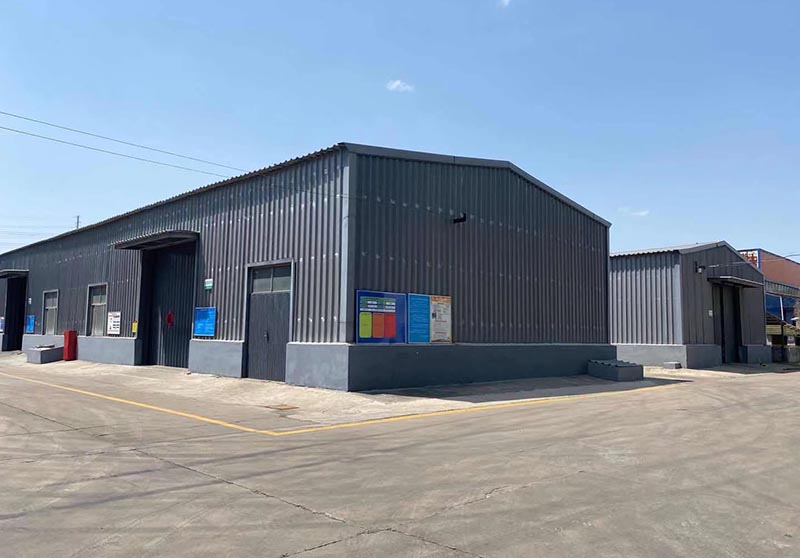
China maintains a core position in the global supply of Acid Black 1, driving approximately 65% of international bulk shipments. Advanced manufacturing clusters in Jiangsu, Zhejiang, and Tianjin leverage optimized integration with upstream intermediates (such as H-Acid and nitroanilines) to secure cost-competitive, high-purity dyestuffs for global distribution.
The chemical's usage is split across critical industrial domains: 45% in leather tannery operations, 30% in high-end wool and silk textile manufacturing, 15% in formulation of professional ink systems, and 10% in forensic science and specialized diagnostics (e.g., electrophoresis gels, protein staining).
Modern import regions (particularly North America and the EU) enforce stringent chemical regulations. Exporters must comply with REACH registration protocols, limit heavy metal and arylamine impurities, and meet zero-discharge requirements, shifting market share toward technologically progressive factories.
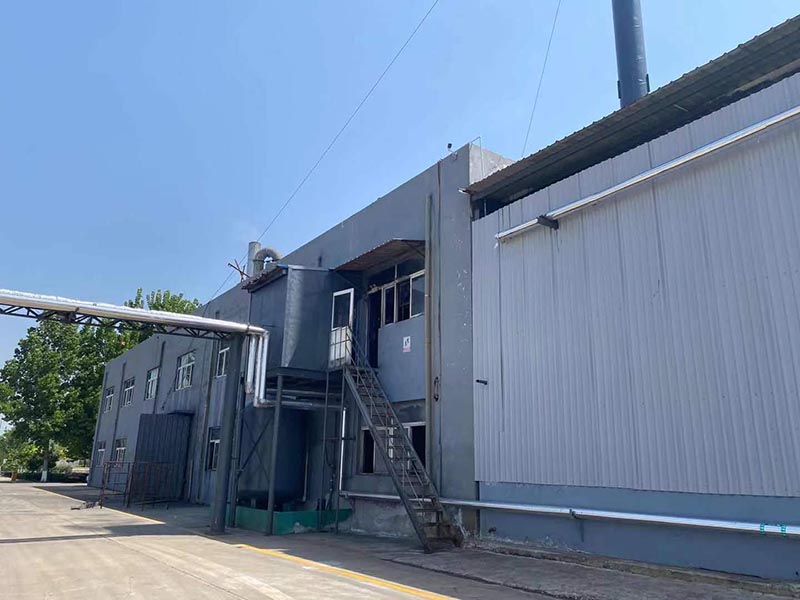
Tianjin Sunrise Chem Group specializes in manufacturing and exporting high-performance dyestuffs. Our product catalog features comprehensive dye families, including Direct dyes, Acid dyes, Basic dyes, Sulphur dyes, Solvent dyes, Liquid dyes, and Fluorescent dyes. Backed by decades of industrial experience and global logistics management, we have built a reputation for supply chain reliability and technical excellence, serving corporate clients across the denim, textile, leather, paper, and plastic sectors.
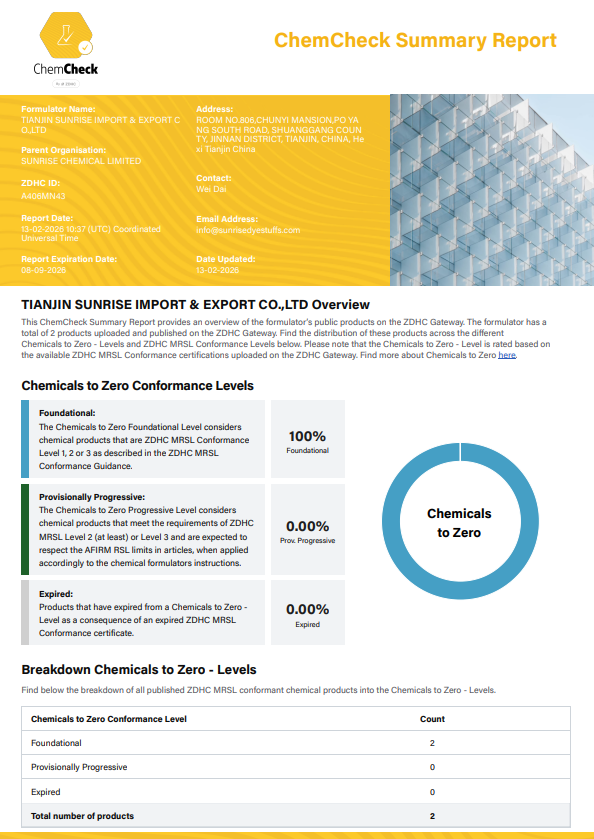
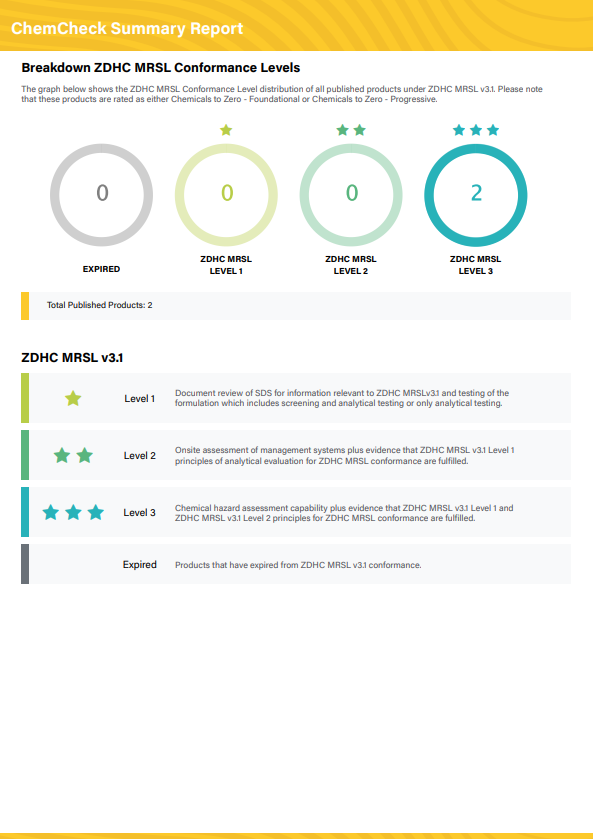
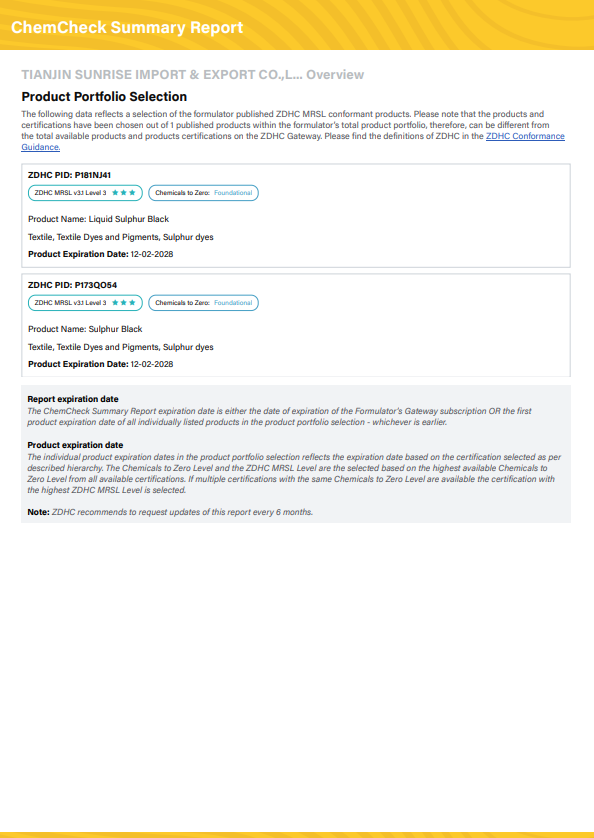
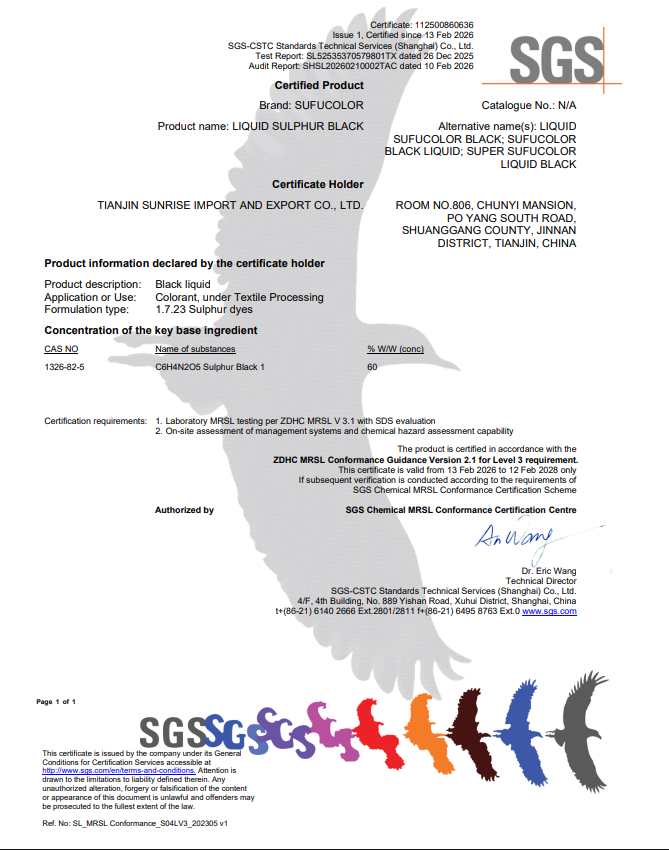
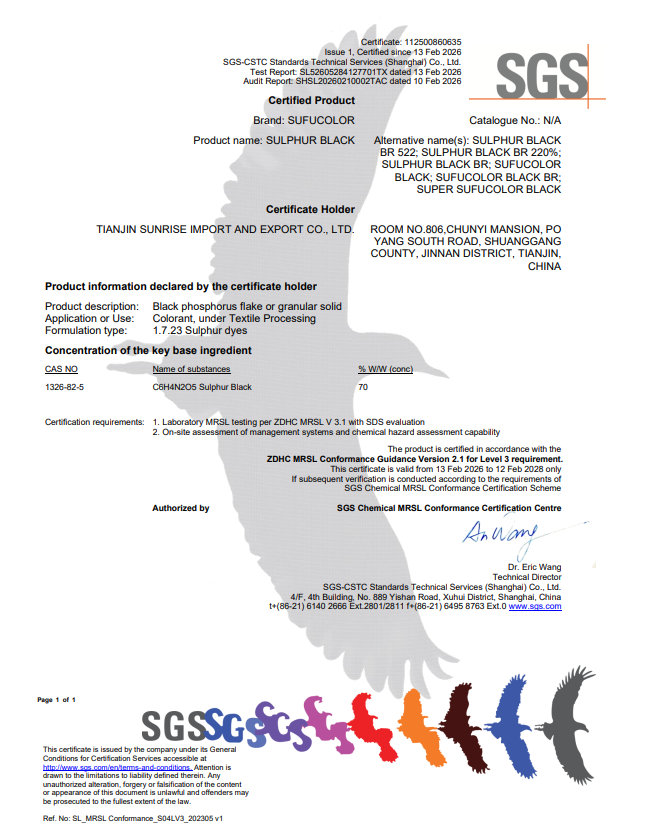
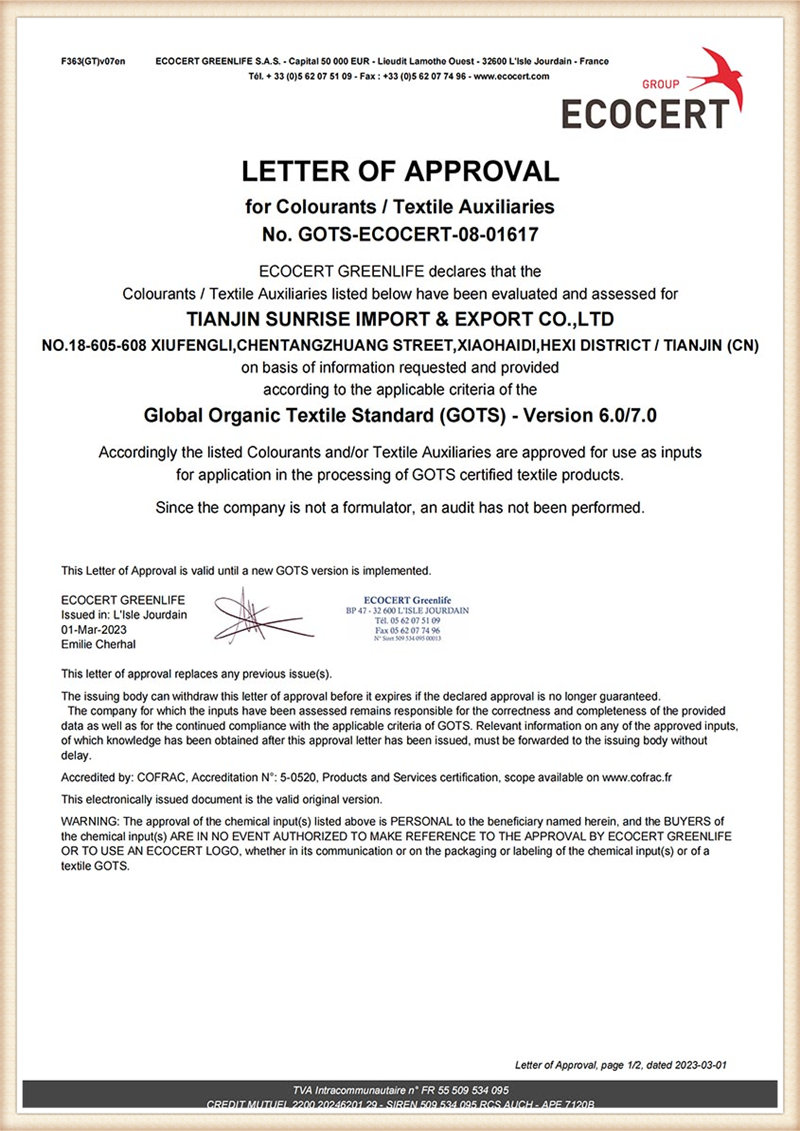
We maintain focus on product quality and batch-to-batch colorimetric stability. Each dispatch undergoes systematic testing at our laboratory before transport. Our compliance with ZDHC Level 3 and GOTS (Global Organic Textile Standard) certifications validates our commitment to chemical safety, environmental management, and regulatory compliance.
Sunrise Chem collaborates with partner mills to supply custom dye formulations, liquid concentrates, and color-matching solutions. Environmental responsibility is a key driver of our operations, and we continue to develop low-impact colorants that support sustainable production in the global textile industry.
Engineered Chemistry for Enhanced Dye Affinity and Purity Profiles
The manufacturing process of Acid Black 1 at Sunrise Chem follows a precise, multi-stage diazotization and coupling reaction sequence under controlled thermodynamic parameters:
Standard industrial grade Acid Black 1 often contains inorganic salts (such as sodium chloride and sodium sulfate) resulting from the salting-out separation phase. Sunrise Chem employs membrane filtration techniques, such as ultrafiltration and reverse osmosis, to desalt the crude dye solution.
This process yields a low-salt, high-purity product with improved solubility, making it suitable for liquid ink formulations. Additionally, our spray drying processes produce a dustless granular powder. This reduces dust exposure during factory handling, improving occupational safety and reducing dye loss.
Demonstrated performance in global leather processing, specialty paper coloring, and forensic science systems
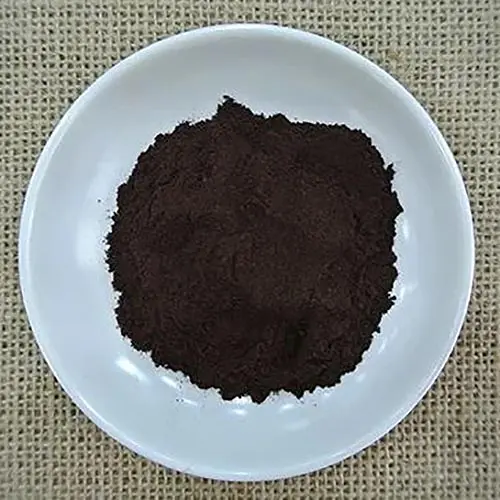
Acid dye leveling systems in wet-end drum dyeing processes. Extends color depth and compatibility with collagen fiber matrices.
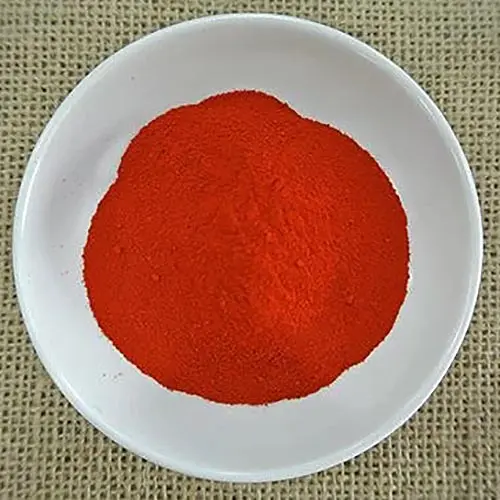
Targeted application protocols for protein fibers under temperature-monitored exhaustion baths, ensuring uniform color distribution.
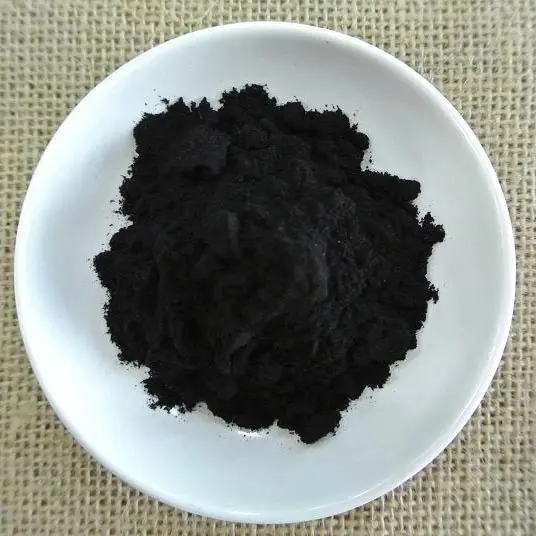
Heavy shade leather applications utilizing high-exhaustion acid formulations for reduced chemical discharge in wastewater.
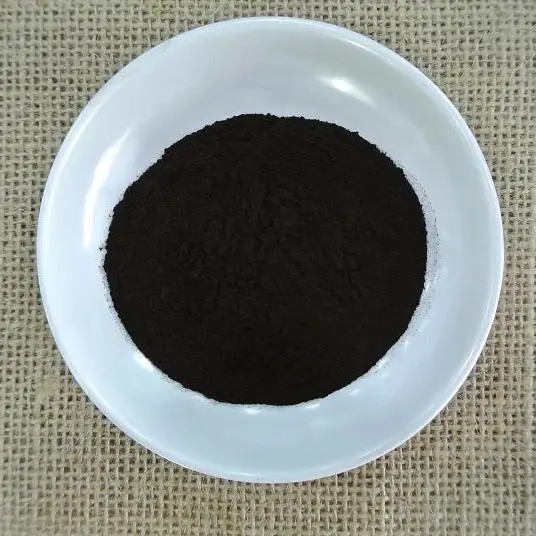
High-purity grades for forensic chemical formulations, utilized for staining protein deposits in blood-contaminated latent prints.
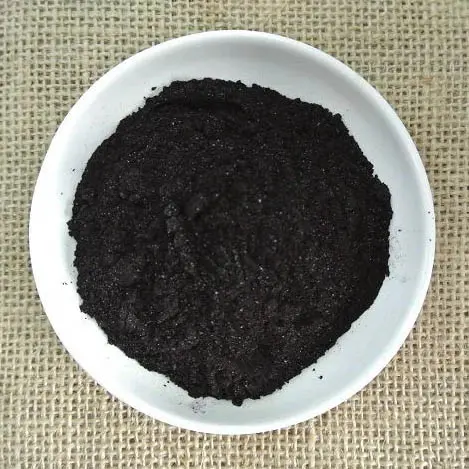
Bulk storage and shipping configurations for industrial denim processing, demonstrating dye stability across logistics channels.
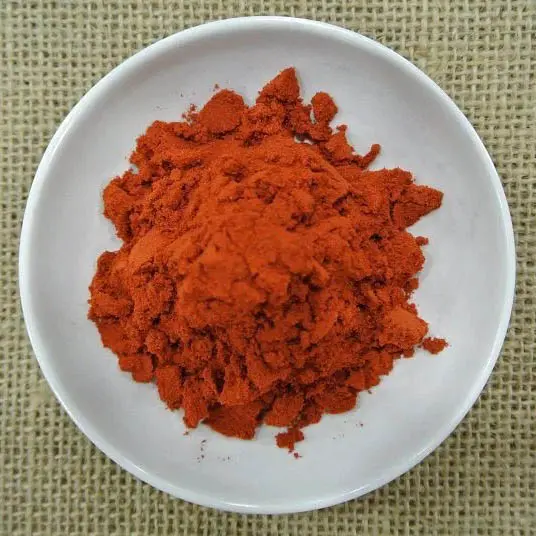
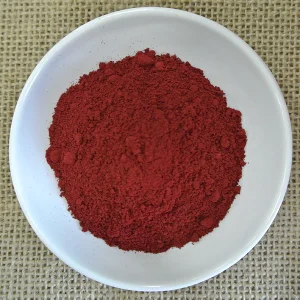
High-affinity cellulose dyestuffs used in textile processing, showing compatibility with direct dye printing systems.
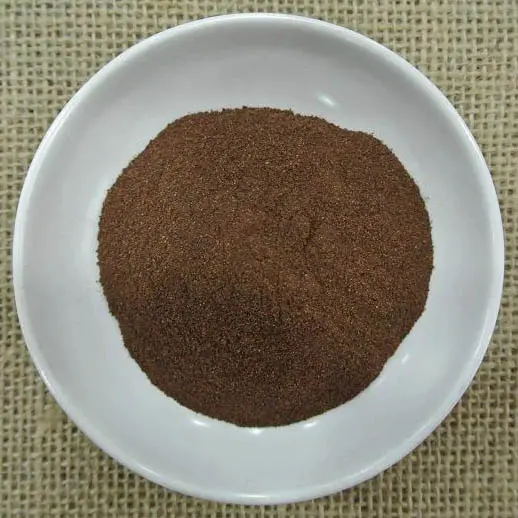
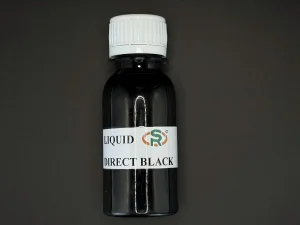
Liquid and powder direct dyes formulated for continuous-addition paper pulp coloration systems.
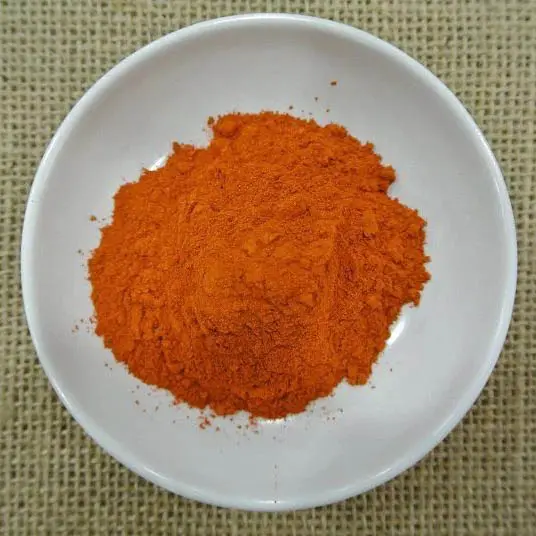
Optimized direct colorants designed to improve retention and bleed-resistance in recycled fiber pulp blends.
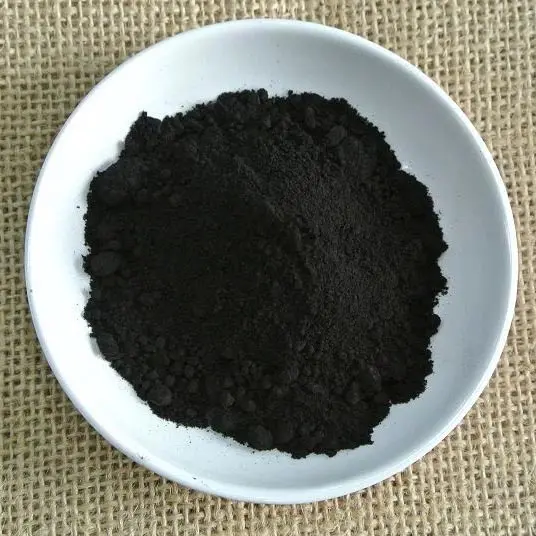
Inorganic pigment configurations featuring thermal stability and dispersion performance for plastic compounds.
Modern chemical processing requires careful balancing of color yield with environmental performance. Regulatory updates under the Zero Discharge of Hazardous Chemicals (ZDHC) Roadmap to Zero and the Global Organic Textile Standard (GOTS) establish strict limits on residual synthetic components in textile chemical formulations.
Sunrise Chem's Acid Black 1 manufacturing lines utilize chemical engineering processes to manage priority groups, including restricted arylamines, heavy metals, and free formaldehyde. By implementing real-time chromatography and multi-stage washing, we maintain concentrations well below international detection thresholds.
In wool and leather dyeing processes, we provide technical support to optimize dye exhaustion rates. This helps reduce chemical residual levels in tannery and textile mill wastewater, lowering wastewater treatment costs.
Chemical Mechanisms of Acid Black 1 (Amido Black 10B) in Criminal Investigations
In forensic science, Acid Black 1 is known as Amido Black 10B. It is widely used to visualize latent fingerprints and shoe impressions contaminated with blood. Unlike dye systems that interact with water-soluble components, Acid Black 1 targets basic proteins and amino acids present in blood hemoglobin.
The forensic dye formula is typically prepared in an acidic buffer (using acetic acid or sulfosalicylic acid). Under these conditions, the proteins in the bloodstain become positively charged. This state promotes strong ionic bonding with the negatively charged sulfonic groups of the Acid Black 1 molecule, staining the blood proteins a dark blue-black color.
To improve trace collection on porous and non-porous surfaces, forensic labs require dye formulations with low background staining. Sunrise Chem supplies high-purity, low-salt Acid Black 1 powder. This formulation dissolves clearly in water or solvent-based systems, reducing residue on clean areas of investigated substrates.
Standardized packaging, container stuffing, and maritime transport management
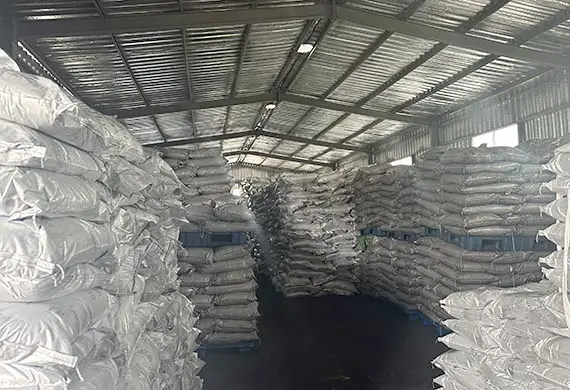
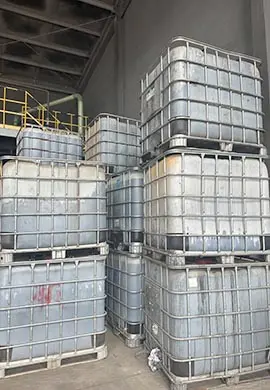
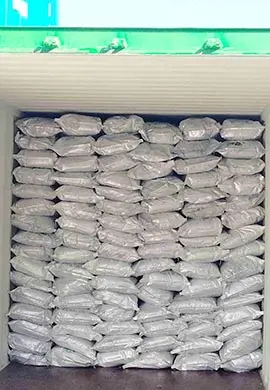

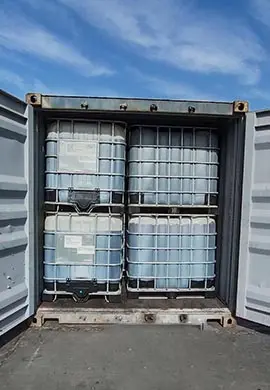
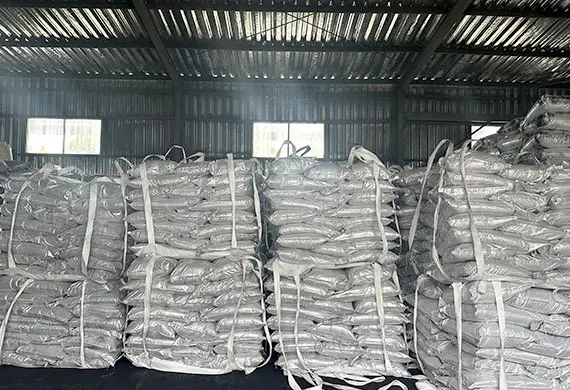
Sunrise Chem maintains dry, temperature-controlled warehouses to protect our dyestuffs from moisture and heat. Our export operations team handles international shipping requirements, including custom labeling, palletization, and hazardous materials declarations (where applicable). This ensures secure, prompt delivery to global ports.
Next-Generation Advancements in Synthetic Chemistry and Environmental Stewardship

Our long-term R&D focuses on reducing energy consumption in our chemical processes. By using high-performance catalysts, we aim to lower the temperatures required for diazotization and coupling reactions, reducing carbon dioxide emissions per ton of manufactured dyestuff.
We are investigating bio-derived alternatives for key intermediates to replace petroleum-based feedstocks. Incorporating bio-derived aniline and naphthalene precursors into our manufacturing lines helps reduce the environmental footprint of our products while maintaining standard dye performance.
To support automation in textile mills, we offer spectrophotometric color profiles for our Acid Black 1 batches. These digital profiles integrate with smart dyeing systems to reduce color matching times and minimize test runs at customer facilities.
Common questions regarding chemical properties, application methods, and regulatory compliance
Explore our wider range of high-performance dyestuffs for diverse applications
 Sunrise