The global industry for Incense Dyes has seen significant growth recently. Research indicates that demand is rising, primarily due to increasing consumer interest in wellness and spirituality. The market is projected to reach $1.2 billion by 2025, according to a report from Market Research Future.
Renowned expert Dr. Emily R. Thompson states, “The trend towards natural products has made Incense Dyes a sought-after commodity.” This shift reflects a broader desire for sustainable and eco-friendly alternatives. The popularity of Incense Dyes is evident in diverse markets, from artisanal crafts to large production manufacturers.
However, sourcing quality Incense Dyes can present challenges. Suppliers must ensure both the authenticity and safety of these products. Trustworthy partnerships are vital to navigate this intricate landscape. The unique properties of Incense Dyes should be balanced against potential risks. This careful approach can lead to successful global sourcing strategies.
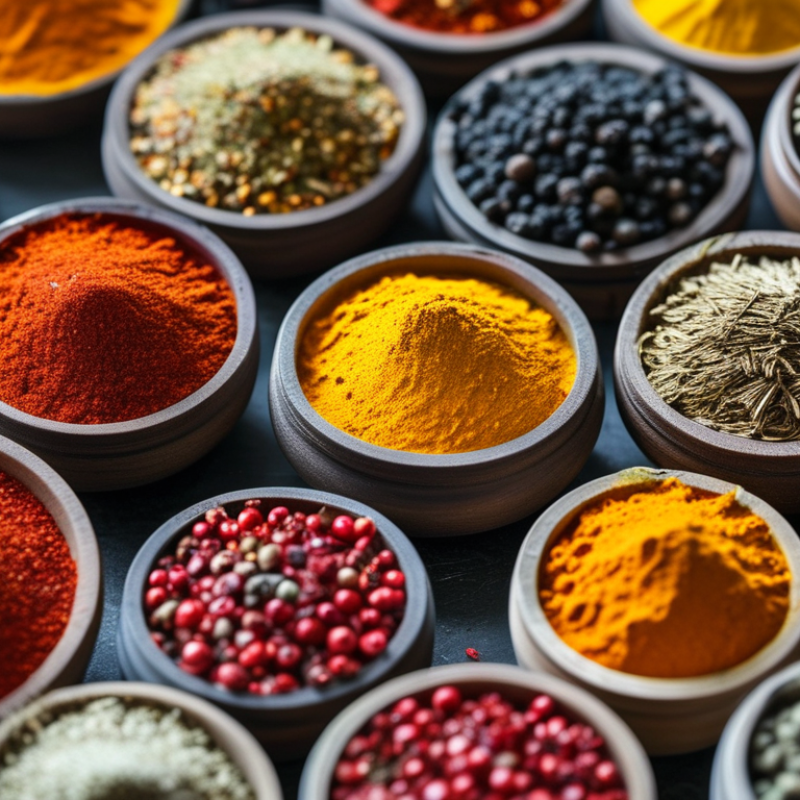
Incense dyes are gaining popularity in global textile sourcing. They offer a deep, rich color that natural dyes often lack. Sourcing textiles with these dyes can enhance product appeal. Their vibrant hues attract customers seeking unique items.
Tips: Always test dye samples before bulk orders. Variations in dye can occur. Conduct small trials to ensure quality and consistency. Keep in mind that incense dyes can sometimes fade over time. This creates a potential challenge for long-term textile durability.
The environmental benefits of incense dyes are noteworthy. They are biodegradable, making them a safer choice. This aligns with the growing demand for sustainable textiles. However, it's essential to ensure your sourcing partners adhere to ethical practices. Transparency is key in global sourcing. Engage with suppliers about their processes to build trust and reliability.
The fashion industry is witnessing a notable shift towards sustainable practices. Natural dyes, especially incense dyes, are gaining traction among designers and brands. These dyes derive from natural sources, such as plants and minerals, making them eco-friendly. As consumers demand more sustainable products, the fashion landscape is evolving.
Market research shows a rising trend in the use of natural ingredients. Designers aim to reduce their carbon footprint. Incense dyes offer vivid colors while being less harmful than synthetic options. However, sourcing these materials can be challenging. Not all suppliers meet quality or ethical standards. Brands must be diligent in their selection process.
This growing demand poses both opportunities and hurdles for global sourcing. Companies must balance cost-effectiveness with sustainability. While natural dyes present a chance for differentiation, there are still reliability concerns in the supply chain. The authenticity of natural dyes can vary widely. As the industry moves forward, brands must navigate these complexities to succeed.
| Region | Market Size (Million USD) | Expected Growth Rate (%) | Key Drivers | Major Applications |
|---|---|---|---|---|
| North America | 250 | 5.5 | Sustainable fashion, consumer demand for natural products | Apparel, home textiles |
| Europe | 300 | 6.0 | Eco-consciousness, regulatory support for sustainable materials | Fashion design, textile manufacturing |
| Asia Pacific | 450 | 7.0 | Growing textile industry, shift towards organic dyes | Fast fashion, traditional crafts |
| Latin America | 120 | 4.5 | Increase in local production, cultural heritage revival | Handmade garments, indigenous textiles |
| Middle East & Africa | 80 | 5.0 | Growing interest in organic products, tourism | Cultural textiles, local crafts |
The growing concern over environmental sustainability drives many businesses to explore alternatives. Incense dyes emerge as a viable option. They are derived from plant materials, which makes them biodegradable. This contrasts sharply with synthetic dyes, which can take centuries to decompose. According to a report by the Textile Exchange, synthetic dyeing processes can consume up to 200 tons of water for every ton of fabric produced.
Using incense dyes reduces water pollution significantly. Traditional dyes often release toxic substances into waterways, adversely affecting ecosystems. A recent study highlighted that more than 50% of water quality issues in textile regions stem from dye runoff. Incense dyes mitigate this risk because they often require fewer chemicals in the dyeing process.
However, the production of incense dyes isn’t without challenges. Sourcing quality raw materials can be inconsistent. Environmental changes also impact the availability of certain plants. Companies must navigate these uncertainties to maintain supply chains. Continuing education and research into sustainable sourcing methods are vital. This approach ensures that the benefits of using incense dyes can be fully realized while minimizing potential pitfalls.
When considering sourcing options, incense dyes stand out for several reasons. Their natural origins provide unique colors and fragrances absent in synthetic counterparts. Incense dyes can enhance the sensory experience of products, making them appealing to customers. Crafting artisanal products with these dyes often results in a more authentic feel.
However, there are challenges to weigh. The cost of sourcing high-quality incense dyes can be significantly higher than synthetic dyes. Additionally, consistency in color may vary with incense, making quality control a complex task. Companies may find it difficult to maintain uniformity in production.
In contrast, synthetic dyes offer predictability in both cost and color. These options can be easier to source in bulk and provide uniform results across large production runs. Yet, many consumers are becoming increasingly aware of the environmental implications of synthetic choices. The demand for transparency and sustainability in sourcing is rising. Thus, while incense dyes present advantages, synthetic dyes still play a pivotal role in the industry. This dichotomy invites deeper reflection on sourcing practices for companies striving to balance quality and cost.
When sourcing products for global markets, incense dyes present unique opportunities. These dyes are derived from natural sources, making them appealing to eco-conscious buyers. Many suppliers emphasize traditional methods, which can also capture a niche market. Knowing how to navigate this landscape is crucial for effective sourcing.
Engaging with incense dye producers can enhance sustainability practices within your supply chain. However, sourcing relies on building strong relationships and trust. Each producer has distinct qualities and sometimes limited production capabilities. This variability can impact consistency and availability. It’s important to assess each partnership carefully to ensure a reliable supply.
While there are opportunities, challenges remain. Producers may not always meet international standards, raising questions about quality. Understanding the market and supplier backgrounds can mitigate risks. A flexible approach and ongoing communication can help address potential issues. This strategy not only fosters reliability but also promotes ethical sourcing practices across the globe.
: Natural dyes are colors derived from plants and minerals. They are eco-friendly and sustainable.
Incense dyes provide vivid colors and reduce environmental impact. Consumers increasingly prefer sustainable products.
Incense dyes are biodegradable and reduce water pollution. They require fewer chemicals in the dyeing process.
Yes, sourcing quality materials can be inconsistent. Environmental changes might affect availability.
Traditional dyes often harm ecosystems. Incense dyes help mitigate pollution by needing fewer harmful substances.
Brands need to balance cost with quality. Diligence in supplier selection is crucial for maintaining standards.
Yes, the authenticity and quality of natural dyes vary widely. Companies must navigate these complexities.
As consumers push for sustainable options, brands shift towards using more natural ingredients and dyes.
Ongoing education on sustainable practices is essential. It helps companies navigate challenges in sourcing.
Yes, using sustainable dyes can set a brand apart in the growing market for eco-friendly fashion.
Incense Dyes are emerging as a preferred choice in global sourcing for textiles due to their numerous benefits, including vibrant color quality and eco-friendliness. As demand for natural dyes grows within the fashion industry, incense dyes present a sustainable alternative that appeals to both environmentally conscious brands and consumers.
The market is witnessing a significant shift towards these natural options, driven by trends that prioritize sustainability and ethical sourcing. Comparative analyses highlight that incense dyes often outperform synthetic counterparts in terms of quality, while also being cost-effective. Furthermore, the global supply chain offers various opportunities to partner with incense dye producers, ensuring the responsible sourcing of materials that align with modern market demands and environmental standards.

Sunrise