In the ever-evolving world of textile production, choosing the right dyes can make a significant difference. Expert David Henson, a renowned figure in the dyeing industry, states, "Direct Dyes offer unparalleled vibrancy and versatility." His insights highlight the importance of selecting appropriate resources for maintaining quality.
Direct Dyes stand out due to their ability to produce bright and long-lasting colors. They are particularly effective on cellulose fibers like cotton. This makes them a popular choice among manufacturers seeking to enhance their product appeal. However, achieving the desired results may require a thorough understanding of each dye's application characteristics.
While Direct Dyes offer distinct advantages, proper handling is crucial. Manufacturers must be aware of potential challenges, such as achieving color consistency and compatibility with various fabrics. Assessing these factors is essential for a successful dyeing process. Embracing Direct Dyes demands attention to detail and a commitment to quality, setting the stage for textile excellence.
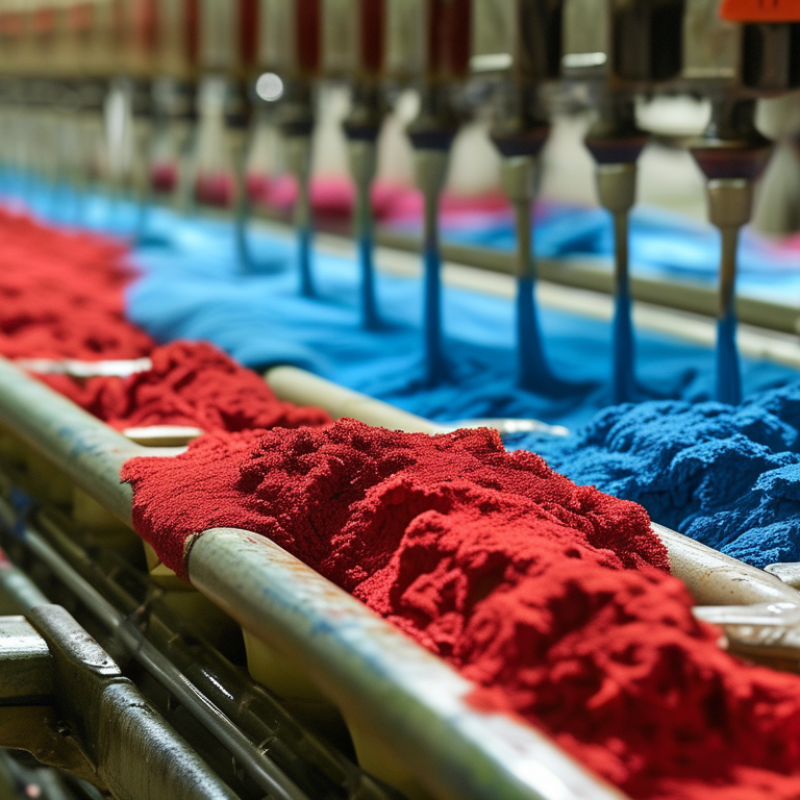
Direct dyes have become increasingly popular in textile production due to their compelling advantages. One significant benefit is their excellent dyeing performance on various fabrics. They provide vibrant colors that enhance the final product's visual appeal. Additionally, direct dyes have a straightforward application process, which can save time and labor costs. Many manufacturers appreciate this efficiency in their production line.
The environmental impact is another important factor. Direct dyes require less water than other dyeing methods. This reduction can lead to significant savings in water usage, which is paramount in today's eco-conscious market. However, there's room for improvement. Some direct dyes can still pose challenges in terms of wash fastness and light resistance. Achieving the perfect balance between color vibrancy and durability may require experimentation.
Ultimately, the choice of dyes reflects both the creativity and responsibility of the textile industry. Direct dyes can open new avenues, yet it's essential to remain aware of their limitations. As the industry evolves, ongoing research into sustainable solutions will likely provide even more reliable options for textile manufacturers.
This chart illustrates the advantages of using direct dyes in textile production, highlighting benefits such as cost-effectiveness, color brightness, ease of application, versatility, and a wide color range, all represented in percentage terms.
Direct dyes are gaining popularity in textile manufacturing due to their relatively lower environmental impact compared to other dyeing methods. According to a report from the Textile Exchange, approximately 20% of global industrial water pollution comes from textile dyeing and finishing. Direct dyes can help reduce this percentage as they require less water and generate fewer harmful by-products.
Utilizing direct dyes often means shorter dyeing cycles, minimizing energy usage. The LCA (Life Cycle Assessment) conducted by the European Institute of Innovation and Technology indicates that direct dyeing systems can save up to 30% of energy in comparison to traditional dyeing methods. While direct dyes are not completely free from concerns, such as their affinity for various substrates, they present a more sustainable alternative.
The traceability of direct dyes plays a crucial role in environmental responsibility. Many of these dyes are derived from natural resources, aligning with the shift towards more eco-friendly production processes. However, it is essential to delve deeper into the sourcing and manufacturing practices of these dyes. Questions about their biodegradability and potential toxicity still linger, necessitating further research and innovation in the sector.
| Aspect | Direct Dyes | Conventional Dyes |
|---|---|---|
| Water Pollution | Lower risk of toxic runoff | Higher risk of contaminants in wastewater |
| Biodegradability | More biodegradable options available | Often less biodegradable |
| Color Fastness | Moderate to high depending on application | Typically high |
| Energy Consumption | Lower energy required during dyeing | Higher energy usage |
| Health Safety | Fewer hazardous chemicals | Contains more toxic substances |
| Cost | Often lower costs due to simpler process | Can be more expensive |
When considering dyeing methods for textiles, the cost-effectiveness of direct dyes stands out. They often require fewer resources compared to other methods. Direct dyes are soluble in water, making them easy to apply. This characteristic allows for straightforward application processes, which reduces labor costs.
Furthermore, direct dyes can achieve vibrant colors on various fabrics. Their ability to bond well means less dye is wasted. In contrast, other dyes require extensive preparation and more water, increasing operational expenses. Some might argue that the colorfastness of direct dyes isn't as strong, but proper post-treatment can enhance durability.
Despite their affordability, direct dyes may have limitations. The range of colors may not be as broad as other dye categories. This can be a drawback for brands seeking unique shades. However, many manufacturers find that the eco-friendly aspect of direct dyes offsets some of these concerns. In the end, the balance between cost and quality makes direct dyes a viable choice for textile production.
Direct dyes have gained popularity in textile production due to their unique performance characteristics. These dyes are water-soluble and can bond directly with fabric fibers, which enables vibrant and intense colors. They work exceptionally well on cellulose fibers, such as cotton and rayon. Manufacturers find that the color retention is often superior in these fabrics, leading to products that maintain their aesthetic appeal longer.
However, direct dyes are not without their challenges. They may require specific conditions to achieve the best results. For example, achieving even coloration can be tricky. Uneven dyeing can occur if the dyeing process is not carefully monitored. This inconsistency raises questions about overall production quality. Many producers are experimenting with temperature and pH levels to enhance dye uniformity.
Moreover, while direct dyes are known for their bright hues, their fastness properties can sometimes be a concern. They may show varying degrees of resistance to wash and light exposure. This variability can affect the durability of textiles in practical applications. Remaining aware of these limitations is crucial for manufacturers aiming for excellence in their products.
The textile industry is moving towards sustainability. Direct dyes are gaining popularity due to their eco-friendly properties. They have lower waste and use fewer chemicals than traditional dyes. In this context, artisans and manufacturers consider direct dyes a smart choice for future production.
Recent trends show a rising demand for natural and biodegradable materials. Consumers are becoming more aware of their environmental impact. This awareness drives textile producers to seek sustainable solutions. Direct dyes fit perfectly into this landscape. They offer vibrant colors while minimizing harmful emissions.
Despite the advantages, some challenges remain. Direct dyes require careful handling. Their application process can be complex and requires skilled labor. Adopting these dyes may also involve upfront investment in new technologies. However, as the industry evolves, these hurdles may inspire innovation and collaboration, pushing for a greener future in textiles.
: Direct dyes offer vibrant colors and excellent dyeing performance on various fabrics. They enhance visual appeal significantly.
Direct dyes require less water than traditional dyeing methods. This leads to significant savings in water consumption.
Some direct dyes face issues with wash fastness and light resistance. Achieving the right balance takes experimentation.
They produce lower waste and require fewer chemicals. This aligns with growing consumer demand for sustainable practices.
The application process can be complex and needs skilled labor. Careful handling is essential for optimal results.
Increased environmental awareness drives producers to seek sustainable solutions. Direct dyes meet this demand while providing vibrant colors.
Adopting direct dyes might require an upfront investment in new technologies. This could be a barrier for some manufacturers.
Yes, ongoing research into sustainable solutions is expected. This may lead to more reliable options in the future.
Direct dyes can inspire innovation and collaboration in the textile industry. However, it's essential to acknowledge their limitations.
As the market evolves, demand for direct dyes is likely to grow. Sustainability trends will continue to shape these choices.
Direct Dyes are increasingly becoming a preferred choice in textile production due to their numerous advantages. Their ease of application and ability to produce vibrant colors make them a popular option among manufacturers. Additionally, direct dyes have a reduced environmental impact compared to other dyeing methods, as they often require less water and generate fewer harmful waste products. This not only promotes more sustainable practices but also aligns with the growing demand for eco-friendly production processes.
Cost-effectiveness is another significant benefit of using direct dyes, as they often result in lower production costs due to simplified processes. Moreover, their performance characteristics vary positively across different fabrics, providing versatility for manufacturers. As market trends indicate a steady increase in the adoption of direct dyes within the textile industry, their future outlook appears promising, promising to enhance both efficiency and sustainability in fabric dyeing.

Sunrise