What Are Brown Paper Dyes Used For?

Time:2026-09-27 Author:Oliver
0%

Brown Paper Dyes are used to add color, identity, and visual warmth to kraft paper products. They appear in shopping bags, gift wrap, paper labels, cartons, stationery, and handmade packaging. A soft terracotta shade can make a bakery bag feel traditional. Deep brown or charcoal may suggest strength and simplicity.

In practical work, the paper surface matters greatly. Unbleached kraft paper absorbs dye unevenly, creating natural variations across each sheet. Coated paper usually produces cleaner, brighter results. Designers often test small swatches before approving a full production run. This simple step can reveal bleeding, weak coverage, or unwanted changes after folding. Some water-based dyes offer easier handling and lower odor, but performance depends on the paper and drying conditions.

Brown Paper Dyes are also selected for branding and craft projects. They can support printed logos, seasonal patterns, and handmade textures without hiding the paper’s original character. However, color alone does not prove quality. Buyers should review technical data, lightfastness, drying behavior, and intended-use guidance from reputable suppliers. Packaging for food or cosmetics requires especially careful material verification. Dye suitability must match the finished product, not just the sample sheet.

Results are rarely perfect. A dye may look elegant on a flat page but appear darker near folded edges. That limitation deserves attention. Reliable testing, experienced handling, and honest supplier information help prevent costly surprises. This article explores where Brown Paper Dyes are used, how they perform, and which practical details influence the final result.
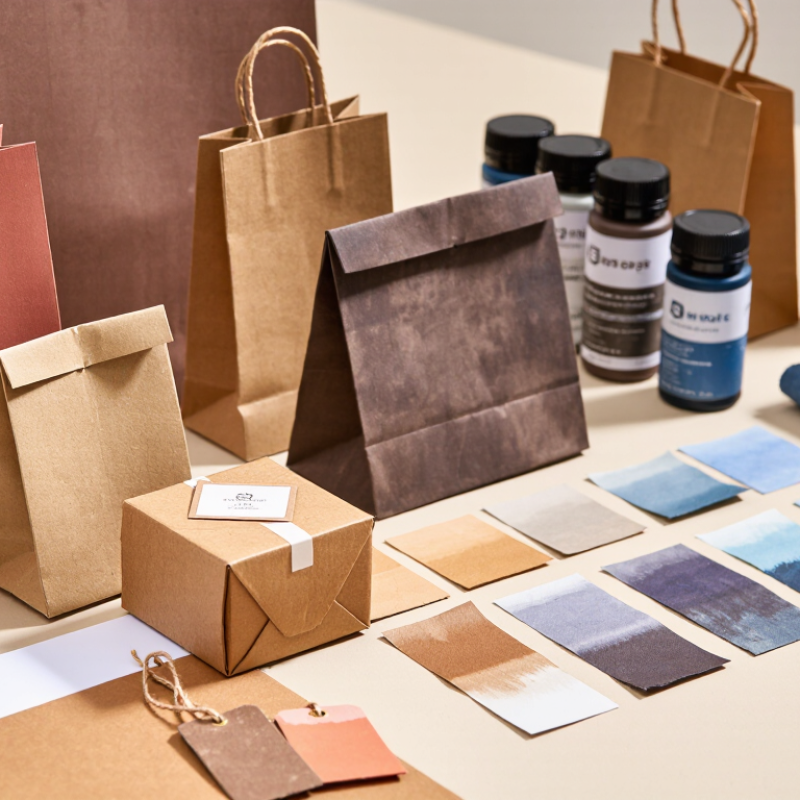
What Are Brown Paper Dyes Used For?

What Are Brown Paper Dyes?

Brown paper dyes are soluble colorants added to paper pulp, coating mixtures, or surface treatments. They create, deepen, or adjust a brown shade. However, brown paper is not always dyed. Kraft paper often looks brown because natural lignin compounds remain after wood processing. This distinction matters during quality checks. The term “brown paper dye” is not perfectly standardized.

Manufacturers may use synthetic or bio-based dyes for bags, wrapping paper, labels, and decorative packaging. Dyes penetrate fibers and produce transparent color, while pigments remain as small solid particles. A dye can make recycled fibers look warmer or more consistent, but excessive dosage may reduce color control. FAOSTAT’s Forestry Production and Trade data recorded about 401 million tonnes of global paper and paperboard production in 2022. That scale makes small chemical choices significant. CEPI reported a European paper recycling rate of about 79% in 2023, showing why repulpability and wastewater behavior deserve attention. Real factory conditions still vary.

Tips: Test the dye on the actual paper furnish. Recycled fibers can shift brown tones unexpectedly. Check color fastness, migration, pH stability, and repulpability before production. Ask for technical data on heavy metals, restricted substances, and wastewater performance. A darker shade is not automatically better. It may hide uneven formation, but it can also increase chemical consumption. Industry reports provide useful benchmarks, yet laboratory trials remain essential.

How Brown Paper Dyes Work on Unbleached Paper

How Brown Paper Dyes Work on Unbleached Paper

Unbleached paper is not a blank canvas. Its brown color comes from the fiber mix and residual lignin, so a dye combines optically with the paper’s existing tone. A pale yellow dye may look ochre; blue can turn gray-green. The dye does not simply cover the surface like an opaque coating.

On finished kraft paper, water-based dyes may soak into open fibers and spread along their edges. Sizing, recycled fiber content, and surface smoothness change how quickly this happens. Expect variation. A dye bath can color fibers before sheet formation, while printing applies color to the finished sheet; these methods produce different effects. Make a test swatch, let it dry fully, then check it beside the intended lighting. Wet paper often looks darker.

Scale makes repeatable color useful: FAO’s Forest Products Annual Market Review 2023 reports about 401 million tonnes of global paper and paperboard production in 2022. That figure describes the broad industry, not dye use, but highlights the range of papers a color process must accommodate. Measure samples against an agreed reference, and record the paper grade, dye concentration, and drying conditions. Even then, the match may drift. That is worth admitting. A formula cannot erase the natural warmth and texture of unbleached fibers.

What Are Brown Paper Dyes Used For? How They Work on Unbleached Paper

Brown paper dyes add or shift color for uses such as packaging, crafts, and printed materials. Dye molecules attach to or enter the paper fibers; because unbleached paper already has a brown tone, that base color affects the final shade. Fiber type, dye chemistry, concentration, and processing conditions also matter. The chart shows standardized digital sRGB reference colors—not measured results from dyed paper samples.

Common Uses of Dyes for Brown Paper Products

Brown paper dyes are used to control appearance, not merely to make packaging darker. In kraft bags, wrapping sheets, envelopes, and paper labels, soluble dyes can strengthen warm brown, tan, or reddish shades. Manufacturers also use them to reduce visible differences between fiber batches. This matters because recycled fibers often vary in brightness and texture. FAOSTAT forestry data recorded approximately 420 million tonnes of global paper and paperboard production in 2022, showing the scale of material where consistent color control matters.

Common uses of dyes for brown paper products include brand-color matching, decorative printing, and product identification. A bakery may choose a warmer brown for a handmade impression. A warehouse label may use a contrasting tint for quicker sorting. Dyes can also support lighter-weight designs by improving visual coverage without adding a heavy coating layer. However, color alone does not prove sustainability. Smithers’ paper-packaging market analysis highlights continued growth in fiber-based packaging, while also noting pressure for recyclability and material efficiency. A beautiful shade can still create processing problems.

Food-contact paper requires carefully selected colorants, binders, and migration testing. Dyes must remain stable during storage, printing, folding, and exposure to moisture. Poor retention may cause fading or uneven patches. It happens. Paper mills therefore check shade strength, wash resistance, and repulping behavior. The ideal brown is not always the darkest one; it is the most stable shade that meets safety, appearance, and recycling requirements.

Factors for Choosing the Right Brown Paper Dye

What Are Brown Paper Dyes Used For?

Brown paper dyes are used to color kraft sheets, envelopes, tags, gift wrap, and molded paper packaging. They create warmer surfaces than plain, untreated fiber. Manufacturers may choose them for seasonal designs, product coding, or a handmade appearance. The final shade depends on fiber color, absorbency, moisture, and coating. Brown is rarely simple.

Choosing the right dye starts with compatibility. A water-based dye may spread quickly through porous paper, while a concentrated formula offers sharper control. Test the dye on the actual paper grade, not a similar sample. Check color strength, drying time, rub resistance, and whether the shade changes after folding. Light exposure matters for labels and displays. For sensitive packaging, confirm applicable safety documentation and regulatory requirements with the supplier.

Production speed also influences the decision. A dye that looks beautiful by hand may cause streaks in a roller system. Ask for batch consistency data, storage guidance, and wastewater information. In practical trials, compare three dilution levels and keep one untreated control. This reveals hidden undertones. I have learned that the darkest sample is not always the most useful. Sometimes, it hides print detail or makes recycled fibers look muddy. A slightly uneven result can feel authentic, but it should be intentional.

Safety and Environmental Considerations of Paper Dyes

What Are Brown Paper Dyes Used For?

Safety and Environmental Considerations of Paper Dyes

Brown paper dyes create warmer shades for packaging, labels, envelopes, and craft sheets. They can produce tan, walnut, caramel, or deep chestnut tones. In small-batch paper testing, shade strength often changes with fiber type and moisture. A dye that looks rich on dry paper may appear dull after storage. This is easy to overlook.

Safety starts with the dye’s technical data sheet and handling instructions. Workers should avoid breathing dry powder and prevent skin contact during mixing. Gloves, eye protection, and good ventilation reduce routine exposure. Clean water should be available nearby. Spills need prompt collection, not sweeping into drains. Some dyes may contain restricted substances, so buyers should request composition details and documented compliance from suppliers.

Environmental impact depends on dosage, production methods, and wastewater treatment. Excess dye can color water strongly, even when the released volume seems small. Unused mixtures should not enter household drains or soil. Paper mills can reduce waste through accurate weighing, closed mixing systems, and water reuse where appropriate. Plant-based dyes may sound safer, but natural origin does not guarantee low toxicity or stable performance. That assumption needs testing. Recycled fibers also complicate results because old inks, coatings, and fillers can affect both color and wastewater quality. Regular testing remains necessary.

What Are Brown Paper Dyes Used For? — Safety and Environmental Considerations

Dye or Colorant Approach Common Uses on Brown Paper Safety Considerations Environmental Considerations Good Practice
Water-based colorants Colored printing, decorative patterns, labels, and packaging graphics. Risk depends on the formulation. Review the safety data sheet (SDS), use suitable ventilation, and avoid skin or eye contact where instructed. Wash water may contain colorants and other ingredients; it should not be discharged without following local wastewater requirements. Choose a formulation suited to the printing process and intended end use; manage cleaning water and residues appropriately.
Direct dyes Coloring paper fibers, including some papers made for crafts, stationery, or specialty packaging. Handling precautions vary by substance and concentration. Follow the supplier’s SDS and workplace procedures. Some dye may remain in process water. Assess wastewater color and treatment needs rather than assuming it is harmless. Use controlled dosing and prevent concentrated dye solutions from entering drains.
Pigment-based colorants Surface printing and decorative coatings where color is carried by particles rather than dissolved dye. Powder handling can create dust; liquid products may still contain ingredients requiring precautions. Consult the SDS. Pigments can persist as suspended solids in wastewater. Capture and dispose of production residues according to applicable rules. Use dust controls for powders and effective solids capture for wash water.
Natural or earth-tone colorants Muted, rustic, or craft effects on paper and paperboard. “Natural” does not automatically mean non-toxic or non-irritating; check the exact composition and intended-use restrictions. Environmental behavior varies by source and processing method. Consider the full formulation, including binders and additives. Request ingredient and disposal information and test color performance on the specific paper stock.
Printed color on kraft paper Logos, instructions, product information, and decorative graphics on brown bags, cartons, and wraps. For food packaging, use materials suitable for the applicable food-contact requirements and intended conditions of use. Printing can affect recycling if inks, coatings, or other components complicate repulping; recyclability depends on the complete package and local systems. Keep print coverage and coatings appropriate to the design, and verify food-contact and recycling requirements for the market.
Uncolored brown kraft paper Shipping bags, wrapping, void fill, and packaging where the natural brown appearance is desired. No added dye is needed for the brown appearance of many kraft papers; normal paper-dust and workplace handling precautions still apply. Avoiding an added coloring step can reduce process inputs, but the overall footprint depends on fiber sourcing, manufacturing, transport, and disposal. Confirm the paper grade and any coatings or treatments; do not infer composition from color alone.

Note: “Dye” and “pigment” are different types of colorants, and product formulations vary. Always check the SDS, applicable chemical and food-contact rules, and local wastewater and waste-disposal requirements.

FAQS

What are brown paper dyes commonly used for?

They color kraft sheets, envelopes, tags, gift wrap, and molded paper packaging. Shades can range from tan to deep chestnut.

Why should dye be tested on the exact paper grade?

Paper fibers, absorbency, moisture, and coatings all affect the final shade. Test the actual stock. Similar samples can mislead.

How can I compare different dye strengths?

Try three dilution levels and keep one untreated sheet as a control. This can reveal undertones and help preserve print detail.

What qualities should I check during a dye trial?

Check color strength, drying time, rub resistance, and color changes after folding. For labels or displays, consider light exposure too.

Does a darker dye always work better?

No. Deep color can hide printed details or make recycled fibers look muddy. I still find this tricky.

How can production teams reduce uneven coloring?

Compare small trials with the intended roller or production method. Accurate weighing and batch consistency checks can reduce surprises.

What handling precautions are useful when mixing dye?

Follow the technical data sheet. Use gloves, eye protection, and good ventilation. Keep clean water nearby.

What environmental details should buyers consider?

Ask about wastewater, storage, composition, and documented compliance. Excess dye can strongly color water. Plant-based origin alone does not prove safety or stable performance.

Conclusion

Brown Paper Dyes are colorants formulated to add or enhance color on unbleached paper, kraft paper, and other naturally brown paper products. Because the paper’s original fibers already have a warm, earthy tone, the final color may appear softer, deeper, or less vivid than it would on white paper. These dyes can be used for packaging, shopping bags, wrapping paper, labels, stationery, crafts, and decorative paper goods, helping businesses and designers create distinctive colors while preserving a natural paper appearance.

Choosing the right dye depends on the desired shade, color consistency, absorption, drying time, print or coating method, and resistance to fading, moisture, or rubbing. The paper’s fiber composition and surface texture should also be tested before full production. Safety and environmental considerations are equally important, so users should select suitable formulations, follow handling instructions, reduce waste, and consider dyes with lower environmental impact and responsible disposal practices.


Oliver

Oliver

Oliver is a seasoned marketing professional with a wealth of expertise in driving brand awareness and engagement. With a deep understanding of our company's product offerings, he consistently delivers high-quality content that enriches our professional blog. His insights not only shed light on......