In a world increasingly focused on sustainability, the choice of textile dyes has become crucial. Textile dyes directly impact both the environment and human health. Many conventional dyes are synthetic, containing harmful chemicals that can pollute water systems. However, a growing awareness of these issues has led to a rise in eco-friendly alternatives.
Sustainable textile dyes offer diverse options for fashion brands aiming for ethical production. Natural dyes, derived from plants and minerals, promise a lower ecological footprint. These dyes not only reduce environmental harm but also create unique, vibrant colors. However, the challenge lies in ensuring the longevity and quality of these dyes compared to their synthetic counterparts.
Navigating this evolving landscape is no easy task. Brands must assess the reliability and source of their textile dyes. Balancing aesthetics and sustainability can often feel overwhelming. Yet, with careful research, it is possible to make informed decisions that support both style and sustainability. As the fashion industry shifts toward greener practices, the importance of sustainable textile dyes will continue to take center stage.
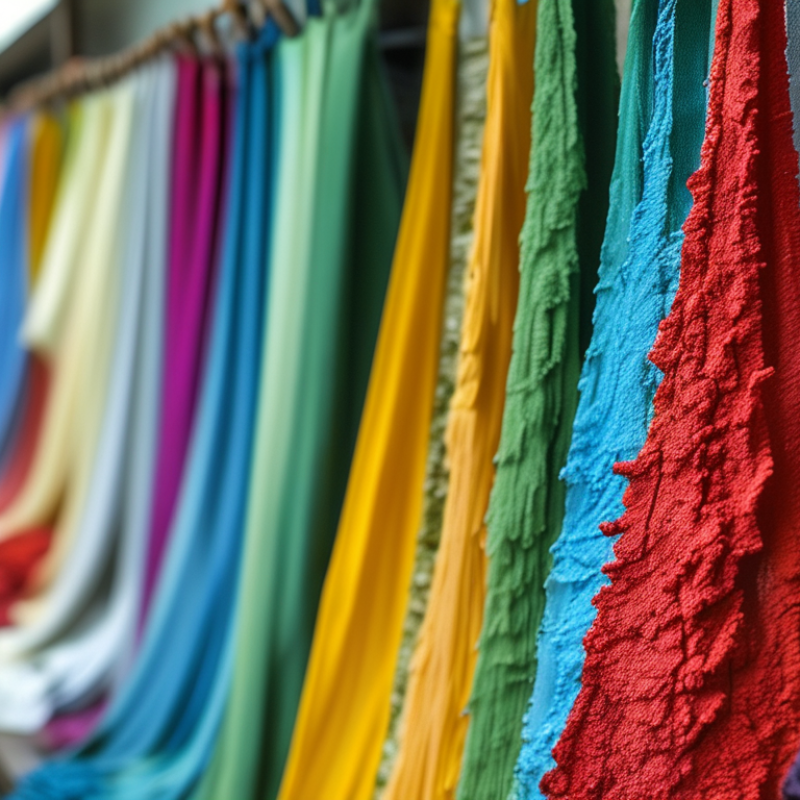
The fashion industry is facing a critical moment. Traditional textile dyes pose significant environmental challenges. These dyes often contain toxic chemicals that harm ecosystems. Shifting to sustainable dyes is essential for a healthier planet. Sustainable dyes are derived from natural sources. They minimize environmental impact while still providing vibrant colors. Choosing the right dyes can enhance the overall appeal of sustainable fashion.
When considering options for sustainable dyes, think about plant-based solutions. Some companies are exploring innovative techniques. Dyes from plants like indigo, madder, and even food waste are popular. They offer a rich palette without the harmful effects of synthetic alternatives. It’s vital to research the production process. Just because a dye is labeled “natural” doesn’t mean it is safe.
Here are some quick tips: Look for certifications that ensure sustainability. Verify the dye's sourcing and production methods. Educate yourself about how dyes affect the environment. This knowledge empowers better choices. The journey to sustainable fashion is ongoing. Embracing sustainable dyes is a meaningful step forward, but it’s not a panacea. Ongoing reflection and adaptation are necessary.
The textile dyeing process is critical to fashion, but it's often overlooked. This process uses vast amounts of water and energy. In many cases, harmful chemicals are involved. These can end up in waterways, impacting local ecosystems. The colors that beautify our clothes have a hidden cost.
Many dyes are toxic. They can harm the health of workers and damage local environments. When dyes enter rivers, they affect aquatic life. There’s also a social cost. Communities near dyeing facilities can suffer from pollution. This raises questions about sustainability in fashion.
Innovations are emerging, yet challenges remain. Natural dyeing methods show promise but are not yet widespread. Synthetic alternatives might offer vibrant colors, yet they often rely on non-renewable resources. Balancing beauty with environmental impact is not straightforward. The industry needs to rethink practices. How can we make more sustainable choices in textile dyeing? This question deserves attention and action.
| Dye Name | Source | Environmental Impact | Color Range | Water Solubility |
|---|---|---|---|---|
| Indigo | Plant-based | Low impact, non-toxic | Blue to navy | Insoluble |
| Madder | Plant-based | Biodegradable, safe | Red to pink | Moderately soluble |
| Cochineal | Insect-based | Natural, low toxicity | Deep red | Water soluble |
| Turmeric | Plant-based | Safe biodegradable | Yellow | Water soluble |
| Safflower | Plant-based | Non-toxic | Orange to pink | Water soluble |
| Black Walnut | Plant-based | Natural, eco-friendly | Brown to black | Moderately soluble |
| Avocado Pit | Plant-based | Sustainable | Pink to peach | Low solubility |
| Onion Skin | Plant-based | Biodegradable | Yellow to orange | Water soluble |
| Beetroot | Plant-based | Natural, non-toxic | Red to pink | Water soluble |
| Black Bean | Plant-based | Eco-friendly | Dark brown to purple | Water soluble |
Sustainable fashion is becoming increasingly important. One of the key factors that influence this movement is the choice of dyes. Eco-friendly dyes offer a way to reduce environmental impact while promoting vibrant fashion. These dyes are often derived from natural sources, making them a popular alternative.
Plant-based dyes are a great option. For example, indigo is sourced from the indigofera plant. This deep blue hue has been used for centuries. Another choice is madder, which derives from the roots of the Rubia tinctorum plant. It provides red tones and is biodegradable. Additionally, turmeric offers a cheerful yellow dye, clothing designers often use it creatively.
Despite their benefits, there are challenges. Sourcing natural dyes can be inconsistent. Colorfastness is another issue; some plant dyes fade faster than synthetic options. There is also a need for more awareness. Many consumers still gravitate toward synthetic dyes due to their availability. Encouraging sustainable practices requires educating both designers and consumers. Engaging in dialogue can help build a more sustainable future for fashion.
Natural dyes are often seen as the sustainable choice for fashion. Derived from plants, fruits, and minerals, they contribute to lower environmental impact. These dyes are biodegradable and less harmful to ecosystems. However, they require significant water and energy for production. Sourcing natural materials can lead to over-harvesting, affecting biodiversity.
Synthetic dyes, on the other hand, offer color consistency and durability. They can create vibrant hues that are often hard to achieve with natural options. Yet, they raise concerns about toxicity. The production process for synthetic dyes is energy-intensive and generates waste. Additionally, wastewater from dyeing can pollute water bodies.
Finding a balance between natural and synthetic dyes is crucial. Each has unique benefits and drawbacks. Some brands experiment with hybrid approaches, blending the two methods. This reflects a growing awareness of the impacts of dyeing practices in fashion. Consumers must consider these factors when making their choices. Sustainable fashion is a complex issue, encouraging ongoing dialogue and innovation.
Sustainable dye practices are becoming increasingly important in the fashion industry. Numerous brands are striving to implement environmentally friendly dyeing methods. Research shows that textile production accounts for 20% of global water pollution. Brands are exploring natural dyes from plants and minerals to combat this issue. These alternatives can reduce water usage significantly, but they also come with challenges, such as color consistency.
Innovative companies are developing dyeing techniques that minimize toxic chemicals. For example, some brands are using plant-based extracts and low-impact synthetic dyes. These approaches not only enhance dye safety but also promote biodiversity. However, transitioning to sustainable dyes often presents hurdles in supply chain logistics and cost. The eco-friendly transition could lead to higher production costs, which may impact retail prices.
It is essential for the industry to focus on transparency and traceability. Many consumers are demanding more information about dye sources. Brands leading in sustainable practices often share detailed reports, yet gaps exist in accountability. Some dyes might still contain trace levels of harmful substances. The journey toward a fully sustainable dyeing process requires constant reflection and improvement within the industry.
: The textile dyeing process involves coloring fabrics using water, energy, and often harmful chemicals.
Dyeing can pollute waterways, harming aquatic life and local ecosystems, leading to broader environmental issues.
Natural dyes are biodegradable and less toxic, but sourcing them can lead to over-harvesting and biodiversity loss.
Eco-friendly dyes may have colorfastness issues and can be inconsistent in sourcing compared to synthetic options.
Many consumers choose synthetic dyes for their availability, vibrant colors, and durability in comparison to natural dyes.
The industry explores hybrid dyeing approaches, combines natural and synthetic methods, and encourages dialogue on sustainability.
Communities near dyeing facilities often face pollution, raising social and health concerns that need to be addressed.
Examples include indigo from the indigofera plant, madder from Rubia tinctorum roots, and turmeric for yellow hues.
Education helps consumers understand the environmental impacts of dyes, encouraging them to make more sustainable choices.
There is no perfect solution. Each dyeing method has benefits and drawbacks, urging continuous reflection and improvement.
The article "Top 10 Textile Dyes for Sustainable Fashion Choices" emphasizes the crucial role that sustainable textile dyes play in the fashion industry. With growing concerns about environmental impacts, the piece highlights the need for eco-friendly dyeing processes that minimize pollution and resource consumption. It provides an overview of the traditional textile dyeing methods, discussing their detrimental effects on ecosystems and communities.
Furthermore, the article presents a comparative analysis of natural versus synthetic textile dyes, assessing their sustainability credentials. It identifies ten eco-friendly dyes, exploring their sources and environmental benefits. Case studies of brands successfully implementing sustainable dye practices reinforce the importance of adopting greener alternatives in fashion. By showcasing these aspects, the article advocates for a transition to sustainable textile dyes, aligning with the industry's future goals of environmental responsibility and ethical practices.

Sunrise