Milling Dyes play a crucial role in various industries, from textiles to food processing. These dyes provide color and enhance product appeal. Choosing the right milling dye can be challenging for global buyers. The market offers a wide variety of options, each with distinct properties.
In today’s competitive landscape, understanding the qualities of milling dyes is essential. Buyers must consider factors like solubility, lightfastness, and compatibility with materials. For instance, some dyes work better in certain applications, while others offer durability. Knowledge of these aspects can lead to better purchasing decisions.
However, with numerous suppliers, it’s easy to get overwhelmed. Many buyers overlook the importance of quality assurance. Not all products meet the same standards. It's vital to source from reputable manufacturers to ensure reliability and performance. Balancing cost with quality can be daunting, yet it is necessary for long-term success.
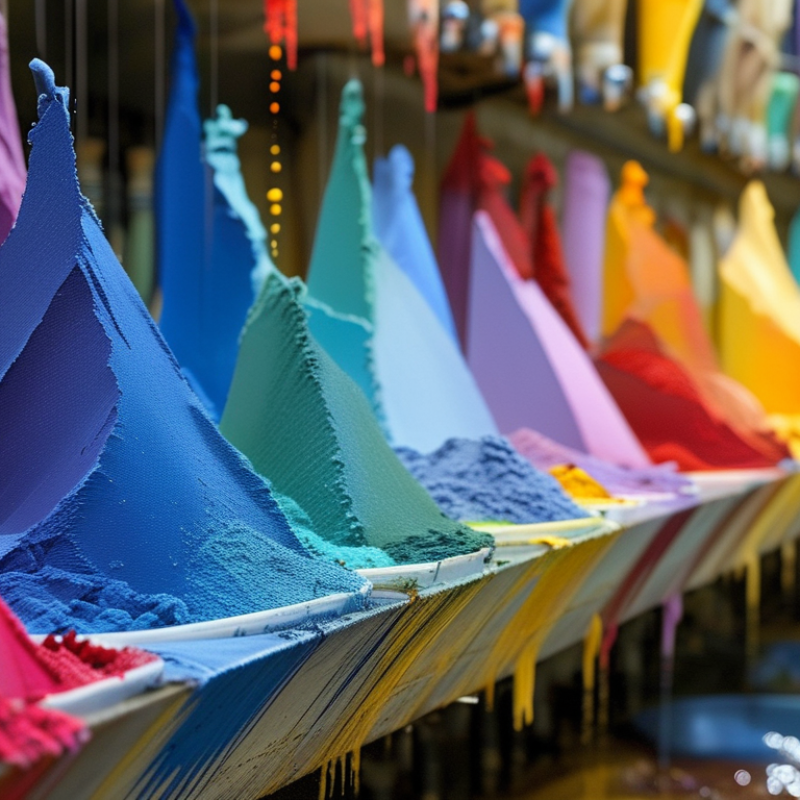
The milling dyes industry is diverse, featuring numerous key players with varying expertise. These companies significantly contribute to developing innovative dye solutions. From vibrant colors to lasting performance, they cater to different industrial needs, especially in textiles and plastics. The competition within the market drives continuous improvement, pushing businesses to adopt sustainable practices and enhance product quality.
However, the wide array of options can be overwhelming for buyers. Factors such as colorfastness, compatibility with materials, and environmental impact must be considered thoughtfully. Many companies struggle to balance quality and sustainability, revealing areas for improvement. There's a growing demand for dyes that not only perform well but also align with eco-friendly initiatives.
Industry leaders emphasize transparency in sourcing and production processes. This approach allows buyers to make informed choices. Trust in these key players is essential. Yet, consumers often face challenges due to inconsistent product quality across different manufacturers. The evolving landscape invites ongoing reflection on the need for standardization.
The global demand for milling dyes is witnessing significant growth in 2023. According to a recent market analysis by industry experts, the market is projected to expand at a compound annual growth rate (CAGR) of approximately 5.2%. This growth is driven by increased applications in textiles, food, and plastics.
One notable trend is the rising preference for eco-friendly milling dyes. Reports indicate that around 40% of buyers are actively seeking sustainable options. As industries face pressure to reduce their carbon footprint, the shift towards natural and biodegradable dyes is becoming apparent. This presents both challenges and opportunities for manufacturers. The need for innovation in this sector is critical.
Data from industry surveys show that regional demand varies significantly. For example, Asia-Pacific represents the largest market share, driven mainly by textile production. In contrast, Europe shows a growing interest in compliance with environmental regulations. Companies must navigate these diverse market trends to meet the evolving expectations of global buyers. Understanding local preferences is key to succeeding in the milling dye market.
Choosing the right milling dyes can be challenging. Performance and cost are critical factors for global buyers. Recent market analysis highlights that the demand for high-quality milling dyes has increased by 15% in the past year. Buyers are looking for dyes that not only enhance performance but also offer cost-effectiveness.
When evaluating milling dyes, consider their application in various industries. A dye that excels in one sector may underperform in another. It is essential to match specific dye properties with end-use requirements. Performance metrics such as color strength, heat stability, and light fastness should guide your choice. The cost varies widely depending on these characteristics. Budget constraints are real, and opting for a cheaper dye may lead to poor results.
*Tip: Always request samples before finalizing a purchase. This allows for on-site testing and ensures the dye meets performance expectations.*
As you dive into the market, be aware of the evolving trends. The shift towards sustainable practices is influencing dye production. Manufacturers are investing in eco-friendly processes, which can slightly increase costs. However, this aligns with a growing awareness of environmental impact.
*Tip: Do not hesitate to ask manufacturers about their sustainability initiatives. Understanding their approach can guide your decision.*
Sustainability is becoming crucial in the dyeing industry, especially for milling dyes. As awareness of environmental issues grows, many buyers are seeking eco-friendly alternatives. Reports indicate that the global eco-friendly dye market is projected to reach $5.5 billion by 2027, growing at a CAGR of 9.2%. This shift highlights a rising demand for sustainable options across various sectors.
Eco-friendly milling dyes reduce harmful chemical usage. They often derive from natural sources, minimizing environmental impact. A focus on renewable resources not only promotes sustainability but also enhances brand reputation. However, buyers should explore various certifications to ensure product reliability. Independent certifications can shed light on environmental claims.
Tips: Always research companies that prioritize eco-friendly practices. Check for certifications like Global Organic Textile Standard (GOTS) or OEKO-TEX. It's vital to verify sourcing and production methods. Strive for a balance between quality and sustainability. Remember, not all eco-friendly dyes perform equally. Adapting to sustainable practices may require reflection on current processes.
The future of milling dyes is promising, with numerous trends on the horizon. Sustainability is becoming a crucial factor. Many manufacturers are exploring eco-friendly alternatives to traditional dyes. This shift is driven by consumer demand for greener products. Biodegradable dyes are gaining attention for their environmental benefits. However, challenges remain in achieving cost-effectiveness and performance.
Another exciting trend is the integration of technology. Advances in dyeing processes are leading to improved efficiency. Automated systems can reduce waste and enhance product consistency. These innovations may support smaller businesses aiming to compete globally. Still, adapting to new technologies requires training and investment, which can be overwhelming for some.
Tips for buyers: always assess the durability of dyes. Check for certification in environmental standards. Experiment with small batches before full-scale production. Monitor industry news for emerging innovations. Remaining informed can help buyers make better decisions in this evolving market.
| Milling Dye Type | Color Range | Application Area | Market Demand (2025) | Innovative Features |
|---|---|---|---|---|
| Azo Milling Dyes | Brilliant Reds to Vivid Yellows | Textiles, Plastics | High | High color fastness, Eco-friendly variants |
| Reactive Dyes | Wide Spectrum of Colors | Cotton, Wool | Moderate to High | Excellent wash fastness, High stability |
| Disperse Dyes | Bright and Pastel Shades | Synthetic Fibers | Growing | Improved heat resistance, Eco-friendly options |
| Sulfur Dyes | Dark Shades | Denim, Heavy Fabrics | Stable | Cost-effective, Good light fastness |
| Pigment Dyes | Vibrant Colors | Coatings, Plastics | Increasing | High opacity, Non-toxic formulations |
: Consider colorfastness, material compatibility, and environmental impact. Each factor significantly influences dye performance.
Many buyers seek sustainable options to reduce their carbon footprint. Eco-friendly dyes align with environmental initiatives.
The market is projected to grow at a compound annual growth rate of approximately 5.2%. Increased applications drive this growth.
Companies struggle with balancing sustainability and quality. Many highlight the need for innovative solutions.
Performance metrics like color strength and heat stability are crucial. Cost varies widely and affects the final choice.
Transparency in sourcing helps buyers make informed decisions. Trust is vital, but inconsistent quality can create confusion.
Demand varies significantly by region. Asia-Pacific leads in textile production, while Europe focuses on environmental compliance.
No. Always request samples for on-site testing to ensure the dye meets performance expectations.
Customers should ask manufacturers directly. Understanding their eco-friendly processes can influence purchasing decisions.
Yes, while eco-friendly dyes may cost more, the benefits align with growing environmental awareness and customer expectations.
The article "Top Milling Dyes for Global Buyers to Choose From" provides a comprehensive overview of the milling dyes market, highlighting key players and their influence on industry dynamics. It explores the current global demand trends for milling dyes, supported by data from 2023, and offers a comparative review of the top milling dyes based on their performance and cost efficiency. Additionally, the article delves into sustainability in the milling dyes sector, discussing eco-friendly alternatives that are gaining traction among consumers and manufacturers.
Looking towards the future, the article predicts innovative trends in milling dyes, identifying potential advancements expected by 2025. This forward-looking perspective emphasizes the importance of adapting to market demands while considering environmental impacts, making sustainability a pivotal focus in the development of new milling dye solutions. Overall, the piece serves as a valuable resource for global buyers aiming to make informed decisions in the milling dyes market.

Sunrise