Top Leather Dyes for Global Buyers in 2026?

Time:2026-08-03 Author:Isabella
0%

In 2026, the global leather dyes market is expected to reach new heights. According to recent industry reports, the demand for eco-friendly and innovative leather dyes is rising. Brands are shifting towards sustainable practices. This change is driven by consumer preferences for environmentally conscious products. Leather dyes play a crucial role in this transition.

The leather dye industry is projected to grow significantly. A leading market analysis forecasts an increase in demand for premium-quality dyes. Competitive pricing and superior performance will be key factors. Buyers are more informed than ever, seeking reliable suppliers. The importance of regulatory compliance and sustainability cannot be overlooked. Companies must adapt to changing regulations.

While the leather dyes market presents opportunities, challenges exist. Not all suppliers comply with ethical practices. Quality discrepancies can affect production. Buyers should conduct thorough research. Transparency in sourcing and manufacturing processes is essential. Approaching the market with caution can yield positive results. The evolving landscape of leather dyes presents both potential and pitfalls for global buyers in 2026.
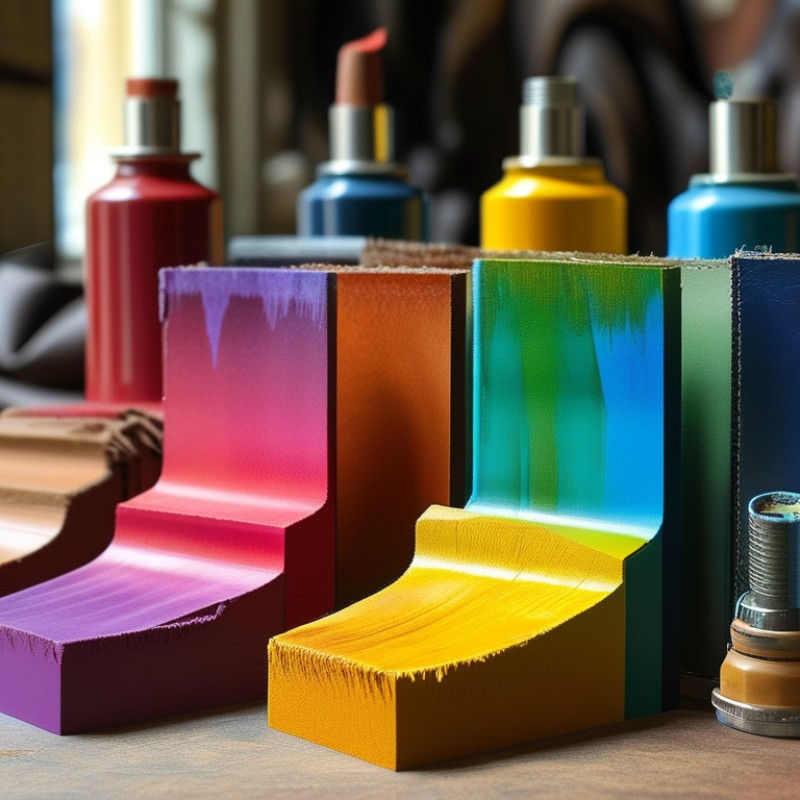
Top Leather Dyes for Global Buyers in 2026?

Market Overview of Leather Dyes: Trends and Innovations for 2026

The leather dye market is evolving rapidly, driven by innovation and sustainability. Recent reports indicate a significant increase in demand for eco-friendly dyes. In 2026, nearly 40% of the leather dye market is projected to comprise sustainable options. This trend reflects a growing awareness of environmental issues among manufacturers and consumers alike.

Formulation advancements are also noteworthy. Water-based dyes are gaining popularity due to their lower environmental impact. The global market for water-based leather dyes is expected to grow by over 25% between 2023 and 2026. However, challenges remain in achieving color vibrancy while maintaining sustainability. Manufacturers must balance eco-friendliness with performance, prompting ongoing research and development.

Consumer preferences are shifting towards multi-functional dyes. The desire for dyes that provide additional benefits, like UV protection, is on the rise. A study shows that around 30% of buyers prioritize added functionality in dye choices. This demand calls for manufacturers to adapt quickly and rethink traditional formulations. Stakeholders will need to keep a close eye on these trends to remain competitive in this dynamic market landscape.

Key Types of Leather Dyes: Analyzing Features and Applications

The leather dye industry is evolving rapidly. In 2026, global buyers will seek dyes that combine sustainability and performance. Among various types, water-based dyes and aniline dyes are gaining traction. Water-based dyes offer environmental benefits. Aniline dyes, known for their rich colors, enhance the natural grain of leather.

According to industry reports, the global leather dyes market is projected to reach $3.2 billion by 2026, with a compound annual growth rate (CAGR) of 5.1%. This growth is fueled by the booming footwear and automotive sectors. Water-based dyes are preferred for their lower environmental impact. However, they may not be as vibrant as solvent-based options. Aniline dyes provide a deep, expressive color but may raise durability concerns.

Consumer preferences shift toward eco-friendly products. Despite the appeal of water-based dyes, challenges exist in achieving consistent color quality. Many manufacturers face difficulties adapting to new formulations. Aniline dyes can also present issues with water resistance, prompting further research and innovation. Balancing environmental concerns and product performance remains a key focus for the industry.

Top Global Manufacturers of Leather Dyes: Who to Watch in 2026

As the global leather dye market evolves, several manufacturers are emerging as leaders. Their innovative approaches to dyeing techniques are noteworthy. These companies emphasize sustainability, focusing on eco-friendly materials to attract environmentally conscious consumers. This trend will likely continue into 2026, reshaping the market dynamics.

Industry experts point out that these manufacturers often struggle with maintaining consistent quality. Variability can occur due to sourcing issues or production challenges. Some firms are addressing this by investing in advanced quality control systems. Others are exploring new dye formulations to enhance color stability and brightness.

Many global players are also investing in research and development. This focus aims at creating more diverse dye options. However, challenges like cost and accessibility persist. Smaller manufacturers might find it difficult to compete without significant investment in innovation. As buyers look for reliable partners, these insights into the capabilities and challenges of top manufacturers become crucial when navigating the future of leather dyes.

Top Leather Dyes for Global Buyers in 2026

Dye Type Application Areas Market Share (%) Growth Rate (CAGR %) Key Regions
Aniline Dyes Footwear, Upholstery 25.0 5.5 North America, Europe
Pigment Dyes Automotive, Fashion 30.5 4.8 Asia-Pacific, Latin America
Reactive Dyes Clothing, Bags 20.0 6.0 Europe, North America
Solvent Dyes Footwear, Coatings 15.5 3.5 Asia-Pacific, Middle East
Natural Dyes Eco-friendly Products 9.0 8.0 Global

Sustainability Trends in Leather Dyeing: Environmental Considerations

The leather dyeing industry faces a crucial need for sustainability. Environmental concerns have prompted a shift towards eco-friendly dyes. Research shows that eco-conscious consumers now prefer products made using sustainable practices. The demand for cleaner processes is on the rise.

According to a report from the Leather Working Group, about 80% of consumers are willing to pay more for sustainably produced leather products. This statistic highlights the market potential for businesses that prioritize green practices. Water pollution from conventional leather dyeing presents a significant issue. Traditional methods often lead to toxic runoff, harming local ecosystems.

Emerging technologies are changing the landscape. Plant-based and synthetic dyes are gaining traction. These innovations demonstrate lower environmental impacts. However, challenges remain. Not all sustainable dyes provide the same level of colorfastness and durability. Manufacturers must continually refine their processes to balance sustainability and quality. This ongoing evolution is essential for future growth in the leather dye industry.

Emerging Markets for Leather Dyes: Opportunities and Challenges Ahead

Emerging markets for leather dyes present a complex landscape in 2026. Research suggests that the global leather dyes market is set to grow substantially, projected to reach $3.1 billion by 2026. Rapid urbanization in regions like Southeast Asia and Africa is driving demand for leather products. However, there are significant hurdles.

Quality control is critical but often inconsistent in these markets. Low-cost production can mean compromising on dye quality. A report from the Global Leather Chemicals Association highlights that 30% of suppliers in emerging markets fail to meet international standards. This raises concerns about sustainability and environmental impact.

Opportunities exist for companies that can adapt to local needs while maintaining quality. Education about safe and eco-friendly dye practices is paramount. Collaborations with local producers could mitigate challenges. The balance between cost and quality will be critical as demand swells. Adapting to regulations will also be essential, as many emerging markets tighten their environmental laws.

Top Leather Dyes Markets in 2026

This chart illustrates the forecasted demand for leather dyes across various emerging markets in 2026, highlighting both opportunities and challenges in each region.

FAQS

: What are the key trends in the leather dye market for 2026?

: The market is shifting towards sustainability. Eco-friendly materials are gaining popularity among consumers.

How do manufacturers address quality issues?

Many invest in advanced quality control systems. Others explore new dye formulations for better stability.

Why is sustainability important in leather dyeing?

Consumer demand for eco-friendly products is increasing. Sustainable practices can help reduce pollution and environmental harm.

What percentage of consumers are willing to pay more for sustainable leather?

About 80% of consumers are open to paying higher prices. This shows strong market potential for green products.

What challenges do emerging markets face in leather dyeing?

Quality control is often inconsistent in emerging markets. Many suppliers fail to meet international standards.

How can companies adapt to opportunities in emerging markets?

They can educate local producers on eco-friendly practices. Collaborations with local firms could enhance quality and sustainability.

What issues do traditional dye methods cause?

They often lead to toxic runoff. This poses risks to local ecosystems and communities.

Are all sustainable dyes equal in quality?

No, some sustainable dyes lack colorfastness and durability. Continuous refinement in manufacturing is essential.

What is a significant environmental concern in leather dyeing?

Water pollution is a major issue. Conventional methods contribute to harmful runoff affecting the environment.

How does urbanization impact leather dye demand?

Urban growth in areas like Southeast Asia increases the need for leather products. This drives demand for dyes as well.

Conclusion

The article "Top Leather Dyes for Global Buyers in 2026" explores the current landscape of leather dyes, highlighting emerging trends and innovations expected in the industry by 2026. It examines the key types of leather dyes available in the market, focusing on their unique features and applications across various sectors. Furthermore, the article sheds light on sustainability trends in leather dyeing, emphasizing the importance of environmentally friendly practices and the ongoing push for reducing ecological impact.

Additionally, the piece identifies top global manufacturers of leather dyes to keep an eye on in the coming years while discussing the opportunities and challenges presented by emerging markets. As the demand for leather dyes continues to evolve, this article serves as a comprehensive guide for global buyers seeking to navigate the complexities and advancements in this dynamic market.


Isabella

Isabella

Isabella is a dedicated marketing professional with a sharp focus on driving brand growth and engagement through strategic content creation. With an extensive background in digital marketing, she combines her passion for storytelling with her keen understanding of industry trends to deliver......