Why Red Dyes Are Popular in Food and Cosmetics Today?

Time:2026-06-25 Author:Mason
0%

The popularity of red dyes in food and cosmetics has surged in recent years. According to a report by MarketsandMarkets, the global food colorants market is projected to reach $3.2 billion by 2025. Red dyes, in particular, are favored for their vibrant hues and ability to enhance product appeal. Industry expert Dr. Emily Chen states, "Red dyes are not just about color; they evoke emotions and drive consumer choices."

However, the use of red dyes is not without controversy. Some consumers express concerns about artificial additives. In a 2022 survey by Consumer Reports, 35% of participants stated they prefer natural ingredients over synthetic ones. Amid growing demand for clean-label products, companies must balance aesthetic appeal with consumer preferences.

The market landscape remains complex. As companies innovate with plant-based alternatives, they face the challenge of maintaining color consistency. It's crucial for the industry to adapt to changing perspectives on health and safety. Understanding these dynamics will be vital for brands seeking to thrive in a competitive marketplace driven by consumer awareness.
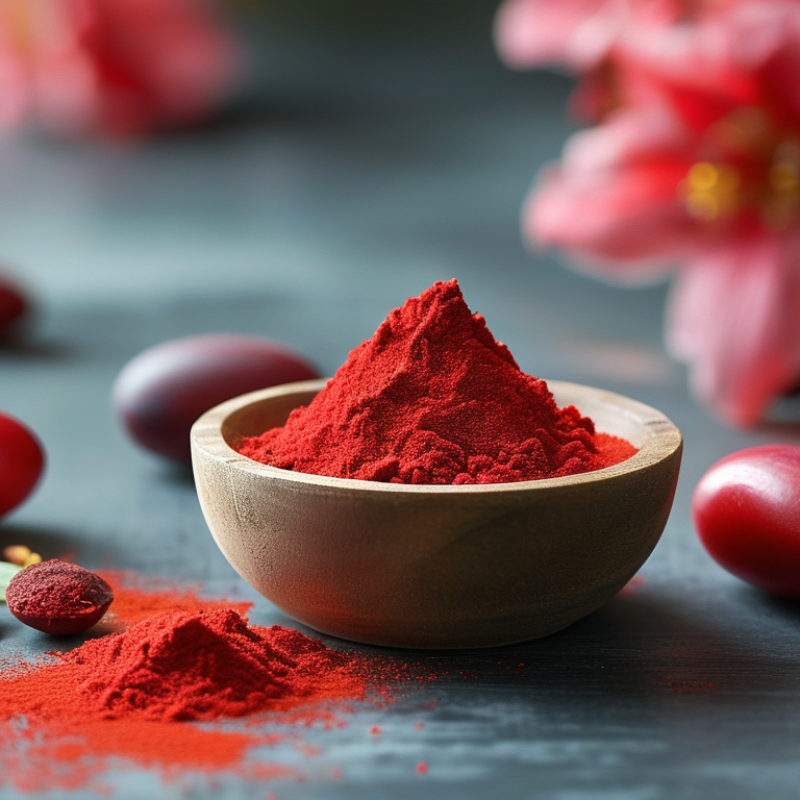
Why Red Dyes Are Popular in Food and Cosmetics Today?

Popularity of Red Dyes in Food and Cosmetics: An Overview

Red dyes have gained immense popularity in food and cosmetics for various reasons. Their vibrant hue attracts consumers, adding visual appeal to products. Research shows that people are drawn to bright colors. Red, in particular, is often associated with excitement and energy, making it a favored choice in marketing.

In food, red dyes enhance the appearance of products, making them more appetizing. For example, red candies and sauces catch the eye and prompt purchases. These dyes come from both natural sources, like beetroot, and synthetic options. However, the debate over safety continues. Some consumers are concerned about potential health impacts. This raises critical questions about ingredient transparency.

In cosmetics, red pigments are crucial for creating alluring shades. From lipsticks to blush, they provide a wide range of options. Yet, the sourcing and manufacturing processes remain complex. Some dyes can cause allergic reactions in sensitive individuals. This leads to a need for more effective regulation and clear labeling. It's essential to balance aesthetics with safety and to consider consumer awareness in the ongoing conversation about red dyes.

Historical Context of Red Dyes in Consumer Products

Red dyes have a long and vibrant history in consumer products. Traditionally, they were sourced from natural materials like insects and plants. These natural origins provided unique shades. Over time, synthetic dyes emerged, offering more consistency and a wider color palette. This shift changed how red hues were used in food and cosmetics. The development of synthetic red dyes improved production efficiency. It also broadened accessibility.

The use of red dyes has cultural significance, often symbolizing excitement and passion. In ancient civilizations, red was associated with power. It attracted attention and evoked strong emotions. Today, red dyes continue to be popular for their visual appeal. However, consumers are becoming more aware of the potential health impacts. Choosing natural alternatives is not just a trend; it’s a reflection of growing health consciousness.

Tips: When selecting products, look for those with natural colorings. This avoids synthetic chemicals. Also, researching ingredients helps you make informed decisions. Remember, not all red hues are safe. Staying informed ensures better choices.

Health Implications and Safety Regulations of Red Food Colorants

Red food colorants are widely used today, but their safety remains a concern. Regulations surrounding these dyes vary significantly. In the United States, the FDA permits certain synthetic red dyes, while many countries have stricter rules. Some studies suggest a link between red dyes and hyperactivity in children. This raises questions about their widespread use.

The health implications of red dyes can be complex. Artificial colorants might cause allergic reactions in sensitive individuals. Many consumers are becoming more aware of these risks and prefer natural alternatives. However, natural red pigments, like beet or paprika, may not always provide the same vibrancy. This presents challenges for manufacturers aiming for eye-catching products.

Safety regulations focus on ensuring minimal health risks. The testing process can be rigorous, yet it is not perfect. Some studies may not fully address long-term effects. This uncertainty should prompt consumers to be cautious. Increased transparency from manufacturers about their ingredients can empower healthier choices. Awareness and education are essential in navigating the world of food colorants.

Market Trends: The Growing Demand for Natural Red Dyes

The demand for natural red dyes is on the rise. Consumers are becoming more conscious of what they eat and apply on their skin. They seek products that are not only safe but also derived from natural sources. This shift is reflected in the food and cosmetics industry, where synthetic dyes are increasingly viewed with skepticism.

Natural red dyes, sourced from beetroot or other plants, are gaining attention. These dyes offer vibrant colors along with health benefits. For instance, beetroot contains antioxidants, appealing to health-oriented consumers. However, the extraction process can be complex and costly. Not every company can ensure a steady supply of these natural options. This challenge raises questions about affordability and accessibility.

While the popularity of natural red dyes is growing, concerns about consistency remain. Natural dyes can vary in shade and intensity. This unpredictability is frustrating for manufacturers. They must balance aesthetic appeal and cost-effectiveness. Innovations in extraction methods are needed to improve quality and reliability. The path ahead is filled with potential but requires careful consideration of various factors.

Consumer Preferences: The Influence of Red Dyes on Purchasing Decisions

Red dyes have become a staple in both food and cosmetics. Their vibrant hues attract consumers, making products visually appealing. Many people associate bright colors with freshness and flavor. This perception influences buying choices significantly. When shopping, consumers often reach for items that stand out on the shelf.

However, the popularity of red dyes also raises questions. Some consumers express concern about potential health effects. There is ongoing debate about the safety of synthetic colors. This uncertainty can lead consumers to rethink their choices. While red dyes can enhance appearance, the thought of hidden risks might deter some.

The connection between color and psychology is well-documented. Red is often linked to excitement and appetite. This association may drive purchases in various sectors. Yet, marketers must balance attractiveness with transparency. Educating consumers on ingredients can foster trust. As awareness grows, the long-term impact on purchasing decisions remains to be seen.

FAQS

: What are red dyes made from?

: Red dyes were traditionally made from insects and plants. Now, many are synthetic.

Why do consumers prefer natural red dyes?

Many consumers choose natural dyes to avoid synthetic chemicals. Health concerns drive this preference.

What health risks are associated with synthetic red dyes?

Some studies link synthetic red dyes to hyperactivity in children. Allergic reactions can occur in sensitive individuals.

How do red dyes influence consumer choices?

Bright red colors attract attention and can imply freshness. This visual appeal often drives purchasing decisions.

Are there safety regulations for red dyes?

Yes, safety regulations vary globally. The FDA approves some synthetic dyes, while other countries have stricter rules.

Can natural red dyes match the vibrancy of synthetic ones?

Natural dyes like beet or paprika may lack vibrancy compared to synthetic options. This poses challenges for manufacturers.

What should consumers research when buying products with red dyes?

Consumers should check for natural colorings and learn about ingredient safety. Staying informed enables healthier choices.

Is the testing for red dyes foolproof?

No, testing is rigorous but not perfect. Some long-term effects of red dyes are still unclear.

How does color psychology relate to red dyes?

Red is linked to excitement and appetite, influencing consumer behavior across different products.

Why is transparency from manufacturers important?

Transparency fosters trust and educates consumers. Awareness helps them navigate choices regarding red dyes.

Conclusion

The use of red dyes in food and cosmetics has become increasingly popular due to their vibrant appearance and ability to enhance visual appeal. Historically, red dyes have played a significant role in consumer products, evolving from natural sources to synthetic options. However, concerns regarding health implications have led to the establishment of safety regulations, ensuring that these additives are safe for consumption and use.

Market trends indicate a rising demand for natural red dyes, as consumers become more conscious of ingredient sourcing. This shift is reflected in purchasing decisions, where the presence of appealing red hues influences consumer preferences. Overall, red dyes remain a crucial aspect of product formulation in the food and cosmetics industries, balancing aesthetic appeal with health considerations.


Mason

Mason

Mason is a seasoned marketing professional with a deep expertise in the company's offerings and a passion for driving brand awareness. With a strong background in digital marketing strategies, he has an innate ability to connect with diverse audiences and effectively communicate product benefits.......