Choosing Cushing Acid Dyes in 2026 is less about finding the brightest packet and more about matching dye, fiber, and process. Wool, silk, and other protein fibers can respond differently to the same shade. A small test skein often reveals more than a color chart: note the water temperature, acidity, dye amount, and time, then compare the dried sample in daylight.
One limitation matters: no source or expert name was provided, so I can’t responsibly invent a quotation or attribute one to a real specialist. A sound working principle is: “Test the fiber and process before committing the full piece.” Simple, but useful.
This guide will examine shade range, application method, consistency, packaging, and practical value. It will also distinguish a product’s stated features from results that depend on your fiber, water, and technique. Keep a notebook nearby. A few measured notes can help explain why one batch turns clear and even while another looks unexpectedly muted.
There is no universal best dye. The right choice depends on the project, the desired color, and the maker’s comfort with the process. Even careful tests have limits; larger batches may behave differently. The aim is not a perfect promise, but a more informed choice.
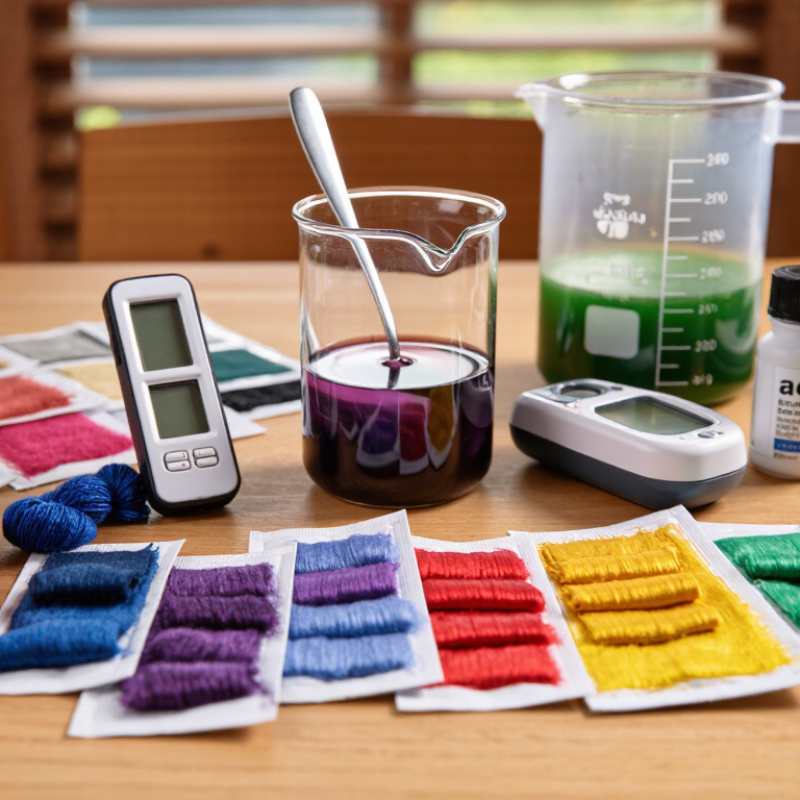
Cushing acid dyes are water-soluble dyes designed mainly for protein fibers, including wool and silk. Nylon can also take acid dyes, though results vary with the fiber and dye formulation. In practice, dyers use them for yarn, fabric, and small textile projects where clear, saturated color is wanted. An acidic dye bath helps the color bond to suitable fibers. The exact acidity, temperature, and dyeing time depend on the product instructions. Small tests matter.
A skein of wool may look evenly colored while still damp, then dry with pale patches near tight twists. A labeled sample helps compare shades and records the fiber, bath conditions, and rinse results. For useful color choices, consider the project’s desired depth, available fiber, and expected washing or light exposure. Some shades may behave differently from others. That can be frustrating. Check product-specific guidance instead of assuming every acid dye works alike. A cautious dyer might start with a small, weighed sample, use clean equipment, and avoid changing several bath conditions at once. Even careful notes are imperfect, but they make the next batch easier to assess.
Acid dyes work best when the dye class matches both the fiber and the job. Wool and silk usually take acid dyes well; nylon can also be dyed, but its uptake varies with fiber finish and construction. Leveling types suit pale, even shades and fabrics that need smooth color distribution. Milling or supermilling types are often better for deeper shades where wet fastness matters. The right choice depends on the actual yarn, not just the label. Test a swatch first.
Textile Exchange’s Materials Market Report 2024 estimates that global fiber production reached 124 million tonnes in 2023, with polyester accounting for about 57 percent. That scale matters: acid dyes are not a general solution for every textile. Polyester typically requires disperse dyes, while cotton usually calls for other dye classes. Match the dye to the fiber before comparing shade cards. For a wool scarf, check for levelness and wash performance; for nylon hosiery, assess shade consistency and abrasion resistance. A small trial can reveal uneven uptake that a chart misses. I would not treat the report’s production figures as a dyeing recipe; they show why fiber identification is a practical first step.
How to Choose the Best Cushing Acid Dyes in 2026?
Comparing Color Strength, Shade Range, and Performance
Choosing a Cushing acid dye starts with the fiber, not the color chart. Acid dyes are commonly used on wool, silk, and nylon, but suitability depends on the specific dye and material. Compare color strength using equal dye weights, bath volumes, temperatures, and pH levels. Otherwise, a darker swatch may reflect the recipe, not a stronger dye. Small tests matter.
Shade range is more than the number of colors on a chart. Look for clear samples across yellows, reds, blues, and deep neutrals, along with useful mixing guidance. Check whether the range offers genuinely distinct shades rather than many similar tones. A paper chart can mislead. Fiber texture, preparation, and lighting can shift color, so view dried samples in daylight and indoor light. Record each formula, even when the result seems obvious.
Judge performance after rinsing and washing, not only in the dye bath. Compare levelness, color build-up, wet handling, and shade changes under the care conditions the textile will face. Follow the technical sheet for pH, temperature, and safety precautions; small changes can affect results. A simple scorecard helps. Still, no single test predicts every workshop or production batch. Recheck the actual fiber lot, and note uneven patches rather than overlooking them.
How to Choose the Best Cushing Acid Dyes in 2026?
Checking Safety, Compatibility, and Product Quality
Choosing a dye starts with the workroom, not the color chart. Read the current safety data sheet and confirm the required gloves, eye protection, and ventilation. Powder can become airborne during weighing. Keep containers closed, and follow the product’s handling and disposal instructions. A reassuring label is not a substitute for safe practice.
Compatibility depends on the fiber and process. Check whether the dye suits wool, nylon, silk, or your specific material, then compare its recommended pH and temperature with your equipment. Water hardness and finishing auxiliaries can shift the shade. Test a small swatch first. Small differences matter. Record the recipe, bath temperature, and rinse conditions so results can be repeated.
Product quality needs more than a bright sample. Review batch documentation for color strength, solubility, and relevant fastness data, such as wash or light resistance. Ask whether the tested sample comes from the same production lot you plan to buy. It is easy to overvalue one successful swatch; it may not predict a larger run. Repeat the trial if the shade or levelness matters. A modest inconsistency in testing can reveal a real process issue.
| Evaluation dimension | What to check | Useful evidence or test | Selection guidance |
|---|---|---|---|
| Fiber suitability | Confirm the dye is specified for the actual substrate. Acid dyes are commonly used on wool, silk, and polyamide (nylon); suitability depends on the dye and process. | Technical data sheet (TDS), fiber-specific recipe, and a lab-dyed sample using the production substrate. | Do not assume a dye suitable for wool will give the same shade or performance on nylon or silk. |
| Dye class and application conditions | Identify the dye type and its recommended pH, temperature, heating rate, and addition sequence. Leveling, milling, and metal-complex acid dyes can have different application behavior. | Product-specific TDS and a controlled bath trial; record bath pH and temperature through the process. | Use the supplier’s stated recipe rather than applying one acid-dye recipe to every product. |
| Compatibility and shade matching | Check whether dyes in a blend have compatible exhaustion, application conditions, and shade build-up. Test for uneven dyeing, shade shifts, and interaction with auxiliaries. | Small-scale combination trial under the intended recipe; compare the dried sample with the approved standard under consistent lighting. | Approve combinations based on trial results, not shade names or color-card appearance alone. |
| Leveling and reproducibility | Assess shade uniformity, migration, batch-to-batch consistency, and sensitivity to process changes. | Repeat lab dyeings and production-scale trials; compare color values using an agreed color-measurement method and tolerance. | Set acceptance limits with the dyehouse or buyer; there is no single universal tolerance for every product. |
| Fastness requirements | Match washing, rubbing, and light fastness to the end use. Performance varies by dye, shade depth, fiber, after-treatment, and test conditions. | Test the dyed material against the buyer’s specification. Common methods include ISO 105-C06 for washing, ISO 105-X12 for rubbing, and ISO 105-B02 for light fastness. | Request results for the relevant shade and substrate; do not treat a general product claim as a guarantee for every application. |
| Product quality and handling | Review appearance, solubility or dispersibility as specified, packaging integrity, shelf-life guidance, and consistency between lots. | Current TDS, certificate of analysis (where available), lot identification, storage instructions, and incoming inspection records. | Follow the stated storage conditions and use a retained sample to investigate any lot-to-lot shade or processing difference. |
| Worker safety | Review hazard classification, exposure controls, personal protective equipment, first aid, and spill-handling instructions. | A current safety data sheet (SDS) for the product and destination market, plus workplace risk assessment and training. | Use the SDS and site procedures; do not infer that a dye is hazard-free from its intended textile use. |
| Restricted substances and environmental controls | Check applicable customer and regulatory restrictions. For metal-complex dyes, verify relevant metal content and wastewater requirements rather than assuming all products have the same composition. | Product-specific declarations or test reports where required, applicable restricted-substance list, and facility wastewater controls. | Confirm requirements for the product’s destination and end use; an SDS alone does not establish compliance with every restricted-substance standard. |
Note: Application conditions and performance are product-specific. Verify all recipes, safety information, and claims against current product documentation and trials on the intended material.
When choosing Cushing acid dyes in 2026, test samples on the actual fiber and production equipment. Lab results can shift with water hardness, bath pH, temperature, and fabric pretreatment. Dye small swatches in duplicate, then compare shade depth, leveling, and color after rinsing. Keep a written record of each setting. Small differences matter. A sample may look even when wet, then show streaks after drying.
Tips: Request a sample, technical data sheet, safety data sheet, and batch-specific certificate of analysis. Test wash and light fastness against your application needs. Check the dye’s behavior at your intended pH and temperature, not only the supplier’s suggested conditions. One test is not enough.
A reliable supplier should explain specifications clearly, identify batch numbers, and provide consistent documentation with each order. Ask how they control lot-to-lot shade variation and what support they offer when a trial fails. Compare response times and the clarity of their answers, not just price. Keep a retained sample from each approved batch for later comparison. Even careful tests have limits; a short trial may not reveal problems that appear on a full production run.
They are mainly used on wool and silk. Nylon may also work, but results vary by fiber and formulation.
Fiber, water hardness, bath pH, and temperature can change the shade. Small differences matter.
Tight twists may hide pale patches while wet. Compare the fully dried yarn before judging levelness.
Read its current safety data sheet and product instructions. Use the listed gloves, eye protection, and ventilation.
Review color strength, solubility, and relevant wash or light fastness data. Confirm the documents match the batch you plan to use.
Ask for a sample, technical data sheet, safety data sheet, and batch-specific certificate of analysis.
Test duplicate swatches on your actual fiber and equipment. Record pH, temperature, recipe, rinsing, and shade depth.
Not reliably. A short trial may miss larger-run problems, so retain an approved sample and repeat tests when consistency matters.
Choosing the best Cushing Acid Dyes in 2026 starts with understanding how they work and where they are commonly used. The right option depends on the fiber being dyed and the intended result, since different dye types can vary in suitability for particular materials and applications. Consider how well each product matches your project’s needs before comparing color strength, available shades, and performance factors such as consistency and durability.
Safety, material compatibility, and overall product quality are also important when evaluating Cushing Acid Dyes. Review available product information and test small samples to assess the shade and performance on your chosen fiber before making a larger purchase. Finally, select a reliable supplier that can provide clear specifications, consistent quality, and useful support. Taking these steps helps you make an informed choice and achieve results that suit your materials and goals.

Sunrise