In the dynamic landscape of the pigment dyes industry, choosing the right dye is critical for business success. The global pigment dyes market is projected to reach $4.1 billion by 2026, according to a recent report by Research and Markets. This growth highlights the importance of selecting high-quality pigment dyes. Industry experts emphasize the need for careful selection based on application and performance.
John R. Smith, a renowned expert in pigment chemistry, states, "The right selection of pigment dyes can significantly impact product quality and marketability." His insight reminds us that despite advancements, the decision-making process in choosing appropriate pigment dyes can often feel overwhelming. Each dye possesses unique characteristics that affect application performance.
Moreover, businesses must reflect on their specific needs. The industry landscape reveals that not all dyes are equal. Variations in lightfastness, solvent stability, and environmental considerations can complicate choices. Reflection on these elements can lead to more informed decisions. Understanding these details can enhance product quality and customer satisfaction in the competitive market of pigment dyes.
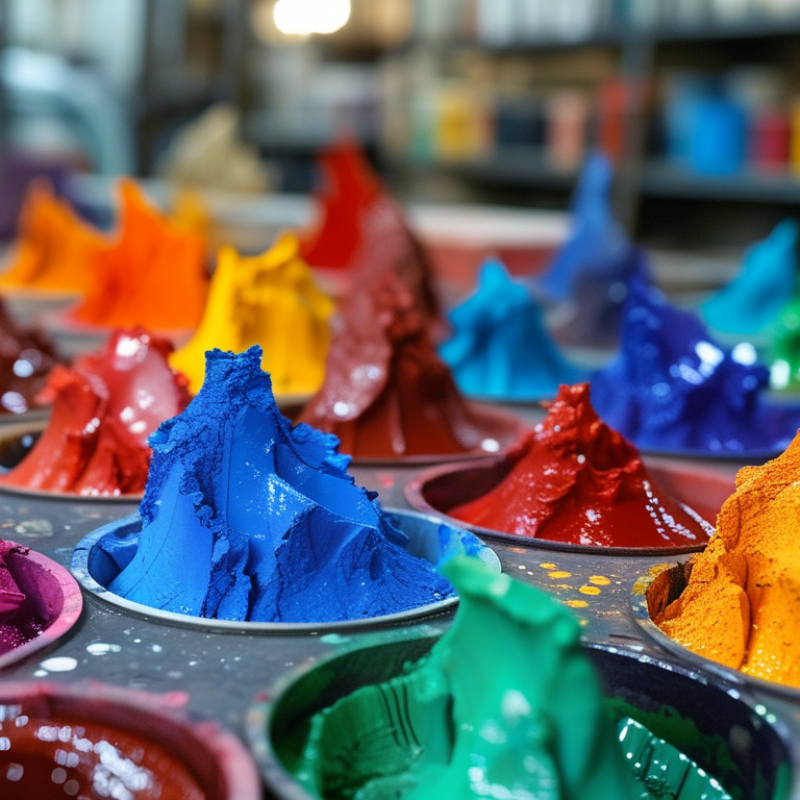
Pigment dyes are essential in various industries, including textiles, cosmetics, and art. Understanding their types and properties can guide your selection process. These dyes vary widely in their chemical structures and stability. Some are organic, while others are inorganic. Each type offers different levels of vibrancy and UV resistance.
One key aspect of pigment dyes is their solubility. Many are insoluble in water, requiring specific mediums for application. For example, oil-based mediums can enhance the adhesion of certain pigments. A pigment that works well in one medium may not perform equally in another. This inconsistency raises concerns for businesses looking to maintain quality.
Consider durability when selecting pigments. Some dyes fade faster due to environmental exposure. Testing and experimentation can reveal which pigments provide long-lasting results. In practice, discovering the right balance between vibrancy and stability often requires trial and error. Companies must be adaptive and flexible in their approaches. Testing various combinations might lead to unexpected but valuable insights.
When selecting pigment dyes, evaluating color fastness is crucial. Color fastness refers to a dye's resistance to fading or washing out. This characteristic is essential for businesses, especially if the products will face daily use or exposure to sunlight. Testing color fastness involves several methods, including wash tests and light exposure. Each test reveals how the dye interacts with water and UV rays over time.
Understanding the environment where the dyed materials will be used is essential. For fabric intended for outdoor use, a high level of lightfastness is vital. Likewise, items washed frequently require robust wash fastness. However, results may vary, and not all pigment dyes perform equally well under different conditions. Seeking third-party testing can add credibility and ensure reliable results.
Consider the intended market and buyer expectations. Customers expect vibrant colors to maintain their appeal. Yet, some businesses overlook this aspect during dye selection. A dye may appear beautiful initially but fade quickly under normal conditions. Businesses should personalize their testing to align with real-world applications, rather than relying on generalized data. This approach not only enhances product quality but also builds trust with consumers.
| Color Name | Color Code | Light Fastness | Washing Fastness | Cost per Kilo ($) |
|---|---|---|---|---|
| Brilliant Blue | PB15:3 | 8 | 5 | 25 |
| Vibrant Red | PR246 | 7 | 4 | 30 |
| Golden Yellow | PY150 | 6 | 5 | 20 |
| Deep Green | PG7 | 8 | 6 | 28 |
| Charcoal Black | PBk7 | 9 | 7 | 15 |
When selecting pigment dyes, assessing their compatibility with your materials is crucial. Different substrates react uniquely with pigments. A dye that works well on one type of fabric may not yield the same results on another. Factors such as texture, absorption rates, and chemical properties play a significant role in determining compatibility.
Understanding the interaction between pigment dyes and materials can enhance your products. For instance, natural fibers often absorb pigments differently compared to synthetic ones. This means you may face unexpected issues like fading or uneven coloration when using the same dye across various materials. Experimenting with small samples can save time and resources.
Tips: Always conduct compatibility tests before large-scale applications. Document your findings to track which combinations yield the best results. Consider the environmental impact of your chosen dyes as well. Switching to eco-friendly options may not only help the planet but can also appeal to consumers seeking sustainable choices.
When selecting pigment dyes for your business, cost and availability are critical factors. A thorough understanding of market prices can prevent overspending. Many suppliers offer different price points based on quality and volume. Finding the right balance between cost and performance can be challenging. It’s essential to analyze the specific requirements of your projects to ensure you are making informed decisions.
Availability is another vital aspect. Some pigments may be easy to source, while others might have limited supply. Building relationships with multiple suppliers can enhance options and security. However, this can lead to inconsistencies in quality. Tracking market trends is necessary to avoid delays. Understanding seasonal fluctuations can help maintain a steady production flow. Remember, sometimes a bargain can come with hidden costs. Always weigh the long-term effects against the initial savings, as this can shape the future success of your operations.
When choosing suppliers for pigment dyes, quality control is crucial. Not all suppliers offer the same level of reliability. It's essential to evaluate their production methods and ingredient sourcing. Look for transparency in their processes. This helps ensure consistent quality in your products.
Tips: Always request samples before making a bulk order. Test these samples under your specific conditions. This can highlight any shortcomings in colorfastness or vibrancy. Establishing a good relationship with suppliers can also yield better communication regarding quality issues.
Monitoring your suppliers regularly is vital. If you notice any changes in product quality, address them immediately. Regular audits can help ensure that suppliers maintain their standards. Sometimes, trusting a supplier blindly can lead to significant pitfalls. Keep a close eye on their practices to safeguard your business’s reputation.
: Pigment dyes are used in textiles, cosmetics, and art. They come in various types and properties.
Many pigments are insoluble in water, needing specific mediums for application. This impacts their performance.
Evaluate suppliers for reliability. Check their production methods and ingredient sourcing for transparency.
Always request samples before ordering. Test them under your specific conditions for quality assurance.
Regularly monitor suppliers and conduct audits. Address any changes in product quality immediately.
Some pigments fade quickly from environmental exposure. Test for long-lasting results through experimentation.
Yes, finding the right balance between vibrancy and stability often requires testing various combinations.
Establish a strong relationship with suppliers. This will help in addressing quality issues more effectively.
Blind trust can lead to serious pitfalls. Always monitor their practices and delivery closely.
Not testing can reveal shortcomings later, affecting vibrancy and colorfastness in final products.
Choosing the best pigment dyes for your business requires a thorough understanding of their types and properties. It’s essential to evaluate the color fastness of pigment dyes, as this directly affects the longevity and appeal of your products. Additionally, assessing the compatibility of pigment dyes with various materials ensures that the dyes perform well in your specific applications.
Cost and availability are critical factors to consider when selecting pigment dyes, as they impact your overall budget and supply chain management. Lastly, choosing reliable suppliers and implementing quality control measures are vital to maintain the integrity of your products. By focusing on these aspects, you can make informed decisions that will enhance the quality and competitiveness of your offerings in the market.

Sunrise