2026 How to Choose the Best Wood Dyes for Your Projects?

Time:2026-06-25 Author:Amelia
0%

Wood dyes are essential in enhancing the beauty of wooden projects. They can bring out the natural grain and color of different types of wood. Choosing the right wood dye can be overwhelming with so many options available. It’s crucial to consider factors like colorfastness, application method, and compatibility with your wood type.

Understanding the different types of wood dyes is vital. Some dyes are water-based, while others are solvent-based. Each has unique properties and uses. Water-based dyes tend to be easier to clean and offer a quick drying time. However, solvent-based dyes often provide richer colors and better penetration.

Selecting the best wood dyes requires careful thought. You'll need to reflect on your project’s needs and your desired outcome. Don't be afraid to experiment. Testing various dyes on scrap pieces can reveal surprising results. Remember that even the most experienced craftsmen sometimes struggle with color matching. Each dye interacts differently with wood, creating a unique finish every time.
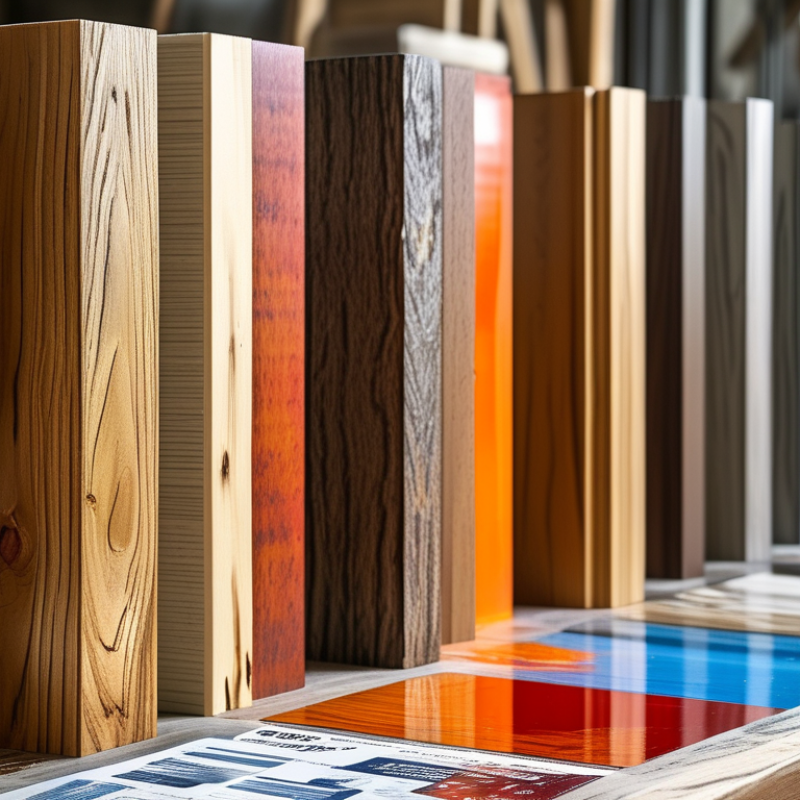
2026 How to Choose the Best Wood Dyes for Your Projects?

Choosing the Right Type of Wood Dye: An Overview of Options

When choosing wood dyes for your projects, understanding the options is crucial. There are primarily two types: water-based and solvent-based dyes. Water-based dyes are user-friendly. They dry quickly and are less toxic. Solvent-based dyes offer deeper penetration, resulting in vibrant colors. However, they can emit strong fumes. Each has its merits and drawbacks.

Consider the type of wood you are working with. Different woods absorb dyes differently. Softwood, for example, absorbs color more evenly than hardwood. Then there's the aspect of finish. The final appearance can vary depending on whether you apply a stain or varnish afterward. Testing on a scrap piece helps to visualize the outcome.

Another factor is the colorfastness of the dye. Some dyes fade quicker than others, especially in sunlight. If you're creating a piece meant for outdoor use, this is essential to consider. Living with imperfect results can be frustrating. It’s tough to gauge how a specific dye will hold up over time. Keep a notebook of your dye experiments to refine your choices for future projects.

Understanding Wood Dye Composition: Water-Based vs. Oil-Based Dyes

Choosing the right wood dye can significantly impact your project. Understanding the differences between water-based and oil-based dyes is crucial. Water-based dyes are easy to clean up and dry quickly. They also provide less odor during application. In contrast, oil-based dyes offer deeper penetration into the wood. This can lead to richer color and more durability. According to a Woodworking Journal study, oil-based dyes are preferred by 70% of professionals for long-lasting finishes.

Tips: Consider using water-based dyes for indoor projects. They can minimize fumes and make indoor use safer.

Each type of dye has its strengths and weaknesses. Water-based dyes may raise the grain of the wood, requiring additional sanding. Oil-based alternatives can take longer to dry and may require more ventilation while applying. A survey conducted by the American Woodworking Association found that 56% of woodworkers faced challenges in achieving the desired finish due to improper dye choice.

Tips: Test your dye on scrap wood before application. It helps in visualizing the final color and finish.

Evaluating Colorfastness: Importance of Lightfastness and Washability

When it comes to wood dyes, colorfastness is a crucial factor. Lightfastness refers to how well a color resists fading when exposed to light. Wood projects often reside in sunny spots, making this quality essential. Forgetting to check for lightfastness can lead to disappointing results. If a dye fades, your hard work goes to waste.

Washability is equally important. Some dyes may look vibrant but lose their color after a wash. This is particularly significant for items that may get wet or need cleaning. Imagine staining a beautiful wooden table, only to see the color run off during the first cleaning. Testing the washability can save future heartaches.

It is wise to conduct small tests before committing to large projects. Apply the dye in a less visible area first. Observe how it reacts to light and water. If your first choice doesn’t hold, learning from this misstep helps refine your selection. Experimentation can be messy, but it leads to a more reliable process. Choosing the right dye requires patience and a willingness to navigate imperfections.

2026 How to Choose the Best Wood Dyes for Your Projects?

Application Techniques: Best Practices for Even Dyeing on Wood

Even dyeing on wood can seem daunting. However, using the right techniques can simplify your projects. Preparation is key. Sand the wood properly to create a smooth surface. Uneven surfaces can lead to blotchy results. Test your dye on a scrap piece first. This helps you understand how the wood absorbs color.

When applying dye, use a good-quality brush or foam applicator. Dip your brush lightly and avoid overloading it. This minimizes drips and streaks. Apply the dye in long, even strokes. Work with the wood grain to enhance its beauty. It may take practice to achieve the desired results. Don’t hesitate to adjust your technique or tools.

Consider ambient conditions. Humidity and temperature can affect drying times. If the environment is too dry, your dye may dry too quickly. This can lead to unintentional streaks. Keep a wet edge while applying. This helps ensure a smooth finish. Leave some time for reflection during the process. Sometimes, stepping back allows you to see where adjustments are needed.

Safety Considerations: Handling and Applying Wood Dyes Responsibly

When working with wood dyes, safety should be a top priority. It is vital to handle and apply these products responsibly. Many wood dyes contain hazardous chemicals that can cause skin irritation or respiratory distress. A study published by the American Industrial Hygiene Association indicates that improper handling can lead to significant health risks. Always read the Safety Data Sheets (SDS) for the specific dyes you plan to use.

Ventilation plays a critical role in safety. Ensure your workspace is well-ventilated. Opening windows or using fans can help disperse fumes. Wearing protective gear, such as gloves and masks, is also essential. A report from the National Safety Council highlights that nearly 30% of DIYers suffer from exposure-related health issues. Protect yourself to avoid becoming part of this statistic.

**Tips:**
Choose water-based dyes when possible. They are less toxic and easier to clean up. Always test dyes on scrap wood to avoid waste and ensure the desired outcome. Keep your workspace clutter-free to prevent accidents. Mixing dyes should be done cautiously; improper combinations may lead to unforeseen chemical reactions. Being informed promotes safety and enhances your project’s quality.

2026 How to Choose the Best Wood Dyes for Your Projects? - Safety Considerations: Handling and Applying Wood Dyes Responsibly

Wood Dye Type Color Range Application Method Drying Time Safety Precautions
Water-Based Dye Wide range of vibrant colors Brush, spray, or sponge 1-2 hours Use in well-ventilated area, wear gloves
Oil-Based Dye Rich, deep colors, mostly dark Brush or cloth application 4-8 hours Use gloves, work in a well-ventilated space
Gel Dye Various colors, controllable application Brush, sponge, or applicator pad 2-4 hours Seal area to avoid inhalation, use gloves
Alcohol-Based Dye Bright colors, fast application Spray or brush application 30 minutes High flammability; avoid sparks, wear masks

FAQS

: What are the main differences between water-based and oil-based dyes?

: Water-based dyes are easy to clean, dry quickly, and have less odor. Oil-based dyes penetrate deeper, offering richer color.

When should I use water-based dyes?

Use water-based dyes for indoor projects. They help minimize fumes and improve safety during application.

What challenges do woodworkers face when dyeing wood?

Many woodworkers struggle to achieve the desired finish due to improper dye choice. This impacts their project outcomes significantly.

How can I prepare wood for dyeing?

Sand the wood properly to ensure a smooth surface. Uneven surfaces can result in blotchy and uneven coloring.

What is the best technique for applying dye?

Use a quality brush or foam applicator. Apply dye in long, even strokes, working with the wood grain.

How does the environment affect dye application?

Humidity and temperature impact drying times. A too dry environment can cause streaks during application.

Should I test the dye before application?

Yes, testing your dye on scrap wood helps visualize the final color. This step is crucial for achieving your desired look.

Why is it important to reflect during the dyeing process?

Stepping back allows you to see necessary adjustments in your technique or finish. It can lead to more satisfying results.

What happens if I overload my brush with dye?

Overloading can lead to drips and streaks. It's better to dip lightly and apply evenly for a smooth finish.

Is it common to adjust techniques while dyeing?

Yes, it may take practice. Don't hesitate to adjust your technique or tools for better results.

Conclusion

Choosing the right wood dyes for your projects involves understanding the various options available and their specific characteristics. It’s important to differentiate between water-based and oil-based dyes, as each type offers unique benefits and challenges in application. Evaluating colorfastness is also crucial, as lightfastness and washability directly affect the longevity and appearance of your wood finishes.

When applying wood dyes, employing best practices ensures a smooth and even application, resulting in a professional-looking finish. Additionally, safety considerations should not be overlooked; proper handling and application techniques are essential for a safe and effective dyeing process. By carefully selecting the appropriate wood dyes and following recommended practices, you can achieve stunning results in your woodworking projects.


Amelia

Amelia

Amelia is a seasoned marketing professional with a wealth of expertise in our company’s core offerings. With an unwavering passion for driving growth and innovation, she plays a pivotal role in shaping our marketing strategies and enhancing brand visibility. A key aspect of her responsibilities......