How to Choose the Best Acid Dyes for Your Products?

Time:2026-06-25 Author:Madeline
0%

When it comes to choosing the best acid dyes for your products, expert opinions are invaluable. Dr. Emily Hart, a renowned specialist in dye chemistry, emphasizes, “Selecting the right acid dye can make or break your fabric's quality.” Acid dyes are popular for their vibrant colors and excellent affinity for protein fibers. Understanding how to select these dyes is crucial for any manufacturer.

Acid dyes serve a specific purpose in the textile industry. They are ideal for dyeing wool, silk, and nylon. However, not all acid dyes are created equal. Factors such as dye purity, lightfastness, and washfastness play significant roles in the selection process. It's essential to consider the end product's application. For instance, fashion fabrics may require different dye characteristics than upholstery materials.

Choosing the right acid dye involves trial and error. Testing small batches can reveal unexpected results. Sometimes, a dye might look good in theory but perform poorly in practice. This reflection process is vital for achieving the desired quality in your products. In the competitive world of textiles, informed choices based on expert advice can lead to significant advantages.
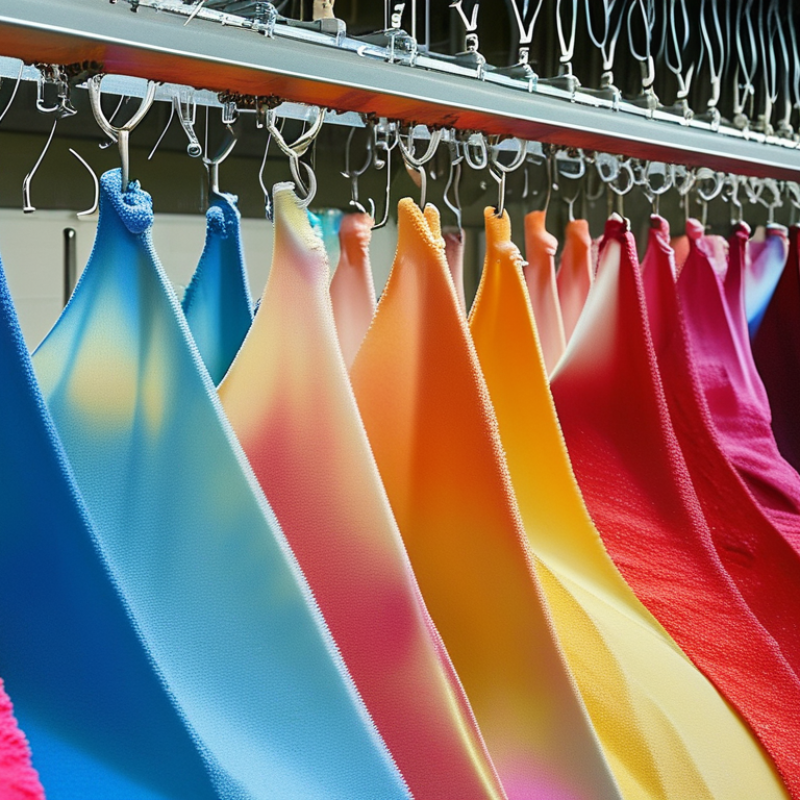
How to Choose the Best Acid Dyes for Your Products?

Criteria for Selecting Acid Dyes Based on Fiber Type and Application

When selecting acid dyes, it is crucial to consider the fiber type. Different fibers react uniquely to dyes. Wool, for example, has strong affinities for acid dyes. These dyes provide vibrant and deep colors on protein-based fibers. In contrast, nylon also accepts acid dyes but requires different application techniques to achieve optimal results.

Application methods play a significant role too. Heat, pH, and concentration can affect the dyeing process. Reports show that maintaining a pH between 4.5 and 5.5 enhances dye absorption. The right temperature can also ensure better bonding with the fibers. In some cases, achieving consistent results can be challenging. Each fiber type demands tailored approaches for effective dyeing.

It's important to consider environmental factors as well. The sustainability of dyeing processes is increasingly important. Reports indicate that 20% of global industrial water pollution originates from textile dyeing. This emphasizes the need for responsible dye selection and application methods. Innovating in this space can lead to more eco-friendly practices. Addressing these challenges can significantly enhance the quality and sustainability of dyed products.

How to Choose the Best Acid Dyes for Your Products?

Fiber Type Application pH Range Temperature (°C) Lightfastness
Wool Textiles 3-6 70-90 Good
Silk Fashion 4-5 80-100 Excellent
Nylon Sportswear 5-7 90-120 Moderate
Acrylic Home Furnishing 4-6 60-80 Fair
Cellulose Industrial Applications 6-8 100-120 Good

Comparative Analysis of Acid Dyes: Fastness Ratings and Color Range

When selecting acid dyes, color fastness and range are critical factors. Color fastness refers to how well a dye resists fading or altering when exposed to light, wash, and sweat. According to a recent study, acid dyes usually score between 3 to 5 on the fastness scale, depending on their chemical structure. Those with higher ratings provide better durability for fabrics that will undergo heavy use.

A comprehensive analysis shows that red and blue acid dyes tend to exhibit superior fastness properties compared to yellows or greens.

The color range of acid dyes can significantly impact the final product appearance. Dyes with broad color spectra allow for creative flexibility. However, not all colors perform equally. Research indicates that shades like deep navy or vibrant magenta achieve a wider appeal due to their high visual impact and stability. Yet, certain hues can fade rapidly, especially if used on less suitable fibers. Careful selection based on both aesthetic and performance metrics is imperative for achieving product longevity and customer satisfaction.

Environmental Considerations: Eco-Friendly Acid Dyes and Certifications

When selecting acid dyes, it's crucial to consider their environmental impact. The textile industry significantly contributes to pollution, with an estimated 20% of global water pollution stemming from dyeing processes. Eco-friendly acid dyes offer a solution by reducing harmful chemical usage. These dyes often derive from natural sources or are synthetic alternatives that meet stringent environmental standards.

Certifications play a vital role in identifying eco-friendly products. Look for labels such as Oeko-Tex Standard 100 and GOTS (Global Organic Textile Standard). These certifications ensure the dyes do not contain hazardous substances and are safe for both consumers and the environment. Research from the Environmental Protection Agency indicates that certified products can minimize adverse health effects.

Despite the benefits, challenges in sourcing eco-friendly options persist. Not all suppliers may provide accurate certification, leading to potential greenwashing. Rigorous testing and verification processes are essential to ensure compliance. The reliance on trustworthy suppliers can make or break the eco-friendly choice. Continuous evaluation of new dyes and their environmental impact is crucial in striving for sustainability in dyeing practices.

Cost-Benefit Evaluation: Price Versus Performance in Acid Dyes Selection

When selecting acid dyes, evaluating cost versus performance is crucial. Price can vary significantly among different dyes, but a lower price doesn't always mean lower quality. To assess performance, consider factors like colorfastness, brightness, and ease of use. In some cases, spending a bit more upfront may lead to better results for your products.

It's important to test dyes in real applications. The performance can differ based on the material being dyed and the method used. A dye may appear vibrant but fade quickly when washed. Conversely, a more expensive dye might yield a richer color that lasts. Thus, conducting small trials helps in understanding how each dye performs in practice.

Another factor to ponder is the environmental impact of the dyes. Cheaper options might carry hidden costs. They could involve toxic substances or unfavorable disposal requirements. Weighing environmental responsibility against performance and cost is essential in today's market. Thus, informed decisions become paramount. Regularly revisiting the dye options will ensure you remain updated on performance trends and pricing, leading to better overall choices.

Trends in Acid Dye Technology: Innovations and Industry Standards

Acid dye technology is evolving rapidly. Innovations drive the textile industry toward more sustainable and efficient practices. Recent studies show that acid dyes now offer better solubility and colorfastness. According to the American Chemical Society, the use of advanced formulations can lead to a 30% increase in color retention compared to traditional dyes.

Sustainable practices are becoming essential. Manufacturers are shifting toward eco-friendly components in dye production. A report from the International Journal of Environmental Science highlighted that 56% of textile companies prioritize sustainability over cost. This shift indicates a growing market trend where consumers demand greener products.

However, challenges remain. Not all dye processes meet these new standards. Some dyes still produce significant waste and pollution. A survey by Dye Management Systems revealed that only 40% of companies have fully adopted sustainable practices. The industry needs to reflect on how to bridge this gap effectively. From improving dyeing techniques to reducing water usage, there's a lot to consider for future advancements.

Trends in Acid Dye Technology: Innovations and Industry Standards

This chart illustrates the usage trends of various types of acid dyes across different industries, showcasing the innovative advancements and adherence to industry standards.

FAQS

: What factors should be considered when selecting acid dyes?

: Fiber type and application methods are crucial. Different fibers react uniquely, affecting dye results.

Why does pH matter in the dyeing process?

Maintaining a pH between 4.5 and 5.5 enhances dye absorption and bonding with fibers.

How does temperature influence acid dyeing?

The right temperature ensures better bond quality with the fibers. Consistency can be tricky.

What is the environmental impact of textile dyeing?

The textile industry contributes 20% to global water pollution due to dyeing processes.

What are eco-friendly acid dyes?

Eco-friendly dyes often come from natural sources. They reduce harmful chemicals in the dyeing process.

How can certifications help in choosing dyes?

Certifications like Oeko-Tex and GOTS identify safe, non-hazardous dyes. They ensure eco-friendliness but can be misleading.

What are the current trends in acid dye technology?

Innovations improve dye solubility and color retention, making practices more sustainable.

What percentage of companies prioritize sustainability in dye production?

56% of textile companies now focus on sustainability over cost, reflecting market demand for greener products.

What challenges exist in sourcing eco-friendly dyes?

Not all suppliers provide accurate certifications. Sourcing can lead to greenwashing concerns.

What is necessary for future advancements in dyeing practices?

Companies must reduce waste and improve techniques to meet sustainability standards effectively.

Conclusion

When selecting Acid Dyes for textile applications, it's essential to consider various criteria based on the fiber type and intended use. Different fibers react uniquely to Acid Dyes, affecting the dyeing process and final appearance. A comparative analysis of Acid Dyes highlights the importance of fastness ratings and the range of colors available, helping manufacturers make informed decisions about their dye choices.

Environmental considerations also play a significant role in dye selection, with a growing emphasis on eco-friendly Acid Dyes and relevant certifications. Additionally, evaluating the cost-benefit ratio of Acid Dyes—balancing price with performance—is crucial for businesses aiming to optimize their production processes. Finally, staying updated on trends in Acid Dye technology, including innovations and industry standards, can provide competitive advantages in the market.


Madeline

Madeline

Madeline is a dedicated marketing professional with a wealth of expertise in our company's core offerings. With a keen understanding of the industry, she brings a unique perspective to her role, consistently delivering high-quality content that highlights the superior aspects of our products. As......