Choosing the right Shoe Polish Dyes in 2026 requires more than comparing color charts or wholesale prices. Global buyers need dependable performance across leather, synthetic uppers, coated surfaces, and different climate conditions. A dye that looks rich in a laboratory sample may appear uneven on a worn brown boot. That difference matters.
This guide examines practical factors, including color strength, absorption, drying time, finish compatibility, packaging stability, and batch consistency. It also considers supplier documentation, technical support, and quality testing. Experienced buyers should request samples before placing large orders. Small tests can reveal staining, cracking, poor adhesion, or unexpected color changes after buffing. These details are easy to overlook.
Not every product performs equally. Some formulas spread smoothly but lack durability. Others offer strong coverage but require careful application. That trade-off deserves honest attention. Testing should reflect real use, including brushing, rubbing, moisture exposure, and storage temperature changes. Supplier claims should be checked against technical data and independent inspection where practical.
Reliable sourcing also means reviewing ingredient information and following applicable product, packaging, labeling, and transport requirements in each target market. Standards differ. They should not be assumed. Buyers may also need clear safety instructions for workers and end users.
This article compares suitable Shoe Polish Dyes for international purchasing decisions. It focuses on evidence, practical handling, and long-term value rather than attractive promises. Some conclusions may change as formulations improve. That is worth admitting. A careful buyer keeps testing.
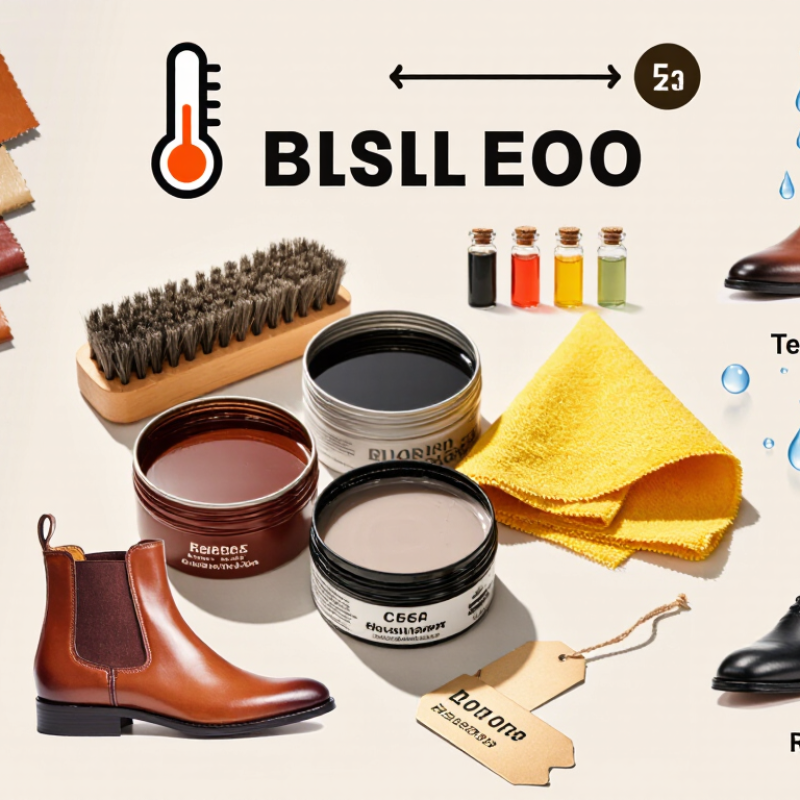
2026 Best Shoe Polish Dyes for Global Buyers?
Leather requires material-specific color care, not one universal dye. Aniline leather has open pores and a soft, transparent finish. Use penetrating, low-solid dyes that preserve its natural grain. Apply thin layers with a lint-free cloth. Excess liquid can create dark rings.
Semi-aniline leather contains a light protective coating. A mild cream dye or color-matched emulsion usually works better than strong solvents. Pigmented and corrected-grain leather need surface colorants with controlled opacity. These materials may reject penetrating dyes. Test inside the tongue first. Small tests prevent expensive mistakes.
Suede and nubuck require dry, water-based color renovators designed for raised fibers. Wax polish can flatten the nap and leave shiny patches. Patent leather needs flexible surface cleaners, not ordinary dye. Oil-tanned leather accepts conditioning color products, but heavy wax may reduce its pull-up effect. Leather Naturally’s 2023 factsheet notes that more than 1.4 billion hides and skins enter the leather supply chain annually, showing the wide variation in raw material structure. A 2024 Grand View Research report estimated the global footwear market at over 450 billion US dollars, increasing demand for reliable repair products. These figures support careful material segmentation, although market reports rarely measure shoe-dye performance directly. That limitation matters. Even expert guidance can fail on old, previously coated footwear. Temperature, humidity, and pressure during application also change the final shade. Always compare the dried color under daylight.
| Dye or Polish Type | Best-Suited Leather | Coloring Action | Typical Finish | Main Advantages | Key Limitations | Recommended Use |
|---|---|---|---|---|---|---|
| Alcohol-Based Penetrating Dye | Vegetable-tanned, unfinished, or heavily sanded smooth leather | Penetrates deeply and changes the base color | Usually matte to satin before polishing | Strong color change; dries relatively quickly; suitable for professional recoloring | Can dry leather, produce uneven absorption, or stain surrounding materials | Full recoloring, edge work, and restoration of unfinished leather |
| Water-Based Leather Dye | Vegetable-tanned and absorbent smooth leather | Penetrates with a slower, more controllable absorption rate | Natural matte or low-sheen finish | Lower odor than many solvent-rich formulas; easier blending and layering | Longer drying time; may raise the grain or reactivate with moisture before sealing | Controlled color development and workshop applications with ventilation limits |
| Pigmented Cream Polish | Finished smooth, corrected-grain, and lightly scuffed leather | Deposits pigment mainly on the surface rather than deeply penetrating | Soft satin with moderate coverage | Refreshes faded color; conditions and covers minor scuffs | Limited durability on high-abrasion areas; cannot reliably create a major color change | Routine maintenance and color renewal for everyday leather footwear |
| Hard Wax Polish | Smooth calf, corrected-grain, and other finished leather | Forms a thin colored film on the surface | High shine or mirror shine when layered and buffed | Excellent gloss; enhances toe and heel definition; offers light surface protection | Can crack in flex zones if applied too heavily; provides little deep conditioning | Dress shoes, formal footwear, and decorative high-shine finishing |
| Cream-Wax Hybrid Polish | Finished smooth leather used for regular wear | Combines light pigment coverage with a flexible wax layer | Natural sheen to medium gloss | Balanced color refresh, flexibility, conditioning, and moderate shine | Less coverage than a dedicated dye and less gloss than a hard wax | General-purpose care for business, casual, and uniform footwear |
| Oil- or Grease-Based Color Dressing | Oiled, pull-up, waxed, and rugged smooth leather | Adds oils, waxes, and limited surface color while darkening the leather | Low sheen to satin with a richer appearance | Restores suppleness and helps revive dry-looking, distressed leather | May permanently darken color, reduce pull-up contrast, or attract dust | Work boots, outdoor shoes, and leather requiring lubrication rather than high gloss |
| Aniline Leather Color Cream | Aniline and semi-aniline smooth leather | Provides light transparent color while preserving some natural grain character | Low sheen with a natural leather appearance | Maintains a softer, less coated look than heavy pigment products | Uneven absorption and dark spots are possible; water marks may remain visible | Gentle color maintenance where preserving the original grain appearance is important |
| Nubuck Color Renovator | Nubuck and fine buffed leather | Uses a fine colorant that refreshes the nap without creating a smooth film | Velvety, matte nap | Revives faded color while retaining the characteristic brushed texture | Can flatten or clog the nap if over-applied; requires brushing after drying | Color renewal for nubuck footwear and light surface fading |
| Suede Dye or Suede Renovator | Suede and split leather with an open nap | Colors the fibers while preserving the brushed surface | Dry, matte, and textured | Designed for porous nap; available for restoring faded or uneven suede color | Not suitable for smooth leather; may transfer color if insufficiently dried or brushed | Suede boots, shoes, and accessories requiring nap-safe recoloring |
| Patent Leather Gloss Dressing | Patent leather with a glossy coated surface | Adds surface gloss and may provide very limited transparent tinting | High gloss | Removes light dullness and helps maintain the reflective coating | Traditional dyes and abrasive polishes can damage or cloud the patent finish | Cleaning and gloss maintenance only; use a product specifically labeled for patent leather |
| Exotic-Leather Conditioner with Color | Finished or lightly finished reptile and other exotic leather | Provides light surface color and conditioning without aggressive penetration | Natural satin to controlled gloss | Helps preserve scale texture and reduces the risk of excessive surface buildup | Strong dyes, solvents, and excess moisture may stain, loosen, or distort delicate surfaces | Light maintenance of exotic footwear after confirming compatibility with the leather finish |
No. Leather surfaces absorb color differently. Aniline leather needs thin, penetrating dye layers. Coated leather usually needs surface colorants. Test first.
Use a low-solid, penetrating dye with a lint-free cloth. Apply very thin layers. Excess liquid may create dark rings around pores.
Use a dry, water-based color renovator made for raised fibers. Ordinary wax can flatten the nap. Shiny patches may remain afterward.
Use a flexible surface cleaner designed for its glossy coating. Ordinary leather dye may crack or adhere poorly. Be cautious.
Request material swatches and small sample batches. Check color after 24 hours, under daylight, and after repeated bending. One sample is not enough.
It should spread evenly, adhere well, and dry without sticky residue. The leather should remain flexible after drying. Cracking signals trouble.
Remove dirt, wax, and silicone residue first. Apply thin coats with a sponge or cotton pad. Allow 15–30 minutes between layers.
Heavy coats, rushed drying, and poor lighting often cause streaks. A bright showroom can hide problems. Natural daylight reveals more.
Ask for batch numbers, ingredient details, safety data, storage guidance, and application instructions. Sealed packaging helps during warm transport.
Not always. Temperature, humidity, pressure, and old coatings can change the result. I still find small color differences difficult to predict.
Choosing the right Shoe Polish Dyes in 2026 requires understanding how different leather materials respond to colorants, conditioners, and finishing agents. Products should be selected according to the leather’s texture, finish, porosity, and intended use, while also considering climate, consumer preferences, and market expectations in different regions. High-quality dyes should provide even color, reliable adhesion, natural-looking results, durability, and compatibility with professional and household applications.
This guide also explains practical application methods, including surface preparation, testing, layering, drying, and polishing techniques. For global buyers, product safety, clear labeling, suitable packaging, storage stability, and international shipping requirements are equally important. Responsible sourcing and accurate technical information can help importers, distributors, repair professionals, and consumers use Shoe Polish Dyes effectively while reducing quality risks and supporting consistent results across different markets.

 Sunrise