In recent years, the demand for Liquid Dyes has surged globally. These dyes are essential in various industries, including textiles, food, and cosmetics. Choosing the right liquid dye can enhance product quality and color consistency. However, this process can be overwhelming.
The market for Liquid Dyes is vast, with numerous suppliers around the world. Each supplier offers unique advantages and challenges. Understanding these differences is crucial for businesses. They must assess factors like quality, cost, and environmental impact. Reliable suppliers provide consistent colors and minimize waste.
Yet, not all Liquid Dyes are created equal. Variability in formulation can lead to undesirable results. Quality control measures are essential. Companies must remain vigilant about their sourcing practices. While seeking the best dyes, reflection on past experiences can guide better decisions. Addressing both successes and failures is key to achieving optimal procurement outcomes.
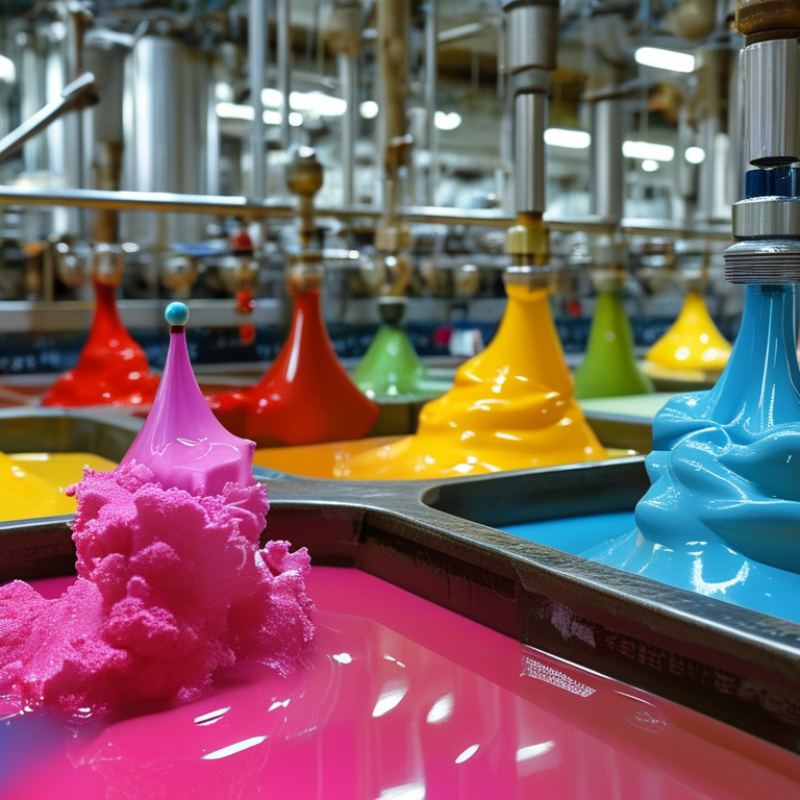
Overview of Liquid Dyes and Their Importance in Global Procurement
Liquid dyes play a crucial role in various industries, impacting global procurement significantly. These dyes are used in textiles, plastics, food, and cosmetics. The global market for liquid dyes is projected to reach USD 3.5 billion by 2025, growing at a CAGR of 7.2% from 2020. This growth reflects the increasing demand for vibrant and diverse color options.
In procurement, understanding the characteristics of liquid dyes is essential. Different dyes offer distinct properties. For instance, reactive dyes bond chemically with fibers, making them ideal for textiles. Conversely, direct dyes are popular for their ease of use and cost-effectiveness. However, the market faces challenges, such as environmental regulations and consistency in quality. Reports indicate that about 30% of textile dyes could be non-compliant with regulations, highlighting the need for careful supplier selection.
Sustainability is becoming more pressing in the procurement process. Companies are seeking eco-friendly options that meet regulatory standards. Research indicates that over 60% of procurement professionals prioritize sustainability in sourcing decisions. However, the availability of compliant dyes remains uneven globally. This discrepancy requires a strategic approach in navigating supplier bases. Many companies still struggle to find reliable sources for high-quality, sustainable dyes. Ultimately, balancing quality, cost, and sustainability remains a complex challenge in global procurement.
Types of Liquid Dyes Suitable for Various Industries
Liquid dyes play a crucial role in various industries, ranging from textiles to food processing. These dyes are used not only for coloring but also for enhancing product quality. Understanding the types of liquid dyes available can help businesses meet their specific needs effectively.
For the textile industry, reactive dyes are popular. They bond well with fabric, ensuring vibrant, long-lasting colors. Acid dyes, on the other hand, are suitable for protein fibers like wool and silk. They offer deep shades and excellent washfastness. The food industry often utilizes food-grade liquid dyes. These safe options enhance the visual appeal of products while complying with food safety regulations.
Tips: Choosing the right dye requires consideration of application methods and desired outcomes. Test small batches first to ensure compatibility. Additionally, consider the environmental impact of your dye choices. Research sustainable dye options to minimize ecological harm. Regularly reassess your dye suppliers and practices to ensure quality and compliance with industry standards.
Key Factors Influencing the Selection of Liquid Dyes
When selecting liquid dyes for global procurement, various key factors come into play. Quality is paramount. Buyers often seek products that meet stringent international standards. According to the 2022 Global Dye Market report, over 75% of textile manufacturers prioritize color fastness and consistency. Variability in dye batches can lead to significant production losses. This concern highlights the importance of reliability in suppliers.
Sustainability is another critical factor. More industries are shifting towards eco-friendly dyes. Reports show that the demand for natural dyes is growing annually by 10%. Technologies that reduce harmful environmental impacts are becoming more prevalent. Yet, many suppliers still struggle to provide sufficient certification for their products. This inconsistency can deter potential buyers looking to uphold green practices.
Cost-effectiveness is a constant consideration. While quality and sustainability are vital, budget constraints cannot be ignored. Industry estimates suggest that fluctuations in raw material prices can affect liquid dye costs by up to 25%. Companies must navigate this landscape carefully. Many end-users feel pressured to sacrifice quality for price. In this dynamic environment, balancing these factors becomes a challenge for procurement professionals.
Top Manufacturers and Suppliers of Liquid Dyes Worldwide
Liquid dyes play a crucial role in various industries, including textiles, food, and cosmetics. As the global demand for these dyes continues to grow, sourcing from reliable manufacturers and suppliers becomes essential. Understanding the landscape of liquid dye manufacturers can help businesses make informed decisions.
When selecting a liquid dye supplier, consider the geographical locations of top manufacturers. Different regions may specialize in various dye types and formulations. It is vital to analyze their production capabilities and delivery timelines. Choosing partners near your location can reduce shipping costs and enhance supply chain efficiency.
Tips for sourcing liquid dyes:
- Research suppliers' certifications and quality control processes.
- Request samples to evaluate colorfastness and compatibility with your materials.
- Stay updated on industry trends and innovations for better procurement.
Identify suppliers who prioritize sustainability in their practices. Some may use eco-friendly materials or processes, making them more suitable for today's environmentally-conscious market. Reflect on the long-term impacts of your sourcing decisions on the environment and your brand's reputation. Making careful choices now can lead to better outcomes in the future.
Future Trends and Innovations in Liquid Dye Development
The liquid dye industry is evolving rapidly, influenced by the increasing demand for sustainable and innovative solutions. Future trends indicate a significant shift towards bio-based and environment-friendly dyes. According to recent industry reports, the global liquid dye market is projected to achieve a valuation of over $8 billion by 2026. This growth aligns with a growing preference for less harmful materials across various sectors, including textiles and food.
Advanced technologies are playing a crucial role in dye development. Innovations in dyeing techniques are reducing water and energy consumption. For instance, new formulations enable dye application at lower temperatures, minimizing environmental impact. Companies are focusing on eco-friendly raw materials, which contribute to creating safer products. However, the challenge remains in consistently delivering quality color fastness while adhering to these sustainable practices.
Tips: Always prioritize suppliers who emphasize sustainability in their practices. Research certifications verifying eco-friendly claims. Regularly audit your processes to reduce waste and enhance the efficiency of dye applications. Embrace ongoing training for your teams to stay updated with industry innovations. While progress is clear, there’s always room for improvement in both product quality and environmental responsibility.
2026 Best Liquid Dyes for Global Procurement Needs
This chart illustrates the projected market growth and adoption rates of various liquid dyes by 2026 across different industries. As shown, synthetic dyes maintain the highest projected usage, while natural dyes are expected to see a significant increase due to rising sustainability trends.
FAQS
: Liquid dyes are essential for textiles, plastics, food, and cosmetics. They enhance product appeal and functionality.
Each dye has unique properties. Knowing them helps buyers choose the best option for their specific needs.
Companies deal with environmental regulations and consistency in quality. Approximately 30% of dyes may not meet regulations.
Sustainability is increasingly important. Over 60% of procurement professionals prioritize eco-friendly options in their decisions.
Buyers consider quality, sustainability, and cost. A balance among these factors is essential but often difficult to achieve.
Quality impacts color fastness and consistency. Over 75% of manufacturers prioritize these aspects to avoid production losses.
Raw material price changes can affect dye costs by up to 25%. This variability pressures buyers to make tough decisions.
Research certifications, request samples, and stay informed on trends. Local suppliers can enhance efficiency and reduce costs.
Consider the long-term environmental impact and brand reputation. Thoughtful sourcing choices today influence future success.
Variability in supplier reliability and compliance affects choices. Companies must adapt and navigate this complex landscape.
Conclusion
Liquid dyes play a crucial role in global procurement, serving a wide range of industries from textiles to cosmetics. Their versatility and efficacy make them essential for achieving desired color outcomes in various applications. The article delves into different types of liquid dyes, highlighting their suitability for specific sectors and the key factors influencing their selection, such as colorfastness, safety, and environmental impact.
Moreover, it emphasizes the importance of understanding the supply chain dynamics, identifying top manufacturers and suppliers worldwide who can meet the growing demand. As industries evolve, future trends and innovations in liquid dye development will focus on sustainability and eco-friendly practices, ensuring that liquid dyes continue to meet both market needs and environmental standards.

 Sunrise